How we built this comparison
This page combines traveler discussion patterns, published price ranges, flight schedules, and seasonal data to help you decide between Mexico and Poland.
- Reviewed 100+ Reddit threads from r/travel, r/solotravel, etc.
- Verified costs and logistics against current booking platforms (e.g., Booking.com, Skyscanner)
- Cross-referenced seasonal patterns and weather data for optimal travel times
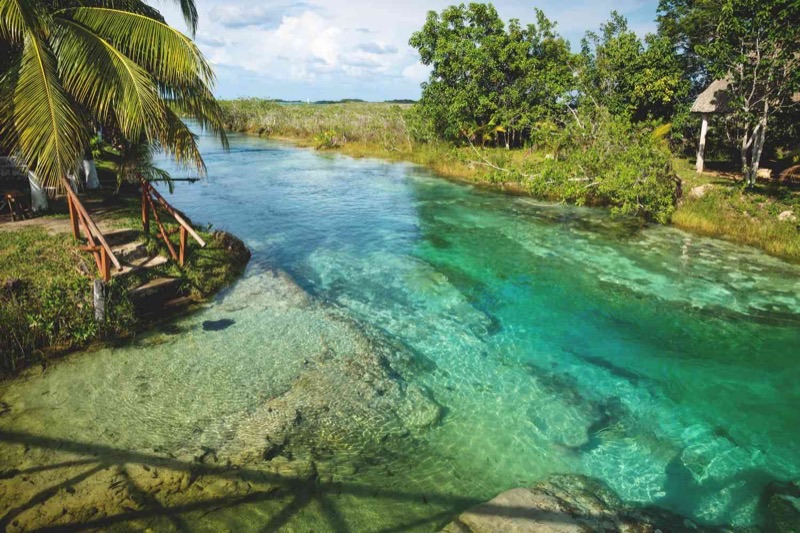
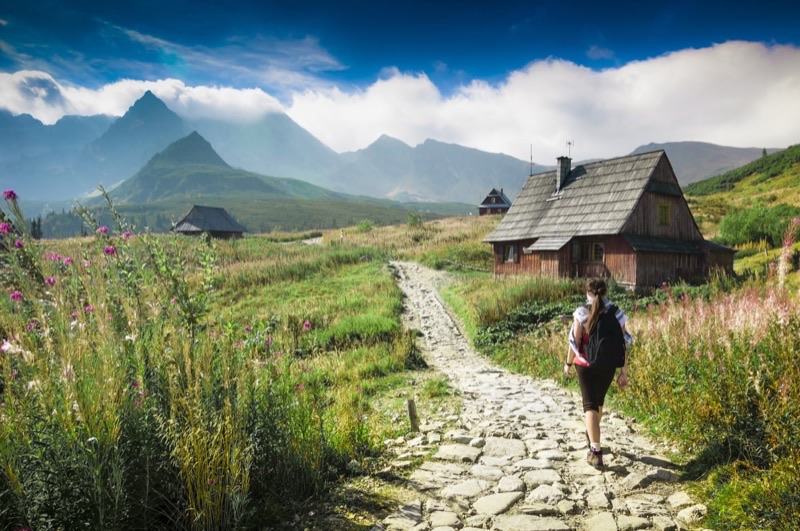
⚡ The TL;DR Verdict
For most travelers prioritizing warmth, a lively street experience, and very low food costs, Mexico is the pick. Daily budgets average $50-100. Poland suits those seeking European history, organized city experiences, and a quieter pace, with budgets around $70-120.
- Choose Mexico: Travelers seeking tropical beaches, ancient ruins, pervasive street food culture, and a generally lower price point for daily expenses, especially from North America.
- Choose Poland: Those interested in European history, well-preserved medieval towns, affordable city breaks within Europe, and a colder climate with distinct seasons.
- Choose Both: If you have a longer travel window (4+ weeks) and want contrasting experiences – perhaps two weeks in each – focusing on cultural immersion in both regions.
Choose Mexico
Choose Mexico if you crave vibrant street life, delectable tacos al pastor from a bustling taqueria in Mexico City, and sun-drenched days on the Riviera Maya. It's best for budget-conscious adventurers and foodies seeking a deep cultural immersion without breaking the bank, with daily costs often under $100.
Choose Poland
Poland is ideal for history enthusiasts and travelers who appreciate well-preserved European charm, from exploring Kraków's Old Town square to reflecting at Auschwitz-Birkenau. Best for those seeking an organized, culturally rich city break with excellent value, particularly during its crisp autumns or snowy winters, with daily budgets averaging $70-120.
Quick Comparison
| Category | Mexico | Poland | Winner |
|---|---|---|---|
| Costs and Budget | Significantly lower costs for food, local transport, and activities outside major resorts. Daily budget $50-100 USD. | Lower than Western Europe but higher than Mexico for food and lodging. Daily budget $70-120 USD. | Mexico |
| Food and Drink | Street food mecca with regional specialties, tortillas, and a vast array of sauces. Tequila and mezcal are prominent. | Hearty, comforting dishes like pierogi, kielbasa, and potato pancakes. Vodka and craft beer are common. | Mexico |
| Culture and History | Ancient Mesoamerican civilizations, colonial architecture, Day of the Dead, Lucha Libre, and vibrant folk art. | Medieval towns, WWII history, Jewish heritage, Chopin, and a strong Catholic tradition. | Tie |
| Beaches and Lakes | Caribbean white sand beaches and Pacific coast surfing, cenotes for swimming. Warm water year-round. | Baltic Sea beaches with cooler water, numerous lakes in Masuria and the Tatra Mountains. | Mexico |
| Nature and Outdoors | Deserts, volcanoes, jungles, cloud forests, cenotes, and diverse wildlife. Hiking and adventure sports. | Tatra Mountains for hiking, Bialowieza Forest for bison, Masurian Lakes, and national parks. | Mexico |
| Nightlife and Social Scene | Lively street parties, salsa clubs, resort bars, mezcalerias, and late-night taquerias. | Pubs, clubs, underground bars, and jazz venues in major cities. Student-led social gatherings. | Mexico |
| Safety and Logistics | Safety varies by region; some areas have elevated crime. Local transport is cheap but crowded. Spanish is essential. | Generally safe, especially in tourist areas. Efficient public transport. Polish is the official language, English is common in cities. | Poland |
| Getting There (Flights) | Direct flights from North America (3-6h). Longer from Europe (9-12h). Prices vary widely. | Direct flights from major European cities (2-4h). Longer from North America (8-10h+). Prices vary. | Tie |
| Accommodation | Hostels, boutique hotels, all-inclusive resorts, budget guesthouses. Prices generally lower. | Hostels, apartments, boutique hotels, chain hotels. Quality is high for the price. | Mexico |
| Getting Around | Extensive bus network (first-class and local), colectivos, ride-sharing, taxis. Often crowded. | Efficient train system, city trams/buses, ride-sharing, taxis. Generally reliable and on schedule. | Poland |
💰 Costs and Budget
Mexico consistently offers a more budget-friendly experience, particularly for food and local transportation. A street taco costs MXN 20-30 ($1-1.50 USD), a full meal at a casual…
Mexico
Poland
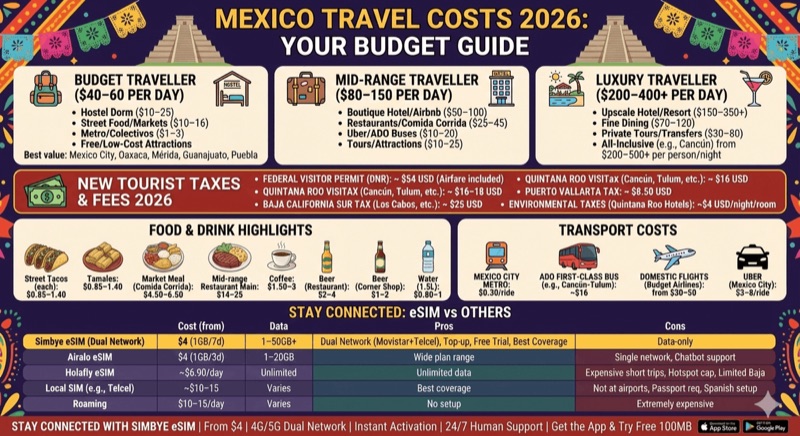
Mexico consistently offers a more budget-friendly experience, particularly for food and local transportation. A street taco costs MXN 20-30 ($1-1.50 USD), a full meal at a casual restaurant MXN 100-200 ($5-10 USD). Local buses are MXN 8-15 ($0.40-0.75 USD) in cities like Mexico City. Hostel dorms start around MXN 200 ($10 USD), while budget hotels are MXN 500-1000 ($25-50 USD). Activities like entry to Teotihuacan are MXN 85 ($4.25 USD). A comfortable daily budget for a solo traveler can be $50-70 USD, with resort areas pushing it higher.
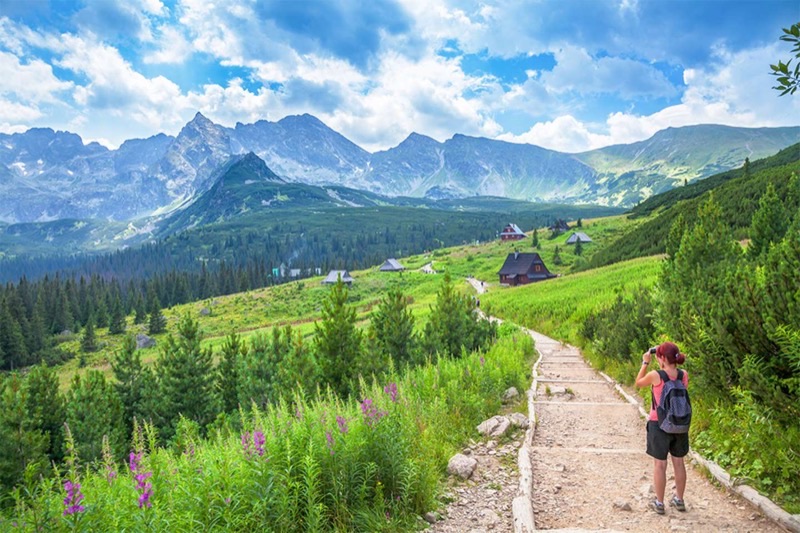
Poland provides good value within Europe but is generally more expensive than Mexico. A pierogi plate costs PLN 25-40 ($6-10 USD), and a main course in a mid-range restaurant is PLN 50-80 ($12-20 USD). City tram tickets are PLN 3.40-4.40 ($0.85-1.10 USD). Hostel dorms start around PLN 60-80 ($15-20 USD), and budget hotels are PLN 150-300 ($38-75 USD). Entry to Wawel Castle in Krakow costs PLN 30-50 ($7.50-12.50 USD). A realistic daily budget for a solo traveler is $70-100 USD. Mexico wins for sheer travel affordability for most categories.
- Winner: Mexico
- Why: Mexico delivers a lower cost of living and travel, making budgets stretch further, especially for food and local experiences.
- Who this matters for: Budget travelers, long-term backpackers, and those seeking maximum value for money.
🌮 Food and Drink
Mexican food is pervasive, accessible, and endlessly varied. Street food reigns supreme, with tacos al pastor, suadero, carnitas, quesadillas, and tamales costing MXN 20-50…
Mexico
Poland
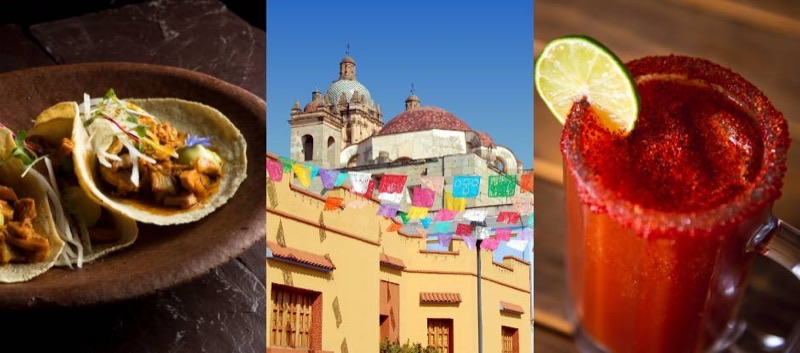
Mexican food is pervasive, accessible, and endlessly varied. Street food reigns supreme, with tacos al pastor, suadero, carnitas, quesadillas, and tamales costing MXN 20-50 ($1-2.50 USD) a piece. Regional dishes like mole in Oaxaca, cochinita pibil in Yucatan, and birria in Jalisco offer distinct experiences. Markets such as Mercado de San Juan in Mexico City provide a deep dive into local ingredients and prepared foods. Fresh fruit juices are cheap, and horchata is common. Tequila and mezcal are culturally significant drinks, and local beers like Modelo and Pacifico are widely available.
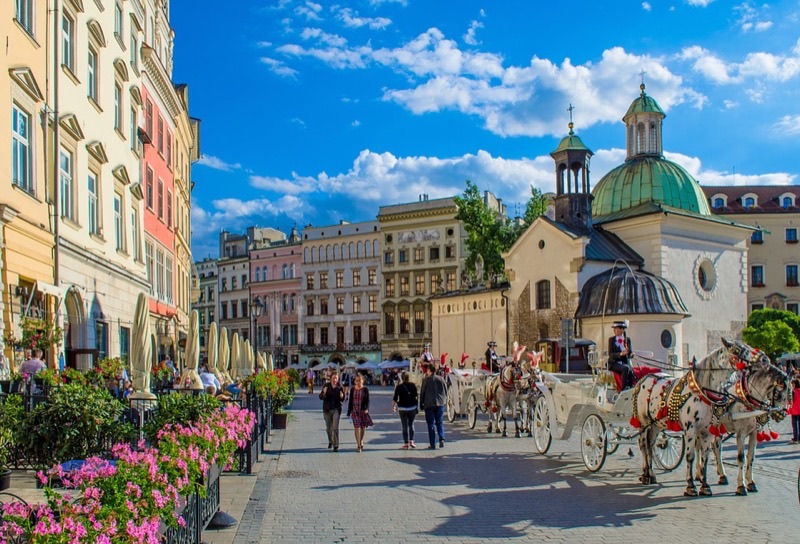
Polish food is comforting and focuses on substantial, flavorful dishes. Pierogi (dumplings) are a staple, often filled with meat, cabbage, or cheese, costing PLN 25-40 ($6-10 USD) for a plate. Other common items include bigos (hunter's stew), żurek (sour rye soup), and various types of kiełbasa (sausage). Milk bars (bar mleczny) like Bar Mleczny Familijny in Warsaw offer incredibly cheap, traditional meals. Vodka, particularly flavored varieties, is a traditional drink, alongside a growing craft beer scene. While Polish food is good, Mexico's diversity, street culture, and cost make it the stronger food destination.
- Winner: Mexico
- Why: Mexico's street food culture, regional diversity, and overall lower cost for exceptional meals make it a superior food destination.
- Who this matters for: Foodies, adventurous eaters, and travelers prioritizing delicious, cheap, and accessible meals.
🗿 Culture and History
Mexico's history spans thousands of years, encompassing powerful Mesoamerican civilizations like the Maya, Aztec, and Zapotec. Sites such as Teotihuacan outside Mexico City,…
Mexico
Poland
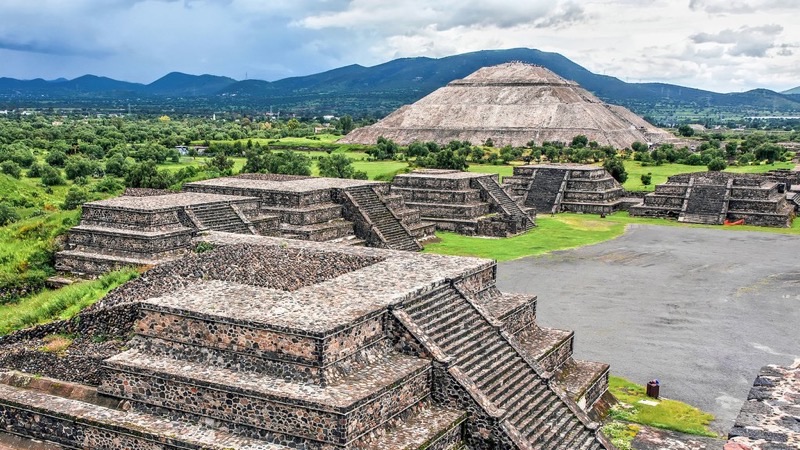
Mexico's history spans thousands of years, encompassing powerful Mesoamerican civilizations like the Maya, Aztec, and Zapotec. Sites such as Teotihuacan outside Mexico City, Chichen Itza in Yucatan, and Palenque in Chiapas showcase impressive ancient architecture. Colonial cities like San Miguel de Allende, Oaxaca, and Guanajuato feature colorful buildings and grand plazas. Day of the Dead (Día de Muertos) is a significant cultural event, and Lucha Libre wrestling is a popular spectacle. Mexico City's Zocalo and Palacio Nacional offer insights into more recent history. The National Museum of Anthropology in Mexico City is a required stop for historical context.
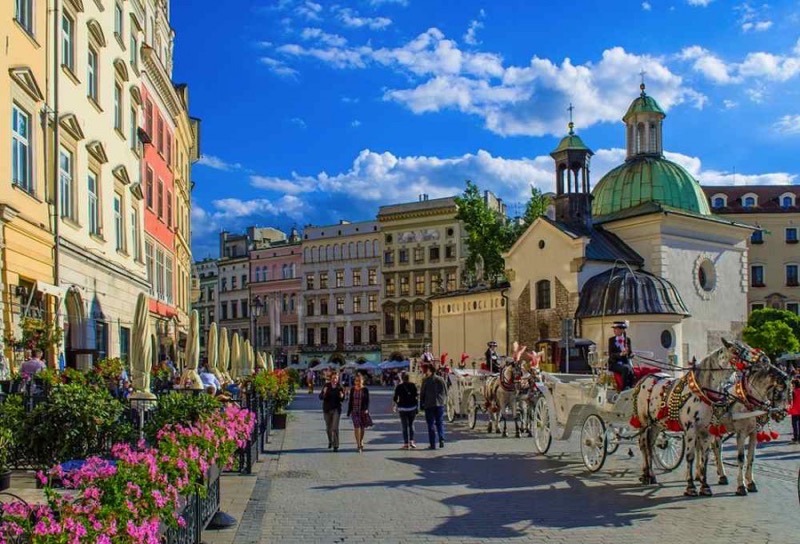
Poland's history is deeply layered with medieval kingdoms, Renaissance artistry, and sobering 20th-century events. Krakow's Old Town, a UNESCO site, features Wawel Castle and St. Mary's Basilica. Warsaw, largely rebuilt after WWII, has a reconstructed Old Town and the Warsaw Uprising Museum. Gdansk boasts maritime history and the birthplace of the Solidarity movement. The Auschwitz-Birkenau Memorial and Museum outside Krakow provides a somber, essential experience related to the Holocaust. Poland's Jewish heritage, particularly in Kazimierz, Krakow, is significant. Both countries offer profound historical and cultural experiences; the choice depends entirely on the traveler's specific interests. This category is a tie as both provide a deep, distinct historical narrative.
- Winner: Tie
- Why: Both Mexico and Poland present rich, deep, and distinct historical narratives that appeal to different interests, making it impossible to declare one superior.
- Who this matters for: History enthusiasts, cultural explorers, and those looking for immersive experiences into past civilizations or significant historical events.
🏖️ Beaches and Lakes
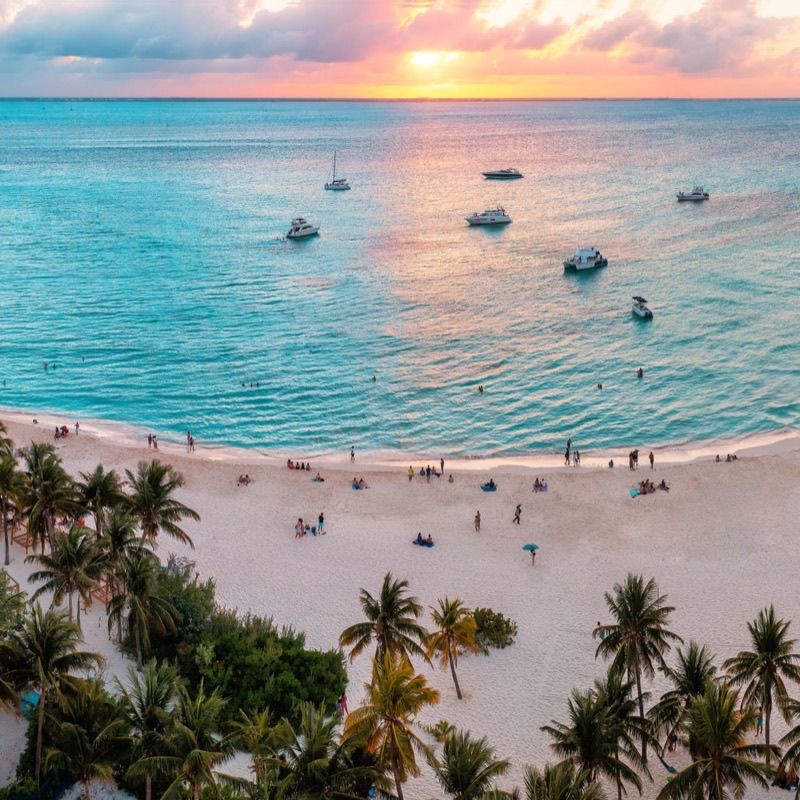
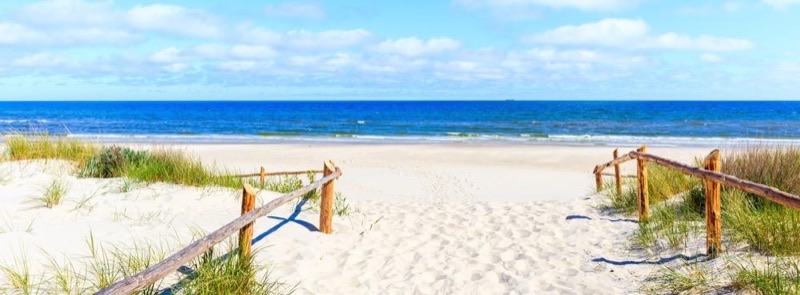
Mexico is known for its extensive and varied coastline. The Caribbean coast, particularly around Cancun, Playa del Carmen, and Tulum, offers clear turquoise waters, white sand,…
Mexico
Poland
Mexico is known for its extensive and varied coastline. The Caribbean coast, particularly around Cancun, Playa del Carmen, and Tulum, offers clear turquoise waters, white sand, and opportunities for snorkeling and diving. Resorts are plentiful, but more natural options like Sian Kaan Biosphere Reserve exist. The Pacific coast, from Puerto Vallarta to Oaxaca, provides different experiences, from surfing waves in Sayulita to quiet coves in Huatulco. Beyond the coasts, the Yucatan Peninsula is covered in cenotes, natural sinkholes with clear freshwater perfect for swimming, like Gran Cenote near Tulum. The water temperature is generally warm and suitable for swimming most of the year.
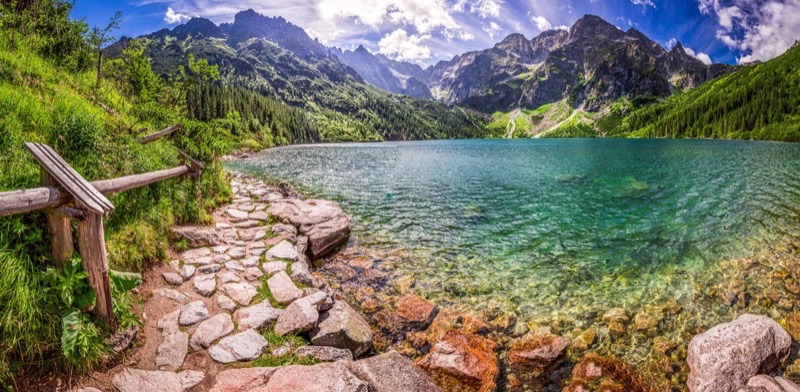
Poland has a coastline along the Baltic Sea, with popular sandy beaches around cities like Gdansk and Sopot. The water here is much cooler and swimming is typically a summer activity, appealing to those who prefer a refreshing dip over warm tropical waters. The Masurian Lake District in the northeast is a region of thousands of lakes, popular for sailing, kayaking, and fishing, often called the 'Land of a Thousand Lakes.' Lakes like Morskie Oko in the Tatra Mountains offer dramatic scenery but are very cold and typically not for swimming. For pure beach enjoyment, Mexico's warm waters and varied coastlines are an easy win.
- Winner: Mexico
- Why: Mexico's extensive Caribbean and Pacific coastlines, combined with warm water temperatures and cenotes, provide superior beach and swimming experiences.
- Who this matters for: Beach lovers, snorkelers, divers, and those seeking warm weather and water activities.
⛰️ Nature and Outdoors
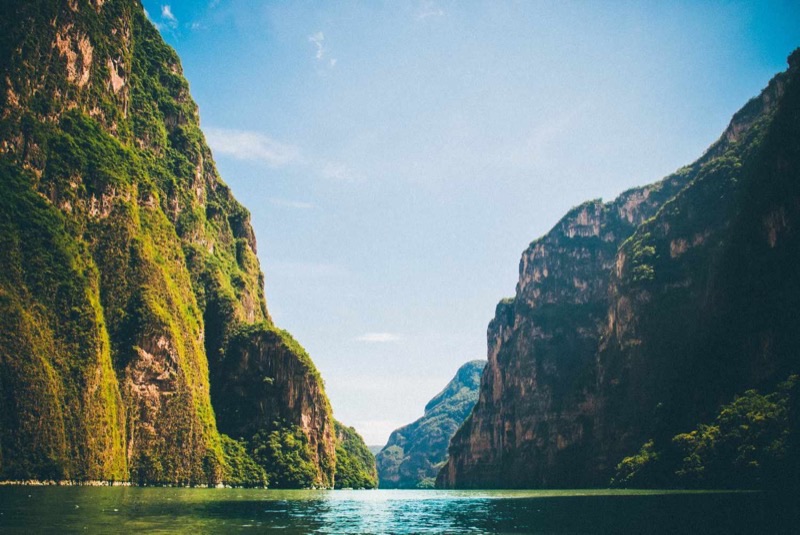
Mexico presents a vast array of natural landscapes. From the deserts of Baja California to the volcanic peaks like Popocatepetl and Iztaccihuatl near Mexico City, the country…
Mexico
Poland
Mexico presents a vast array of natural landscapes. From the deserts of Baja California to the volcanic peaks like Popocatepetl and Iztaccihuatl near Mexico City, the country offers diverse terrain. Southern Mexico has dense jungles in Chiapas and cloud forests, home to diverse flora and fauna, including jaguars and quetzals. The Yucatan Peninsula's cenotes are unique geological features for swimming and exploration. Activities include hiking, rappelling, zip-lining, and wildlife spotting in reserves like Sian Kaan. Grutas de Tolantongo offers thermal hot springs and caves.
Poland's natural offerings are distinct. The Tatra Mountains in the south are its primary hiking destination, with alpine landscapes, glacial lakes, and challenging trails. Bialowieza Forest, a UNESCO site, is one of Europe's last primeval forests and home to the European bison. The Masurian Lake District is a network of interconnected lakes popular for water sports. Other national parks like Slowinski National Park offer moving sand dunes on the Baltic coast. While Poland has impressive natural areas, Mexico's range of climates, ecosystems, and sheer scale of natural phenomena, from tropical to arid to volcanic, edge it out.
- Winner: Mexico
- Why: Mexico's immense geographical diversity, from tropical jungles and pristine coastlines to volcanoes and unique geological formations, offers a broader range of outdoor experiences.
- Who this matters for: Adventure travelers, nature photographers, wildlife enthusiasts, and those seeking diverse landscapes for exploration.
🌃 Nightlife and Social Scene
Mexico's nightlife is generally energetic and extends late into the night. Major cities like Mexico City offer everything from sophisticated cocktail bars in Roma Norte to raucous…
Mexico's nightlife is generally energetic and extends late into the night. Major cities like Mexico City offer everything from sophisticated cocktail bars in Roma Norte to raucous cantinas in Garibaldi Square, where mariachi bands play. Puerto Vallarta and Cancun have extensive club scenes catering to tourists, with places like Coco Bongo being famous. Oaxaca is known for its mezcalerias, offering tastings of artisanal mezcal. Street food vendors operate well past midnight, fueling the social scene. Local fiestas and events are common, fostering a collective celebratory atmosphere.
Poland's nightlife is concentrated in its larger cities, particularly Krakow, Warsaw, and Gdansk. Krakow's Old Town and Kazimierz district have a high density of pubs, clubs, and underground bars in cellars, offering a good social scene for students and tourists. Warsaw provides more varied options, from chic cocktail lounges to techno clubs. Gdansk has a more relaxed pub scene. Vodka is a common drink, and local craft beer has grown in popularity. While Poland has good options, Mexico's innate cultural tendency for public celebration, street food integration, and widespread late-night activity across many towns gives it an edge in overall social dynamism.
- Winner: Mexico
- Why: Mexico's inherent cultural inclination for late-night street life, diverse music scenes, and widespread social gatherings make it a more consistently lively destination after dark.
- Who this matters for: Party-goers, social travelers, those seeking late-night dining, and people who appreciate public celebrations.
🚨 Safety and Logistics
Safety in Mexico is a complex issue and varies significantly by region. Popular tourist areas like Cancun, Tulum, and Mexico City generally have higher safety levels but still…
Safety in Mexico is a complex issue and varies significantly by region. Popular tourist areas like Cancun, Tulum, and Mexico City generally have higher safety levels but still require situational awareness regarding petty crime and occasional cartel activity in specific zones. Other regions, particularly border areas and some states, have higher crime rates. Local transport like colectivos and peseros is very cheap but can be crowded. Ride-sharing apps like Uber are reliable in major cities. Spanish is the official language and knowing basic phrases is very helpful; English proficiency is limited outside major tourist hubs.
Poland is generally considered a safe country for tourists, with low rates of violent crime. Pickpocketing can occur in crowded tourist areas like Krakow's Old Town, but it is not pervasive. Public transportation in cities (trams, buses, metro in Warsaw) is efficient, extensive, and affordable. Intercity trains are a comfortable way to travel between major cities. While Polish is the official language, English is widely spoken by younger generations and in tourist-centric businesses in cities like Krakow, Warsaw, and Gdansk, making navigation easier for non-Polish speakers. Poland provides a more consistently secure and straightforward travel experience.
- Winner: Poland
- Why: Poland offers a higher, more consistent level of personal safety and easier navigation for non-Polish speakers, especially outside of major tourist hubs.
- Who this matters for: Solo travelers, first-time international travelers, and those prioritizing a low-stress, secure travel environment.
✈️ Getting There (Flights)
Flights to Mexico are highly convenient from North America. Direct flights from major US cities like Los Angeles, Houston, Chicago, or New York to Cancun, Mexico City, or…
Flights to Mexico are highly convenient from North America. Direct flights from major US cities like Los Angeles, Houston, Chicago, or New York to Cancun, Mexico City, or Guadalajara can be as short as 3-6 hours. Prices can range from $200-500 USD round trip, especially for budget carriers or off-season. From Europe, flights are much longer, typically 9-12 hours with layovers, and more expensive, often $600-1000+ USD round trip. Mexico has numerous international airports, offering good connectivity across the country.
Flights to Poland are easy and cheap from within Europe. Direct flights from London, Paris, Berlin, or Rome to Warsaw, Krakow, or Gdansk often take 2-4 hours and can cost as little as $50-150 USD round trip on budget airlines like Ryanair or Wizz Air. From North America, flights are longer, typically 8-10 hours direct or with a single layover, and more expensive, usually $600-1000+ USD round trip. Both countries offer excellent air connectivity from their respective continents. The 'winner' depends entirely on your starting point, making it a tie overall for global travelers.
- Winner: Tie
- Why: Flight accessibility and cost depend entirely on the traveler's origin continent, making both destinations equally easy to reach from their respective regions.
- Who this matters for: Travelers prioritizing easy, affordable flights; proximity to home continent is a major factor.
🏨 Accommodation
Mexico offers a broad spectrum of accommodation options. Hostels are plentiful in popular destinations, with dorm beds starting around MXN 200 ($10 USD) and private rooms MXN…
Mexico offers a broad spectrum of accommodation options. Hostels are plentiful in popular destinations, with dorm beds starting around MXN 200 ($10 USD) and private rooms MXN 400-800 ($20-40 USD). Budget guesthouses (casas de huespedes) and small hotels are common in cities and towns, often costing MXN 500-1000 ($25-50 USD). The Caribbean coast is known for its extensive range of all-inclusive resorts, which can range from $150-500+ USD per night. Airbnb is also widely available. Overall, prices tend to be lower than in Poland, especially for independent travelers outside of resort zones.
Poland provides high-quality accommodation for its price point, especially compared to Western Europe. Hostel dorms typically start around PLN 60-80 ($15-20 USD), and private rooms PLN 120-200 ($30-50 USD). Budget hotels and guesthouses are widely available, with rooms often costing PLN 150-300 ($38-75 USD). Apartment rentals via Airbnb are very popular and offer excellent value, particularly for longer stays. Major international hotel chains are present in larger cities. While Poland offers good value, Mexico's baseline costs for basic independent lodging and overall options outside of resorts make it slightly more budget-friendly and diverse.
- Winner: Mexico
- Why: Mexico generally provides more budget-friendly accommodation options, from hostels to independent guesthouses, allowing travelers to stretch their budget further.
- Who this matters for: Budget-conscious travelers, backpackers, and those seeking good value for basic to mid-range lodging.
🚌 Getting Around
Getting around Mexico generally involves a mix of options. For intercity travel, a comprehensive bus network exists, with first-class (Primera Clase) services like ADO offering…
Getting around Mexico generally involves a mix of options. For intercity travel, a comprehensive bus network exists, with first-class (Primera Clase) services like ADO offering comfortable, air-conditioned journeys between major cities (e.g., Mexico City to Oaxaca around MXN 600-900 / $30-45 USD). Second-class and local buses (colectivos, combis) are very cheap but less comfortable. Within cities, local buses are efficient but can be crowded. Ride-sharing apps like Uber and DiDi are common in major cities, offering fair prices. Taxis are everywhere but require fare negotiation outside of apps.
Poland boasts a highly efficient and punctual public transport system. For intercity travel, Polregio and PKP Intercity provide a reliable train network connecting all major cities (e.g., Warsaw to Krakow is about PLN 60-120 / $15-30 USD for a standard ticket). City transport in places like Krakow and Warsaw relies heavily on trams and buses, which are clean, frequent, and easy to use with ticket machines at stops or via apps. Ride-sharing apps like Uber and Bolt are readily available in cities, and taxis are metered and trustworthy. Poland's infrastructure provides a more predictable and comfortable travel experience overall.
- Winner: Poland
- Why: Poland's efficient, reliable, and punctual train and public transport systems offer a more predictable and comfortable experience for getting around.
- Who this matters for: Travelers prioritizing comfort, efficiency, and ease of navigation for intercity and intracity transit.
🎯 The Decision Framework
Choose Mexico If…
- You want street tacos at 2 AM for $1.
- You crave warm ocean water and sandy beaches.
- Ancient ruins and pyramids are high on your list.
- You prefer a lively, spontaneous street atmosphere.
- Your budget for daily expenses is under $60 USD.
- You enjoy spicy food and a wide range of regional dishes.
- You are traveling from North America and want a short flight.
- You appreciate traditional crafts and folk art markets.
- You are comfortable practicing your Spanish.
Choose Poland If…
- You want to explore medieval castles and old towns.
- WWII history and somber historical sites are a priority.
- You prefer cooler climates and distinct seasons.
- You enjoy hearty, comforting European cuisine like pierogi.
- You are traveling from Europe and want a short, cheap flight.
- You prioritize a consistently high level of personal safety.
- You prefer efficient, punctual public transportation.
- You like exploring underground bars and European café culture.
- You appreciate classical music history, like Chopin.
❓ Frequently Asked Questions
What is the typical daily budget for a solo traveler in Mexico vs Poland?
In Mexico, a solo traveler on a budget can expect to spend $50-100 USD per day, including hostel accommodation, street food, local transport, and some activities. In Poland, a similar budget would be $70-120 USD per day, covering hostel or budget hotel, meals at milk bars or casual restaurants, and public transport.
Which destination is better for beach relaxation?
Mexico is significantly better for beach relaxation. Its Caribbean coast (Cancun, Tulum) offers warm, clear waters and white sand, while the Pacific coast provides different beach experiences. Poland's Baltic Sea beaches are beautiful but feature cooler water, typically only suitable for swimming in summer.
How do flight times differ from North America and Europe?
From North America, flights to Mexico are generally 3-6 hours direct to major hubs like Mexico City or Cancun. Flights to Poland from North America are longer, typically 8-10+ hours with layovers. From Europe, flights to Poland are short, 2-4 hours, while flights to Mexico are 9-12 hours or more.
What kind of food can I expect in each country?
Mexico is known for its diverse street food culture, including tacos, tamales, mole, and regional specialties, often available for $1-5 USD per item. Poland offers hearty, traditional dishes like pierogi, kielbasa, żurek, and potato pancakes, with meals costing $6-20 USD.
Is English widely spoken in Mexico or Poland?
In Mexico, English is primarily spoken in major tourist resorts and some parts of Mexico City. Basic Spanish is very helpful outside these areas. In Poland, English is widely understood by younger generations and in tourist-oriented businesses in cities like Krakow and Warsaw, making communication easier for non-Polish speakers.
Which country offers more ancient historical sites?
Mexico offers a greater number and variety of ancient historical sites, particularly from Mesoamerican civilizations like the Maya, Aztec, and Zapotec. Key examples include Teotihuacan, Chichen Itza, and Palenque. Poland's historical sites are predominantly medieval castles, old towns, and 20th-century history related to WWII.
What are the main natural attractions in each country?
Mexico features diverse natural attractions: tropical beaches, vast deserts, volcanic peaks, dense jungles, and unique cenotes for swimming. Poland's main natural draw is the Tatra Mountains for hiking, the ancient Bialowieza Forest with European bison, and the extensive Masurian Lake District for water activities.
Which destination is considered safer for solo female travelers?
Poland is generally considered safer for solo female travelers due to lower crime rates and a more consistently secure environment across the country. While popular tourist areas in Mexico can be safe, overall safety levels vary by region, requiring more vigilance.
Ready to plan your next trip?
Get a free custom itinerary for Mexico, Poland, or both — built from real traveler insights.
🎟️ Book Tours & Experiences
Hand-picked tours and activities for both destinations — book with free cancellation
Experiences via Viator — free cancellation on most tours