How we built this comparison
This page combines traveler discussion patterns, published price ranges, flight schedules, and seasonal data to help you decide between Mexico and Portugal.
- Reviewed 100+ Reddit threads from r/travel, r/solotravel, r/MexicoTravel, r/PortugalTravel, r/digitalnomad.
- Verified costs and logistics against current booking platforms (e.g., Google Flights, Booking.com, ADO, CP - Comboios de Portugal).
- Cross-referenced seasonal patterns, weather data, and major festival dates from reputable sources.
⚡ Quick Answers
⚡ The TL;DR Verdict
For most travelers seeking a longer trip on a tighter budget with a focus on food and natural landscapes, Mexico is the stronger pick. Portugal suits those who prefer European comforts, a more contained travel area, and direct flights from the East Coast. Expect $60-120/day in Mexico versus $80-150/day in Portugal.
- Choose Mexico: You want your money to stretch further, you crave tacos at midnight, and you are comfortable with a bit more grit and adventure. Ideal for longer stays and exploring diverse regions.
- Choose Portugal: You prioritize ease of travel within a country, a generally lower crime rate, and a European experience. Great for shorter trips, wine tasting, and city breaks with ocean access.
- Choose Both: If you have ample time (4+ weeks) and budget, combine them. Start with Mexico for a few weeks, then fly to Portugal to experience two distinct cultures and climates. The flight will be long.
Choose Mexico
Mexico is ideal for the adventurous traveler on a tighter budget, eager to explore ancient Mayan ruins, savor street tacos in Oaxaca, and relax on the vibrant Caribbean or Pacific coasts. Best for those seeking rich cultural experiences, diverse natural beauty, and a longer trip where your dollar stretches further, potentially allowing for deeper exploration beyond tourist hubs.
Choose Portugal
Portugal is perfect for travelers prioritizing European charm, ease of navigation, and a refined culinary scene without breaking the bank. Best for shorter trips, you can effortlessly explore Lisbon's historic Alfama district, indulge in port wine tastings in Porto, or soak up sun on the Algarve's stunning beaches, all while enjoying excellent infrastructure and direct East Coast flights.
📊 Visual Scorecard
🌤 When to Visit
Average high temperatures (°C). Green = best months, orange = avoid.
Quick Comparison
| Category | Mexico | Portugal | Winner |
|---|---|---|---|
| Food & Drink | Street food dominance, regional specialties, low cost, mezcal and tequila. | Seafood, pastries, wine, more sit-down dining, mid-range cost. | Mexico |
| Costs & Budget | Significantly cheaper, especially for food and local transport. Good value for longer stays. | Affordable for Europe, but higher than Mexico. Transport and dining add up faster. | Mexico |
| Culture & History | Pre-Hispanic ruins (Mayan, Aztec), colonial cities, strong indigenous traditions, vibrant folk art. | Roman, Moorish, Age of Discovery influences, medieval castles, Fado music, Azulejo tiles. | Tie |
| Beaches & Coastline | Caribbean white sands, Pacific surf, diverse marine life, party zones and quiet coves. | Atlantic cliffs, golden sands, surfing hotspots, rugged beauty. | Mexico |
| Safety & Health | Varies by region, perception often worse than reality in tourist zones, common sense required. | Generally very safe, low crime rates, high European healthcare standards. | Portugal |
| Getting Around | Extensive bus network, colectivos, taxis/rideshares common, driving can be challenging. | Excellent rail, bus, and metro systems, driving is manageable, compact cities. | Portugal |
| Nightlife & Entertainment | Diverse options from big clubs to local cantinas, live music, late hours, party zones. | Rooftop bars, Fado houses, Lisbon's Bairro Alto, Porto's Ribeira, late dining. | Mexico |
| Nature & Outdoors | Jungles, cenotes, volcanoes, deserts, diverse wildlife, rich biodiversity. | Coastal cliffs, national parks, vineyards, rolling hills, fewer large animals. | Mexico |
| Accommodation | Wide range from hostels to luxury resorts, good value, airbnb common. | Hostels, boutique hotels, guesthouses, agriturismo, generally higher prices. | Mexico |
| Solo Travel Suitability | Generally welcoming, easy to meet others in hostels, some areas require more vigilance. | Very safe, easy to navigate, welcoming to solo travelers, good social scene. | Portugal |
🌮 Food & Drink
Mexico's food scene is a powerhouse, driven by street vendors and small fondas. You can get three excellent tacos al pastor for 50 MXN ($2.50) from a stand like El Califa in…

Mexico
Portugal
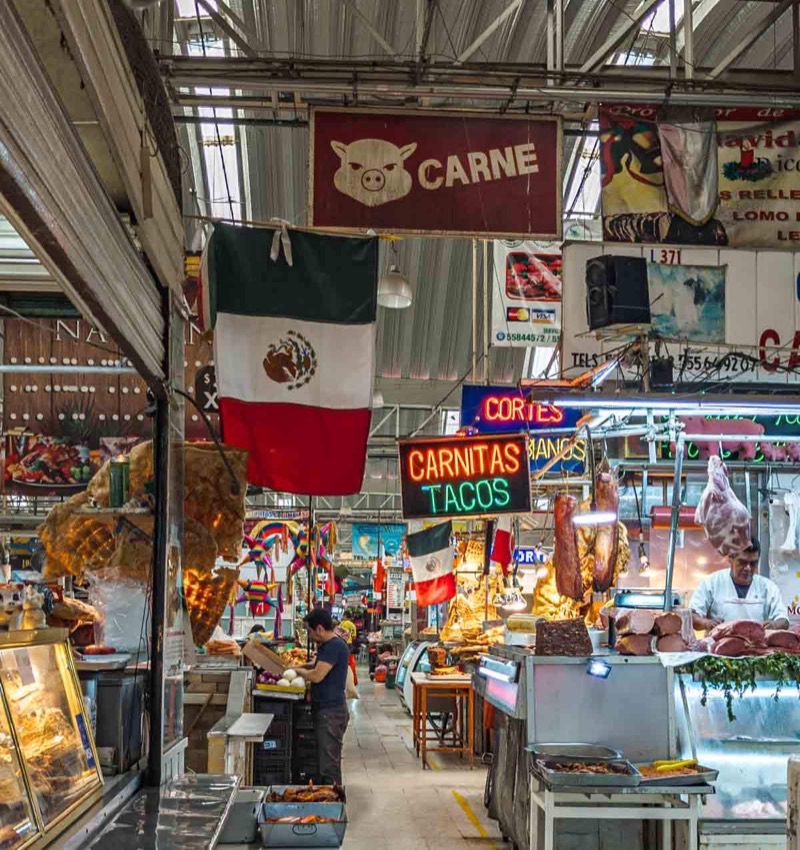
Mexico's food scene is a powerhouse, driven by street vendors and small fondas. You can get three excellent tacos al pastor for 50 MXN ($2.50) from a stand like El Califa in Mexico City, or a full cochinita pibil torta for 40 MXN ($2) in Mérida. Regional dishes like mole poblano in Puebla or tlayudas in Oaxaca are culinary experiences. Mezcal and tequila tastings are widely available, with a good mezcal shot costing around 80-150 MXN ($4-7). Market food is fresh and cheap; a full meal in a local market can be 100-150 MXN ($5-7.50). Don't skip the pan dulce from a local panadería.
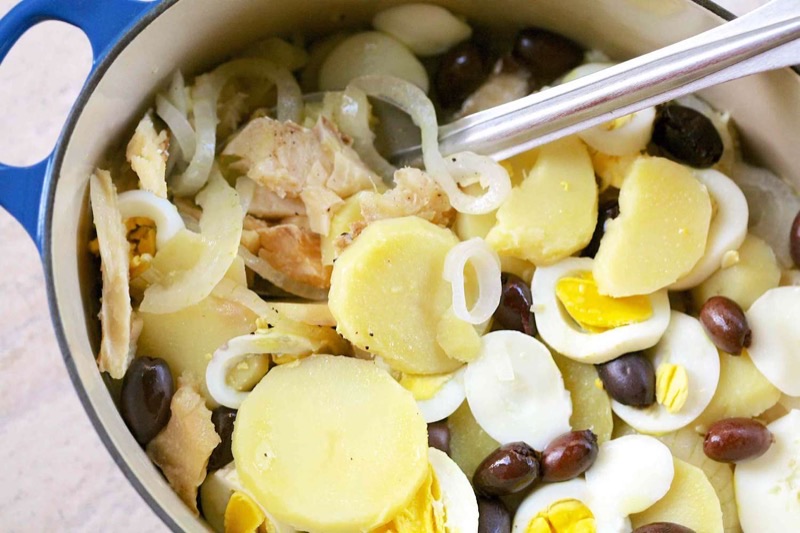
Portugal offers fantastic seafood and pastries, with a focus on fresh ingredients. A bacalhau à brás at a Lisbon tasca might cost 12-18 EUR ($13-20). Pastel de nata from Pastéis de Belém is about 1.30 EUR ($1.40). Wine is exceptional and affordable, with a good bottle of vinho verde costing 4-8 EUR ($4.50-9) at a supermarket. Sit-down meals are the norm, and while delicious, they add up faster than Mexico's street food. A budget lunch could be 8-12 EUR ($9-13). Tabiji verdict: Mexico wins for sheer variety, accessibility, and value in its food, especially for casual eating.
- Winner: Mexico
- Why: Mexico's diverse, affordable street food culture and regional specialties offer unparalleled culinary exploration.
- Who this matters for: Budget travelers, adventurous eaters, those who love casual dining.
💰 Costs & Budget
Mexico offers excellent value for money. A daily budget of $60-100 USD (1,000-1,700 MXN) is comfortable for solo travelers, covering accommodation in a private room, street food,…
Mexico
Portugal
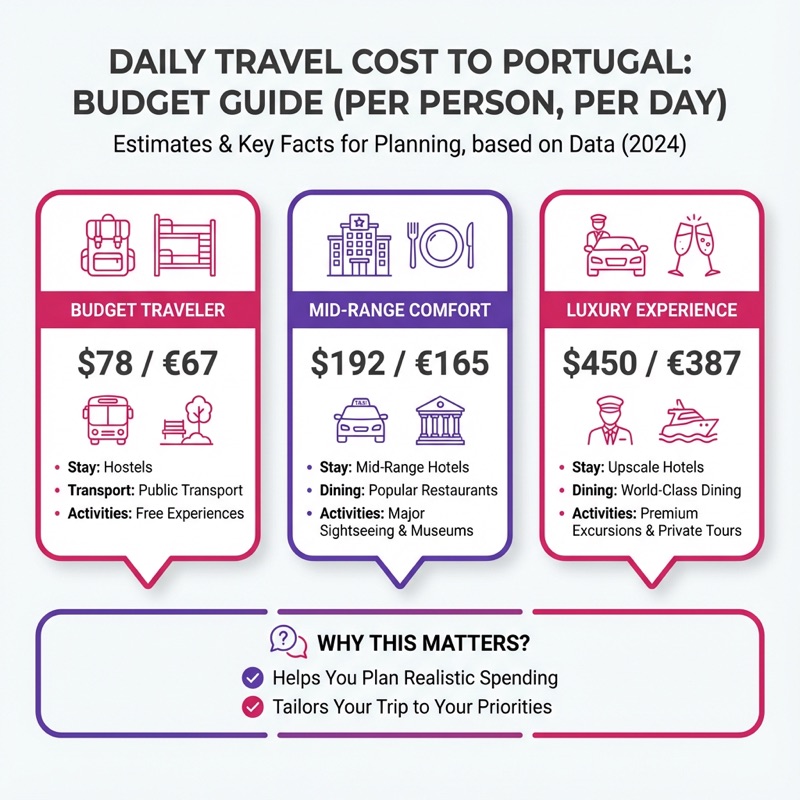
Mexico offers excellent value for money. A daily budget of $60-100 USD (1,000-1,700 MXN) is comfortable for solo travelers, covering accommodation in a private room, street food, and local transport. Hostels can be $15-25 USD (250-420 MXN) per night, and budget hotels $30-50 USD (500-850 MXN). Long-distance buses, like ADO, are reliable; a 4-hour trip from Cancun to Merida costs about 500 MXN ($25 USD). Taxis/rideshares are cheap, a 20-minute Uber in Mexico City is 100-150 MXN ($5-7.50). Eating out is the biggest saving.
Portugal is affordable by European standards, but still more expensive than Mexico. A realistic daily budget is $80-150 USD (75-140 EUR). Hostels are typically 25-45 EUR ($27-48 USD), and budget hotels 60-90 EUR ($65-97 USD). Public transport in cities like Lisbon or Porto is 1.50 EUR ($1.60) per ride or a 24-hour pass for 6.60 EUR ($7). Train travel between cities is efficient but costs more; Lisbon to Porto can be 20-35 EUR ($21-38 USD). Meals are often 12-20 EUR ($13-21) at a sit-down restaurant. Tabiji verdict: Mexico is the clear winner for budget-conscious travelers looking to extend their trip or save money.
- Winner: Mexico
- Why: Mexico offers a significantly lower cost of living and travel, stretching your budget much further.
- Who this matters for: Travelers with limited funds, digital nomads, those planning long-term trips.
🗿 Culture & History
Mexico's cultural landscape is a product of ancient civilizations and Spanish colonialism. Sites like Chichen Itza or Teotihuacan offer insights into pre-Hispanic societies, with…
Mexico
Portugal
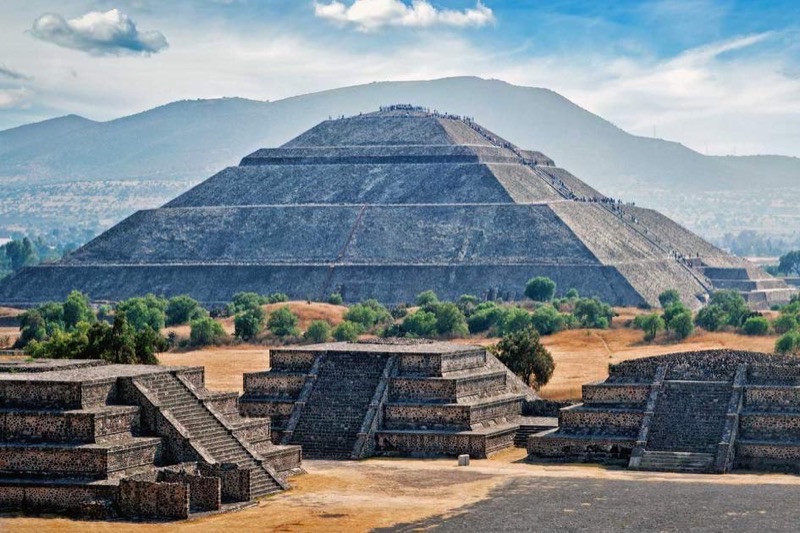
Mexico's cultural landscape is a product of ancient civilizations and Spanish colonialism. Sites like Chichen Itza or Teotihuacan offer insights into pre-Hispanic societies, with entry fees around 80-100 MXN ($4-5) plus extra for special zones. Colonial cities like Oaxaca, San Miguel de Allende, and Puebla are well-preserved, showcasing Spanish architecture and local craft traditions. Indigenous languages and customs are still prevalent in many regions, providing an authentic cultural immersion. Day of the Dead celebrations are a prime example of unique Mexican cultural expression, with local altars and parades.
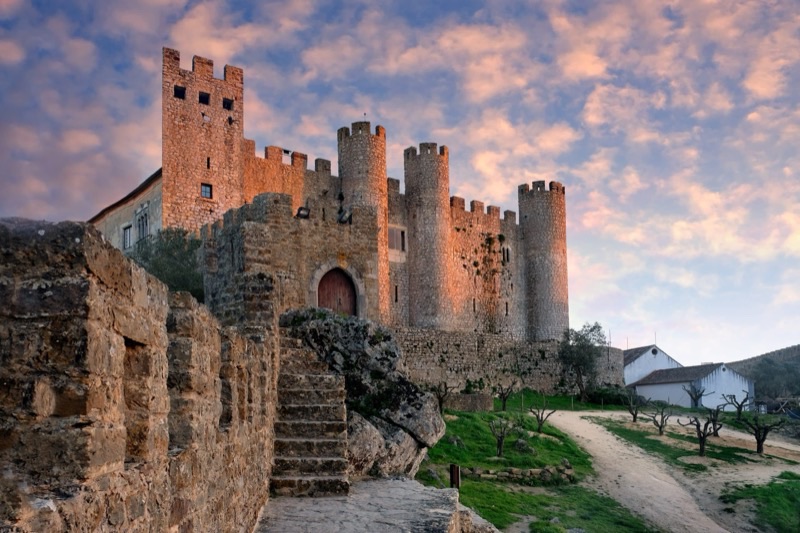
Portugal presents a blend of Roman, Moorish, and maritime influences. Lisbon's Alfama district has roots stretching back to the Moors, and sites like the Jerónimos Monastery in Belém reflect the Age of Discovery. Medieval castles, such as Óbidos, dot the landscape, offering architectural history. Fado music, a melancholic genre, is an auditory cultural staple, with Fado shows in Lisbon costing 20-40 EUR ($21-43) including a drink. Azulejo tiles are a visual art form found throughout the country. Tabiji verdict: Both countries provide profound and distinct historical and cultural experiences, making this category a tie based on different interests.
- Winner: Tie
- Why: Both countries offer deep, distinct cultural and historical experiences, appealing to different interests.
- Who this matters for: Travelers interested in ancient civilizations vs. European maritime history; those seeking indigenous traditions vs. Fado music.
🏖️ Beaches & Coastline
Mexico's coastline is extensive and varied. On the Caribbean side, you find the white sands and clear turquoise waters of Tulum, Playa del Carmen, and Isla Holbox. These are ideal…
Mexico
Portugal
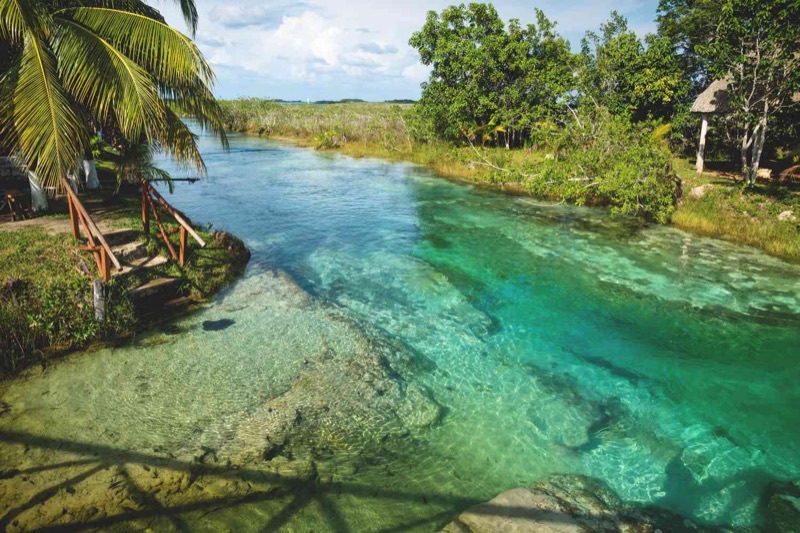
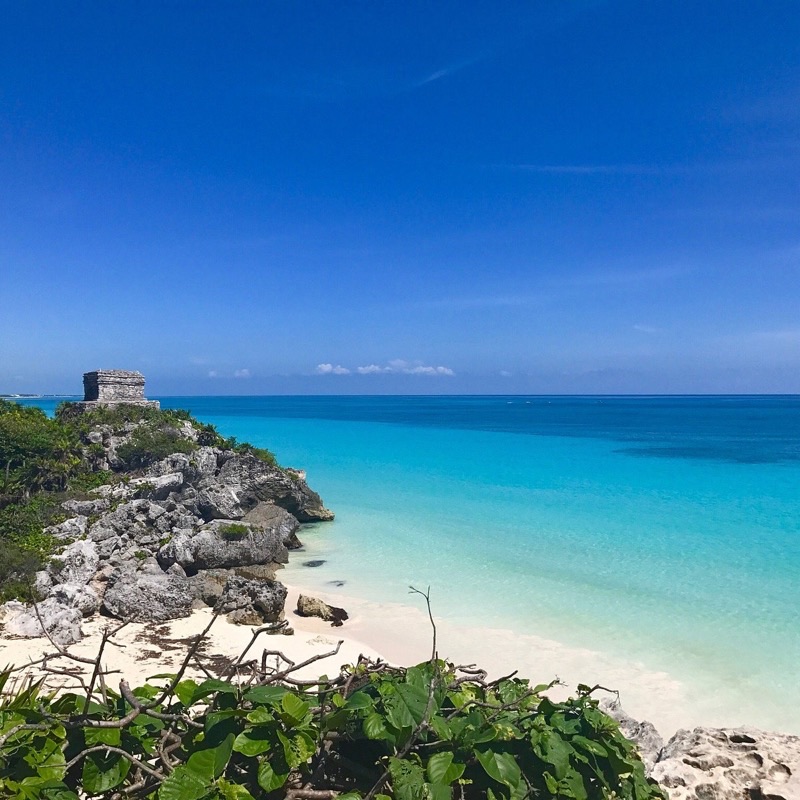
Mexico's coastline is extensive and varied. On the Caribbean side, you find the white sands and clear turquoise waters of Tulum, Playa del Carmen, and Isla Holbox. These are ideal for snorkeling, diving, and relaxation. Further south, the Sian Ka'an Biosphere offers undeveloped beaches. On the Pacific coast, places like Puerto Escondido and Sayulita are known for surfing. Mazatlán and Puerto Vallarta cater to resort crowds. There is a beach for every preference, from calm, family-friendly spots to energetic party areas. A snorkel tour in Akumal to see turtles might be $30-50 USD.
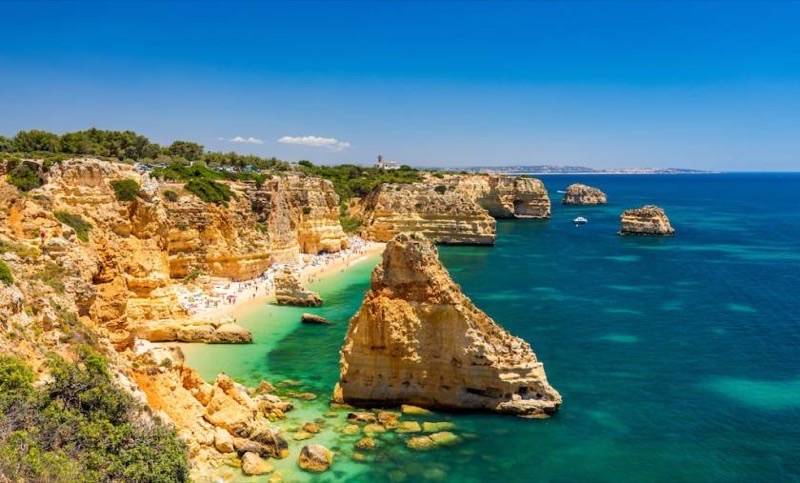
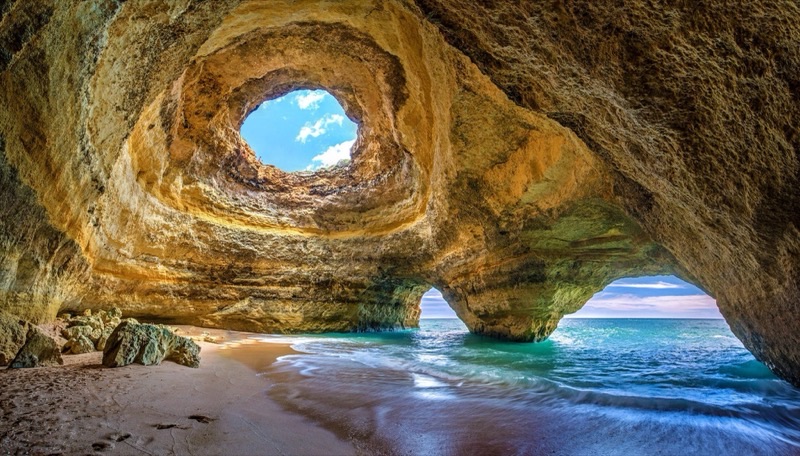
Portugal's coastline, particularly in the Algarve region, features dramatic cliffs, sea caves (like Benagil Cave), and golden sandy beaches. Praia da Marinha is often cited as a standout. The Atlantic waters are generally cooler and more suited for surfing in places like Nazaré or Ericeira. While beautiful, the beaches often require navigating cliffs or are less accessible than Mexico's flat Caribbean shores. The vibe is generally more rugged and less overtly tropical than Mexico's Quintana Roo. A boat tour to the Benagil Cave costs around 25-40 EUR ($27-43). Tabiji verdict: Mexico edges out Portugal due to the sheer diversity of its beaches, from warm Caribbean waters to world-class Pacific surf, catering to a wider range of preferences.
- Winner: Mexico
- Why: Mexico offers a broader spectrum of beach experiences, from warm Caribbean waters to epic Pacific surf, suiting all traveler types.
- Who this matters for: Beach lovers, snorkelers, divers, surfers, and those seeking tropical relaxation.
🚨 Safety & Health
Safety in Mexico is highly regional. Tourist areas like Cancun, Playa del Carmen, Tulum, Oaxaca, and San Miguel de Allende are generally safe, but petty crime like pickpocketing…
Mexico
Portugal
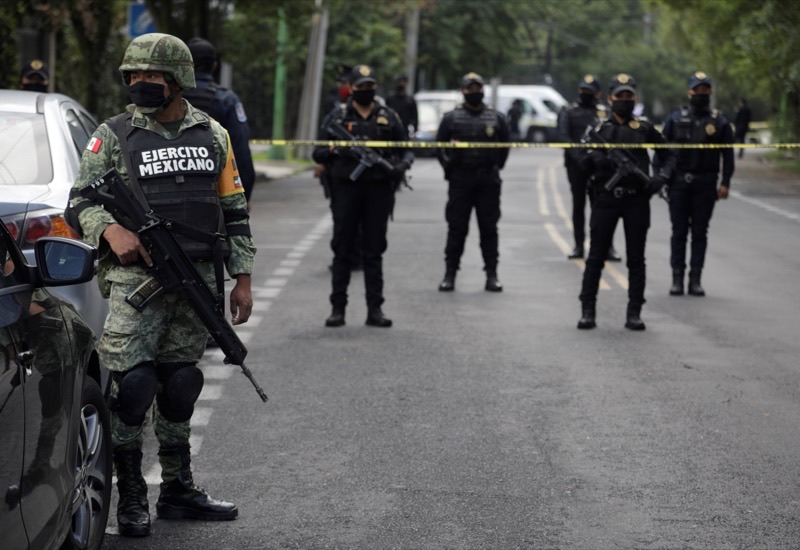
Safety in Mexico is highly regional. Tourist areas like Cancun, Playa del Carmen, Tulum, Oaxaca, and San Miguel de Allende are generally safe, but petty crime like pickpocketing is common. Cartel violence exists but rarely targets tourists directly, focusing on specific areas not frequented by visitors. Night travel on intercity buses is usually safe with reputable companies like ADO. Tap water is not potable; bottled water is essential, costing about 15-25 MXN ($0.75-1.25) per liter. Healthcare in major cities is modern but expensive without insurance; local clinics are affordable for minor issues.
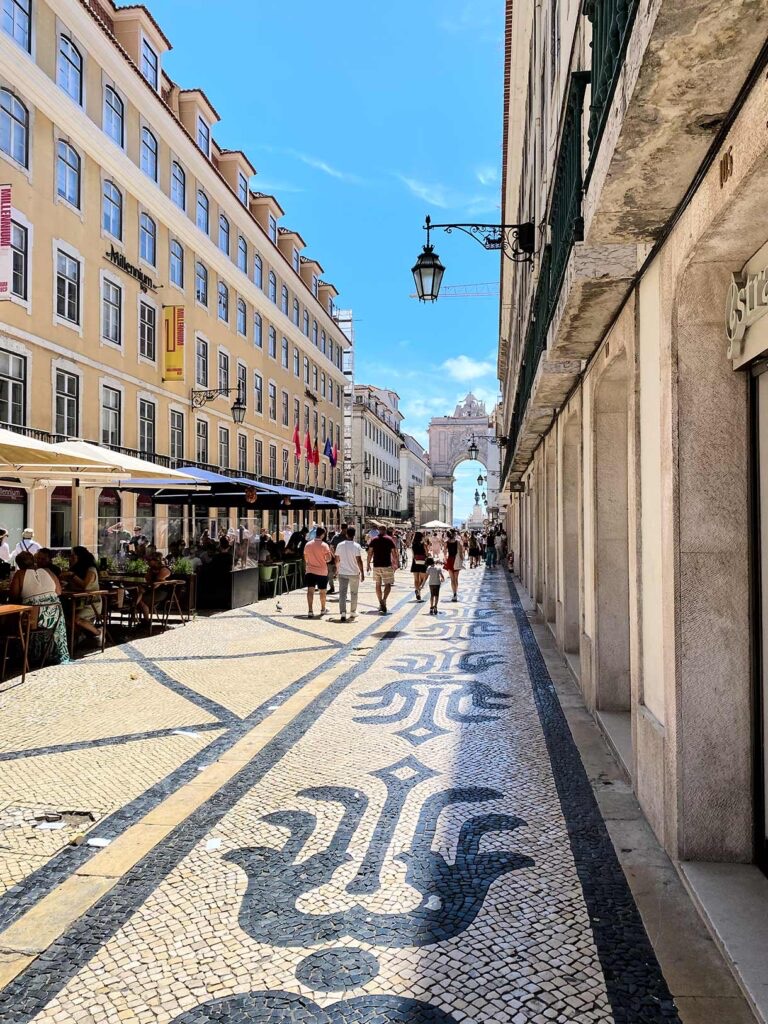
Portugal is consistently ranked among the safest countries in the world. Violent crime is rare, and petty theft (pickpocketing in crowded tourist areas like Lisbon's tram 28) is the main concern. Walking alone at night in most cities is generally fine. Tap water is safe to drink. Healthcare standards are high, with public and private options. EU citizens have access to public healthcare; non-EU citizens need travel insurance. For a traveler prioritizing peace of mind and fewer security considerations, Portugal is a stronger contender. Tabiji verdict: Portugal offers a consistently higher level of personal safety and better public health infrastructure for international visitors, making it the safer choice.
- Winner: Portugal
- Why: Portugal maintains significantly lower crime rates and a more developed public health infrastructure, providing greater security for travelers.
- Who this matters for: Solo female travelers, families, first-time international travelers, those sensitive to safety concerns.
🚌 Getting Around
Mexico's long-distance travel is dominated by an extensive bus network. ADO is a major, comfortable, and reliable company connecting most cities, with costs like 500 MXN ($25) for…
Mexico's long-distance travel is dominated by an extensive bus network. ADO is a major, comfortable, and reliable company connecting most cities, with costs like 500 MXN ($25) for a 4-hour journey. Within cities, colectivos (shared vans) are cheap, 10-20 MXN ($0.50-1), and Ubers/Didi are widely available and affordable, a 15-minute ride being 80-120 MXN ($4-6). Driving can be stressful due to varying road conditions, aggressive drivers, and potential for speed traps or police shakedowns. Public transport in Mexico City (Metro) is efficient but can be crowded, tickets are 5 MXN ($0.25).
Portugal has a highly efficient and well-integrated public transport system. Trains connect major cities reliably; a high-speed train from Lisbon to Porto takes about 3 hours and costs 20-35 EUR ($21-38). Regional buses fill gaps. Cities like Lisbon and Porto have excellent metro and tram networks, with a single metro ride around 1.50 EUR ($1.60) and 24-hour passes for 6.60 EUR ($7). Driving is straightforward, with good roads and clear signage, though city parking can be tough. The country's smaller size makes domestic travel quick and less tiring. Tabiji verdict: Portugal's compact size and top-tier public transport make getting around significantly easier and less stressful for most travelers.
- Winner: Portugal
- Why: Portugal's excellent, integrated public transport and smaller geographic area make domestic travel much simpler and faster.
- Who this matters for: Travelers who prefer efficiency, do not want to rent a car, those with limited time for travel days.
🥳 Nightlife & Entertainment
Mexico offers a spectrum of nightlife experiences. Cancun and Playa del Carmen are known for large nightclubs like Coco Bongo, attracting a party crowd with cover charges around…
Mexico offers a spectrum of nightlife experiences. Cancun and Playa del Carmen are known for large nightclubs like Coco Bongo, attracting a party crowd with cover charges around $60-100 USD (1,000-1,700 MXN) for open bar. Mexico City has sophisticated bars in Roma and Condesa, plus thriving cantinas with live music in Plaza Garibaldi. Oaxaca is known for its mezcal bars. The scene often goes until late, sometimes past 3 AM. Street food is readily available for post-bar cravings. A craft cocktail in a hip bar might be 180-250 MXN ($9-12.50).
Portugal's nightlife centers on bars, Fado houses, and late dining. Lisbon's Bairro Alto district is famous for its narrow streets filled with small bars where people spill out onto the pavement, open until 2-3 AM. Porto's Ribeira district offers riverside bars. Fado shows are a unique evening activity, usually starting around 8-9 PM. Rooftop bars with city views are popular in both Lisbon and Porto. While lively, it generally feels more contained and less overtly 'party hard' than Mexico's resort towns. A beer at a bar might be 3-5 EUR ($3.25-5.50). Tabiji verdict: Mexico takes the lead for its sheer variety, intensity, and accessibility of nightlife, catering to more diverse tastes from quiet cantinas to massive clubs.
- Winner: Mexico
- Why: Mexico provides a broader and often more intense range of nightlife options, from massive clubs to intimate local cantinas.
- Who this matters for: Party-goers, music enthusiasts, those who enjoy a lively late-night scene.
🌳 Nature & Outdoors
Mexico's natural landscapes are incredibly diverse. The Yucatán Peninsula has thousands of cenotes (natural sinkholes), such as Gran Cenote near Tulum, with entry fees around…
Mexico's natural landscapes are incredibly diverse. The Yucatán Peninsula has thousands of cenotes (natural sinkholes), such as Gran Cenote near Tulum, with entry fees around 200-300 MXN ($10-15), offering unique swimming and diving experiences. Central Mexico has volcanoes like Popocatépetl. Chiapas is known for its lush jungles, waterfalls (Agua Azul), and canyons (Sumidero Canyon, boat tour 300 MXN / $15). Deserts dominate the north. The country is a megadiverse hotspot with abundant birdlife, monkeys, and marine species. Whale shark tours in Holbox are a big draw (around $100-150 USD).
Portugal's outdoor offerings focus on its Atlantic coastline, with its dramatic cliffs and surfing beaches, and its interior's rolling hills and vineyards. Peneda-Gerês National Park in the north offers hiking trails, waterfalls, and small villages, but the wildlife is less prominent than in Mexico. The Douro Valley is famous for its terraced vineyards and river cruises (around 50-80 EUR / $54-86). The Algarve coast has impressive sea caves. While beautiful, the scale and variety of ecosystems are smaller than Mexico's. Tabiji verdict: Mexico wins for its vast and varied natural landscapes, offering a greater range of outdoor activities and significant biodiversity.
- Winner: Mexico
- Why: Mexico offers a significantly wider range of natural environments and outdoor activities, from cenotes to volcanoes to diverse jungles.
- Who this matters for: Adventure seekers, nature photographers, wildlife enthusiasts, hikers, divers.
🏨 Accommodation
Mexico provides a wide array of accommodation options across all budget levels, often with good value. Hostels in popular areas like Mexico City or Oaxaca can be found for 250-400…
Mexico provides a wide array of accommodation options across all budget levels, often with good value. Hostels in popular areas like Mexico City or Oaxaca can be found for 250-400 MXN ($12-20 USD) per night for a dorm bed. Budget private rooms in guesthouses are 500-800 MXN ($25-40 USD). Mid-range hotels in colonial cities might be 1,200-2,000 MXN ($60-100 USD). Airbnb is popular and can offer good deals, especially for longer stays. Beachfront bungalows in places like Holbox or Sayulita are readily available. Luxury resorts are prominent in Cancun and Riviera Maya, but local options keep prices competitive.
Portugal's accommodation is generally good quality but with higher price tags than Mexico. Hostels in Lisbon or Porto start at 25-45 EUR ($27-48 USD) for a dorm. Budget guesthouses and boutique hotels are typically 60-90 EUR ($65-97 USD). In peak season, prices can surge significantly. Unique options like agriturismo in the Alentejo region offer rural stays. While there is variety, securing affordable private rooms in prime locations often requires booking well in advance, especially during summer or city festival dates. Tabiji verdict: Mexico wins for the sheer value and availability of comfortable, well-located accommodation across all budget ranges.
- Winner: Mexico
- Why: Mexico offers more budget-friendly and diverse accommodation options, providing better value for money across all categories.
- Who this matters for: Budget travelers, those looking for unique stays, travelers seeking more for their money.
🚶♀️ Solo Travel Suitability
Mexico is a popular destination for solo travelers, especially backpackers and digital nomads. Hostels are plentiful and active, making it easy to meet people. Group tours to…
Mexico is a popular destination for solo travelers, especially backpackers and digital nomads. Hostels are plentiful and active, making it easy to meet people. Group tours to archaeological sites or cenotes are common. In cities like Oaxaca, San Miguel de Allende, or Mexico City's Condesa neighborhood, solo exploration is straightforward during the day. However, solo travelers, particularly women, should exercise more caution at night and in less touristy areas. Being aware of your surroundings, avoiding flashy displays, and using ride-sharing apps instead of street taxis at night are good practices. Language barrier is manageable in tourist zones, but basic Spanish helps significantly.
Portugal is an excellent choice for solo travelers due to its high safety ratings, ease of navigation, and welcoming atmosphere. English is widely spoken in tourist areas, minimizing communication issues. Hostels in Lisbon and Porto are consistently rated high for social atmosphere, making it easy to connect with other travelers. The efficient public transport system means solo exploration is hassle-free. Dining solo is common and comfortable. While petty crime can occur, the overall sense of security allows for a more relaxed solo travel experience, especially for first-time solo adventurers. Tabiji verdict: Portugal offers a more consistently secure and less demanding environment for solo travelers, particularly those new to independent international trips.
- Winner: Portugal
- Why: Portugal's high safety, excellent public transport, and widespread English make it a less stressful and more comfortable solo travel destination.
- Who this matters for: First-time solo travelers, solo female travelers, those prioritizing ease and safety.
🎯 The Decision Framework
Choose Mexico If…
- You want street tacos for 50 MXN at any hour.
- Your daily budget is under $100 USD and you want it to stretch.
- You crave Mayan ruins and ancient history like Chichen Itza.
- You dream of swimming in clear cenotes and exploring jungles.
- You enjoy the energy of big cities like Mexico City.
- You are comfortable with some travel grit and local challenges.
- You want to learn some Spanish and interact with local culture.
- You plan a trip lasting longer than two weeks.
Choose Portugal If…
- You prioritize safety and a relaxed travel experience.
- You want efficient, modern public transport between cities.
- You are excited by Fado music and historic European architecture.
- You enjoy sipping vinho verde and eating fresh seafood.
- You prefer cooler Atlantic beaches and dramatic coastal cliffs.
- You are traveling solo for the first time internationally.
- You want a shorter, contained trip focusing on a few cities.
- You prefer English to be widely spoken in tourist areas.
📅 Sample Itineraries
Weekend in Mexico City (3 Days)
💡 Purchase a rechargeable Metro card for Mexico City's public transport system; a 3-day pass for $5 covers many rides and saves time at ticket booths.
Weekend in Lisbon (3 Days)
💡 Acquire a Lisboa Card for 24, 48, or 72 hours; it provides free public transport and discounts on museums and attractions, saving approximately $15-20 daily.
One Week in Mexico (7 Days)
💡 Book long-distance bus tickets (e.g., ADO) in Mexico online in advance. This can secure better seats and sometimes offer small discounts, saving 10-20% on fares.
One Week in Portugal (7 Days)
💡 For intercity travel between Lisbon and Porto, consider booking train tickets directly from Comboios de Portugal well in advance for potential discounts on faster Alfa Pendular services.
❓ Frequently Asked Questions
Which country is cheaper for a two-week trip?
Mexico is significantly cheaper. For two weeks, a solo traveler could realistically spend $850-1,400 USD (14,500-24,000 MXN) in Mexico, whereas Portugal would likely cost $1,100-2,100 USD (1,000-1,950 EUR) for the same duration, assuming similar travel styles.
What are the typical flight times from the USA?
From the East Coast USA, flights to Mexico City are around 3-5 hours, and to Cancun 2-4 hours. Flights to Lisbon, Portugal from the East Coast are typically 6-8 hours direct. From the West Coast USA, flights to Mexico are 4-6 hours, while to Portugal they are 10-12+ hours with layovers.
Is it easy to get around without a car in both countries?
Yes, both have good public transport. Mexico has an extensive long-distance bus network (ADO) and affordable rideshares in cities. Portugal boasts efficient trains, buses, and excellent city metros (Lisbon, Porto), making car-free travel easy, especially given its smaller size.
Which country has better beaches for relaxation and swimming?
Mexico generally offers better beaches for relaxation and swimming due to its warm Caribbean waters and soft white sands, particularly in the Yucatán Peninsula (e.g., Tulum, Isla Holbox). Portugal's Atlantic beaches are beautiful but often have cooler water and dramatic, rugged coastlines.
Which destination is safer for a solo female traveler?
Portugal is generally considered safer for solo female travelers due to its consistently low crime rates and comfortable atmosphere. While Mexico's tourist areas are usually fine, Portugal offers more peace of mind and fewer security considerations.
What are the main cultural differences in terms of food and dining?
Mexico's food culture is heavily street-food focused, with diverse regional dishes and very affordable prices. Dining is often casual and late. Portugal features fresh seafood, pastries, and wine, with more emphasis on sit-down restaurant meals that are generally more expensive and earlier than Mexico's late dinners.
Can I drink the tap water in either country?
In Portugal, tap water is safe to drink in most regions. In Mexico, it is generally not safe to drink tap water; bottled water is widely used and easily accessible, costing around 15-25 MXN ($0.75-1.25) per liter.
Which country offers more unique historical sites?
Both offer unique historical sites, but of different types. Mexico features extensive pre-Hispanic archaeological sites like Teotihuacan and Chichen Itza, alongside colonial cities. Portugal showcases a blend of Roman, Moorish, and Age of Discovery influences with castles and monasteries, reflecting European maritime history.
Ready to plan your next trip?
Get a free custom itinerary for Mexico, Portugal, or both — built from real traveler insights.
👥 Travelers Also Compared
🎟️ Book Tours & Experiences
Hand-picked tours and activities for both destinations — book with free cancellation
Experiences via Viator — free cancellation on most tours