How we built this comparison
This page combines traveler discussion patterns, published price ranges, flight schedules, and seasonal data to help you decide between Mexico and Puerto Rico.
- Reviewed 70+ Reddit threads from r/travel, r/solotravel, r/mexicotravel, r/puertorico, r/cancun, r/playadelcarmen, r/islamujeres, r/sanjuan
- Verified costs and logistics against current booking platforms (Kayak, Google Flights, Booking.com)
- Cross-referenced seasonal patterns and weather data from NOAA and local tourism boards
⚡ Quick Answers
⚡ The TL;DR Verdict
For most travelers seeking extensive cultural exposure and significant value for money, Mexico is the pick. It delivers diverse experiences from ancient ruins to modern cities at a lower cost. Puerto Rico suits those prioritizing ease of travel within US regulations, a shorter flight from the East Coast, and a focus on nature with fewer language barriers, albeit at a higher daily expenditure.
- Choose Mexico: You prioritize budget, extensive historical sites, diverse regional cuisine, and are comfortable navigating local transport and a Spanish-speaking environment. You want to see many different landscapes and experience deep cultural immersion.
- Choose Puerto Rico: You are a US citizen wanting a Caribbean experience without a passport, value ease of communication in English, prefer familiar infrastructure, and want access to rainforests and bioluminescent bays with relatively short flights from the US East Coast.
- Choose Both: If you have 3-4 weeks and a generous budget, and wish to experience both pre-Hispanic Mesoamerican civilizations and a distinct Caribbean-US island culture. Start with Mexico for its expansive offerings, then transition to Puerto Rico for its unique blend of island nature and American familiarity.
Choose Mexico
Mexico is best for the adventurous traveler seeking deep cultural immersion and incredible value. Explore ancient wonders like Chichen Itza or Teotihuacan, savor authentic street tacos in Oaxaca, and wander vibrant colonial cities such as San Miguel de Allende. It's perfect if you're comfortable navigating a Spanish-speaking environment and desire diverse landscapes from bustling cities to serene beaches.
Choose Puerto Rico
Puerto Rico is ideal for US citizens desiring a vibrant Caribbean experience without a passport, offering the convenience of English and US currency. Hike through the lush El Yunque rainforest, kayak a mesmerizing bioluminescent bay, or wander the historic, colorful streets of Old San Juan. It’s perfect for nature lovers and those prioritizing ease of travel and familiar amenities.
📊 Visual Scorecard
🌤 When to Visit
Average high temperatures (°C). Green = best months, orange = avoid.
Quick Comparison
| Category | Mexico | Puerto Rico | Winner |
|---|---|---|---|
| Overall Costs & Budget | Significantly more affordable for accommodation, food, and local transport, offering great value at various price points. | Higher daily costs, similar to US domestic travel for meals and lodging, with fewer budget-friendly options. | Mexico |
| Getting There & Around | Extensive international flight options to multiple hubs, robust intercity bus network, varied local transport. | Direct flights from many US cities (no passport for US citizens), rental cars are often essential for independent exploration. | Mexico |
| Food & Drink | Diverse regional cuisines, extensive street food culture, high-end dining, mezcal and tequila. | Caribbean flavors, mofongo, lechon, fresh seafood, rum cocktails, US chain restaurants available. | Mexico |
| Beaches & Water Activities | Extensive Caribbean and Pacific coasts, cenotes for swimming, barrier reef snorkeling, varied island experiences. | White sand beaches, bioluminescent bays, surfing opportunities, US territory amenities. | Mexico |
| Culture & History | Deep pre-Hispanic roots (Maya, Aztec), colonial cities, contemporary art scenes, indigenous traditions. | Spanish colonial heritage, Taíno influences, US cultural elements, distinct Caribbean identity. | Mexico |
| Nightlife & Entertainment | Diverse options from large clubs to intimate bars, live music, a robust street and social scene. | Lively local bars, salsa dancing, casino options, more concentrated within San Juan. | Mexico |
| Safety & Practicalities | Safety varies by region; tourist areas are generally secure, but awareness of surroundings is important. Passport needed. | Generally lower crime rates, US laws and currency, no passport needed for US citizens, English widely spoken. | Puerto Rico |
| Nature & Outdoors (Beyond Beaches) | Diverse landscapes including deserts, rainforests, volcanoes, vast cave systems, and ecological reserves. | El Yunque rainforest, bioluminescent bays, diverse cave systems, mountain ranges, impressive zip lines. | Tie |
| Accommodation | Extensive range from budget hostels to luxury all-inclusive resorts, high value for money. | Guesthouses, boutique hotels, major chain resorts, prices generally higher than Mexico. | Mexico |
| Local Interaction & Language | Primarily Spanish-speaking, English common in tourist areas, encourages language practice. | Spanish and English official languages, English widely spoken especially in tourism, easier for non-Spanish speakers. | Puerto Rico |
💸 Overall Costs & Budget
Mexico generally offers superior value across all travel categories. A budget traveler can manage on $60-120 USD per day staying in hostels like Selina or The Local House in…
Mexico

Puerto Rico
Mexico generally offers superior value across all travel categories. A budget traveler can manage on $60-120 USD per day staying in hostels like Selina or The Local House in Oaxaca (starting $15-30/night), eating street food (tacos for 30-50 MXN, ~$1.50-2.50 USD), and using public buses (ADO routes for $10-30 USD between cities). Mid-range daily costs are $150-250 USD, including boutique hotels like Hotel Sin Nombre in Oaxaca ($80-150/night) and sit-down meals for 200-400 MXN ($10-20 USD).
Puerto Rico aligns more with US domestic travel prices. A budget traveler should expect $100-180 USD per day, staying in guesthouses or Airbnb rooms (starting $70-100/night in San Juan), eating at local 'chinchorros' (casual eateries) for $12-20 USD per meal, and primarily relying on Uber in cities or rental cars. Mid-range budgets range from $200-350 USD daily, with hotels like The Gallery Inn in Old San Juan ($150-200/night) and restaurant meals costing $25-40 USD per person. Overall, Mexico provides greater travel longevity for a fixed budget.
Tabiji verdict: Mexico is the clear winner for budget-conscious explorers.
- Winner: Mexico
- Why: Mexico consistently offers lower prices for accommodation, food, and activities, allowing for longer trips or more luxurious experiences for less money.
- Who this matters for: Travelers prioritizing budget and extending their trip duration.
✈️ Getting There & Around
Mexico is accessible via numerous international airports like Cancun (CUN), Mexico City (MEX), Puerto Vallarta (PVR), and Guadalajara (GDL), with direct flights from major US…
Mexico
Puerto Rico
Mexico is accessible via numerous international airports like Cancun (CUN), Mexico City (MEX), Puerto Vallarta (PVR), and Guadalajara (GDL), with direct flights from major US cities typically 3-5 hours (e.g., NYC to CUN 4h, LAX to MEX 3.5h). Round-trip flights often range from $250-500 USD. Once there, Mexico's ADO bus system is reliable, comfortable, and affordable for intercity travel ($10-30 USD for a 4-hour journey). Local colectivos (shared vans) and Uber/Didi are widely available and inexpensive for short distances, like 50-150 MXN ($2.50-7.50 USD) for a 20-minute city ride.
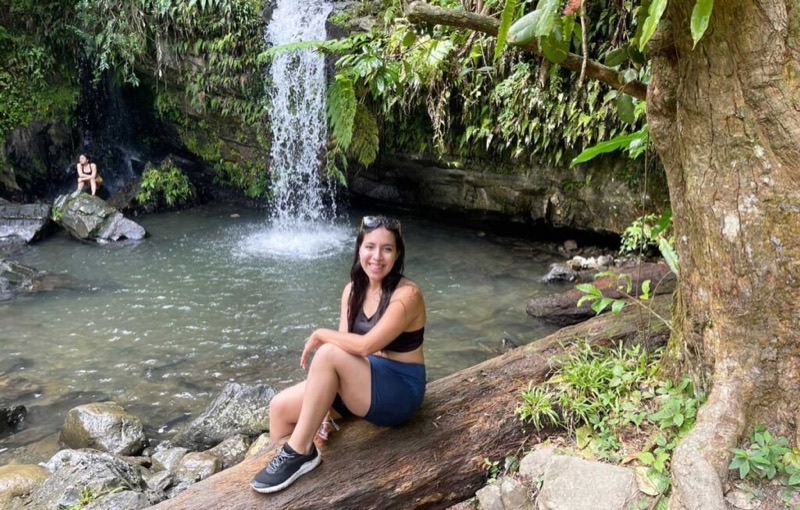
Puerto Rico's main hub is San Juan (SJU), with direct flights from major US East Coast cities like Miami and New York taking 3.5-4 hours (e.g., NYC to SJU 3.5h) for $200-400 USD round-trip. From the West Coast, flights are longer (6-7h from LAX) and more expensive ($400-600 USD). A key advantage for US citizens is not needing a passport. Getting around Puerto Rico outside of San Juan usually requires a rental car, which can cost $40-70 USD per day plus gas. Uber is available in San Juan, but public transport is limited for exploring the island. Ferries connect to Vieques and Culebra, but schedules can be inconsistent.
Tabiji verdict: Mexico wins for its sheer number of flight options and its highly efficient, budget-friendly ground transportation network.
- Winner: Mexico
- Why: Mexico offers more direct flight destinations and a superior, affordable public transportation system (ADO buses, colectivos) for getting around the country without a rental car.
- Who this matters for: Travelers who prefer not to rent a car and want extensive public transport options.
🌮 Food & Drink
Mexico's culinary landscape is expansive, with distinct regional cuisines. Oaxaca is known for mole and tlayudas, Puebla for mole poblano, and Yucatán for cochinita pibil. Street…
Mexico
Puerto Rico
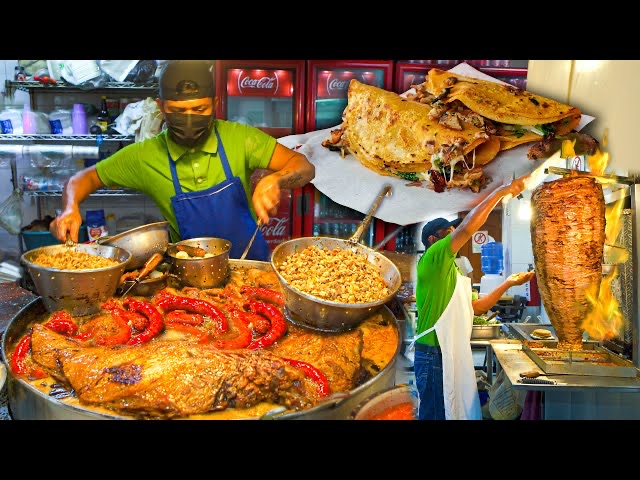
Mexico's culinary landscape is expansive, with distinct regional cuisines. Oaxaca is known for mole and tlayudas, Puebla for mole poblano, and Yucatán for cochinita pibil. Street food is a staple, offering tacos al pastor, esquites, and churros for incredibly low prices (e.g., 30 MXN for a street taco, ~$1.50 USD). High-end restaurants in Mexico City, like Pujol, compete globally. Mezcal and tequila are foundational to the drink scene, with tastings and artisanal bars common. Mexico offers a truly immersive and affordable food journey.
Puerto Rico's food is a fusion of Spanish, African, and Taíno influences. Mofongo (fried plantains mashed with garlic and pork cracklings) is a national dish, often served with chicken or seafood ($15-25 USD). Lechon asado (slow-roasted pork) is a weekend favorite, especially from places like Lechonera El Mojito ($20-30 USD per plate). Seafood is abundant, and US chain restaurants are also widely available. Rum is the spirit of choice, with distilleries like Bacardi offering tours and tastings. While tasty, the variety and affordability do not match Mexico.
Tabiji verdict: Mexico offers a more diverse, affordable, and deeply rooted culinary experience that is hard to beat.
- Winner: Mexico
- Why: Mexico provides an unparalleled variety of regional dishes, a vibrant and affordable street food culture, and world-class dining, making it a superior culinary destination.
- Who this matters for: Food enthusiasts and budget travelers who want to explore extensive culinary traditions.
🏖️ Beaches & Water Activities
Mexico offers an enormous range of beaches. The Caribbean coast (Yucatán Peninsula) features popular spots like Tulum's ruins-backed beaches, the calmer waters of Isla Mujeres,…
Mexico

Puerto Rico
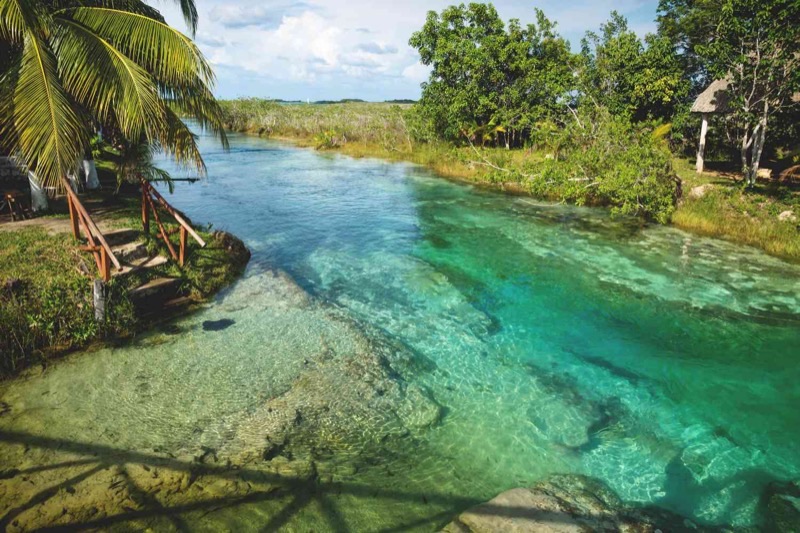
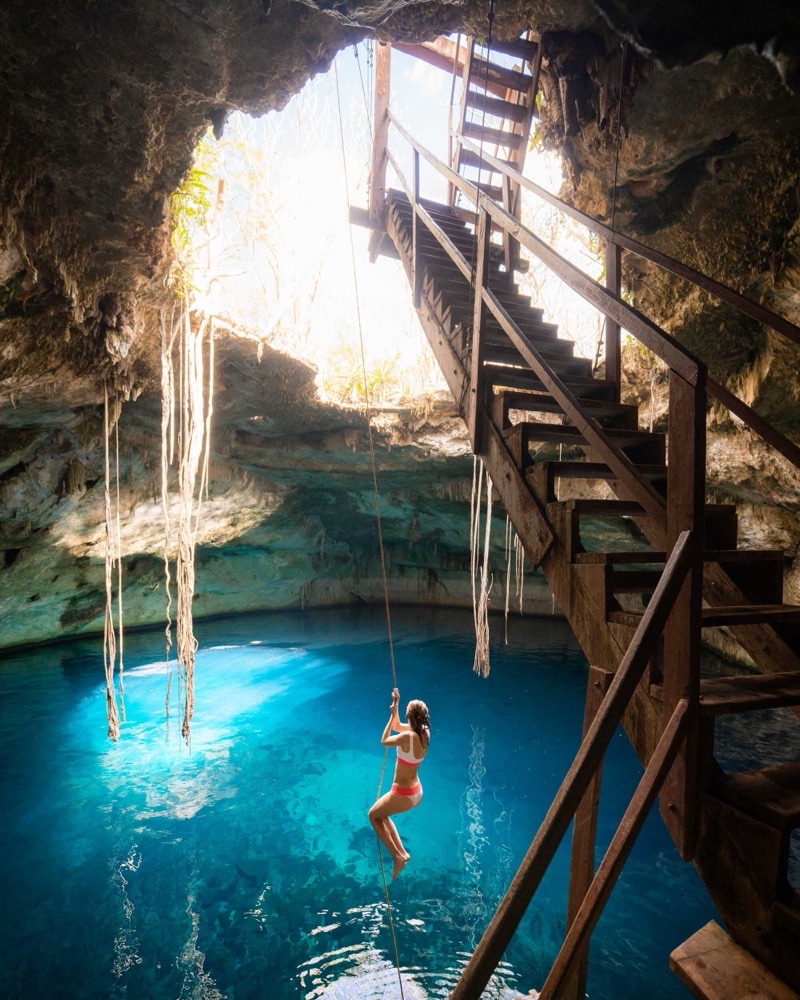
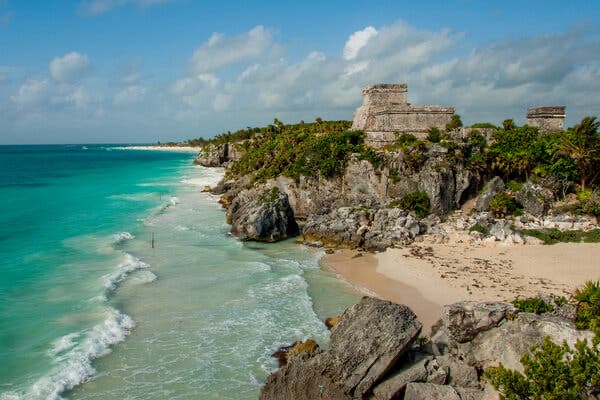
Mexico offers an enormous range of beaches. The Caribbean coast (Yucatán Peninsula) features popular spots like Tulum's ruins-backed beaches, the calmer waters of Isla Mujeres, and the resort areas of Playa del Carmen. Snorkeling and diving along the Mesoamerican Barrier Reef are popular, with tours starting around $50-80 USD. Unique to Mexico are the cenotes, natural swimming holes perfect for cooling off (entrance fees $5-20 USD, e.g., Gran Cenote near Tulum). The Pacific coast provides different vibes, from the surfing breaks in Oaxaca (Puerto Escondido) to the luxury resorts of Los Cabos and Puerto Vallarta.
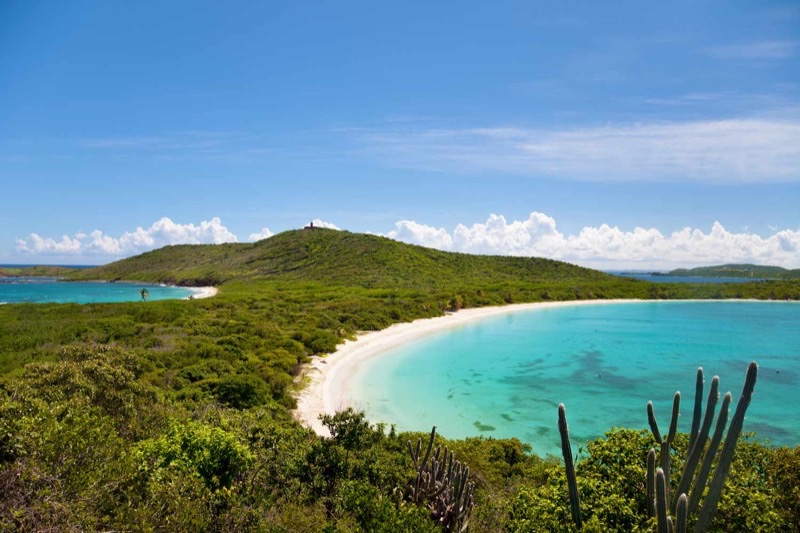
Puerto Rico boasts some famous beaches. Flamenco Beach on Culebra island consistently ranks high globally for its calm, clear waters and white sand, accessible by ferry ($4.50 USD one-way, then a taxi). Rincón on the west coast is known for surfing during winter months. A major draw is the bioluminescent bays, particularly Mosquito Bay in Vieques and Laguna Grande in Fajardo, where microorganisms light up the water at night (kayak tours $50-70 USD). While impressive, the overall diversity and scale of Mexico's coastal offerings are larger.
Tabiji verdict: Mexico provides a wider array of coastal environments and water activities, including its unique cenotes.
- Winner: Mexico
- Why: Mexico's dual coastlines, extensive cenotes, and vast barrier reef offer a greater variety of beach types and water-based activities.
- Who this matters for: Beach lovers and water sports enthusiasts seeking diverse coastal environments and unique natural swimming experiences.
🗿 Culture & History
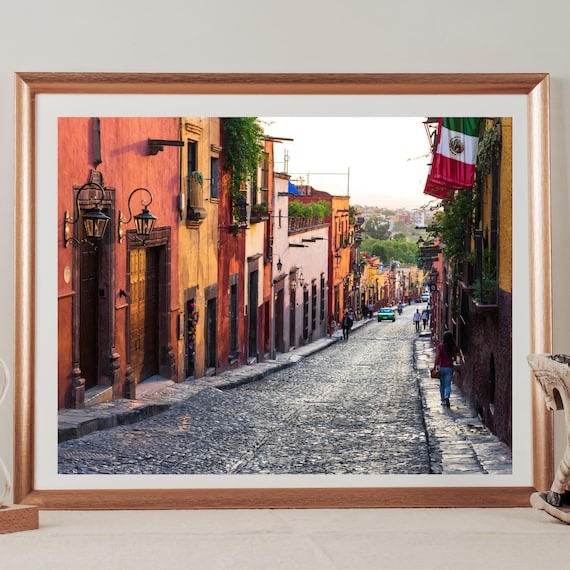
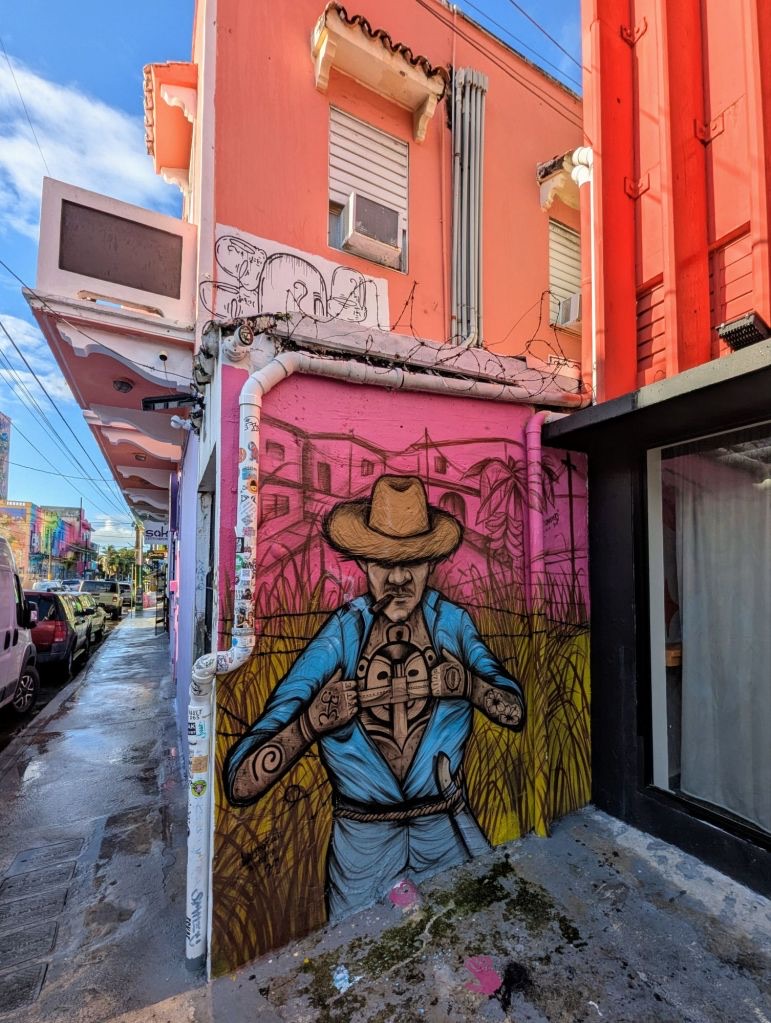
Mexico's history spans thousands of years, dominated by powerful pre-Hispanic civilizations like the Maya and Aztecs. Sites like Chichen Itza ($25 USD entrance), Teotihuacan…
Mexico
Puerto Rico
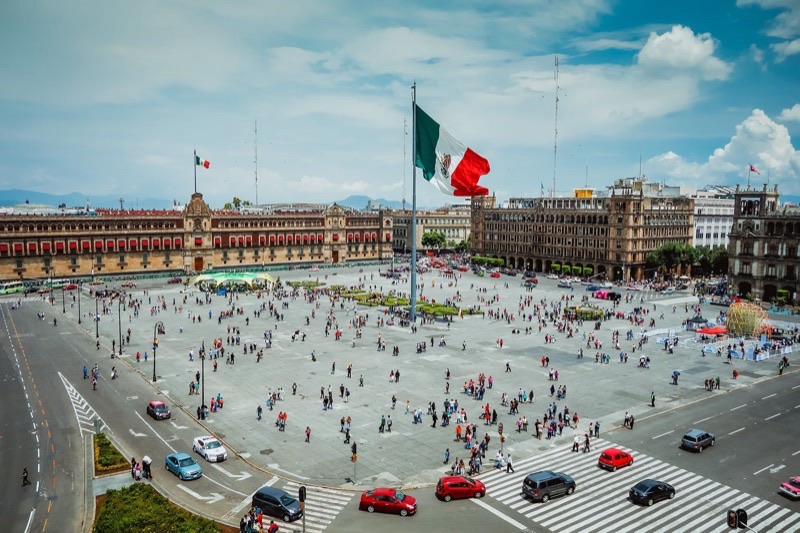
Mexico's history spans thousands of years, dominated by powerful pre-Hispanic civilizations like the Maya and Aztecs. Sites like Chichen Itza ($25 USD entrance), Teotihuacan (Pyramids of the Sun and Moon, $4.50 USD), and Palenque are monumental. Colonial cities such as San Miguel de Allende, Oaxaca, and Guanajuato are UNESCO World Heritage sites, known for their architecture and plazas. Mexico City's Zocalo and Palacio Nacional offer a glimpse into various historical periods. Indigenous cultures are still prominent, particularly in Oaxaca and Chiapas, influencing art, food, and daily life significantly. Museums are plentiful and well-maintained.
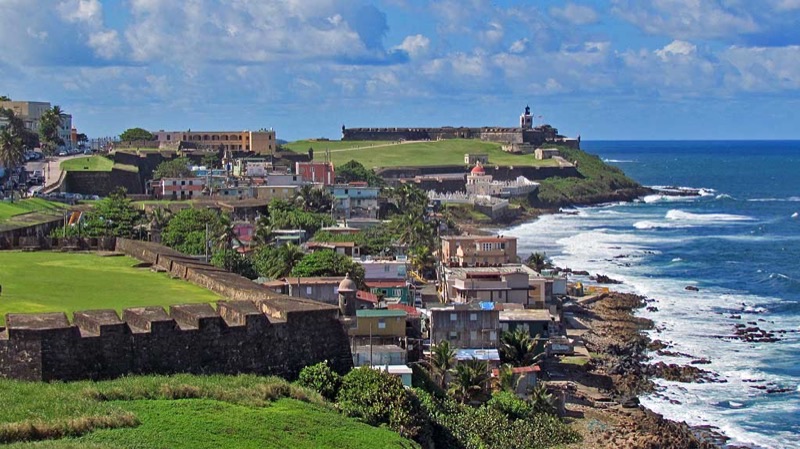
Puerto Rico's history is heavily shaped by its Spanish colonial past and its current status as a US territory. Old San Juan is a significant historical area, with structures like El Morro fortress ($10 USD entrance) and Castillo San Cristóbal demonstrating centuries of military architecture. Ponce, on the southern coast, also holds important historical buildings and museums. Taíno indigenous heritage is present, but less visibly integrated into daily life compared to Mexico. The cultural narrative is a blend of Caribbean, Spanish, and American influences, which is distinct but less ancient and expansive than Mexico's.
Tabiji verdict: Mexico offers a far deeper and more extensive dive into ancient civilizations and diverse historical periods.
- Winner: Mexico
- Why: Mexico possesses a much broader and older historical scope, featuring numerous well-preserved pre-Hispanic ruins and extensive colonial cities that offer profound cultural immersion.
- Who this matters for: History buffs and travelers seeking deep immersion in ancient civilizations and colonial pasts.
💃 Nightlife & Entertainment
Mexico's nightlife is as varied as its landscapes. Cancun is famous for large-scale clubs like Coco Bongo, drawing international crowds with cover charges around $80-100 USD for…
Mexico's nightlife is as varied as its landscapes. Cancun is famous for large-scale clubs like Coco Bongo, drawing international crowds with cover charges around $80-100 USD for open bar. Mexico City offers sophisticated speakeasies, rooftop bars, and independent music venues in neighborhoods like Roma Norte and Condesa. Oaxaca has a growing mezcal bar scene with live music. Playa del Carmen and Tulum provide beach clubs and DJ sets. There's a vibrant energy from street vendors and musicians in many city centers late into the night, making for accessible and varied entertainment. Prices for drinks vary widely, but local beers are typically $2-4 USD.
Puerto Rico's nightlife is centered in San Juan, particularly in areas like La Placita de Santurce, which transforms from a farmers market to a street party with music, dancing, and outdoor bars (drinks $8-15 USD). Old San Juan has historic bars and cocktail lounges. Live salsa music is common in various venues. Casinos are available in larger hotels. Outside of San Juan, options become much more limited, usually revolving around local bars. While enjoyable and authentic, the scale and diversity of entertainment options available in Mexico's larger cities and tourist hubs are greater.
Tabiji verdict: Mexico's expansive and diverse nightlife scene, from mega-clubs to intimate local bars, provides more options.
- Winner: Mexico
- Why: Mexico offers a wider array of nightlife options, from large-scale international clubs to local live music venues and sophisticated cocktail bars across multiple cities.
- Who this matters for: Travelers who want varied evening entertainment, from high-energy clubs to local bars and live music.
🚨 Safety & Practicalities
Safety in Mexico is highly regional. Major tourist destinations like Cancun, Playa del Carmen, Tulum, and areas of Mexico City (Roma, Condesa) are generally secure for visitors,…
Safety in Mexico is highly regional. Major tourist destinations like Cancun, Playa del Carmen, Tulum, and areas of Mexico City (Roma, Condesa) are generally secure for visitors, though petty crime like pickpocketing is a concern. Areas near the US border or specific states (e.g., Michoacán, Guerrero) have higher crime rates related to organized crime, which typically does not target tourists but can spill over. Using official taxis or ride-shares, avoiding walking alone at night in unfamiliar areas, and being aware of surroundings are standard precautions. A passport is required for entry.
Puerto Rico, as a US territory, operates under US laws, uses the US dollar, and English is widely understood, especially in tourist areas. This familiarity often translates to a perception of greater safety and ease for US travelers. Crime rates are generally lower than in many parts of Mexico, though common urban crime exists in parts of San Juan, as in any large city. For US citizens, no passport is required for entry, simplifying travel logistics. Emergency services and infrastructure are similar to the mainland US. The lack of a language barrier for many travelers is also a practical advantage.
Tabiji verdict: Puerto Rico provides a more straightforward and generally safer experience for most travelers, particularly US citizens.
- Winner: Puerto Rico
- Why: Puerto Rico's status as a US territory means familiar laws, currency, and language for US citizens, often leading to a more comfortable and perceived safer travel experience.
- Who this matters for: Travelers prioritizing ease of travel, familiar infrastructure, and a reduced language barrier.
🌳 Nature & Outdoors (Beyond Beaches)
Mexico's geography is immensely varied. Beyond its coasts, it features the Copper Canyon (Barrancas del Cobre), a series of six canyons larger and deeper than the Grand Canyon,…
Mexico's geography is immensely varied. Beyond its coasts, it features the Copper Canyon (Barrancas del Cobre), a series of six canyons larger and deeper than the Grand Canyon, offering hiking and train rides. The Sian Ka'an Biosphere Reserve in Yucatán is a UNESCO site with diverse ecosystems. There are several active volcanoes, like Popocatépetl, and extensive cave systems, including the Grutas de Cacahuamilpa. The Monarch Butterfly Biosphere Reserve (November-March) is a specific draw, with millions of butterflies arriving yearly. Mexico presents grand, sweeping natural environments.
Puerto Rico offers a concentration of natural wonders. El Yunque National Forest, the only tropical rainforest in the US National Forest System, provides lush hiking trails, waterfalls, and diverse wildlife. La Cueva Ventana offers cave exploration with dramatic views. The island features impressive zip-lining courses like Toro Verde, home to 'The Monster' (over 1.5 miles long). The three bioluminescent bays (Vieques, Fajardo, Lajas) are a natural phenomenon worth experiencing, particularly Mosquito Bay in Vieques. Puerto Rico's natural attractions are compact and highly accessible.
Tabiji verdict: Both destinations offer unique and compelling natural experiences; Mexico for scale and diversity, Puerto Rico for concentrated, accessible wonders.
- Winner: Tie
- Why: Both countries offer distinct and impressive natural environments, with Mexico providing large-scale diversity and Puerto Rico offering concentrated, accessible natural wonders.
- Who this matters for: Outdoor enthusiasts who appreciate different types of natural landscapes and unique ecological phenomena.
🏨 Accommodation
Mexico's accommodation market is highly competitive and diverse. You can find hostels in major cities and tourist zones for $15-30 USD per night (e.g., Casa Angel Youth Hostel in…
Mexico's accommodation market is highly competitive and diverse. You can find hostels in major cities and tourist zones for $15-30 USD per night (e.g., Casa Angel Youth Hostel in Oaxaca). Mid-range boutique hotels are widely available for $80-150 USD per night, often in colonial buildings with courtyards (e.g., Hotel de la Soledad in Oaxaca). All-inclusive resorts in Cancun or Playa del Carmen range from $200-500+ USD per night for high-quality options, offering excellent value compared to other destinations. Airbnb is also a strong market, from private rooms to full apartments, offering good rates in many locations.
Puerto Rico's accommodation landscape is more aligned with US pricing. Guesthouses and smaller Airbnbs outside of San Juan might start around $70-120 USD per night. In San Juan, mid-range hotels like The Wave Hotel Condado or O:LV Fifty Five, a Condado Lagoon Villas property, often cost $150-250 USD per night. Major international hotel chains are present, especially in resort areas, with prices upwards of $300-600 USD per night. While quality is generally good, the price point for comparable lodging is consistently higher than in Mexico, particularly for budget and mid-range options.
Tabiji verdict: Mexico provides a wider selection of accommodation types at better price points across all budget levels.
- Winner: Mexico
- Why: Mexico offers significantly better value for accommodation across all price points, from budget hostels to luxury resorts.
- Who this matters for: Travelers seeking a wide range of lodging options and maximizing their budget for stays.
🗣️ Local Interaction & Language
In Mexico, Spanish is the primary language, and while English is understood in major tourist hubs like Cancun, Playa del Carmen, and parts of Mexico City, venturing outside these…
In Mexico, Spanish is the primary language, and while English is understood in major tourist hubs like Cancun, Playa del Carmen, and parts of Mexico City, venturing outside these areas often requires basic Spanish. This can be a barrier for some but is also an opportunity for deeper immersion and language practice. Locals generally appreciate attempts to speak Spanish. Interaction with local culture is often direct, from haggling in markets to casual conversations on public transport. The experience rewards those willing to engage with the language and local customs, providing a more authentic cultural exchange.
Puerto Rico has both Spanish and English as official languages. English is widely spoken, especially in San Juan and other tourist-frequented areas, making navigation and communication much easier for English-only speakers. This reduces potential friction in daily interactions, from ordering food to asking for directions. While Spanish is the dominant language in daily life for many, the prevalence of English means that travelers can often communicate without difficulty. This familiarity contributes to an overall easier and less intimidating travel experience, particularly for those who prefer not to deal with a language barrier.
Tabiji verdict: Puerto Rico is easier for English-speaking travelers due to its bilingual environment and widespread use of English.
- Winner: Puerto Rico
- Why: Puerto Rico's bilingual environment, with English widely spoken, simplifies communication and local interaction for many travelers.
- Who this matters for: Travelers who prefer to avoid language barriers and seek easier communication during their trip.
🎯 The Decision Framework
Choose Mexico If…
- You want street tacos for $2 and local meals for $10.
- You are interested in ancient Mayan pyramids and Aztec ruins.
- You plan to use efficient, affordable long-distance buses.
- You enjoy exploring diverse regional cuisines beyond the typical tourist fare.
- You want to swim in unique cenotes and explore cave systems.
- You are comfortable navigating a predominantly Spanish-speaking country.
- You seek a longer trip duration for a lower overall budget.
- You appreciate a travel experience that requires more self-reliance and cultural immersion.
Choose Puerto Rico If…
- You are a US citizen and prefer not to use a passport.
- You want to visit a tropical rainforest (El Yunque) easily accessible from the US.
- You prefer to communicate primarily in English during your travels.
- You appreciate the familiarity of US currency and legal systems.
- You want to experience bioluminescent bays and high-quality zip-lining.
- You are comfortable renting a car to explore the island independently.
- You enjoy a blend of Caribbean flavor with US amenities.
- You prefer shorter flight times from the US East Coast.
📅 Sample Itineraries
Weekend in Mexico (3 Days)
💡 For Teotihuacan, arrive early to avoid crowds and the midday sun. Consider hiring an official guide at the entrance for about $40-60 to enhance your understanding of the history.
Weekend in Puerto Rico (3 Days)
💡 Rent a car for at least one day to explore El Yunque and the east coast. Parking in Old San Juan can be challenging; use parking garages like Doña Fela for $3-5 per hour.
One Week in Mexico (7 Days)
💡 Utilize Mexico's extensive and affordable ADO bus network for intercity travel; booking online a few days in advance can secure better prices and preferred seats.
One Week in Puerto Rico (7 Days)
💡 Book your El Yunque National Forest entry pass well in advance, as slots are limited. Consider buying a cooler for day trips to keep drinks and snacks cold, saving on resort prices.
❓ Frequently Asked Questions
Do I need a passport to visit Mexico or Puerto Rico?
Yes, a valid passport is required for US citizens traveling to Mexico. For Puerto Rico, US citizens do not need a passport as it is a US territory; a valid government-issued ID like a driver's license is sufficient for domestic air travel.
What currency is used in Mexico and Puerto Rico?
Mexico uses the Mexican Peso (MXN). While USD may be accepted in some tourist zones, it's best to use Pesos. Puerto Rico uses the US Dollar (USD) as its official currency, making transactions straightforward for US travelers.
What are the language differences for travelers?
Spanish is the primary language in Mexico; English is common in tourist centers but less so elsewhere. In Puerto Rico, both Spanish and English are official languages, and English is widely spoken, especially in urban and tourist areas, making communication easier for many.
What is the best time of year to visit each destination?
For Mexico, the dry season from November to April offers pleasant weather. Puerto Rico is best visited from December to May for cooler, drier conditions and to avoid hurricane season (June-November). Both can be visited year-round, but specific weather patterns should be considered.
How safe are these destinations for solo travelers?
Both can be safe for solo travelers with proper precautions. Mexico's safety varies by region; sticking to well-trafficked tourist areas and being aware of surroundings is key. Puerto Rico is generally considered safer, with lower crime rates, offering more familiarity for solo US travelers due to shared laws and currency.
Are there good options for family travel in Mexico and Puerto Rico?
Yes, both offer family-friendly options. Mexico has resorts with kids' clubs, calm beaches in places like Isla Mujeres, and interactive historical sites. Puerto Rico offers El Yunque rainforest, calmer beaches on Culebra, and a generally easier travel experience with US infrastructure and language for families.
What are the common flight durations from major US cities?
From major East Coast US cities (e.g., NYC, Miami), flights to Cancun (Mexico) are about 3-4 hours, and to San Juan (Puerto Rico) are about 3.5-4 hours. From West Coast cities (e.g., LAX), flights to Mexico are 3.5-5 hours, while to Puerto Rico they are 6-7 hours, often with a layover.
Which destination is better for digital nomads?
Mexico, particularly cities like Mexico City, Oaxaca, and Playa del Carmen, offers a stronger digital nomad scene with more affordable living costs, co-working spaces, and a larger community. Puerto Rico is a viable option, especially in San Juan, but higher costs of living and limited infrastructure outside the capital can be a drawback.
Ready to plan your Caribbean & North America trip?
Get a free custom itinerary for Mexico, Puerto Rico, or both — built from real traveler insights.
👥 Travelers Also Compared
🎟️ Book Tours & Experiences
Hand-picked tours and activities for both destinations — book with free cancellation
Experiences via Viator — free cancellation on most tours