How we built this comparison
This page combines traveler discussion patterns, published price ranges, flight schedules, and seasonal data to help you decide between Mexico and Switzerland.
- Reviewed 50+ Reddit threads from r/travel, r/solotravel, r/MexicoTravel, r/Switzerland, and country-specific subreddits.
- Verified costs and logistics against current booking platforms like Google Flights, Booking.com, and local transportation sites.
- Cross-referenced seasonal patterns, weather data, and major events to inform optimal travel times.
⚡ Quick Answers
⚡ The TL;DR Verdict
For most travelers seeking a longer trip, varied experiences, and lower costs, Mexico is the pick. It offers depth in culture, food, and natural landscapes without crushing your wallet. Switzerland serves a niche: those prioritizing pristine nature, quiet towns, and don't mind a daily spend of $200+. Mexico is for the explorer, Switzerland for the serene landscape admirer.
- Choose Mexico: You prioritize low costs, diverse cultural experiences, incredible street food, and a more spontaneous travel style. You want your money to go further over several weeks.
- Choose Switzerland: You want impeccable infrastructure, predictable travel, clean mountain air, and aren't restricted by budget. Your focus is on hiking, train journeys, and mountain activities.
- Choose Both: If you have a substantial budget and at least 3-4 weeks. Start with Mexico for 2 weeks to get your culture and beach fix, then head to Switzerland for 10-14 days of mountain relaxation.
Choose Mexico
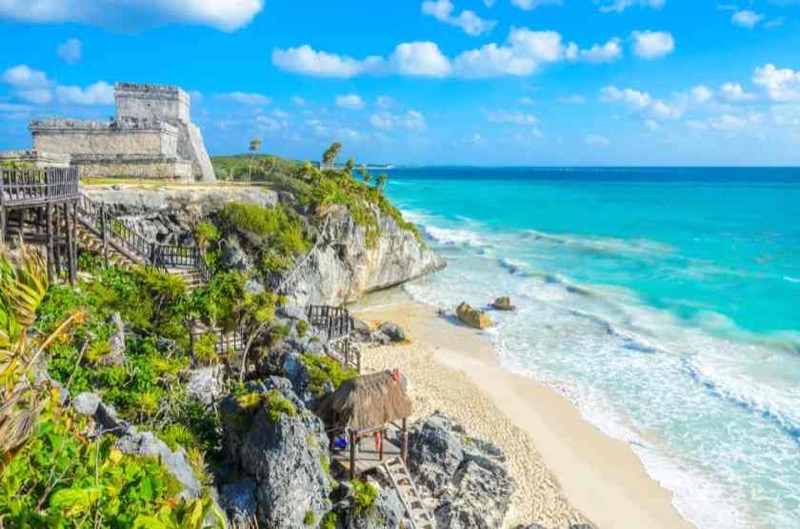
Choose Mexico if you're an adventurous explorer eager for vibrant culture and incredible value. It's best for budget-conscious travelers who want to delve into ancient Mayan ruins, savor authentic street tacos in Oaxaca or Mexico City, and relax on stunning Caribbean beaches. Your money will stretch far here, offering weeks of diverse, immersive experiences.
Choose Switzerland
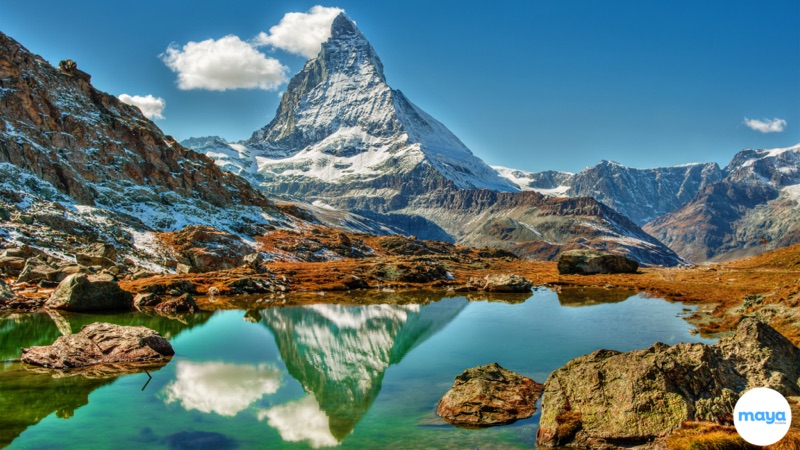
Opt for Switzerland if pristine alpine beauty, impeccable infrastructure, and serene escapes are your priority, and budget is secondary. It's best for travelers who dream of hiking trails in the Engadine Valley, enjoying breathtaking train journeys through the Alps, and savoring fondue in charming mountain villages like Zermatt. Prepare for a high-quality, tranquil experience with a significant daily spend.
📊 Visual Scorecard
🌤 When to Visit
Average high temperatures (°C). Green = best months, orange = avoid.
Quick Comparison
| Category | Mexico | Switzerland | Winner |
|---|---|---|---|
| Costs & Budget | Highly affordable, especially for food and local transport. Accommodation is budget-friendly outside major resorts. Daily average: $50-100. | Extremely expensive across the board. Food, transport, and lodging require a significant budget. Daily average: $150-300+. | Mexico |
| Food & Drink | Internationally renowned cuisine, incredible street food, regional specialties, and low prices. Fresh ingredients and complex flavors. | High-quality, traditional dishes like fondue and raclette, but often expensive and less diverse for casual dining. Excellent chocolate and cheese. | Mexico |
| Nature & Outdoors | Diverse landscapes including Caribbean beaches, Pacific coastlines, deserts, volcanoes, cenotes, and cloud forests. Opportunities for diving, hiking, and exploring ancient sites. | Iconic Alpine landscapes with snow-capped peaks, pristine lakes, and extensive hiking trails. Focus on mountain activities, skiing, and train journeys through dramatic scenery. | Switzerland |
| Culture & History | Deep, ancient roots with Mayan, Aztec, and colonial influences. Rich traditions, colorful festivals, music, art, and historical sites. | Focus on Alpine traditions, precision, neutrality, and strong regional identities. History is tied to cantons, watchmaking, and a distinct European heritage. | Mexico |
| Safety & Vibe | Perceptions vary, but tourist areas are generally safe with common sense. Some regions have higher risks. Generally laid-back and lively. | One of the safest countries globally, very low crime rates. Quiet, orderly, and efficient. Generally a calm and peaceful experience. | Switzerland |
| Getting There & Flights | Relatively short flights from North America, with numerous direct options to major hubs like Mexico City (MEX) and Cancun (CUN). Good value for money. | Longer international flights from North America, fewer direct options, and generally more expensive. Main airports are Zurich (ZRH) and Geneva (GVA). | Mexico |
| Getting Around Locally | Extensive and affordable bus network, colectivos, ride-sharing apps in cities. Driving can be chaotic but offers flexibility. Internal flights available. | Impeccable public transport system (trains, buses, boats, cable cars) connecting almost everywhere. Efficient but very expensive. Driving is easy but parking is costly. | Switzerland |
| Accommodation | Wide range of options from budget hostels to boutique hotels and resorts. Excellent value, even for mid-range. Airbnb is popular. | High-quality hotels and guesthouses, but very expensive. Hostels are available but still pricey. Limited budget options. | Mexico |
| Nightlife & Entertainment | Lively and diverse, from casual cantinas and street parties to high-energy nightclubs. Strong music culture, especially salsa and mariachi. Entertainment is accessible. | Generally more subdued, focused on pubs, cozy bars, and occasional larger clubs in major cities. Less spontaneous street life compared to Mexico. Quiet evenings are common. | Mexico |
| Solo Travel | Great for solo travelers seeking adventure and interaction. Hostels are social hubs. Need to be vigilant about safety, especially at night. | Excellent for solo travelers who value safety and efficiency. Easy to navigate, peaceful, but can be less social and more expensive when alone. | Tie |
💰 Costs & Budget
Mexico is a champion for budget-conscious travelers. A typical budget day can cost around $70-100 USD. You can get a filling meal of tacos al pastor for 40-80 MXN ($2.50-5 USD) in…
Mexico
Switzerland
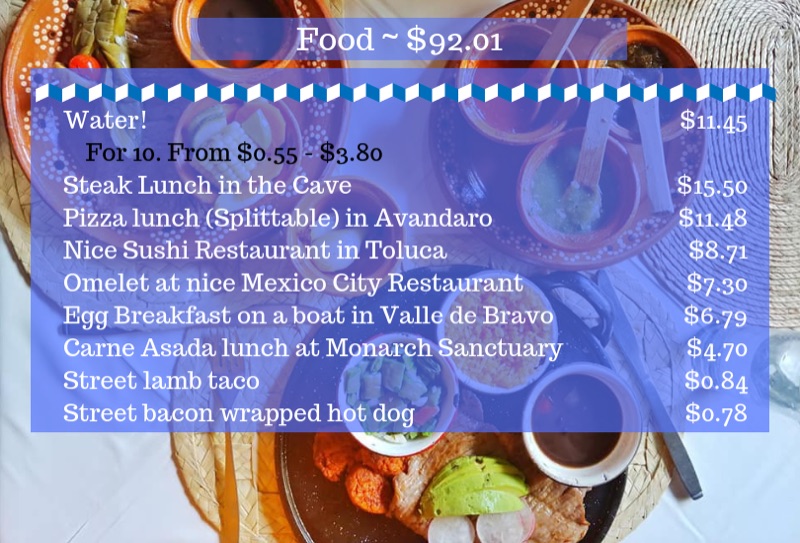
Mexico is a champion for budget-conscious travelers. A typical budget day can cost around $70-100 USD. You can get a filling meal of tacos al pastor for 40-80 MXN ($2.50-5 USD) in Mexico City, a long-distance bus ticket from Mexico City to Oaxaca for about 600-900 MXN ($35-55 USD), and a decent hostel bed for 300-600 MXN ($18-35 USD). Street food is excellent and cheap, and local markets like Mercado de San Juan offer goods at low prices.
Switzerland presents a steep financial challenge. Expect a daily budget of $200-300 USD, even for conservative travelers. A basic meal at a casual restaurant can cost 25-40 CHF ($28-45 USD), while a train ticket from Zurich to Interlaken is around 70-80 CHF ($78-90 USD) without a pass. A hostel bed in Zurich might run 50-70 CHF ($55-77 USD). Groceries from Coop or Migros can help, but prepared food, excursions, and public transport quickly add up. Mexico is the clear winner for anyone watching their spending.
- Winner: Mexico
- Why: Mexico offers significantly lower costs for nearly every aspect of travel, from food to accommodation to transport.
- Who this matters for: Budget travelers, long-term travelers, and those who want more experiences for their money.
🌮 Food & Drink
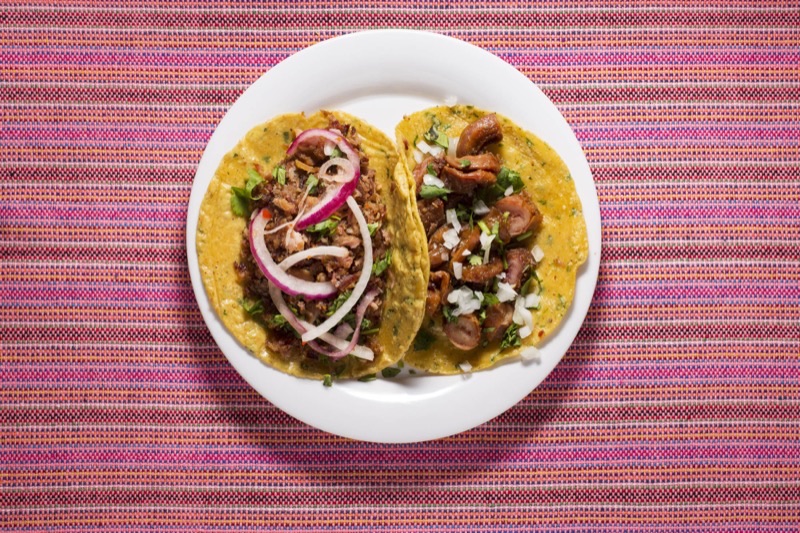
Mexico's food scene is a major draw. Think beyond standard tacos; explore mole in Oaxaca, cochinita pibil in Yucatan, or chiles en nogada in Puebla. Street food is a cornerstone,…
Mexico

Switzerland
Mexico's food scene is a major draw. Think beyond standard tacos; explore mole in Oaxaca, cochinita pibil in Yucatan, or chiles en nogada in Puebla. Street food is a cornerstone, with options like esquites, tlayudas, and tamales available for 30-80 MXN ($1.75-4.50 USD). Fine dining is also accessible, with multi-course meals at top restaurants like Pujol or Quintonil in Mexico City costing a fraction of their European equivalents, perhaps 2000-4000 MXN ($120-240 USD).
Swiss food focuses on quality ingredients and traditional preparation. Expect cheese fondue or raclette, typically 30-45 CHF ($33-50 USD) per person, rosti, and various sausages. While delicious, daily meals can become repetitive and costly. Casual dining options are limited beyond bakeries and supermarket delis. Drinks, especially alcohol, are expensive; a beer in a restaurant can be 8-10 CHF ($9-11 USD). Mexico offers a more expansive, affordable, and exciting culinary journey.
- Winner: Mexico
- Why: Mexico provides an unparalleled range of flavors, culinary experiences, and affordability, from street stalls to high-end restaurants.
- Who this matters for: Foodies, adventurous eaters, and travelers who enjoy trying new dishes daily without spending a fortune.
⛰️ Nature & Outdoors
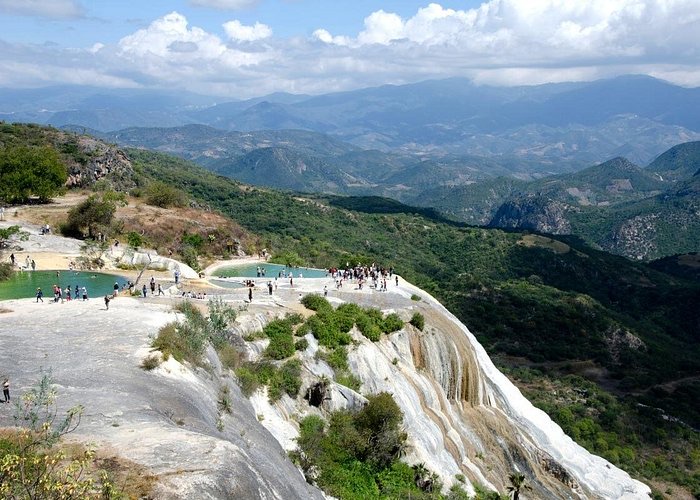
Mexico offers a wild and varied outdoor experience. You can swim in clear cenotes on the Yucatan Peninsula, hike active volcanoes like Nevado de Toluca, explore the Copper Canyon,…
Mexico
Switzerland
Mexico offers a wild and varied outdoor experience. You can swim in clear cenotes on the Yucatan Peninsula, hike active volcanoes like Nevado de Toluca, explore the Copper Canyon, or relax on the beaches of Tulum or Puerto Escondido. Activities include scuba diving in Cozumel, surfing in Oaxaca, or exploring the Sian Kaan biosphere. The natural settings often feel less manicured and more raw, appealing to those seeking discovery.
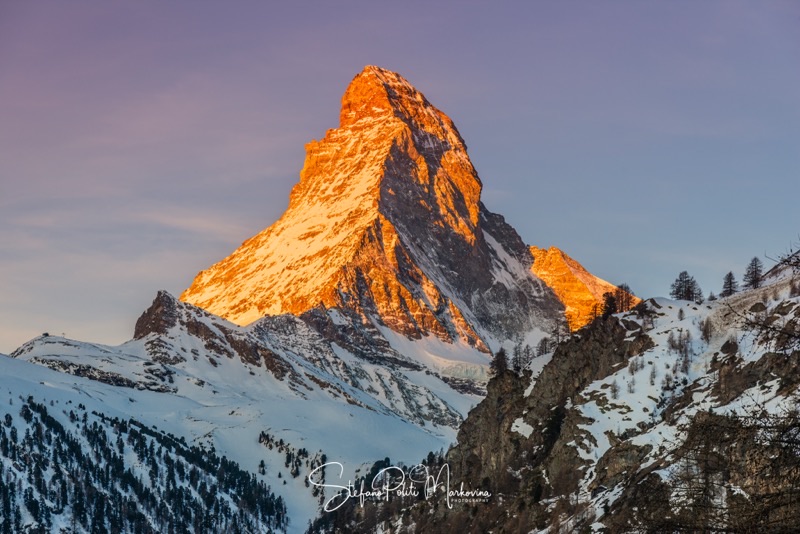
Switzerland is the standard for accessible, clean, and organized mountain adventures. The Alps dominate, with famous peaks like the Matterhorn and Jungfraujoch offering gondola rides, hiking, and skiing. Lakes such as Lake Geneva and Lake Lucerne provide boating and lakeside strolls. The infrastructure for outdoor activities is excellent, with well-marked trails and efficient transport to trailheads. While Mexico's nature is diverse, Switzerland's iconic, accessible, and consistently grand mountain landscapes give it the edge for a specific type of outdoor enthusiast. Switzerland is the winner for structured, clean, mountain-focused outdoor travel.
- Winner: Switzerland
- Why: Switzerland excels with its consistently grand, accessible, and impeccably maintained mountain landscapes and related infrastructure.
- Who this matters for: Hikers, skiers, nature photographers, and those who prioritize clean, organized outdoor experiences.
🗿 Culture & History
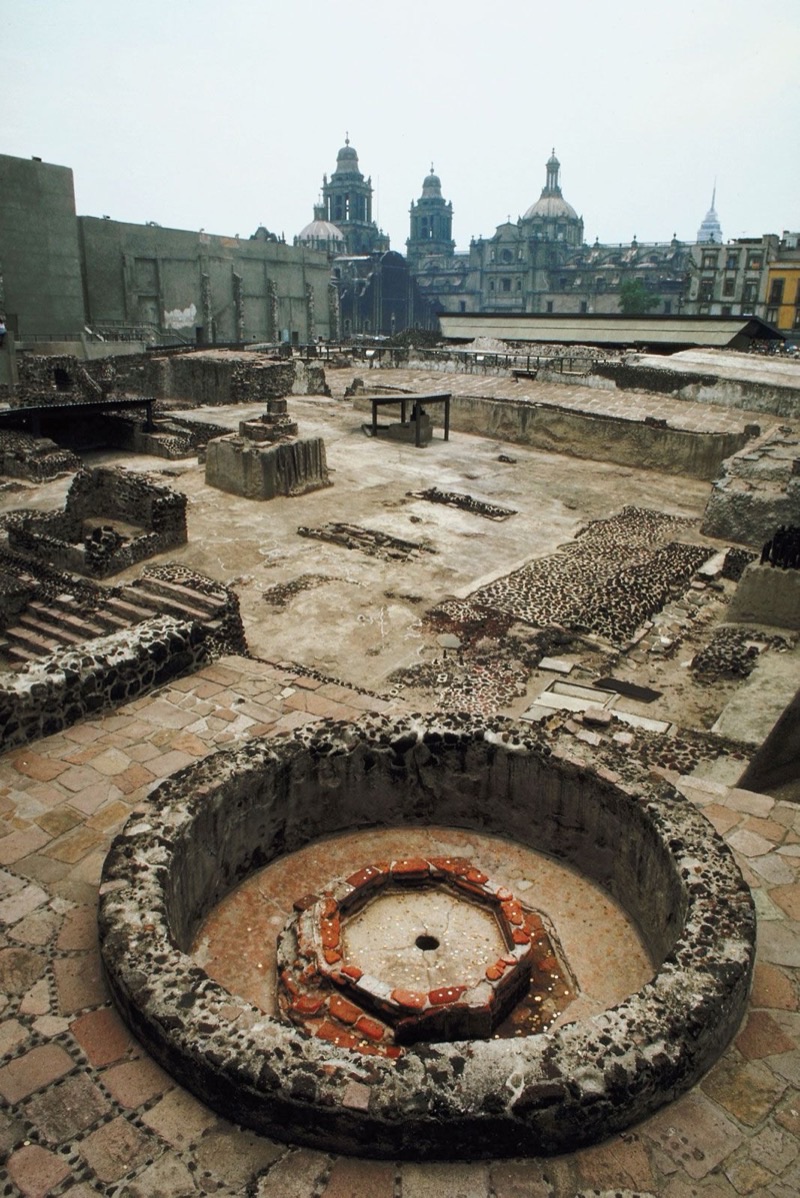
Mexico's cultural and historical depth is immense, spanning millennia. You can explore ancient Mayan ruins at Chichen Itza or Palenque, the Aztec pyramids of Teotihuacan, and…
Mexico
Switzerland
Mexico's cultural and historical depth is immense, spanning millennia. You can explore ancient Mayan ruins at Chichen Itza or Palenque, the Aztec pyramids of Teotihuacan, and colonial cities like San Miguel de Allende or Oaxaca. Mexico City itself is packed with museums, from the National Museum of Anthropology to Frida Kahlo's Casa Azul. Festivals like Día de Muertos showcase profound traditions. The countrys history is a complex weave of indigenous civilizations and Spanish colonialism, creating a unique and compelling cultural identity.
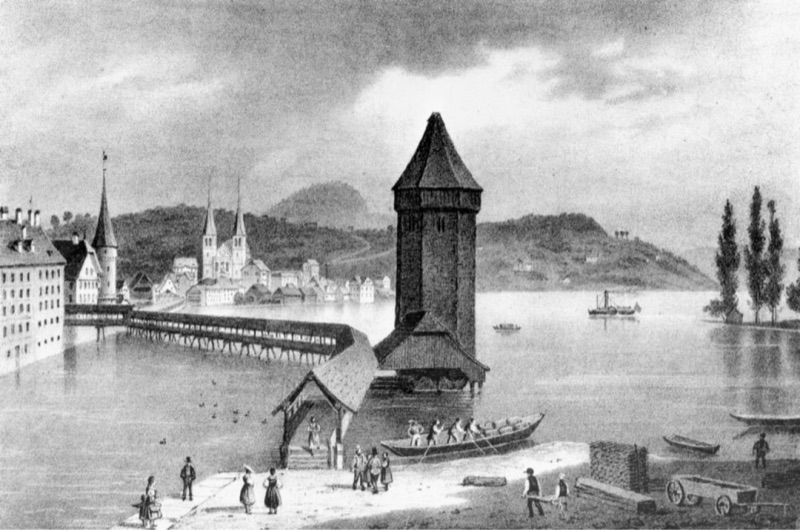
Switzerland's culture is rooted in its Alpine environment, neutrality, and distinct cantonal differences. It offers museums focused on art, history, and industries like watchmaking in places like La Chaux-de-Fonds. Historic centers like Bern's Old Town are well-preserved. While it has its own heritage, it doesnt possess the same multi-layered, ancient civilizations found in Mexico. The cultural experience in Mexico feels more immediate, pervasive, and ancient. Mexico is the stronger choice for travelers seeking deep historical context and vibrant cultural immersion.
- Winner: Mexico
- Why: Mexico offers a profound, multi-layered history spanning ancient civilizations and colonial eras, providing an incredibly rich cultural experience.
- Who this matters for: History buffs, anthropologists, art lovers, and travelers seeking deep cultural immersion and ancient sites.
🛡️ Safety & Vibe
Mexico's safety reputation is complex. Major tourist destinations like Cancun, Playa del Carmen, Mexico City, and Oaxaca are generally safe for visitors, especially if you stick…
Mexico
Switzerland
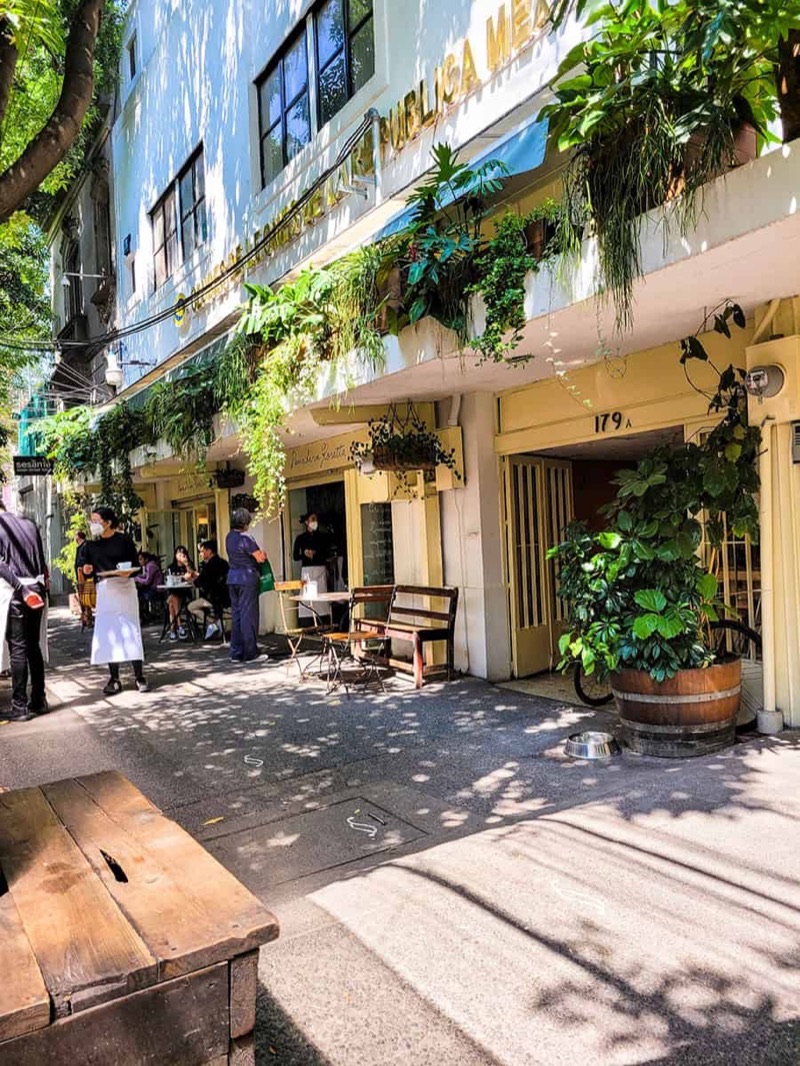
Mexico's safety reputation is complex. Major tourist destinations like Cancun, Playa del Carmen, Mexico City, and Oaxaca are generally safe for visitors, especially if you stick to well-trafficked areas and exercise basic precautions like avoiding walking alone at night and being aware of your surroundings. Cartel activity is typically concentrated in specific regions not frequented by tourists, but it can spill over. The vibe is often lively, friendly, and spontaneous, with music and street life common.
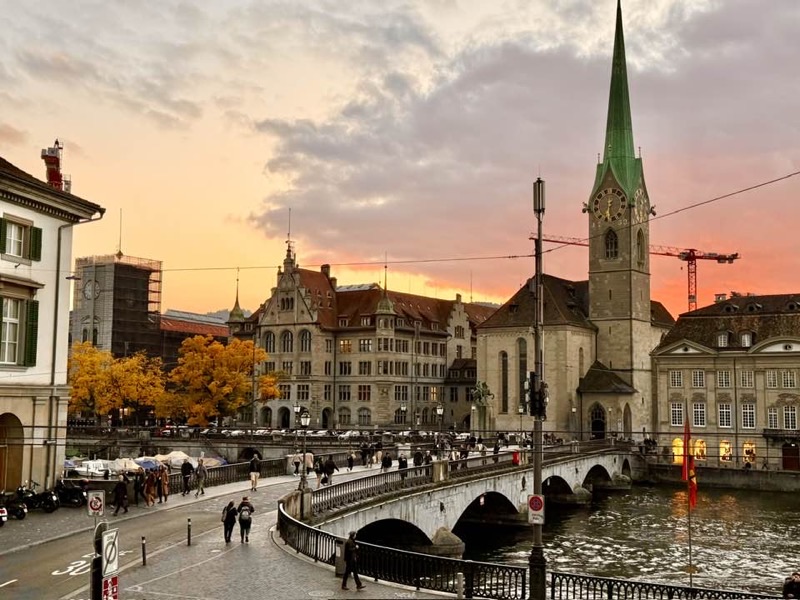
Switzerland is among the safest countries in the world. Crime rates are exceptionally low, and travelers can generally feel comfortable exploring all regions, even at night. The main concerns are minor petty theft in crowded tourist areas, similar to any European city. The vibe is one of order, efficiency, and tranquility. People respect rules, public spaces are clean, and schedules are followed. For absolute peace of mind regarding personal safety, Switzerland is the unequivocal winner.
- Winner: Switzerland
- Why: Switzerland consistently ranks as one of the safest countries globally, offering travelers peace of mind and very low crime rates.
- Who this matters for: Solo travelers, families with young children, and anyone for whom safety and a predictable environment are top priorities.
✈️ Getting There & Flights
Flights to Mexico from major US and Canadian cities are generally shorter and more frequent. A direct flight from New York (JFK) to Cancun (CUN) takes about 4 hours, and to Mexico…
Flights to Mexico from major US and Canadian cities are generally shorter and more frequent. A direct flight from New York (JFK) to Cancun (CUN) takes about 4 hours, and to Mexico City (MEX) is around 5 hours. From Los Angeles (LAX), flights to MEX are about 3.5-4 hours. Prices can range from $250-500 USD round trip, especially when booked in advance or during off-peak seasons, making it an accessible destination for shorter trips.
Flights to Switzerland from North America are significantly longer and often more expensive. A direct flight from New York (JFK) to Zurich (ZRH) takes approximately 8 hours, and to Geneva (GVA) around 7.5-8 hours. From Los Angeles (LAX), direct flights are rare and often involve layovers, extending travel time to 12-15 hours. Round-trip flights typically range from $700-1200+ USD. The combination of shorter flight times, more direct routes, and lower airfares makes Mexico a more convenient and affordable choice for arrival. Mexico wins on ease and cost of access.
- Winner: Mexico
- Why: Mexico offers shorter flight times, more direct routes from North America, and generally lower airfares, making it easier and cheaper to reach.
- Who this matters for: North American travelers, those on a tighter travel schedule, and budget-conscious individuals.
🚌 Getting Around Locally
Getting around Mexico depends on the region. In cities like Mexico City, the Metro is incredibly cheap (5 MXN / $0.30 USD per ride) and efficient, though crowded. Ride-sharing…
Getting around Mexico depends on the region. In cities like Mexico City, the Metro is incredibly cheap (5 MXN / $0.30 USD per ride) and efficient, though crowded. Ride-sharing apps like Uber and DiDi are common and affordable. For intercity travel, the bus network (ADO, ETN, Primera Plus) is extensive, comfortable, and relatively inexpensive; a 6-hour journey might cost 600 MXN ($35 USD). Colectivos (shared vans) are also widely used for short distances. Driving can be challenging due to traffic and road conditions.
Switzerland's public transport system is legendary. Trains, buses, trams, boats, and cable cars are integrated, punctual, and reach almost every corner of the country. A Swiss Travel Pass can be economical for intensive travel (e.g., 3-day pass for 232 CHF, ~$250 USD), but individual tickets are very expensive; a short bus ride can be 4-5 CHF ($4.50-5.50 USD). While Mexico offers good value, Switzerland's system is unparalleled in its reach, efficiency, and cleanliness, providing a stress-free travel experience. Switzerland is the winner for superior local transportation.
- Winner: Switzerland
- Why: Switzerland boasts an exceptional, integrated, and highly efficient public transport network that covers the entire country with precision.
- Who this matters for: Travelers who prefer not to drive, those who value punctuality and comfort, and anyone wanting to see varied landscapes via public transit.
🏨 Accommodation
Mexico offers a fantastic range of accommodation for every budget. You can find a clean, well-located hostel bed in Mexico City for 300-600 MXN ($18-35 USD) or a comfortable…
Mexico offers a fantastic range of accommodation for every budget. You can find a clean, well-located hostel bed in Mexico City for 300-600 MXN ($18-35 USD) or a comfortable boutique hotel room for 1000-2000 MXN ($60-120 USD) in Oaxaca or San Miguel de Allende. In resort areas like Playa del Carmen, all-inclusive options are plentiful. Even luxury stays are significantly more affordable than in Europe, providing excellent value for money.
Switzerland's accommodation is consistently high quality but comes at a premium. A basic hostel bed in Lucerne or Interlaken can cost 50-70 CHF ($55-77 USD). A standard hotel room often starts at 120-200 CHF ($130-220 USD) per night, and goes up significantly in popular areas like Zermatt or Geneva. Airbnb can offer some relief but is still expensive. Budget travelers will struggle to find affordable private rooms. Mexico's superior value and wider range of truly affordable options make it the winner for accommodation.
- Winner: Mexico
- Why: Mexico provides significantly better value across all accommodation types, with more affordable options for budget and mid-range travelers.
- Who this matters for: Travelers seeking good value, those on a budget, and people who want more diverse lodging choices.
💃 Nightlife & Entertainment
Mexico's nightlife is characterized by its energy and variety. In Mexico City, areas like Roma Norte and Condesa have numerous bars, mezcalerías, and clubs catering to different…
Mexico's nightlife is characterized by its energy and variety. In Mexico City, areas like Roma Norte and Condesa have numerous bars, mezcalerías, and clubs catering to different tastes. Cancun and Playa del Carmen are known for their large-scale nightclubs with international DJs. Smaller cities like Oaxaca offer traditional cantinas and live music venues with mariachi or salsa. Street food vendors are often open late, contributing to the evening atmosphere. Entertainment options are plentiful and generally affordable.
Switzerland's nightlife is typically more contained and less spontaneous. Major cities like Zurich and Geneva have clubs and bars, but they close earlier and are more expensive than their Mexican counterparts; a cocktail might cost 15-20 CHF ($17-22 USD). Smaller towns are often very quiet in the evenings, with a focus on relaxing in hotels or traditional pubs. While there are options, the overall scene is less vibrant and accessible than in Mexico. Mexico is the stronger destination for lively and varied evening entertainment.
- Winner: Mexico
- Why: Mexico offers a more dynamic, diverse, and accessible nightlife, with options ranging from street parties to large clubs and traditional cantinas.
- Who this matters for: Party-goers, social travelers, and anyone who enjoys lively evenings with music and dancing.
🚶♀️ Solo Travel
Mexico is an excellent destination for solo travelers seeking to connect with others and have an adventure. Hostels are prevalent and serve as social hubs, making it easy to meet…
Mexico is an excellent destination for solo travelers seeking to connect with others and have an adventure. Hostels are prevalent and serve as social hubs, making it easy to meet fellow travelers for tours or meals. Ride-sharing apps and the extensive bus network facilitate independent movement. However, solo travelers, particularly women, should exercise increased caution, especially regarding personal belongings and walking alone at night in less frequented areas. Learning some basic Spanish helps with interactions.
Switzerland is very well-suited for solo travelers who prioritize safety, efficiency, and independent exploration of nature. The public transport system makes navigating the country alone simple and stress-free. There are few safety concerns, allowing for relaxed exploration. However, the high costs can be amplified for solo travelers not splitting accommodation or meal expenses. While hostels exist, the social scene can be quieter than in Mexico. Both destinations offer distinct advantages, depending on what a solo traveler values most: social interaction and adventure (Mexico) versus safety and serene independence (Switzerland). It is a tie, depending on individual priorities.
- Winner: Tie
- Why: Both offer distinct advantages for solo travelers: Mexico for social engagement and adventure, Switzerland for safety and independent exploration.
- Who this matters for: Budget-conscious adventurers (Mexico) vs. safety-focused, independent explorers (Switzerland).
🎯 The Decision Framework
Choose Mexico If…
- You want $2 street tacos at 2am.
- Your daily budget is under $100.
- You desire ancient ruins and colonial cities.
- You want lively street art and local markets.
- You crave diverse landscapes from beaches to volcanoes.
- You are looking for a Spanish language immersion opportunity.
- You appreciate a spontaneous, less structured travel style.
- You want to spend more time traveling for less money.
Choose Switzerland If…
- You prioritize absolute safety and low crime rates.
- You want pristine Alpine hikes and mountain views.
- You value efficient, punctual public transportation.
- Your daily budget is over $200.
- You enjoy quiet towns and orderly environments.
- You seek opportunities for skiing or snowboarding.
- You appreciate high-quality cheese, chocolate, and precision.
- You are comfortable paying premium prices for infrastructure.
📅 Sample Itineraries
Weekend in Mexico City (3 Days)
💡 Use the Mexico City Metro, costing around $0.25 per ride, to navigate the city efficiently and save on transport costs.
Weekend in Lucerne & Interlaken (3 Days)
💡 Consider purchasing a Swiss Half Fare Card for approximately $120 if you plan multiple train journeys or mountain excursions, as it provides 50% off most tickets.
One Week in Mexico City & Oaxaca (7 Days)
💡 For efficient travel between Mexico City and Oaxaca, book a multi-city flight arriving in one and departing from the other if possible, saving travel time back to your arrival city.
One Week in Lucerne, Interlaken & Zermatt (7 Days)
💡 The Swiss Travel Pass (starting from $232 for a 3-day pass) covers most public transportation, including trains, buses, and boats, and offers discounts on mountain railways, which can be cost-effective for a 7-day itinerary.
❓ Frequently Asked Questions
What is the average daily budget difference?
Mexico generally costs $50-100 USD per day for a mid-range traveler, including food, accommodation, and transport. Switzerland typically requires $150-300+ USD per day, reflecting its high cost of living for similar amenities. Expect to spend at least twice as much in Switzerland.
Which country is better for short trips?
For short trips from North America, Mexico is generally better due to shorter flight times and lower overall travel costs. A 4-hour flight to Cancun is much more feasible for a 3-5 day trip than an 8-hour flight to Zurich, maximizing your time on the ground.
Is public transport easier in Mexico or Switzerland?
Public transport is easier and more efficient in Switzerland. Their train and bus network is world-renowned for punctuality and coverage. Mexico has extensive bus systems and metro in cities, but it requires more planning and can be less comfortable for long journeys.
Which country offers more adventure activities?
Mexico offers a broader range of adventure activities, including cenote diving, volcano climbing, surfing, zip-lining, and exploring ancient ruins. Switzerland excels in mountain-specific adventures like hiking, skiing, paragliding, and canyoning, but its scope is more concentrated.
Where can I find better food experiences?
Mexico offers a more diverse, accessible, and affordable food experience, from street food to regional specialties. While Switzerland has high-quality traditional dishes, Mexico's culinary scene is generally considered more exciting and varied for travelers seeking new flavors daily.
How do climate and seasons compare?
Mexico has a varied climate, from tropical coasts to arid deserts and temperate highlands. Peak season for beaches is winter (Dec-Apr) to avoid humidity. Switzerland has four distinct seasons, with cold, snowy winters ideal for skiing and warm summers perfect for hiking. Both have specific best times to visit depending on activities.
Which country is better for family travel?
Switzerland is often favored for family travel due to its high safety, clean environment, and excellent infrastructure. Mexico offers family-friendly resorts and cultural experiences, but safety concerns in some areas might require more vigilance from parents. Switzerland provides more peace of mind.
Can I easily travel between both countries?
No, traveling directly between Mexico and Switzerland is a long journey, typically requiring a layover in a major hub like New York or London. It's a significant time and cost commitment, usually involving 12+ hours of total travel time. It's best to treat them as separate trips.
Ready to plan your Mexico or Switzerland trip?
Get a free custom itinerary for Mexico, Switzerland, or both — built from real traveler insights.
👥 Travelers Also Compared
🎟️ Book Tours & Experiences
Hand-picked tours and activities for both destinations — book with free cancellation
Experiences via Viator — free cancellation on most tours