How we built this comparison
This page combines traveler discussion patterns, published price ranges, flight schedules, and seasonal data to help you decide between Mexico and Turkey.
- Reviewed 50+ Reddit threads from r/travel, r/solotravel, r/mexicotravel, and r/turkeytravel.
- Verified costs and logistics against current booking platforms (e.g., Skyscanner, Booking.com) and government travel advisories.
- Cross-referenced seasonal patterns and weather data for optimal travel periods.
⚡ Quick Answers
⚡ The TL;DR Verdict
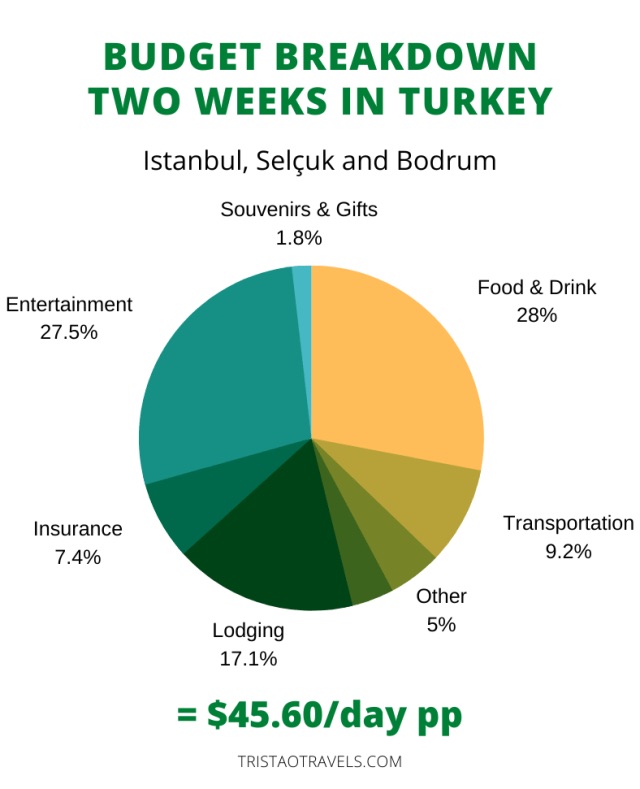
For most North American travelers seeking convenience, direct flights, and straightforward beach time with good food, Mexico is the pick. Daily budgets average around $50-100. Turkey offers a deeper dive into ancient history and diverse landscapes for a slightly lower cost, typically $40-90 a day, but requires a longer journey.
- Choose Mexico: You want easier access from North America, reliable beach weather, and a focus on relaxed experiences with good food and a lively atmosphere.
- Choose Turkey: You prioritize history, grand architectural sites, a different cultural experience, and are prepared for longer travel to a region offering good value.
- Choose Both: If you have 4+ weeks and a substantial budget, both offer distinct experiences. Start with Mexico for a week of relaxation, then head to Turkey for two weeks of cultural exploration.
Choose Mexico
Choose Mexico if you're a North American traveler craving a convenient, sun-soaked escape with delicious food. Ideal for families or couples, spend your days relaxing on the white sands of the Riviera Maya, exploring ancient Mayan ruins like Tulum, and indulging in vibrant street tacos and fresh margaritas. It’s perfect for those seeking lively resorts and easy beach access with a festive atmosphere.
Choose Turkey
Choose Turkey for an enriching journey through millennia of history and breathtaking, diverse landscapes. Best for adventurous history buffs and cultural explorers, imagine wandering Istanbul's Grand Bazaar, marveling at Hagia Sophia, or soaring over Cappadocia's fairy chimneys in a hot air balloon. This destination offers profound cultural immersion and incredible value for a longer, more adventurous trip.
📊 Visual Scorecard
🌤 When to Visit
Average high temperatures (°C). Green = best months, orange = avoid.
Quick Comparison
| Category | Mexico | Turkey | Winner |
|---|---|---|---|
| Costs & Value | Good value for food and local transport, accommodation varies significantly from budget hostels to luxury resorts. | Generally lower costs for food, transport, and accommodation across the board, especially outside Istanbul and Cappadocia. | Turkey |
| Food Scene | Internationally recognized cuisine with regional variations; street food is a highlight. | Diverse culinary traditions from Ottoman to Aegean; kebabs and mezze are common. | Mexico |
| Beaches & Coastlines | Caribbean white sand and Pacific surf, with developed resort towns and calmer surf spots. | Aegean and Mediterranean coastlines, often rocky coves with clear water; resorts are common. | Mexico |
| Culture & History | Pre-Hispanic Mayan and Aztec sites, colonial cities, and strong indigenous traditions. | A crossroads of civilizations with Roman, Byzantine, Ottoman, and Greek ruins. | Turkey |
| Safety & Practicalities | Generally safe in tourist areas but certain regions have higher crime rates; public transport is reliable in cities. | Generally safe for tourists, but geopolitical tensions in border regions exist; efficient intercity transport. | Tie |
| Getting There & Around | Direct flights from many North American cities, extensive bus network within the country. | Longer flights from North America, but good connections from Europe; excellent intercity bus system. | Mexico |
| Nature & Landscapes | Diverse landscapes including deserts, jungles, volcanoes, and unique cenotes. | From Mediterranean coastlines to Anatolian steppes, with geological formations like Cappadocia's fairy chimneys. | Turkey |
| Nightlife & Entertainment | Lively clubs and bars in resort towns, plus more local cantinas and mezcalerías. | Istanbul's club scene, traditional meyhanes with live music, and tea gardens. | Mexico |
| Accommodation | Wide range from budget hostels to luxury all-inclusive resorts; boutique hotels in colonial cities. | Good value across all types, including charming boutique hotels and unique cave hotels. | Turkey |
| Local Interactions & Hospitality | Warm and welcoming, especially outside major resort areas; Spanish proficiency helps. | Known for hospitality and generosity, particularly in less tourist-saturated regions; Turkish language helps. | Tie |
💰 Costs & Value
Mexico presents a range of costs. A street taco can be 40-70 MXN ($2-4 USD), a sit-down meal in a tourist area might be 300-600 MXN ($17-35 USD). Hostels in cities like Oaxaca or…
Mexico
Turkey
Mexico presents a range of costs. A street taco can be 40-70 MXN ($2-4 USD), a sit-down meal in a tourist area might be 300-600 MXN ($17-35 USD). Hostels in cities like Oaxaca or Mexico City run 300-600 MXN ($17-35 USD) per night, while a decent hotel can be 1000-2000 MXN ($58-115 USD). Local buses are cheap, often 10-20 MXN ($0.60-1.20 USD) for a ride. Activities like cenote visits or archaeological site entries cost 100-300 MXN ($6-17 USD). Your daily budget for a comfortable trip could be $70-120 USD, excluding major excursions.
Turkey generally offers better value. A basic kebab or street food item costs 50-100 TRY ($1.50-3 USD), while a meal in a mid-range restaurant is typically 250-500 TRY ($8-15 USD). Hostel beds in Istanbul or Izmir are available for 250-600 TRY ($8-18 USD), and a well-located hotel room can be 1000-2000 TRY ($30-60 USD). Public transport like Istanbul's tram or metro is inexpensive, around 15-30 TRY ($0.50-1 USD) per ride. Entry to sites like Ephesus is about 700 TRY ($20 USD). A realistic daily budget for a good experience is $50-90 USD. Turkey offers more bang for your buck on the ground.
Turkey provides a more consistently affordable travel experience across its offerings.
- Winner: Turkey
- Why: Turkey consistently delivers lower prices for accommodation, food, and activities, offering a better overall budget experience.
- Who this matters for: Budget-conscious travelers and those planning longer trips.
🌮 Food Scene
Mexico's food is a major draw. Beyond tacos and burritos, which are often different from what many expect, there is a deep culinary tradition. Oaxaca is known for its mole sauces…
Mexico
Turkey
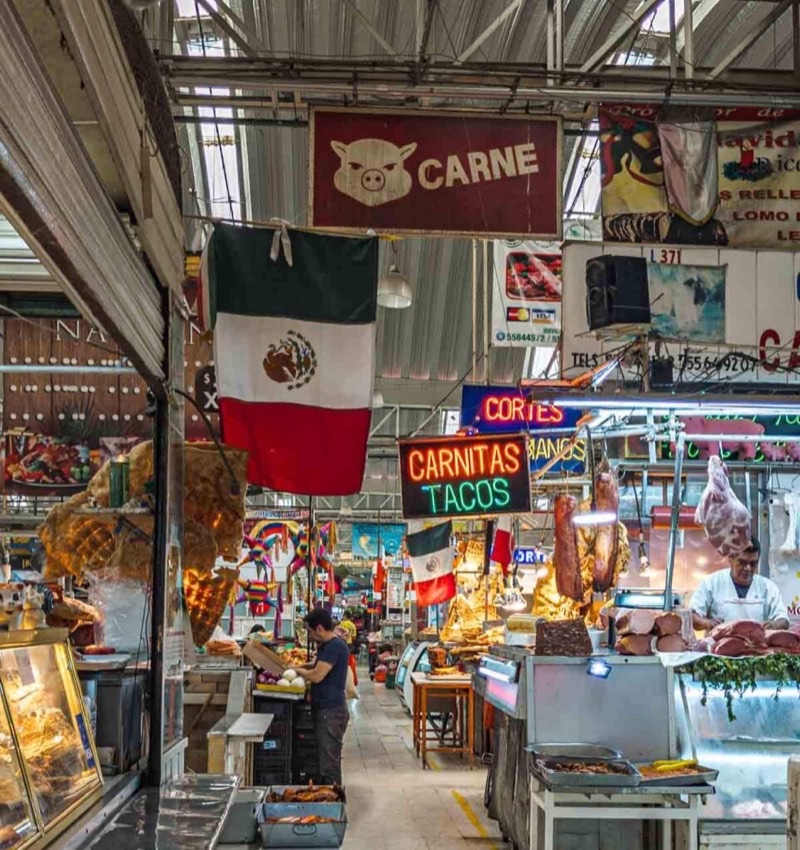
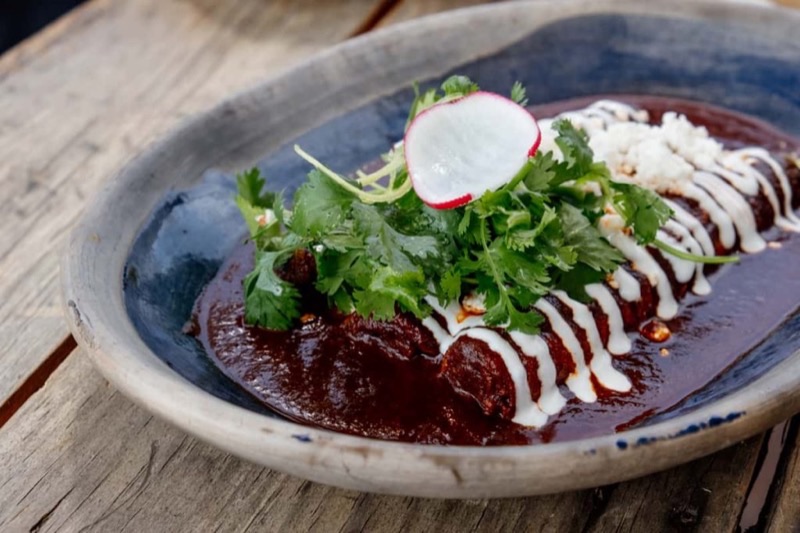
Mexico's food is a major draw. Beyond tacos and burritos, which are often different from what many expect, there is a deep culinary tradition. Oaxaca is known for its mole sauces and tlayudas (large crispy tortillas), while Puebla offers chile en nogada and cemitas. Coastal areas like Puerto Escondido serve fresh ceviche and grilled fish. Eating street food from trusted vendors, like Tacos Orinoco in Mexico City, is a key experience. Expect to pay 40-70 MXN ($2-4 USD) for a few tacos, and a more refined meal at a place like Pujol (Mexico City) will be significantly higher, perhaps 4000 MXN ($230 USD) per person.
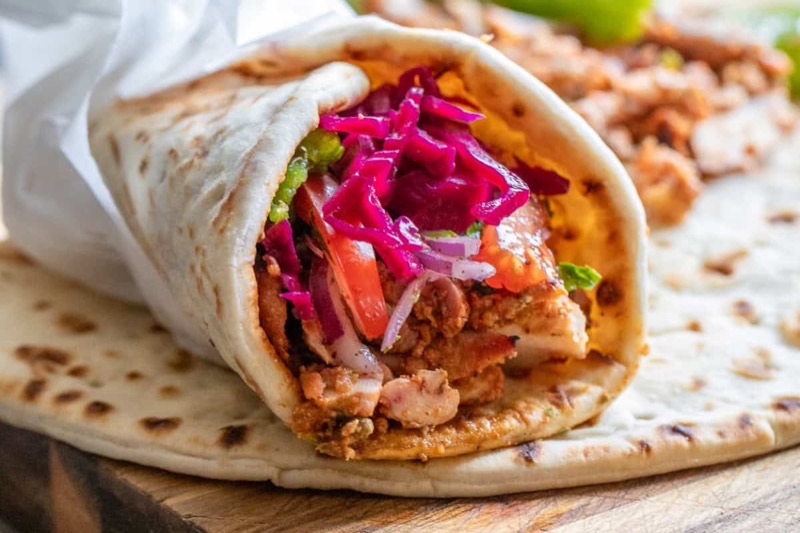
Turkey's food also has long roots and offers wide appeal. Istanbul's street food includes simit (sesame bread rings) for 15-30 TRY ($0.50-1 USD) and balik ekmek (fish sandwiches) by the Galata Bridge for 100-150 TRY ($3-5 USD). Gaziantep is noted for its pistachios and baklava, while dishes like iskender kebab and various mezze plates are found throughout. Restaurants like Çiya Sofrası in Istanbul offer regional Anatolian dishes at good prices. While tasty and satisfying, Turkish cuisine, for many, offers less variety in daily meals compared to Mexico's distinct regional specialties.
Mexico takes the lead for its sheer diversity of flavors and regional dishes, making every meal an adventure.
- Winner: Mexico
- Why: Mexico's regional culinary diversity and street food culture offer a broader and more widely celebrated array of flavors.
- Who this matters for: Food enthusiasts and those who want eating to be a central part of their travel experience.
🏖️ Beaches & Coastlines
Mexico's Caribbean coast, particularly Quintana Roo, has long stretches of fine white sand and turquoise water, seen in places like Tulum, Playa del Carmen, and Cancun. These…
Mexico
Turkey
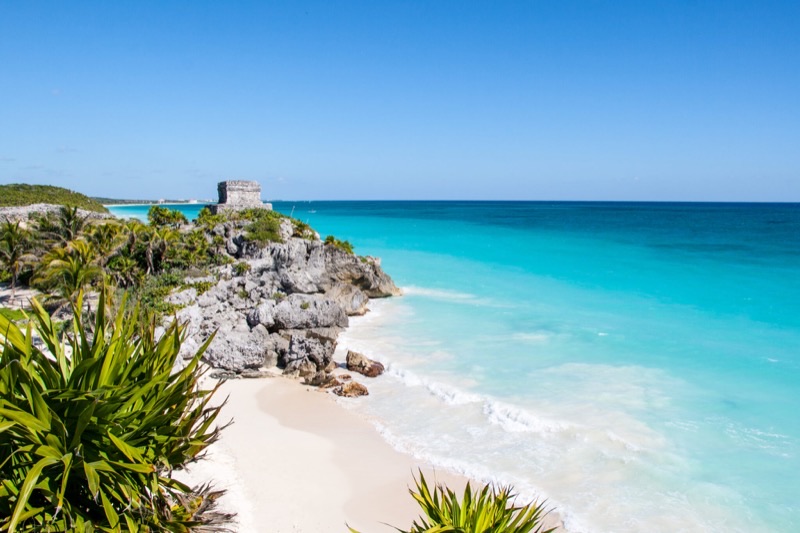
Mexico's Caribbean coast, particularly Quintana Roo, has long stretches of fine white sand and turquoise water, seen in places like Tulum, Playa del Carmen, and Cancun. These areas are developed with resorts and beach clubs, offering easy access to snorkeling and diving in cenotes. The Pacific coast, from Puerto Vallarta down to Oaxaca, features different types of beaches, often with stronger waves suitable for surfing (e.g., Zicatela Beach in Puerto Escondido). Sayulita offers a relaxed surf town atmosphere. Beach access is generally easy, and many spots have services from simple palapa restaurants to luxury cabanas.
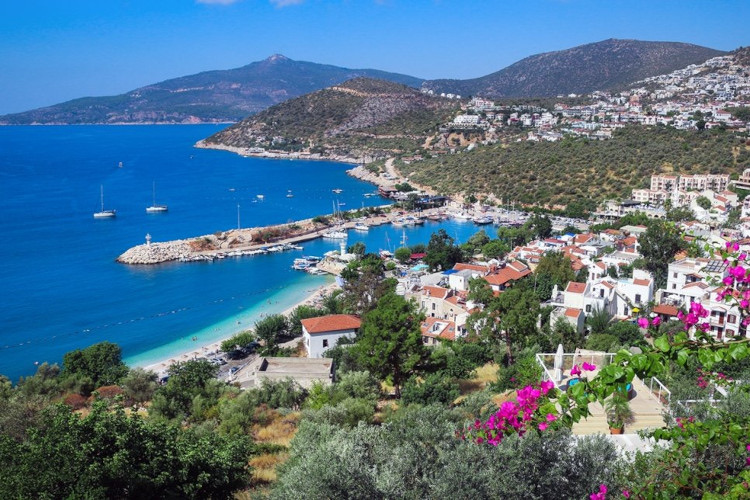
Turkey's extensive coastlines along the Aegean and Mediterranean seas offer their own appeal. Places like Ölüdeniz are known for a blue lagoon and paragliding, while Antalya is a larger resort city. The Datça Peninsula and Kaş provide more secluded coves and clear waters for swimming and boating. Beaches are often pebbly rather than sandy, and some require a short hike or boat trip to reach the best spots. While beautiful, the general beach culture and ease of access to broad sandy stretches are less pronounced than in Mexico.
Mexico's beaches, especially on the Caribbean side, offer a superior combination of soft sand, water clarity, and accessible beach services for relaxation.
- Winner: Mexico
- Why: Mexico offers more diverse and universally appealing beaches, particularly the Caribbean's soft sands and clear waters.
- Who this matters for: Travelers prioritizing beach relaxation, swimming, and water sports.
🏛️ Culture & History
Mexico's cultural depth comes from its pre-Hispanic civilizations and Spanish colonial period. Mayan ruins like Chichen Itza and Palenque are impressive, showing complex…
Mexico
Turkey
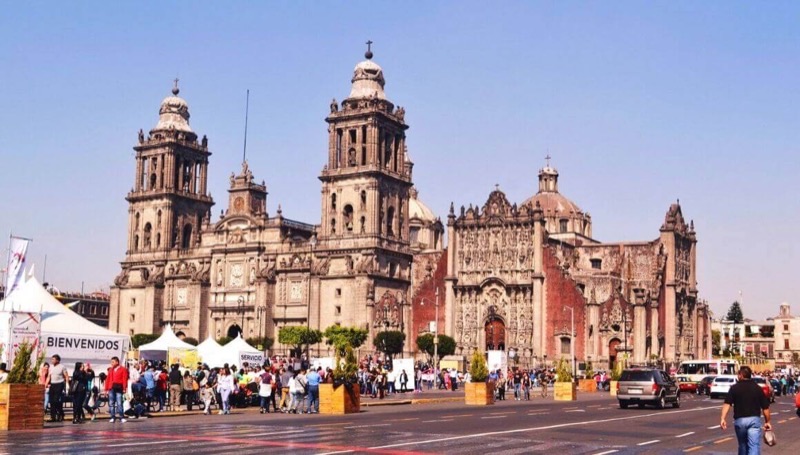
Mexico's cultural depth comes from its pre-Hispanic civilizations and Spanish colonial period. Mayan ruins like Chichen Itza and Palenque are impressive, showing complex architectural and astronomical knowledge. Teotihuacan, near Mexico City, features massive pyramids. Colonial cities like San Miguel de Allende and Guanajuato are UNESCO sites, known for their colorful buildings and historical centers. Indigenous traditions are still strong, especially in Oaxaca and Chiapas, where local markets and festivals reflect ancient customs. The Day of the Dead celebration is a major cultural event that draws visitors.
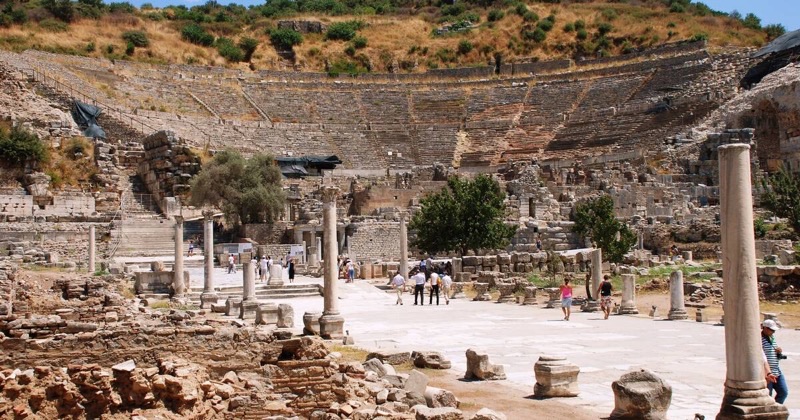
Turkey stands out for its layers of history, encompassing Roman, Byzantine, and Ottoman empires. Ephesus is one of the best-preserved Roman cities, with its Celsus Library and grand theater. Istanbul alone has the Hagia Sophia, Blue Mosque, and Topkapi Palace, showcasing periods of Byzantine Christianity and Ottoman Islam. Cappadocia offers ancient cave dwellings and churches carved into rock formations. Hierapolis-Pamukkale combines ancient ruins with travertine terraces. The depth and breadth of well-preserved historical sites, many of grand scale, across Turkey are hard to match.
Turkey offers a more extensive and grand collection of ancient and imperial historical sites for exploration.
- Winner: Turkey
- Why: Turkey provides an unparalleled range of ancient and imperial historical sites, offering a deeper journey through major world civilizations.
- Who this matters for: History buffs and those seeking to explore ancient ruins and grand historical architecture.
🚨 Safety & Practicalities
Mexico has specific areas with elevated safety warnings, particularly related to cartel activity, which usually avoids tourist zones but can spill over. Tourist areas like Cancun,…
Mexico

Turkey
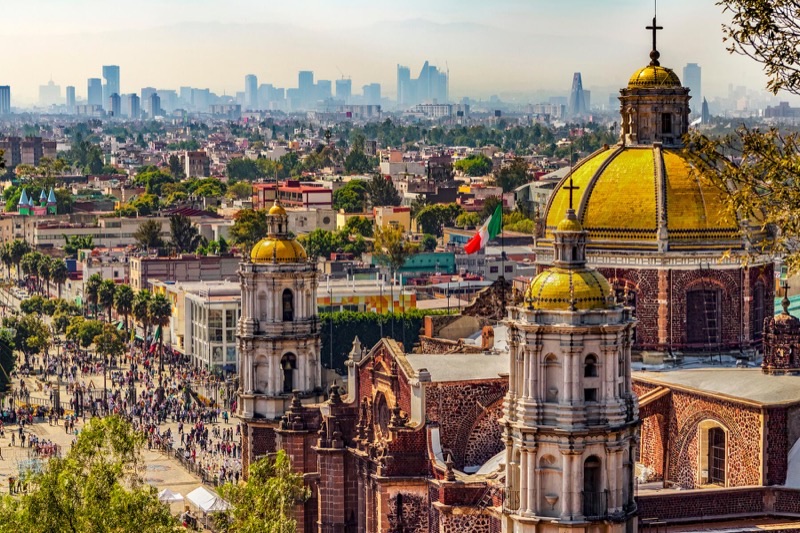
Mexico has specific areas with elevated safety warnings, particularly related to cartel activity, which usually avoids tourist zones but can spill over. Tourist areas like Cancun, Tulum, and Mexico City are generally secure, but petty crime like pickpocketing is common in crowds. Using regulated taxis or ride-sharing apps like Uber is advised. Public transportation within cities, like Mexico City's metro (5 MXN per ride), is efficient. Outside of major cities, bus travel with reputable companies like ADO is standard. Travelers should exercise common sense and research specific regions.
Turkey is broadly safe for tourists. Istanbul, Cappadocia, and coastal areas see millions of visitors annually with few incidents. Geopolitical issues are primarily near the Syrian border, far from tourist routes. Petty crime exists in crowded areas like Istanbul's Grand Bazaar. Public transport in Istanbul, including the metro and tram, is extensive and affordable (15-30 TRY per ride with an Istanbulkart). Intercity bus travel is comfortable and widespread with companies like Metro Turizm. Solo female travelers often report feeling comfortable. Both countries require visitors to be aware of their surroundings and apply standard travel precautions.
Both destinations offer good safety within main tourist areas, provided travelers exercise awareness and research current local conditions.
- Winner: Tie
- Why: Both countries are generally safe for tourists in their main visitor areas, requiring similar levels of travel awareness.
- Who this matters for: Travelers concerned about personal safety and ease of navigation.
✈️ Getting There & Around
For North American travelers, Mexico is a short hop. Direct flights from major US hubs like Los Angeles, Dallas, or Atlanta to Cancun, Mexico City, or Puerto Vallarta typically…
For North American travelers, Mexico is a short hop. Direct flights from major US hubs like Los Angeles, Dallas, or Atlanta to Cancun, Mexico City, or Puerto Vallarta typically range from 2.5 to 5 hours. From Europe, flights are longer, around 10-12 hours, often with connections. Once in Mexico, the ADO bus system is comprehensive, comfortable, and affordable for intercity travel. For example, a bus from Mexico City to Oaxaca can cost 700-1000 MXN ($40-58 USD). Within cities, Uber is prevalent and affordable, or local taxis are available. Renting a car is an option, but driving can be chaotic.
Getting to Turkey from North America usually involves a longer journey, with direct flights from cities like New York, Chicago, or Los Angeles to Istanbul taking 10-14 hours. From European cities, flights are much shorter, 3-5 hours, with many budget airline options. Within Turkey, the intercity bus network is excellent, offering comfortable travel between cities like Istanbul and Cappadocia for 500-800 TRY ($15-25 USD). Turkish Airlines offers extensive domestic flights which can be a good value. Istanbul has an efficient public transport system including metro, tram, and ferries. Driving can be an option but navigating cities is challenging.
Mexico wins for its significantly shorter and more convenient flight times from North America, making it a more accessible destination for a wider base of travelers.
- Winner: Mexico
- Why: Mexico is substantially easier and quicker to reach for North American travelers due to shorter direct flight times.
- Who this matters for: Travelers from North America, those with limited vacation time, and anyone preferring less transit time.
⛰️ Nature & Landscapes
Mexico offers a variety of natural settings. The Yucatán Peninsula is known for its extensive network of cenotes, natural sinkholes offering unique swimming and diving…
Mexico offers a variety of natural settings. The Yucatán Peninsula is known for its extensive network of cenotes, natural sinkholes offering unique swimming and diving experiences. Chiapas has dense jungles and waterfalls like Agua Azul. Popocatépetl and Iztaccíhuatl are impressive volcanoes near Mexico City. Baja California features deserts meeting the sea, with opportunities for whale watching. Copper Canyon in Chihuahua is a series of canyons larger than the Grand Canyon. While varied, many of these attractions require specific trips and can be spread out.
Turkey showcases a distinct range of natural spectacles. Cappadocia, with its fairy chimney rock formations and ancient cave dwellings, is a geological wonder, often explored via hot air balloon. Pamukkale features travertine terraces formed by mineral-rich thermal waters, creating white cascades. The Taurus Mountains offer hiking and winter sports. The Mediterranean and Aegean coasts provide clear waters and dramatic cliffs. The Black Sea region has lush, green mountains and tea plantations. Turkey's landscapes often feel more dramatic and concentrated, with easier access to several iconic natural features within a single trip.
Turkey provides more visually distinct and awe-inspiring natural formations, particularly Cappadocia and Pamukkale, which are globally recognized.
- Winner: Turkey
- Why: Turkey's natural landscapes, especially Cappadocia and Pamukkale, offer more iconic and visually striking geological formations.
- Who this matters for: Photographers, adventurers, and travelers seeking unique natural wonders.
🎉 Nightlife & Entertainment
Mexico offers a broad spectrum of nightlife. Cancun and Playa del Carmen are known for large clubs like Coco Bongo, attracting a party crowd with international DJs and shows.…
Mexico offers a broad spectrum of nightlife. Cancun and Playa del Carmen are known for large clubs like Coco Bongo, attracting a party crowd with international DJs and shows. Mexico City has a sophisticated bar scene, from high-end cocktail bars in Roma Norte to traditional cantinas in Centro Histórico. Oaxaca specializes in mezcalerías, offering tastings and a relaxed, social atmosphere. Smaller towns and beach destinations often have live music and beach bars. The general atmosphere is often outgoing and festive, catering to various tastes.
Turkey's nightlife centers heavily around Istanbul. Beyoğlu district has clubs and bars, some offering live music. Traditional meyhanes provide Raki, mezze, and often live Turkish folk music, offering a different kind of social evening. Other cities are generally quieter, with more focus on family-friendly tea gardens or cafes. While there are modern clubs, the overall party scene outside of Istanbul is more subdued compared to Mexico's established party destinations. Coastal resorts like Bodrum have some clubs, but they are fewer and less globally recognized than those in Mexico.
Mexico delivers a more widespread and diverse range of nightlife options, from major club scenes to relaxed local bars, suiting various preferences.
- Winner: Mexico
- Why: Mexico's nightlife is more diverse and widespread, offering everything from large clubs to intimate local bars.
- Who this matters for: Party-goers, social travelers, and those who enjoy evening entertainment.
🏨 Accommodation
Mexico has a highly varied accommodation scene. In resort areas like Cancun or Riviera Maya, all-inclusive resorts are common, ranging from mid-tier to luxurious, often costing…
Mexico has a highly varied accommodation scene. In resort areas like Cancun or Riviera Maya, all-inclusive resorts are common, ranging from mid-tier to luxurious, often costing $200-500 USD per night. In cities like Mexico City or Oaxaca, you can find hostels for 300-600 MXN ($17-35 USD) and comfortable boutique hotels for 1000-2500 MXN ($58-145 USD). Airbnbs are widely available. While options are plentiful, prices in prime tourist spots can be elevated, especially for properties with good locations or amenities.
Turkey offers good value across its accommodation options. In Istanbul, a quality hotel in a good location can be found for 1500-3000 TRY ($45-90 USD) per night, with hostels starting around 250-600 TRY ($8-18 USD). Cappadocia is famous for its unique cave hotels, which often provide a special experience at competitive prices, around 1000-2500 TRY ($30-75 USD) for a well-regarded room. Even luxury hotels in Turkey often come at a lower price point than comparable options in Mexico's top tourist zones. The overall standard of accommodation for the price is generally high.
Turkey offers better value and more unique accommodation experiences, particularly with its distinct cave hotels, for a lower price point.
- Winner: Turkey
- Why: Turkey generally provides better value for money in accommodation, including unique options like cave hotels, across all budget levels.
- Who this matters for: Budget-conscious travelers and those seeking distinctive lodging experiences.
🤝 Local Interactions & Hospitality
In Mexico, locals are generally welcoming and helpful. In major tourist areas, many people in the service industry speak English, but outside these zones, Spanish is essential for…
In Mexico, locals are generally welcoming and helpful. In major tourist areas, many people in the service industry speak English, but outside these zones, Spanish is essential for deeper interactions. Engaging with street vendors, restaurant staff, and even fellow travelers on public transport can lead to friendly conversations. Mexicans often show a family-oriented and respectful demeanor, and a polite attempt at Spanish is usually appreciated. Participating in local festivals or visiting smaller towns offers opportunities for more authentic engagement.
Turkish people are widely known for their hospitality and generosity, particularly outside of Istanbul's busiest tourist zones. Shopkeepers might offer tea, and conversations can start easily, even with a language barrier. While English is spoken in major tourist centers, learning a few basic Turkish phrases will be appreciated and can open doors to more genuine interactions. In rural areas, this warmth is even more pronounced. The culture places value on hosting, and travelers often report being invited for tea or food. Both countries offer rich opportunities for positive interactions with locals.
Both Mexico and Turkey provide warm and engaging local interactions, making them both rewarding for travelers seeking connection.
- Winner: Tie
- Why: Both destinations offer a high level of genuine hospitality and opportunities for positive local engagement.
- Who this matters for: Travelers who value connecting with local people and experiencing cultural exchange.
🎯 The Decision Framework
Choose Mexico If…
- You want direct flights from North America under 6 hours.
- You crave diverse street food, from tacos to mole, with new flavors daily.
- You prefer white sand beaches and clear Caribbean waters for relaxation.
- You enjoy a party scene with large clubs and beach bars.
- You want accessible ancient Mayan and Aztec ruins with less travel time between sites.
- You enjoy the convenience of English being widely spoken in tourist areas.
- You want a country where Spanish is prevalent, and you can practice or learn it.
- You prefer warm, tropical weather for most of your trip.
Choose Turkey If…
- You want to explore ancient Roman and Byzantine ruins on a grand scale.
- You seek unique geological wonders like Cappadocia's fairy chimneys and Pamukkale's terraces.
- You prioritize a travel budget where your money consistently goes further.
- You are prepared for longer flights (10-14 hours from North America).
- You want to experience a crossroads of European and Asian cultures.
- You enjoy rich Ottoman architecture and historical mosques.
- You appreciate strong traditions of hospitality and genuine local interactions.
- You are interested in hot air balloon rides over impressive landscapes.
📅 Sample Itineraries
Weekend in Mexico City (3 Days)
💡 Purchase a Mexico City Metro card upon arrival for quick and cheap transport; a single ride costs about $0.25, saving time and money compared to taxis.
Weekend in Istanbul (3 Days)
💡 Purchase an Istanbulkart for public transport, which works on trams, buses, and ferries. It saves time and offers cheaper fares compared to single tickets, with rides starting from $0.50.
One Week in Mexico: Culture & Flavors (7 Days)
💡 When in Oaxaca, visit the Mercado Benito Juárez for authentic local snacks and ingredients. You can assemble a delicious and cheap lunch for under $5.
One Week in Turkey: East Meets West & Ancient Wonders (7 Days)
💡 In Cappadocia, book your hot air balloon ride well in advance, especially during peak season, to secure your spot and potentially get a slightly better rate by avoiding last-minute surcharges.
❓ Frequently Asked Questions
What is a realistic daily budget for Mexico vs Turkey?
For Mexico, a mid-range daily budget is typically $70-120 USD, allowing for good meals, comfortable accommodation, and some activities. For Turkey, you can expect to spend $50-90 USD per day for a similar experience, with food and transport often being more affordable. This excludes major flights.
How long should I plan for a trip to each country?
For a good overview of Mexico, aim for at least 10-14 days to explore a region like Yucatán or a combination of Mexico City and Oaxaca. For Turkey, 10-14 days is also good, allowing you to see Istanbul, Cappadocia, and perhaps a coastal or historical region like Ephesus. Two weeks is a strong minimum for either.
Which country is better for beaches?
Mexico generally offers better and more accessible sandy beaches, especially on its Caribbean coast in Quintana Roo. Places like Tulum and Playa del Carmen have white sand and calm, clear water. Turkey's beaches, while beautiful, are often pebble beaches or in more secluded coves along its Aegean and Mediterranean coasts.
Is it easy to get around in Mexico and Turkey?
Both countries have good public transport. Mexico's ADO bus system is excellent for intercity travel, and Uber is common in cities. Turkey has a very comprehensive and comfortable intercity bus network, and Istanbul's public transport (metro, tram, ferry) is efficient. Both are easy to navigate for travelers.
Which country has better historical sites?
Turkey has a more extensive and grand collection of ancient historical sites spanning Roman, Byzantine, and Ottoman empires, with highlights like Ephesus, Hagia Sophia, and Topkapi Palace. Mexico has impressive Mayan and Aztec ruins like Chichen Itza and Teotihuacan, but Turkey's scope feels larger.
What are the flight times like from the US to Mexico versus Turkey?
Flights from major US cities to Mexico (e.g., Cancun, Mexico City) are relatively short, typically 2.5 to 5 hours. Flights to Turkey (e.g., Istanbul) are significantly longer, usually 10-14 hours direct from major East Coast or West Coast hubs.
Which country is safer for solo female travelers?
Both countries require standard travel precautions. Turkey is often praised by solo female travelers for its general safety and the hospitality of its people. Mexico is also safe in popular tourist areas, but it's important to research specific regions and avoid certain areas with higher crime rates, just as with any destination.
What is the best time to visit Mexico or Turkey?
The best time to visit Mexico's popular regions is typically November to April for pleasant, dry weather, avoiding hurricane season. For Turkey, April to May and September to October offer comfortable temperatures, fewer crowds, and sunny days without the intense heat of summer, which makes sightseeing more pleasant.
Ready to plan your next adventure?
Get a free custom itinerary for Mexico, Turkey, or both — built from real traveler insights.
👥 Travelers Also Compared
🎟️ Book Tours & Experiences
Hand-picked tours and activities for both destinations — book with free cancellation
Experiences via Viator — free cancellation on most tours