How we built this comparison
This page combines traveler discussion patterns, published price ranges, flight schedules, and seasonal data to help you decide between Mexico and Uruguay.
- Reviewed 500+ Reddit threads from r/travel, r/solotravel, r/mexicotravel, r/uruguay, r/SouthAmerica
- Verified costs and logistics against current booking platforms (e.g., Skyscanner, Booking.com, Hostelworld)
- Cross-referenced seasonal patterns and weather data from climate-data.org and national meteorological services
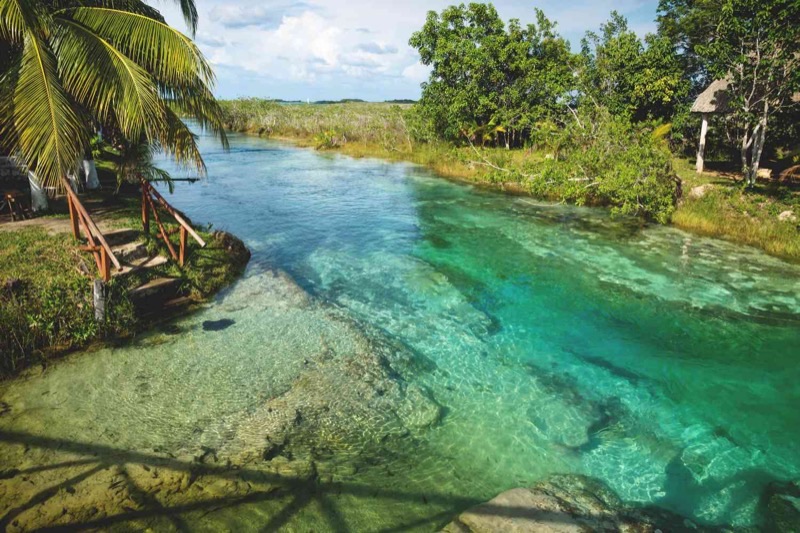
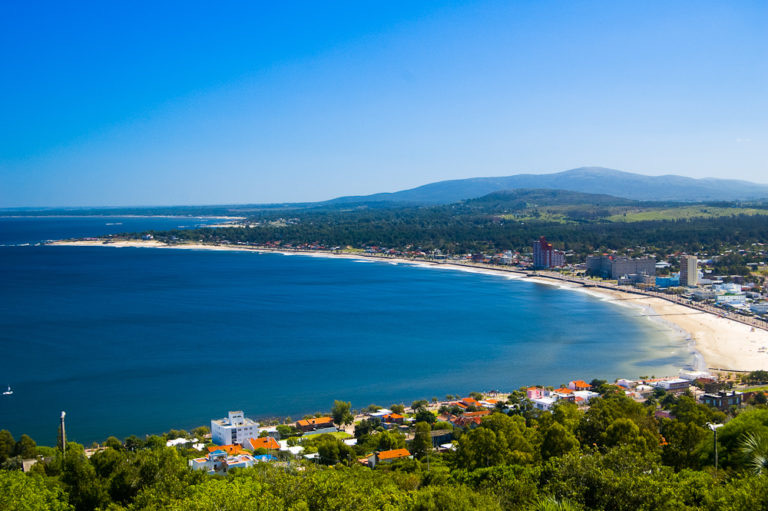
⚡ Quick Answers
⚡ The TL;DR Verdict
For most travelers seeking adventure, diverse experiences, and budget-friendly options, Mexico is the pick. Uruguay suits those prioritizing safety, European comfort, and a slower pace, with a budget about 50-70% higher. Mexico offers more for less money and travel time from North America.
- Choose Mexico: Pick Mexico if you want a budget-friendly trip, extensive ancient history, diverse landscapes from beaches to mountains, energetic cities, and street food. It is ideal for backpackers, families, and those seeking adventure with readily available short flights from North America.
- Choose Uruguay: Choose Uruguay if you prioritize safety, a relaxed atmosphere, European aesthetics, good quality beef, and are prepared for a higher travel budget. It suits couples, solo female travelers looking for peace, and those interested in a quieter coastal experience or sophisticated city breaks.
- Choose Both: Consider both if you have a minimum of 4-6 weeks and a substantial budget. Start with Mexico for a few weeks to explore its varied regions, then fly to Uruguay for a different South American experience. This combination offers a broad view of Latin American culture and geography.
Choose Mexico
Choose Mexico if you're a budget-conscious adventurer seeking an explosion of culture, history, and diverse landscapes. Explore ancient Mayan temples like Chichen Itza, savor incredible street tacos in Mexico City's Coyoacán, or surf the Pacific coast of Oaxaca. It's perfect for backpackers and families craving vibrant energy and unparalleled value.
Choose Uruguay
Opt for Uruguay if you prioritize sophisticated tranquility, European charm, and are willing to pay for a premium experience. Indulge in exquisite parrilladas in Montevideo's Mercado del Puerto, stroll the historic cobblestone streets of Colonia del Sacramento, or relax on the chic beaches of Punta del Este. It’s ideal for couples and solo travelers seeking safety and a refined, unhurried escape.
📊 Visual Scorecard
🌤 When to Visit
Average high temperatures (°C). Green = best months, orange = avoid.
Quick Comparison
| Category | Mexico | Uruguay | Winner |
|---|---|---|---|
| Costs & Budget | Significantly more affordable, especially for food and local transport. Budget travelers can manage on $40-80/day. | Higher cost of living and travel, comparable to Western Europe. Budget travelers need $70-120/day. | Mexico |
| Food Scene | Diverse, flavorful, and incredibly affordable street food. Regional specialties across states. | Focus on high-quality beef and European influences. Good seafood on the coast, but less variety. | Mexico |
| Beaches & Coastline | Extensive Caribbean and Pacific coastlines with warm water, white sand, and surfing opportunities. | Atlantic coast with broad, often cooler beaches, known for resort towns and relaxed atmospheres. | Mexico |
| Cultural Depth | Ancient Mesoamerican civilizations, vibrant colonial cities, and a strong indigenous heritage. | European-influenced culture, strong literary tradition, and a relaxed, cafe-centric urban lifestyle. | Mexico |
| Safety & Security | Safety varies greatly by region; general perception can be challenging, but many tourist areas are secure. | Generally considered very safe in urban and tourist areas, with low rates of violent crime. | Uruguay |
| Getting There (Flights) | Numerous direct flights from North America, short travel times. | Longer flights from North America, usually with layovers, higher costs. | Mexico |
| Getting Around (Local Transport) | Extensive, affordable bus networks (ADO), colectivos, ride-sharing apps, and taxis. | Reliable intercity buses, local city buses, and taxis; generally efficient but less diverse. | Mexico |
| Accommodation Options | Abundant hostels, boutique hotels, Airbnbs, and all-inclusive resorts for every budget. | Good range of hotels and hostels, particularly in cities and coastal towns, but at higher prices. | Mexico |
| Nightlife & Entertainment | Energetic and diverse nightlife, from large clubs to local cantinas and live music venues. | More relaxed nightlife focused on pubs, bars, and a summer party scene in coastal resorts. | Mexico |
| Nature & Outdoors | Incredible diversity: deserts, jungles, volcanos, cenotes, marine life, and extensive national parks. | Rolling hills, expansive grasslands, temperate coastline, and unique wetlands, generally flatter terrain. | Mexico |
💸 Costs & Budget
Mexico offers travel at a very accessible price point. A budget traveler can comfortably spend around 800-1500 MXN ($40-80 USD) per day, covering hostel accommodation (e.g.,…
Mexico

Uruguay
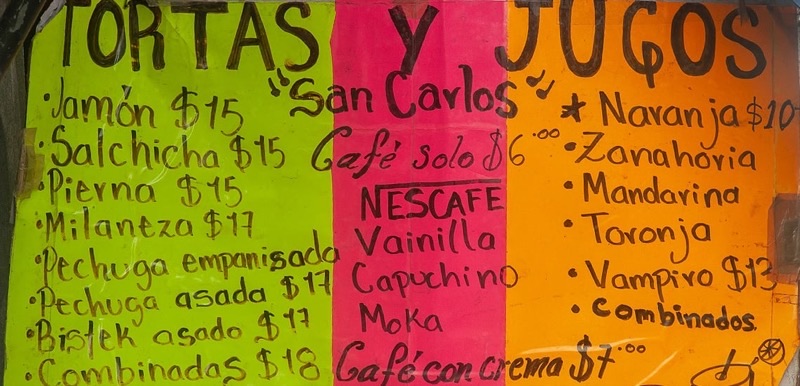
Mexico offers travel at a very accessible price point. A budget traveler can comfortably spend around 800-1500 MXN ($40-80 USD) per day, covering hostel accommodation (e.g., Hostal Regina in Mexico City for 300 MXN/$15 USD), street food like tacos for 20-30 MXN ($1-1.50 USD) each, and local bus transport (10-20 MXN/$0.50-1 USD). Mid-range hotels in Oaxaca might run 1200-2000 MXN ($60-100 USD), and a nice restaurant meal 400-800 MXN ($20-40 USD). Entrance fees to sites like Chichen Itza are around 600 MXN ($30 USD). The overall value for money is very high, allowing for longer trips or more activities.
Uruguay presents a higher price tag. A budget traveler should expect to spend 2800-4800 UYU ($70-120 USD) daily. Hostel beds in Montevideo (e.g., El Viajero Downtown Hostel) cost around 1000-1600 UYU ($25-40 USD). A typical Chivito sandwich can be 400-600 UYU ($10-15 USD), and a steak dinner at a parrillada might be 1600-2400 UYU ($40-60 USD). Bus travel within cities is 40-50 UYU ($1-1.25 USD), while intercity buses are more significant. Entrance to museums is usually 100-200 UYU ($2.50-5 USD). The costs for a similar level of comfort are notably higher here. Tabiji Verdict: Mexico provides a far more economical travel experience, stretching your budget further.
- Winner: Mexico
- Why: Mexico wins due to its significantly lower costs for accommodation, food, and activities, offering exceptional value for money.
- Who this matters for: This matters most for budget travelers, backpackers, and those planning extended trips.
🌮 Food Scene
Mexico’s food scene is famous for good reason. It offers an immense variety, from tacos al pastor found on almost every street corner in Mexico City for 25 MXN ($1.25 USD) to mole…
Mexico

Uruguay
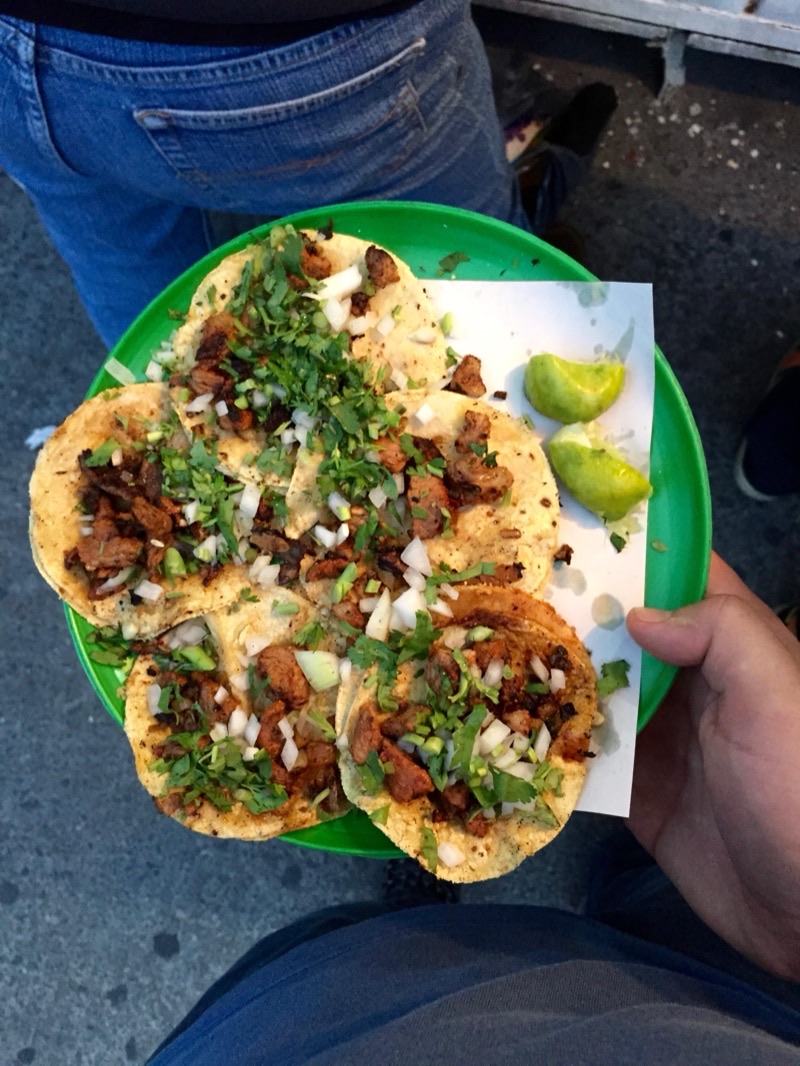
Mexico’s food scene is famous for good reason. It offers an immense variety, from tacos al pastor found on almost every street corner in Mexico City for 25 MXN ($1.25 USD) to mole poblano in Puebla or tlayudas in Oaxaca. Each region has distinct dishes. Eating well on a budget is easy with countless street food vendors selling tortas, esquites, tamales, and quesadillas for a few dollars. Restaurants range from simple fondas to upscale dining, always with bold flavors. Culinary tours are popular, showcasing markets like Mercado de San Juan and teaching visitors how to prepare local dishes. The accessibility and diversity of Mexican cuisine are unparalleled.
Uruguay’s food culture centers on beef. Asado (barbecue) is a national institution, with cuts like vacio and entraña common. A parrillada at Mercado del Puerto in Montevideo is a must, though prices are higher, with a main dish costing 1200-2000 UYU ($30-50 USD). The chivito, a massive steak sandwich, is another staple, available for 400-600 UYU ($10-15 USD). Italian influences are present in pasta and pizza. While the quality of meat is excellent, the overall culinary range is less broad than Mexico’s. Vegetarian options are less common and often less imaginative. Tabiji Verdict: Mexico dominates the food category with its flavor, variety, and affordability.
- Winner: Mexico
- Why: Mexico offers an unparalleled diversity of flavors, regional specialties, and incredibly affordable street food options.
- Who this matters for: Foodies, adventurous eaters, and budget-conscious travelers will find Mexico’s food scene superior.
🏖️ Beaches & Coastline
Mexico’s beaches are famous for their beauty and variety. The Caribbean coast, particularly Quintana Roo, boasts places like Tulum and Cancun with powdery white sand and clear…

Mexico
Uruguay
Mexico’s beaches are famous for their beauty and variety. The Caribbean coast, particularly Quintana Roo, boasts places like Tulum and Cancun with powdery white sand and clear turquoise waters, ideal for swimming and snorkeling. Resorts and boutique hotels line these shores. On the Pacific side, Puerto Escondido offers surfing waves for all levels, while Sayulita presents a relaxed surf town vibe. Water temperatures are consistently warm, making swimming pleasant year-round. Cozumel and Isla Holbox provide island escapes. Access to these beaches is generally straightforward, with many public access points and well-developed tourist infrastructure.
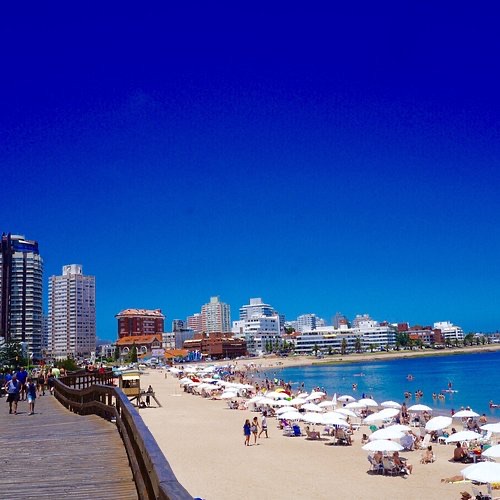
Uruguay’s coastline along the Atlantic offers a different beach experience. Punta del Este is the most famous resort town, known for its summer party scene and 'La Mano' sculpture. Beaches like Playa Mansa and Playa Brava are wide and inviting, though the water can be cooler than in Mexico, especially outside of peak summer (December-February). La Paloma and Cabo Polonio offer more rustic, laid-back beach towns with fewer crowds. The natural landscape behind the beaches often consists of dunes and scrubland. While pleasant, Uruguay’s beaches lack the tropical warmth and diverse marine life found in Mexico. Tabiji Verdict: Mexico wins for its tropical beauty, warmer waters, and diverse beach experiences.
- Winner: Mexico
- Why: Mexico provides more diverse, consistently warm, and visually striking tropical beaches across two distinct coastlines.
- Who this matters for: Sun-seekers, snorkelers, surfers, and those preferring warm ocean swimming.
🎭 Cultural Depth
Mexico possesses a deep and complex cultural heritage, stemming from ancient civilizations like the Maya (Chichen Itza, Palenque) and Aztecs (Teotihuacan, Tenochtitlan/Mexico…
Mexico
Uruguay
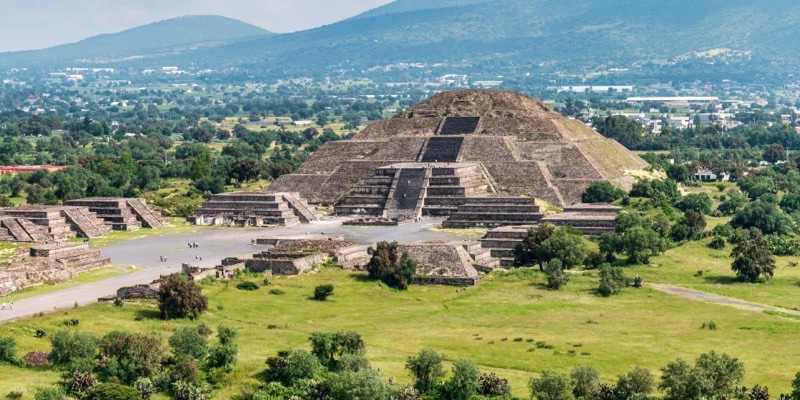
Mexico possesses a deep and complex cultural heritage, stemming from ancient civilizations like the Maya (Chichen Itza, Palenque) and Aztecs (Teotihuacan, Tenochtitlan/Mexico City). These sites are accessible and offer extensive archaeological insights. Colonial cities such as San Miguel de Allende, Oaxaca, and Guanajuato showcase well-preserved Spanish architecture, art, and traditions. Indigenous cultures remain a strong influence, visible in crafts, languages, and festivals like Day of the Dead. Museums across the country, like the National Museum of Anthropology in Mexico City, house significant collections. Folkloric dances, mariachi music, and traditional markets are everyday occurrences.
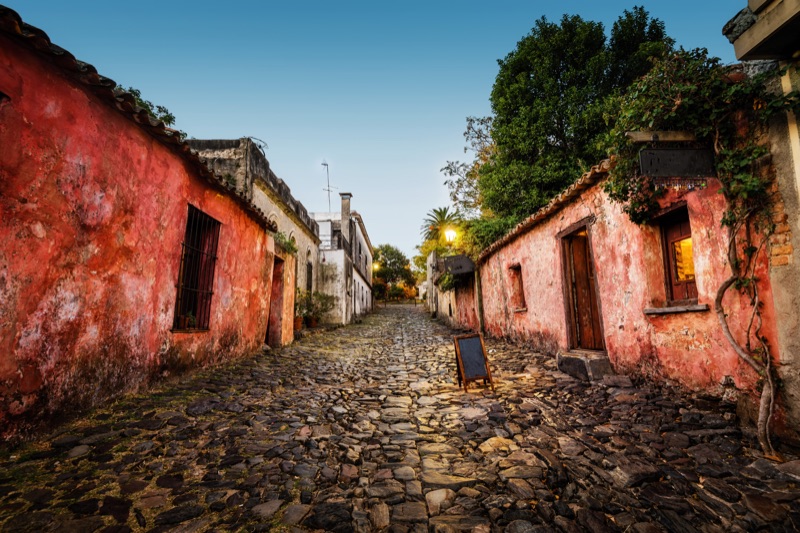
Uruguay’s culture is markedly different, with strong European roots, particularly from Spain and Italy. Montevideo’s Ciudad Vieja (Old Town) features colonial and Art Deco buildings, with a relaxed cafe culture. Tango, while often associated with Argentina, has a presence in Uruguay, and candombe drumming is a unique Afro-Uruguayan rhythm. The gaucho tradition of the countryside is also a part of its heritage. Writers like Mario Benedetti and Juan Carlos Onetti are celebrated. While its culture is rich, it lacks the deep pre-colonial history and distinct indigenous influences found in Mexico. Tabiji Verdict: Mexico offers a more profound and visibly ancient cultural experience.
- Winner: Mexico
- Why: Mexico boasts thousands of years of pre-colonial history, extensive archaeological sites, and a more pronounced indigenous cultural presence.
- Who this matters for: History buffs, archaeology enthusiasts, and those interested in diverse indigenous traditions.
🚨 Safety & Security
Safety in Mexico is a complex topic, with perceptions often differing from tourist realities. Major tourist destinations like Cancun, Playa del Carmen, Tulum, Oaxaca, San Miguel…
Mexico
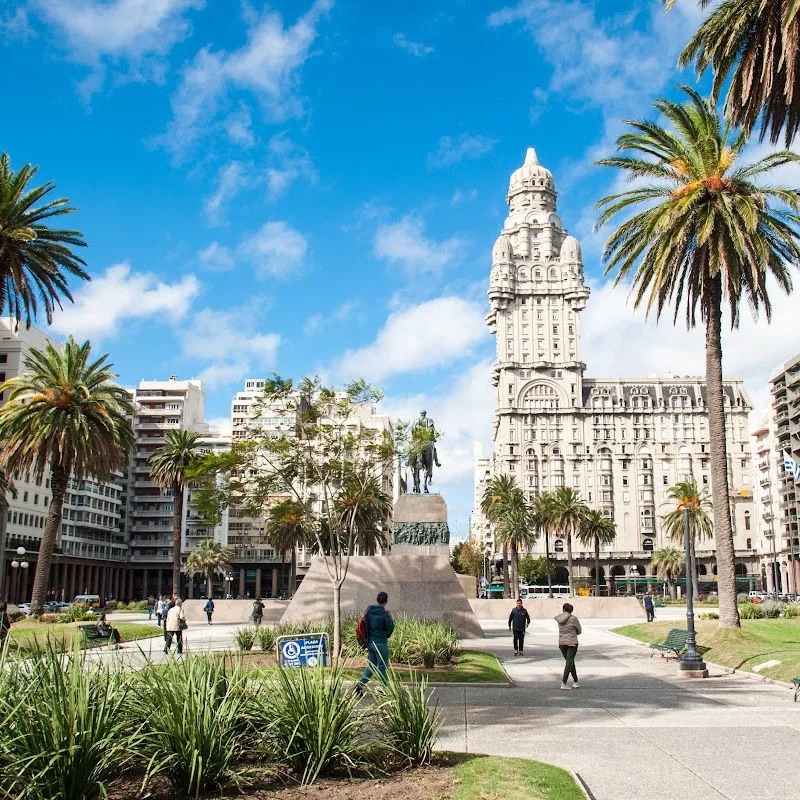
Uruguay
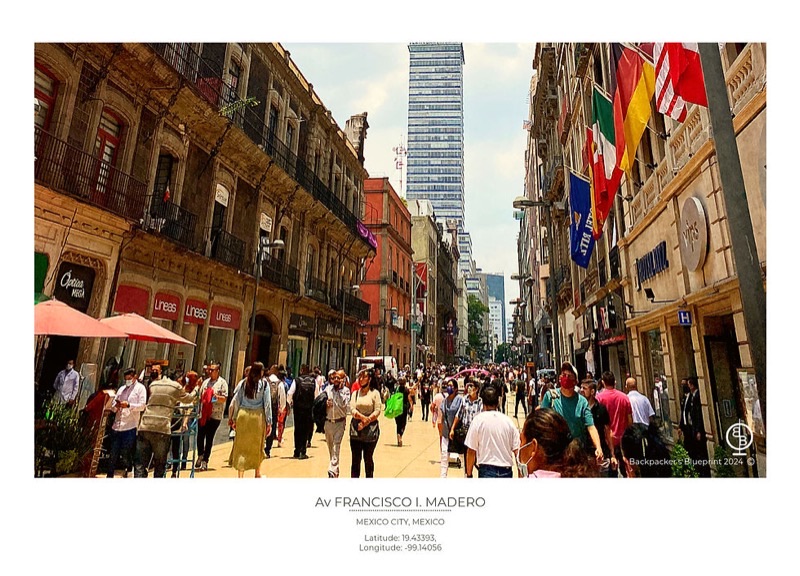
Safety in Mexico is a complex topic, with perceptions often differing from tourist realities. Major tourist destinations like Cancun, Playa del Carmen, Tulum, Oaxaca, San Miguel de Allende, and Mexico City are generally safe for visitors, especially in well-trafficked areas. However, petty crime like pickpocketing is common, and some regions have higher rates of cartel-related violence, which typically does not target tourists but can spill over. Travelers must research specific areas. Using reputable transport (Uber, authorized taxis) and being aware of surroundings, especially at night, is advised. Government travel advisories often paint a broad picture, but millions visit safely annually.
Uruguay is consistently ranked as one of the safest countries in South America. Violent crime rates are low, and tourists generally feel secure in cities like Montevideo and coastal towns such as Punta del Este. Petty crime like pickpocketing can occur in crowded areas, particularly during high season, but it is less prevalent than in many other Latin American nations. Walking at night in well-lit, central areas is usually not an issue. The overall atmosphere is relaxed and peaceful, contributing to a lower sense of needing to be constantly on guard. Tabiji Verdict: Uruguay offers a much more relaxed and secure travel environment.
- Winner: Uruguay
- Why: Uruguay provides a consistently safer and more relaxed travel environment with lower crime rates, making it a less stressful destination.
- Who this matters for: Solo travelers, families with children, and those prioritizing a very low-stress security situation.
✈️ Getting There (Flights)
Mexico is highly accessible, particularly from the United States and Canada. Direct flights are plentiful to major hubs like Mexico City (MEX), Cancun (CUN), and Guadalajara (GDL)…
Mexico is highly accessible, particularly from the United States and Canada. Direct flights are plentiful to major hubs like Mexico City (MEX), Cancun (CUN), and Guadalajara (GDL) from most large North American cities. Flight times are short: New York to Mexico City is about 5 hours, Los Angeles to Cancun around 4.5 hours. Round-trip fares can often be found for $300-600 USD, especially outside of peak seasons. The ease and speed of getting to Mexico make it a convenient choice for shorter trips and weekend getaways. Multiple airlines offer competitive routes, increasing options for travelers.
Getting to Uruguay from North America typically involves longer travel times and usually requires at least one layover, often in cities like Miami (MIA), Houston (IAH), Panama City (PTY), or Sao Paulo (GRU). There are no direct flights from the US or Canada. Total travel time can range from 10-14+ hours. Round-trip airfares are generally higher, often starting from $700-1200 USD. The primary international airport is Carrasco International Airport (MVD) in Montevideo. The longer journey and higher cost mean Uruguay is often combined with other South American countries or chosen for longer, dedicated trips. Tabiji Verdict: Mexico is significantly easier and cheaper to reach for North American travelers.
- Winner: Mexico
- Why: Mexico offers vastly more direct flights from North America, shorter travel times, and generally lower airfares.
- Who this matters for: Travelers with limited vacation time, those on a strict budget for flights, and anyone starting their journey from North America.
🚌 Getting Around (Local Transport)
Mexico’s public transport infrastructure is extensive and budget-friendly. The ADO bus system offers comfortable, reliable, and affordable intercity travel across much of the…
Mexico’s public transport infrastructure is extensive and budget-friendly. The ADO bus system offers comfortable, reliable, and affordable intercity travel across much of the country, with routes connecting virtually every major city and tourist destination. For example, a bus from Mexico City to Oaxaca costs around 600-800 MXN ($30-40 USD). Within cities, colectivos (shared vans), local buses (10-15 MXN/$0.50-0.75 USD), and ride-sharing apps like Uber are widely available and inexpensive. Taxis are common but always negotiate fares or ensure the meter is used. This variety provides flexibility and cost-effectiveness for travelers moving around.
Uruguay’s transport system is efficient but less varied. Intercity buses are the primary mode of travel between cities and towns, with companies like COT and COPSA providing reliable services. A bus from Montevideo to Punta del Este costs around 500-700 UYU ($12-18 USD). Within Montevideo, a comprehensive network of local buses covers the city, costing about 44 UYU ($1.10 USD) per ride. Taxis are readily available in urban areas. While effective, the options are fewer, and distances can sometimes be longer between points of interest. Ride-sharing apps are present but less ubiquitous or cheap compared to Mexico. Tabiji Verdict: Mexico offers more diverse and widely available local transport options at a better price.
- Winner: Mexico
- Why: Mexico provides a more extensive range of affordable and readily available transport options, from luxury buses to shared colectivos and ride-sharing apps.
- Who this matters for: Budget travelers, those who prefer public transport over rental cars, and independent explorers.
🏨 Accommodation Options
Mexico boasts an enormous range of accommodation, catering to every style and budget. Hostels are plentiful in major cities and tourist areas, with dorm beds starting at 300-600…
Mexico boasts an enormous range of accommodation, catering to every style and budget. Hostels are plentiful in major cities and tourist areas, with dorm beds starting at 300-600 MXN ($15-30 USD) (e.g., Casa Pepe in Mexico City). Mid-range boutique hotels, often in colonial buildings, can be found for 1200-2000 MXN ($60-100 USD). All-inclusive resorts are a major draw in places like Cancun and Riviera Maya, with prices varying widely. Airbnb is very popular and offers numerous options from budget rooms to luxury villas. The sheer volume of choices means competitive pricing and a higher chance of finding exactly what you need.
Uruguay also offers a good selection of accommodation, though at higher price points. Hostels in Montevideo or Punta del Este usually start around 1000-1600 UYU ($25-40 USD) for a dorm bed. Mid-range hotels typically cost 2800-6000 UYU ($70-150 USD) per night. During the summer high season (December-February), prices, especially in Punta del Este, can surge significantly. Airbnb is available but might have fewer budget options than Mexico. While the quality is generally good, the options are less varied, and finding extreme budget deals is harder. Tabiji Verdict: Mexico provides more extensive and affordable accommodation choices across all categories.
- Winner: Mexico
- Why: Mexico offers a wider and more affordable array of accommodation, from budget hostels to luxury resorts, ensuring options for all traveler types and budgets.
- Who this matters for: All travelers, especially those on a budget or seeking specific types of lodging like all-inclusive resorts.
🎉 Nightlife & Entertainment
Mexico’s nightlife is as diverse as its geography. Mexico City offers everything from sophisticated rooftop bars in Roma Norte to massive clubs in Polanco and traditional cantinas…
Mexico’s nightlife is as diverse as its geography. Mexico City offers everything from sophisticated rooftop bars in Roma Norte to massive clubs in Polanco and traditional cantinas with mariachi music. Playa del Carmen and Cancun are famous for their high-energy resort nightlife, with clubs like Coco Bongo offering shows and dancing. Oaxaca has a growing mezcal bar scene, and Guadalajara is known for its live music. There are countless opportunities for late-night entertainment, often continuing well into the early morning hours, catering to different tastes and energy levels.
Uruguay’s nightlife is generally more subdued, reflecting its relaxed culture. Montevideo has a decent selection of pubs, bars, and a few clubs, particularly in the Ciudad Vieja and Pocitos neighborhoods. During summer (December-February), Punta del Este transforms into a lively party destination, attracting visitors from across South America with its beach clubs and upscale venues. However, outside of peak season and Punta del Este, the options are more limited and focused on casual drinks and conversation. Live music is present, but less ubiquitous than in Mexico. Tabiji Verdict: Mexico offers a more varied and consistently energetic nightlife experience.
- Winner: Mexico
- Why: Mexico presents a more dynamic and diverse nightlife across its major cities and resort areas, offering choices from massive clubs to intimate bars.
- Who this matters for: Younger travelers, party-goers, and those seeking vibrant evening entertainment.
🏞️ Nature & Outdoors
Mexico is a land of extreme natural diversity. From the arid deserts of Baja California to the lush rainforests of Chiapas, it offers countless outdoor activities. The Yucatan…
Mexico is a land of extreme natural diversity. From the arid deserts of Baja California to the lush rainforests of Chiapas, it offers countless outdoor activities. The Yucatan Peninsula is famous for its cenotes (natural sinkholes) like Cenote Dos Ojos, perfect for swimming and diving. Active volcanos, such as Popocatepetl and Iztaccihuatl, are visible near Mexico City. Marine life is abundant, with whale shark swimming tours near Isla Holbox and vibrant coral reefs in the Caribbean. National parks like Copper Canyon (Barrancas del Cobre) offer dramatic landscapes and hiking. The variety of ecosystems means adventure is always within reach, from caving to mountain biking.
Uruguay’s natural landscape is generally more subtle. It is characterized by rolling hills (cuchillas), extensive grasslands (pampas), and a temperate Atlantic coastline. Wetlands like Bañados del Este are important ecological sites, home to diverse birdlife. Laguna Garzon offers kayaking and birdwatching. While it lacks the dramatic mountains or tropical jungles of Mexico, its natural beauty lies in its quiet open spaces and pristine, less-developed beaches. Horseback riding through the countryside (gaucho experience) is a popular outdoor activity. The scale and diversity of outdoor adventure options are simply not comparable to Mexico. Tabiji Verdict: Mexico is the clear winner for its vast and varied natural landscapes and outdoor activities.
- Winner: Mexico
- Why: Mexico provides an unparalleled range of natural environments, from tropical jungles and deserts to volcanos and cenotes, offering more diverse outdoor activities.
- Who this matters for: Adventure seekers, nature photographers, hikers, divers, and those seeking varied ecosystems.
🎯 The Decision Framework
Choose Mexico If…
- You want street tacos for $2 at 2 AM.
- You dream of exploring ancient Mayan ruins like Chichen Itza.
- You are on a budget of $60-80 USD per day.
- You prefer tropical beaches with warm, clear water.
- You want a shorter, cheaper flight from North America.
- You seek a constantly varied and energetic cultural experience.
- You are excited by diverse landscapes: deserts, jungles, mountains, cenotes.
- You plan to move around frequently using affordable bus systems.
Choose Uruguay If…
- You prioritize a consistently high level of personal safety.
- You enjoy high-quality grilled beef (asado) and European-influenced cuisine.
- You prefer a slower, more relaxed pace of travel.
- You are comfortable with a daily budget of $100-150 USD.
- You appreciate a strong European architectural and cultural feel in cities.
- You seek less crowded, temperate Atlantic beaches.
- You want to explore a country known for its progressive social policies.
- You enjoy quiet evenings in pubs over large, boisterous clubs.
📅 Sample Itineraries
Weekend in Mexico City (3 Days)
💡 Purchase a local SIM card upon arrival for around $10-15 with data; this saves time finding Wi-Fi and helps with navigation and ride-hailing apps.
Weekend in Montevideo (3 Days)
💡 When dining out, look for 'menu ejecutivo' (executive menu) deals during lunch hours, which offer a multi-course meal at a fixed, lower price, typically $15-20.
One Week in Mexico (7 Days)
💡 Utilize ADO buses for intercity travel in Mexico; they are comfortable, affordable, and punctual, saving on flight costs for shorter distances, with tickets costing $20-50 for a 4-6 hour journey.
One Week in Uruguay (7 Days)
💡 Many shops and restaurants in Uruguay offer a 22% VAT refund for foreign credit card purchases, which is automatically applied. Always pay with a credit card to take advantage of this saving.
❓ Frequently Asked Questions
Which country is better for a solo female traveler?
Uruguay is generally considered safer for solo female travelers due to its lower crime rates and relaxed atmosphere. Mexico has many safe tourist areas, but requires more vigilance and research into specific regions. For peace of mind, Uruguay is the stronger choice.
What is the average flight time from North America to each country?
Direct flights from major North American cities to Mexico are typically 3-6 hours. Flights to Uruguay usually involve at least one layover and take 10-14+ hours, often costing significantly more, around $700-1200 USD round trip.
Which country offers better value for money?
Mexico offers significantly better value for money. Daily costs for accommodation, food, and transport are generally 30-50% lower than in Uruguay, allowing for extended trips or more activities on a similar budget.
What kind of natural attractions can I expect in each?
Mexico features diverse landscapes like Caribbean cenotes, Pacific surf beaches, vast deserts, high mountains, and dense jungles. Uruguay has rolling hills, extensive grasslands, temperate Atlantic beaches, and important wetlands.
Is it easy to get around without speaking Spanish in either country?
In major tourist areas of both countries, you will find English speakers, particularly in hotels and tour operators. However, knowing basic Spanish phrases will greatly enhance your experience and ease of travel, especially in Mexico outside of resort zones.
Which country has a more vibrant nightlife?
Mexico generally offers a more vibrant and diverse nightlife. Major cities like Mexico City and resort towns like Cancun have numerous clubs, bars, and live music venues. Uruguay's nightlife is more subdued, except for Punta del Este during its summer season.
What's the best time to visit each country for good weather?
For Mexico, November to May offers pleasant, dry weather across most regions. For Uruguay, December to February is summer, providing warm beach weather, but it is also peak season with higher prices and crowds.
How do the archaeological sites compare?
Mexico has numerous world-famous archaeological sites from ancient Mayan and Aztec civilizations, such as Chichen Itza, Palenque, and Teotihuacan. Uruguay has no comparable large-scale ancient ruins, focusing more on colonial and modern history.
Ready to plan your Americas trip?
Get a free custom itinerary for Mexico, Uruguay, or both — built from real traveler insights.
👥 Travelers Also Compared
🎟️ Book Tours & Experiences
Hand-picked tours and activities for both destinations — book with free cancellation
Experiences via Viator — free cancellation on most tours