How we built this comparison
This page combines traveler discussion patterns, published price ranges, flight schedules, and seasonal data to help you decide between Mexico and Usa.
- Reviewed 100+ Reddit threads from r/travel, r/solotravel, r/MexicoCity, r/asknyc, r/roadtrip, and r/visitingmexico
- Verified costs and logistics against current booking platforms like Google Flights, Booking.com, and Hostelworld
- Cross-referenced seasonal patterns and weather data for key regions in both countries
⚡ Quick Answers
⚡ The TL;DR Verdict
For most travelers seeking a cultural deep-dive, varied experiences, and excellent value for money, Mexico is the pick, with a daily budget around $50-100 USD. The USA works well for specific outdoor adventures, convenient road trips, or short city breaks, but expect to spend $100-200 USD per day.
- Choose Mexico: Travelers prioritizing budget, authentic local culture, diverse culinary experiences, and extended stays should choose Mexico.
- Choose Usa: Travelers wanting seamless road trips, extensive national parks, specific city experiences, or familiar comfort will prefer the USA.
- Choose Both: Consider both if you have 3+ weeks, focusing on a specific region in each country, for example, Baja California then Southern California.
Choose Mexico
Mexico is ideal for adventurous travelers eager to immerse themselves in rich history, vibrant culture, and unparalleled culinary delights without breaking the bank. Explore ancient Mayan ruins, savor authentic street tacos in Oaxaca's bustling markets, or relax on the stunning beaches of Tulum, perfect for extended, budget-conscious trips focused on authentic experiences.
Choose Usa
The USA is perfect for travelers prioritizing convenient road trips, breathtaking natural landscapes, and specific urban experiences with a higher daily budget. Imagine driving California's scenic Highway 1, hiking in Yosemite National Park, or catching a Broadway show in New York City, making it best for comfort-seeking explorers and short, impactful getaways.
📊 Visual Scorecard
🌤 When to Visit
Average high temperatures (°C). Green = best months, orange = avoid.
Quick Comparison
| Category | Mexico | Usa | Winner |
|---|---|---|---|
| Costs & Value | Offers substantially better value, stretching your budget further for food, accommodation, and activities. | Higher costs across the board for lodging, transport, dining, and general services. | Mexico |
| Food Scene | Internationally recognized culinary traditions, street food culture, regional specialties, and approachable pricing. | Wide variety of global cuisines, but American comfort food dominates; generally higher restaurant prices. | Mexico |
| Culture & History | Ancient civilizations, colonial architecture, indigenous traditions, and public art. | Focus on modern history, diverse regional subcultures, and contemporary art forms. | Mexico |
| Beaches & Coastlines | Tropical Caribbean coasts, Pacific surfing spots, and laid-back Baja California. Generally warmer water. | Diverse coastlines from the rugged Pacific Northwest to warm Florida Gulf; varies greatly by region. | Tie |
| Safety & Security | Perception often worse than reality; specific areas have issues, but tourist zones are generally secure with common-sense precautions. | Generally high levels of personal security, but gun violence is a concern, and large cities have typical urban crime. | Usa |
| Getting Around | Extensive, affordable bus network; ride-shares common in cities; internal flights connect major hubs. | Car ownership is common; vast road network; public transport varies greatly by city; domestic flights are expensive. | Tie |
| Accommodation | Wide range from budget hostels to luxury resorts, generally more affordable, often with character. | Extensive chain hotels, motels, and vacation rentals; generally higher prices for comparable quality. | Mexico |
| Nature & Outdoors | Volcanoes, cenotes, deserts, rainforests, and marine life. Accessible with local guides. | Vast national parks, diverse climates, and extensive trail systems. Excellent infrastructure for self-guided exploration. | Usa |
| Nightlife | Diverse options from traditional cantinas to modern clubs, often with late hours and energetic atmospheres. | Varies by city, from high-energy clubs to specific music scenes and neighborhood bars. | Tie |
| Flights & Logistics | Direct flights from many US cities, often shorter and more affordable. Requires passport. | Extensive domestic flight network, but international travel often involves longer flights or layovers for non-North American routes. | Mexico |
💰 Costs & Value
Mexico generally allows for a lower daily spend. In Mexico City, a budget traveler can manage on $40-60 USD (700-1000 MXN) per day, covering a hostel bed (250-400 MXN), street…
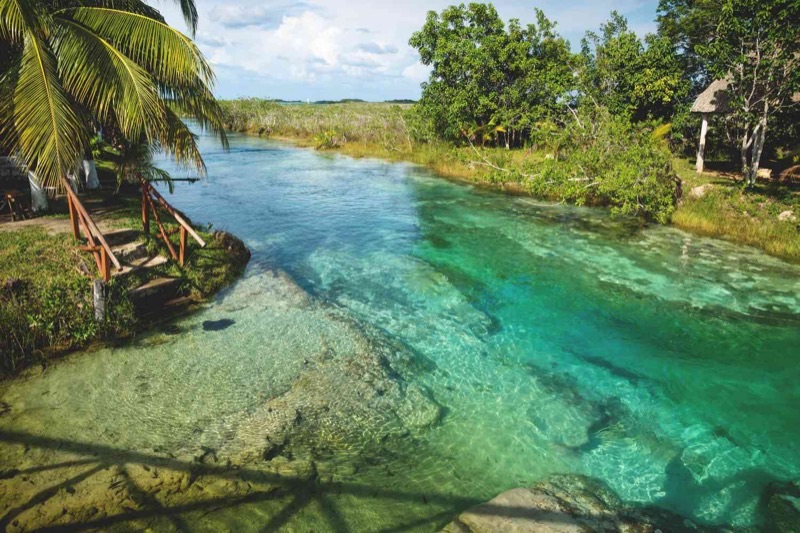
Mexico
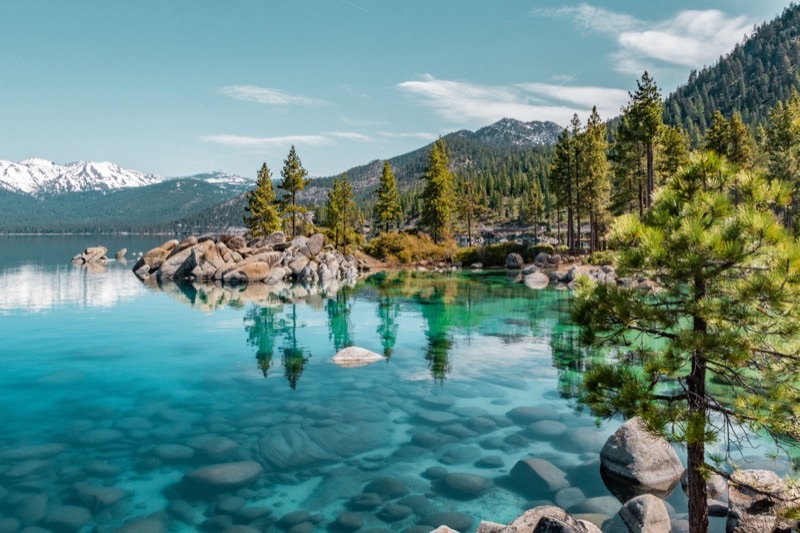
Usa
Mexico generally allows for a lower daily spend. In Mexico City, a budget traveler can manage on $40-60 USD (700-1000 MXN) per day, covering a hostel bed (250-400 MXN), street food meals (20-80 MXN per dish), and local transit (5 MXN per ride). Mid-range travel might cost $80-120 USD (1400-2000 MXN) with a decent hotel, sit-down meals, and a few paid attractions like Teotihuacan entrance (90 MXN). Tourist areas like Tulum or Cancun will push these numbers higher, but still generally below USA costs. For example, a nice dinner in Roma Norte could be 300-500 MXN ($17-28 USD), while a local market meal is typically 50 MXN ($3 USD).
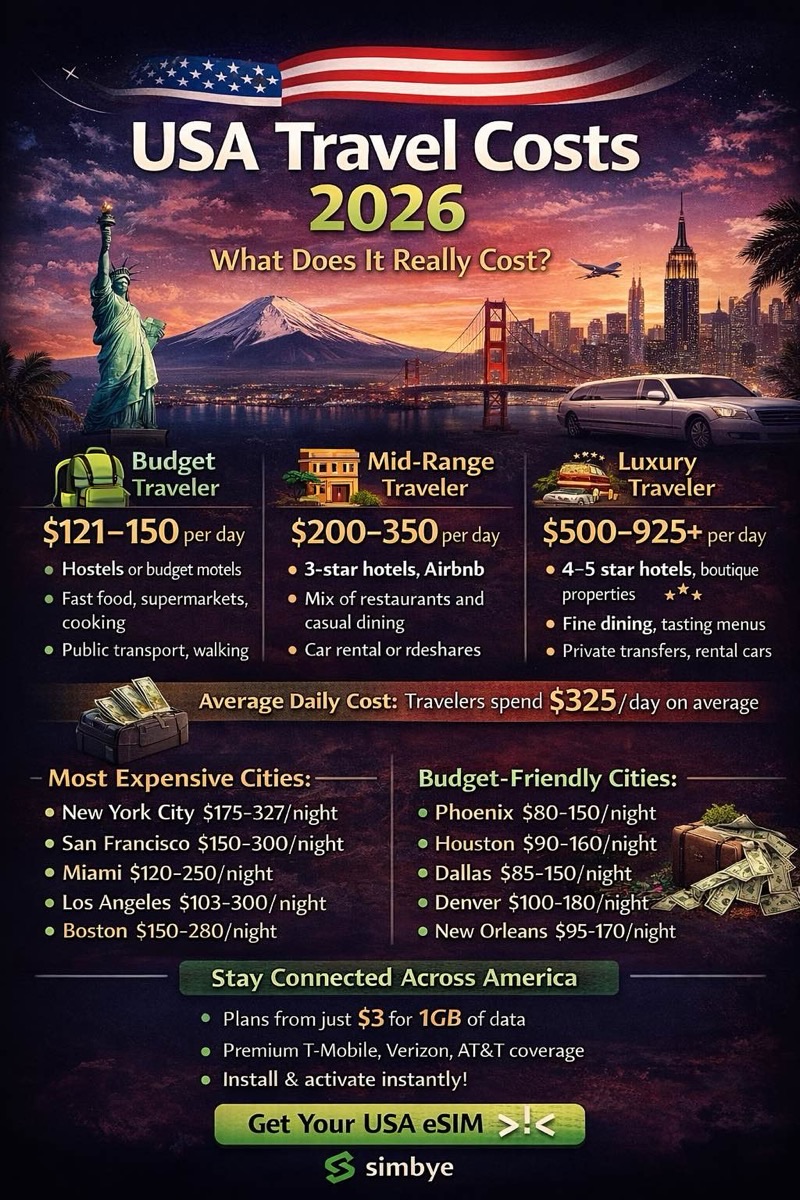
The USA demands a significantly higher budget. Even in smaller cities, a budget traveler should expect to spend $80-120 USD per day for a hostel bed (often $40-70 USD), fast food or basic groceries, and public transport where available. Major cities like New York or San Francisco easily push daily costs to $150-250 USD, where a modest hotel room is $150-200 USD, and a casual restaurant meal is $20-40 USD. A taxi ride in New York from JFK to Manhattan can be $70, compared to a Mexico City Uber from AICM to Condesa at $15-25 USD. Gas prices in the USA typically range from $3.50-$4.50 USD per gallon, a major factor for road trips. Mexico wins for getting more experiences for your money.
- Winner: Mexico
- Why: Mexico provides a superior experience for every dollar spent, making longer trips or higher quality experiences more accessible.
- Who this matters for: Travelers with budget constraints or those planning extended trips.
🌮 Food Scene
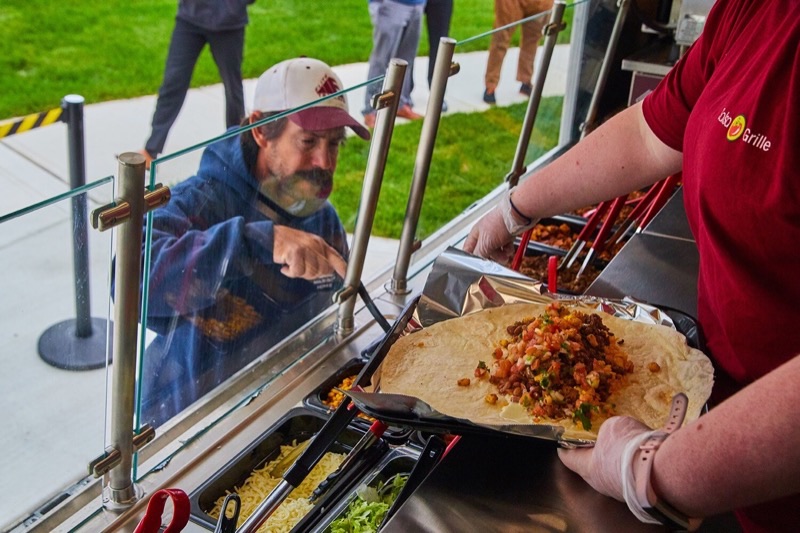
Mexico offers a food landscape that is both diverse and deeply rooted in tradition. From the tacos al pastor at El Vilsito in Mexico City (around 20 MXN / $1 USD per taco) to the…
Mexico
Usa
Mexico offers a food landscape that is both diverse and deeply rooted in tradition. From the tacos al pastor at El Vilsito in Mexico City (around 20 MXN / $1 USD per taco) to the mole in Oaxaca (a full meal for 150-300 MXN / $8-17 USD), the flavors are specific and bold. Street food is a cornerstone, providing delicious and inexpensive meals. Even high-end dining, like Pujol in Mexico City, offers experiences that, while pricey (2,500-4,000 MXN / $140-220 USD per person), are often less expensive than comparable caliber restaurants in the USA.
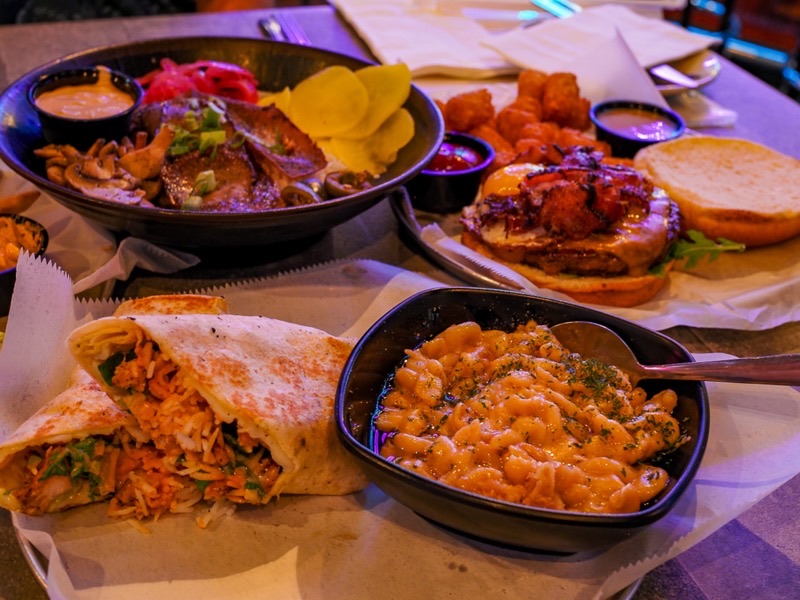
The USA food scene is a collection of global influences, with significant contributions from Italian, Chinese, and Mexican migrant cultures, alongside American staples like burgers and BBQ. In cities like New York, you can find almost any cuisine, but prices are high; a casual sit-down meal often costs $15-25 USD per person without drinks, and fine dining can easily exceed $100-200 USD per person. A simple coffee at Starbucks is $4-6 USD. While there is quality, the everyday value and authenticity of specific regional dishes are generally less prominent than in Mexico. Mexico wins for its deep culinary traditions and accessible, widespread flavor.
- Winner: Mexico
- Why: Mexico delivers a more authentic, varied, and generally more affordable food experience with a strong street food culture.
- Who this matters for: Anyone whose travel revolves around trying new, distinct, and affordable foods.
🏛️ Culture & History
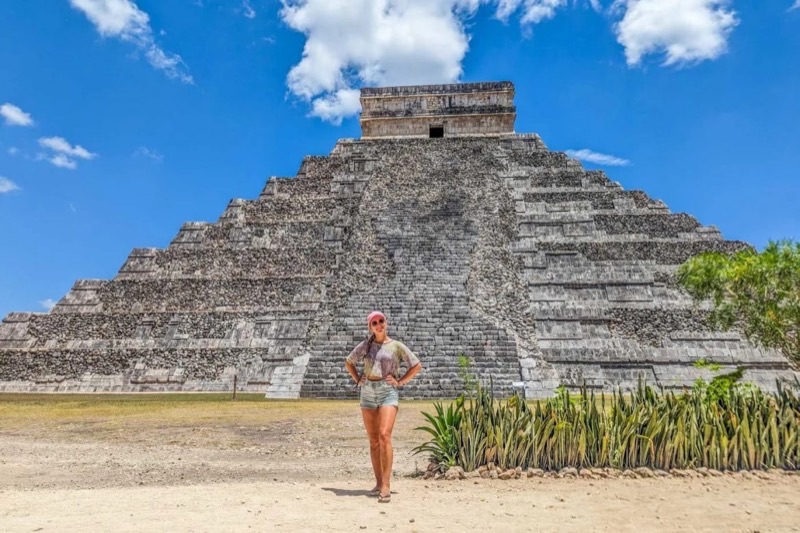
Mexico boasts a history that spans millennia, from the pyramids of Teotihuacan (90 MXN / $5 USD entry) and Chichen Itza (600 MXN / $34 USD for foreigners) to the colonial city…
Mexico
Usa
Mexico boasts a history that spans millennia, from the pyramids of Teotihuacan (90 MXN / $5 USD entry) and Chichen Itza (600 MXN / $34 USD for foreigners) to the colonial city centers of San Miguel de Allende and Oaxaca. Indigenous cultures remain a strong presence, especially in the south, influencing art, textiles, and daily life. Mexico City alone has over 150 museums, including the National Museum of Anthropology (85 MXN / $5 USD) and Palacio de Bellas Artes (85 MXN / $5 USD), offering deep dives into its past and present. Public plazas and festivals are common, providing direct exposure to local traditions and celebrations.
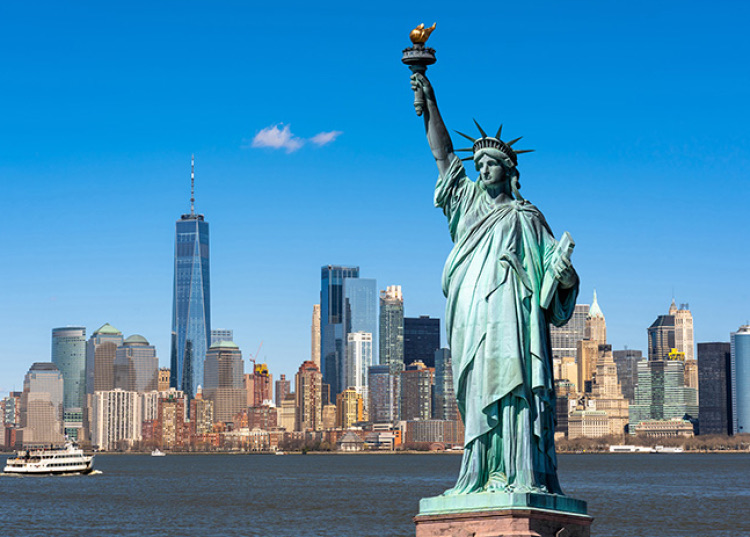
The USA presents a younger history, primarily focusing on its colonial past, independence, and subsequent industrial and social developments. Cities like Boston offer historical trails (Freedom Trail), while Washington D.C. has national monuments and free Smithsonian museums. Regional cultures are distinct, from the Southern hospitality of Charleston to the innovation focus of Silicon Valley. While there are historical sites like Gettysburg or the Alamo, they generally lack the scale and ancient origins of Mexican sites. Contemporary art and music scenes are strong in cities like New York or Los Angeles. Mexico wins for its ancient roots and living indigenous traditions.
- Winner: Mexico
- Why: Mexico offers a more ancient, layered, and consistently present historical and cultural narrative.
- Who this matters for: Travelers seeking deep historical sites, indigenous cultural interaction, and colonial period architecture.
🏖️ Beaches & Coastlines
Mexico offers a dual-coast advantage with distinct experiences. The Caribbean coast (Cancun, Tulum, Playa del Carmen) has warm, clear turquoise waters and white sand, perfect for…
Mexico
Usa
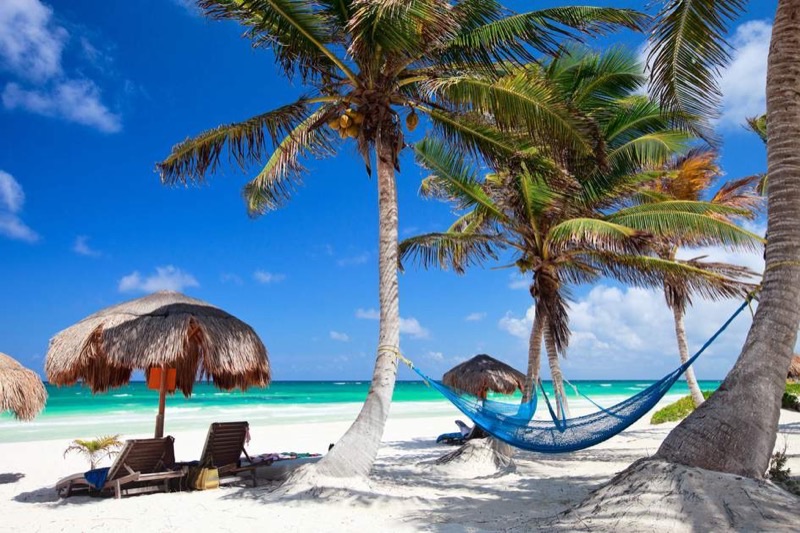
Mexico offers a dual-coast advantage with distinct experiences. The Caribbean coast (Cancun, Tulum, Playa del Carmen) has warm, clear turquoise waters and white sand, perfect for swimming and snorkeling (e.g., Akumal for turtles). The Pacific coast, from Oaxaca (Puerto Escondido for surfing) to Baja California (Los Cabos for luxury and desert-meets-ocean scenery), caters to surfers, whale watchers, and those seeking dramatic sunsets. Many beaches are publicly accessible, and activities like snorkeling tours (approx. $40-70 USD) are common. The water temperature is generally warm year-round.
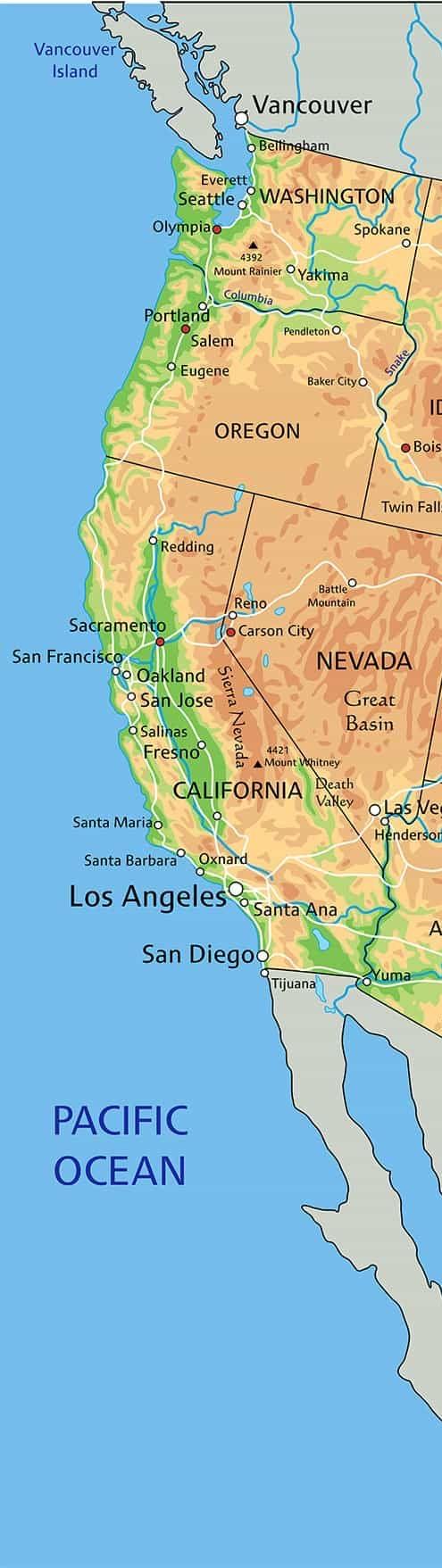
The USA boasts extensive coastlines on both the Atlantic and Pacific, plus the Gulf of Mexico. Florida offers warm waters and soft sands (South Beach, Miami; Clearwater Beach). California has varied beaches, from the surfing breaks of Malibu to the rugged cliffs of Big Sur. The Pacific Northwest provides wild, cooler beaches with dramatic landscapes. New England offers rocky coasts and cooler summer waters. Access to beaches is generally good, often with public parks and facilities. The choice depends on the specific experience desired, from tropical warmth to cooler, more dramatic settings. Both countries offer distinct, appealing coastal experiences for different tastes.
- Winner: Tie
- Why: Both countries offer compelling and distinct beach experiences, making a direct 'winner' difficult as preferences vary widely.
- Who this matters for: Travelers prioritizing specific beach types, whether warm tropical or rugged and dramatic.
🚨 Safety & Security
Mexico has areas with significant security challenges, particularly border regions and certain states involved in organized crime. However, popular tourist destinations like…
Mexico
Usa
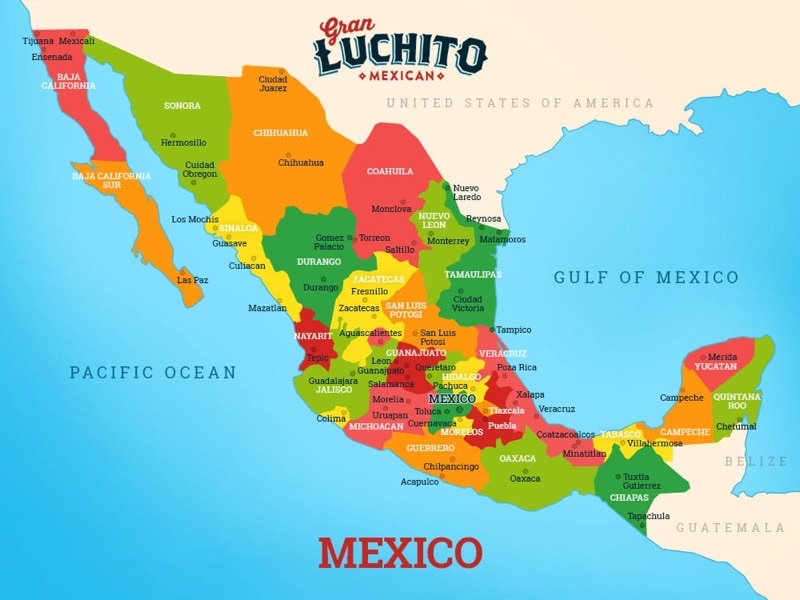
Mexico has areas with significant security challenges, particularly border regions and certain states involved in organized crime. However, popular tourist destinations like Cancun, Playa del Carmen, Oaxaca, San Miguel de Allende, and Mexico City (especially areas like Roma, Condesa, Polanco) are generally safe for visitors when applying common travel precautions. Petty crime like pickpocketing is common in crowded areas. Night travel on intercity buses is generally considered safe on major routes, but always check current local advice. A taxi ride from Mexico City airport to Condesa costs around 300-450 MXN ($17-25 USD), using official airport taxis or ride-shares like Uber is safer than street hails.
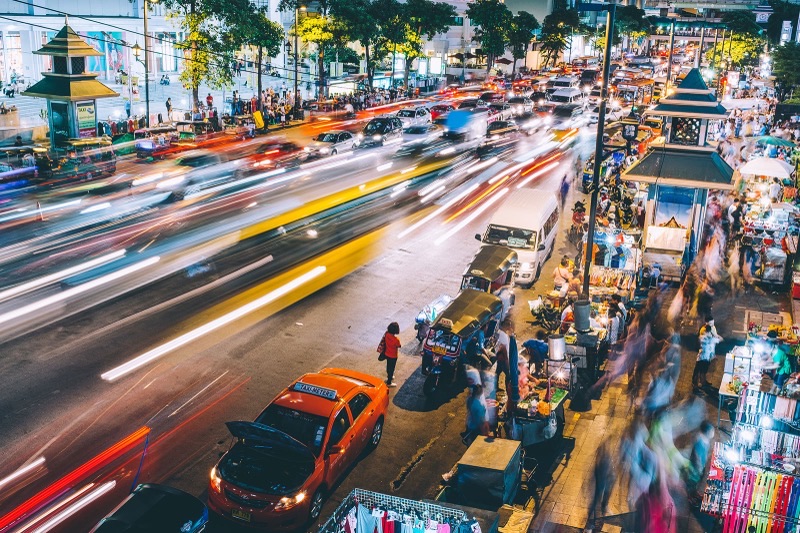
The USA generally offers higher levels of personal security, especially in suburban and rural areas. Major cities, however, have their share of petty crime and occasional violent incidents, similar to other large urban centers globally. The significant difference is the prevalence of firearms, which contributes to a higher rate of gun violence compared to Mexico. Road safety is generally excellent. In cities like New York, public transport is widely used and safe (a single subway ride is $2.90 USD). For most travelers sticking to well-trodden paths, the USA presents a lower perceived risk overall. The USA wins due to lower levels of organized crime impacting tourists and generally more stable local conditions.
- Winner: Usa
- Why: The USA generally has fewer regions impacted by organized crime and a lower overall perceived risk for travelers.
- Who this matters for: Travelers prioritizing peace of mind and minimal exposure to potential security concerns.
🚗 Getting Around
Mexico has an excellent and affordable long-distance bus system, like ADO, which connects most cities. A bus from Mexico City to Oaxaca can cost 600-900 MXN ($34-50 USD) for a…
Mexico has an excellent and affordable long-distance bus system, like ADO, which connects most cities. A bus from Mexico City to Oaxaca can cost 600-900 MXN ($34-50 USD) for a comfortable 6-7 hour ride. Within cities, ride-share apps (Uber, DiDi) are widespread and inexpensive (e.g., a 20-minute Uber in Mexico City is 80-150 MXN / $4-8 USD), alongside taxis and efficient metro systems in large cities. Rental cars are available but road conditions and driving styles can be challenging outside major routes. Domestic flights are available from airlines like Volaris or Aeromexico, connecting major centers quickly, though often more expensive than buses.
The USA relies heavily on personal vehicles for intercity travel. Rental cars are the primary mode for road trips, with prices around $40-80 USD per day excluding gas ($3.50-$4.50 USD per gallon). Public transport within cities varies significantly; New York City and San Francisco have extensive subway/bus networks, while many other cities have limited options. Amtrak train service exists but is generally slow and more expensive than buses (e.g., Greyhound) or budget flights. Domestic flights are common but can be costly, often $150-400 USD for cross-country routes. The best option depends on the type of travel planned. Both offer different strengths for movement.
- Winner: Tie
- Why: Both countries offer efficient but distinct ways to travel, catering to different trip styles (Mexico for public transport, USA for self-driving).
- Who this matters for: Travelers preferring either extensive public transport or the freedom of personal vehicle travel.
🏨 Accommodation
Mexico offers a broad spectrum of accommodation at prices that generally provide excellent value. Hostels can be found for 250-450 MXN ($14-25 USD) per night in popular areas like…
Mexico offers a broad spectrum of accommodation at prices that generally provide excellent value. Hostels can be found for 250-450 MXN ($14-25 USD) per night in popular areas like Condesa in Mexico City. Mid-range hotels (e.g., a boutique hotel in Oaxaca) typically cost 800-1500 MXN ($45-85 USD) per night. Luxury resorts in destinations like Riviera Maya can be 4,000-10,000 MXN ($220-550 USD) or more, but even these are often less expensive than comparable US options. Airbnbs are prevalent and often offer good deals, particularly for longer stays. Many accommodations feature local architectural styles and interior decor.
The USA has a developed accommodation sector dominated by large hotel chains (Marriott, Hilton, etc.), independent motels, and a strong vacation rental market. Prices are considerably higher; a budget motel room can be $70-120 USD per night, while a mid-range hotel in a city easily starts at $150-250 USD. Luxury hotels can quickly exceed $400-600 USD per night. Hostels are less common outside major cities and still typically cost $40-70 USD for a dorm bed. For a similar standard of comfort and amenities, travelers will almost always pay significantly more in the USA. Mexico wins for making comfortable stays more accessible.
- Winner: Mexico
- Why: Mexico provides better value and more diverse options for all budget levels, allowing travelers to upgrade their stay more affordably.
- Who this matters for: Travelers who want to maximize their accommodation budget or stay in more unique, locally-styled places.
⛰️ Nature & Outdoors
Mexico offers distinct natural attractions. The Yucatán Peninsula is known for its cenotes (underground swimming holes, e.g., Gran Cenote entry 300 MXN / $17 USD), while Oaxaca…
Mexico offers distinct natural attractions. The Yucatán Peninsula is known for its cenotes (underground swimming holes, e.g., Gran Cenote entry 300 MXN / $17 USD), while Oaxaca has Hierve el Agua with its petrified waterfalls. Chiapas features lush rainforests and waterfalls. The Baja California peninsula combines desert landscapes with rich marine life for whale watching (tours around $80-150 USD). High altitude volcanoes like Popocatépetl and Iztaccíhuatl offer challenging hikes. While agencies offer guided tours, independent access can be more complex, sometimes requiring local knowledge or specific permits.
The USA excels with its comprehensive system of national parks, offering unparalleled access to diverse landscapes: the Grand Canyon, Yosemite, Yellowstone, Zion. These parks feature well-maintained trails, visitor centers, and clear signage, making self-guided exploration easy and safe (National Park pass is $80 USD annually for all parks, or $30-35 USD per park entry). From the deserts of the Southwest to the forests of the Pacific Northwest and the Everglades swamps, the USA provides a vast array of outdoor activities like hiking, camping, skiing, and kayaking. The infrastructure for accessing and enjoying these natural spaces is arguably unmatched. The USA wins for its sheer scale of preserved natural areas and ease of access.
- Winner: Usa
- Why: The USA provides a more extensive and well-managed national park system, making outdoor exploration simpler and more comprehensive.
- Who this matters for: Outdoor enthusiasts, hikers, campers, and those seeking iconic natural landscapes with good infrastructure.
🎉 Nightlife
Mexico provides a range of nightlife experiences. In cities like Mexico City, neighborhoods like Roma and Condesa have sophisticated cocktail bars (drinks 150-250 MXN / $8-14 USD)…
Mexico provides a range of nightlife experiences. In cities like Mexico City, neighborhoods like Roma and Condesa have sophisticated cocktail bars (drinks 150-250 MXN / $8-14 USD) and casual cantinas. Cancun and Playa del Carmen are known for their large-scale clubs (Coco Bongo entry often $70-100+ USD) and resort-focused entertainment. Oaxaca offers mezcal bars and live music venues. The atmosphere is generally social and energetic, with evenings often starting later than in the USA. Public transport or ride-shares are readily available for late-night travel, and drinks are generally more affordable.
The USA offers nightlife that varies significantly by city. New York City has iconic clubs, jazz bars, and dive bars that cater to every taste, with drinks typically costing $12-20 USD. Las Vegas is known for its mega-clubs and casino entertainment. Miami excels with its Latin-influenced dance clubs. Smaller cities and towns will have local bars or pubs. Alcohol prices are higher than in Mexico, and closing times can be earlier depending on state laws. While the USA has specific strongholds for nightlife, Mexico offers a broader, more integrated social experience in many of its cities and towns. Both offer distinct experiences for evening activities.
- Winner: Tie
- Why: Both countries offer excellent, though different, nightlife scenes depending on city and personal preference, making a clear winner difficult.
- Who this matters for: Travelers seeking either high-energy club experiences or more relaxed, local bar atmospheres.
✈️ Flights & Logistics
Flights from major USA hubs to Mexico City, Cancun, Guadalajara, or Los Cabos are frequent and relatively short. For example, a direct flight from Houston (IAH) to Mexico City…
Flights from major USA hubs to Mexico City, Cancun, Guadalajara, or Los Cabos are frequent and relatively short. For example, a direct flight from Houston (IAH) to Mexico City (MEX) is about 2.5 hours, costing $250-400 USD round trip. From Los Angeles (LAX) to Cancun (CUN) can be 4-5 hours, costing $300-500 USD. Many budget airlines like Southwest and Spirit serve Mexican destinations. US citizens need a valid passport. Entry into Mexico is straightforward for tourism, typically requiring a FMM tourist card, usually provided on the plane or at immigration.
The USA has a massive domestic flight network, connecting almost every major city and many smaller ones. Cross-country flights (e.g., New York to Los Angeles) take 5-6 hours and can cost $200-500 USD round trip depending on the airline and booking time. International flights into the USA from outside North America are generally long-haul. For non-US citizens, entry requires a visa or ESTA waiver, which can involve a lengthy application process. The overall convenience of simply flying into Mexico from the USA (often shorter, cheaper, less bureaucratic for US citizens) gives Mexico the edge for many travelers. Mexico wins for easier international access from North America.
- Winner: Mexico
- Why: Mexico is often more accessible and affordable for flights from the USA, requiring less travel time and simpler entry procedures for US citizens.
- Who this matters for: Travelers from North America seeking an international experience with minimal travel hassle and cost.
🎯 The Decision Framework
Choose Mexico If…
- You want your budget to go further for a longer or higher-quality trip.
- You crave specific, regional culinary experiences and a strong street food culture.
- You are interested in ancient ruins and colonial period architecture.
- You prefer warm, clear ocean water for swimming and snorkeling.
- You are comfortable using local public transport or ride-shares extensively.
- You want to experience a distinct cultural identity that feels different from home.
- You enjoy lively, late-night social scenes and affordable drinks.
- You want direct flights from the USA that are short and inexpensive.
Choose Usa If…
- You prioritize personal security and minimal exposure to potential challenges.
- You want to explore vast national parks with excellent infrastructure for self-guided trips.
- You prefer familiar chain hotels and a predictable level of service.
- You plan a road trip and enjoy the freedom of driving your own rental car.
- You seek specific city experiences like New York theater or Las Vegas entertainment.
- You are looking for specific types of outdoor adventures like skiing or extensive hiking.
- You are a US citizen and want the easiest possible travel logistics (no passport needed if staying within USA).
- You appreciate diverse food options, but at higher price points, often in a familiar setting.
📅 Sample Itineraries
Weekend in Mexico City (3 Days)
💡 Purchase a local SIM card at the airport for about $15 to save on data roaming and access ride-sharing apps easily.
Weekend in Los Angeles (3 Days)
💡 Utilize the Metro system or ride-sharing for getting around specific areas like Hollywood or Downtown LA to avoid expensive parking fees, which can be $10-30 per day.
One Week in Mexico (7 Days)
💡 Embrace local transport like 'colectivos' (shared vans) or city buses, especially in Oaxaca or Cancun, which cost as little as $1-2 per ride compared to taxis costing $5-20.
One Week in Southern California (7 Days)
💡 Rent a car for the entire trip to maximize flexibility, but factor in daily parking costs of $15-30 at hotels and attractions, which can add up quickly.
❓ Frequently Asked Questions
Is Mexico much cheaper than the USA for travel?
Yes, significantly. Expect to spend $40-100 USD per day in Mexico for comfortable travel, compared to $100-200 USD per day in the USA for a similar level of experience. Accommodation, food, and local transport are consistently more affordable in Mexico.
Which country has better beaches?
Both have excellent beaches but offer different things. Mexico has warmer, often clearer Caribbean waters (Cancun, Tulum) and Pacific surfing spots. The USA offers diverse coasts from rugged Pacific Northwest to warm Florida Gulf, but water temperatures vary widely. It depends on your preference for climate and activity.
How safe is travel in Mexico compared to the USA?
The USA generally has lower levels of crime impacting tourists, though urban areas have typical city crime. Mexico has regions with security concerns, but popular tourist areas like Oaxaca, San Miguel, and Riviera Maya are generally secure with common-sense precautions. Always research specific destinations.
What are typical flight times from the USA to Mexico?
Direct flights from major US cities to Mexican hubs like Mexico City or Cancun are typically 2.5 to 5 hours. For example, Houston to Mexico City is about 2.5 hours, Los Angeles to Cancun is around 4.5 hours. These are often shorter and more frequent than many US cross-country flights.
Can I do a road trip in Mexico like in the USA?
Road trips are common in the USA with a vast, well-maintained highway system and clear signage. While Mexico also has a road network, driving can be more challenging due to varying road conditions, local driving styles, and occasional security checkpoints. Many travelers prefer buses or domestic flights in Mexico.
Which country offers a richer cultural experience?
Mexico generally offers a deeper, more ancient cultural experience with Mayan and Aztec ruins, colonial cities, and strong indigenous traditions. The USA offers a younger history focused on its formation and diverse regional subcultures. Mexico wins for ancient history and living traditions.
Are specific visas required for US citizens traveling to Mexico?
US citizens only need a valid passport for travel to Mexico. You will typically receive an FMM tourist card upon arrival, which you must keep and present upon departure. No separate visa is generally required for stays up to 180 days for tourism.
Which country is better for foodies on a budget?
Mexico is superior for foodies on a budget. Street food like tacos (20-80 MXN / $1-4 USD) and local market meals are plentiful and inexpensive. Even mid-range restaurant dining is significantly cheaper than comparable options in the USA, allowing for more diverse culinary exploration without overspending.
Ready to plan your next trip?
Get a free custom itinerary for Mexico, Usa, or both — built from real traveler insights.
👥 Travelers Also Compared
🎟️ Book Tours & Experiences
Hand-picked tours and activities for both destinations — book with free cancellation
Experiences via Viator — free cancellation on most tours