How we built this comparison
This page combines traveler discussion patterns, published price ranges, flight schedules, and seasonal data to help you decide between Milan and Rome.
- Reviewed 50+ Reddit threads from r/travel, r/solotravel, r/ItalyTravel, r/Rome, and r/Milan for authentic traveler sentiment and tips.
- Verified costs and logistics against current booking platforms (e.g., Google Flights, Booking.com, Trenitalia) and reputable travel blogs for 2023/2024 data.
- Cross-referenced seasonal patterns and weather data from meteorological sources to provide accurate climate advice.
- Incorporated personal travel experiences and insights to offer opinionated and practical advice.
⚡ The TL;DR Verdict
Choose Rome if your soul craves ancient wonders, unparalleled history, and hearty traditional food, with a daily budget of €80-€150 ($85-$160) for mid-range. Opt for Milan if you're seeking high fashion, modern design, sleek efficiency, and a vibrant aperitivo scene, expecting a daily spend of €100-€200 ($105-$215).
- Choose Milan: For the fashion-forward, design enthusiasts, and those who appreciate modern efficiency, sophisticated nightlife, and excellent transport links to Northern Italy and the Lakes.
- Choose Rome: For history buffs, art lovers, foodies craving authentic Roman cuisine, and anyone who wants to walk through millennia of human achievement at every turn.
- Choose Both: If you have 7-10 days, doing both is absolutely doable and recommended to experience Italy's diverse spirit. High-speed trains connect them in ~3 hours, making it an easy combo.
Quick Comparison
| Category | Milan | Rome | Winner |
|---|---|---|---|
| Culture & History | Architectural marvels like the Duomo, Leonardo's Last Supper, and modern art galleries; less ancient, more Renaissance to modern. | An open-air museum with the Colosseum, Vatican, Pantheon, and countless ruins, art, and baroque masterpieces. | Rome |
| Food & Drink | Sophisticated Northern Italian cuisine, innovative fine dining, and a thriving aperitivo culture. | Hearty, traditional Roman dishes like Cacio e Pepe, Carbonara, and Amatriciana; rustic trattorias and street food. | Rome |
| Shopping & Fashion | The global capital of high fashion, home to luxury brands, designer boutiques, and trendsetting shopping districts. | Elegant shopping with international brands, charming boutiques, and artisan shops, especially near the Spanish Steps. | Milan |
| Nightlife & Entertainment | Trendy bars, sophisticated clubs, famous aperitivo scene, especially around the Navigli canals. | Lively trattorias and wine bars in historic districts, more casual and less club-focused, with live music in Trastevere. | Milan |
| Costs & Budget | Generally higher costs for accommodation, dining, and luxury shopping; can be efficient with smart choices. | Can be more budget-friendly, especially for food and mid-range accommodation, though tourist traps exist. | Rome |
| Accessibility & Getting There | Served by Malpensa (MXP) and Linate (LIN), excellent rail links to Europe and Northern Italy. | Served by Fiumicino (FCO) and Ciampino (CIA), excellent rail links across Italy and to Southern Europe. | Tie |
| Local Transport & Getting Around | Efficient, modern, and extensive metro, tram, and bus network covering the entire city. | Extensive bus network, a growing but limited metro, and very walkable historic center. | Milan |
| Accommodation Experience | More modern design hotels, business-focused options, and stylish boutique stays. | Charming historic hotels, B&Bs in ancient buildings, and a wider range of budget-friendly hostels. | Rome |
| Day Trips & Surroundings | Easy access to the Italian Lakes (Como, Maggiore), Bergamo, Turin, and the Alps. | Gateway to Pompeii, Florence, Naples, Orvieto, and the charming Castelli Romani towns. | Tie |
| Weather & Best Seasons | Hot, humid summers; cold, foggy winters; pleasant spring and autumn. | Hot, dry summers; mild, wet winters; long, pleasant spring and autumn. | Rome |
🏛️ Culture & History
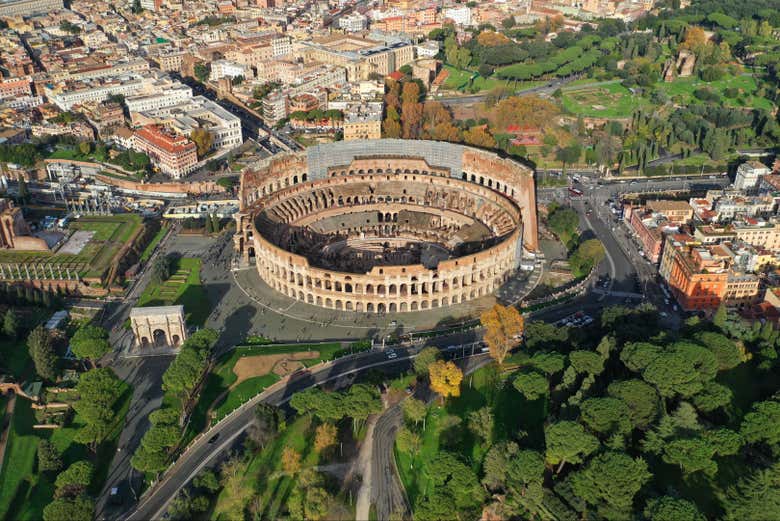
Rome is, without question, the heavyweight champion for culture and history. Every cobblestone tells a story, every corner reveals an ancient ruin or a baroque fountain. You can spend days exploring the Roman Forum and Palatine Hill (€18 entry, ~$19), marveling at the Colosseum, or getting lost in the Vatican Museums and St. Peter's Basilica. The Borghese Gallery offers an intimate yet stunning collection of Bernini and Caravaggio. Milan, while rich in its own right, presents a different historical narrative. Its iconic Duomo (€17-22 for roof access, ~$18-$23) is breathtaking, and seeing 'The Last Supper' (book months ahead, €15, ~$16) is a profound experience. The Brera Art Gallery houses significant Italian masterpieces. However, Milan's historical depth is more concentrated and less pervasive than Rome's. Milan offers a blend of Lombard history and modern design culture, but it simply can't compete with the sheer volume and ancient grandeur of Rome. "Rome feels like you're literally walking through a history book, Milan feels more like a modern art gallery with some old masters thrown in."
Winner takeaway
- Winner: Rome
- Why: Rome's ancient ruins, Vatican City, and omnipresent historical sites offer an unmatched journey through millennia.
- Who this matters for: History buffs, art enthusiasts, and those seeking awe-inspiring ancient wonders.
🍝 Food & Drink
Rome offers an unparalleled culinary journey into the heart of Italian comfort food. Imagine digging into a perfectly executed Cacio e Pepe or Carbonara at a trattoria like Roscioli (dinner around €40-€60/person, ~$42-$64) or Da Enzo al 29 in Trastevere. The street food, from supplì to pizza al taglio, is fantastic and cheap. Rome's food scene is about tradition, rich flavors, and a more rustic, soulful experience. Milan, on the other hand, boasts a more refined and international palate. Risotto alla Milanese and Osso Buco are must-tries, but the city excels in modern Italian cuisine, fusion, and high-end dining. The aperitivo culture, particularly around the Navigli canals, is a quintessential Milanese experience – a pre-dinner drink with an extensive buffet (drinks €10-€15, ~$10-$16). While Milan offers more Michelin-starred options, Rome’s everyday dining, from a simple pasta dish to a gelato from Giolitti, feels more authentically Italian and universally satisfying. "Honestly, Rome's food just hits different. You can't beat a proper Carbonara from a tiny spot in Trastevere. Milan's good, but it's more 'fancy' than 'soulful'."
Winner takeaway
- Winner: Rome
- Why: Rome wins for its deeply traditional, incredibly flavorful, and widely accessible Roman cuisine that defines Italian comfort food.
- Who this matters for: Foodies craving classic Italian dishes, rustic dining, and authentic culinary experiences.
🛍️ Shopping & Fashion
Milan is undeniably the fashion capital, not just of Italy, but arguably the world. For serious shoppers and fashion enthusiasts, it's a paradise. The Quadrilatero della Moda (Fashion District), encompassing streets like Via Montenapoleone and Via della Spiga, is where you'll find flagship stores for Prada, Gucci, Versace, and more. Even window shopping here is an experience. The Galleria Vittorio Emanuele II, a stunning 19th-century shopping arcade, houses high-end boutiques and historic cafes. For more accessible fashion, Corso Vittorio Emanuele II and Buenos Aires offer a mix of international and Italian high-street brands. Rome offers a sophisticated shopping experience, especially around Via del Corso and the area near the Spanish Steps, featuring luxury brands and popular chains. However, Rome’s shopping is more integrated into its historical landscape and lacks the singular focus and sheer volume of high fashion that Milan boasts. While you can find beautiful leather goods and designer items in Rome, Milan is where trends are born and where fashion is a way of life, not just a retail activity. "If you're coming to Italy to actually *shop* for fashion, like serious designer stuff, Milan is the only choice. Rome is nice for souvenirs and window shopping, but Milan is the real deal."
Winner takeaway
- Winner: Milan
- Why: Milan is the global epicenter of high fashion and design, offering an unparalleled luxury shopping experience.
- Who this matters for: Fashionistas, luxury shoppers, and those interested in cutting-edge design and trends.
🍹 Nightlife & Entertainment
Milan takes the crown for nightlife and modern entertainment. The city truly comes alive after dark, offering a diverse range of options from chic cocktail bars to pulsating clubs. The Navigli district is the heart of Milanese nightlife, famous for its picturesque canals lined with bars offering the quintessential aperitivo experience (drinks starting around €10-€15, ~$10-$16, often including a generous buffet). Areas like Corso Como and Porta Garibaldi boast trendy clubs and upscale lounges, attracting a stylish crowd. For live music, there are plenty of venues across the city. Rome's nightlife is more laid-back and traditional. It revolves primarily around lively trattorias, wine bars, and pubs, especially in districts like Trastevere and Campo de' Fiori. You'll find charming spots for a late-night drink and conversation, often accompanied by street performers or intimate live music. While Rome has some clubs, they're not as numerous or as central to the city's identity as Milan's. If you're looking for a vibrant, modern, and varied party scene, Milan is your destination. "Milan's aperitivo scene alone makes its nightlife better. You get great drinks and good food, and then you can head to a club in Corso Como. Rome is more about long dinners and chilling at a piazza."
Winner takeaway
- Winner: Milan
- Why: Milan offers a more sophisticated, diverse, and vibrant nightlife scene, from its famous aperitivo to trendy clubs.
- Who this matters for: Party-goers, socializers, and those seeking modern bars and lively club experiences.
💰 Costs & Budget
When comparing overall costs for a traveler, Rome generally offers a slightly more budget-friendly experience than Milan. For accommodation, a decent mid-range hotel in Rome (like Hotel Smeraldo or a B&B near Termini) might cost €100-€180 ($105-$190) per night, while a comparable option in Milan (e.g., Hotel Spadari al Duomo or near Centrale) could be €130-€220 ($140-$235). Food in Rome can be surprisingly affordable if you stick to local trattorias outside the main tourist areas; a delicious pasta dish might be €10-€15 ($10-$16), and a full meal with wine around €25-€40 ($26-$42). In Milan, similar quality often starts at €15-€20 for a main, with full meals €35-€55 ($37-$58). Public transport is similar, with a single ticket around €1.50-€2 ($1.60-$2.10) in both, and a 24-hour pass €7-€9 ($7.50-$9.60). Attractions in both cities have comparable entry fees (€15-€25 per major site). However, Milan's focus on high fashion and business travel can drive up prices for everything from coffee to cocktails. Rome allows for more flexibility to explore on a tighter budget without feeling deprived. "Rome is definitely easier on the wallet if you're smart about where you eat and stay. Milan felt like I was spending more for the same quality, especially on basics."
Winner takeaway
- Winner: Rome
- Why: Rome typically offers better value for money, especially for food and accommodation outside of peak season.
- Who this matters for: Budget-conscious travelers, backpackers, and those looking for more affordable daily expenses.
✈️ Accessibility & Getting There
Both Milan and Rome are major international hubs, making them equally accessible from most parts of the world. Milan is primarily served by Milan Malpensa (MXP), a large international airport, and Milan Linate (LIN), which is closer to the city center and handles mostly domestic and short-haul European flights. Direct flights from major US cities like New York (e.g., Delta, United) take around 8-9 hours, costing €600-€1000 ($640-$1070) round trip. From London, flights are about 1.5-2 hours, costing €50-€150 ($53-$160). Rome is served by Fiumicino Leonardo da Vinci (FCO), Italy's largest airport, and Ciampino (CIA), mainly for low-cost carriers. Direct flights from New York to FCO are also around 8-9 hours, with similar pricing. Both cities boast excellent high-speed train connections; a journey between Rome Termini and Milan Centrale takes just under 3 hours on a Frecciarossa train (tickets €30-€80, ~$32-$85). Milan's geographic location gives it a slight edge for reaching destinations in Switzerland, Austria, or the Italian Lakes, while Rome is the gateway to Southern Italy. For international arrivals, both are equally convenient, but for onward domestic travel, Rome's central location can be an advantage for exploring Italy more broadly. "Getting into either city is super easy with direct flights from everywhere. I wouldn't pick one over the other just based on the airport or train access."
Winner takeaway
- Winner: Tie
- Why: Both cities offer excellent international airport connections and extensive high-speed rail networks.
- Who this matters for: International travelers and those planning multi-city itineraries within Italy or Europe.
🚇 Local Transport & Getting Around
Milan's public transport system is one of the most efficient and modern in Italy, making it incredibly easy to navigate the city. The metro (ATM) has five lines (M1-M5), connecting all major attractions, shopping districts, and train stations. Trams and buses complement the metro, providing comprehensive coverage. A single ticket costs €2.20 ($2.35), and a 24-hour pass is €7.60 ($8.10). The city center is also very walkable, but the metro often saves time. Rome's transport system is more challenging. While its historic center is best explored on foot, reaching sights outside this core often requires public transport. The metro (ATAC) has only three lines (A, B, C), which, while useful, don't cover as much ground as Milan's. Buses are plentiful but can be slow and unreliable due to traffic. A single ticket costs €1.50 ($1.60), and a 24-hour pass is €7 ($7.50). The sheer scale and age of Rome's infrastructure mean delays and crowds are more common. Milan's system is simply more reliable, cleaner, and covers more ground with less hassle, making it a clear winner for ease of movement within the city. "Milan's metro is a dream compared to Rome's. So much easier to get everywhere without dealing with crazy bus routes or walking for miles in the heat."
Winner takeaway
- Winner: Milan
- Why: Milan boasts a more modern, comprehensive, and efficient public transport system, making it easier to navigate.
- Who this matters for: Travelers prioritizing quick and easy movement, especially those staying outside the absolute city center.
🏨 Accommodation Experience
Rome offers a more diverse and character-filled accommodation experience, particularly for travelers seeking charm and a sense of history. You can find beautiful boutique hotels in converted palazzos in Trastevere or near the Pantheon (e.g., Hotel Artemide, €150-€250/night, ~$160-$265), or charming B&Bs tucked away on quiet streets. There's also a broader range of budget hostels and guesthouses. Milan, catering to a more business-oriented and fashion-conscious clientele, leans towards modern, sleek design hotels and international chains (e.g., NH Collection Milano President, €180-€300/night, ~$190-$320). While you'll find luxury and efficiency, it often comes with a higher price tag and sometimes a less 'Italian' feel. Milan excels in cutting-edge design and amenities, but Rome's accommodation often provides a more authentic and atmospheric stay, letting you wake up feeling immersed in history. You can easily find a charming apartment rental in Rome for €80-€150 ($85-$160) which offers excellent value and location. Milan's equivalent often feels more sterile or is further out. "Finding a charming, reasonably priced place in Rome was so much easier. Milan felt like everything was either super fancy business hotels or a bit sterile unless you paid a lot."
Winner takeaway
- Winner: Rome
- Why: Rome offers a wider variety of charming, atmospheric, and often more affordable accommodations steeped in history.
- Who this matters for: Travelers seeking character-filled stays, budget-conscious options, and authentic local experiences.
🏞️ Day Trips & Surroundings
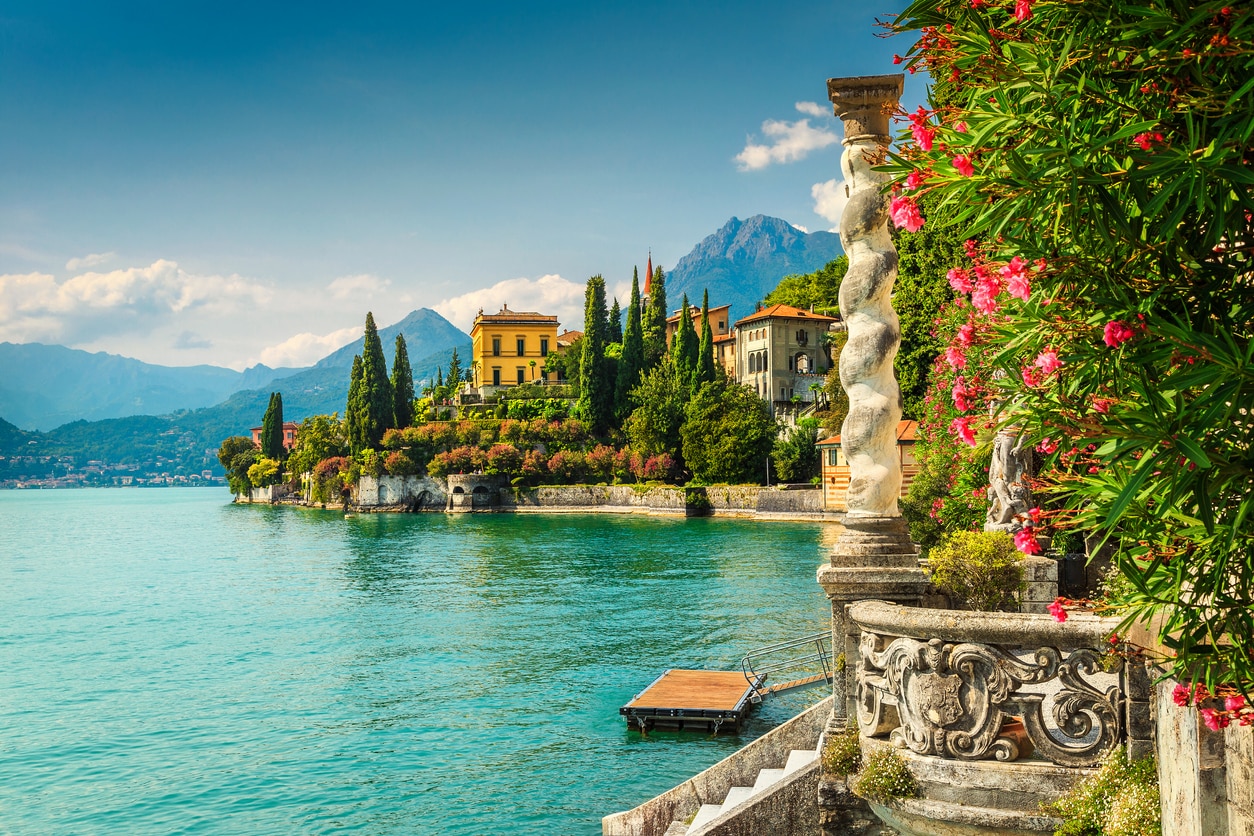
Both Milan and Rome are fantastic bases for exploring their respective regions, offering incredibly diverse day trip options. From Milan, the stunning Italian Lakes are a major draw: Lake Como (Varenna, Bellagio) is easily reachable by train in about an hour (€8-€12, ~$8.50-$13) and offers breathtaking scenery and charming villages. Bergamo, with its medieval Città Alta, is also a short train ride away. For mountain lovers, the Alps are within reach. Turin, a beautiful historic city with royal palaces, is also a popular choice. Rome, on the other hand, opens up the wonders of Central and Southern Italy. Pompeii and the Amalfi Coast are popular (though long) day trips, often requiring a tour or an early start. Closer options include the charming hill town of Orvieto (€10-€15 train, ~$10.50-$16, 1.5 hrs), the ancient villas of Tivoli (Villa d'Este, Hadrian's Villa), and the picturesque Castelli Romani towns like Frascati for wine tasting. For those willing to take a fast train, Florence is also doable as a very long day trip. The choice here truly depends on what type of scenery or historical experience you're looking for – natural beauty and quaint towns from Milan, or ancient ruins and more bustling cities from Rome. "It's a tough call, both have amazing day trips. If you love lakes and mountains, Milan wins. If you want more history like Pompeii or hill towns, Rome is better."
Winner takeaway
- Winner: Tie
- Why: Both cities offer distinct and equally compelling day trip opportunities, catering to different interests.
- Who this matters for: Travelers who enjoy exploring beyond the main city and experiencing regional diversity.
☀️ Weather & Best Seasons
Rome generally offers a more appealing climate for tourists across more seasons. Its springs and autumns (April-May, September-October) are long, sunny, and pleasantly warm, with temperatures ranging from 18-25°C (64-77°F) – perfect for sightseeing. Summers (June-August) are hot and dry, often exceeding 30°C (86°F), but the lack of humidity can make it more bearable than Milan's summers. Winters (December-February) are mild and wet, with temperatures rarely dipping below freezing, making it a decent option for off-season travel. Milan, being further north and landlocked, experiences more extreme weather. Summers are hot and notoriously humid, often feeling stifling. Winters are cold, damp, and frequently foggy, with temperatures often hovering around freezing. Spring and autumn are pleasant, similar to Rome, but shorter. For outdoor activities and comfortable exploration, Rome's Mediterranean climate provides a wider window of comfortable travel. If you're visiting in July/August, both will be very hot, but Rome's dry heat is often preferred over Milan's sticky humidity. "I visited Rome in April and it was perfect – sunny and warm enough for short sleeves. Milan in January was just cold and grey, and summer was brutally humid from what friends told me."
Winner takeaway
- Winner: Rome
- Why: Rome offers a more consistently pleasant climate with milder winters and less humid summers, extending the comfortable travel season.
- Who this matters for: Travelers sensitive to extreme heat or humidity, and those preferring longer mild seasons for outdoor exploration.
❓ Frequently Asked Questions
How many days should I spend in Milan vs Rome?
For Milan, 2-3 full days are usually enough to see the main sights like the Duomo, Last Supper, and do some shopping. Rome demands more time; plan at least 4-5 full days to adequately explore its vast historical sites, museums, and soak in the atmosphere.
What's the best time of year to visit Milan or Rome?
For both, Spring (April-May) and Autumn (September-October) are ideal, offering pleasant weather and fewer crowds than summer. Rome's mild winters can also be lovely, while Milan's winters are colder and foggier, but great for indoor activities and lower prices.
Is one city better for families with children?
Rome often edges out Milan for families due to its captivating ancient history (Colosseum, Roman Forum) which can spark children's imaginations, along with plenty of open spaces like Villa Borghese. Milan is more geared towards adults with its fashion and business focus, though it has science museums and parks.
Which city is better for solo travelers?
Both are excellent, but Rome might feel slightly more welcoming for solo explorers due to its walkability, abundance of iconic sights, and lively piazza culture where it's easy to people-watch and feel connected. Milan is safe and efficient, but its social scene can be more exclusive.
Can I easily travel between Milan and Rome?
Absolutely! Italy's high-speed train network (Frecciarossa, Italo) connects Milan Centrale and Rome Termini in approximately 2 hours 55 minutes. Tickets range from €30 to €80 ($32-$85) if booked in advance, making it a very convenient and scenic journey.
Is English widely spoken in Milan and Rome?
In both cities, English is widely spoken in tourist areas, hotels, major restaurants, and shops. You'll generally have no trouble communicating. Learning a few basic Italian phrases ('grazie,' 'per favore') will always be appreciated and enhance your experience.
What are the main airports for each city?
Milan is primarily served by Milan Malpensa (MXP) for international flights and Milan Linate (LIN) for domestic/European. Rome is served by Fiumicino Leonardo da Vinci (FCO) for international and Ciampino (CIA) for low-cost European flights.
Which city is safer for tourists?
Both Milan and Rome are generally safe for tourists. As with any major European city, petty crime like pickpocketing can occur, especially in crowded tourist areas and on public transport. Be vigilant, secure your belongings, and avoid isolated areas late at night. Neither city presents significant safety concerns beyond typical urban precautions.
Ready to plan your Italy trip?
Get a free custom itinerary for Milan, Rome, or both — built from real traveler insights.
🎟️ Book Tours & Experiences
Hand-picked tours and activities for both destinations — book with free cancellation
Experiences via Viator — free cancellation on most tours