How we built this comparison
This page combines traveler discussion patterns, published price ranges, transit details, and seasonal data to make the Miyajima vs Naoshima decision easier to resolve.
- Reviewed dozens of Reddit threads across r/JapanTravel and r/JapanTravelTips about choosing between Miyajima and Naoshima.
- Cross-referenced museum entry fees from official Benesse Art Site and Miyajima tourist authority websites (March 2026).
- Transit times and fares verified against JR West, Setouchi Cruise, and local ferry timetables.
- Accommodation pricing from Booking.com and Jalan for both islands (March 2026 rates).
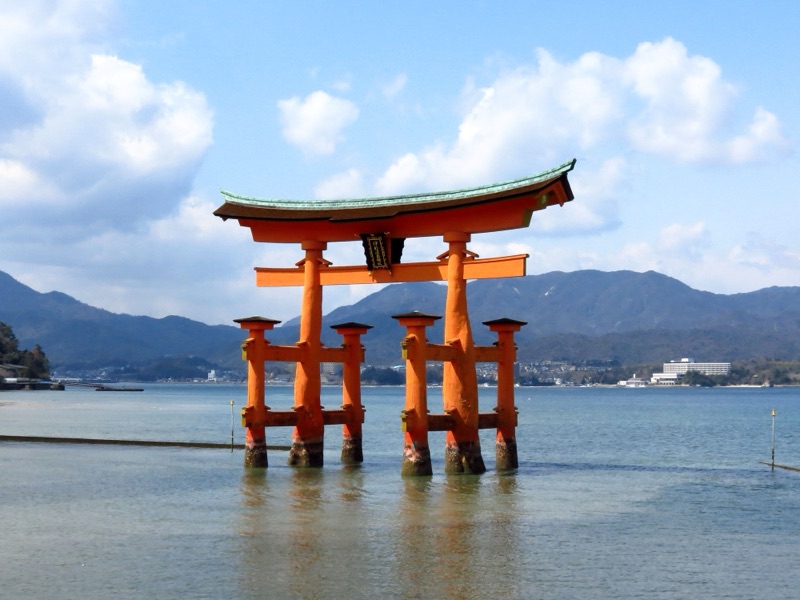
Miyajima's floating torii — one of Japan's Three Views
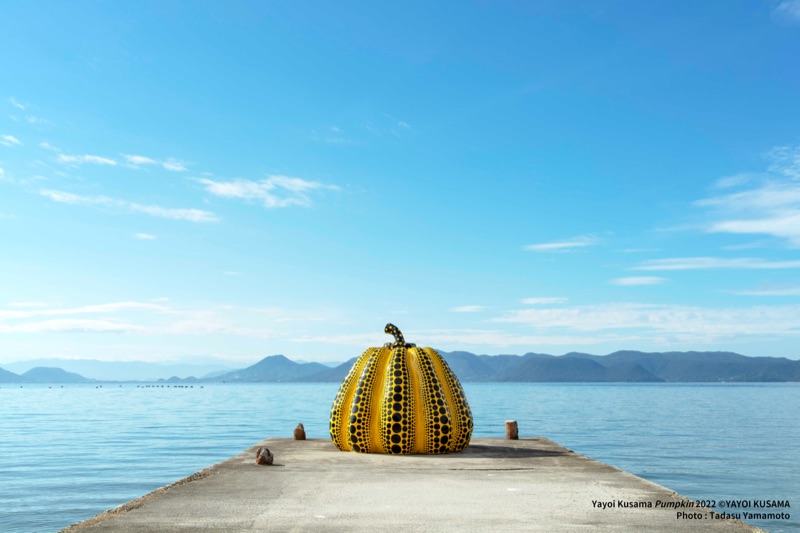
Naoshima's iconic yellow pumpkin by Yayoi Kusama
⚡ The TL;DR Verdict
Miyajima for first-timers and culture seekers. Naoshima for contemporary art lovers willing to go deep. These are two radically different islands that attract different types of travelers — and Reddit is remarkably consistent about this divide.
- Miyajima is universally beloved — the floating torii, wandering deer, Itsukushima Shrine, and Mt. Misen deliver for almost every traveler regardless of interests
- Naoshima is highly specialized — life-changing if you love contemporary art and Tadao Ando architecture; underwhelming if you don't
- Miyajima is easier and cheaper — 10-minute ferry from the mainland, full experience under ¥4,000; Naoshima requires more planning and costs ¥8,000–12,000 for a proper visit
- Naoshima rewards overnight stays — the Benesse House after-hours access is a singular experience unavailable on a day trip
- Don't force a choice — they're 3–4 hours apart and pair naturally in a Hiroshima–Setouchi circuit
Choose Miyajima if...
It's your first Japan trip, you have 4–8 hours, you're visiting Hiroshima, or you want guaranteed iconic imagery without art prerequisites.
Choose Naoshima if...
You specifically love contemporary art, Tadao Ando, or Yayoi Kusama; you can stay overnight; and you're willing to plan the logistics.
Quick Comparison
| Category | Miyajima | Naoshima | Edge |
|---|---|---|---|
| Type | Shrine island, nature, culture | Contemporary art island | Depends |
| Ferry from mainland | 10 min from Miyajimaguchi (¥200) | 20 min from Uno Port (¥1,280) / 50 min from Takamatsu (¥1,220) | Miyajima |
| Full-day cost | ¥2,000–4,000 (ferry + shrine + ropeway) | ¥6,000–10,000 (ferry + 3–4 museums) | Miyajima |
| Time needed | 4–8 hrs (day trip) or overnight | 1–2 full days minimum | Miyajima |
| Main draw | Floating torii, Itsukushima Shrine, Mt. Misen | Chichu Art Museum, Benesse House, Art House Project | Depends |
| Art & culture | Traditional Shinto culture, 8th-century shrine | World-class contemporary art (Ando, Turrell, Monet) | Naoshima |
| Nature | Mt. Misen (535m hike), Senjokaku, tidal flats | Coastal scenery, rice fields, art-in-landscape | Miyajima |
| Crowds | Very crowded 9am–4pm (day-trippers) | Moderate, well-managed visitor flow | Naoshima |
| Overnight experience | Magical — quiet island after 4pm, ryokan stays | Exceptional — Benesse House after-hours museum access | Tie |
| Food scene | Oysters, momiji manju (maple leaf cakes), street food | Local Japanese; limited but charming Honmura village cafes | Miyajima |
| Kid-friendly | Yes — deer, shrine, cable car, beach | Partially — art may not engage younger children | Miyajima |
| Combines with | Hiroshima (30 min), Kyoto day trip | Teshima, Inujima, Okayama, Takamatsu | Tie |
⛩️ Cultural Attractions
Miyajima (officially Itsukushima) is home to one of Japan's most celebrated Shinto shrines — the Itsukushima Shrine, a UNESCO World Heritage Site built in the 6th century and reconstructed in its current form in 1168. The famous O-Torii gate, standing 16 meters tall in the sea, is one of Japan's Three Views (nihon sankei), a designation of scenery considered historically unparalleled. At high tide the entire shrine complex appears to float; at low tide you can walk up to the gate itself. The island also hosts Senjokaku Pavilion (a Buddhist hall built by Toyotomi Hideyoshi), the Five-Storied Pagoda, and over 19 other smaller shrines.
Naoshima's cultural value is entirely different — it's a living experiment in what happens when contemporary art is embedded into a traditional Japanese fishing village. The Art House Project (地中美術館) has transformed 7 historic buildings in Honmura village into permanent art installations by artists like Turrell, Do Ho Suh, and others. Walking through narrow lanes and discovering art housed in former dentists' offices and traditional homes is genuinely moving — but it's a cultural experience built around modern art, not historic Japan.
🎨 Art & Museums
This is Naoshima's undisputed domain. The island is home to three world-class museums all designed by Tadao Ando: the Chichu Art Museum (¥2,100), partially underground with natural light illuminating Monet's water lily paintings in purpose-built spaces; the Benesse House Museum (¥1,300), integrating art with a luxury hotel; and the Lee Ufan Museum (¥1,050), a minimalist experience dedicated to the Korean artist. Add the Art House Project (¥1,050 for 7 houses) and you have one of the densest concentrations of world-class contemporary art installations anywhere outside a major city.
Miyajima has essentially no contemporary art scene. Its shrines and pagodas are art in a different sense — architectural achievements centuries old — but if you're looking for Monet originals or Turrell light chambers, you won't find them here. The Naoshima vs Teshima comparison is also worth reading if art islands are your priority.
🌿 Nature & Scenery
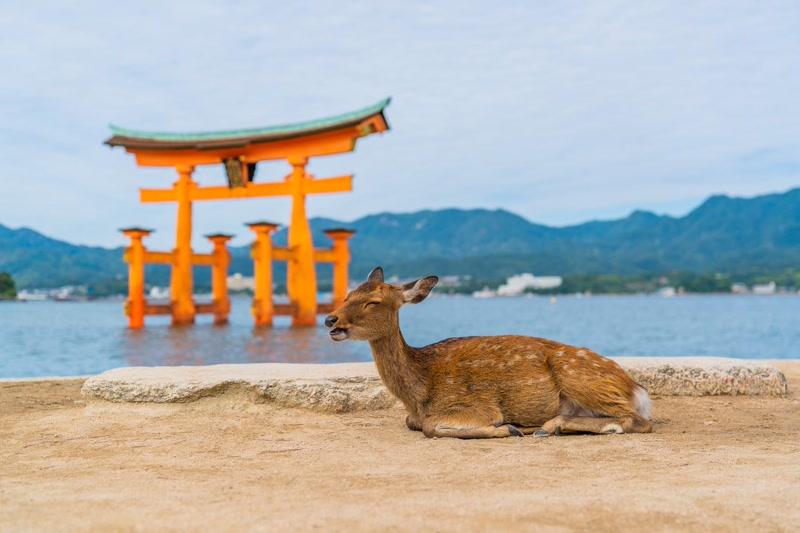
Miyajima offers more dramatic natural scenery. Mt. Misen (535m) is the island's forested peak, reachable via a ropeway (¥1,800 round trip) or a 90–120 minute hike through ancient forest. The summit offers views across Hiroshima Bay, the Seto Inland Sea, and on clear days to Shikoku. The shoreline varies from tidal mudflats revealing the torii's base at low tide to sandy Tsutsumigahama beach on the island's western coast. And then there are the deer — hundreds of semi-wild Sika deer roam the island freely, wandering through shrine precincts and pestering tourists for food.
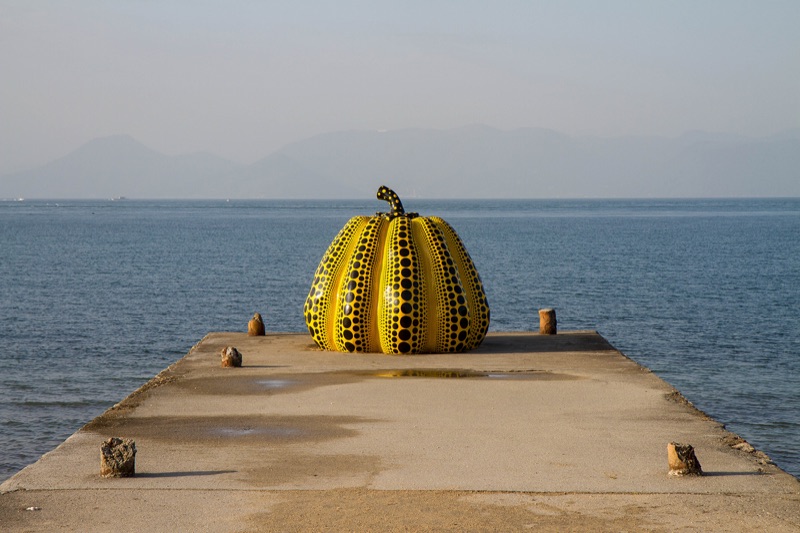
Naoshima's nature is pleasant but gentle — flat coastal paths between museums, rice paddies in the island's interior, and the calm blue of the Seto Inland Sea as backdrop to Kusama's yellow pumpkin on the pier. It's scenic, but not dramatic. The art-in-nature integration is genuinely beautiful, but hikers and outdoor enthusiasts will find Miyajima far more rewarding.
💰 Cost Comparison
Miyajima is one of Japan's most accessible scenic destinations cost-wise. The JR Ferry from Miyajimaguchi is covered by JR Pass (otherwise ¥200/person). Itsukushima Shrine entry is ¥300. The Ropeway costs ¥1,800 round trip. You can have a satisfying full day for ¥2,300–4,000 including food. Miyajima oysters — grilled fresh at harborfront stalls — run ¥400–600 each.
| Expense | Miyajima | Naoshima |
|---|---|---|
| Ferry (round trip) | ¥400 (or JR Pass) | ¥1,280–2,440 from Uno/Takamatsu |
| Main admission | ¥300 (Itsukushima Shrine) | ¥2,100 (Chichu) + ¥1,300 (Benesse) |
| Optional activity | ¥1,800 (ropeway) | ¥1,050 (Lee Ufan) + ¥1,050 (Art House) |
| Lunch | ¥1,000–2,000 | ¥1,200–2,500 (limited options) |
| Full day total | ¥3,000–6,000 | ¥8,000–12,000 |
Overnight costs differ dramatically. Miyajima ryokans range ¥20,000–80,000 per person including dinner and breakfast. Naoshima's Benesse House (the only accommodation directly in the museums) starts around ¥60,000–100,000+ per night. Budget accommodations in Honmura village run ¥8,000–15,000/night without meals.
🚢 Getting There
Miyajima logistics are refreshingly simple. From Hiroshima Station, take the JR San-yo Line to Miyajimaguchi (26 min, ¥400), then the JR Ferry to Miyajima (10 min, ¥200 or JR Pass covered). Total transit time from Hiroshima: ~40 minutes. Ferries run every 10–15 minutes throughout the day. The entire process is straightforward even without Japanese language skills.
Naoshima requires more planning. From Okayama: JR Uno Line to Uno Station (50 min), then Setouchi Cruise ferry to Miyanoura Port, Naoshima (20 min, ¥1,280). From Takamatsu: Shikoku Ferry to Miyanoura (50 min, ¥1,220). Ferries are less frequent — typically hourly or less — so you need to check schedules. On the island, transportation is by bus (routes limited), bicycle rental (¥500–1,500/day), or walking. The art sites are spread across the island, so logistics require actual planning.
🌸 Best Time to Visit
Miyajima peaks in spring (late March–May) when cherry blossoms frame the torii gate — this is legitimately one of Japan's most photogenic seasonal moments, but crowds are at their highest. Autumn (mid-October–November) with maple foliage is equally beautiful with slightly fewer visitors. Summer is hot and humid but features the Kangensai boat music festival in June/July (one of Japan's three great shrine festivals). Winter brings snow to Mt. Misen and dramatically reduces crowds — a compelling off-season option for those who want the island to themselves.
Critically: always check the Miyajima tide calendar before your visit. The torii at high tide (floating in water) and at low tide (walkable) are two completely different experiences — plan your ferry time around the tide that appeals to you more. The tide times shift daily.
Naoshima's best times are spring (April–May) and autumn (October–November). The Setouchi Triennale, a major contemporary art festival held every 3 years across the Seto Inland Sea islands (next edition: 2025), brings significantly more visitors. Museums are closed on Mondays — critical to check before planning. Summer visits to Naoshima are manageable but hot; the coastal scenery is pleasant and crowds are lighter than Miyajima in peak season.
🏨 Where to Stay
Miyajima overnight is genuinely transformative. After the last ferry loads up with day-trippers around 4–5pm, the island quiets dramatically. You can walk the stone lantern-lit paths, photograph the torii without a single person in frame, and hear the tide come in. Ryokans range from the budget-friendly Sakuraya (¥15,000/person with meals) to the exquisite Miyajima Grand Hotel Arimoto (¥40,000–80,000/person). Most include elaborate kaiseki dinners featuring local seafood. Alternatively, stay in Hiroshima and day trip — perfectly valid if budget is a constraint.
Naoshima's accommodation is unusual. Benesse House is both a hotel and a museum — staying here grants exclusive after-hours access to the museum floors, a genuinely unparalleled experience. Rooms start around ¥60,000/night. For more budget-conscious options, Honmura village has guesthouses and Airbnbs for ¥8,000–15,000/night. Reddit consensus is that 2 nights on Naoshima is optimal — enough time to see everything properly and catch the Art House Project on two separate mornings without rushing.
🍜 Food & Dining
Miyajima has a well-developed food scene concentrated along the tourist street (Omotesando) running from the ferry terminal toward the shrine. The island's two signature foods are oysters (牡蠣) and momiji manju (maple leaf-shaped cake filled with red bean paste). Hiroshima Prefecture is one of Japan's top oyster producers, and fresh grilled oysters from waterfront stalls for ¥400–600 each are among Japan's best street food experiences. Sit-down restaurants serve oyster set meals, grilled anago (sea eel), and local sashimi. Don't leave without trying roasted momiji manju — street vendors make them fresh and they're addictive.
Naoshima's food scene is more limited. Honmura village has a handful of charming cafes and restaurants — the Café La Plage (adjacent to Benesse House) overlooks the sea and serves decent meals at premium prices. The island's remoteness keeps food options sparse compared to mainland Japan. Most visitors plan to eat breakfast and dinner at their accommodation and pack or buy lunch on the island. Naoshima is not a food destination.
🎒 Day Trips & Nearby Islands
From Miyajima's base in Hiroshima, the day trip options are exceptional. Hiroshima itself warrants 1–2 full days (Peace Memorial Park and Museum, Shukkeien Garden, Hiroshima Castle). The western Japan corridor connects Miyajima easily to Osaka, Kyoto, and Kobe. The Shimanami Kaido cycling route through the Seto Inland Sea starts near Onomichi, 1.5 hours east by train.
Naoshima sits within the Setouchi art islands cluster, and this is where it shines as a hub. Teshima (accessible by ferry from Naoshima) has the extraordinary Teshima Art Museum — a concrete shell with a single opening in the roof over water, one of Japan's most meditative art experiences. Inujima has the Inujima Art House Project. Shodoshima (2 hours from Naoshima) has olive groves and a traditional crafts scene. If you're committed to the art islands experience, Naoshima is the logical base for 3–5 days exploring the Setouchi constellation.
🔀 Why Not Both?
Miyajima and Naoshima are not competitors — they're complements. Both can be visited in a single Japan trip with smart routing. The key: they sit at opposite ends of the Seto Inland Sea and are connected by rail and ferry. A natural circuit:
Hiroshima (2 nights) → Miyajima (overnight or day trip) → Onomichi → Naoshima (1–2 nights) → Okayama or Takamatsu → continue to Kyoto/Tokyo
Total add-on time for both islands vs just one: about 2 extra days. The Hiroshima–Okayama JR leg is 30–40 minutes by Shinkansen. Adding Naoshima to a Hiroshima–Miyajima itinerary requires routing through Okayama or Takamatsu, both of which are worthwhile destinations in their own right.
❓ Frequently Asked Questions
Is Miyajima or Naoshima better for a day trip?
Miyajima is the clear winner for day trips. It's a 10-minute ferry from Miyajimaguchi (itself 26 minutes from Hiroshima by JR San-yo Line, ¥400), and you can see the Itsukushima Shrine, the torii gate at both high and low tide, encounter deer, and hike Mt. Misen all in one day. Naoshima requires more logistics and the museums warrant 1–2 full days to experience properly.
How much does it cost to visit Miyajima vs Naoshima?
Miyajima costs roughly ¥2,000–4,000 for a day trip (ferry ¥400 round trip + Itsukushima Shrine entry ¥300 + optional ropeway ¥1,800). Naoshima is significantly more expensive: ferry ¥1,280–2,440 round trip, plus Chichu Art Museum ¥2,100, Benesse House Museum ¥1,300, Lee Ufan Museum ¥1,050, Art House Project ¥1,050. Budget ¥8,000–12,000 for a full Naoshima day.
Do I need to like art to enjoy Naoshima?
Honestly, yes — Naoshima's appeal is almost entirely built around contemporary art and architecture. Reddit is consistent on this: "Naoshima depends on how much you enjoy modern art — just because something is unique doesn't mean it's interesting to you." If you're not into Tadao Ando, James Turrell's light installations, or Yayoi Kusama, you'll likely feel the island doesn't justify the effort. Non-art-lovers consistently report feeling underwhelmed.
Should I stay overnight on Miyajima?
Staying overnight on Miyajima is transformative — and Reddit agrees overwhelmingly. After 4:30pm the day-trippers head back and the island becomes quiet and magical. You can photograph the torii at sunset and sunrise without crowds, walk stone-lantern-lit paths at night, and hear the tide come in. Budget ¥20,000–50,000/night for a ryokan including dinner and breakfast. If budget allows, one night on Miyajima is one of Japan's best experiences.
Can I combine Miyajima and Naoshima in one Japan trip?
Yes, and they pair well. Both can be reached from the Hiroshima–Okayama–Takamatsu corridor. A logical route: Hiroshima (2 nights) → Miyajima (day trip or overnight) → train to Okayama → ferry to Naoshima (1–2 nights) → Takamatsu or continue to Kyoto. The journey from Miyajima to Naoshima takes about 3–4 hours including transit.
What is the best time to visit Miyajima?
Spring (March–May) and autumn (October–November) are peak season with cherry blossoms and fall foliage. Winter brings snow to Mt. Misen and dramatically reduces crowds. Critically: always check the Miyajima tide calendar before visiting — the torii at high tide (floating in water) and at low tide (walkable) are two completely different experiences, and tide times shift daily.
How long do you need on Naoshima?
Minimum 1 full day for a focused highlights visit (Chichu Art Museum + Benesse House Museum + Art House Project). Two days with an overnight at Benesse House is the Reddit consensus for a thorough visit. Three nights is worthwhile if you also want to visit neighboring Teshima and Inujima. Don't try to rush Naoshima — the whole point is to slow down and absorb the art in its environment.
Which island is better for first-time visitors to Japan?
Miyajima is significantly better for first-timers. The Itsukushima Shrine torii is one of Japan's Three Views, it pairs naturally with Hiroshima (one of Japan's most essential cultural destinations), it's easy to reach, and it delivers the iconic Japan imagery most first-timers seek. Naoshima is a specialist destination that rewards art-forward travelers — better saved for a return trip.
Ready to plan your Japan island adventure?
Get a personalized itinerary that includes Miyajima, Naoshima, or both — tailored to your travel style and timeline.
🎟️ Book Tours & Experiences
Hand-picked tours and activities for both destinations — book with free cancellation
Experiences via Viator — free cancellation on most tours