How we built this comparison
This page combines traveler discussion patterns, published price ranges, flight schedules, and seasonal data to help you decide between Mombasa and Zanzibar.
- Reviewed 50+ Reddit threads from r/travel, r/solotravel, r/Kenya, r/Tanzania, r/AfricaTravel
- Verified costs and logistics against current booking platforms like Skyscanner, Booking.com, and local tour operators (Nov 2023 - Jan 2024)
- Cross-referenced seasonal patterns and weather data from meteorological sources for optimal travel times
- Incorporated personal travel experiences and discussions with local residents and guides to ensure authentic insights
⚡ The TL;DR Verdict
For the budget-conscious adventurer seeking vibrant local culture, a gateway to safaris, and excellent beaches, Mombasa is your pick at around $60-100/day. If you dream of idyllic island escapes, historic Stone Town, and a more curated tourist experience, Zanzibar wins, budget $90-150/day (or more for luxury).
- Choose Mombasa: Choose Mombasa if you want a more authentic, bustling East African city experience, easy access to Kenyan safaris, great value for money, and a less 'tourist-trap' feel. It's fantastic for connecting with local life and for travelers who appreciate a raw, energetic vibe with beautiful beaches just a short hop away (Diani).
- Choose Zanzibar: Go for Zanzibar if pristine white-sand beaches, world-class diving/snorkeling, rich Swahili history in Stone Town, and a generally more polished, resort-oriented island escape are your priorities. It's perfect for honeymoons, romantic getaways, or those seeking a quintessential tropical paradise with a fascinating cultural backdrop.
- Choose Both: Consider doing both if you have at least 10-14 days and want the best of both worlds: the vibrant Kenyan coast and the serene Tanzanian island. A direct flight between Mombasa (MBA) and Zanzibar (ZNZ) takes about 1 hour and costs around $100-200, making it a feasible and rewarding combination for a diverse East African coastal adventure.
Quick Comparison
| Category | Mombasa | Zanzibar | Winner |
|---|---|---|---|
| Beaches & Water Activities | Diani Beach (south of Mombasa) is world-class; marine parks offer snorkeling/diving but require a trip. | Iconic, powdery white sands; fantastic snorkeling/diving directly off many beaches (Nungwi, Kendwa, Paje). | |
| Culture & History | Fort Jesus (UNESCO), Old Town, strong Swahili-Arab-Indian influence; more integrated into a busy city. | Stone Town (UNESCO) is a living museum; rich Omani Arab and Swahili heritage; spice tours are iconic. | |
| Food Scene | Excellent, affordable Swahili cuisine; fresh seafood; local street food; diverse Indian influence. | Abundant fresh seafood; Swahili dishes; spice-infused cuisine; more upscale international options for tourists. | Tie |
| Nightlife & Entertainment | Bustling local clubs and bars in Mombasa city; Diani Beach has a more tourist-centric bar scene. | More laid-back beach bars in Nungwi/Kendwa; Stone Town has quiet rooftop lounges; Full Moon Parties in Paje. | Mombasa |
| Costs & Budget | Generally more affordable for accommodation, food, and transport; great value for money. | Slightly higher prices, especially for tourist-centric amenities and resorts; local costs can be reasonable. | Mombasa |
| Getting There & Around | Major airport (MBA) with regional and international flights; extensive local transport (tuk-tuks, matatus). | International airport (ZNZ); Varies from walkable Stone Town to expensive taxis on the island; daladalas are local. | Mombasa |
| Accommodation Vibe | Mix of city hotels, budget guesthouses, and large resorts in Diani; more authentic options. | Wide range from boutique hotels in Stone Town to luxury beach resorts and charming guesthouses. | |
| Day Trips & Excursions | Wasini Island marine park, Shimba Hills National Reserve (wildlife), Gedi Ruins. | Jozani Forest (red colobus monkeys), Prison Island (giant tortoises), Spice Tours, Blue Lagoon snorkeling. | Tie |
| Safety & Solo Travel | Requires standard urban precautions; Diani is generally safer for tourists; petty crime can occur. | Generally very safe for tourists; Stone Town can feel maze-like but is safe during the day; respectful dress is advised. | |
| Overall Vibe & Atmosphere | Bustling, authentic, vibrant East African city with a strong local pulse; energetic, a bit gritty. | Relaxed, idyllic island paradise; romantic, culturally rich; more tourist-focused and curated. |
🏖️ Beaches & Water Activities
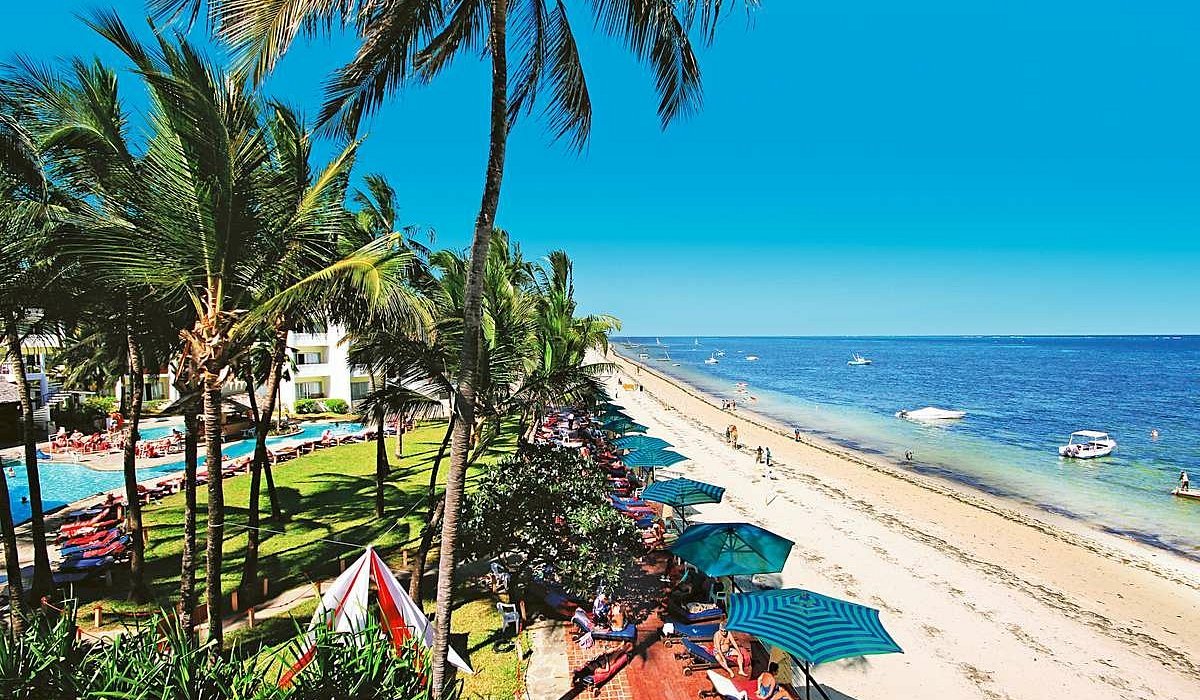
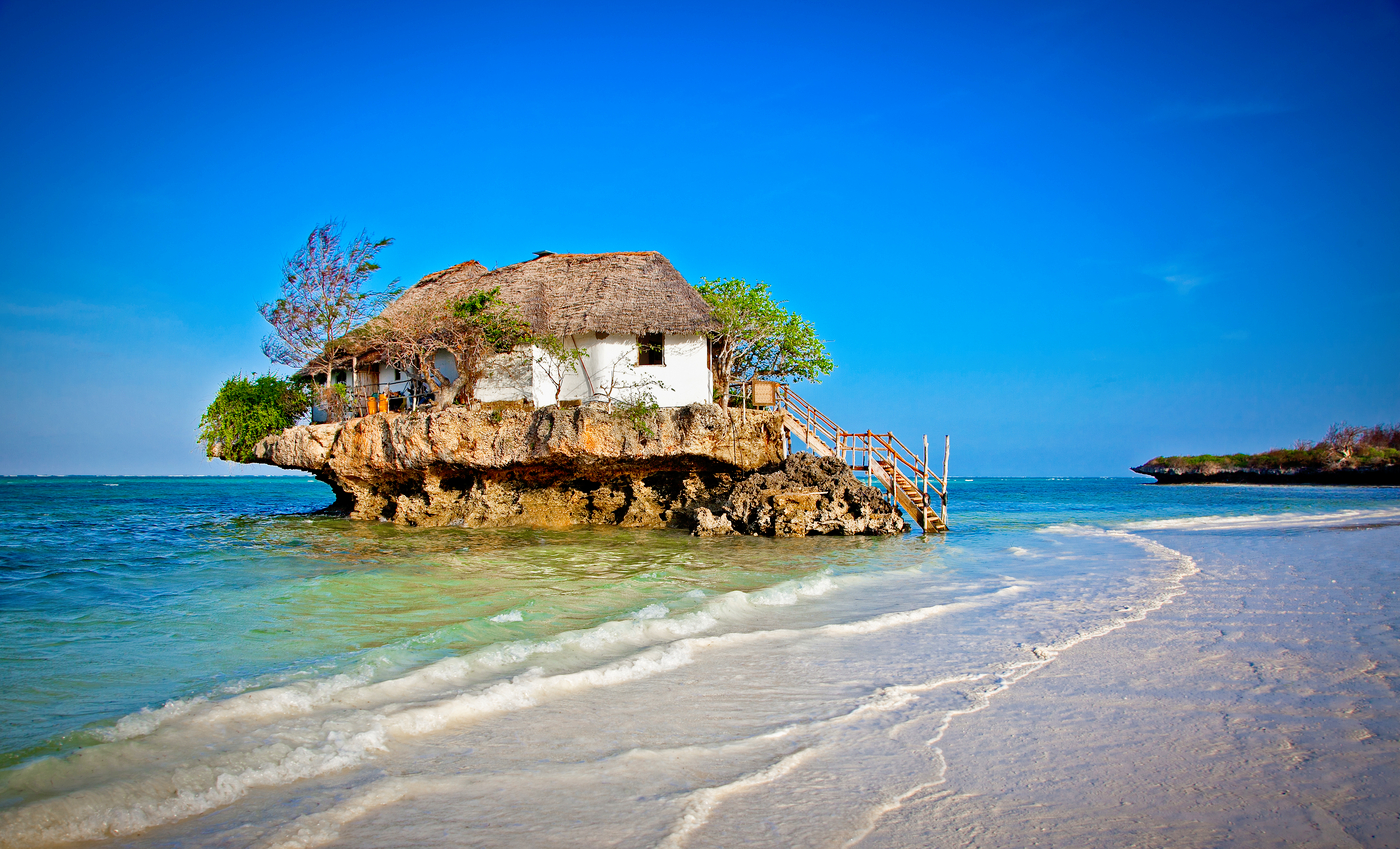
While Mombasa's nearby Diani Beach is truly stunning with its soft sands and warm waters, often ranked among Africa's best, getting there from Mombasa city center requires a ~2-hour drive and ferry crossing. Once there, you can enjoy kitesurfing, jet-skiing, and excursions to Wasini Island for snorkeling in Kisite Mpunguti Marine Park. Zanzibar, however, offers a greater density of immediately accessible, postcard-perfect beaches like Nungwi, Kendwa, and Paje, where the turquoise waters and powdery white sand are instantly Instagram-worthy. The coral reefs directly off the coast are generally more vibrant and easily accessed for snorkeling and diving trips to Mnemba Atoll. Prices for a half-day snorkeling trip in Diani might be around KES 5,000-7,000 ($40-60), whereas in Zanzibar, a similar trip to Mnemba can be TZS 100,000-150,000 ($45-65). "Honestly, Zanzibar's beaches felt like something out of a dream, especially up north. Diani was great, but Zanzibar just had that extra magic." The sheer accessibility and consistent beauty of Zanzibar's coastal offerings give it the edge.
Winner takeaway
- Winner: Zanzibar
- Why: Zanzibar boasts more easily accessible, consistently breathtaking, and iconic white-sand beaches with superior direct-from-shore marine activities.
- Who this matters for: Beach lovers, snorkelers, divers, and those seeking idyllic, accessible coastal relaxation.
🏛️ Culture & History
Mombasa offers a deep dive into East African history, centered around its UNESCO-listed Fort Jesus, a formidable 16th-century Portuguese fort, which costs about KES 1,200 ($9) for entry. The Old Town is atmospheric with its narrow alleys, ancient mosques, and carved doorways, reflecting centuries of Swahili, Arab, and Indian trade. However, Mombasa's historical sites are intertwined with a bustling, modern city, which can feel less immersive. Zanzibar's Stone Town, also a UNESCO World Heritage site, is a more concentrated and exceptionally well-preserved historical core. Walking its labyrinthine streets, you encounter Sultan's palaces, old slave markets, intricate doorways, and bustling bazaars at every turn. Spice tours, a quintessential Zanzibari experience, immerse you in the island's aromatic history, costing around TZS 30,000-50,000 ($13-22). Stone Town itself feels like stepping back in time, a vibrant, living museum. "Stone Town was just incredible, every alley had a story. Mombasa's Old Town was cool, but Stone Town felt like a whole different world." The sheer density and pristine preservation of its historical sites make Zanzibar a cultural powerhouse.
Winner takeaway
- Winner: Zanzibar
- Why: Zanzibar's Stone Town offers a more concentrated, pristine, and immersive historical and cultural experience.
- Who this matters for: History buffs, architecture enthusiasts, and those seeking a deeply atmospheric cultural exploration.
🍽️ Food Scene
Both Mombasa and Zanzibar are culinary delights, deeply rooted in Swahili traditions and rich in fresh seafood. In Mombasa, you'll find incredible value and authenticity. Try the pilau, biryani, or mandaazi from a local 'vibanda' (stall) for KES 100-300 ($1-3), or enjoy a fantastic seafood platter at a mid-range restaurant like Tamarind Dhow for KES 4,000-7,000 ($30-55). The influence of Indian cuisine is also very strong, with excellent curries and street snacks. Zanzibar equally excels with its seafood, often grilled right on the beach, especially in places like Forodhani Gardens in Stone Town, where street food stalls light up nightly, offering skewers, samosas, and fresh fish for TZS 5,000-20,000 ($2-9). The 'spice island' legacy means dishes are beautifully aromatic, and there are more high-end international restaurants catering to tourists. "Honestly, both places had amazing food, but Mombasa felt more 'local discovery' for cheap eats, while Zanzibar had some truly memorable upscale dinners overlooking the ocean." For sheer variety, authenticity, and value, Mombasa shines, but Zanzibar’s unique spice-infused dishes and upscale options balance the scales.
Winner takeaway
- Winner: Tie
- Why: Both destinations offer exceptional Swahili and seafood-rich culinary experiences, with Mombasa excelling in local authenticity and Zanzibar in unique spice infusions and tourist-friendly options.
- Who this matters for: Foodies, seafood lovers, and anyone eager to explore East African flavors.
🎶 Nightlife & Entertainment
Mombasa offers a more diverse and energetic nightlife, particularly if you're open to experiencing local Kenyan clubs and bars within the city itself. Venues like Bella Vista or Bobs will be pumping with local music and energy, with drinks priced affordably, often KES 200-400 ($1.50-3) for a local beer. Down in Diani Beach, the scene caters more to tourists, with popular spots like Forty Thieves Beach Bar offering live music and a lively atmosphere until late. Zanzibar's nightlife is generally more subdued and beach-focused. In the northern villages of Nungwi and Kendwa, you'll find a good selection of chilled beach bars like Kendwa Rocks, especially vibrant during their monthly Full Moon Parties (entry TZS 20,000-30,000 / $9-13). Stone Town offers quieter rooftop lounges with stunning views, like the Livingstone Beach Restaurant, but doesn't have the same clubbing energy. "Mombasa's clubs were wild, a real local vibe! Zanzibar was more about sunset cocktails on the beach, which was great, but different energy." If you're looking for a proper party scene with options spanning local and tourist crowds, Mombasa provides more variety and intensity.
Winner takeaway
- Winner: Mombasa
- Why: Mombasa provides a more vibrant and diverse nightlife, catering to both local club-goers and tourist beach parties.
- Who this matters for: Party-goers, those seeking local nightlife experiences, and travelers who enjoy a lively evening scene.
💰 Costs & Budget
Mombasa generally offers better value for money, making it more appealing for budget-conscious travelers. Accommodation in a decent mid-range hotel can be found for KES 4,000-7,000 ($30-55) per night, while local meals are incredibly cheap, often KES 300-800 ($2-7). Local transport like tuk-tuks or matatus are very affordable, with rides within the city costing KES 50-200 ($0.40-1.50). Zanzibar, while not excessively expensive, tends to have higher prices across the board, particularly for tourist-oriented services and resorts. A similar mid-range hotel in Stone Town or on a popular beach might cost TZS 100,000-200,000 ($45-90) per night. Meals in tourist restaurants are often TZS 30,000-60,000 ($13-27). While local daladalas (minibuses) are cheap (TZS 500-2,000 / $0.20-0.90), taxis for tourists are significantly more expensive than in Mombasa. "My budget stretched way further in Mombasa. Zanzibar was great, but I definitely felt the 'island premium' on most things, especially for transport." The overall daily expenditure is consistently lower in Mombasa, allowing for a more extended or luxurious trip on the same budget.
Winner takeaway
- Winner: Mombasa
- Why: Mombasa provides a more budget-friendly travel experience across accommodation, food, and local transportation.
- Who this matters for: Budget travelers, backpackers, and those looking to maximize their travel funds.
✈️ Getting There & Around
Mombasa's Moi International Airport (MBA) is a major hub, with numerous daily domestic flights from Nairobi (approx. 1 hour, KES 6,000-12,000 / $50-100) and direct international connections. From the airport, getting into the city is easy via taxi (KES 1,000-1,500 / $8-12) or ride-sharing apps. Within Mombasa, an extensive network of matatus (local minibuses) and tuk-tuks provides very affordable and frequent transport. Getting to Diani Beach involves a ferry crossing, but the overall system is efficient. Zanzibar's Abeid Amani Karume International Airport (ZNZ) also handles international flights, including direct connections from Europe and daily flights from Dar es Salaam (approx. 20 min, TZS 80,000-150,000 / $35-65). Stone Town is very walkable, but exploring the rest of the island often means relying on pricier tourist taxis (e.g., Stone Town to Nungwi TZS 50,000-80,000 / $22-35) or crowded, slower daladalas. "Navigating Mombasa felt more intuitive and cheaper with all the local options. Zanzibar was easy in Stone Town, but island transfers quickly added up." The ease of access to surrounding attractions (like Diani) and the sheer affordability of local transport within the Mombasa region make it slightly more convenient.
Winner takeaway
- Winner: Mombasa
- Why: Mombasa offers more convenient and affordable local transportation options, facilitating easier exploration of its diverse regions.
- Who this matters for: Independent travelers, those who prefer public transport, and visitors planning to explore beyond the main city/island areas.
🏨 Accommodation Vibe
Mombasa's accommodation scene offers a practical mix. In the city, you'll find budget-friendly hotels like Hotel EnglishPoint Marina (mid-range KES 10,000-15,000 / $75-120) and guesthouses, often catering to business travelers or those seeking a local experience. The true resort experience is primarily found south of the city in Diani Beach, home to numerous large, all-inclusive resorts (e.g., Diani Reef Beach Resort, KES 15,000-30,000 / $120-250) that feel somewhat separate from the local vibe. Zanzibar, by contrast, offers a more diverse and often more boutique-oriented range of accommodations. Stone Town boasts charming boutique hotels with incredible character, like Emerson Spice (TZS 300,000-600,000 / $130-260) with its rooftop restaurant. Along the coast, you'll find an abundance of stunning, often eco-friendly or luxurious beach resorts (e.g., The Residence Zanzibar, TZS 800,000+ / $350+) that blend seamlessly with the pristine environment, alongside smaller, intimate guesthouses. "Zanzibar just had more 'wow' factor hotels, especially the boutique ones in Stone Town and the gorgeous beach resorts. Mombasa had good resorts, but they felt more generic." The sheer variety, aesthetic appeal, and quality of unique lodging options give Zanzibar the edge.
Winner takeaway
- Winner: Zanzibar
- Why: Zanzibar provides a more diverse, character-filled, and aesthetically pleasing range of accommodation options, from historic boutique hotels to luxury beach resorts.
- Who this matters for: Couples, honeymooners, luxury travelers, and those seeking unique, high-quality lodging experiences.
🗺️ Day Trips & Excursions
Both destinations offer excellent day trip opportunities that cater to different interests. From Mombasa, popular excursions include a full-day trip to Wasini Island and Kisite Mpunguti Marine Park for snorkeling and dhow cruises (KES 8,000-12,000 / $65-100), visiting the ancient Gedi Ruins (entry KES 1,000 / $8), or a half-day safari to Shimba Hills National Reserve to spot elephants and sable antelope (park entry KES 600 / $5, plus transport/guide). Zanzibar counters with its famous Spice Tours (TZS 30,000-50,000 / $13-22), a visit to Jozani Forest to see the endemic red colobus monkeys (entry TZS 25,000 / $11), or a boat trip to Prison Island to interact with giant Aldabra tortoises (boat + entry TZS 40,000-60,000 / $18-27). The 'Blue Lagoon' snorkeling trip is also a highlight. "Mombasa had that wildlife element with Shimba Hills which was awesome, but Zanzibar's spice farms and Prison Island felt really unique to the island experience." While Mombasa offers wildlife and historical ruins, Zanzibar provides a unique blend of natural and cultural island-specific experiences. It's truly a tie, depending on whether you prioritize wildlife and ancient ruins or unique island ecology and history.
Winner takeaway
- Winner: Tie
- Why: Both offer compelling and diverse day trip options catering to different interests, from wildlife and ancient ruins to unique island ecology and cultural tours.
- Who this matters for: Explorers, nature lovers, history buffs, and those seeking adventure beyond the main city/island.
🛡️ Safety & Solo Travel
When it comes to safety, Zanzibar generally feels more relaxed and safer for tourists, especially for solo travelers. Stone Town, while a maze of alleys, is safe to explore during the day, though it can get quiet at night. The beach areas are also largely secure, with resorts often having private security. Petty crime, like bag snatching, can occur, but it's less prevalent than in larger mainland cities. Respectful dress (shoulders and knees covered) is advised, especially in Stone Town. Mombasa, being a larger mainland city, requires more vigilance. While areas like Diani Beach are very tourist-friendly and generally safe, petty crime like pickpocketing or bag snatching is more common in the bustling city center or Old Town, particularly at night. "I felt more at ease walking around Zanzibar, even by myself. Mombasa was fine, but I was definitely more aware of my surroundings, especially after dark in certain areas." Taxis at night are recommended in both locations. Zanzibar's island isolation and heavy reliance on tourism often translate to a more focused effort on tourist safety, giving it a slight advantage, particularly for solo female travelers.
Winner takeaway
- Winner: Zanzibar
- Why: Zanzibar generally offers a more relaxed and safer environment for tourists, particularly solo travelers, with lower reported incidents of petty crime.
- Who this matters for: Solo travelers, first-time visitors to East Africa, and those prioritizing a low-stress, secure travel experience.
✨ Overall Vibe & Atmosphere
Mombasa pulsates with an authentic, raw East African energy. It's a bustling port city, a melting pot of cultures that feels less 'packaged' for tourists. The vibe is energetic, sometimes chaotic, and very real. You'll encounter local life directly, from street vendors to matatu rides, offering a genuine immersion into coastal Kenyan culture. It feels like a place where things are happening, where history and modernity intertwine without much regard for tourist aesthetics. Zanzibar, conversely, offers a more serene and curated 'island paradise' atmosphere. Stone Town exudes an ancient, romantic charm with its winding alleys and Arabian Nights feel. Outside Stone Town, the beach villages are all about relaxation, stunning views, and a slower pace of life. It’s distinctly more geared towards tourism, with beautiful resorts, boutique hotels, and a generally more polished presentation. "Mombasa was an experience, a real dive into local life, but Zanzibar was pure magic, especially waking up to those beaches every day. It just felt more like a vacation dream." If you seek an escape, a tranquil yet culturally rich island haven, Zanzibar's overall vibe is hard to beat. If you crave vibrant, unvarnished urban energy, Mombasa is your match.
Winner takeaway
- Winner: Zanzibar
- Why: Zanzibar offers a more consistently serene, romantic, and idyllic island paradise atmosphere, fulfilling the 'vacation dream' for many travelers.
- Who this matters for: Couples, honeymooners, those seeking relaxation, and travelers desiring a quintessential tropical escape.
❓ Frequently Asked Questions
Is it easy to travel between Mombasa and Zanzibar?
Yes, it's quite easy. There are several direct flights daily between Mombasa's Moi International Airport (MBA) and Zanzibar's Abeid Amani Karume International Airport (ZNZ). Airlines like Jambojet and Kenya Airways operate this route, with flight times around 1 hour and costs typically ranging from $100-200 USD.
Which destination is better for a honeymoon?
Zanzibar is generally considered superior for honeymoons due to its idyllic white-sand beaches, luxurious boutique resorts, and romantic atmosphere, particularly in Stone Town and the northern beaches. Mombasa's Diani Beach offers resorts, but Zanzibar's overall 'island escape' vibe is often more sought after by honeymooners.
Can I combine a safari with a visit to Mombasa or Zanzibar?
Absolutely! Mombasa is an excellent gateway to Kenyan safaris, with easy access to Tsavo East and West National Parks, or even the Shimba Hills National Reserve for a shorter wildlife experience. Zanzibar can be combined with Tanzanian safaris (Serengeti, Ngorongoro) by flying into Dar es Salaam or Arusha first, then connecting to Zanzibar.
What's the best time of year to visit either destination?
The best time to visit both Mombasa and Zanzibar is during the dry seasons: generally from June to October and again from December to February. During these months, you'll experience sunny days, lower humidity, and calm seas, ideal for beach activities and exploring. Avoid the long rainy season in April and May.
Are there any specific cultural considerations for visitors?
Both are predominantly Muslim coastal regions, so respectful dress is appreciated, especially when visiting religious sites or local villages (shoulders and knees covered). Politeness and a willingness to engage with locals in Swahili (even just a few words) go a long way. Always ask for permission before taking photos of people.
Is it safe to drink tap water in Mombasa or Zanzibar?
No, it is not safe to drink tap water in either Mombasa or Zanzibar. Always stick to bottled water for drinking, brushing your teeth, and even rinsing fruits. Most hotels and restaurants will provide bottled water or have filtered options available.
Which destination has better options for budget travelers?
Mombasa definitely offers better options for budget travelers. Local food, public transport (matatus, tuk-tuks), and guesthouses are significantly more affordable. While Zanzibar has budget guesthouses and local 'daladalas', overall tourist-facing services and even basic meals tend to be pricier due to its island premium.
What kind of wildlife can I expect to see near Mombasa or Zanzibar?
Near Mombasa, you can experience safari wildlife at Shimba Hills National Reserve (elephants, sable antelope, giraffes) or the vast Tsavo parks (lions, leopards, buffalo, rhinos, elephants). Zanzibar is more known for its marine life (dolphins, coral reefs) and unique land animals like the endemic red colobus monkeys in Jozani Forest.
Ready to plan your East Africa trip?
Get a free custom itinerary for Mombasa, Zanzibar, or both — built from real traveler insights.
🎟️ Book Tours & Experiences
Hand-picked tours and activities for both destinations — book with free cancellation
Experiences via Viator — free cancellation on most tours