How we built this comparison
This page combines traveler discussion patterns, published price ranges, flight schedules, and seasonal data to help you decide between Montevideo and Santiago.
- Reviewed 50+ Reddit threads from r/travel, r/solotravel, r/chile, r/uruguay, etc., specifically comparing these destinations.
- Verified costs and logistics against current booking platforms like Booking.com, Google Flights, and local transport sites.
- Cross-referenced seasonal patterns and weather data with personal travel experiences and reputable climate sources.
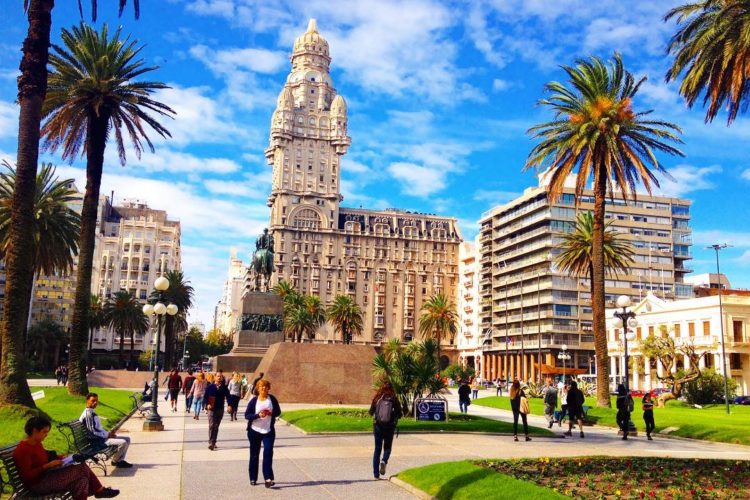
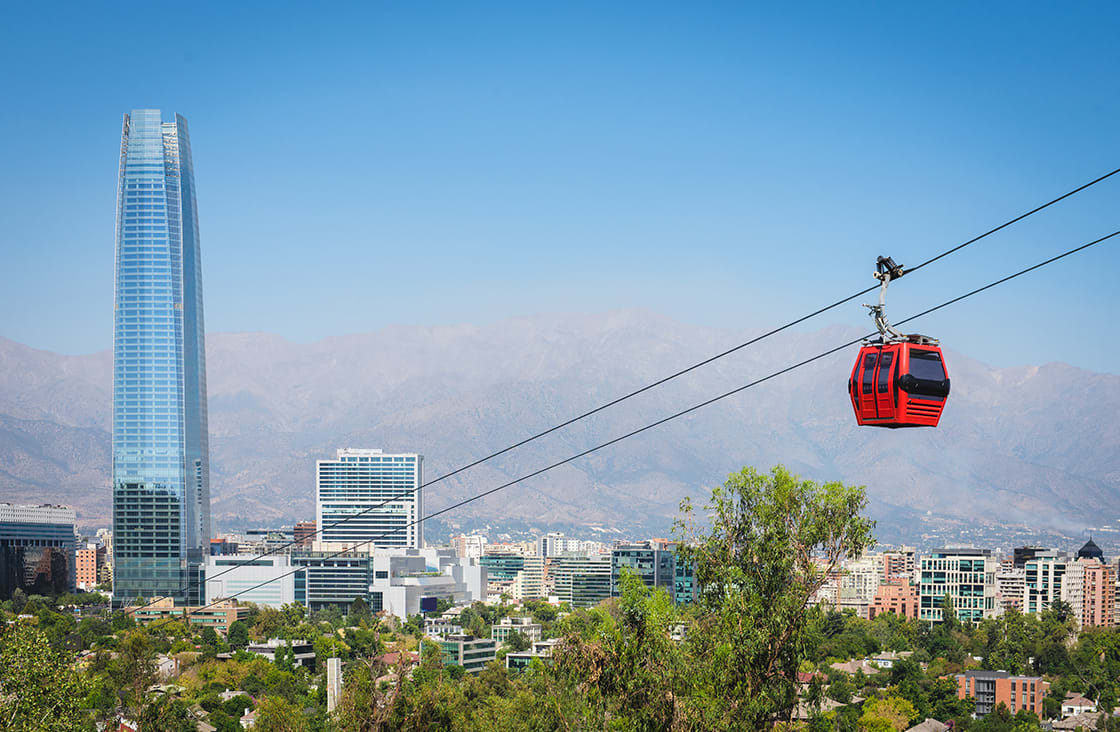
⚡ The TL;DR Verdict
For those seeking a more relaxed, walkable city with a strong cultural identity and a focus on simple pleasures, Montevideo is your pick, with a daily budget around $70-120 USD. If you crave a dynamic urban hub with dramatic mountain backdrops, diverse culinary scenes, and easy access to adventure, Santiago beckons, typically costing $80-150 USD per day.
- Choose Montevideo: Choose Montevideo if you prefer a more tranquil, European-influenced city with beautiful promenades, a focus on excellent meat, and a less frenetic pace. It's ideal for a slow travel experience or a relaxed weekend getaway.
- Choose Santiago: Opt for Santiago if you're looking for a bustling metropolis with a diverse food scene, world-class museums, vibrant nightlife, and immediate access to the majestic Andes for hiking or skiing. It's better for those who like a faster pace and more varied activities.
- Choose Both: Doing both is totally feasible if you have 10-14 days. Fly between them (approx. 2-3 hours) or take a bus/ferry combo via Buenos Aires for a more adventurous route, spending 4-5 days in each city.
Quick Comparison
| Category | Montevideo | Santiago | Winner |
|---|---|---|---|
| Costs & Budget | Generally slightly more affordable than Santiago, though Uruguay is one of South America's pricier countries. Good value for food and local experiences. | Can be pricier, especially for upscale dining and tours. Good public transport helps keep costs down. More international brands. | Montevideo |
| Food & Drink | Famous for its high-quality beef (asado, chivito), and unique local drinks like mate. Simpler, hearty cuisine. | Diverse culinary scene with international influences, excellent seafood, wine, and pisco sours. Trendy restaurants and food markets. | Santiago |
| Nightlife | More relaxed and intimate, with traditional 'milongas' for tango, local bars, and a few beachfront clubs. Weekends are livelier. | Bustling and varied, with options from upscale cocktail bars to massive nightclubs and lively pub districts. Caters to all tastes. | Santiago |
| Culture & History | Rich colonial and European heritage, Candombe music, tango, and a strong literary tradition. Beautiful Art Deco architecture. | Deep pre-Columbian and colonial history, modern art, and a vibrant political past. Many museums and iconic landmarks. | Santiago |
| Nature & Day Trips | Close to charming colonial towns (Colonia del Sacramento) and famous beach resorts (Punta del Este). Flat landscapes. | Unbeatable access to the Andes Mountains for hiking, skiing, and hot springs. Close to coastal cities (Valparaíso) and wine regions. | Santiago |
| Getting There & Around | Less direct international flights, often requiring a connection through Buenos Aires or São Paulo. Walkable city with good bus system. | More direct international flights from North America and Europe. Excellent, modern metro system, plus buses and ride-shares. | Santiago |
| Beaches & Waterfront | Features a long, picturesque Rambla with urban beaches (Pocitos, Ramírez) perfect for relaxing and people-watching. More swimmable city beaches. | Santiago itself is inland; coastal beaches like Viña del Mar and Valparaíso require a 1.5-hour day trip. City has rivers but no city beaches. | Montevideo |
| Safety & Vibe | Generally very safe and laid-back, especially in tourist areas. European feel. Friendly and welcoming locals. | Generally safe in tourist areas, but requires more awareness in crowded spots or certain neighborhoods. Can feel more bustling and intense. | Montevideo |
| Accommodation | Good range of boutique hotels, hostels, and apartment rentals. Pocitos and Ciudad Vieja are popular areas. | Extensive options from luxury hotels to budget hostels. Providencia, Lastarria, and Bellavista are prime spots. | Santiago |
| Weather & Seasons | Humid subtropical climate. Warm, sometimes hot, summers (Dec-Feb). Mild winters (Jun-Aug) with occasional cold snaps. Spring/Autumn are pleasant. | Mediterranean climate. Hot, dry summers (Dec-Feb) with low humidity. Cool, moist winters (Jun-Aug) with snow in nearby Andes. Spring/Autumn are ideal. | Tie |
💰 Costs & Budget
While Uruguay is known for being more expensive than some other South American nations, Montevideo often offers slightly better value than Santiago, especially for everyday expenses. A decent meal at a 'parrillada' like La Otra in Pocitos might set you back UYU 600-900 ($15-23 USD), whereas a similar quality meal in Santiago, say at a 'fuente de soda' in Barrio Lastarria, could easily be CLP 12,000-18,000 ($13-20 USD) but upscale dining goes much higher. Public transport is a bargain in both, with bus fares around UYU 50 ($1.25 USD) in Montevideo and CLP 800 ($0.90 USD) in Santiago. Accommodation costs are competitive, with hostel dorms ranging from UYU 700-1200 ($18-30 USD) in Montevideo and CLP 12,000-20,000 ($13-22 USD) in Santiago. The main difference comes down to the range of luxury options available; Santiago simply has more high-end choices that can quickly inflate your budget. "Montevideo felt like I could enjoy myself without constantly checking my wallet. Santiago had more tempting expensive distractions, especially for foodies." For budget travelers, Montevideo provides a bit more breathing room.
Winner takeaway
- Winner: Montevideo
- Why: Montevideo generally offers a slightly lower cost of living and fewer expensive temptations, making it easier for budget-conscious travelers.
- Who this matters for: Matters most for budget travelers and those looking to extend their trip without breaking the bank.
🥩 Food & Drink
Montevideo's food scene is deeply rooted in tradition: glorious beef. You can't visit without trying an 'asado' at Mercado del Puerto or a 'chivito' (a massive steak sandwich) from a local joint. It's delicious, comforting, and consistent. However, outside of these staples, diversity can be limited. Santiago, on the other hand, is a vibrant culinary hub. Its proximity to the Pacific means incredible fresh seafood, from 'ceviche' to 'machas a la parmesana'. You'll find a broader range of international cuisines, innovative fine dining, and bustling food markets like La Vega Central. The wine culture is also more prominent, with easy access to world-class vineyards just outside the city. "Santiago's food blew me away – everything from street empanadas to amazing seafood and super trendy bistros in Barrio Italia. Montevideo was good, but kinda one-note with the meat." For a truly varied gastronomic experience, Santiago takes the cake, offering everything from high-end fusion to cheap, delicious street eats and fantastic national drinks like the Pisco Sour.
Winner takeaway
- Winner: Santiago
- Why: Santiago offers a far more diverse and innovative culinary scene, blending traditional Chilean flavors with international influences and excellent seafood.
- Who this matters for: Ideal for foodies and travelers who prioritize diverse dining experiences and wine tasting.
💃 Nightlife
If you're looking for a quieter, more traditional evening, Montevideo has its charm. You can catch a Candombe drumming session in Barrio Sur, find a cozy 'milonga' for tango in Ciudad Vieja, or enjoy a drink at a beachfront 'parador' in Pocitos. The vibe is generally more laid-back, focusing on conversation and local music. Santiago, however, is a city that truly comes alive after dark. Barrio Bellavista is the undisputed king of nightlife, packed with bars, pubs, and clubs catering to every taste, from indie rock to reggaeton. Barrio Lastarria offers more sophisticated wine bars and craft cocktail spots. There are also larger, more modern clubs in areas like Vitacura. "Santiago's nightlife felt endless; we could hop between bars in Bellavista until 4 AM. Montevideo was fun for a chill drink, but nowhere near that energy." Whether you want to dance until dawn, enjoy a sophisticated cocktail, or simply people-watch, Santiago offers a greater variety and intensity of nocturnal entertainment.
Winner takeaway
- Winner: Santiago
- Why: Santiago boasts a much more vibrant, diverse, and extensive nightlife scene, with districts dedicated to every type of evening entertainment.
- Who this matters for: Perfect for party-goers, social butterflies, and anyone looking for late-night options.
🏛️ Culture & History
Montevideo offers a charming blend of colonial, Art Deco, and neoclassical architecture, particularly evident in Ciudad Vieja and along the Rambla. Its cultural scene is rich with Candombe, a unique Afro-Uruguayan rhythm, and 'milongas' where tango is danced. The Museo Torres García and Teatro Solís are highlights. Santiago, however, offers a broader and deeper dive into history and culture. Its pre-Columbian roots are powerfully displayed at the Museo Chileno de Arte Precolombino, while the Museo de la Memoria y los Derechos Humanos offers a sobering and essential look at Chile's recent political past. The city's historic center, with Plaza de Armas and the Palacio de La Moneda, is bustling with life and tells tales of centuries. "I loved the vibe in Montevideo, especially the old city, but Santiago's museums, especially the Pre-Columbian and Memory museums, felt more substantial and impactful." Santiago's cultural offerings feel more expansive and varied, covering ancient civilizations, colonial grandeur, and crucial modern history with more dedicated institutions.
Winner takeaway
- Winner: Santiago
- Why: Santiago provides a more extensive and diverse cultural and historical experience, with world-class museums covering ancient to modern history.
- Who this matters for: Essential for history buffs, museum enthusiasts, and those keen on understanding a country's complex past.
⛰️ Nature & Day Trips
From Montevideo, the most popular day trips are to the picturesque UNESCO World Heritage site of Colonia del Sacramento (approx. 2.5-hour bus, UYU 400-600 / $10-15 USD) with its cobbled streets and historic lighthouse, or the glitzy beach resort of Punta del Este (approx. 2-hour bus, UYU 500-700 / $12-18 USD). These are fantastic but offer a similar coastal/colonial vibe. Santiago, however, is a gateway to truly diverse natural wonders. The majestic Andes Mountains are practically in the city's backyard, offering incredible hiking opportunities in Cajón del Maipo, skiing in Valle Nevado or Portillo during winter, and relaxing hot springs. A day trip to the colorful, bohemian port city of Valparaíso and the adjacent beach resort of Viña del Mar (approx. 1.5-hour bus, CLP 5,000-8,000 / $5.50-9 USD) is a must. You also have the renowned Casablanca Valley wine region just an hour away. "You just can't beat Santiago for day trips. I went skiing in the morning and was back in the city for dinner. Valparaíso was incredible too. Montevideo has Colonia, which is cute, but not as dramatic." The sheer variety and dramatic scenery surrounding Santiago make it the clear winner for nature and day trips.
Winner takeaway
- Winner: Santiago
- Why: Santiago offers unparalleled access to the dramatic Andes Mountains for diverse activities and equally compelling trips to coastal cities and wine regions.
- Who this matters for: Crucial for nature lovers, adventure seekers, hikers, skiers, and wine enthusiasts.
✈️ Getting There & Around
For international travelers, Santiago (SCL) is generally much easier to reach. It's a major hub with direct flights from many cities in North America (e.g., Miami, Dallas, New York) and Europe (e.g., Madrid, Paris), with flight times from the US East Coast around 9-10 hours. Montevideo (MVD) usually requires a connection, often through Buenos Aires (EZE), São Paulo (GRU), or Santiago itself, adding several hours to the journey. Once you're in the cities, both offer good public transport. Montevideo is quite walkable, especially its central areas, and has an efficient bus system (buying a 'Tarjeta STM' is recommended). Santiago boasts a clean, modern, and extensive metro system which is incredibly efficient for navigating the city, supplemented by buses and abundant ride-sharing options. "Getting to Santiago from the States was a breeze compared to Montevideo, which always seemed to need an extra layover. And the Santiago metro is a lifesaver!" While Montevideo is pleasant to walk, Santiago's superior international connectivity and world-class metro system give it a distinct edge.
Winner takeaway
- Winner: Santiago
- Why: Santiago offers significantly more direct international flight connections and boasts a highly efficient, modern metro system for easy urban navigation.
- Who this matters for: Important for international travelers prioritizing convenience and efficient in-city transportation.
🏖️ Beaches & Waterfront
Montevideo truly shines with its incredible Rambla, a 22 km (13.7 mile) promenade stretching along the Rio de la Plata. It's the city's social hub, perfect for walking, jogging, cycling, or just enjoying the sunset. Along the Rambla, you'll find several urban beaches like Pocitos and Ramírez, which are popular for sunbathing and swimming, especially in summer. While not Caribbean-white sands, they offer a genuine beach experience right within the city limits. You can easily walk from your hotel to the sand. Santiago, being nestled in a valley, has no direct access to beaches. To feel the sand between your toes, you'll need to take a bus or drive about 1.5 hours west to coastal cities like Viña del Mar or Valparaíso. These are beautiful, but they are day trips, not an integrated part of the city experience. "I loved being able to just walk from my Airbnb to Pocitos beach in Montevideo, grab a mate, and chill. Santiago's coastal trips were cool, but it's not the same convenience." For readily accessible waterfront relaxation and urban beach life, Montevideo is the clear winner.
Winner takeaway
- Winner: Montevideo
- Why: Montevideo offers extensive urban beaches and a vibrant waterfront Rambla directly within the city, providing immediate access to relaxation.
- Who this matters for: Ideal for those who enjoy accessible city beaches, leisurely strolls along the water, and waterfront relaxation.
🚶♀️ Safety & Vibe
Montevideo generally feels very safe and boasts a relaxed, almost European-town vibe. It's often considered one of the safest capitals in South America. Walking around Ciudad Vieja, Pocitos, or Carrasco, even at night, feels comfortable, though standard urban precautions are always wise. The pace of life is slower, people are generally friendly, and there's a strong sense of community. Santiago is also generally safe for tourists in its main areas like Providencia, Las Condes, and Barrio Lastarria. However, as a much larger metropolis, it experiences more typical big-city issues like petty theft (pickpocketing) in crowded areas, especially around the historic center (Plaza de Armas) or on public transport during rush hour. It requires a higher level of situational awareness. "Montevideo felt incredibly chill, I never really worried about my surroundings. Santiago was fine, but I definitely kept my bag closer and was more aware, especially on the metro." While both cities are fine for most travelers, Montevideo's consistently calmer atmosphere and lower crime rates contribute to a more relaxed overall travel experience.
Winner takeaway
- Winner: Montevideo
- Why: Montevideo offers a more consistently relaxed and safer atmosphere, particularly for solo travelers and those prioritizing peace of mind.
- Who this matters for: Most important for solo travelers, families, and anyone prioritizing a relaxed, worry-free environment.
🛌 Accommodation
Montevideo offers a charming selection of accommodations, from quaint boutique hotels in the Ciudad Vieja to comfortable mid-range options and apartment rentals in Pocitos. Hostels are plentiful and generally well-regarded. You can find a good quality boutique hotel like Don Suites in the city center for around UYU 4000-6000 ($100-150 USD) or a clean hostel dorm bed at Ciudad Vieja Hostel for UYU 900-1200 ($23-30 USD). Santiago, being a larger and more international city, simply has a wider and more diverse range of accommodation options. You'll find every major international hotel chain here, numerous luxury hotels (e.g., W Santiago, The Ritz-Carlton in Las Condes), stylish boutique hotels in Barrio Lastarria (e.g., Hotel Cumbres Lastarria), and a vast selection of hostels, especially in Barrio Bellavista and Providencia. "Santiago just has so many more choices, whether I wanted a cheap hostel or a fancy hotel, and in really cool neighborhoods. Montevideo was fine, but less variety." The sheer volume and variety, combined with competitive pricing across all segments, make Santiago more appealing for accommodation.
Winner takeaway
- Winner: Santiago
- Why: Santiago offers a significantly wider and more diverse range of accommodation options, from luxury to budget, across various vibrant neighborhoods.
- Who this matters for: Beneficial for all types of travelers, from luxury seekers to backpackers, who appreciate choice and competitive pricing.
☀️ Weather & Seasons
Both cities experience distinct seasons, making the best time to visit dependent on your preferences. Montevideo has a humid subtropical climate. Summers (December to February) are warm to hot, averaging 25-28°C (77-82°F), perfect for enjoying the beaches and Rambla, though humidity can be high. Winters (June to August) are mild, around 10-15°C (50-59°F), with occasional cold snaps. Spring and Autumn are pleasant, with mild temperatures. Santiago has a Mediterranean climate, meaning hot, dry summers (December to February) with average temperatures of 28-32°C (82-90°F) and low humidity, making it feel less oppressive than Montevideo's summer. Winters (June to August) are cooler, averaging 5-15°C (41-59°F), and often bring rain and snow to the nearby Andes, which is great for skiing. "I loved Santiago in their spring, clear skies and mountains visible every day. Montevideo in fall was perfect for walking around. Both have great shoulder seasons." If you want urban beach time, Montevideo's summer is great. If you prefer dry heat and mountain activities (or skiing), Santiago's summer/winter are better respectively. Both offer beautiful shoulder seasons.
Winner takeaway
- Winner: Tie
- Why: The 'winner' depends entirely on traveler preference: Montevideo for humid summer beach fun, Santiago for dry heat or winter mountain sports.
- Who this matters for: Matters for travelers with specific weather preferences or seasonal activity plans (e.g., beach vs. mountains/skiing).
❓ Frequently Asked Questions
Which city is better for a weekend trip?
For a relaxed weekend, Montevideo's compact, walkable center and immediate access to the Rambla and beaches make it ideal. Santiago is better if you want a more action-packed weekend with diverse activities and nightlife, but you might feel rushed.
Can I easily travel between Montevideo and Santiago?
Yes, you can fly directly between Montevideo (MVD) and Santiago (SCL) in about 2.5-3 hours. Alternatively, you can take a ferry/bus combo via Buenos Aires, which is a longer but scenic journey, adding a stop in another major city.
Which city is better for solo female travelers?
Both cities are generally safe, but Montevideo's more laid-back atmosphere and lower perceived crime rate can make it feel a bit more comfortable for solo female travelers, especially at night. Always exercise standard precautions in both.
What's the best time of year to visit both cities?
The shoulder seasons (Spring: October-November, Autumn: March-April) are often ideal for both. You'll find pleasant weather, fewer crowds, and competitive prices. Summer (Dec-Feb) is great for beaches in Montevideo and dry heat in Santiago, but can be very hot.
Is English widely spoken in Montevideo or Santiago?
While Spanish is the primary language in both, you'll find English speakers in tourist-focused areas, hotels, and some restaurants. Learning a few basic Spanish phrases will significantly enhance your experience in both cities.
Which city offers better shopping?
Santiago, as a larger metropolitan hub, offers better and more diverse shopping, from large modern malls like Parque Arauco to boutique stores in Barrio Italia and artisan markets. Montevideo has more limited options, though you can find local crafts and some good fashion.
Are there good options for digital nomads in either city?
Santiago has a more established digital nomad scene with better co-working spaces, reliable high-speed internet, and more diverse international communities. Montevideo is growing in popularity but still has fewer dedicated resources for nomads.
What local dishes must I try in each city?
In Montevideo, don't miss 'asado' (barbecue), 'chivito' (steak sandwich), and 'empanadas'. In Santiago, try 'pastel de choclo' (corn pie), 'curanto' (seafood stew), 'cazuela' (meat stew), and, of course, a Pisco Sour.
Ready to plan your South America trip?
Get a free custom itinerary for Montevideo, Santiago, or both — built from real traveler insights.
🎟️ Book Tours & Experiences
Hand-picked tours and activities for both destinations — book with free cancellation
Experiences via Viator — free cancellation on most tours