How we built this comparison
This page combines traveler discussion patterns, published price ranges, flight schedules, and seasonal data to help you decide between Morocco and Spain.
- Reviewed 500+ Reddit threads from r/travel, r/solotravel, r/MoroccoTravel, r/SpainTravel, etc.
- Verified costs and logistics against current booking platforms (Booking.com, Renfe, ONCF, Ferry companies)
- Cross-referenced seasonal patterns and weather data from NOAA and local meteorological services
⚡ Quick Answers
⚡ The TL;DR Verdict
For most travelers seeking significant cultural immersion, lower costs, and a truly different experience, Morocco is the stronger pick, often costing $40-80 per day. Spain suits those prioritizing convenience, diverse Western European landscapes, and a more predictable travel experience, typically $70-150 daily. Your travel style dictates the better choice.
- Choose Morocco: Travelers seeking deep cultural experiences, historical sites like Fes medina, and significantly lower daily expenses should choose Morocco.
- Choose Spain: Individuals wanting efficient transportation, a variety of Western European activities from beaches to big cities, and a familiar travel infrastructure should pick Spain.
- Choose Both: If you have at least 10-14 days, combine both for a varied trip; daily ferries connect Tangier and Tarifa in about an hour, allowing a quick transition.
Choose Morocco
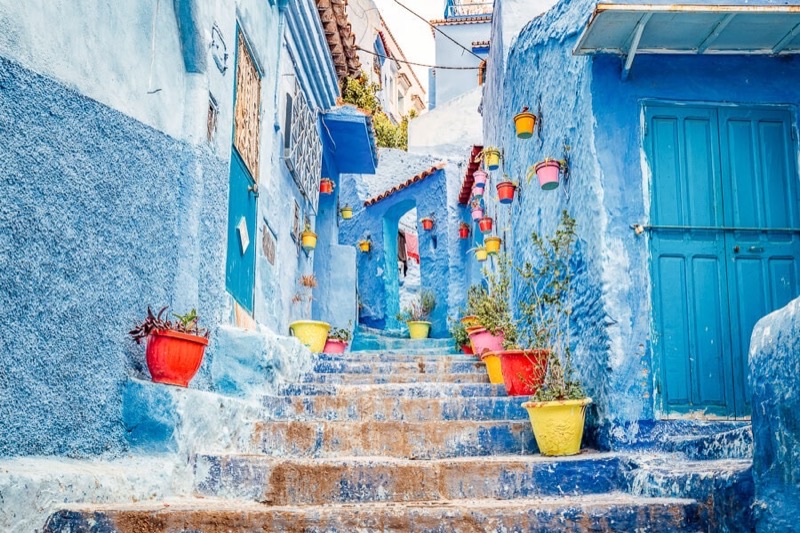
Choose Morocco if you crave profound cultural immersion and an authentic, budget-friendly adventure. It's best for travelers eager to get lost in the labyrinthine souks of Marrakech, explore the ancient tanneries of Fes, or embark on a magical camel trek through the Sahara Desert, offering a truly distinct experience for around $40-80 daily.
Choose Spain
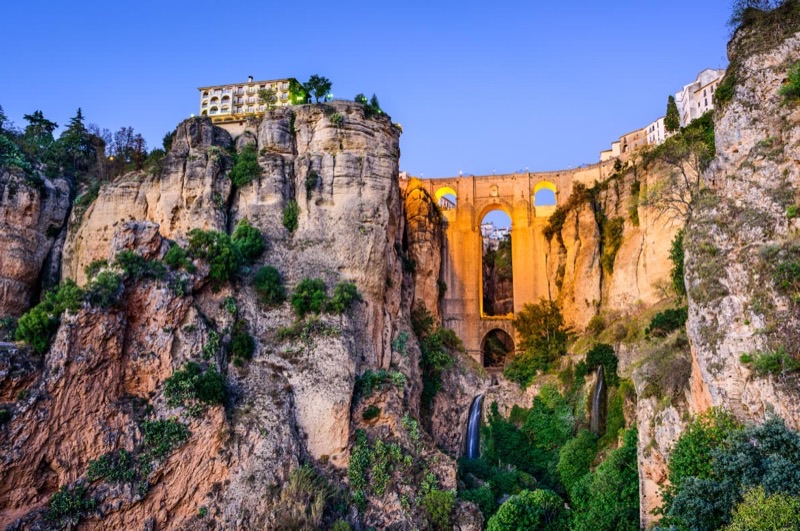
Opt for Spain if you prioritize seamless travel and a diverse mix of iconic Western European experiences. It's best for those who want to effortlessly explore Gaudí's masterpieces in Barcelona, indulge in tapas culture in Seville, or unwind on the sun-drenched beaches of Andalusia, all within a familiar and convenient framework typically costing $70-150 per day.
📊 Visual Scorecard
🌤 When to Visit
Average high temperatures (°C). Green = best months, orange = avoid.
Quick Comparison
| Category | Morocco | Spain | Winner |
|---|---|---|---|
| Costs & Budget | Significantly more affordable across the board, from food to accommodation and transport. | Higher costs, comparable to Western Europe, but offers good value outside major cities. | Morocco |
| Culture & Heritage | Deep North African, Berber, and Arab Islamic traditions, medinas, mosques, ancient ruins. | European history with Roman, Moorish, and Catholic influences, diverse regional identities. | Morocco |
| Food & Drink | Spice-forward tagines, couscous, pastilla, fresh mint tea, street food in medinas. | Tapas culture, paella, jamon, seafood, diverse regional cuisines, wine, sangria. | Spain |
| Safety & Security | Generally safe but requires awareness of petty theft, aggressive touts, and cultural norms. | Very safe overall, typical European precautions for pickpocketing in tourist areas. | Spain |
| Getting Around | Trains between major cities, grand taxis, local buses, walking in medinas, less developed infrastructure. | Extensive high-speed train network, reliable buses, good road infrastructure, easy city transport. | Spain |
| Nature & Landscapes | Sahara Desert, Atlas Mountains, Atlantic coastline, Todra Gorge, Dades Valley. | Pyrenees, Picos de Europa, Mediterranean beaches, Canary Islands, diverse national parks. | Tie |
| Beaches & Coastline | Atlantic surf spots, rugged coast, some Mediterranean stretches, cultural beach towns. | Extensive Mediterranean and Atlantic coasts, popular holiday resorts, islands with clear waters. | Spain |
| Nightlife & Entertainment | More subdued, late-night tea houses, cultural shows, some hotel bars in major cities. | Lively, late-night dining, bars, clubs, flamenco shows, diverse music scenes. | Spain |
| Accommodation | Riads, guesthouses, budget hostels, desert camps; unique traditional stays. | Hotels, hostels, apartments, paradores; varied options from budget to luxury. | Morocco |
| Day Trips & Excursions | Atlas Mountains, Sahara Desert, coastal towns, ancient ruins from major cities. | Historic cities, national parks, wineries, coastal villages, accessible from major hubs. | Spain |
💰 Costs & Budget
Morocco is consistently cheaper for nearly every travel expense. A typical meal at a local restaurant or street stall like a tagine or pastilla costs 30-70 MAD (~$3-7 USD). Budget…
Morocco
Spain
Morocco is consistently cheaper for nearly every travel expense. A typical meal at a local restaurant or street stall like a tagine or pastilla costs 30-70 MAD (~$3-7 USD). Budget accommodation, such as a riad guesthouse in Marrakech or Fes, runs 200-400 MAD (~$20-40 USD) per night. Intercity train travel, say from Casablanca to Marrakech, is about 90-150 MAD (~$9-15 USD). Daily budgets for comfortable travel often sit around $40-80 USD, excluding major tours.
Spain's costs are higher, aligning with Western European prices. A standard meal in a mid-range restaurant in Seville or Barcelona is 15-25 EUR (~$16-27 USD). Hostel beds can be found for 25-40 EUR (~$27-43 USD) in cities, while basic hotel rooms start around 60-100 EUR (~$65-108 USD). High-speed train tickets, like Madrid to Barcelona, can be 40-80 EUR (~$43-86 USD). A reasonable daily budget for independent travelers is typically $70-150 USD. Morocco offers considerably better value for money.
- Winner: Morocco
- Why: Morocco provides a much lower cost of travel for food, accommodation, and local transport, stretching budgets further.
- Who this matters for: Travelers on a tight budget or those looking to extend their trip duration for less money.
🕌 Culture & Heritage
Morocco offers a profound immersion in a culture distinct from Europe. Cities like Fes and Marrakech preserve centuries-old medinas where daily life follows ancient patterns.…
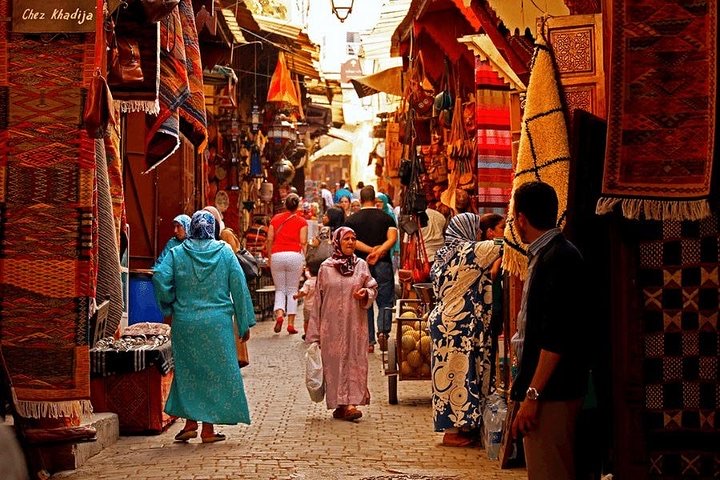
Morocco
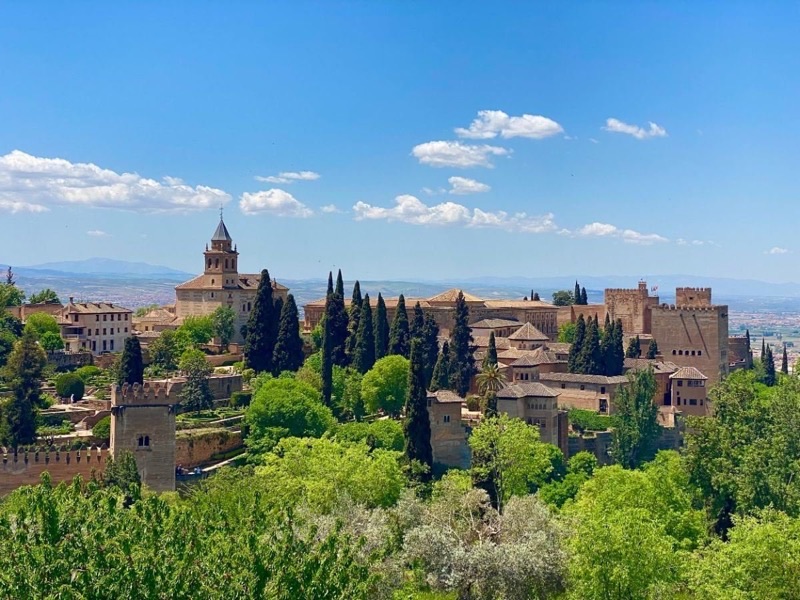
Spain
Morocco offers a profound immersion in a culture distinct from Europe. Cities like Fes and Marrakech preserve centuries-old medinas where daily life follows ancient patterns. Exploring the Fes el-Bali medina, a UNESCO site, involves navigating narrow alleyways filled with tanneries, souks, and historic madrassas like Al-Attarine. The call to prayer echoes through cities five times a day. Roman ruins at Volubilis provide a glimpse into ancient history, while the Hassan II Mosque in Casablanca displays intricate Islamic artistry. This is a country where cultural traditions are deeply woven into the everyday fabric.
Spain presents a blend of European cultures with significant historical layers. Moorish architecture, particularly the Alhambra in Granada and the Mezquita in Cordoba, showcases an Islamic past. Roman ruins are found across the country, like the aqueduct of Segovia. Gothic cathedrals, such as Seville Cathedral, demonstrate its Catholic heritage. Each region, from Andalusia to Catalonia, has unique traditions, food, and even languages (Catalan, Basque, Galician). While rich, Spain's cultural experience is generally more aligned with Western norms. Morocco offers a more distinctly different cultural experience.
- Winner: Morocco
- Why: Morocco provides a more intense and historically preserved cultural immersion, distinctly different from Western norms.
- Who this matters for: Travelers seeking a dramatic shift in cultural environment and ancient traditions.
🍽️ Food & Drink
Moroccan food emphasizes slow-cooked stews, aromatic spices, and fresh ingredients. Tagines, a slow-cooked dish with meat or vegetables, are a staple, often served with bread.…
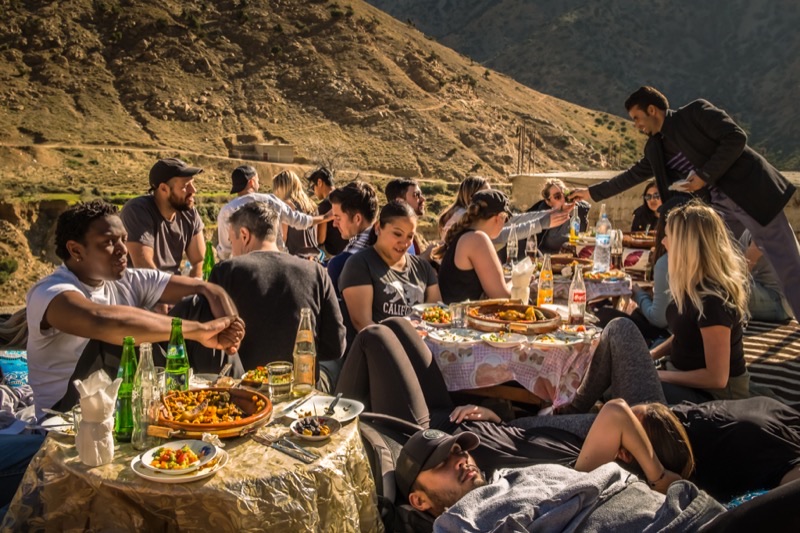
Morocco
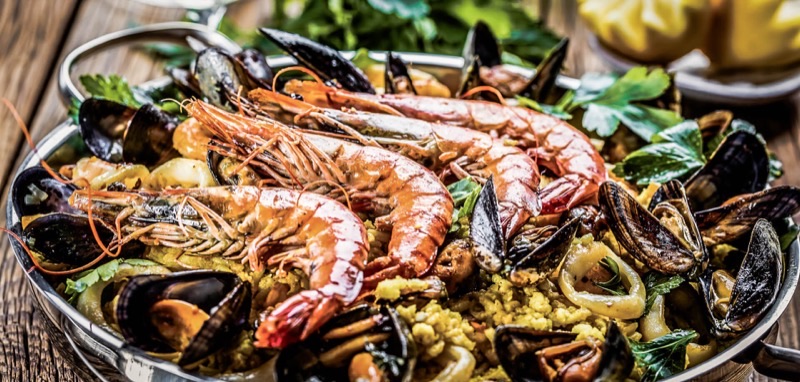
Spain
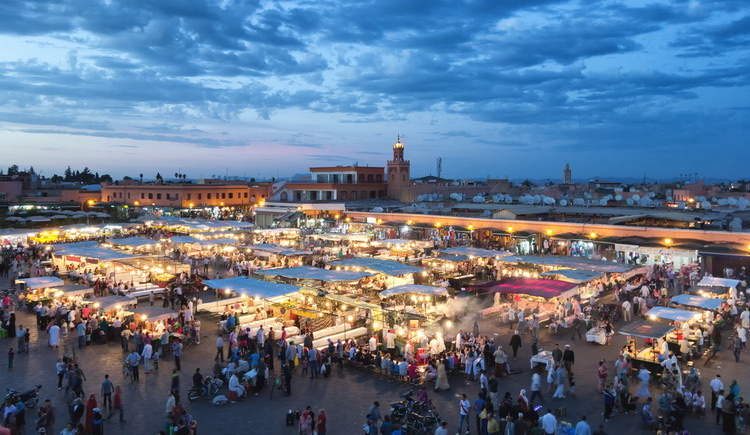
Moroccan food emphasizes slow-cooked stews, aromatic spices, and fresh ingredients. Tagines, a slow-cooked dish with meat or vegetables, are a staple, often served with bread. Couscous is traditionally eaten on Fridays. Pastilla, a savory-sweet pastry, is a specialty. Street food in Jemaa el-Fna square in Marrakech includes harira soup, grilled meats, and snails, typically costing 10-50 MAD (~$1-5 USD). Mint tea is a ceremonial drink offered everywhere. While delicious, the variety of dishes on a daily basis can feel less diverse for longer trips.
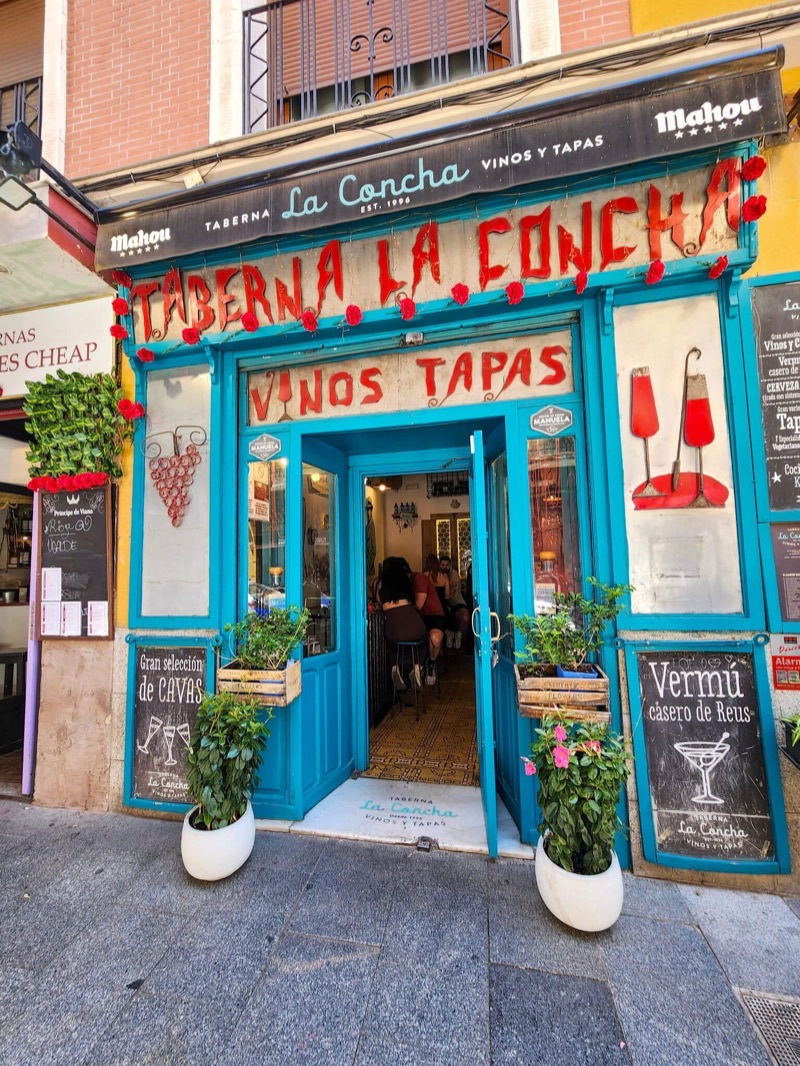
Spanish cuisine offers incredible variety and a strong emphasis on social dining. Tapas allow sampling many small dishes, from patatas bravas to gambas al ajillo, often costing 3-8 EUR (~$3-9 USD) per plate. Paella, particularly in Valencia, is a rice dish with seafood or meat. Jamon Iberico is a cured ham found across the country. Each region has specialties: pintxos in Basque Country, fresh seafood in Andalusia. Spain also has a strong wine culture and drinks like sangria. The accessibility of different cuisines and dining experiences, from high-end restaurants to casual bars, gives Spain the edge. Spain offers a broader range of culinary experiences.
- Winner: Spain
- Why: Spain's tapas culture, regional culinary diversity, and developed restaurant scene provide a wider and more varied food experience.
- Who this matters for: Food enthusiasts who enjoy sampling many small dishes and a greater variety of dining styles.
🚨 Safety & Security
Morocco is generally safe for travelers, but requires a higher level of situational awareness. Petty theft, especially pickpocketing, can occur in crowded medinas like Marrakech's…

Morocco
Spain
Morocco is generally safe for travelers, but requires a higher level of situational awareness. Petty theft, especially pickpocketing, can occur in crowded medinas like Marrakech's Jemaa el-Fna. Aggressive touts and unofficial guides are common in tourist areas; a firm 'no' is usually sufficient. Women may experience unwanted attention, particularly if traveling solo, though serious incidents are rare. Scams involving incorrect change or inflated prices are prevalent. It is advisable to be cautious, avoid walking alone at night in unfamiliar areas, and dress respectfully, especially outside major cities.
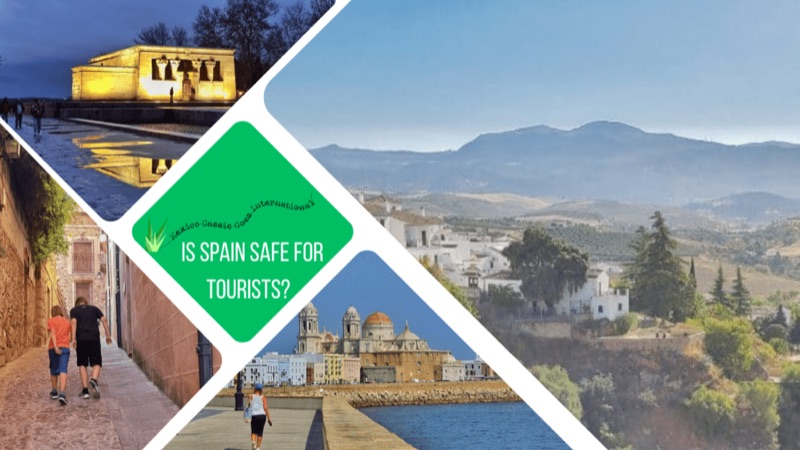
Spain is a very safe country for tourists. Major concerns are pickpocketing in crowded tourist zones, such as Barcelona's Las Ramblas or Madrid's Plaza Mayor. Violent crime against tourists is uncommon. Public transport is safe even at night. Standard precautions, like keeping valuables secure and being aware of surroundings, are usually enough. The infrastructure and policing are robust. Compared to Morocco, travelers can generally relax more and worry less about minor harassments or scams. Spain provides a more secure and relaxed travel environment.
- Winner: Spain
- Why: Spain offers a higher level of personal security and fewer common nuisances like aggressive touts or petty scams.
- Who this matters for: First-time international travelers, solo female travelers, and those prioritizing a worry-free environment.
🚗 Getting Around
Morocco's transportation system serves its purpose but requires patience. ONCF trains connect major cities like Tangier, Casablanca, Rabat, and Marrakech reliably. A train from…
Morocco
Spain
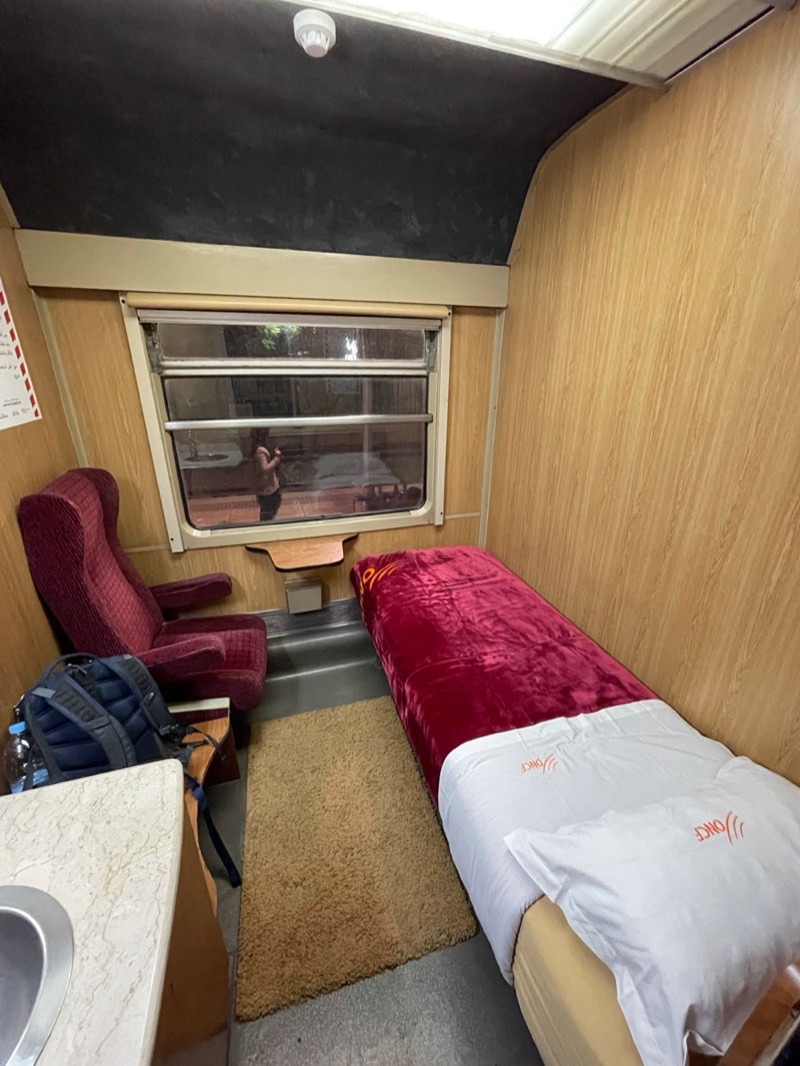
Morocco's transportation system serves its purpose but requires patience. ONCF trains connect major cities like Tangier, Casablanca, Rabat, and Marrakech reliably. A train from Marrakech to Fes takes about 7-8 hours and costs around 200 MAD (~$20 USD). For shorter distances or smaller towns, grand taxis (shared taxis) and CTM/Supratours buses are options. Within medinas, walking is the primary mode, and cars are often not permitted. Navigation can be confusing, and drivers may require negotiation. Ride-sharing apps like Careem operate in some cities but are less widespread than in Spain.
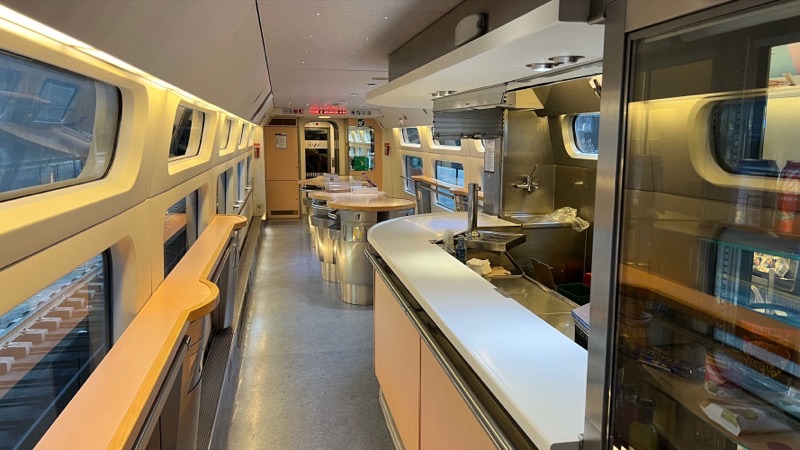
Spain boasts a modern and efficient transportation network. Renfe's high-speed AVE trains connect major cities quickly; Madrid to Seville takes about 2.5 hours and costs 50-80 EUR (~$54-86 USD). Regional trains and an extensive bus system (ALSA is a major operator) serve smaller towns. City public transport (metros, buses, trams) is clean, punctual, and easy to use. Rental cars are popular for exploring rural areas, with excellent road infrastructure. Everything is well-signposted and user-friendly, reducing travel stress. Spain offers significantly more convenient and faster travel options.
- Winner: Spain
- Why: Spain's modern, extensive, and efficient public transportation network makes getting around far easier and quicker.
- Who this matters for: Travelers who value speed, convenience, and predictable transit times between destinations.
🏞️ Nature & Landscapes
Morocco's landscapes are dramatic and diverse. The Sahara Desert near Merzouga offers camel treks and stargazing, with overnight stays in desert camps starting from 600 MAD (~$60…
Morocco's landscapes are dramatic and diverse. The Sahara Desert near Merzouga offers camel treks and stargazing, with overnight stays in desert camps starting from 600 MAD (~$60 USD). The High Atlas Mountains provide hiking opportunities, with peaks reaching over 4,000 meters (13,000 feet) and villages like Imlil serving as bases. The Todra Gorge and Dades Valley feature impressive rock formations and palm groves. Along the Atlantic coast, fishing towns like Essaouira offer beaches and sea air. The natural attractions are raw and expansive.
Spain showcases a wide array of natural environments. The Pyrenees mountains offer skiing and hiking, while the Picos de Europa provide rugged, green landscapes. Its Mediterranean coast features popular beaches like those in Costa del Sol or along the Balearic Islands. The Canary Islands, off the African coast, boast volcanic landscapes and year-round pleasant weather. National parks like Doñana or Timanfaya offer unique ecosystems. Both countries provide incredible natural settings, but with distinct characteristics. The choice depends on specific landscape preferences.
- Winner: Tie
- Why: Both countries offer incredible natural diversity, from deserts and mountains to extensive coastlines, appealing to different preferences.
- Who this matters for: Nature lovers who enjoy variety; those seeking desert and high mountains will prefer Morocco, while Spain offers more beach and diverse European mountain experiences.
🏖️ Beaches & Coastline
Morocco's coastline, particularly along the Atlantic, offers expansive, often less developed beaches. Essaouira is known for its strong winds, making it popular for kitesurfing…
Morocco's coastline, particularly along the Atlantic, offers expansive, often less developed beaches. Essaouira is known for its strong winds, making it popular for kitesurfing and windsurfing, with lessons around 300-500 MAD (~$30-50 USD). Agadir has a longer, more tourist-focused beach promenade. The Mediterranean coast near Tangier and Tetouan also has beaches, but they are generally less developed for international tourism. While some spots are beautiful, the beach culture is not as central to the Moroccan experience as it is in Spain, and facilities can be basic. Beaches often require more cultural awareness in terms of dress.
Spain has a vast and varied coastline on both the Mediterranean and Atlantic. The Mediterranean coast features popular stretches like the Costa del Sol, Costa Brava, and Valencia, with extensive sandy beaches, clear waters, and abundant facilities. The Balearic Islands (Mallorca, Ibiza, Menorca) and Canary Islands (Tenerife, Gran Canaria) are famous for their beaches, coves, and water activities. Surfing is popular on the Atlantic coast in places like San Sebastian. Spain offers established beach resorts, a relaxed beach culture, and significantly more options for traditional beach holidays. Spain is the clear choice for beach enthusiasts.
- Winner: Spain
- Why: Spain provides a far greater quantity and variety of established beaches, clear waters, and developed beach tourism infrastructure.
- Who this matters for: Travelers prioritizing traditional beach holidays, swimming, sunbathing, and established coastal resorts.
🌃 Nightlife & Entertainment
Moroccan nightlife is generally more subdued and culturally focused. In major cities like Marrakech, you can find late-night tea houses, cafes, and some hotel bars serving…
Moroccan nightlife is generally more subdued and culturally focused. In major cities like Marrakech, you can find late-night tea houses, cafes, and some hotel bars serving alcohol. Jemaa el-Fna square remains lively into the evening with storytellers, musicians, and food stalls, but it is not a 'clubbing' scene. Live music often involves traditional Moroccan performances. Alcohol consumption is less prevalent in public spaces due to cultural norms. While a specific kind of night out can be found, it is not the party destination that some travelers seek.
Spain is renowned for its late-night culture. Dinner often starts around 9-10 PM, and bars and clubs typically open late, staying busy until the early morning hours. Cities like Madrid, Barcelona, and Ibiza are famous for their club scenes, with many venues like Pacha and Privilege drawing large crowds. Flamenco shows, particularly in Andalusia (e.g., Casa de la Memoria in Seville, tickets around 20-30 EUR (~$22-33 USD)), offer a passionate cultural entertainment option. Spanish cities offer a wide range of bars, pubs, and live music venues, catering to all tastes. Spain offers a more dynamic and accessible nightlife.
- Winner: Spain
- Why: Spain has a significantly more developed, diverse, and accessible nightlife, from late-night dining and bars to world-famous clubs and cultural shows.
- Who this matters for: Travelers looking for vibrant evening entertainment, late-night dining, and dancing.
🏨 Accommodation
Morocco excels in offering charming and traditional accommodation types that are often budget-friendly. Riads, traditional Moroccan houses with interior courtyards, provide a…
Morocco excels in offering charming and traditional accommodation types that are often budget-friendly. Riads, traditional Moroccan houses with interior courtyards, provide a peaceful oasis, with rooms often costing 300-600 MAD (~$30-60 USD) in cities like Marrakech or Fes. Guesthouses are common, and hostels offer dormitory beds for 80-150 MAD (~$8-15 USD). Unique experiences include overnight stays in desert camps in the Sahara, which can range from basic to luxury. Even higher-end riads are generally more affordable than comparable luxury stays in Spain. The traditional character of Moroccan lodging is a significant draw.
Spain offers a wide array of accommodation, from budget hostels (25-40 EUR (~$27-43 USD) for a dorm) and international hotel chains to boutique hotels and vacation rentals. Paradores, historic buildings converted into luxury hotels, provide a unique experience. While there are many options, comparable quality in Spain generally comes at a higher price point than in Morocco. A mid-range hotel room might cost 80-150 EUR (~$86-163 USD). While Spain has quantity, Morocco often provides more character and value for its price. Morocco wins for distinctive and affordable traditional stays.
- Winner: Morocco
- Why: Morocco offers unique, charming, and significantly more affordable traditional accommodation options like riads.
- Who this matters for: Travelers seeking atmospheric, culturally specific lodging at a lower price point.
🗺️ Day Trips & Excursions
Morocco offers several compelling day trips from its main cities. From Marrakech, popular excursions include trips to the Atlas Mountains and the Ouzoud Waterfalls, or a longer,…
Morocco offers several compelling day trips from its main cities. From Marrakech, popular excursions include trips to the Atlas Mountains and the Ouzoud Waterfalls, or a longer, multi-day trip to the Sahara Desert, which is an experience in itself. Essaouira, a coastal town, is a common day trip from Marrakech. From Fes, Volubilis and Meknes offer historical insights. These trips often involve booking a tour or hiring a grand taxi, with prices varying significantly. While the destinations are compelling, logistics for independent day trips can be less straightforward compared to Spain.
Spain excels in the ease and variety of its day trips due to its efficient transport system. From Madrid, you can easily reach Toledo, Segovia (known for its aqueduct and Alcazar), and El Escorial by train in under an hour for around 10-20 EUR (~$11-22 USD) round trip. From Seville, Cordoba and Granada are accessible, offering the Mezquita and Alhambra respectively. Coastal towns like Sitges near Barcelona, or wineries in La Rioja, are also easy day trips. The convenience of high-speed trains and organized tours means travelers can explore many diverse places with minimal hassle. Spain offers more readily accessible and diverse day trip opportunities.
- Winner: Spain
- Why: Spain offers a greater variety of easily accessible day trips to historic cities, natural parks, and cultural sites via efficient public transport.
- Who this matters for: Travelers who enjoy exploring surrounding areas from a central base with minimal logistical effort.
🎯 The Decision Framework
Choose Morocco If…
- You want to spend less than $80 USD per day for comfortable travel.
- You are looking for a profound cultural shift and ancient traditions.
- You want to explore historic medinas that feel like stepping back centuries.
- You are excited by the idea of camel trekking and sleeping in the Sahara Desert.
- You enjoy bargaining in souks for unique crafts like leather and ceramics.
- You prioritize traditional guesthouses (riads) over modern hotels.
- You are comfortable with a less developed tourist infrastructure and occasional negotiation.
- You are seeking distinctive North African architecture and design.
Choose Spain If…
- You prefer the convenience and speed of modern European transportation systems.
- You want a wide array of culinary experiences, especially tapas and regional dishes.
- You prioritize personal security and a relaxed travel environment.
- You want extensive options for traditional beach holidays and clear waters.
- You enjoy a vibrant late-night culture with diverse bars and clubs.
- You appreciate Roman, Moorish, and Catholic historical layers in architecture.
- You plan many day trips to historic cities and national parks via train.
- You are looking for specific European mountain ranges like the Pyrenees or Picos de Europa.
📅 Sample Itineraries
Weekend in Morocco (3 Days)
💡 Haggle for souvenirs in the souks; starting at 50% of the asking price can lead to fair deals and save you money.
Weekend in Spain (3 Days)
💡 Purchase a Madrid Tourist Pass for free public transport and discounts on attractions, saving time and money on multiple entries.
One Week in Morocco (7 Days)
💡 Negotiate taxi fares before getting in; a ride within Marrakech should not cost more than $5-7 for most central routes.
One Week in Spain (7 Days)
💡 Book Alhambra tickets at least 2-3 months in advance to secure your preferred time slot, as they sell out quickly.
❓ Frequently Asked Questions
What's the best way to travel between Morocco and Spain?
The most common and efficient way is by ferry across the Strait of Gibraltar. Ferries run frequently from Tarifa or Algeciras in Spain to Tangier in Morocco. The fast ferry from Tarifa to Tangier Ville takes about 1 hour and costs around 35-50 EUR (~$38-54 USD) one way.
How many days are recommended for each country?
For a good introduction to Morocco, 7-10 days allows you to visit Marrakech, Fes, and potentially a desert trip. For Spain, 7-10 days can cover a region like Andalusia or a couple of major cities like Madrid and Barcelona. To see both, plan for at least 14 days.
What are typical visa requirements for US citizens?
US citizens do not need a visa for stays up to 90 days in both Morocco and Spain (as part of the Schengen Area). Ensure your passport is valid for at least 6 months beyond your intended departure date.
What about language differences?
In Morocco, the official languages are Arabic and Berber, with French widely spoken in cities. In Spain, Spanish (Castilian) is the official language, and regional languages like Catalan, Basque, and Galician are also spoken. English is more commonly understood in tourist areas of Spain than in Morocco.
Which country is better for solo female travelers?
Spain is generally considered easier and safer for solo female travelers due to its lower rates of harassment and more familiar cultural context. Morocco requires a higher level of caution regarding unwanted attention and adherence to local dress codes, though many women travel solo without major issues.
Are specific vaccines required?
No specific vaccines are required for entry into either Morocco or Spain from the US, beyond routine vaccinations. It's always advisable to consult a travel doctor for personalized recommendations based on your itinerary and medical history.
What's the best time of year to visit?
Spring (April-May) and Fall (September-October) offer the best weather for both countries. Temperatures are mild, generally ranging from 18-28°C (65-82°F), avoiding the intense heat of summer and the cooler, wetter winters.
Is travel insurance recommended?
Yes, travel insurance is highly recommended for both destinations. It provides coverage for medical emergencies, trip cancellations, lost luggage, and other unforeseen events, offering peace of mind for an average cost of $50-150 depending on coverage.
Ready to plan your next trip?
Get a free custom itinerary for Morocco, Spain, or both — built from real traveler insights.
👥 Travelers Also Compared
🎟️ Book Tours & Experiences
Hand-picked tours and activities for both destinations — book with free cancellation
Experiences via Viator — free cancellation on most tours