How we built this comparison
This page combines traveler discussion patterns, published price ranges, flight schedules, and seasonal data to help you decide between Morocco and Tanzania.
- Reviewed 50+ Reddit threads from r/travel, r/solotravel, r/Morocco, r/Tanzania, and r/AfricaTravel.
- Verified costs and logistics against current booking platforms like Google Flights, Booking.com, and safari operator sites.
- Cross-referenced seasonal patterns and weather data from meteorological sources for optimal travel times.
⚡ Quick Answers
⚡ The TL;DR Verdict
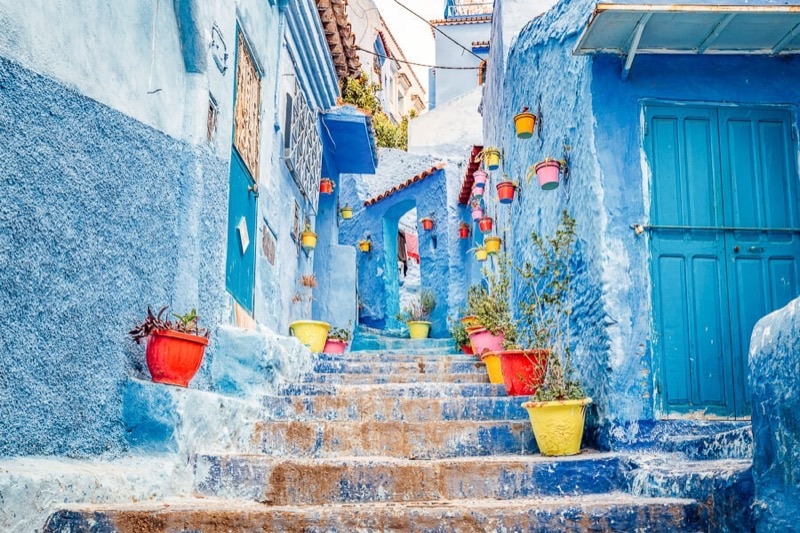
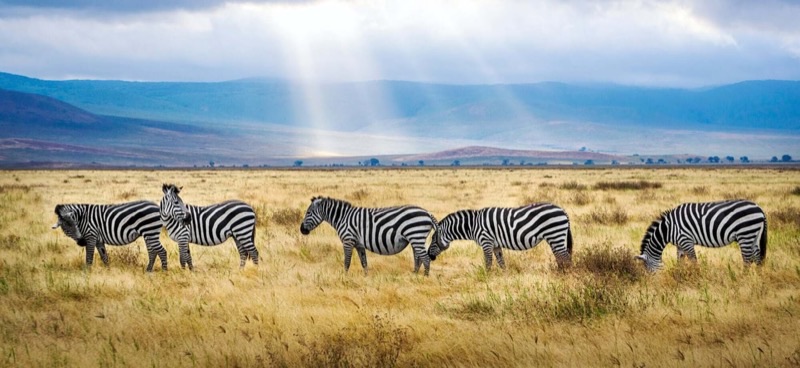
Morocco offers accessible culture and budget travel, often for $50-80 a day. Tanzania delivers prime wildlife safaris and beach escapes, with daily costs from $150 to over $500 depending on safari type. For most travelers seeking diverse experiences without needing a significant budget for wildlife, Morocco is the stronger pick.
- Choose Morocco: Travelers prioritizing cultural immersion, historic cities, diverse landscapes from desert to coast, and a tighter budget should pick Morocco. It is easier to navigate independently and offers a robust food scene.
- Choose Tanzania: Travelers with a primary focus on world-class wildlife safaris, Indian Ocean beaches, and mountaineering (Kilimanjaro) should choose Tanzania. Be ready for higher costs and a slower pace outside main tourist areas.
- Choose Both: Combining these two requires at least three weeks and a substantial travel budget, as direct flights are rare and expensive. It is best to pick one for a typical two-week trip to immerse deeply in either experience.
Choose Morocco
Opt for Morocco if you're a budget-conscious culture seeker eager to dive into vibrant souks, explore ancient medinas like Fes, or trek the Atlas Mountains. It's best for independent travelers who thrive on immersive experiences, diverse landscapes from desert to coast, and a fantastic culinary scene, all typically within a $50-80 daily budget.
Choose Tanzania
Tanzania is your ultimate destination if world-class wildlife safaris are your priority, offering unparalleled game viewing in the Serengeti and Ngorongoro Crater. It's best for adventure travelers prepared for a higher budget (typically $150-$500+ daily) who dream of spotting the Big Five, relaxing on Zanzibar's pristine beaches, or conquering Kilimanjaro.
📊 Visual Scorecard
🌤 When to Visit
Average high temperatures (°C). Green = best months, orange = avoid.
Quick Comparison
| Category | Morocco | Tanzania | Winner |
|---|---|---|---|
| Culture & History | Ancient medinas, Roman ruins, Berber traditions, Islamic architecture. | Swahili coast history, Maasai and Hadzabe cultures, Olduvai Gorge. | Morocco |
| Wildlife & Nature | Sahara Desert, Atlas Mountains, limited wildlife viewing. | Big Five safaris, Great Migration, diverse ecosystems, Kilimanjaro. | Tanzania |
| Beaches | Atlantic coast, Essaouira, Agadir, surf spots. | Indian Ocean, Zanzibar, Mafia, clear waters, coral reefs. | Tanzania |
| Food & Drink | Tagine, couscous, pastilla, mint tea, street food. | Swahili cuisine, seafood, Zanzibar spices, ugali. | Morocco |
| Costs & Budget | Budget-friendly, hostels, local transport, street food. | Higher costs, especially safaris and flights, luxury focus. | Morocco |
| Getting There & Around | Good flight connections, extensive train network, intercity buses. | Limited direct flights, mostly domestic flights, long bus journeys. | Morocco |
| Accommodation | Riads, hostels, traditional guesthouses, varied budgets. | Safari lodges, resorts, basic guesthouses, limited budget options. | Tie |
| Safety & Health | Low violent crime, petty theft, scams, stomach issues. | Low violent crime, malaria risk, road safety, stomach issues. | Tie |
| Shopping | Souks, leather goods, carpets, ceramics, spices. | Maasai crafts, Tanzanite, carved wood, limited variety. | Morocco |
| Solo Travel | Common, good infrastructure, can attract unwanted attention. | Less common, mostly group safaris, some areas are remote. | Morocco |
📜 Culture & History
Morocco presents a deep dive into ancient civilizations and living traditions. Cities like Fes and Marrakech offer medinas where life has proceeded with little change for…
Morocco
Tanzania
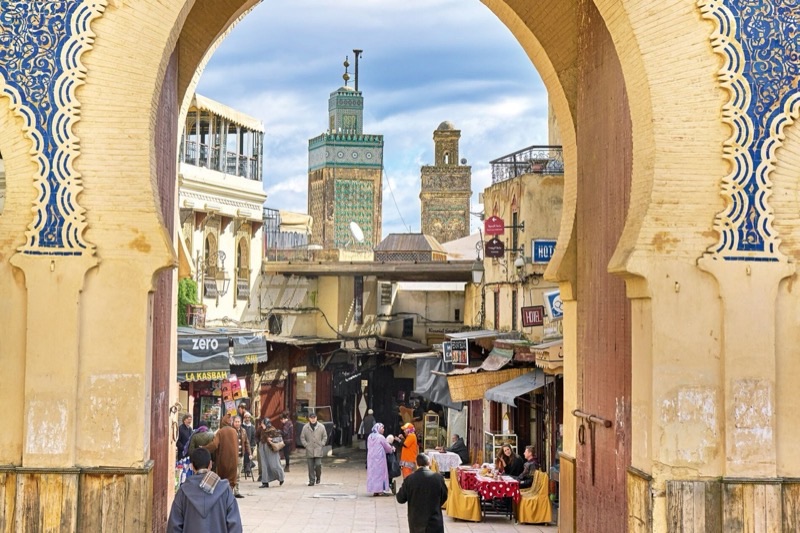
Morocco presents a deep dive into ancient civilizations and living traditions. Cities like Fes and Marrakech offer medinas where life has proceeded with little change for centuries. The Fes el-Bali medina, for instance, has narrow alleys and active souks. You can explore sites like the Chouara Tannery or the Al-Attarine Madrasa. Outside cities, the Roman ruins of Volubilis stand as a testament to former empires, with entrance typically around 70 MAD ($7). Berber culture is prominent in the Atlas Mountains and Sahara Desert regions, offering insights into traditional lifestyles through village visits and homestays. The cultural density here is high.
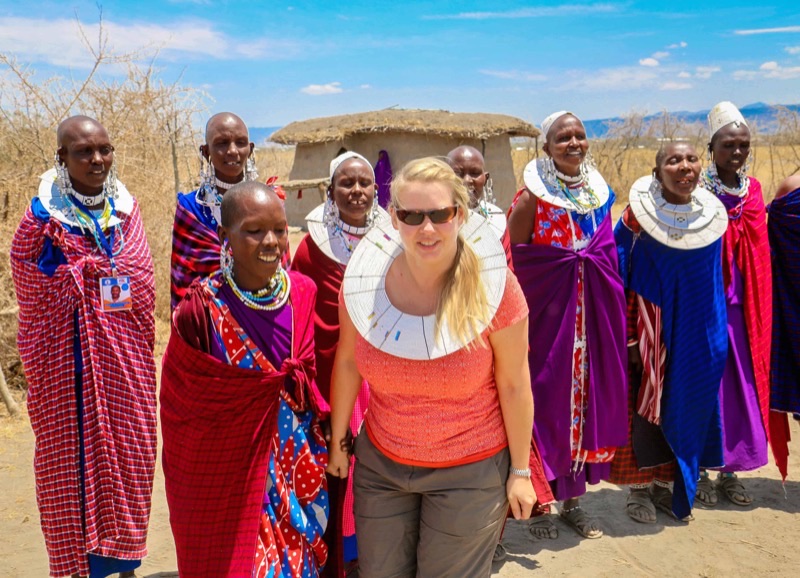
Tanzania offers a different historical perspective, primarily focused on human origins and the Swahili coast. Olduvai Gorge, often called the cradle of humankind, provides evidence of early human ancestors through fossil discoveries. A museum visit here costs around 25,000 TZS ($10-12). Along the coast, Zanzibar Stone Town, a UNESCO site, displays a history shaped by Arab, Persian, Indian, and European influences, visible in its architecture and markets. Exploring Stone Towns narrow streets, visiting the Old Fort or the House of Wonders, costs minimal for entry to most sites, perhaps 10,000 TZS ($4-5) per site. Indigenous cultures like the Maasai and Hadzabe offer cultural interactions, though some experiences can feel staged. For depth of historical sites and accessible cultural immersion, Morocco is the clear choice.
- Winner: Morocco
- Why: Morocco offers a more extensive and accessible range of historical sites and active traditional cultures for the independent traveler.
- Who this matters for: Travelers who prioritize daily cultural engagement and exploring ancient urban environments.
🦁 Wildlife & Nature
Moroccos natural landscape is defined by the Sahara Desert and the Atlas Mountains. The desert offers experiences like camel treks and overnight stays in Erg Chebbi or Erg…
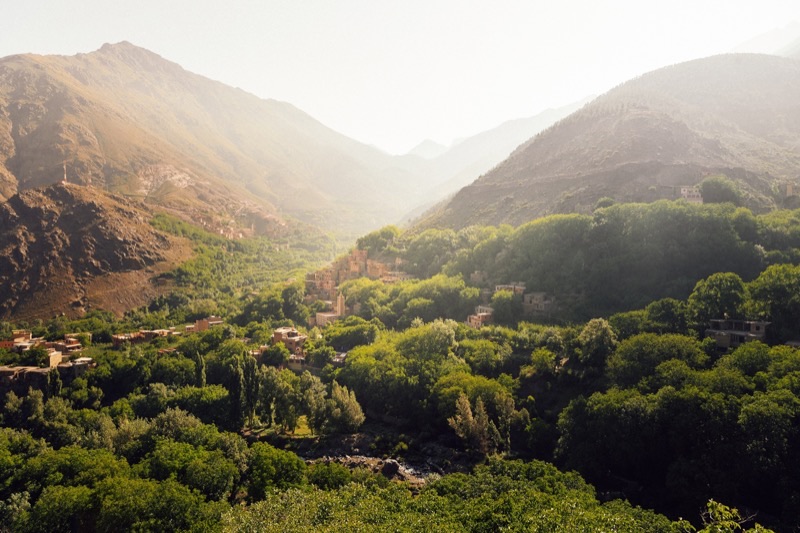
Morocco
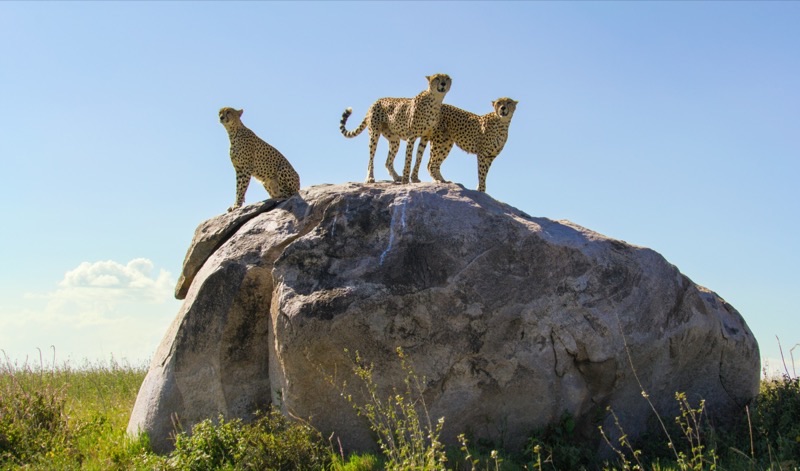
Tanzania
Moroccos natural landscape is defined by the Sahara Desert and the Atlas Mountains. The desert offers experiences like camel treks and overnight stays in Erg Chebbi or Erg Chigaga, with prices for a 2-day, 1-night desert trip from Marrakech starting around 800-1500 MAD ($80-150). The High Atlas Mountains provide opportunities for hiking, village visits, and exploring Toubkal National Park. While there are some wildlife reserves, like Souss-Massa National Park for birds, Moroccos wildlife observation does not compare to East Africa. Its natural draw is the dramatic scenery, geological formations, and the vast emptiness of the desert.
Tanzania is a premier destination for wildlife. The Serengeti National Park is central to the Great Migration, where millions of wildebeest and zebra move across the plains. Ngorongoro Crater offers a high density of wildlife within a caldera. Selous Game Reserve provides boat safaris alongside traditional vehicle safaris. A 3-day budget safari to Serengeti and Ngorongoro can cost from $700-$1200 per person, while mid-range options are $1500-$2500. Kilimanjaro, Africas highest peak, provides a significant challenge for climbers, with treks costing $2000-$4000 depending on route and duration. The diversity of ecosystems, from savannas to rainforests and volcanic peaks, combined with the sheer number of animals, establishes Tanzania as a leader in wildlife and natural experiences.
- Winner: Tanzania
- Why: Tanzania is an undisputed leader for large-scale wildlife viewing, particularly big game safaris and the Great Migration.
- Who this matters for: Travelers whose primary goal is seeing Africas iconic animals in their natural habitats.
🏖️ Beaches
Morocco has a long coastline along the Atlantic Ocean and a shorter stretch on the Mediterranean. The Atlantic coast is known for its strong waves, making it a good spot for…
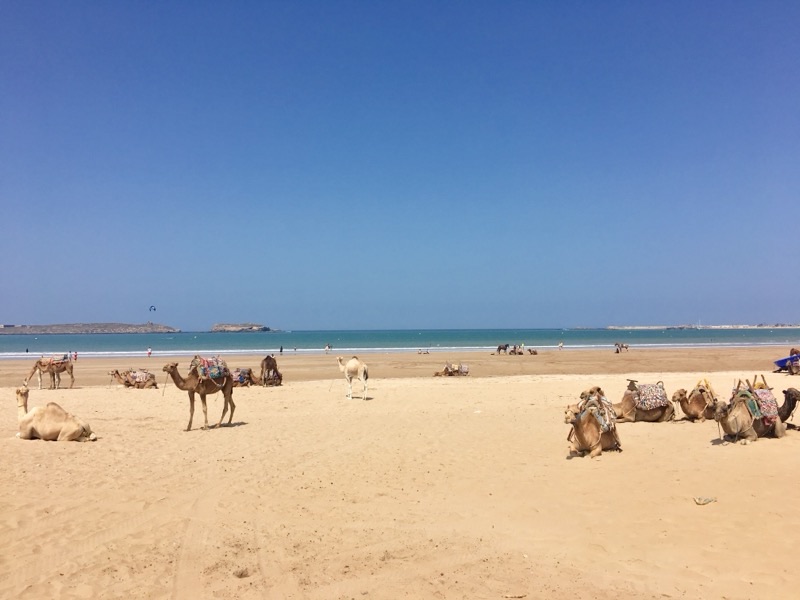
Morocco
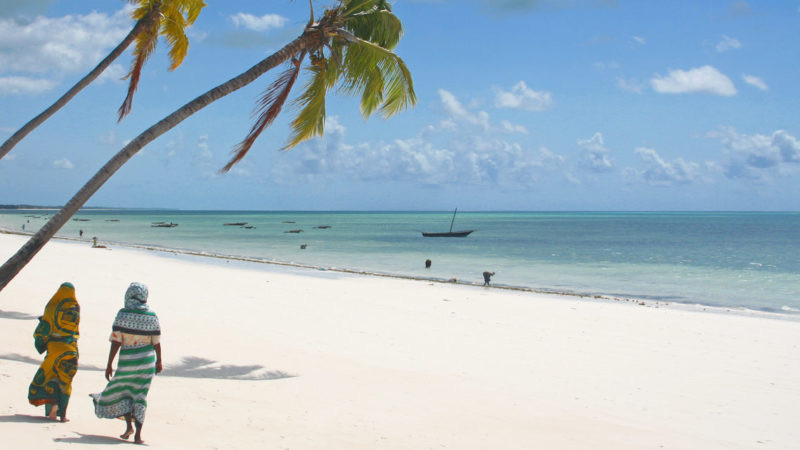
Tanzania
Morocco has a long coastline along the Atlantic Ocean and a shorter stretch on the Mediterranean. The Atlantic coast is known for its strong waves, making it a good spot for surfing, particularly around Taghazout and Essaouira. Essaouira offers a different coastal experience with its fortified medina meeting the sea, fishing boats, and a relaxed atmosphere. The beaches here are wide and sandy, suitable for walks and kitesurfing, but swimming can be rough. Agadir is a purpose-built resort town with a long sandy beach, offering typical sun-and-sand holidays. Expect fewer tranquil, clear-water swimming spots; Moroccos beaches are more about the atmosphere and water sports.
Tanzanias beaches along the Indian Ocean, especially those around Zanzibar, are world-class. Nungwi and Kendwa beaches in Zanzibar are known for their white sands, clear turquoise waters, and coral reefs, providing excellent snorkeling and diving opportunities. A typical snorkeling trip might cost $30-50. Mafia Island is a quieter alternative, ideal for diving with whale sharks (seasonal, around October-March) and exploring undisturbed marine parks. These islands offer palm-fringed shores, dhow cruises, and calm waters for swimming. The overall experience of tropical island relaxation and marine life access is significantly higher in Tanzania. For classic tropical beach holidays, Tanzania is the preferred destination.
- Winner: Tanzania
- Why: Tanzania offers superior tropical beaches with clear, warm waters and abundant marine life for swimming, snorkeling, and diving.
- Who this matters for: Travelers seeking idyllic tropical beach relaxation, snorkeling, and diving opportunities.
🥘 Food & Drink
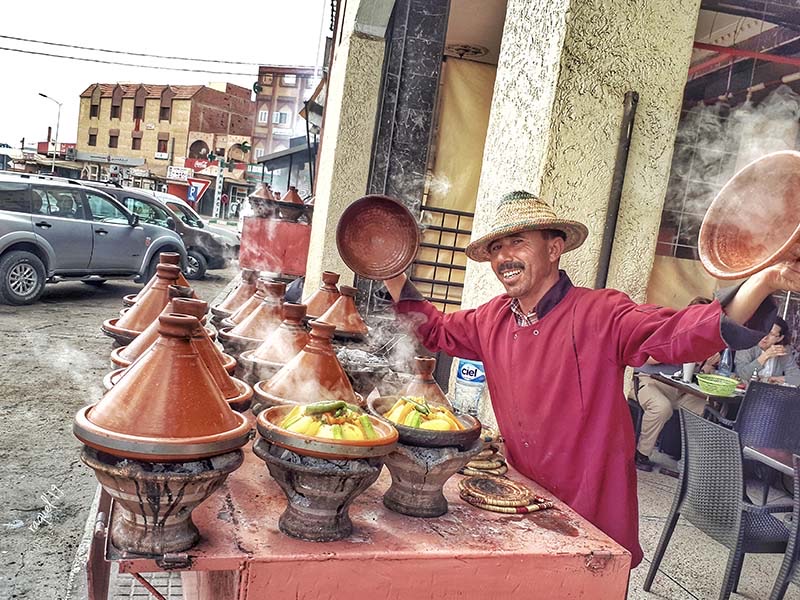
Moroccan cuisine is flavorful and diverse, with influences from Berber, Arab, Andalusian, and French traditions. Staples include tagine (slow-cooked stews), couscous (often served…
Morocco
Tanzania
Moroccan cuisine is flavorful and diverse, with influences from Berber, Arab, Andalusian, and French traditions. Staples include tagine (slow-cooked stews), couscous (often served on Fridays), and pastilla (savory-sweet pastry). Street food is a highlight, especially in Marrakech Jemaa el-Fna square, where you can find harira soup for 10-20 MAD ($1-2) or snail soup. A typical restaurant meal in a mid-range place costs 80-150 MAD ($8-15). Mint tea is a ceremonial drink offered everywhere. While alcohol is available in tourist hotels and some restaurants, it is not widely consumed culturally. The variety, accessibility, and robust flavors of Moroccan food are a constant presence.
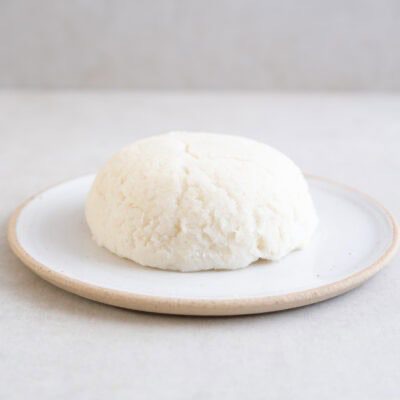
Tanzanian cuisine is primarily Swahili, influenced by Indian, Arab, and Portuguese elements. Staples include ugali (cornmeal porridge), pilau rice, and various stews. Seafood is prevalent along the coast, especially in Zanzibar, where fresh grilled fish can be found at local markets like Forodhani Gardens for around 15,000-30,000 TZS ($7-14). Zanzibar is also known for its spice tours, highlighting cloves, vanilla, and cinnamon. On safari, food is generally served buffet-style in camps and lodges, often featuring Western dishes alongside local options. Outside tourist areas, finding diverse restaurant options can be challenging. Local eateries serve inexpensive, basic meals for 5,000-10,000 TZS ($2-5). For sheer culinary depth, variety, and the ease of finding excellent meals at various price points, Morocco takes the lead.
- Winner: Morocco
- Why: Morocco provides a more developed and accessible culinary landscape with a wider range of distinctive dishes and street food culture.
- Who this matters for: Travelers who prioritize experiencing local cuisine as a central part of their journey and enjoy street food exploration.
💰 Costs & Budget
Morocco is generally a budget-friendly destination. A backpacker can manage on $40-60 per day, staying in hostels (100-150 MAD / $10-15), eating street food (20-50 MAD / $2-5 per…
Morocco
Tanzania
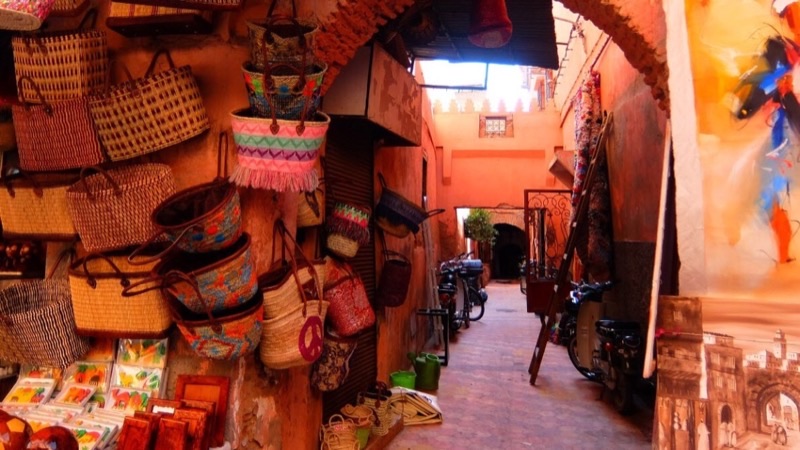
Morocco is generally a budget-friendly destination. A backpacker can manage on $40-60 per day, staying in hostels (100-150 MAD / $10-15), eating street food (20-50 MAD / $2-5 per meal), and using public transport like local buses or trains (train from Marrakech to Fes is around 200 MAD / $20). Mid-range travelers might spend $70-120 per day, staying in riads (300-600 MAD / $30-60) and eating at nicer restaurants. Activities like desert tours can be negotiated. The cost of living and travel within Morocco allows for extensive exploration without rapid budget depletion, especially if you are comfortable with local modes of travel and dining.
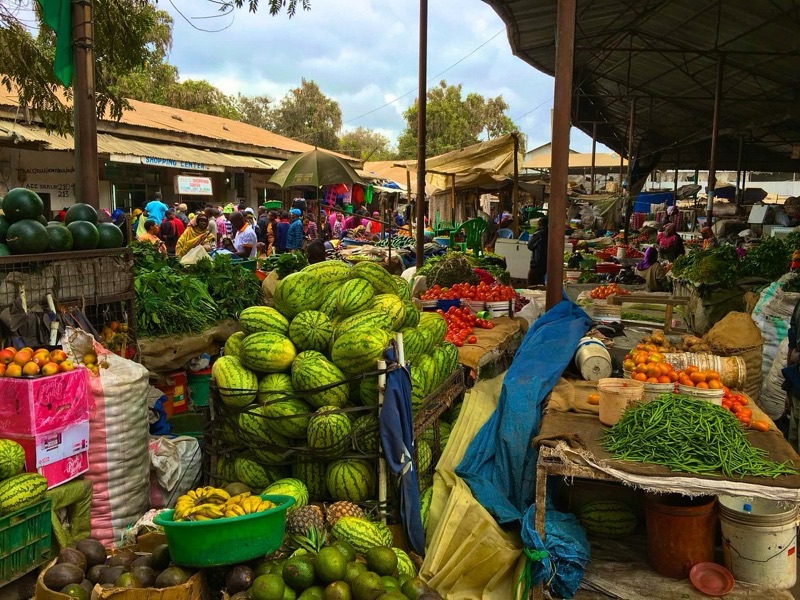
Tanzania is significantly more expensive, particularly due to safari costs. A basic budget safari typically starts around $200-350 per person per day for a group tour, excluding international flights. Mid-range safaris cost $400-800 per day, and luxury options can easily exceed $1000 per day. Accommodation outside safaris, especially in Zanzibar, can also be pricier, with mid-range hotels around $80-150 per night. Local food is cheap, but tourist-focused restaurants are on par with Western prices. Domestic flights between major hubs like Arusha, Dar es Salaam, and Zanzibar add up, often costing $80-200 per leg. For a similar length of trip, your budget will stretch much further in Morocco. Tanzania is not a budget travel destination unless you stick strictly to very local life and avoid major tourist activities. For overall travel affordability and stretching your money, Morocco is the clear choice.
- Winner: Morocco
- Why: Morocco is significantly more affordable for all types of travelers, with lower costs for accommodation, food, and transport.
- Who this matters for: Budget-conscious travelers and those looking to extend their trip duration without high daily expenses.
✈️ Getting There & Around
Getting to Morocco is straightforward with numerous direct flights from Europe (e.g., London to Marrakech in 3-4 hours, often under $100 with budget airlines). From North America,…
Getting to Morocco is straightforward with numerous direct flights from Europe (e.g., London to Marrakech in 3-4 hours, often under $100 with budget airlines). From North America, flights typically involve one layover and cost $700-1200. Once inside Morocco, an efficient and affordable train network connects major cities like Casablanca, Rabat, Fes, and Marrakech. A train from Marrakech to Fes takes about 7 hours and costs around 200 MAD ($20). Grand taxis and CTM/Supratours buses cover routes not served by trains, providing reliable intercity transport. Within cities, small taxis are metered and cheap. The infrastructure supports independent travel with ease.
Tanzania has fewer direct international flights, mostly connecting through Doha, Istanbul, Amsterdam, or Addis Ababa. Flights from Europe often cost $600-1000, while from North America, expect $1000-1500+ with at least one layover. Once in Tanzania, domestic flights are the preferred method for covering long distances, especially between safari hubs (Arusha), the coast (Dar es Salaam), and Zanzibar, which can add significant cost ($80-200 per flight). Overland travel by bus is possible but often involves long, uncomfortable journeys on varying road conditions. For instance, Dar es Salaam to Arusha is a 10-12 hour bus ride. Safari travel is typically organized by tour operators, including vehicle and driver. The ease and affordability of internal transport are much better in Morocco.
- Winner: Morocco
- Why: Morocco offers better international flight connectivity, a more developed and affordable public transport network, and easier independent travel.
- Who this matters for: Travelers who prefer independent exploration, rely on public transport, and seek convenient travel logistics.
🏨 Accommodation
Morocco offers a wide array of accommodation, catering to all budgets. Hostels are readily available in major cities like Marrakech and Fes, with dormitory beds from 80-150 MAD…
Morocco offers a wide array of accommodation, catering to all budgets. Hostels are readily available in major cities like Marrakech and Fes, with dormitory beds from 80-150 MAD ($8-15). Riads, traditional Moroccan houses with internal courtyards, provide a distinctive and atmospheric experience, ranging from 300 MAD ($30) for a budget option to 1500+ MAD ($150+) for luxury. Rural areas have guesthouses and auberges, especially in the Atlas Mountains and desert regions. Booking.com and Airbnb have extensive listings, making it easy to find suitable places. The quality for value is generally high, with many aesthetically pleasing options even at mid-range prices.
Tanzania's accommodation landscape is heavily influenced by safari and beach tourism. Safari lodges and tented camps in national parks are generally expensive, often included in safari package prices. These range from mid-range comfortable camps ($200-400 per night per person) to ultra-luxury options (over $1000). Outside safari areas, in cities like Dar es Salaam or Arusha, and on Zanzibar, you can find a mix of budget guesthouses (30,000-70,000 TZS / $14-30), mid-range hotels (70,000-200,000 TZS / $30-90), and beachfront resorts (often $100-300+). While you can find budget places in towns, the distinctive, character-filled mid-range options are less common than Moroccos riads. Both countries offer lodging suitable for their main attractions; Moroccos variety and value outside of ultra-luxury is good, while Tanzanias safari camps are key.
- Winner: Tie
- Why: Both countries offer appropriate accommodation for their primary travel experiences; Morocco excels in traditional guesthouses, while Tanzania offers unique safari lodges.
- Who this matters for: Travelers who prioritize either atmospheric traditional lodging (Morocco) or immersive safari camps (Tanzania).
🚨 Safety & Health
Morocco is generally safe for travelers, with low violent crime rates. The main concerns are petty theft, particularly in crowded medinas, and persistent touts or scammers trying…
Morocco is generally safe for travelers, with low violent crime rates. The main concerns are petty theft, particularly in crowded medinas, and persistent touts or scammers trying to lead you to shops or offer unsolicited tours. Common sense precautions like keeping valuables secure and being firm but polite in declining unwanted services are effective. Tap water is generally not safe to drink, so bottled water is essential. Stomach upsets can occur from unfamiliar food or water. Women traveling solo might experience more unwanted attention or verbal harassment, especially in big cities, but it rarely escalates to physical danger. Overall, the risks are manageable with awareness.
Tanzania also has a low rate of violent crime against tourists, though petty crime like pickpocketing can occur in urban areas, especially Dar es Salaam. The primary health concern is malaria, present in most areas below 1800m, requiring prophylaxis and mosquito bite prevention. Yellow fever vaccination may be required if arriving from an endemic country. Road safety is a concern due to poor road conditions and driving practices, making long-distance bus travel risky; internal flights are safer. Tap water is unsafe. Safari operators are generally professional regarding safety in national parks, but it is important to follow guide instructions around wildlife. Both countries require travelers to be aware of their surroundings and take health precautions. For different reasons, the overall safety profile presents comparable challenges.
- Winner: Tie
- Why: Both countries present distinct safety and health considerations that require traveler awareness and preparation, resulting in a comparable overall safety rating.
- Who this matters for: Travelers who prioritize understanding and mitigating specific regional risks, from petty crime to health concerns like malaria.
🛍️ Shopping
Shopping in Morocco is a core part of the travel experience, particularly in the labyrinthine souks of Fes and Marrakech. Here, you can find everything from intricate leather…
Shopping in Morocco is a core part of the travel experience, particularly in the labyrinthine souks of Fes and Marrakech. Here, you can find everything from intricate leather goods (bags, slippers) to hand-knotted Berber carpets, vibrant ceramics (especially from Safi and Fes), traditional clothing, spices, and argan oil products. Bargaining is expected and essential; starting at 30-50% of the initial asking price is a common strategy. A small leather bag might sell for 200-400 MAD ($20-40), while a medium carpet could range from 1000-5000 MAD ($100-500) depending on size and quality. The sensory overload and the hunt for unique items are a major draw. Shipping services are often available for larger purchases. This is not just shopping; it is cultural interaction.
Tanzania offers more limited shopping opportunities, primarily focused on souvenirs and specific crafts. Maasai crafts, such as beaded jewelry, spears, and wooden carvings, are popular, especially near national parks and in Arusha. Tanzanite, a blue-violet gemstone found only in Tanzania, is a significant purchase, but requires caution regarding authenticity and ethical sourcing. Prices for genuine Tanzanite vary widely based on carats and quality. Stone Town in Zanzibar has more varied options, including textiles, spices, and local artworks. Expect less aggressive bargaining than in Morocco. A small wooden carving might cost 15,000-30,000 TZS ($7-14). While you can find interesting items, the sheer volume, variety, and the immersive experience of shopping in Moroccos souks far surpass what Tanzania offers.
- Winner: Morocco
- Why: Morocco offers a more extensive, diverse, and engaging shopping experience with its ancient souks and a wider array of traditional goods.
- Who this matters for: Travelers who enjoy exploring local markets, haggling for goods, and bringing home unique artisanal products.
🚶♀️ Solo Travel
Solo travel in Morocco is common and relatively easy, particularly for men. The infrastructure of hostels, local transportation, and budget-friendly food makes it accessible.…
Solo travel in Morocco is common and relatively easy, particularly for men. The infrastructure of hostels, local transportation, and budget-friendly food makes it accessible. Meeting other travelers is straightforward in popular hostels and riads. Solo women travelers may experience more verbal harassment, catcalling, or unwanted attention, especially in cities like Marrakech and Fes. Dressing modestly and being assertive can help. Despite this, many women travel Morocco independently without serious issues, reporting a sense of adventure and personal growth. Guides are often hired for specific activities like desert treks or mountain hikes, but general touring is manageable alone. The ease of navigation and the density of attractions contribute to a good solo travel experience.
Tanzania is less common for solo independent travel, largely due to the nature and cost of safaris. Most safaris are group tours, which can be a good way to meet people, but solo supplements often apply, increasing costs significantly. Independent travel outside organized tours is challenging due due to vast distances, limited public transport in remote areas, and safety concerns in some urban centers. While places like Zanzibar are more amenable to solo exploration, getting between major points often requires internal flights or long, less comfortable bus rides. Finding budget accommodation and dining as a solo traveler can be harder outside tourist hubs. For a flexible and budget-conscious solo journey, Morocco provides a more accommodating environment. The overall ease of moving around and the prevalence of other solo travelers make Morocco the better choice for most solo adventurers.
- Winner: Morocco
- Why: Morocco offers better infrastructure, more budget-friendly options, and a more established network for independent solo travelers.
- Who this matters for: Solo travelers seeking ease of navigation, opportunities to meet others, and affordability without relying heavily on organized tours.
🎯 The Decision Framework
Choose Morocco If…
- You prioritize deep cultural immersion in ancient cities.
- You want to explore diverse landscapes, from desert dunes to mountain peaks.
- Your budget is $50-100 per day.
- You enjoy navigating busy markets and bargaining for goods.
- You appreciate complex, flavorful street food and traditional meals.
- You prefer easy, affordable public transport like trains and buses.
- You are comfortable with a certain level of direct interaction from vendors and touts.
- You are interested in historical sites like Roman ruins and medieval medinas.
Choose Tanzania If…
- Your primary travel goal is to see Africas iconic wildlife on safari.
- You seek idyllic tropical beaches with clear water for snorkeling and diving.
- You are prepared for a travel budget of $150-500+ per day.
- You want to climb Kilimanjaro or explore other significant natural landmarks.
- You prefer organized tours for major activities, like safaris.
- You are interested in the history of human origins and Swahili coastal culture.
- You are comfortable with internal flights for covering long distances.
- You want a quieter, more remote travel experience outside major cities.
📅 Sample Itineraries
Weekend in Morocco (3 Days)
💡 Purchase a local SIM card upon arrival for about $10 to save on international roaming and use navigation apps for the souks.
Weekend in Tanzania (3 Days)
💡 For Stone Town, wear comfortable shoes and be prepared for narrow, winding alleyways. Hiring a local guide for a few hours (around $25-40) can enhance your historical understanding.
One Week in Morocco (7 Days)
💡 Book your desert tour in advance, especially during peak season, to ensure availability and potentially better rates. Always confirm what's included in the tour price.
One Week in Tanzania (7 Days)
💡 Safaris are best booked through reputable tour operators well in advance, as permits and accommodations fill up quickly. Negotiate group discounts if traveling with others.
❓ Frequently Asked Questions
How long should I plan for a trip to Morocco or Tanzania?
For Morocco, a solid 10-14 days allows you to visit Marrakech, Fes, Chefchaouen, and experience a desert trip. Tanzania requires at least 7-10 days for a concentrated safari and Zanzibar visit, but 14 days is better for a more relaxed pace or combining Kilimanjaro. Attempting both in under three weeks is rushed.
What is the best time to visit each country?
Morocco is best visited in spring (April-May) or autumn (September-October) for pleasant temperatures across the country. Tanzania's dry seasons (June-October and January-February) are ideal for wildlife viewing, as animals congregate around water sources. Zanzibar is pleasant year-round, avoiding the main rainy seasons of April-May and November.
Are these countries suitable for solo women travelers?
Morocco is a popular choice for solo women, with good infrastructure. However, expect more verbal attention and a need to be assertive. Tanzania is less common for solo women outside of organized safaris or resort areas. It is generally safer, but independent travel can be more challenging due to distances and transport.
What are the visa requirements for US citizens for Morocco and Tanzania?
US citizens typically do not need a visa for stays up to 90 days in Morocco. For Tanzania, a visa is required and can be obtained online as an e-Visa before travel or upon arrival at major entry points, costing around $100 for a single entry.
Can I combine a trip to Morocco and Tanzania?
Combining these two countries is logistically challenging and expensive. There are no direct flights; expect multiple layovers (e.g., via Europe or the Middle East) and flight times easily exceeding 15-20 hours. It is best reserved for trips lasting three weeks or longer with a flexible budget.
What currency should I use in each country?
In Morocco, the local currency is the Moroccan Dirham (MAD). Euros are widely accepted in tourist areas, but it is best to pay in Dirhams for better rates. In Tanzania, the local currency is the Tanzanian Shilling (TZS). US Dollars are widely accepted for major tourist purchases like safaris and higher-end hotels, but Shillings are needed for local purchases.
Is either country particularly family-friendly?
Morocco can be very family-friendly, especially with older children who can appreciate the cultural sites and desert experiences. Riads often cater to families. Tanzania is also family-friendly, particularly for safaris, with many lodges offering child-focused activities, though the high cost and potential for long travel days might be a consideration for very young children.
What is the main difference in travel style between Morocco and Tanzania?
Morocco leans towards independent cultural immersion, exploring ancient cities, markets, and diverse landscapes at your own pace, often on a budget. Tanzania is primarily about guided wildlife safaris and beach relaxation, typically involving organized tours and higher expenses, with less emphasis on independent urban exploration.
Ready to plan your Africa trip?
Get a free custom itinerary for Morocco, Tanzania, or both — built from real traveler insights.
👥 Travelers Also Compared
🎟️ Book Tours & Experiences
Hand-picked tours and activities for both destinations — book with free cancellation
Experiences via Viator — free cancellation on most tours