How we built this comparison
This page combines traveler discussion patterns, published price ranges, flight schedules, and seasonal data to help you decide between Morocco and Tunisia.
- Reviewed 100+ Reddit threads from r/travel, r/solotravel, r/Morocco, r/Tunisia, and country-specific travel forums.
- Verified costs and logistics against current booking platforms (Booking.com, Skyscanner, local bus/train websites).
- Cross-referenced seasonal patterns and weather data from meteorological sources for optimal travel times.
- Consulted travel blogs and independent guides for authentic local insights and practical tips.
⚡ The TL;DR Verdict
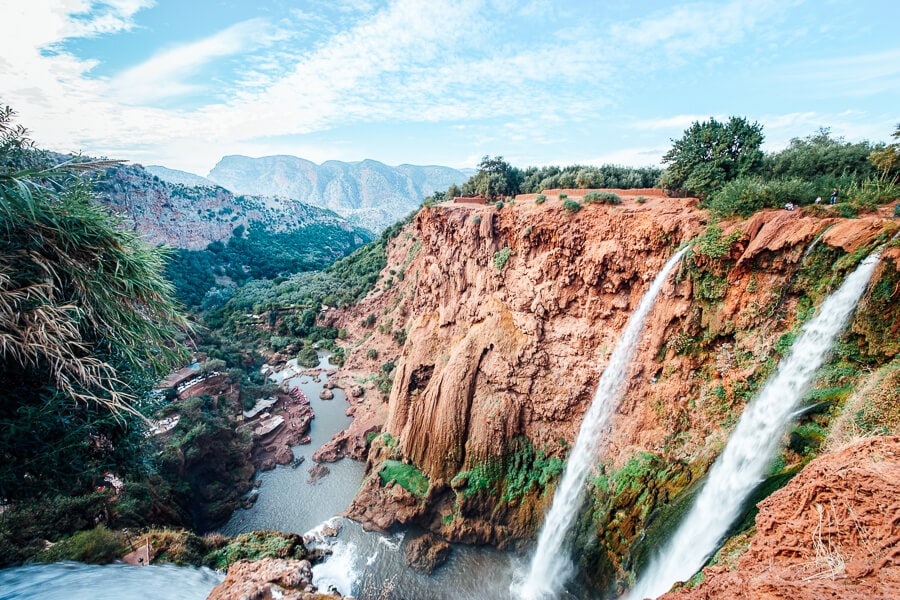
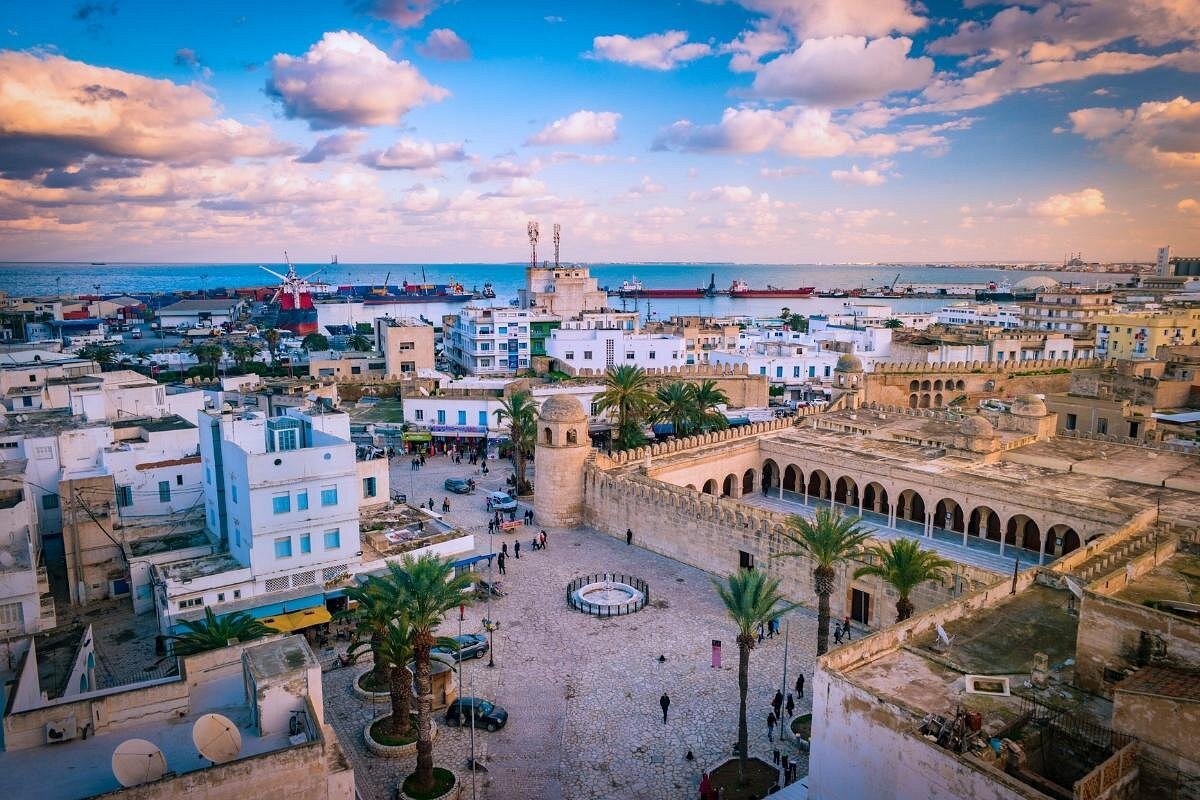
For those craving dramatic landscapes, vibrant imperial cities, and a deeply immersive cultural experience with a moderate budget, Morocco is your pick (daily budget ~$40-80). If you seek ancient Roman ruins, laid-back Mediterranean beaches, and a more budget-friendly trip, Tunisia beckons (daily budget ~$25-50). Both offer incredible North African charm.
- Choose Morocco: Choose Morocco if you're drawn to the Sahara Desert, the Atlas Mountains, labyrinthine medinas like Fes, the vibrant chaos of Marrakech, and a more pronounced Berber cultural experience. Ideal for adventurers and those seeking highly Instagrammable, unique accommodations like Riads.
- Choose Tunisia: Opt for Tunisia if Roman history (Carthage, El Djem) is a major draw, you prefer tranquil Mediterranean beaches (Hammamet, Djerba), and appreciate a more relaxed pace. It's often easier on the wallet and offers a different blend of Arab, Berber, and European influences.
- Choose Both: Combining both is ambitious but doable for a longer trip (3+ weeks) or if you fly between them. Consider a main focus, then a short hop for specific highlights. For instance, do a deep dive into Morocco, then fly to Tunis for a few days to see Carthage and Sidi Bou Said.
Quick Comparison
| Category | Morocco | Tunisia | Winner |
|---|---|---|---|
| Costs & Budget | Mid-range budget, but budget-friendly options widely available. Daily average: $40-80 USD. | Generally more budget-friendly across the board. Daily average: $25-50 USD. | Tunisia |
| Culture & History | Rich Berber, Arab, and Islamic heritage; imperial cities, dramatic desert culture. | Deep Roman, Phoenician, and Islamic roots; iconic ancient ruins. | Morocco |
| Food & Gastronomy | Internationally renowned cuisine: tagines, couscous, pastilla, vibrant street food. | Delicious, spicy cuisine with a Mediterranean twist: brik, harissa, seafood. | Morocco |
| Nature & Landscapes | Dramatic Atlas Mountains, vast Sahara Desert dunes, Atlantic coastlines, waterfalls. | Rolling hills, coastal oases, greener northern regions, desert landscapes. | Morocco |
| Beaches & Coastline | Rugged Atlantic surfing beaches, some Mediterranean resorts. | Developed Mediterranean resorts, calm, clear waters, island beaches. | Tunisia |
| Getting Around | Good train network, reliable intercity buses (CTM, Supratours), grand taxis. | Extensive shared taxi (louage) system, decent buses (SNTRI), less comprehensive trains. | Morocco |
| Safety & Solo Travel | Generally safe, but common hassle (touts, guides), moderate catcalling for solo women. | Recovered well from past incidents, generally safe, less aggressive touting than Morocco. | Tie |
| Accommodation | Iconic Riads, traditional guesthouses, modern hotels, hostels. | Resorts, charming guesthouses (dars), budget hotels. | Morocco |
| Shopping & Souvenirs | Legendary souks for leather, carpets, spices, argan oil, lamps; vibrant haggling culture. | Medinas for ceramics, olive wood, spices, traditional clothing; generally less intense haggling. | Morocco |
| Nightlife & Entertainment | Limited, mostly cafes; some vibrant clubs/lounges in Marrakech. | More developed resort nightlife, bars, clubs in coastal towns and Tunis. | Tunisia |
💸 Costs & Budget
Tunisia generally offers a more budget-friendly experience compared to Morocco. For example, a decent hotel in Tunis or Sousse can be found for TND 80-120 ($25-40 USD), whereas a comparable Riad in Marrakech might run MAD 300-600 ($30-60 USD). Food costs also lean in Tunisia's favor; a delicious street food meal or a sit-down lunch in Tunisia might cost TND 10-30 ($3-10 USD), while in Morocco, similar options could be MAD 50-150 ($5-15 USD). Transportation, particularly shared taxis (louages) in Tunisia, is incredibly cheap, often just a few dinars for intercity travel. Morocco's CTM buses and ONCF trains are efficient but cost slightly more. If you're really pinching pennies, Tunisia stretches your budget further. "Tunisia felt significantly cheaper than Morocco, especially outside of Tunis. My TND 25 ($8) brik and merguez lunch in Sidi Bou Said was a steal compared to anything I found in Marrakech medina."
Winner takeaway
- Winner: Tunisia
- Why: Tunisia consistently offers lower prices for accommodation, food, and transport, making it the better choice for strict budget travelers.
- Who this matters for: Budget travelers, backpackers, and those looking to extend their trip duration without breaking the bank.
🏛️ Culture & History
Morocco truly excels in its vibrant, palpable culture and history, especially within its imperial cities. Fes, with its ancient tanneries and labyrinthine medina, feels like stepping back a thousand years. Marrakech's Jemaa el-Fna square is a living museum of storytellers, musicians, and snake charmers. The blend of Berber and Arab traditions, alongside the stunning architecture of cities like Meknes and Rabat, offers a deeply immersive experience. While Tunisia boasts impressive Roman sites like the El Djem Amphitheater (rivalling Rome's Colosseum) and the Carthage ruins, its historical narrative feels more focused on antiquity. Morocco's cultural fabric feels more continuously lived and immediately engaging to the average traveler. "Honestly, Fes was like stepping back a thousand years. The medina is overwhelming but utterly magical, nothing in Tunisia quite matches that sheer sensory overload and sheer scale of historical immersion."
Winner takeaway
- Winner: Morocco
- Why: Morocco's imperial cities, living medinas, and diverse cultural tapestry offer a more immersive and visually stunning historical experience.
- Who this matters for: History buffs, culture seekers, photographers, and travelers looking for a 'wow' factor in traditional settings.
🍽️ Food & Gastronomy
Moroccan cuisine is globally celebrated for its aromatic spices, slow-cooked tagines, fluffy couscous, and the delicate pastry of pastilla. The street food scene, especially in places like Jemaa el-Fna in Marrakech or the medina of Fes, is an adventure in itself, with endless options for grilled meats, harira soup, and fresh juices. Restaurants like Nomad in Marrakech offer refined takes on local dishes. While Tunisian food is incredibly flavorful, often spicier with liberal use of harissa, and features delicious seafood and unique dishes like brik and shakshuka, it doesn't quite have the same international recognition or diverse range of iconic dishes as Morocco. Moroccan food, from high-end dining to humble street stalls, feels more consistently exceptional and varied. "The street food in Jemaa el-Fna in Marrakech was a highlight. For MAD 100 ($10), I had enough grilled meats, harira, and olives to feed a small army. Tunisia's food is good, but Morocco's just hits different with those tagines."
Winner takeaway
- Winner: Morocco
- Why: Morocco's cuisine is more diverse, globally famous, and offers a more consistent range of iconic and delicious dishes.
- Who this matters for: Foodies, culinary travelers, and anyone who makes food a central part of their travel experience.
🏞️ Nature & Landscapes
Morocco's natural landscapes are incredibly diverse and dramatic. From the towering peaks of the High Atlas Mountains (perfect for trekking) to the mesmerizing, vast dunes of Erg Chebbi in the Sahara Desert (near Merzouga), it offers breathtaking scenery that feels truly epic. The Todra and Dades Gorges are stunning geological formations, and the Atlantic coast around Essaouira provides a rugged, windswept beauty. Tunisia also has its natural charms, including the greener Cap Bon peninsula, coastal oases, and its own stretch of the Sahara (like Chott el Djerid), but these are generally less grand and varied than Morocco's offerings. The sheer scale and variety of Morocco's nature, from snow-capped mountains to endless desert, give it a distinct edge. "The Sahara in Morocco, especially around Merzouga, is just epic. Waking up to those red dunes after a night in a desert camp? Unforgettable. Tunisia's desert is nice, but not as grand or as accessible for a true desert experience."
Winner takeaway
- Winner: Morocco
- Why: Morocco boasts a wider range of spectacular, diverse, and grand natural landscapes, from high mountains to vast desert dunes.
- Who this matters for: Adventure travelers, hikers, photographers, and those seeking dramatic natural beauty.
🏖️ Beaches & Coastline
Tunisia is the clear winner for a traditional beach holiday. Its Mediterranean coastline is dotted with well-developed resorts like Hammamet, Sousse, and the island of Djerba, offering long stretches of fine sand and calm, clear turquoise waters perfect for swimming and sunbathing. These areas cater heavily to European tourists, providing excellent beach infrastructure and watersports. Morocco's Atlantic coast, particularly around Taghazout and Essaouira, is famous for surfing and wind sports, with a more rugged, bohemian vibe. While Morocco has some decent beaches near Tangier and Tetouan on the Mediterranean, they are generally less resort-focused and the water can be colder on the Atlantic side. For a classic, relaxing beach getaway, Tunisia is superior. "If you want a proper sandy beach vacation with resorts and calm, clear water, Tunisia's Hammamet or Djerba are way better. Morocco's beaches are more rugged and less 'lie on a towel' vibe, great for surfing but not chilling."
Winner takeaway
- Winner: Tunisia
- Why: Tunisia offers more extensive, developed, and classic Mediterranean resort-style beaches with calm, warm waters.
- Who this matters for: Families with children, sun-worshippers, resort lovers, and those prioritizing a relaxing beach vacation.
🚆 Getting Around
Morocco's transportation infrastructure is generally more comfortable and structured for independent travelers. The ONCF train network efficiently connects major cities like Casablanca, Rabat, Fes, and Marrakech, offering comfortable classes and reliable schedules. Intercity buses like CTM and Supratours are also excellent, providing air-conditioned coaches and covering routes not served by trains. This makes navigating Morocco relatively straightforward. Tunisia, while having a functional system, relies heavily on 'louages' – shared taxis that depart when full. While very efficient and cheap (e.g., Tunis to Sidi Bou Said for TND 1-2, or Tunis to Sousse for TND 10-15), they can be intimidating for first-timers, and language barriers can be an issue. SNTRI buses are good but less extensive than Morocco's offerings. "Morocco's trains were a lifesaver. Took one from Fes to Marrakech – super comfy, efficient, and way less stressful than figuring out a louage. Tunisia's shared taxis are an experience, but I preferred the predictability of Morocco's public transport."
Winner takeaway
- Winner: Morocco
- Why: Morocco offers a more comprehensive, comfortable, and easier-to-navigate public transport system with reliable trains and buses.
- Who this matters for: First-time travelers, those seeking comfort and predictability, and travelers who prefer not to haggle for rides.
🛡️ Safety & Solo Travel
Both Morocco and Tunisia are generally safe for tourists, but common sense and awareness are crucial. Morocco is known for its persistent touts and 'fake guides' in popular medinas like Fes and Marrakech; while rarely dangerous, it can be annoying. Solo female travelers often report experiencing more catcalling and unwanted attention in Morocco, which can be tiresome. Tunisia, having recovered well from past security incidents, is generally very safe, and the level of aggressive touting is often lower than in Morocco. However, solo female travelers can still experience unwanted attention, though perhaps less overtly. In both countries, serious crime against tourists is rare, but petty theft can occur. Dress modestly, especially in religious areas, and avoid walking alone in deserted areas at night. "As a solo female, both Morocco and Tunisia required a certain level of assertiveness. I felt equally safe walking around during the day, though evenings in some medinas felt sketchier in both places without a companion."
Winner takeaway
- Winner: Tie
- Why: Both countries offer a similar level of safety for tourists, with comparable challenges and precautions needed, especially for solo female travelers.
- Who this matters for: All travelers, particularly solo travelers and solo female travelers, who value personal safety and minimal hassle.
🛌 Accommodation
Morocco truly shines with its unique accommodation offerings, particularly the Riads. These traditional Moroccan houses or palaces converted into guesthouses, often featuring exquisite courtyards, fountains, and intricate tile work, provide an unparalleled cultural immersion. Staying in a Riad in Marrakech, Fes, or Essaouira (e.g., Riad Dar Hanane in Marrakech for MAD 500-800 or $50-80) is an experience in itself, offering luxury and authenticity. Morocco also has a good range of hostels and international hotels. Tunisia offers charming guesthouses (often called 'dars'), especially in places like Sidi Bou Said, and an abundance of resort-style hotels along its coast (e.g., Hammamet). While comfortable and offering good value (a mid-range hotel for TND 80-200 or $25-65), they generally lack the distinctive, architectural charm and cultural depth of Morocco's Riads. "Staying in a Riad in Marrakech was an experience in itself. The intricate tile work, the quiet courtyards... you just don't get that same architectural charm as commonly in Tunisia. My Riad Dar Hanane was stunning for MAD 500."
Winner takeaway
- Winner: Morocco
- Why: Morocco's iconic Riads offer a unique, culturally immersive, and visually stunning accommodation experience that is unparalleled.
- Who this matters for: Travelers seeking unique stays, cultural immersion through accommodation, and those who prioritize aesthetics.
🛍️ Shopping & Souvenirs
Morocco's souks are an absolute paradise for shoppers and a cultural experience in themselves. The labyrinthine markets of Fes and Marrakech (e.g., the Souk Semmarine in Marrakech) are legendary, offering everything from exquisite hand-stitched leather goods, intricate carpets, fragrant spices, and authentic argan oil to colorful ceramics, lanterns, and traditional clothing. Haggling is not just expected, it's an art form and part of the fun. While Tunisia also has charming medinas in Tunis, Sousse, and Kairouan, selling beautiful ceramics (especially from Nabeul), olive wood products, and spices, they generally don't match the sheer scale, variety, or the famous, bustling atmosphere of Morocco's markets. The shopping experience in Morocco feels more adventurous and authentic to many travelers. "I spent hours just getting lost in the souks of Fes, haggling for a leather bag and some spices. It's an adventure in itself, and I got some incredible deals. Tunisia's medinas are nice, but not the same epic scale or variety."
Winner takeaway
- Winner: Morocco
- Why: Morocco offers larger, more famous, and more diverse souks with a vibrant haggling culture, making shopping an experience in itself.
- Who this matters for: Shoppers, souvenir collectors, and those who enjoy the thrill of haggling in bustling markets.
🕺 Nightlife & Entertainment
For those seeking more active nightlife, Tunisia generally has more to offer, especially in its coastal resort towns. Places like Hammamet, Sousse, and the capital Tunis have a greater concentration of bars, clubs, and discotheques catering to both locals and European tourists. You can find lively spots to dance or enjoy a drink well into the night. Morocco, being a more conservative country, has a less overt nightlife scene. While Marrakech does boast some vibrant clubs and lounges (e.g., Theatro or Comptoir Darna) catering to tourists, and Casablanca has a few options, most other Moroccan cities primarily offer cafes and restaurants for evening entertainment, with alcohol often harder to find outside of tourist-focused establishments. "If you're looking for proper nightlife beyond just a quiet tea, Hammamet or Tunis offers more options with actual clubs and bars. Morocco's Marrakech has a few spots, but outside of that, it's mostly cafes and early nights, which isn't always what you want on vacation."
Winner takeaway
- Winner: Tunisia
- Why: Tunisia's coastal resorts and capital city offer more developed and accessible nightlife options with a wider selection of bars and clubs.
- Who this matters for: Party-goers, those who enjoy a vibrant evening scene, and travelers looking for accessible alcohol options.
❓ Frequently Asked Questions
What is the best time of year to visit Morocco or Tunisia?
Spring (April-May) and Autumn (September-October) are ideal for both, offering pleasant temperatures for exploring without the intense summer heat or winter chill. Coastal areas are enjoyable in early summer, but the Sahara is best avoided in July-August.
Are visas required for U.S. or European citizens?
Generally, U.S. and most European citizens do not require a visa for tourist stays of up to 90 days in both Morocco and Tunisia. Always check the latest visa policies with your respective embassy or consulate before travel, as rules can change.
What languages are spoken in Morocco and Tunisia?
In both countries, the official language is Arabic (specifically Moroccan Darija and Tunisian Darija). French is widely spoken and understood, especially in urban and tourist areas, due to historical ties. English is increasingly common in tourist-centric businesses.
Is solo female travel safe in these countries?
Solo female travel is generally safe but requires heightened awareness and common sense. Modest dress is advisable. Expect more catcalling and unwanted attention in Morocco; Tunisia can be less intense. Research local customs and trust your instincts.
Can I easily combine a trip to both Morocco and Tunisia?
Combining both is possible but not straightforward by land due to the closed Algeria-Morocco border. The most practical way is to fly between Tunis (TUN) and Casablanca (CMN) or Marrakech (RAK). This is best for trips of three weeks or longer to allow sufficient time in each.
Are Morocco and Tunisia good destinations for families with children?
Yes, both can be excellent. Morocco offers camel treks, medina exploration, and beach fun. Tunisia has family-friendly resorts, ancient ruins, and easy beach access. Both provide unique cultural experiences, but Tunisia might be slightly easier for families seeking a traditional resort holiday.
What's the situation with alcohol in Morocco and Tunisia?
Alcohol is available in both, but less widely than in Western countries. In Morocco, you'll find it in tourist hotels, licensed restaurants, and some supermarkets. Tunisia is generally more relaxed, with alcohol readily available in many restaurants, bars, and resorts, especially in coastal areas and Tunis.
How suitable are these countries for digital nomads?
Both offer good value and interesting cultures. Morocco has better coworking spaces and a larger expat scene in cities like Marrakech and Rabat, with decent internet. Tunisia is more budget-friendly and has improving infrastructure, but a smaller digital nomad community. Both are great for short-term 'workations'.
Ready to plan your North African adventure?
Get a free custom itinerary for Morocco, Tunisia, or both — built from real traveler insights and local expertise.
🎟️ Book Tours & Experiences
Hand-picked tours and activities for both destinations — book with free cancellation
Experiences via Viator — free cancellation on most tours