How we built this comparison
This page combines traveler discussion patterns, published price ranges, flight schedules, and seasonal data to help you decide between Mumbai and Bangalore.
- Reviewed 50+ Reddit threads from r/travel, r/solotravel, r/IndiaTravel, r/Mumbai, r/bangalore for genuine traveler experiences and tips.
- Verified costs for accommodation, transport, and attractions against current booking platforms (e.g., Booking.com, MakeMyTrip, Google Flights) and local news reports.
- Cross-referenced seasonal patterns and weather data from meteorological sources to provide accurate climate advice.
⚡ The TL;DR Verdict
Choose Mumbai for an unfiltered, high-energy immersion into India's financial and entertainment capital, best for those who thrive on chaos and culture, with a daily budget of INR 3,500-8,000 ($40-$95). Bangalore offers a more relaxed, modern vibe with a burgeoning food and craft beer scene, ideal for digital nomads, foodies, or those seeking a slightly calmer urban experience, typically costing INR 3,000-7,000 ($35-$85) per day.
- Choose Mumbai: You're seeking intense culture, historic architecture, vibrant street life, iconic Bollywood glam, and don't mind the crowds. Perfect for first-time India visitors looking for a 'big city' experience.
- Choose Bangalore: You prefer a more contemporary city with excellent food, craft beer, pleasant weather (mostly), and a slightly less chaotic pace. Great for digital nomads, food enthusiasts, and those wanting a green urban escape.
- Choose Both: If you have 10-14 days and want to experience both sides of urban India – the traditional vibrancy and the modern pulse. Allocate 4-5 days for each city, with travel time in between.
Quick Comparison
| Category | Mumbai | Bangalore | Winner |
|---|---|---|---|
| Culture & Sights | Historic landmarks, Bollywood glamour, diverse religious sites, vibrant street art, and museums. | Palaces, sprawling gardens, modern tech parks, and a more contemporary art scene. | Mumbai |
| Food Scene | Street food paradise, diverse regional cuisines, iconic cafes, and high-end dining. | South Indian delicacies, vibrant cafe culture, innovative brewpubs, and international fare. | Mumbai |
| Nightlife | Pulsating clubs, trendy bars, historic pubs, and late-night street food joints. | Thriving pub and microbrewery scene, rooftop bars, and lively lounges. | Mumbai |
| Costs (Overall Budget) | Generally more expensive, especially for accommodation and transport, but street food is cheap. | Slightly more affordable, particularly for mid-range accommodation and dining, with good public transport options. | Bangalore |
| Accommodation | Wide range from luxury hotels to boutique hostels, generally higher prices, especially near attractions. | Good selection of business hotels, stylish hostels, and boutique stays, slightly better value. | Bangalore |
| Getting Around | Extensive local train network, ubiquitous taxis and autos, but traffic can be intense. | Efficient metro, widespread ride-sharing, but traffic can still be a challenge. | Mumbai |
| Day Trips & Nature | Coastal towns, ancient caves, hill stations, and island forts within reach. | Hill stations, historical towns, and national parks, offering diverse natural escapes. | Bangalore |
| Connectivity & Getting There | Major international and domestic hub, well-connected by air, rail, and road. | Key tech hub with excellent domestic and international air connections, robust rail and road links. | Tie |
| Weather & Seasons | Hot and humid, especially summers; pleasant winters; heavy monsoon. | Generally milder climate, pleasant year-round, occasional moderate monsoon. | Bangalore |
| Shopping | Bustling street markets, high-end boutiques, fashion, and traditional crafts. | Modern malls, craft villages, silk sarees, and contemporary fashion. | Mumbai |
🏛️ Culture & Sights
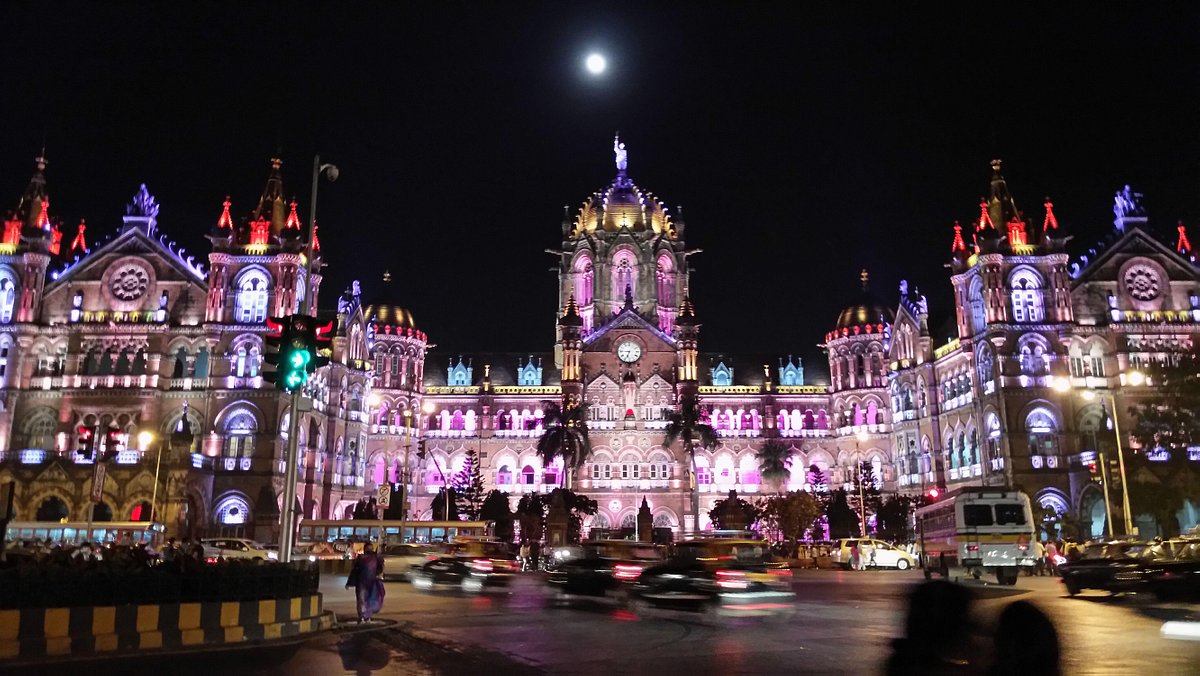
Mumbai is an undisputed heavyweight when it comes to cultural immersion and iconic sights. From the colonial grandeur of the Gateway of India and Chhatrapati Shivaji Maharaj Terminus (CSMT) to the spiritual calm of Haji Ali Dargah and Siddhivinayak Temple, the city offers a dizzying array of experiences. You can dive into the heart of Bollywood with a studio tour (expect to pay INR 1,500-3,000 / $18-$36), explore the chaotic yet fascinating Dharavi slum, or simply soak in the atmosphere on Marine Drive. The Chhatrapati Shivaji Maharaj Vastu Sangrahalaya (museum) is a must-visit, with entry around INR 700 ($8.50) for foreigners. Bangalore, while having its gems like the Bangalore Palace (INR 480 / $6 for foreigners) and the lush Lal Bagh Botanical Garden (INR 30 / $0.36), leans more towards modern Indian culture with its tech influence and café scene. It's less about grand historical narratives and more about a relaxed, green urban vibe. "Mumbai just hits different, man. Every corner has a story, every street food vendor is a character. Bangalore is nice, but it feels... newer." says one Reddit user.
Winner takeaway
- Winner: Mumbai
- Why: Mumbai offers a more diverse, historically rich, and intensely immersive cultural experience with iconic landmarks.
- Who this matters for: First-time visitors to India, history buffs, and those seeking an authentic, bustling urban cultural experience.
🍽️ Food Scene
Mumbai's food scene is legendary, primarily driven by its incredible street food. A vada pav (potato fritter in a bun) costs just INR 20-40 ($0.24-$0.48), while a hearty pav bhaji can be found for INR 100-180 ($1.20-$2.17). Iconic institutions like Leopold Cafe or Cafe Mondegar in Colaba offer a taste of old Mumbai for a mid-range budget (mains INR 400-800 / $5-$10). For a more upscale experience, try The Table or Bastian. The diversity is astounding – Parsi, Maharashtrian, Gujrati, and more. Bangalore, on the other hand, excels in authentic South Indian fare, especially filter coffee and dosas (INR 50-120 / $0.60-$1.45). It's also the undisputed microbrewery capital of India, with places like Toit and Arbor Brewing Company offering craft beers for INR 250-450 ($3-$5.40) a pint. While Bangalore's cafe culture is charming and its international dining scene is robust, Mumbai's sheer variety, historical significance, and unparalleled street food give it the edge. "I went to Bangalore for the craft beer, which was amazing, but Mumbai's street food carts are a whole other level of delicious chaos I still dream about," a traveler recounted.
Winner takeaway
- Winner: Mumbai
- Why: Mumbai offers a more iconic, diverse, and historically significant food journey, especially for street food and regional specialties.
- Who this matters for: Foodies, budget travelers, and anyone eager to explore a vast range of Indian regional cuisines and street eats.
🌃 Nightlife
Mumbai truly is the city that never sleeps, and its nightlife reflects that. Areas like Bandra, Lower Parel, and Colaba are packed with high-energy clubs such as Tryst or Kitty Su where cover charges can be INR 1,500-3,000 ($18-$36) on weekends. Trendy bars like O Pedro or Olive Bar & Kitchen offer sophisticated cocktails for INR 600-1000 ($7-$12). The city also boasts historic pubs like Cafe Mondegar that have been serving drinks for decades. Late-night street food stalls around Marine Drive keep the buzz going until the early hours. Bangalore's nightlife, while vibrant, centers predominantly around its pub and microbrewery culture. Koramangala, Indiranagar, and UB City are hotspots for places like Toit, Iron Hill, and Skyye Bar. Drinks are generally a bit cheaper than Mumbai (craft beer INR 250-450 / $3-$5.40, cocktails INR 500-800 / $6-$10), and the vibe is often more relaxed. However, for sheer variety, iconic venues, and the feeling of a city truly alive after dark, Mumbai edges it out. "Mumbai's nightlife is just wilder, more options, and you feel like you can party till sunrise without issues. Bangalore is great for beers, but Mumbai has that club energy," shared a tourist.
Winner takeaway
- Winner: Mumbai
- Why: Mumbai offers a more diverse, energetic, and 'always-on' nightlife scene with a wider array of clubs and bars.
- Who this matters for: Party-goers, social butterflies, and those looking for high-energy entertainment well into the night.
💰 Costs (Overall Budget)
When it comes to overall travel costs, Bangalore generally offers a slightly better value than Mumbai. Accommodation in Mumbai can be particularly pricey; a decent budget hotel might cost INR 2,500-4,000 ($30-$48) per night, while mid-range options are INR 5,000-8,000 ($60-$95). In Bangalore, comparable budget hotels can be found for INR 2,000-3,500 ($24-$42), and mid-range for INR 4,000-7,000 ($48-$85). Food in Mumbai can range from incredibly cheap street eats (INR 50-200 / $0.60-$2.40 for a meal) to very expensive fine dining. Bangalore's food scene, while having its upscale options, offers excellent value for South Indian food and even its craft beers are often cheaper than Mumbai's cocktails. Local transport like Mumbai's iconic local trains are dirt cheap (INR 5-20 / $0.06-$0.24), but taxi/auto fares can add up quickly. Bangalore's Namma Metro (INR 10-60 / $0.12-$0.72) is efficient, and ride-sharing services are competitively priced. Overall, if you're trying to stretch your rupees, Bangalore will be a bit kinder to your wallet. "Bangalore was definitely easier on my wallet for hostels and food, especially if you stick to local joints. Mumbai felt like I was constantly paying a premium," noted a budget traveler.
Winner takeaway
- Winner: Bangalore
- Why: Bangalore offers slightly more affordable accommodation, dining, and overall daily expenses, providing better value for money.
- Who this matters for: Budget-conscious travelers, backpackers, and digital nomads looking to maximize their stay without breaking the bank.
🏨 Accommodation
Mumbai has an extensive range of accommodation, from the iconic Taj Mahal Palace (starting at INR 20,000+ / $240+) to numerous business hotels and hostels. Popular areas like Colaba are great for backpackers with hostels like The Backpackers Hostel or Zostel (dorms from INR 800-1,500 / $9.50-$18), but private rooms can quickly become expensive, easily exceeding INR 4,000 ($48) even for basic options. Mid-range hotels in areas like Bandra or Juhu can cost INR 6,000-10,000 ($72-$120). Space is a premium in Mumbai, which reflects in its prices. Bangalore, while having its share of luxury properties like The Leela Palace, generally offers better value across all segments. Hostels in lively areas like Koramangala or Indiranagar can be found for INR 700-1,200 ($8.50-$14.50) for a dorm, and private rooms in guesthouses or mid-range hotels are often available for INR 3,000-6,000 ($36-$72), often with better amenities for the price. The quality-to-cost ratio for mid-range stays tends to favor Bangalore. "Finding a decent, clean room in Mumbai for under $50 felt like a quest. In Bangalore, I found really nice places with AC and good WiFi for less," commented a traveler.
Winner takeaway
- Winner: Bangalore
- Why: Bangalore generally offers better value for money and more spacious options across various accommodation types.
- Who this matters for: Travelers seeking good value accommodation, digital nomads, and those prioritizing comfort over proximity to specific landmarks.
🚃 Getting Around
Mumbai's local train network is its lifeline – it's incredibly extensive, efficient (outside peak hours), and dirt cheap (INR 5-20 / $0.06-$0.24 for most rides). While intimidating at first, mastering the local trains offers an authentic Mumbai experience and is the fastest way to cover long distances. Beyond trains, black-and-yellow taxis and auto-rickshaws are abundant, with fares starting around INR 25-30 ($0.30-$0.36) for short distances, and ride-sharing apps like Ola and Uber are widely available. The downside is Mumbai's infamous traffic, which can turn short rides into long ordeals. Bangalore's Namma Metro is growing and very efficient for connecting key areas (fares INR 10-60 / $0.12-$0.72). Auto-rickshaws are common, and ride-sharing is arguably more prevalent and reliable than in Mumbai, especially for booking. However, Bangalore's traffic is equally notorious, often worse in some areas due to ongoing infrastructure projects. While Bangalore's metro is modern, Mumbai's sheer scale and coverage of its local trains, despite the crowds, make it a more comprehensive and iconic transport system for covering the entire city. "Mumbai trains are chaos, but they get you everywhere so fast and for pennies. Bangalore's metro is nice, but it's not quite as comprehensive yet for tourists," said a frequent visitor.
Winner takeaway
- Winner: Mumbai
- Why: Mumbai's legendary local train network offers unparalleled reach and affordability for navigating the vast city.
- Who this matters for: Adventurous travelers, budget-conscious individuals, and those looking for an authentic local transit experience.
🌳 Day Trips & Nature
Both cities offer worthwhile day trips, but Bangalore nudges ahead for its variety of natural and historical escapes. Just an hour's drive away, Nandi Hills provides stunning sunrise views and a pleasant escape from the city heat. Further afield, but still a manageable day trip, is the historical city of Mysore (3-4 hours by road/train), home to the magnificent Mysore Palace and lush Brindavan Gardens. Bannerghatta Biological Park (INR 250 / $3 for foreigners) offers wildlife experiences. Mumbai's immediate surroundings include the Elephanta Caves (INR 600 / $7.25 for foreigners, plus boat fare), a UNESCO World Heritage site, and the pleasant coastal town of Alibaug (accessible by ferry). The hill stations of Lonavala and Khandala are popular weekend getaways, about 2-3 hours drive away, offering scenic beauty and waterfalls during monsoon. However, Bangalore's proximity to places like Shivanasamudra Falls, Biligiriranga Hills, and even the cultural richness of Mysore within a day's reach gives it a slight edge for diverse natural and historical excursions. "Bangalore's day trip options felt more varied, especially if you like hills and historical sites. Nandi Hills for sunrise was epic and Mysore is a must-see," a backpacker mentioned.
Winner takeaway
- Winner: Bangalore
- Why: Bangalore offers a greater variety of easily accessible day trips encompassing nature, wildlife, and significant historical sites.
- Who this matters for: Nature lovers, history enthusiasts, and those looking for convenient escapes from the urban environment.
✈️ Connectivity & Getting There
Both Mumbai (Chhatrapati Shivaji Maharaj International Airport - BOM) and Bangalore (Kempegowda International Airport - BLR) are major international and domestic aviation hubs, making them equally convenient for arrival and departure. Direct flights between the two cities are frequent, taking approximately 1 hour 45 minutes, with one-way tickets typically costing INR 3,000-6,000 ($36-$72) when booked in advance. Both airports are well-serviced by taxis, ride-sharing apps, and dedicated airport buses. Mumbai's airport is closer to the city center compared to Bangalore's, but both have good connectivity to their respective downtowns. In terms of rail, both cities are major railway junctions with extensive connections across India. Mumbai's CSMT and Lokmanya Tilak Terminus, and Bangalore's Krantivira Sangolli Rayanna (KSR) and Yesvantpur Junction, handle thousands of passengers daily. Road networks are also robust, though journey times can be long. It's truly a tie here, as both are exceptionally well-connected gateways to India and within the country. "Honestly, getting into and out of both Mumbai and Bangalore was a breeze. Both have excellent airports and train networks, so no real winner there," a seasoned traveler commented.
Winner takeaway
- Winner: Tie
- Why: Both cities are exceptionally well-connected international and domestic travel hubs via air, rail, and road.
- Who this matters for: All travelers, as both cities offer seamless entry and exit points for exploring India.
☀️ Weather & Seasons
Bangalore, often called the 'Garden City,' enjoys a significantly milder and more pleasant climate compared to Mumbai, thanks to its higher elevation. Summers (March-May) are warm but rarely as oppressive as Mumbai's, with temperatures averaging 25-35°C (77-95°F). Winters (November-February) are delightfully cool, around 15-25°C (59-77°F), making it comfortable for sightseeing. The monsoon season (June-October) brings moderate rainfall. Mumbai, being coastal, experiences a hot and extremely humid climate for much of the year. Summers (March-May) are intense, often reaching 30-40°C (86-104°F) with very high humidity. Winters (November-February) are the most pleasant, with temperatures around 18-30°C (64-86°F), making it the ideal time to visit. However, the monsoon season (June-September) is notorious for heavy, often torrential rainfall that can cause significant disruptions and flooding. For overall comfort and a less extreme climate year-round, Bangalore is the clear winner. "Bangalore's weather is just superior, especially if you're not a fan of intense humidity. Mumbai in summer felt like walking through soup," a traveler remarked.
Winner takeaway
- Winner: Bangalore
- Why: Bangalore offers a consistently milder, more comfortable climate year-round, especially during summer and monsoon.
- Who this matters for: Travelers sensitive to heat and humidity, those planning longer stays, and anyone preferring outdoor activities without extreme weather.
🛍️ Shopping
Mumbai is a shopper's paradise, offering an incredible range from bargain street markets to luxury brands. Colaba Causeway is legendary for trinkets, clothing, and souvenirs, where you can haggle for items starting from INR 100-500 ($1.20-$6). Linking Road and Hill Road in Bandra are fantastic for trendy fashion and accessories at great prices (clothing from INR 300-1000 / $3.60-$12). For traditional Indian wear and fabrics, Kala Ghoda's boutiques offer unique finds. High-end malls like Palladium and Phoenix Market City provide international brands and luxury experiences. Bangalore also has a strong shopping scene, particularly known for its silk sarees from places like Chickpet, where prices can range from INR 2,000-10,000+ ($24-$120+). Modern malls like UB City and Phoenix Marketcity cater to brand-conscious shoppers. Commercial Street is a bustling market similar to Mumbai's, offering diverse goods. However, Mumbai's historical association with textiles, its sheer volume of diverse markets, and its status as a fashion capital give it a slight edge for a truly comprehensive and exciting shopping experience. "Mumbai's markets, especially Colaba and Bandra, are just iconic. You can find anything from cheap souvenirs to designer knock-offs. Bangalore has good malls, but the street shopping isn't as epic," shared a shopping enthusiast.
Winner takeaway
- Winner: Mumbai
- Why: Mumbai offers a more iconic, diverse, and vibrant shopping experience, from traditional markets to high-fashion hubs.
- Who this matters for: Fashionistas, bargain hunters, souvenir collectors, and anyone looking for a dynamic retail therapy experience.
❓ Frequently Asked Questions
Which city is better for solo female travelers?
Both cities generally have good safety records for solo female travelers, but Mumbai is often perceived as slightly safer due to its 'city that never sleeps' vibe and constant public presence. Bangalore is also safe, but like any large city, it's wise to be cautious at night, especially in less crowded areas. Always use reputable ride-sharing apps and share your live location.
Is Mumbai or Bangalore better for digital nomads?
Bangalore is often preferred by digital nomads due to its milder climate, widespread availability of co-working spaces, excellent cafe culture, and slightly lower cost of living for mid-range comforts. Mumbai can be great for networking in specific industries but might feel more chaotic and expensive for long-term stays.
Which city has better public transport for tourists?
Mumbai's local train network is a unique and efficient way to cover vast distances, though it can be overwhelming for first-timers. Bangalore's Namma Metro is modern and growing. Both cities have extensive auto-rickshaw and ride-sharing services. For sheer reach and a truly local experience, Mumbai's trains are hard to beat, but Bangalore's metro is arguably more tourist-friendly.
How many days should I spend in each city?
For a good introduction, allocate at least 3-4 full days for Mumbai to cover its key sights and soak in the atmosphere. For Bangalore, 2-3 full days are usually sufficient to explore its gardens, palaces, and enjoy the food and brewpub scene. If you plan day trips, add an extra day for each.
Are English speakers common in both cities?
Yes, English is widely spoken and understood in both Mumbai and Bangalore, especially in tourist areas, hotels, and among younger populations. You won't have significant communication barriers as a traveler. Road signs and menus often have English translations too.
Which city is more eco-friendly or greener?
Bangalore, often called the 'Garden City,' is generally considered greener due to its numerous parks and tree-lined avenues like Cubbon Park and Lal Bagh. Mumbai, while having some green spaces like Sanjay Gandhi National Park, is a denser, more concrete jungle. Bangalore also often has a more visible focus on sustainability initiatives.
What's the best time of year to visit both?
The best time to visit both Mumbai and Bangalore is during the winter months, from November to February. The weather is pleasant, temperatures are mild, and humidity is lower. Avoid the peak monsoon season (June to September) for Mumbai if you're not a fan of heavy rains and potential disruptions.
Can I visit both cities on a short trip?
Yes, a short 5-7 day trip could cover highlights of both cities, flying between them (1.5-2 hours flight time). For instance, 3 days in Mumbai followed by 3 days in Bangalore would give you a taste of each, but it would be fast-paced. A longer trip (10+ days) is ideal for a more relaxed exploration.
Ready to plan your India trip?
Get a free custom itinerary for Mumbai, Bangalore, or both — built from real traveler insights.
🎟️ Book Tours & Experiences
Hand-picked tours and activities for both destinations — book with free cancellation
Experiences via Viator — free cancellation on most tours