How we built this comparison
This page combines traveler discussion patterns, published price ranges, flight schedules, and seasonal data to help you decide between Munich and Vienna.
- Reviewed 50+ Reddit threads from r/travel, r/solotravel, r/munich, r/vienna, and r/europe for authentic traveler experiences and tips.
- Verified costs and logistics against current booking platforms (e.g., booking.com, Deutsche Bahn, OBB, local museum websites) as of early 2024.
- Cross-referenced seasonal patterns and weather data with local tourism boards and meteorological sources to provide accurate seasonal advice.
⚡ The TL;DR Verdict
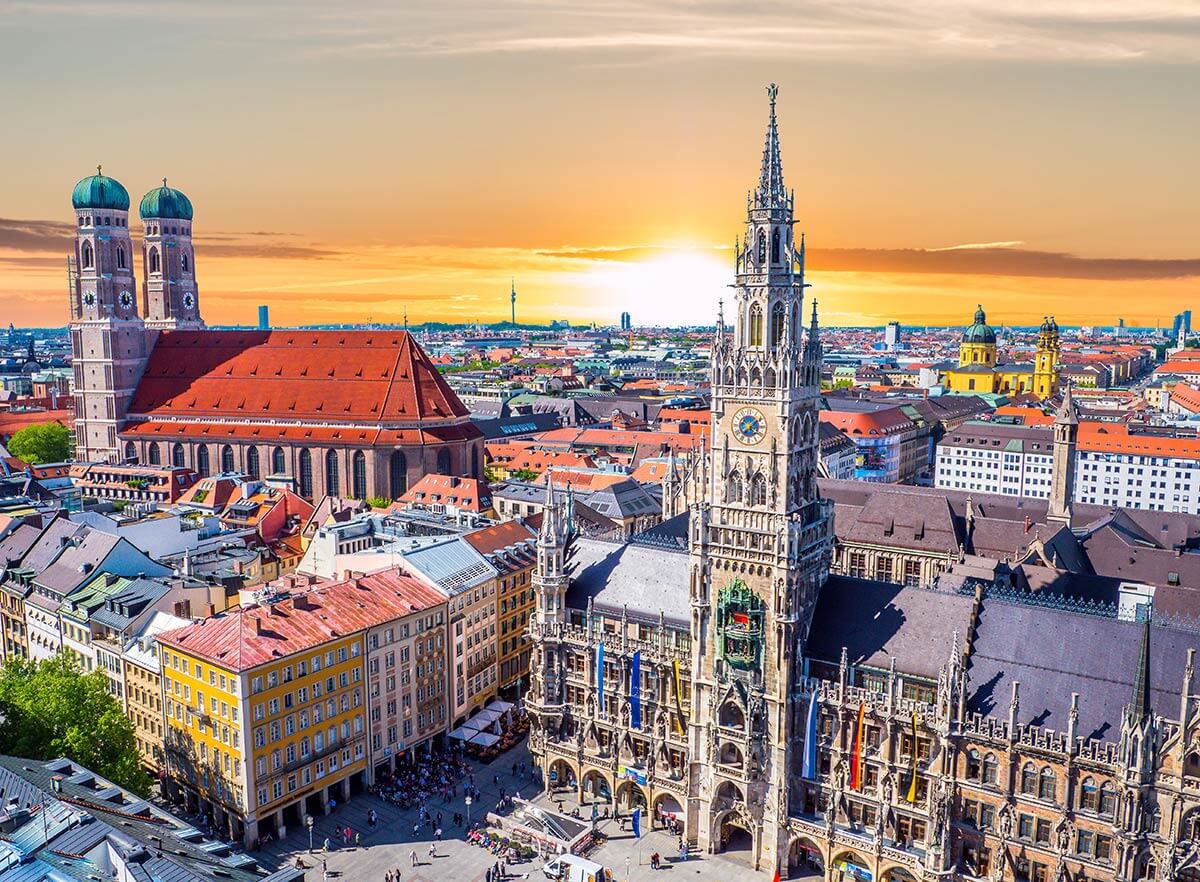
Munich is for those craving vibrant beer gardens, impressive Alpine views, and a more laid-back, outdoorsy vibe, with daily budgets from €80-150 ($85-165). Vienna offers imperial grandeur, world-class arts, and a sophisticated culinary scene, perfect for a more refined trip, typically €90-180 ($100-200) a day.
- Choose Munich: Pick Munich if you love beer culture, hiking, proximity to the Alps, and a city that feels both grand and surprisingly 'village-like'. It's an excellent base for exploring Bavaria.
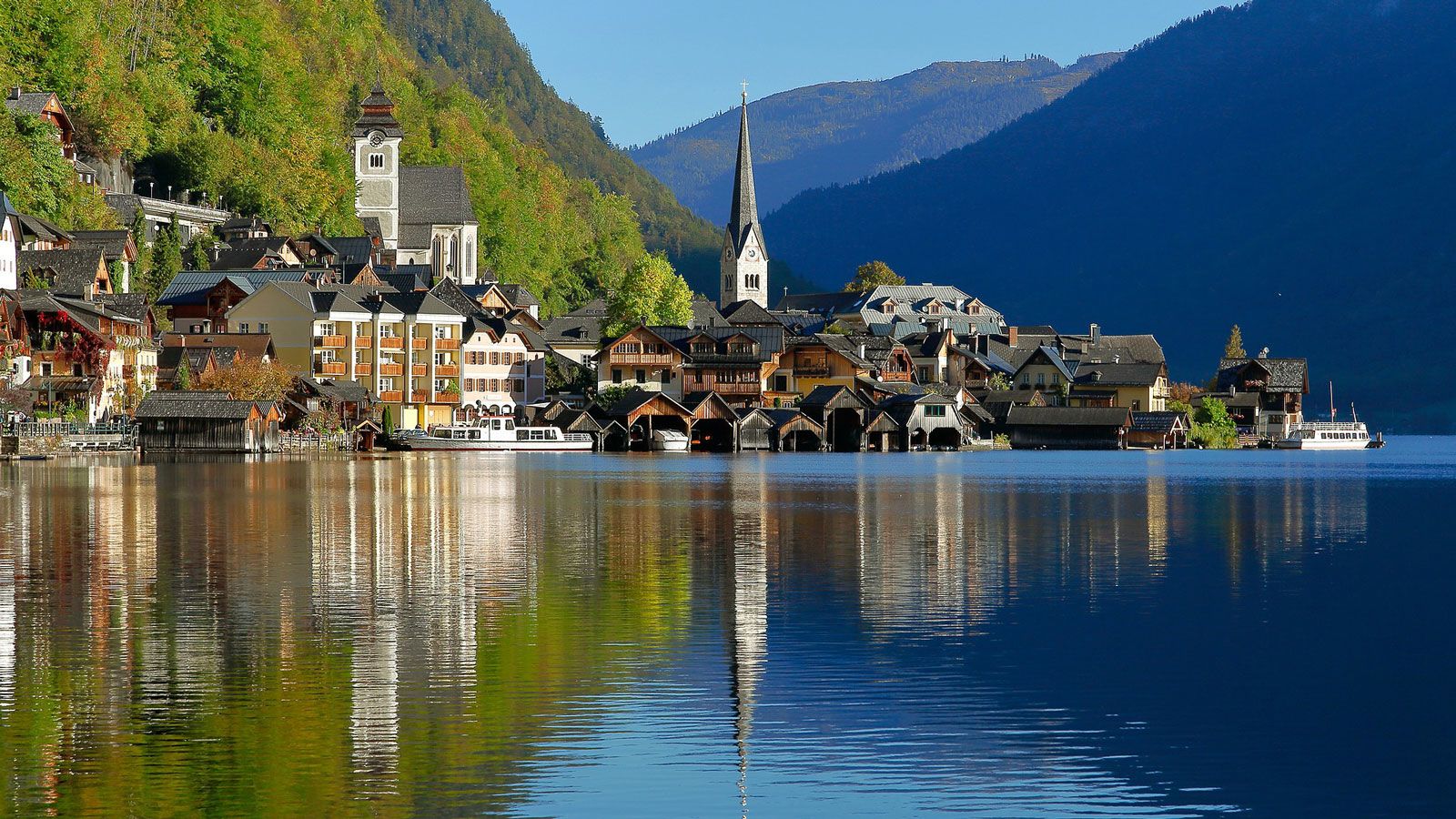
- Choose Vienna: Opt for Vienna if you're a culture vulture, a classical music aficionado, a history buff, or simply appreciate stunning imperial architecture and a refined café culture.
- Choose Both: If you have 7-10 days or more, a combined trip is highly recommended. High-speed trains connect them in just over 4 hours, offering a fantastic Central European experience covering two distinct but equally captivating cultures.
Quick Comparison
| Category | Munich | Vienna | Winner |
|---|---|---|---|
| Food & Drink | Hearty Bavarian cuisine (Wurst, pretzels, Schweinshaxe), world-famous beer halls, traditional German efficiency. | Elegant Viennese pastries (Sachertorte, Apfelstrudel), iconic coffee house culture, refined imperial dishes (Schnitzel, Tafelspitz), vibrant Naschmarkt. | Vienna |
| Culture & History | Bavarian royalty, poignant WWII history, world-class science and art museums (Deutsches Museum, Pinakotheken). | Imperial palaces (Schönbrunn, Hofburg), classical music heritage (Mozart, Strauss), groundbreaking art museums (Belvedere, Albertina), Freud's legacy. | Vienna |
| Nightlife | Legendary beer gardens, traditional pubs, lively club scene, especially vibrant during festivals. | Sophisticated wine taverns (Heuriger), elegant cocktail bars, underground techno clubs, classical concerts. | Munich |
| Costs & Budget | Generally high prices for accommodation and dining, especially during peak season or Oktoberfest. | Slightly more affordable in some categories than Munich, but still a relatively expensive European capital. | Vienna |
| Getting Around | Efficient and extensive U-Bahn (subway), S-Bahn (commuter rail), tram, and bus network. Very walkable city center. | World-class public transport system with a dense U-Bahn, tram, and bus network. Exceptionally easy to navigate. | Vienna |
| Accommodation | Can be very expensive, especially during peak season or Oktoberfest; fewer budget options, though quality is high. | More diverse range of options from luxury to budget, often offering slightly better value for money than Munich. | Vienna |
| Day Trips | Iconic fairytale castles (Neuschwanstein), stunning Alpine landscapes (Zugspitze), charming Bavarian towns, Salzburg (Austria). | Historic river valleys (Wachau Valley), charming Austrian towns (Melk), close proximity to Bratislava (Slovakia) and even Budapest. | Munich |
| Weather & Seasons | Warm to hot summers, cold and snowy winters, often wet. Beautiful spring and autumn foliage. | Similar continental climate with hot summers and cold winters, generally less extreme than Munich. | Vienna |
| Safety | Extremely safe city with very low crime rates, even at night. High sense of security. | One of the safest capital cities in the world, exceptionally low crime, very secure feeling. | Munich |
| Shopping | Luxury brands, traditional Bavarian goods, large department stores, lively food markets. | High-end boutiques, elegant antique shops, famous Christmas markets, unique local crafts. | Vienna |
🍔 Food & Drink
Munich's food scene is undeniably delicious, centered around its legendary beer halls like Hofbräuhaus or Augustiner-Keller, where a liter of beer costs around €10-12 ($11-13) and a hearty meal like Weißwurst or Schweinshaxe can be €15-25 ($16-27). It's robust, satisfying, and deeply traditional. However, Vienna truly shines with its culinary diversity and sophistication. From the iconic Viennese Schnitzel (expect €18-28 / $20-30 at Figlmüller) to the legendary Sachertorte at Hotel Sacher, and the endless array of coffee houses like Café Central or Demel (a coffee and pastry might set you back €8-12 / $9-13), Vienna offers a more refined and varied gastronomic journey. The Naschmarkt provides incredible international street food for €5-10 ($5.50-11) per dish. "Honestly, Vienna's coffee culture alone makes it worth the trip. I spent hours just people-watching with a Melange." For sheer variety and iconic, unique experiences, Vienna just edges it out.
Winner takeaway
- Winner: Vienna
- Why: Vienna offers a more diverse, refined, and historically significant culinary experience, especially with its renowned coffee house culture and imperial pastries.
- Who this matters for: Foodies, dessert lovers, coffee connoisseurs, and those seeking elegant dining experiences.
🏛️ Culture & History
Munich boasts impressive cultural landmarks, including the opulent Residenz palace (€9-15 / $10-16 entry), significant WWII history sites, and incredible museums like the Deutsches Museum, one of the world's largest science and technology museums (entry €14 / $15). The Pinakothek der Moderne offers a fantastic modern art collection. However, Vienna is arguably the undisputed champion of classical European culture and imperial history. You can spend days exploring the Schönbrunn Palace (€20-26 / $22-28 for grand tour), the Hofburg Imperial Palace (home to the Sisi Museum, €19-21 / $21-23), and the Belvedere Palace, home to Klimt's 'The Kiss' (€24 / $26). The city breathes classical music, with opera houses and concert halls around every corner. "Vienna just overwhelms you with history and art. Everywhere you look, another palace or museum." The sheer volume, grandeur, and impact of Vienna's historical and cultural offerings are unparalleled.
Winner takeaway
- Winner: Vienna
- Why: Vienna's immense collection of imperial palaces, world-class museums, and deep classical music heritage provide an unmatched cultural immersion.
- Who this matters for: History buffs, art lovers, classical music enthusiasts, and anyone fascinated by European imperial grandeur.
🍻 Nightlife
Munich's nightlife is famously centered around its communal and boisterous beer culture. Huge beer gardens like Hirschgarten or Augustiner-Keller are packed on warm evenings, offering a convivial atmosphere where a liter of beer costs around €10-12 ($11-13). There's also a thriving club scene, with venues like Pacha Munich or Harry Klein catering to different tastes, often with entry fees of €10-20 ($11-22). Vienna, while having its trendy districts like the Bermuda Triangle for pubs and Pratersauna for techno, often feels a bit more subdued and sophisticated. Its unique 'Heuriger' (wine taverns) offer a charming, traditional experience with local wines for €3-5 ($3.50-5.50) a glass, but they close earlier. "Munich just feels more like a party, even on a random Tuesday. Everyone's just out having a good time in the beer gardens." For an immediate, accessible, and often more communal party vibe, Munich takes the cake.
Winner takeaway
- Winner: Munich
- Why: Munich's iconic beer gardens and vibrant, accessible communal atmosphere make its nightlife more immediately engaging and festive.
- Who this matters for: Social travelers, beer enthusiasts, those seeking lively and traditional pub culture.
💰 Costs & Budget
Both cities are in Western Europe and are not budget destinations, but Vienna generally offers slightly better value. A hostel bed in Munich can range from €35-60 ($38-65), while in Vienna, you might find options for €30-50 ($33-55) in places like Wombat's City Hostel. Mid-range hotel rooms in Munich typically start from €120-200 ($130-220) per night, climbing significantly during events. Vienna's mid-range hotels are often in the €100-180 ($110-200) range. Public transport passes are similar, with a 24-hour ticket around €8-9 ($9-10). Eating out can be expensive in both, but Vienna has more affordable local eateries (Beisl) and street food options at Naschmarkt, whereas Munich's traditional Bavarian restaurants can add up. "Everything felt just a *little* bit cheaper in Vienna, especially if you avoid the main tourist traps." Small savings across various categories can add up to a noticeable difference over a few days.
Winner takeaway
- Winner: Vienna
- Why: Vienna offers slightly more affordable accommodation and dining options, providing marginally better value for money for the average traveler.
- Who this matters for: Budget-conscious travelers and those looking to stretch their Euro slightly further without sacrificing quality.
🚇 Getting Around
Both Munich and Vienna boast outstanding public transport systems that are clean, safe, and efficient. Munich's U-Bahn and S-Bahn connect all major attractions, with a day ticket costing around €8.80 ($9.50) for the inner zone. The city center is also very walkable. Vienna, however, takes a slight edge due to its incredibly dense and user-friendly U-Bahn and tram network, which makes navigating the city almost effortless, even for first-time visitors. A 24-hour ticket in Vienna is €8 ($8.70), and weekly passes are remarkably good value if you're staying longer. Many of Vienna's major sights are also clustered, making walking a pleasant option. "Vienna's U-Bahn is just so easy, you never even think about getting lost. It's flawless." The superior connectivity and intuitive design of Vienna's network make it marginally more convenient for tourists.
Winner takeaway
- Winner: Vienna
- Why: Vienna's public transport system is exceptionally dense, user-friendly, and covers the city with unparalleled efficiency, making navigation a breeze.
- Who this matters for: First-time visitors, those who prioritize ease of movement, and travelers without a car.
🏨 Accommodation
Finding reasonably priced accommodation in Munich can be a challenge, particularly outside of hostels. During Oktoberfest, hotel prices skyrocket, with even basic rooms costing upwards of €300-500 ($330-550). A standard hotel room in a good location outside of peak season typically starts at €120-180 ($130-200). Hostels like Wombat's Munich generally run €40-60 ($44-66) for a dorm bed. Vienna, while not cheap, offers more competitive pricing across the board. You can find charming boutique hotels or well-located mid-range options for €100-160 ($110-175) more consistently. Hostels like Wombat's Vienna or Hostel Ruthensteiner often have dorm beds for €30-45 ($33-50). "I found a really nice hotel in Vienna near Belvedere for way less than anything comparable in Munich." The variety and slightly better value, particularly in the mid-range, make Vienna more appealing for accommodation.
Winner takeaway
- Winner: Vienna
- Why: Vienna provides a broader selection of accommodation options across different budgets, often at a more competitive price point compared to Munich.
- Who this matters for: Budget-conscious travelers, those seeking value for money, and travelers avoiding major event surcharges.
⛰️ Day Trips
Munich is an incredible base for a variety of breathtaking day trips. The most famous is undoubtedly Neuschwanstein Castle, a fairytale masterpiece (train to Füssen and bus costs around €25-35 / $27-38 round trip, plus castle entry €18 / $20), which is a must-see. You can also visit Germany's highest peak, Zugspitze, for incredible Alpine views (cable car ticket ~€60 / $65). The charming town of Salzburg, Austria, Mozart's birthplace, is also an easy train ride away (€20-40 / $22-44). Vienna offers fantastic day trips too, such as the picturesque Wachau Valley with its vineyards and Danube cruises, and the stunning Melk Abbey. Bratislava, Slovakia, is just an hour away by train (€15-20 / $16-22), offering a unique cross-country experience. "Neuschwanstein is totally worth the hype. Felt like I stepped into a Disney movie." While Vienna's options are good, Munich's access to Neuschwanstein and the Alps gives it the edge for truly iconic and diverse immediate options.
Winner takeaway
- Winner: Munich
- Why: Munich offers more iconic, diverse, and immediately accessible day trip options, most notably the stunning Neuschwanstein Castle and the Bavarian Alps.
- Who this matters for: Adventure seekers, fairytale castle enthusiasts, nature lovers, and those wanting to explore beyond the city.
☀️ Weather & Seasons
Both Munich and Vienna experience a continental climate with distinct seasons. Summers (June-August) in Munich can be hot, averaging 20-25°C (68-77°F), but also prone to thunderstorms. Winters (Dec-Feb) are cold, often snowy, with averages around 0°C (32°F), perfect for Christmas markets. Spring and autumn are generally pleasant but can be unpredictable. Vienna's climate is quite similar, with summers often feeling slightly less humid and winters perhaps a touch milder, though still cold enough for snow and festive markets. Spring (April-May) and autumn (Sept-Oct) are generally considered the best times to visit both cities, with comfortable temperatures and fewer crowds. "Vienna just seemed to have more consistently pleasant weather when I went in October. Munich was a bit all over the place." While both are great, Vienna's weather can feel marginally more predictable and temperate overall, making it a slightly more comfortable bet.
Winner takeaway
- Winner: Vienna
- Why: Vienna's continental climate, while similar to Munich's, often feels marginally milder and more consistently pleasant, particularly during shoulder seasons.
- Who this matters for: Travelers sensitive to extreme temperatures, those who prefer predictable weather, and spring/autumn visitors.
👮 Safety
Both Munich and Vienna consistently rank among the safest cities globally, making them excellent choices for travelers, including solo female travelers. Serious crime is rare in both. In Munich, you can generally walk around at night without concern, even in less populated areas, though common sense always applies. Petty crime, like pickpocketing, is minimal but can occur in very crowded tourist areas or on public transport. Vienna also boasts an incredibly low crime rate and a strong sense of public order. You'll feel very safe exploring its streets day or night. "Honestly, I felt safer walking alone in Munich at 2 AM than in some neighborhoods in my hometown." While both are stellar, Munich often has a slightly more 'peaceful small-town' feel despite its size, contributing to a marginal psychological edge in perceived safety. This makes it a great choice for those who are particularly safety-conscious.
Winner takeaway
- Winner: Munich
- Why: While both are exceptionally safe, Munich maintains an almost 'village-like' atmosphere despite its size, contributing to an even higher perceived sense of security.
- Who this matters for: Solo travelers, families with young children, and anyone prioritizing a worry-free travel experience.
🛍️ Shopping
Munich offers excellent shopping, from the high-end international brands on Maximilianstraße to mainstream fashion on Kaufingerstraße. The Viktualienmarkt is a fantastic food market for local delicacies and souvenirs, but beyond that, much of the shopping leans towards traditional Bavarian attire or standard European chains. Vienna, however, offers a more unique and charming shopping experience. The 'Golden Quarter' (Graben, Kohlmarkt, Tuchlauben) boasts luxury brands, while Mariahilfer Straße is great for mainstream options. But it's in the smaller streets and districts where Vienna shines, with independent boutiques, antique shops, and specialized stores for everything from classical music to exquisite porcelain. The city's famous Christmas markets also offer a unique array of handcrafted goods. "Vienna just has more character in its shops. I found so many cool, one-of-a-kind things I couldn't find anywhere else." For travelers seeking unique finds and a more charming shopping atmosphere, Vienna stands out.
Winner takeaway
- Winner: Vienna
- Why: Vienna provides a more diverse and charming shopping landscape, with a greater emphasis on unique boutiques, antique finds, and distinctive local crafts.
- Who this matters for: Souvenir collectors, fashion enthusiasts, antique hunters, and those seeking unique local products.
❓ Frequently Asked Questions
How many days should I spend in Munich vs Vienna?
For each city, plan a minimum of 3 full days to cover the main highlights without rushing. If you want to include day trips or explore deeper, 4-5 days per city would be ideal. For a combined trip, allow at least 7 days total.
What's the best way to travel between Munich and Vienna?
The most efficient way is by high-speed train (Railjet). It takes approximately 4 hours and 5 minutes, offering scenic views and comfortable travel. Prices vary but often start from €30-50 ($33-55) if booked in advance. Flights are generally not worth it due to airport travel time.
Is English widely spoken in Munich and Vienna?
Yes, English is widely spoken in both cities, especially in tourist areas, hotels, restaurants, and by younger generations. You'll have no problem communicating, but knowing a few basic German phrases like 'hello' (Guten Tag) and 'thank you' (Danke schön) is always appreciated.
Which city is better for Christmas markets or Oktoberfest?
Munich is the undisputed champion for Oktoberfest, a world-famous beer festival in late September/early October. For Christmas markets, both cities have fantastic offerings, but Vienna's markets (like Schönbrunn or Rathausplatz) are often considered more numerous, atmospheric, and charmingly traditional.
Are Munich and Vienna good for families with children?
Absolutely! Both cities are very family-friendly. Munich offers attractions like the Deutsches Museum, Hellabrunn Zoo, and plenty of parks. Vienna boasts Schönbrunn Zoo, the Prater amusement park, and interactive museums. Both have excellent public transport and generally safe environments.
Which city is more romantic for couples?
Vienna generally takes the lead for romance with its grand imperial architecture, horse-drawn carriages (Fiaker), elegant coffee houses, and classical music evenings. Munich offers a more laid-back charm with romantic strolls in English Garden and cozy beer gardens, but Vienna's sheer elegance is hard to beat for a classic romantic getaway.
What are the food options like for vegetarians and vegans?
Both cities have significantly improved their vegetarian and vegan offerings. Vienna, with its international flair and vibrant Naschmarkt, often has a wider and more diverse range of dedicated vegan restaurants and clearly marked options. Munich also has good choices, but perhaps fewer specialized venues.
Is it easy to find last-minute tickets for cultural events?
For major events like the Vienna State Opera or popular classical concerts, it's always best to book in advance. However, both cities sometimes have last-minute standing room tickets or discounted options available on the day of the performance. Check local tourism offices for current availability.
Ready to plan your Central Europe trip?
Get a free custom itinerary for Munich, Vienna, or both — built from real traveler insights.
🎟️ Book Tours & Experiences
Hand-picked tours and activities for both destinations — book with free cancellation
Experiences via Viator — free cancellation on most tours