How we built this comparison
This page combines traveler discussion patterns, published price ranges, flight schedules, and seasonal data to help you decide between Nagasaki and Fukuoka.
- Reviewed 70+ Reddit threads from r/JapanTravel, r/solotravel, r/travel, r/Fukuoka, r/Nagasaki, and more.
- Verified costs and logistics against current booking platforms like Booking.com, JR-West, and local tourism sites.
- Cross-referenced seasonal patterns, weather data, and major festival schedules.
⚡ The TL;DR Verdict
Choose Nagasaki if you crave deep history, poignant reflection, and a charming, walkable city vibe with a fantastic night view. Opt for Fukuoka if you're chasing culinary thrills, vibrant nightlife, and seamless city exploration with excellent transport links. Budget travelers will find Nagasaki slightly more forgiving, while Fukuoka offers more luxury options. Expect to spend around ¥8,000-¥15,000 ($55-$100) per day in Nagasaki, and ¥10,000-¥20,000 ($65-$135) in Fukuoka, excluding major splurges.
- Choose Nagasaki: Perfect for history buffs, those seeking a more tranquil and reflective experience, and photographers chasing stunning cityscapes like Mt. Inasa. It's also great if you appreciate unique cultural blends.
- Choose Fukuoka: Ideal for foodies, urban explorers, and anyone who loves a lively atmosphere with endless dining and entertainment options. It's a fantastic base for exploring northern Kyushu.
- Choose Both: Absolutely! They're well-connected and offer complementary experiences. Dedicate 2-3 full days to each. Travel between them by Limited Express train (Kamome) takes about 2 hours for around ¥5,000-¥6,000 ($35-$40).
Quick Comparison
| Category | Nagasaki | Fukuoka | Winner |
|---|---|---|---|
| Food & Culinary Scene | Unique local dishes like Champon and Sara Udon, historic Shippoku cuisine, delicious Castella cakes. | Ramen capital (Hakata Ramen), Motsunabe, vibrant Yatai (food stalls) culture, diverse international options. | Fukuoka |
| Culture & History | Profound WWII history, European trade influence (Dejima, Glover Garden), hidden Christian sites. | Samurai history, traditional festivals (Hakata Gion Yamakasa), proximity to Dazaifu's ancient shrines. | Nagasaki |
| Nightlife & Entertainment | More relaxed, local izakayas and bars around Shianbashi, beautiful night views. | Vibrant and diverse nightlife in Tenjin and Nakasu, countless izakayas, bars, and clubs. | Fukuoka |
| Costs & Budget | Generally slightly more affordable for accommodation and dining compared to Fukuoka. | A bit pricier due to its larger city status, but still good value for a major Japanese city. | Nagasaki |
| Getting There & Around | Nagasaki Airport (NGS) requires a bus ride; charming tram system for city exploration. | Fukuoka Airport (FUK) is incredibly central; major Shinkansen hub; extensive subway system. | Fukuoka |
| Accommodation Options | Good range of business hotels, charming boutique options, hostels near attractions. | Wider and more diverse range, from luxury hotels to budget hostels, including stylish business hotels. | Fukuoka |
| Day Trips & Excursions | Gunkanjima (Hashima Island), Unzen National Park, Shimabara Peninsula. | Dazaifu Tenmangu Shrine, Yanagawa canal boat ride, Mojiko Retro, Kitakyushu. | Fukuoka |
| Nature & Scenery | Iconic Mt. Inasa night view, scenic harbor, volcanic landscapes of Unzen. | Ohori Park, Nokonoshima Island Park (seasonal flowers), urban green spaces, nearby beaches. | Nagasaki |
| Shopping | Hamanomachi Arcade for local goods and souvenirs, famous for Castella cake shops. | Extensive shopping districts in Tenjin and Hakata, major department stores, Canal City Hakata. | Fukuoka |
| Solo Travel & Safety | Extremely safe, easy to navigate, great for reflective solo journeys. | Extremely safe, excellent public transport, good for social solo travel (Yatai, bars). | Tie |
🍜 Food & Culinary Scene
If your trip revolves around eating, Fukuoka is a powerhouse. It's the undisputed king of Hakata-style ramen, with legendary chains like Ichiran and Ippudo originating here, alongside countless independent shops offering rich tonkotsu broth from ¥800-¥1,200 ($5-$8). But it’s the Nakasu and Tenjin Yatai — outdoor food stalls — that truly set Fukuoka apart. Here, you can rub shoulders with locals while savoring yakitori, tempura, and more, typically for ¥2,000-¥4,000 ($13-$27) per person, a truly unique experience you won't find on this scale elsewhere in Japan. Nagasaki, however, offers its own distinct flavors with Champon and Sara Udon, Chinese-influenced noodle dishes that are hearty and delicious, often found at places like Shikairo for around ¥1,200-¥1,500 ($8-$10). Don't forget their famous Castella sponge cake, a sweet legacy of Portuguese trade. But for sheer variety, iconic dishes, and the interactive Yatai experience, Fukuoka takes the prize. "Honestly, the yatai in Fukuoka are a must-do, felt like a real local experience and the ramen was epic, way better than anything else I had in Japan." - u/RamenLover93
Winner takeaway
- Winner: Fukuoka
- Why: Fukuoka offers unparalleled variety, the iconic Hakata Ramen, and the unique, lively Yatai street food experience.
- Who this matters for: Foodies, social eaters, and those seeking a dynamic culinary adventure.
🏯 Culture & History
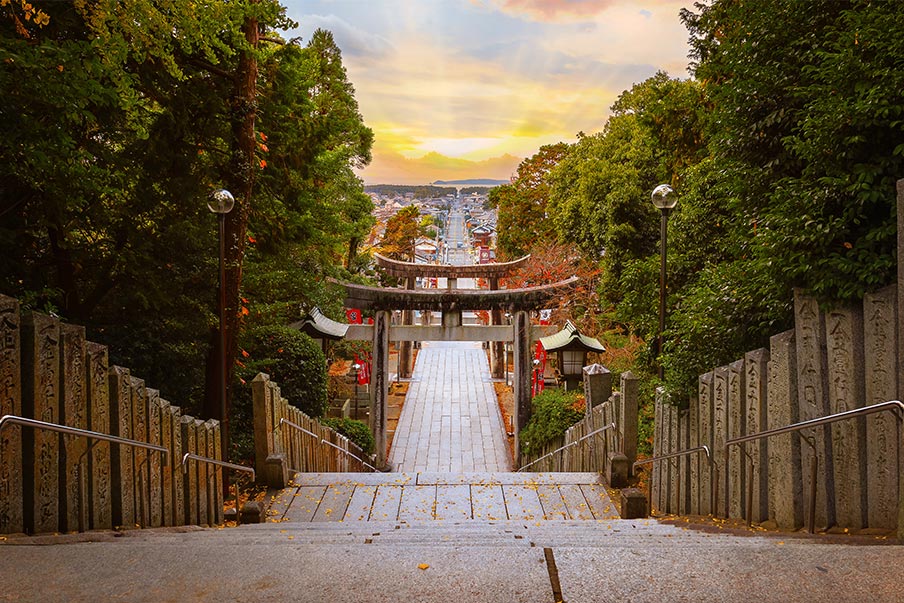
Nagasaki's history is incredibly deep and multifaceted, offering a profoundly moving and educational experience. The Atomic Bomb Museum and Peace Park are essential, providing a solemn but crucial understanding of the city's past. Beyond this, Nagasaki was Japan's sole window to the West for centuries, evident in charming sites like Dejima, a meticulously restored Dutch trading post (entry ¥520 / $3.50), and Glover Garden, showcasing stunning Western-style residences with panoramic harbor views (entry ¥620 / $4.20). The Oura Church and Confucius Shrine further highlight its international legacy. Fukuoka has its own rich history, particularly around Hakata (Kushida Shrine, Tochoji Temple) and as a gateway to ancient Korea, with Dazaifu Tenmangu Shrine (easily accessible by train, ¥410/$2.70 one-way) being a significant cultural highlight. However, Nagasaki's narrative feels more unique, tangible, and emotionally resonant. Its blended cultural heritage is visible around every corner, offering a truly distinctive historical journey. "Nagasaki's history hit different. Dejima was so cool to see the old trading post, felt like stepping back in time, and the Peace Park was incredibly moving." - u/HistoryBuffette
Winner takeaway
- Winner: Nagasaki
- Why: Nagasaki offers a more unique, poignant, and layered historical narrative, blending Japanese, European, and Chinese influences.
- Who this matters for: History enthusiasts, those seeking reflective experiences, and anyone interested in Japan's international past.
🍻 Nightlife & Entertainment
For those who enjoy a lively evening, Fukuoka is hands-down the winner. The city's main nightlife hubs, Tenjin and Nakasu, are buzzing with activity well into the night. Tenjin offers a vast array of modern bars, chic cocktail lounges, and even a few clubs, catering to a younger, trendier crowd. Prices for a drink typically range from ¥500-¥1,000 ($3.50-$7). Nakasu, famous for its red-light district reputation, also features numerous izakayas and the aforementioned Yatai stalls, which are a fantastic way to experience local evening culture. You can easily spend ¥3,000-¥6,000 ($20-$40) on food and drinks at a Yatai. Nagasaki, while charming, has a much more subdued nightlife. Its Shianbashi area has a concentration of izakayas and smaller bars, popular with locals and a more mature crowd. It's perfect for a relaxed drink and a quiet chat, but you won't find the same level of energy or variety as in Fukuoka. However, Nagasaki offers one of Japan's top three night views from Mt. Inasa, which is its own form of spectacular evening entertainment. "Fukuoka's nightlife is legit. Tenjin had so many options, from chill izakayas to louder clubs, way more going on than I expected, way more buzz than Nagasaki." - u/PartyTraveller88
Winner takeaway
- Winner: Fukuoka
- Why: Fukuoka boasts a much larger, more diverse, and energetic nightlife scene with abundant options for all tastes.
- Who this matters for: Party-goers, social butterflies, and those who enjoy a bustling urban evening.
💰 Costs & Budget
When it comes to stretching your yen, Nagasaki generally offers a slightly more budget-friendly experience. Accommodation in Nagasaki, especially mid-range hotels and hostels, often comes in a bit cheaper. You can find a decent business hotel for ¥7,000-¥12,000 ($47-$80) a night, and hostel beds for ¥3,000-¥4,500 ($20-$30). Food costs are also marginally lower, particularly outside the main tourist zones. Local Champon or Sara Udon is a filling meal for under ¥1,500 ($10). Transportation within Nagasaki using the tram system is very affordable at ¥140 ($1) per ride. Fukuoka, as a larger metropolitan hub, naturally commands slightly higher prices. Mid-range hotels typically start from ¥9,000-¥18,000 ($60-$120), and while there's a wider range of hostels, they can also be slightly pricier. Eating at Fukuoka's famous Yatai can be a bit more expensive than a casual meal, but delicious ramen is still very affordable. Overall, both cities offer excellent value compared to Tokyo or Kyoto, but Nagasaki edges out Fukuoka for day-to-day expenses if you're watching your budget closely. "Nagasaki felt a bit easier on the wallet for food and even some hotels compared to the bigger cities in Japan." - u/BudgetBackpacker77
Winner takeaway
- Winner: Nagasaki
- Why: Nagasaki often has slightly lower costs for accommodation, dining, and local transport, making it marginally more budget-friendly.
- Who this matters for: Budget-conscious travelers and those looking to maximize their yen without sacrificing experience.
🚄 Getting There & Around
Fukuoka truly shines in terms of accessibility and intra-city navigation. Fukuoka Airport (FUK) is arguably one of the most convenient airports in Japan, located just two subway stops from Hakata Station (approx. 5 minutes, ¥260 / $1.75). This makes arriving and departing incredibly smooth. Furthermore, Hakata Station is a major Shinkansen hub, connecting you swiftly to Hiroshima, Osaka, and Tokyo, and also serves as the primary gateway for regional trains throughout Kyushu. The city's subway system is efficient, clean, and covers all major tourist areas, with a one-day pass costing around ¥640 ($4.30). Nagasaki Airport (NGS) is further out, requiring a 45-minute bus ride to the city center (approx. ¥1,200 / $8). While Nagasaki's retro tram system is delightful and covers most attractions at a flat rate of ¥140 ($1), it's less extensive than Fukuoka's subway. For inter-city travel, the Limited Express Kamome train connects Fukuoka (Hakata Station) to Nagasaki in about 2 hours for ¥5,000-¥6,000 ($35-$40). Fukuoka's overall connectivity and ease of movement give it a clear advantage. "Fukuoka Airport being basically in the city center is a godsend, so easy to get straight into action without any hassle after a flight." - u/EfficientTraveler
Winner takeaway
- Winner: Fukuoka
- Why: Fukuoka offers superior access with its central airport and Shinkansen hub, plus a more extensive and efficient city transport system.
- Who this matters for: Travelers prioritizing convenience, those with tight schedules, and anyone using a JR Pass for broader Kyushu exploration.
🏨 Accommodation Options
Fukuoka, being a larger city and a major business hub, offers a much wider and more diverse range of accommodation options to suit every budget and style. You'll find numerous luxury hotels around Hakata Station and Tenjin, like the Grand Hyatt Fukuoka or Hotel Okura Fukuoka, where rooms can start from ¥25,000-¥50,000 ($170-$335). There's also an abundance of high-quality, modern business hotels like Dormy Inn or Toyoko Inn, typically ranging from ¥9,000-¥18,000 ($60-$120), offering excellent value and often including free breakfast or public baths. Hostels are also plentiful and generally well-regarded. Nagasaki has a respectable selection, with several established business hotels, some charming historic hotels near Glover Garden, and a growing number of hostels around the tram lines. Mid-range hotels might cost ¥7,000-¥12,000 ($47-$80) and hostels ¥3,000-¥4,500 ($20-$30). While Nagasaki's options are perfectly adequate and often cozy, Fukuoka simply has more choice, better availability, and often higher standards across different price points due to its competitive market. "Found some really stylish business hotels in Fukuoka for decent prices, felt like a steal compared to Tokyo, and the location was perfect." - u/HotelHunter
Winner takeaway
- Winner: Fukuoka
- Why: Fukuoka boasts a greater variety and availability of accommodation, from luxury to budget, often with better amenities due to a more competitive market.
- Who this matters for: Travelers seeking diverse lodging choices, those looking for premium experiences, or budget travelers needing more hostel options.
🏞️ Day Trips & Excursions
Fukuoka's strategic location and excellent transport links make it an ideal base for a variety of fantastic day trips. The most popular is Dazaifu Tenmangu Shrine, a beautiful and historically significant shrine dedicated to Sugawara no Michizane, easily reached by train in about 30-40 minutes (¥410 / $2.70 one-way). Another charming option is Yanagawa, known for its scenic canal boat rides, offering a tranquil escape. Mojiko Retro, with its historic European architecture, and the industrial city of Kitakyushu, are also easily accessible by train. Nagasaki's day trip options are unique and compelling, particularly the haunting and fascinating Gunkanjima (Hashima Island) ghost island tour (booking ahead is essential, tours start around ¥4,000 / $27 and take half a day). Unzen National Park, with its volcanic landscapes and hot springs, and the Shimabara Peninsula offer beautiful natural scenery but require a bit more effort to reach. While Gunkanjima is truly exceptional, Fukuoka's day trips are generally more varied, accessible, and cater to broader interests, from cultural sites to scenic towns. "Dazaifu from Fukuoka is a super easy half-day trip, and Yanagawa was surprisingly charming with the boat ride, perfect for a chill afternoon." - u/KyushuExplorer
Winner takeaway
- Winner: Fukuoka
- Why: Fukuoka offers a wider array of easily accessible day trips covering cultural, historical, and scenic interests.
- Who this matters for: Travelers who love exploring beyond the main city and value convenient, varied excursions.
⛰️ Nature & Scenery
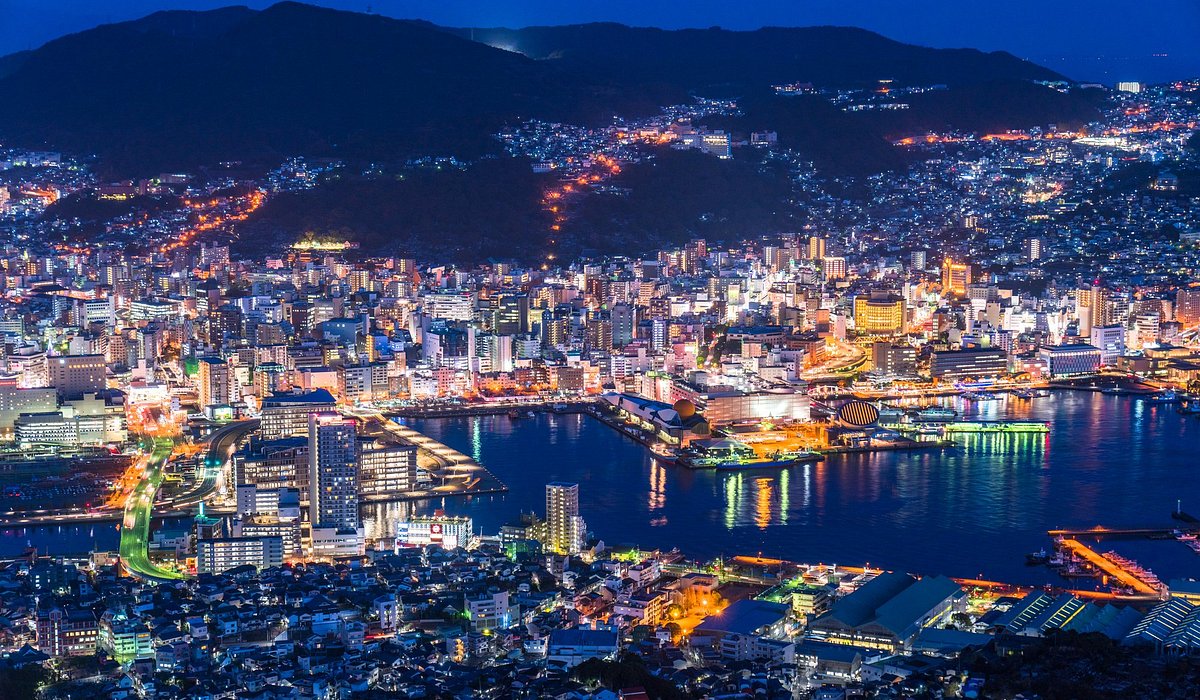
Nagasaki offers some truly iconic and breathtaking natural scenery, making it a strong contender in this category. The absolute highlight is the night view from Mt. Inasa, often cited as one of Japan's top three night views. The panoramic vista of the city lights shimmering against the harbor is simply spectacular, and access via ropeway costs ¥1,250 ($8.50) round-trip. The city itself is built into hills, offering many charming viewpoints and gardens like Glover Garden with its scenic outlooks. Further afield, Unzen-Amakusa National Park provides dramatic volcanic landscapes, hot springs, and hiking opportunities, albeit requiring more travel time. Fukuoka has its own green spaces like the beautiful Ohori Park with its large pond and walking paths, and the seasonal flower fields of Nokonoshima Island Park (ferry + bus, around ¥1,500 / $10 total). While Fukuoka has pleasant urban parks and some accessible beaches like those on Itoshima, Nagasaki's dramatic topography, stunning harbor, and the world-class Mt. Inasa night view give it a slight edge for sheer visual impact and natural grandeur. "The night view from Mt. Inasa in Nagasaki is honestly one of the best I've seen in Japan, absolutely breathtaking, worth the trip just for that." - u/ScenicPhotog
Winner takeaway
- Winner: Nagasaki
- Why: Nagasaki boasts the world-renowned Mt. Inasa night view and a more dramatic natural landscape due to its hilly terrain and harbor.
- Who this matters for: Photographers, romantics, and those who appreciate stunning panoramic vistas and unique urban scenery.
🛍️ Shopping
Fukuoka is a retail paradise, offering a significantly superior shopping experience compared to Nagasaki. The city is home to two major shopping hubs: Tenjin and Hakata. Tenjin boasts numerous large department stores like Daimaru, Mitsukoshi, and Parco, offering everything from high-end fashion to quirky Japanese goods. The underground shopping mall in Tenjin is also massive and connects various buildings. Hakata Station City itself is a huge complex with Amu Plaza and Hankyu department store, providing a one-stop shop for fashion, electronics, and souvenirs. Not to mention Canal City Hakata, a sprawling mall with a canal running through it, blending entertainment with retail. You could easily spend days exploring Fukuoka's shopping scene, with options for all budgets. Nagasaki's main shopping area is the Hamanomachi Arcade, a covered street with local shops, fashion boutiques, and plenty of places to buy famous Nagasaki Castella cake (e.g., Fukusaya or Shooken). While charming for souvenirs and local specialties, it simply can't compete with the scale, variety, and modernity of Fukuoka's retail offerings. "Fukuoka is a shopping paradise, especially Tenjin. So many department stores and cool boutiques, could spend days just browsing for unique gifts." - u/ShopTillYouDrop
Winner takeaway
- Winner: Fukuoka
- Why: Fukuoka offers vastly more extensive, diverse, and modern shopping options across multiple large districts and department stores.
- Who this matters for: Fashion enthusiasts, souvenir hunters, and those who enjoy urban retail therapy.
🚶♀️ Solo Travel & Safety
Both Nagasaki and Fukuoka are incredibly safe cities, embodying Japan's reputation for low crime rates and public order, making them excellent choices for solo travelers. You can confidently walk alone at night in almost any area without concern. For the solo traveler seeking introspection and a deeper connection with history, Nagasaki might feel slightly more appealing. Its compact size and charming tram system make it incredibly easy to navigate independently, fostering a sense of peaceful exploration. The historical sites offer ample opportunities for quiet reflection. For the more social solo traveler, Fukuoka provides more avenues for meeting people, especially at the lively Yatai stalls where striking up conversations with locals and other travelers is common. Its extensive public transport and bustling city centers in Tenjin and Hakata also mean there's always something to do or see. Accommodation options in both cities are plentiful, from budget hostels to comfortable business hotels, catering well to single travelers. Ultimately, the 'winner' depends on the solo traveler's personal preference for pace and social interaction, as both offer a safe and enriching experience. "Traveled solo to both and felt completely safe everywhere. Fukuoka was easier to strike up conversations at the yatai, Nagasaki was great for quiet reflection and museum visits." - u/SoloJapanExplorer
Winner takeaway
- Winner: Tie
- Why: Both cities offer exceptional safety and ease of navigation for solo travelers, catering to different preferences for social interaction and pace.
- Who this matters for: All solo travelers, regardless of whether they prefer quiet introspection or social interaction.
❓ Frequently Asked Questions
How many days should I allocate for Nagasaki and Fukuoka?
For Nagasaki, 2 full days are usually sufficient to cover the main historical sites, Glover Garden, and the Mt. Inasa night view. For Fukuoka, 2-3 full days are recommended to explore the city's culinary scene, shopping districts, and perhaps a half-day trip to Dazaifu. If combining both, aim for 4-6 days total.
Is it easy to travel between Nagasaki and Fukuoka?
Yes, it's very easy! The Limited Express Kamome train connects Hakata Station (Fukuoka) to Nagasaki Station directly. The journey takes approximately 2 hours and costs around ¥5,000-¥6,000 ($35-$40) one-way. JR Pass holders can use this train.
Which city is better for families with children?
Both cities are family-friendly, but Fukuoka might have a slight edge due to its larger parks (Ohori Park), Canal City Hakata (with entertainment and shops), and easier access to Nokonoshima Island Park. Nagasaki's historical sites, particularly the Atomic Bomb Museum, might be intense for very young children, though Glover Garden and the tram rides are fun for all ages.
Do I need a JR Pass to travel around Kyushu and between these cities?
If you are only traveling between Fukuoka and Nagasaki, a JR Pass might not pay off. A round trip costs about ¥10,000-¥12,000. However, if you plan to visit other parts of Kyushu (e.g., Kumamoto, Kagoshima, Beppu), a Kyushu Rail Pass (either Northern Kyushu or All Kyushu) would likely be a worthwhile investment.
What's the best time of year to visit?
Spring (March-May) for cherry blossoms and mild weather, or Autumn (October-November) for vibrant fall foliage and comfortable temperatures. Summer (June-August) can be hot and humid with typhoon risks, while Winter (December-February) is generally mild but can be chilly, especially in Nagasaki's hilly areas.
Are there good beaches near either city?
Fukuoka has more accessible beach options, particularly around the Itoshima Peninsula (about an hour by train/bus), which offers popular spots like Futamigaura. Nagasaki has some smaller coastal areas but isn't known for its city beaches. For serious beach lovers, consider Okinawa or other islands.
Which city has better English support for tourists?
As major tourist destinations, both cities have decent English signage at transport hubs and major attractions. However, Fukuoka, being a larger international gateway, tends to have slightly more English-speaking staff in hotels, larger restaurants, and department stores. Outside of these, basic Japanese phrases are always helpful.
Can I use public transport easily in both cities without speaking Japanese?
Yes! Both Fukuoka (subway) and Nagasaki (tram) public transport systems are tourist-friendly with English signage and announcements. Google Maps is extremely accurate for navigation and showing train/bus schedules and fares. Purchasing a local IC card like Sugoca or Nimoca (valid throughout Japan) makes travel even smoother.
Ready to plan your Kyushu trip?
Get a free custom itinerary for Nagasaki, Fukuoka, or both — built from real traveler insights.
🎟️ Book Tours & Experiences
Hand-picked tours and activities for both destinations — book with free cancellation
Experiences via Viator — free cancellation on most tours