How we built this comparison
This page combines traveler discussion patterns, published price ranges, flight schedules, and seasonal data to help you decide between Nagoya and Osaka.
- Reviewed 50+ Reddit threads from r/travel, r/solotravel, r/JapanTravel, r/Nagoya, r/Osaka for authentic traveler opinions and experiences.
- Verified costs and logistics against current booking platforms (e.g., Agoda, Booking.com, JR Pass website) and local tourism boards.
- Cross-referenced seasonal patterns and weather data to provide realistic advice on timing and activities.
⚡ The TL;DR Verdict
Choose Nagoya if you appreciate efficiency, unique regional cuisine, and a less touristy experience, often with a daily budget of ¥12,000-¥18,000 ($80-$120 USD). Pick Osaka for its buzzing nightlife, incredible food scene, and as a hub for exploring the Kansai region, typically needing ¥15,000-¥25,000 ($100-$170 USD) per day. Both offer excellent value but cater to different travel styles.
- Choose Nagoya: For those seeking a more authentic, less crowded Japanese city experience, often described as 'underrated.' It's perfect for car enthusiasts, history buffs interested in the Tokugawa era, and travelers looking for a more relaxed pace and unique local food.
- Choose Osaka: Ideal for foodies, party-goers, and anyone who loves a lively, energetic atmosphere. It's a fantastic base for first-time visitors to Japan wanting to explore Kyoto, Nara, and Hiroshima with ease, offering a high-energy urban adventure.
- Choose Both: If you have 7+ days in Japan, combining both is feasible. Start with 2-3 days in Nagoya to experience its distinct charm, then take the Shinkansen (approx. 50 mins, ¥5,000/~$33) to Osaka for 4+ days. This allows you to contrast regional cultures and food.
Quick Comparison
| Category | Nagoya | Osaka | Winner |
|---|---|---|---|
| Food & Drink | Unique 'Nagoya Meshi' (local cuisine) like Miso Katsu and Hitsumabushi. More refined, less overtly touristy. | Japan's unofficial 'kitchen' – endless street food, Michelin-starred restaurants, and vibrant dining districts. Dotonbori is legendary. | Osaka |
| Nightlife & Entertainment | More subdued, with a focus on izakayas and local bars around Sakae. Less tourist-focused, more authentic. | Electrifying and diverse, with areas like Dotonbori and Namba offering everything from themed bars and clubs to traditional izakayas and live music. | Osaka |
| Culture & History | Rich history as the seat of the Tokugawa clan. Nagoya Castle, Atsuta Jingu Shrine, Tokugawa Art Museum. | Strong merchant history, unique Kansai dialect, lively arts scene. Osaka Castle, Sumiyoshi Taisha Shrine, National Bunraku Theater. | Tie |
| Budget & Costs | Generally more affordable for accommodation and dining, especially outside the core tourist areas. Good value for money. | Can be pricier due to its popularity, especially for hotels and tourist-oriented dining. Still good value but requires more careful budgeting. | Nagoya |
| Accessibility & Transport | Excellent Shinkansen access as a major hub between Tokyo and Kyoto/Osaka. Efficient local subway. | Major international airport (KIX), extensive local train/subway network for Kansai. Great hub for regional travel. | Osaka |
| Accommodation | Good range of business hotels and mid-range options, often at better prices. Less luxury, more practical. | Abundant options from budget hostels to luxury hotels, but higher demand means higher prices, especially in peak season. | Nagoya |
| Day Trips & Surroundings | Access to quaint towns like Inuyama, traditional villages like Magome-juku, and natural beauty like Korankei Gorge. | Unbeatable access to Kyoto, Nara, Kobe, and Himeji, offering a vast array of world-class cultural and historical sites. | Osaka |
| Shopping | Good for local specialties, electronics, and fashion in Sakae. Less overwhelming, more focused. | Extensive shopping districts in Umeda and Shinsaibashi. Department stores, trendy boutiques, anime goods, and duty-free options abound. | Osaka |
| Atmosphere & Vibe | More understated, industrial, and efficient. Known for its reserved and polite locals, less touristy feel. | Lively, boisterous, and outgoing. Known for its friendly, humorous locals and a dynamic, energetic urban pulse. | Osaka |
| Family Friendliness | Legoland Japan, SCMG Railways Park (train museum), Higashiyama Zoo and Botanical Gardens. Less overwhelming. | Universal Studios Japan (USJ), Osaka Aquarium Kaiyukan, Kids Plaza Osaka. Huge variety but can be crowded. | Osaka |
🍜 Food & Drink
Osaka truly earns its reputation as 'Japan's Kitchen.' From the iconic street food in Dotonbori like takoyaki (octopus balls, ~¥500/$3.50 a plate) and okonomiyaki (savory pancake, ~¥800-¥1200/$5.50-$8), to high-end Michelin-starred dining, the sheer variety and quality are unmatched. Specific recommendations include Kuromon Ichiba Market for fresh seafood and snacks, and Shinsekai for classic kushikatsu (fried skewers). Osaka's food scene is an immersive experience where you can eat your way through entire neighborhoods. Nagoya, while excellent, offers a more specialized experience with its 'Nagoya Meshi' like miso katsu (pork cutlet with red miso, ~¥1,500/$10) at Yabaton, or hitsumabushi (grilled eel over rice, ~¥3,000-¥5,000/$20-$33) at Atsuta Houraiken. These are delicious and unique but require more specific seeking. As one Redditor put it, "Osaka's food just hits different, man. Dotonbori at night feels like a food festival every single day. Nagoya's good, but it's more about specific dishes." The energy around food in Osaka is infectious, making it a clear winner for the ultimate culinary adventure.
Winner takeaway
- Winner: Osaka
- Why: Osaka offers unparalleled diversity, accessibility, and sheer volume of delicious food experiences, from street eats to fine dining.
- Who this matters for: Foodies, gourmands, and anyone whose trip revolves around culinary exploration.
🌃 Nightlife & Entertainment
Osaka's nightlife is legendary, catering to every taste. Dotonbori is the epicenter, famous for its neon lights, massive signs (Glico Man!), and endless entertainment options. You'll find lively izakayas, karaoke boxes, themed bars, and major clubs in areas like Namba and Shinsaibashi. Expect to spend ¥3,000-¥5,000 ($20-$33) for a casual night out with drinks and snacks, or much more for clubbing. The energy is palpable, making it easy to meet people and find late-night fun. Nagoya, on the other hand, offers a more local, relaxed nightlife, primarily centered around the Sakae district. Here, you'll discover cozy izakayas, craft beer bars, and some live music venues, but it lacks the overwhelming vibrancy of Osaka. It's a great place to experience a 'salaryman's' night out, often with excellent food and drink but less overt spectacle. "Nagoya felt more like a place to grab a quiet drink with friends, whereas Osaka just screams 'party time!'" a traveler once noted. For an unforgettable, high-energy night out, Osaka is the undisputed champion.
Winner takeaway
- Winner: Osaka
- Why: Osaka provides a more vibrant, diverse, and accessible nightlife scene with options for every preference, from wild clubs to cozy bars.
- Who this matters for: Party-goers, social travelers, and those looking for lively evening entertainment.
🏯 Culture & History
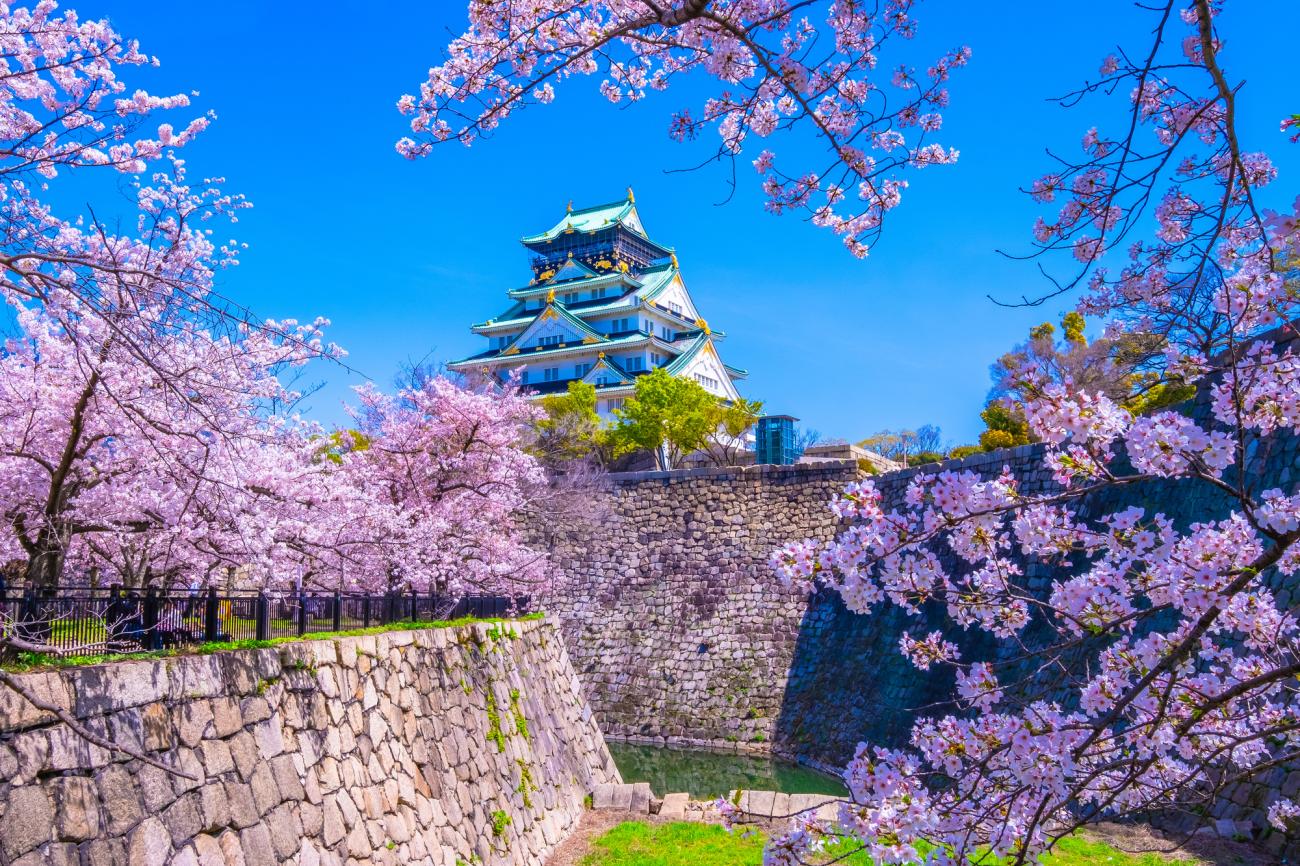
Both cities offer distinct cultural and historical experiences. Nagoya's history is deeply intertwined with the Tokugawa shogunate, making it a fascinating destination for those interested in samurai and feudal Japan. Nagoya Castle (entry ~¥500/~$3.50) is a magnificent reconstruction, and the Tokugawa Art Museum (entry ~¥1,400/~$9.50) houses incredible artifacts, including samurai armor and the Tale of Genji picture scrolls. Atsuta Jingu Shrine is one of Japan's most important Shinto shrines. It feels less crowded and offers a deeper dive into a specific period. Osaka boasts its own impressive Osaka Castle (entry ~¥600/~$4), a symbol of Hideyoshi Toyotomi's power, and the ancient Sumiyoshi Taisha Shrine. Its cultural identity is more about its merchant past, a pragmatic, humorous spirit (known as 'Osaka humor'), and a strong traditional arts scene like Bunraku puppetry at the National Bunraku Theater (tickets ~¥4,000-¥8,000/$27-$55). "Nagoya felt like stepping into an old samurai movie, while Osaka was more about the gritty, lively history of merchants and common folk. Both are great, just different vibes." If you're into feudal lords and tranquility, Nagoya shines; if you prefer dynamic merchant history and performing arts, Osaka is your spot. It's a genuine tie based on preference.
Winner takeaway
- Winner: Tie
- Why: Both cities offer rich, distinct historical and cultural narratives that appeal to different interests, making it a matter of personal preference.
- Who this matters for: History buffs, culture enthusiasts, and those seeking authentic Japanese traditions.
💰 Budget & Costs
When it comes to stretching your yen, Nagoya generally offers a better deal, especially for accommodation. A decent business hotel in Nagoya like the Dormy Inn or Toyoko Inn can be found for ¥7,000-¥10,000 ($47-$67) per night, whereas similar quality in central Osaka (Namba, Umeda) often starts at ¥9,000-¥14,000 ($60-$93). Food costs can be slightly lower in Nagoya too, as it's less geared towards mass tourism. For example, a quality lunch set in Nagoya might be ¥800-¥1,200 ($5.50-$8), while in popular Osaka areas, it could be ¥1,000-¥1,500 ($7-$10). Transportation within both cities is efficient, with subway day passes typically around ¥800 ($5.50). "I found my hotel in Nagoya for like $50 a night, and it was super clean and had free ramen! Couldn't find anything similar in Osaka for less than $80." While Osaka has budget options, the demand drives prices higher. If you're traveling on a tighter budget but still want quality experiences, Nagoya allows your money to go further, making it a clear winner for cost-conscious travelers.
Winner takeaway
- Winner: Nagoya
- Why: Nagoya offers generally lower prices for accommodation, dining, and activities, providing better value for budget travelers.
- Who this matters for: Budget travelers, long-term visitors, and those seeking maximum value.
🚅 Accessibility & Transport
Osaka is a superior base for regional exploration due to its extensive and interconnected transportation network. Kansai International Airport (KIX) offers direct flights from many international destinations, and from there, you can reach central Osaka (Namba/Umeda) via the Nankai Rapid Express or JR Haruka train in about 35-50 minutes (¥1,500-¥3,000/$10-$20). Osaka's local subway and JR lines are incredibly comprehensive, making it easy to reach Kyoto (30 mins via JR Special Rapid, ¥580/$4), Nara (45 mins via JR Yamatoji, ¥810/$5.50), and even Hiroshima (1.5-2 hrs via Shinkansen, ¥10,000/$67) with minimal fuss. Nagoya, while a crucial Shinkansen stop between Tokyo and Kyoto/Osaka, doesn't have the same level of regional connectivity for day trips beyond its immediate prefecture. Getting to Nagoya from Tokyo takes about 1 hour 40 minutes via Shinkansen (¥10,500/$70). Its local subway is efficient but serves primarily the city itself. "Osaka is just so well-connected for day trips. You can literally be in Kyoto for breakfast and Nara for lunch. Nagoya felt a bit more isolated for regional exploring." While both are well-connected by Shinkansen, Osaka's combination of an international airport and its central location for the entire Kansai region makes it a more convenient transport hub.
Winner takeaway
- Winner: Osaka
- Why: Osaka serves as a more comprehensive transportation hub with an international airport and unparalleled regional connectivity for day trips.
- Who this matters for: Travelers planning extensive regional day trips, first-time visitors to Japan, and those valuing convenience.
🏨 Accommodation
Nagoya offers a more favorable accommodation landscape for value-conscious travelers. You'll find a wealth of clean, efficient business hotels like Dormy Inn, Daiwa Roynet, and Meitetsu Inn, often with amenities like public baths and free breakfast, for prices typically ranging from ¥7,000 to ¥12,000 ($47-$80) per night for a single or double room. These options provide excellent comfort and convenience without breaking the bank. While luxury hotels exist, the focus is on practical, well-maintained mid-range choices. Osaka, conversely, has a broader spectrum, from capsule hotels (¥3,000-¥5,000/$20-$33) to opulent international brands, but the average price for a comfortable, mid-range hotel is consistently higher, usually ¥9,000 to ¥18,000 ($60-$120), particularly in popular districts like Namba, Umeda, and Shinsaibashi. Demand is simply higher due to its tourist popularity. "I really appreciated how much more bang for my buck I got in Nagoya for hotels. Managed to snag a great room with a big bath for what I'd pay for a basic shoebox in Osaka." For consistent quality and better prices across the board, Nagoya is the clear winner.
Winner takeaway
- Winner: Nagoya
- Why: Nagoya provides better value and more consistent pricing for quality mid-range accommodation compared to Osaka.
- Who this matters for: Budget-conscious travelers, those seeking practical comfort, and business travelers.
⛰️ Day Trips & Surroundings
Osaka reigns supreme for day trip opportunities due to its central location within the Kansai region. From Osaka, you can effortlessly visit Kyoto for its temples and geisha districts (30 mins, ¥580/$4), Nara for its deer park and giant Buddha (45 mins, ¥810/$5.50), Kobe for its beef and harbor (25 mins, ¥410/$2.80), and Himeji for its stunning castle (1 hour, ¥1,520/$10 via JR Special Rapid). This allows for a diverse itinerary packed with UNESCO World Heritage sites. Nagoya offers excellent, but different, day trips. You can explore Inuyama Castle (Japan's oldest original castle, 30 mins, ¥660/$4.50), the charming post towns of the Nakasendo trail like Magome-juku (2-2.5 hrs, ~¥3,000/$20), or the stunning autumn foliage at Korankei Gorge (1.5 hrs, ~¥1,500/$10 by bus/train). These trips offer a more rustic, less crowded experience. "If you want to see the classic Japan stuff – temples, castles, deer – Osaka is the obvious choice. Nagoya's day trips are cool but niche." While Nagoya's day trips are beautiful and authentic, Osaka's access to multiple world-renowned destinations makes it the superior choice for most travelers seeking diverse excursions.
Winner takeaway
- Winner: Osaka
- Why: Osaka offers unparalleled access to a concentration of world-class cultural and historical day trip destinations, including Kyoto and Nara.
- Who this matters for: First-time visitors to Japan, culture vultures, and those wanting to maximize their sightseeing variety.
🛍️ Shopping
Osaka is a shopping paradise that caters to every whim, from high fashion to quirky souvenirs. The Umeda district boasts massive department stores like Hankyu, Hanshin, and Daimaru, alongside underground malls packed with fashion and electronics. Shinsaibashi-suji, a covered shopping arcade, stretches for over 600 meters, offering everything from trendy boutiques to duty-free shops, with adjacent Americana Mura for youth fashion. Den-Den Town in Namba is Osaka's answer to Akihabara, a haven for electronics, anime, and manga enthusiasts. You can easily spend an entire day (or more!) just exploring the shopping options. Nagoya's main shopping hub is Sakae, featuring major department stores like Matsuzakaya and Mitsukoshi, as well as the Oasis 21 complex. It's excellent for mainstream fashion, local crafts, and electronics, but on a smaller, more manageable scale. "Osaka's shopping is next level. You can literally find anything, and the vibe is just so exciting. Nagoya has good stores, but it's not an 'experience' like Osaka." While Nagoya offers solid shopping, Osaka's sheer volume, variety, and vibrant atmosphere make it the clear winner for serious shoppers or anyone looking for a comprehensive retail therapy experience.
Winner takeaway
- Winner: Osaka
- Why: Osaka provides a far more extensive, diverse, and vibrant shopping experience with dedicated districts for all types of goods.
- Who this matters for: Fashionistas, electronics enthusiasts, anime fans, and souvenir hunters.
✨ Atmosphere & Vibe
Osaka's atmosphere is famously vibrant, boisterous, and full of life. Osakans are known for their outgoing personalities, sharp wit, and love for food, contributing to a city that feels perpetually energetic and welcoming. The streets, particularly in areas like Dotonbori and Namba, buzz with activity day and night, filled with laughter, street performers, and the aroma of delicious food. There's a tangible sense of 'ganbaru' (doing your best) mixed with a laid-back, friendly attitude. Nagoya, in contrast, offers a more reserved, efficient, and understated atmosphere. It's often described as a 'working city,' clean and orderly, but lacking the overt 'wow factor' of Osaka or Tokyo. Locals are polite and helpful, but perhaps less overtly engaging with tourists. It feels less crowded and more authentic in a quiet way. "Osaka has this infectious energy; everyone seems to be having a good time. Nagoya felt calmer, more local, but maybe a bit less exciting for a short trip." While Nagoya provides a peaceful, authentic glimpse into Japanese urban life, Osaka's dynamic, friendly, and lively spirit makes it the more memorable and exciting destination for most travelers seeking a bustling city vibe.
Winner takeaway
- Winner: Osaka
- Why: Osaka's energetic, outgoing, and friendly atmosphere provides a more exciting and engaging urban experience for visitors.
- Who this matters for: Social travelers, those seeking a lively urban buzz, and extroverts.
👨👩👧👦 Family Friendliness
Osaka offers a wider array of world-class, high-impact attractions that are sure to delight families with children of all ages. The undisputed king is Universal Studios Japan (USJ), especially with the Super Nintendo World (entry ~¥8,000-¥10,000/$53-$67 per person), which guarantees a full day of excitement. The Osaka Aquarium Kaiyukan (entry ~¥2,700/$18 for adults, kids cheaper) is one of the largest and most impressive aquariums globally, captivating even toddlers. Kids Plaza Osaka (entry ~¥1,400/$9.50 for adults, kids cheaper) is an interactive museum perfect for younger children. These attractions are easily accessible via Osaka's excellent public transport, though they can get very crowded. Nagoya counters with Legoland Japan (entry ~¥5,000-¥7,000/$33-$47), a great option for younger kids (2-12 years), and the SCMAGLEV and Railway Park (entry ~¥1,000/$7), which is fantastic for train enthusiasts. Higashiyama Zoo and Botanical Gardens (entry ~¥500/$3.50) is also a good, budget-friendly option. "USJ with the kids was an absolute blast, even with the crowds. Nagoya's Legoland was fun, but it's just not the same level of excitement for everyone in the family." While Nagoya has some solid family attractions, Osaka's sheer scale and global recognition of its offerings give it the edge for a memorable family trip.
Winner takeaway
- Winner: Osaka
- Why: Osaka boasts more internationally recognized and high-impact family attractions, including Universal Studios Japan and a world-class aquarium.
- Who this matters for: Families with children (especially teens), theme park enthusiasts, and those seeking iconic attractions.
❓ Frequently Asked Questions
Is Nagoya worth visiting compared to Osaka?
Absolutely, Nagoya is worth visiting, especially if you prefer a less touristy, more authentic Japanese urban experience. It offers unique local cuisine, significant historical sites related to the Tokugawa shogunate, and excellent museums, often at a more affordable price point than Osaka.
How long should I spend in Nagoya vs Osaka?
For Nagoya, 2-3 full days are generally sufficient to explore its main attractions and enjoy its cuisine. For Osaka, allocate 3-5 full days, especially if you plan to visit Universal Studios Japan or take multiple day trips to Kyoto, Nara, or Kobe. If combining both, 7-10 days for the region is ideal.
What's the best way to travel between Nagoya and Osaka?
The most efficient way is by Shinkansen (bullet train). A Nozomi or Hikari train takes approximately 50 minutes to 1 hour, costing around ¥5,000-¥6,000 ($33-$40) for a non-reserved seat. It's a quick and comfortable journey between the two cities.
Is the JR Pass good for travel between Nagoya and Osaka?
Yes, the Japan Rail Pass covers Shinkansen travel between Nagoya and Osaka on Hikari and Kodama trains. However, it does not cover the faster Nozomi trains. If you're only making this one trip, a single ticket might be cheaper than a multi-day JR Pass.
Are Nagoya and Osaka good for solo travelers?
Both are excellent for solo travelers. Osaka's lively atmosphere makes it easy to meet people in bars and hostels, while its efficient transport is great for independent exploration. Nagoya offers a more relaxed pace, feeling very safe and manageable for solo adventures without the overwhelming crowds.
What are the must-try foods in Nagoya and Osaka?
In Nagoya, definitely try 'Nagoya Meshi' specialties like Miso Katsu (fried pork cutlet with red miso sauce), Hitsumabushi (grilled eel over rice), and Tebasaki (Nagoya-style chicken wings). In Osaka, you cannot miss Takoyaki (octopus balls), Okonomiyaki (savory pancake), and Kushikatsu (deep-fried skewers).
Which city is better for a first-time visitor to Japan?
Osaka is generally recommended for first-time visitors to Japan. Its vibrant atmosphere, world-renowned food scene, and excellent connectivity to other popular destinations like Kyoto and Nara make it an ideal and exciting introduction to Japanese culture and travel.
Is Nagoya airport (NGO) convenient for international travel?
Chubu Centrair International Airport (NGO) is a modern and efficient airport with international connections, primarily to other Asian cities. It's very convenient for reaching central Nagoya via the Meitetsu train (30-40 mins, ~¥900-¥1,200/$6-$8). For broader international flights, Osaka (KIX) or Tokyo (NRT/HND) might offer more direct options.
Ready to plan your Japan trip?
Get a free custom itinerary for Nagoya, Osaka, or both — built from real traveler insights.
🎟️ Book Tours & Experiences
Hand-picked tours and activities for both destinations — book with free cancellation
Experiences via Viator — free cancellation on most tours