How we built this comparison
This page combines traveler discussion patterns, published price ranges, flight schedules, and seasonal data to help you decide between Nairobi and Cape Town.
- Reviewed 50+ Reddit threads from r/travel, r/solotravel, r/Nairobi, r/capetown, and r/safari.
- Verified costs and logistics against current booking platforms (e.g., Skyscanner, Booking.com, Uber estimate tool).
- Cross-referenced seasonal patterns and weather data from NOAA and local meteorological services.

⚡ The TL;DR Verdict
For those craving authentic wildlife safaris, vibrant local culture, and a more budget-friendly adventure, Nairobi is your pick, with a daily budget around $60-$120. If breathtaking coastal scenery, world-class dining, and a more developed, European-influenced vibe are what you seek, Cape Town, at $80-$160 daily, will captivate you.
- Choose Nairobi: Choose Nairobi for an unparalleled safari experience right on the city's doorstep, immersive cultural interactions, and a more 'unfiltered' African urban adventure. It's fantastic for wildlife enthusiasts and those on a moderate budget seeking authenticity.
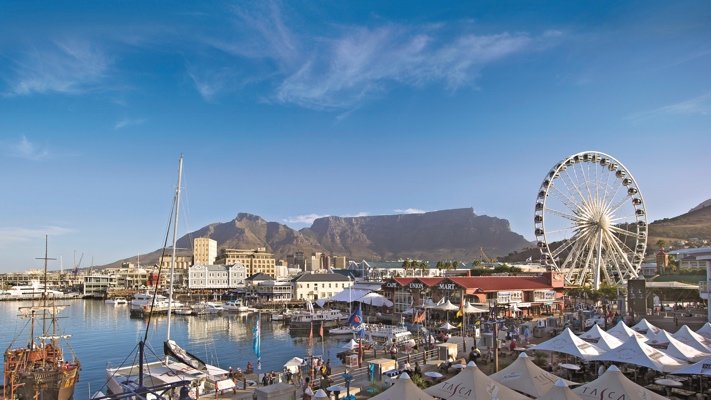
- Choose Cape Town: Opt for Cape Town if stunning natural landscapes (Table Mountain, beaches), a sophisticated culinary scene, excellent wine tours, and a generally more polished and accessible tourist infrastructure appeal. It's perfect for travelers who appreciate a blend of nature and urban comforts.
- Choose Both: If you have 2-3 weeks, doing both offers the ultimate East and Southern African experience. Start with Nairobi for a safari adventure (3-5 days), then fly to Cape Town (5-7 days) for its diverse attractions, followed by a Garden Route exploration.
Quick Comparison
| Category | Nairobi | Cape Town | Winner |
|---|---|---|---|
| Costs & Budget | Generally more affordable for accommodation, food, and local transport, though safaris can be pricey. | Higher costs for accommodation, dining, and activities, especially at peak season. | Nairobi |
| Nature & Wildlife | Direct access to world-class safaris (Nairobi National Park) and a gateway to Maasai Mara. | Stunning coastal and mountainous landscapes (Table Mountain, Cape Point), limited direct wildlife. | Nairobi |
| Culture & History | Rich Swahili, Maasai, and colonial history; vibrant modern African arts scene. | Complex history of apartheid, Khoisan heritage, and European colonization; diverse art galleries. | Tie |
| Food Scene | Authentic Kenyan cuisine, international options, famous for grilled meats (nyama choma). | World-class fine dining, diverse international cuisine, excellent seafood, renowned wine region. | Cape Town |
| Safety & Security | Requires vigilance, particularly in city center and at night; petty crime common. | Generally safer in tourist areas, but still requires awareness; crime rates can be high in certain districts. | Cape Town |
| Getting There & Around | Jomo Kenyatta International Airport (NBO) is a major hub; local transport relies on matatus, Uber/Bolt. | Cape Town International Airport (CPT) is well-connected; MyCiTi buses, Uber, and car rentals common. | Cape Town |
| Accommodation | Wide range from budget hostels to luxury safari lodges within city limits, good value. | Sophisticated boutique hotels, luxury resorts, and guesthouses with stunning views, often higher priced. | Cape Town |
| Day Trips & Excursions | Safari tours, Great Rift Valley views, coffee plantations, local village visits. | Winelands tours, Cape Peninsula drive, shark cage diving, Robben Island, Table Mountain. | Cape Town |
| Nightlife | Lively clubs, local bars, vibrant music scene, especially in Westlands. | Sophisticated bars, live music venues, trendy clubs on Long Street, diverse dining. | Tie |
| Weather & Seasons | Equatorial climate, two rainy seasons, generally warm year-round, less seasonal variation. | Mediterranean climate, distinct wet winters and dry, warm summers, strong seasonal variation. | Nairobi |
💰 Costs & Budget
Nairobi typically offers a more budget-friendly travel experience, particularly if you're willing to eat local and use public transport or ride-shares like Uber/Bolt. A decent mid-range hotel might cost KES 8,000-12,000 ($60-$90) per night, while street food or local restaurants offer meals for KES 500-1,500 ($4-$12). Safaris, however, are a significant expense, with a 3-day Nairobi National Park tour starting from KES 20,000-30,000 ($150-$220) per person. Cape Town, while still offering value compared to Europe or North America, is noticeably pricier. A mid-range hotel can run ZAR 1,500-3,000 ($80-$160) per night, and a good dinner with wine might be ZAR 400-800 ($20-$45). Activities like Table Mountain Cableway are ZAR 420 ($22) return. For comparison, a cup of coffee might be KES 250 ($2) in Nairobi versus ZAR 40 ($2.15) in Cape Town. "Nairobi is definitely cheaper day-to-day, but that big safari cost can skew your budget fast. Cape Town feels more like a European city budget-wise, but the food quality for the price is insane."
Winner takeaway
- Winner: Nairobi
- Why: Nairobi generally offers lower daily expenses for food, local transport, and non-safari activities, making it more accessible for budget-conscious travelers.
- Who this matters for: Budget travelers, backpackers, and those who prioritize stretching their travel funds.
🦁 Nature & Wildlife
Nairobi is the undisputed champion for wildlife. Nairobi National Park, a full-fledged safari park with lions, rhinos, giraffes, and more, is literally within city limits – just a 30-minute drive from the CBD. You can even see giraffes with skyscrapers in the background! The Giraffe Centre and David Sheldrick Wildlife Trust (orphan elephants) offer unique close-up encounters, with entry fees around KES 1,500-2,000 ($12-$15) each. It's also the primary gateway for flights to the Maasai Mara, world-renowned for the Great Migration. Cape Town's natural beauty is breathtaking, dominated by Table Mountain (hiking or cableway for ZAR 420/$22 return), the dramatic coastline of Chapman's Peak Drive, and the wild beauty of Cape Point. Boulders Beach offers adorable African Penguins (ZAR 190/$10 entry), and whale watching is seasonal in False Bay, but it doesn't offer the 'big five' safari experience. "If you want to see wild elephants and lions, Nairobi is it. Cape Town has incredible views, but it's more about landscapes and penguins than a proper safari."
Winner takeaway
- Winner: Nairobi
- Why: Nairobi provides unparalleled access to authentic African wildlife experiences, including a national park within city limits and proximity to world-famous safari destinations.
- Who this matters for: Wildlife enthusiasts, safari-goers, and anyone whose primary goal is to see the 'big five'.
🎭 Culture & History
Both cities offer deep and compelling cultural and historical experiences, albeit different ones. Nairobi's history is steeped in its colonial past, independence struggles, and the vibrant tapestry of Kenya's 40+ tribes. The Karen Blixen Museum (KES 1,200/$9), Bomas of Kenya (traditional villages, KES 1,000/$7.50), and the National Museum (KES 1,500/$12) offer insights. The Maasai Market (various locations daily) is a fantastic place for crafts. Cape Town's history is dominated by its role as a port city, the legacy of apartheid, and its diverse population. Robben Island (ZAR 600/$32 for a ferry and tour) is a powerful, essential visit. The District Six Museum (ZAR 60/$3.20 donation suggested), Bo-Kaap's colorful houses, and the Slave Lodge offer poignant historical perspectives. The Zeitz MOCAA (ZAR 250/$13.50) is a world-class contemporary African art museum. "Nairobi's culture felt more raw and immediate, with the markets and local interactions. Cape Town's history, especially Robben Island, hits you hard – it's something everyone needs to experience."
Winner takeaway
- Winner: Tie
- Why: Both cities offer profoundly rich and distinct cultural and historical narratives, making it impossible to pick a single 'winner' without personal preference.
- Who this matters for: History buffs, art lovers, and those interested in understanding diverse societal evolutions.
🍽️ Food Scene
Cape Town stands out for its sophisticated and incredibly diverse food scene. From Michelin-star-level fine dining at establishments like Fyn Restaurant (tasting menu around ZAR 1,800/$95) to bustling food markets like the Neighbourgoods Market at Old Biscuit Mill and fresh seafood at the V&A Waterfront (e.g., Codfather Seafood & Sushi, ZAR 400-800/$20-45 per person), the quality and variety are exceptional. The proximity to the Stellenbosch and Franschhoek Winelands also means incredible wine pairing experiences (wine farm tasting ZAR 100-200/$5-10). Nairobi offers delicious local flavors, most famously 'nyama choma' (grilled meat, especially goat), found everywhere from street stalls to places like the iconic Carnivore Restaurant (all-you-can-eat game meats for KES 8,000/$60). There's a growing international food scene, especially in areas like Westlands, but it generally lacks the global recognition and sheer depth of Cape Town. "Cape Town's food scene is next level. You can eat like royalty for a fraction of European prices. Nairobi has great local food, but Cape Town is a culinary destination in itself."
Winner takeaway
- Winner: Cape Town
- Why: Cape Town offers a more diverse, sophisticated, and globally recognized culinary landscape, with world-class dining, fresh seafood, and proximity to famous wine regions.
- Who this matters for: Foodies, gourmands, wine lovers, and those who prioritize dining experiences.
🚨 Safety & Security
Both cities, like many major urban centers, require travelers to be vigilant, but Cape Town generally feels safer in its main tourist areas. In Nairobi, petty crime like pickpocketing and muggings is a concern, especially in crowded areas like the CBD and markets. Avoid walking alone at night, and always use reputable ride-sharing apps (Uber/Bolt) for transport. General advice includes keeping valuables out of sight and being aware of your surroundings. Major tourist spots like the Giraffe Centre and Nairobi National Park are well-policed. Cape Town's primary tourist areas (V&A Waterfront, Camps Bay, city center during the day) are generally safe, but crime can be an issue in less affluent areas or at night. Always use Uber/Bolt for transport after dark. Hiking Table Mountain solo is generally safe, but stick to marked trails and be aware of weather changes. "I felt much more at ease walking around Cape Town during the day, even with my camera out. In Nairobi, I was constantly checking my bag and only used Uber after sunset. Both require common sense, but CT felt less 'on edge'."
Winner takeaway
- Winner: Cape Town
- Why: Cape Town's main tourist areas generally have a more visible security presence and lower reported incidents of petty crime affecting tourists, fostering a greater sense of ease.
- Who this matters for: Solo travelers, families, and those who prioritize feeling secure while exploring a city.
✈️ Getting There & Around
Nairobi's Jomo Kenyatta International Airport (NBO) is East Africa's busiest hub, with direct flights from Europe, the Middle East, and some US cities (e.g., JFK via Kenya Airways). Flight times from London are around 8.5-9 hours (e.g., British Airways, ~$700-1000 return). From New York, it's about 15-17 hours, including stops, or ~13 hours direct with KQ ($1000-$1500 return). Getting around Nairobi relies heavily on ride-sharing apps like Uber and Bolt, which are affordable and essential, costing KES 300-800 ($2-6) for most city trips. Matatus (mini-buses) are cheap (KES 50-200/$0.40-$1.50) but chaotic. Cape Town International Airport (CPT) also has excellent international connections, particularly from Europe (e.g., London 11.5-12 hours, ~$800-1100 return with BA/Virgin) and some direct flights from the US. Within Cape Town, the MyCiTi bus system is efficient, covering major routes (fares ZAR 20-50/$1-3). Uber is widely available and reliable (ZAR 50-150/$3-8). Renting a car (from ZAR 300-500/$16-27 per day) is popular for exploring the Peninsula and Winelands. "Cape Town's public transport and car rental options make it way easier to explore independently. Nairobi's Uber scene is great, but navigating the city otherwise can be a bit intense for first-timers."
Winner takeaway
- Winner: Cape Town
- Why: Cape Town offers a more organized and accessible range of transport options for visitors, including reliable public buses and easy car rentals for self-exploration.
- Who this matters for: Independent travelers, those planning to rent a car, and travelers prioritizing ease of movement.
🏨 Accommodation
Cape Town shines with its diverse and high-quality accommodation options, often boasting stunning views of Table Mountain or the ocean. You'll find everything from chic boutique hotels in Gardens (e.g., The Gorgeous George, ZAR 2,000-4,000/$110-220) to luxurious resorts in Camps Bay (e.g., The Twelve Apostles Hotel & Spa, ZAR 8,000-15,000/$430-800) and charming guesthouses in quieter neighborhoods. Hostels are plentiful and modern, averaging ZAR 300-500 ($16-27) per night. Nairobi offers excellent value, especially in the mid-range. Luxury hotels like the Fairmont The Norfolk or Sarova Stanley are available for KES 20,000-40,000 ($150-300), while good 3-4 star hotels can be found for KES 8,000-15,000 ($60-120). Unique stays include hotels near the Giraffe Centre. While Nairobi has impressive options, Cape Town's overall breadth of stylish, well-located, and highly-rated accommodations, particularly in the boutique and luxury segments, is more compelling. "I found incredible value in Cape Town for what I'd call 'boutique luxury'. Nairobi's hotels were good, but Cape Town just has that extra flair and those views are unbeatable, even if it cost a bit more."
Winner takeaway
- Winner: Cape Town
- Why: Cape Town offers a superior range of stylish, well-located, and highly-rated accommodations, often with breathtaking views and exceptional service across all price points.
- Who this matters for: Couples, luxury travelers, and those who value aesthetics and prime locations in their lodging.
🏞️ Day Trips & Excursions
Cape Town excels in the sheer variety and accessibility of its day trips. The iconic Cape Peninsula drive, taking you past Chapman's Peak Drive to Cape Point and the Boulders Beach penguins, is a full day of stunning scenery (self-drive possible with rental, or guided tours from ZAR 1,000-1,500/$55-80). The Winelands of Stellenbosch and Franschhoek offer world-class wine tasting (tours from ZAR 1,000-1,800/$55-95) just an hour away. Shark cage diving (ZAR 2,000-3,000/$110-160) and whale watching are also popular. Nairobi's primary day trip draw is, of course, the wildlife – whether it's an extended safari to Maasai Mara (multi-day trip) or a day trip to Amboseli National Park (approx. KES 15,000-25,000/$110-185 excluding park fees for transport), which offers stunning Kilimanjaro views and large elephant herds. Other options include coffee farm tours (e.g., Karunguru Coffee Estate, KES 5,000/$37), or visits to the Great Rift Valley viewpoints. While Nairobi's offerings are incredible, Cape Town's excursions are more diverse and easily integrated into shorter stays. "Cape Town's day trips are insane. I did a Winelands tour one day and Cape Point the next, and it felt like two completely different, amazing trips. Nairobi's safaris are epic, but outside of that, the options aren't as varied for a quick day trip."
Winner takeaway
- Winner: Cape Town
- Why: Cape Town offers a broader and more diverse range of easily accessible and highly varied day trips, from wine tasting to dramatic coastal drives and historical sites.
- Who this matters for: Travelers who enjoy variety, appreciate scenic drives, and want to explore beyond the city limits without multi-day commitments.
nightlife Nightlife
Both cities offer vibrant nightlife, appealing to different tastes. Nairobi's nightlife is energetic and authentic, particularly in areas like Westlands, where you'll find numerous clubs and bars playing local benga, gengetone, and international hits. Popular spots include Kiza Lounge, Alchemist Bar (known for live music and food trucks), and various rooftop bars. Drinks are relatively affordable, with local beers (Tusker) around KES 300-500 ($2-4). It can get very lively, but caution is advised regarding safety. Cape Town boasts a more polished and diverse nightlife scene, with trendy bars, live music venues, and clubs concentrated around Long Street, Bree Street, and the V&A Waterfront. From sophisticated cocktail lounges to jazz clubs and pumping dance floors, there's something for everyone. Bars like The Orphanage Cocktail Emporium offer craft drinks, while clubs like Fiction are popular. Prices for drinks are higher than Nairobi, with cocktails around ZAR 90-150 ($5-8). "Nairobi's nightlife felt more raw and local, great if you want to dance till dawn with the locals. Cape Town's scene is more curated, with fantastic cocktail bars and places to chill with a view. Both are great, just different vibes."
Winner takeaway
- Winner: Tie
- Why: Both cities offer distinct and vibrant nightlife experiences that cater to different preferences, with Nairobi offering a more local, high-energy scene and Cape Town a more sophisticated and varied one.
- Who this matters for: Party-goers, music lovers, and those looking to experience the local after-dark scene.
☀️ Weather & Seasons
Nairobi, being near the equator, enjoys a relatively consistent, mild climate year-round, making it a good destination almost any time. Daytime temperatures hover around 20-28°C (68-82°F). It has two rainy seasons: the 'long rains' from March to May and the 'short rains' from October to December, but even then, rainfall often comes in short, heavy bursts, not continuous downpours. The drier months (January-February, June-September) are ideal for safaris. Cape Town has a Mediterranean climate, meaning hot, dry summers (November-February) with average temperatures of 25-30°C (77-86°F), and mild, wet winters (June-August) with temperatures around 10-18°C (50-64°F). Summers are perfect for beaches and hiking Table Mountain, but can be very windy. Winters, while wet, offer lush landscapes and fewer crowds. The shoulder seasons (March-May, September-October) are often considered ideal for pleasant weather and fewer tourists. "Nairobi's weather is just reliably pleasant, you don't really need to worry about it ruining your plans much. Cape Town in summer is gorgeous, but that winter rain can be a bummer if you're not prepared, and the wind can be brutal any time of year."
Winner takeaway
- Winner: Nairobi
- Why: Nairobi's consistent, mild equatorial climate with less dramatic seasonal variation offers a more reliably pleasant experience for travelers year-round.
- Who this matters for: Travelers seeking consistent warm weather, planning trips outside of specific seasonal windows, and avoiding extreme temperatures.
❓ Frequently Asked Questions
Which city is better for a safari experience?
Nairobi is hands down superior for safaris. It boasts Nairobi National Park right on its doorstep, offering immediate access to wildlife. It also serves as the main gateway for world-renowned destinations like the Maasai Mara, making multi-day safari extensions incredibly convenient.
Can I see lions and elephants in Cape Town?
No, you cannot see wild lions and elephants in Cape Town itself. The city is famous for its natural landscapes like Table Mountain and marine life such as penguins at Boulders Beach. For 'big five' safaris, you'd need to travel to game reserves in other parts of South Africa, typically a 2-hour flight or 4-hour drive away.
What's the best time of year to visit each city?
For Nairobi, the dry seasons (January-February and June-September) are best for wildlife viewing. For Cape Town, the hot, dry summer (November-February) is ideal for beaches and outdoor activities, though the shoulder seasons (March-May, September-October) offer pleasant weather with fewer crowds.
How many days should I allocate for each destination?
For Nairobi, allow 3-5 days to experience the city's attractions, wildlife trusts, and a day trip to Nairobi National Park. If including a multi-day safari to Maasai Mara, add 3-4 more days. For Cape Town, 5-7 days is recommended to cover Table Mountain, the Peninsula, Winelands, and explore the city's vibrant food and culture scene.
Are both cities good for solo travelers?
Yes, both cities can be great for solo travelers, but with different considerations. Cape Town generally offers a more accessible and safer solo experience in its tourist zones, with ample hostels and group tours. Nairobi requires more vigilance, especially at night, but its vibrant culture and safari opportunities are highly rewarding for adventurous soloists.
What are the visa requirements for US citizens for Kenya and South Africa?
As of early 2024, US citizens require an Electronic Travel Authorization (ETA) for Kenya, which costs $30 and is applied for online in advance. For South Africa, US citizens typically do not need a visa for stays up to 90 days, but always check the latest requirements before travel.
Which city has better beaches?
Cape Town is the undisputed winner for beaches, boasting iconic stretches like Camps Bay, Clifton Beaches, and Boulders Beach with its penguins, all within easy reach of the city. Nairobi is landlocked and has no direct access to beaches; coastal Kenya (e.g., Mombasa, Diani) offers stunning beaches but requires a separate flight or long drive.
Is public transportation reliable in both cities?
Cape Town has a more structured and reliable public transport system, MyCiTi buses, connecting key areas. Nairobi's primary public transport consists of 'matatus' (mini-buses) which are cheap but chaotic, so most tourists rely on ride-sharing apps like Uber/Bolt for safety and convenience in both cities.
Ready to plan your African adventure?
Get a free custom itinerary for Nairobi, Cape Town, or both — built from real traveler insights.
🎟️ Book Tours & Experiences
Hand-picked tours and activities for both destinations — book with free cancellation
Experiences via Viator — free cancellation on most tours