How we built this comparison
This page combines traveler discussion patterns, published price ranges, flight schedules, and seasonal data to help you decide between Nairobi and Kampala.
- Reviewed 50+ Reddit threads from r/travel, r/solotravel, r/Kenya, r/Uganda, and r/digitalnomad for authentic traveler perspectives.
- Verified costs and logistics against current booking platforms (e.g., Booking.com, Uber/Bolt estimates, airline sites) and recent travel blogs.
- Cross-referenced seasonal patterns and weather data with local event calendars to ensure accurate 'best time to visit' recommendations.
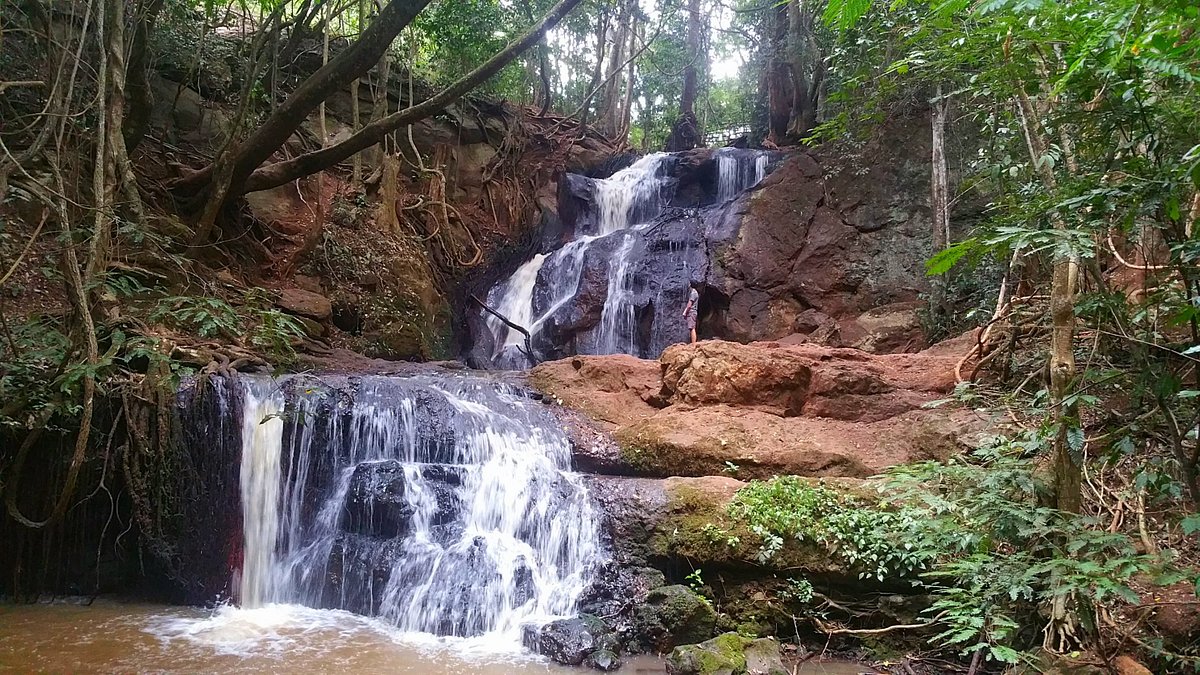
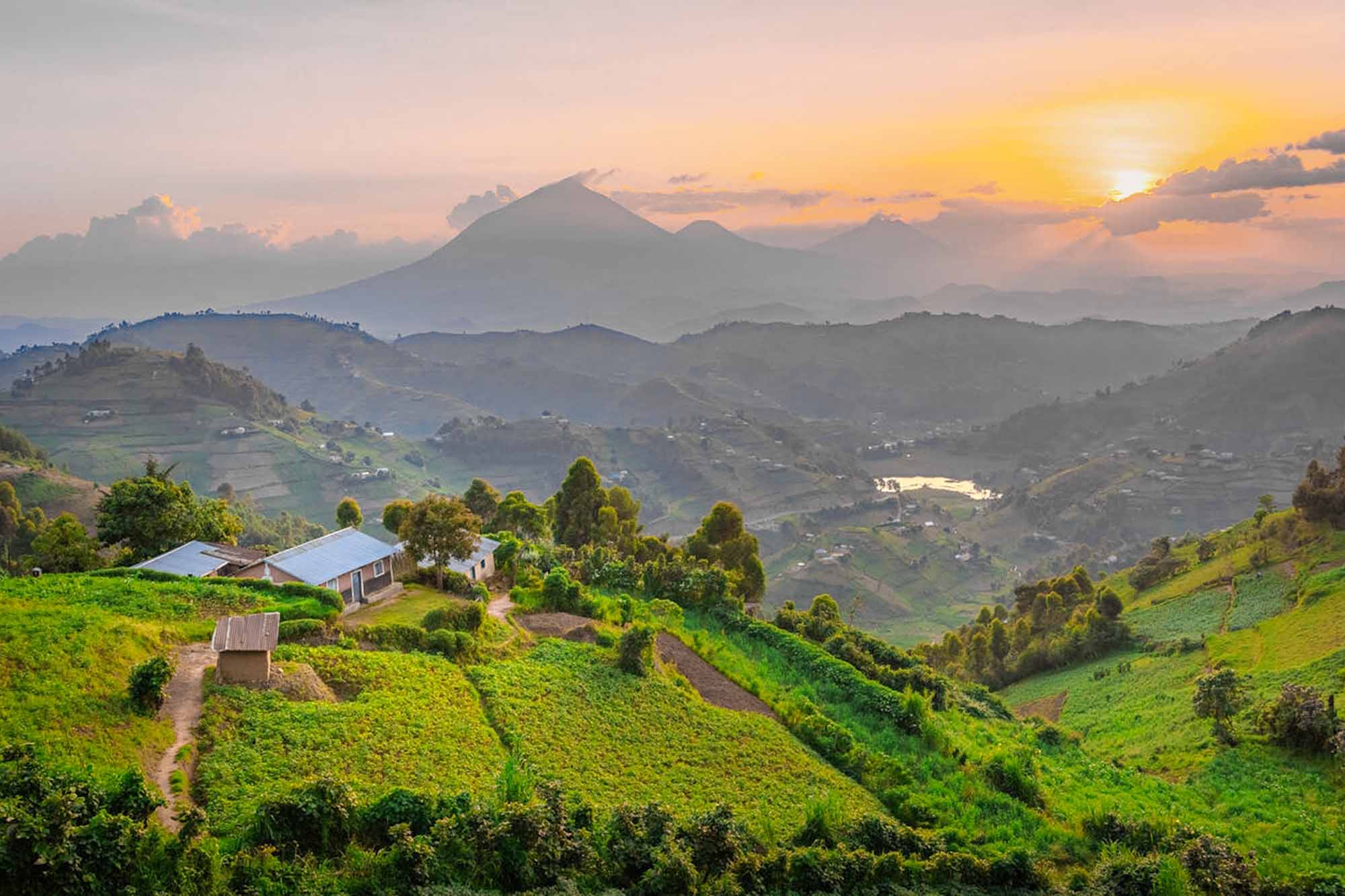
⚡ The TL;DR Verdict
Nairobi is your pick for a dynamic, modern African city experience with unparalleled wildlife access and a more developed infrastructure, budgeting around $70-150 USD daily for a comfortable mid-range trip. Kampala offers a more authentic, budget-friendly, and famously friendly atmosphere, perfect for cultural immersion and lively nightlife, with a comfortable daily budget closer to $40-90 USD.
- Choose Nairobi: For wildlife enthusiasts, foodies seeking diverse international cuisine, business travelers, or those who prefer a more structured, modern urban environment with easy access to world-class safaris.
- Choose Kampala: For budget-conscious travelers, culture seekers, party-goers, those looking for a truly local experience, or as a base for gorilla trekking in western Uganda.
- Choose Both: If you have 2+ weeks, combine them for a comprehensive East African experience. Fly between the two (approx. 1hr) to experience both the savanna glamour of Kenya and the 'Pearl of Africa's' vibrant heart.
Quick Comparison
| Category | Nairobi | Kampala | Winner |
|---|---|---|---|
| Costs & Budget | Generally more expensive, especially for accommodation and upscale dining. Local transport (matatus) is cheap, but ride-sharing is comparable to Western cities. | Significantly more affordable across the board, from street food to guesthouses. Local transport (bodabodas) are incredibly cheap. | Kampala |
| Getting There & Around | Jomo Kenyatta International Airport (NBO) is a major regional hub with excellent international connections. Public transport includes matatus, but ride-sharing (Uber/Bolt) is dominant. | Entebbe International Airport (EBB) is smaller but well-connected regionally and to some international destinations. Bodabodas are the primary mode of internal transport, alongside ride-sharing. | Nairobi |
| Accommodation | Wide range from luxury hotels (Sankara, Tribe) to boutique guesthouses and serviced apartments. Safari lodges nearby. Prices are higher. | Good range of budget guesthouses, mid-range hotels, and some luxury resorts (Speke Resort Munyonyo). Generally more affordable. | Nairobi |
| Food Scene | Diverse international cuisine, fine dining, traditional Kenyan dishes (nyama choma), and a growing cafe culture. | Hearty Ugandan staples (matoke, luwombo), excellent street food (Rolex!), and a good selection of Indian and local fusion restaurants. | Nairobi |
| Nightlife & Entertainment | Vibrant club scene, upscale lounges, live music venues, and rooftop bars. Generally starts later and can be pricier. | Legendary for its energetic and friendly party scene, numerous bars, clubs, and live music spots. More casual and affordable. | Kampala |
| Culture & Attractions | Diverse museums (Karen Blixen, Nairobi National Museum), art galleries, Maasai markets, and cultural centers. Wildlife within the city. | Historical sites (Kasubi Tombs), religious landmarks (Gaddafi Mosque), cultural centers (Ndere Centre), and bustling markets. | Tie |
| Nature & Day Trips | Unbeatable access to wildlife (Nairobi National Park), Giraffe Centre, Sheldrick Wildlife Trust. Gateway to Maasai Mara and Amboseli. | Lake Victoria activities, Mabira Forest for nature walks, and gateway to western Uganda's national parks (gorilla trekking). | Nairobi |
| Safety & Security | Can be high-risk in certain areas, especially at night. Petty crime and muggings are common. Ride-sharing is generally safer than walking at night. | Generally considered safer for tourists, with less reported violent crime. Petty theft is still a concern. Bodaboda safety is a major consideration. | Kampala |
| Digital Nomad Friendliness | Excellent co-working spaces, reliable internet, growing tech scene, and good infrastructure. Higher cost of living. Visa processes can be simple for many. | More affordable, friendly locals, good cafes with Wi-Fi. Internet can be less reliable. Fewer dedicated co-working spaces. | Nairobi |
| Overall Vibe & People | Bustling, cosmopolitan, fast-paced, and diverse. People can be reserved but generally friendly. More of a 'big city' feel. | Incredibly friendly, welcoming, and laid-back. A strong sense of community and famous for its 'Ugandan hospitality.' | Kampala |
💰 Costs & Budget
Nairobi, being a major economic hub and safari gateway, tends to have higher prices. A decent mid-range hotel might set you back Ksh 8,000-15,000 ($60-110 USD) per night, while a meal at a nice restaurant like Carnivore can easily be Ksh 5,000 ($35 USD) per person. Local matatu rides are Ksh 50-100 ($0.40-0.80 USD), but Uber/Bolt can be Ksh 300-800 ($2.50-6 USD) for a moderate distance. Kampala, conversely, offers excellent value. A comfortable guesthouse or mid-range hotel averages UGX 100,000-200,000 ($27-54 USD) a night. Delicious street food like Rolex (chapati roll) is only UGX 3,000-5,000 ($0.80-1.30 USD), and a nice sit-down meal might be UGX 30,000-60,000 ($8-16 USD). Bodabodas are ubiquitous and a ride within the city is rarely more than UGX 5,000 ($1.30 USD). "Kampala just feels more accessible on a backpacker budget, without really sacrificing comfort. You get more bang for your buck, especially on food and local transport." This stark difference makes Kampala the clear winner for budget-conscious travelers.
Winner takeaway
- Winner: Kampala
- Why: Kampala offers a significantly lower cost of living and travel, making it far more accessible for budget travelers.
- Who this matters for: Budget travelers, long-term backpackers, and those looking to stretch their money further.
✈️ Getting There & Around
Nairobi's Jomo Kenyatta International Airport (NBO) is undeniably East Africa's busiest and best-connected airport, serving as a hub for Kenya Airways and offering direct flights to Europe, Asia, and other parts of Africa. This means more flight options, often at better prices, for international arrivals. Getting from NBO to the city center can be done via airport shuttle (Ksh 1,000-2,000 / $7-15 USD) or ride-sharing (Ksh 1,500-3,000 / $11-22 USD), taking 30-60 minutes depending on traffic. Within Nairobi, ride-sharing apps like Uber and Bolt are reliable and generally safe, complementing the extensive matatu (minibus) network. Kampala's Entebbe International Airport (EBB) is about an hour's drive from the city center (UGX 80,000-120,000 / $22-32 USD for a taxi or ride-share). While EBB has good regional connections, direct international options are fewer than NBO. Within Kampala, bodabodas (motorcycle taxis) are king – fast, cheap, but require caution. Ride-sharing apps like Bolt also operate. "Nairobi just feels more streamlined getting in and out, and navigating the city, especially if you're not comfortable on a motorbike. The international flight options are a huge plus." Nairobi wins for its superior international connectivity and more varied, generally safer, internal transport options.
Winner takeaway
- Winner: Nairobi
- Why: Nairobi offers better international flight connectivity and a more diverse, generally safer range of transport options within the city.
- Who this matters for: International travelers, those prioritizing convenience and safety in urban transit, and those on a tighter schedule.
🏨 Accommodation
Nairobi boasts a more developed and diverse accommodation scene, catering to all types of travelers with a slightly more sophisticated touch. Luxury options like the Sarova Stanley or the iconic Giraffe Manor offer unique experiences, while mid-range chains like Radisson Blu or local boutique hotels like The Boma provide excellent service at around Ksh 15,000-25,000 ($110-180 USD) per night. There are also numerous high-quality serviced apartments suitable for longer stays. Even budget hostels, though fewer, tend to be modern and well-maintained. "In Nairobi, you can really find exactly what you're looking for, whether it's a swanky business hotel, a quiet boutique, or a good hostel, and the quality is consistently high." Kampala offers excellent value, but the sheer breadth and polish of Nairobi's options are hard to beat. While Kampala has lovely places like the Protea Hotel or Speke Resort Munyonyo (UGX 400,000-800,000 / $108-216 USD), and many affordable guesthouses (UGX 80,000-150,000 / $22-40 USD), the top-tier luxury and the consistent high standard across mid-range options are more prevalent in Nairobi. This makes Nairobi a winner for those who value choice and consistent quality.
Winner takeaway
- Winner: Nairobi
- Why: Nairobi offers a broader selection of accommodation options, from high-end luxury to modern mid-range, with generally higher standards of service and amenities.
- Who this matters for: Travelers prioritizing comfort, luxury, business travelers, or those seeking specific hotel experiences.
🍽️ Food Scene
Nairobi's food scene is a global melting pot, reflecting its status as an international hub. You can find everything from authentic Ethiopian at Habesha, delicious Indian at Anghiti, to modern European bistros and gourmet cafes. Famous for 'nyama choma' (grilled meat), you can find excellent versions at local joints or a more upscale experience at Carnivore Restaurant. The cafe culture is thriving, with places like Java House and Artcaffe ubiquitous for coffee and light bites (Ksh 500-1,500 / $4-11 USD). "Nairobi's food scene is just next level. I ate something different and amazing every single night, from street food to really swanky places. The variety is insane." Kampala, while offering incredible value and delicious local fare, doesn't quite match Nairobi's international diversity or upscale options. You'll feast on staples like matoke (steamed green banana), luwombo (stew steamed in banana leaves), and the famous Rolex (chapati rolled with egg and vegetables), available for a few thousand shillings. Indian food is also very popular and good quality, with restaurants like Haandi. While you'll eat incredibly well and authentically in Kampala, Nairobi offers a more comprehensive and diverse culinary journey for the adventurous foodie.
Winner takeaway
- Winner: Nairobi
- Why: Nairobi boasts a more diverse and sophisticated culinary landscape, with a wider array of international cuisines and fine dining experiences.
- Who this matters for: Foodies, those seeking diverse international flavors, and travelers who enjoy upscale dining experiences.
🕺 Nightlife & Entertainment
Kampala is famously known as East Africa's party capital, and for good reason. The energy is infectious, the music is loud, and the people are incredibly friendly. From bustling local bars playing Ugandan Afropop to lively clubs like Club Guvnor or Amnesia, there's always something happening, often going until dawn. Beers are cheap, around UGX 5,000-8,000 ($1.30-2.15 USD) for a local brew, and the atmosphere is generally very welcoming and easygoing. "Kampala nightlife is just something else, everyone is out dancing, and the vibe is so welcoming. You can't beat the energy and the cheap beers!" Nairobi also has a thriving nightlife, particularly in areas like Westlands and Kilimani, with trendy clubs, upscale lounges, and rooftop bars offering stunning city views, such as The Alchemist Bar or K1 Klub House. However, it can be more exclusive, with higher cover charges (Ksh 500-2,000 / $4-15 USD) and drink prices (Ksh 400-800 / $3-6 USD for a beer). While Nairobi offers sophistication, Kampala offers an unparalleled, raw, and incredibly fun party experience that’s hard to beat.
Winner takeaway
- Winner: Kampala
- Why: Kampala's nightlife is legendary for its vibrant energy, affordability, and incredibly friendly, welcoming atmosphere.
- Who this matters for: Party-goers, social travelers, and those looking for an authentic, high-energy African club experience.
🏛️ Culture & Attractions
Both cities offer rich cultural experiences, just with different flavors. Nairobi, despite its modern facade, has fascinating cultural sites like the Karen Blixen Museum (Ksh 1,200 / $9 USD), the Nairobi National Museum (Ksh 1,500 / $11 USD), and the Bomas of Kenya, showcasing various tribal dances and homesteads. The Maasai Market, though touristy, offers unique crafts (bargaining is key!). Its unique selling point is the Nairobi National Park, where you can see lions with skyscrapers in the background (Ksh 2,000 / $15 USD entry). Kampala is steeped in history and local life. The UNESCO-listed Kasubi Tombs (UGX 30,000 / $8 USD), burial ground of Buganda kings, offer a deep dive into traditional royalty. The Uganda Museum and the impressive Gaddafi National Mosque (UGX 20,000 / $5.50 USD) provide panoramic city views and historical insights. The Ndere Cultural Centre is excellent for traditional dance and music performances (UGX 50,000-70,000 / $13-19 USD). "Nairobi has the safari vibe right at its doorstep, but Kampala just felt more 'real' culturally, walking through the markets and seeing the traditional sites." While Nairobi offers a blend of wildlife and heritage, Kampala provides a more concentrated and deeply rooted historical and tribal experience, making it a tie as both excel in their unique cultural offerings.
Winner takeaway
- Winner: Tie
- Why: Both cities provide distinct and rich cultural experiences, with Nairobi blending wildlife and modern history, and Kampala focusing on traditional heritage.
- Who this matters for: Travelers interested in different facets of culture – Nairobi for wildlife/colonial history, Kampala for traditional kingdoms and local life.
🌳 Nature & Day Trips
Nairobi is an undisputed champion when it comes to nature and wildlife, especially its incredible proximity to a national park. Nairobi National Park is literally on the city's doorstep, allowing you to see lions, rhinos, and giraffes with the city skyline as a backdrop (game drive entrance: $43 USD for non-residents). The Giraffe Centre (Ksh 1,500 / $11 USD) and Sheldrick Wildlife Trust (Ksh 1,000 / $7.50 USD) offer intimate wildlife encounters. Furthermore, Nairobi is the primary launching pad for world-famous safaris in Maasai Mara, Amboseli, and Tsavo. A 3-day Maasai Mara safari can range from $400-1000+ USD depending on lodge. Kampala offers its own charm with activities around Lake Victoria, like boat trips to Ngamba Island Chimpanzee Sanctuary (approx. $100-150 USD total for transport and entry) or relaxing by the lake. Mabira Forest provides opportunities for zip-lining and nature walks (UGX 30,000-50,000 / $8-13 USD). However, its biggest draw is as a base for gorilla trekking in Bwindi Impenetrable National Park or Mgahinga Gorilla National Park, which is a significant journey (8-10 hours by road) and requires a permit ($800 USD). "Nairobi is unbeatable for quick access to iconic African wildlife; you can literally go on safari in the morning and be back for dinner in the city. The sheer number of options for nature is insane." While Kampala has its natural beauty and a major wildlife draw (gorillas), Nairobi's immediate access to diverse, iconic wildlife experiences makes it the winner.
Winner takeaway
- Winner: Nairobi
- Why: Nairobi offers unparalleled, immediate access to diverse and iconic wildlife experiences, including a national park within the city limits and serves as the main gateway to world-renowned safaris.
- Who this matters for: Wildlife enthusiasts, safari-goers, and those who prioritize nature experiences close to an urban center.
👮 Safety & Security
Safety is a significant consideration in both cities, but Kampala generally feels a bit more relaxed, especially during the day. Petty crime like pickpocketing is common in crowded areas like markets in both cities. However, Nairobi has a higher reputation for muggings and more organized crime, particularly in central business districts and less affluent neighborhoods after dark. Travelers are often advised to use ride-sharing services (Uber/Bolt) at night and avoid walking alone. "Nairobi felt a bit more intense, especially after dark. I stuck to Ubers religiously. Kampala felt more chill, though bodabodas are a whole other kind of risk." In Kampala, while petty theft exists, violent crime against tourists is less common. The biggest safety concern is often the chaotic nature of bodaboda traffic; always wear a helmet and choose a reputable driver. Walking during the day is generally fine in most central areas, but caution is always advised. While neither city is without its risks, the overall perception and experience of travelers often lean towards Kampala feeling marginally safer and more laid-back, especially for solo female travelers or those less accustomed to bustling African cities.
Winner takeaway
- Winner: Kampala
- Why: Kampala generally offers a more relaxed atmosphere and is perceived by travelers as slightly safer, with less prevalent violent crime against tourists compared to Nairobi.
- Who this matters for: Solo travelers, first-time visitors to Africa, and those who prioritize a low-stress environment.
💻 Digital Nomad Friendliness
Nairobi is rapidly emerging as a hub for digital nomads, largely due to its robust tech scene and better infrastructure. The city boasts numerous modern co-working spaces like Ikigai or Nairobi Garage, offering reliable high-speed internet (which can be 50-100 Mbps+). Cafes like Artcaffe and Java House are equipped with good Wi-Fi, perfect for working remotely. The cost of living is higher, but affordable long-term rentals can be found outside the city center. "Nairobi's internet is just so much more reliable, and the co-working spaces are top-notch. It makes a huge difference when you actually need to get work done without stress." While Kampala is significantly cheaper, its internet infrastructure can be spottier, and dedicated co-working spaces are fewer and less developed, though places like The Hub Kampala are emerging. Many digital nomads in Kampala rely on cafe Wi-Fi, which can vary in speed and stability. The vibrant social scene and lower cost of living are big draws for Kampala, but for consistent productivity and a more established infrastructure, Nairobi takes the lead. Kenya also offers a simple e-visa process for many nationalities, facilitating stays.
Winner takeaway
- Winner: Nairobi
- Why: Nairobi provides superior infrastructure with reliable high-speed internet, numerous co-working spaces, and a thriving tech ecosystem, making it more conducive for remote work.
- Who this matters for: Digital nomads, remote workers, and those who rely heavily on stable internet and professional work environments.
😊 Overall Vibe & People
Kampala truly shines with its incredibly friendly and welcoming atmosphere. Ugandans are known for their genuine hospitality and warm smiles, making it easy for travelers to strike up conversations and feel at home. The city has a vibrant, energetic feel, yet also a more relaxed pace compared to Nairobi. "Kampala just felt so much more welcoming. People genuinely wanted to chat, laugh, and help you out. It made a huge difference to the experience." Nairobi, while also having incredibly friendly people, tends to be more cosmopolitan and fast-paced. As a larger, more developed city, interactions can feel more transactional, and people might be a bit more reserved initially. While you'll encounter warmth, it often requires more effort to break through the 'big city' facade. The diversity in Nairobi is incredible, but it means less of a singular, pervasive 'vibe.' Kampala's strong sense of community, constant buzz of activity, and the open-hearted nature of its residents create an unforgettable and distinctly welcoming vibe that makes it a favorite for many travelers seeking authentic connection.
Winner takeaway
- Winner: Kampala
- Why: Kampala consistently wins hearts with its famously friendly locals, welcoming atmosphere, and vibrant, community-oriented spirit.
- Who this matters for: Solo travelers, those seeking deep cultural immersion and genuine local connections, and travelers who prioritize a warm, welcoming environment.
❓ Frequently Asked Questions
What's the best time to visit Nairobi or Kampala?
Both cities generally experience two dry seasons: January-February and June-October. These periods offer the most pleasant weather for exploring and are ideal for wildlife viewing in nearby parks. Avoid the heavy rains of March-May and November-December, which can make travel challenging.
Do I need a visa for Kenya and Uganda?
Most nationalities require an eVisa for Kenya (apply online before arrival). For Uganda, many nationalities also require an eVisa. The East Africa Tourist Visa (EATV) covers Kenya, Uganda, and Rwanda with a single application, costing $100 and valid for 90 days, if you plan to visit multiple countries.
Is malaria a concern in both cities?
Yes, both Nairobi and Kampala are in malaria-risk areas. It's highly recommended to consult your doctor about antimalarial medication. Additionally, use insect repellent, sleep under mosquito nets, and wear long sleeves and trousers, especially during dawn and dusk.
How long should I spend in each city?
For Nairobi, a minimum of 3-4 days is ideal to cover city attractions and a day trip to Nairobi National Park. If planning a safari, add 3-5 extra days. For Kampala, 2-3 days allows you to experience the main cultural sites and nightlife. If using it as a base for gorilla trekking, add 4-5 days for travel and the trek itself.
Can I travel between Nairobi and Kampala easily?
Yes, direct flights between Jomo Kenyatta International Airport (NBO) and Entebbe International Airport (EBB) take approximately 1 hour and are operated by Kenya Airways and Uganda Airlines, costing around $150-250 USD. Overland travel by bus is also an option, taking 12-16 hours and costing around $25-40 USD.
What unique experiences does each city offer that the other doesn't?
Nairobi uniquely offers the 'safari in the city' experience with Nairobi National Park, plus direct access to world-renowned safaris like Maasai Mara. Kampala's unique draw is its incredibly vibrant, authentic nightlife and its status as a direct gateway to the famous gorilla trekking experiences in western Uganda.
Are both cities good for solo female travelers?
Both cities require a high degree of caution for solo female travelers. Nairobi has a reputation for higher petty crime rates and harassment, especially at night. Kampala is often perceived as friendlier but still requires vigilance, particularly with bodabodas and avoiding walking alone after dark. Always share your itinerary and use trusted transport.
What's the internet situation for staying connected?
Nairobi has more reliable and faster internet infrastructure, with numerous co-working spaces and cafes offering strong Wi-Fi. Kampala's internet can be less consistent, though many cafes offer Wi-Fi, and buying a local SIM card (e.g., MTN, Airtel) with data bundles is cheap and effective in both cities for staying connected.
Ready to plan your East Africa trip?
Get a free custom itinerary for Nairobi, Kampala, or both — built from real traveler insights.
🎟️ Book Tours & Experiences
Hand-picked tours and activities for both destinations — book with free cancellation
Experiences via Viator — free cancellation on most tours