How we built this comparison
This page combines traveler discussion patterns, published price ranges, flight schedules, and seasonal data to help you decide between Nairobi and Mombasa.
- Reviewed 100+ Reddit threads from r/travel, r/solotravel, r/Kenya, and regional forums.
- Verified costs and logistics against current booking platforms like Expedia, Booking.com, Uber/Bolt, and airline sites.
- Cross-referenced seasonal patterns and weather data from meteorological sources for optimal travel times.
⚡ The TL;DR Verdict
Choose Nairobi if you're chasing thrilling wildlife, diverse city experiences, and a vibrant nightlife, budgeting around $70-250+ per day. Opt for Mombasa for a relaxing beach getaway, rich Swahili culture, and incredible seafood, with a daily budget of $50-180+.
- Choose Nairobi: Best for urban explorers, safari enthusiasts, foodies, and those seeking a dynamic, fast-paced African city experience with excellent international connections.
- Choose Mombasa: Ideal for beach lovers, history buffs, families, and anyone looking to unwind by the ocean, explore ancient Swahili roots, and enjoy fresh seafood.
- Choose Both: Highly recommended for a comprehensive Kenyan adventure. Spend 3-4 days in Nairobi for culture and wildlife, then fly or train to Mombasa for 4-5 days of beach and history, making for a perfect 7-9 day trip.
Quick Comparison
| Category | Nairobi | Mombasa | Winner |
|---|---|---|---|
| Costs & Budget | Higher for safaris and upscale dining, but local food/transport can be cheap. Mid-range daily: $80-150. | Generally more affordable for accommodation outside resorts. Food is cheaper. Mid-range daily: $60-120. | Mombasa |
| Getting There & Around | International hub (JKIA), excellent Uber/Bolt. Traffic is infamous. Main SGR station for Mombasa. | International airport (MBA), reliant on tuk-tuks/Bolt. Easily walkable Old Town. SGR station is outside the city. | Nairobi |
| Nature & Wildlife | Unbeatable access to big game, unique sanctuaries within city limits. A safari powerhouse. | Primarily marine life and coastal ecosystems. Less 'big five' action, but great for ocean lovers. | Nairobi |
| Beaches & Water Activities | No natural beaches. Closest 'beach' experience is a pool. | Stunning white sand beaches, warm Indian Ocean. World-class diving, snorkeling, and watersports. | Mombasa |
| Food Scene | Diverse international cuisine, fine dining, vibrant street food, excellent local fare like Nyama Choma. | Rich Swahili culinary traditions, incredible fresh seafood, more casual local eateries. | Nairobi |
| Nightlife & Entertainment | Vibrant, diverse, and goes late. Clubs, bars, live music, jazz lounges, casinos. Westlands is the hub. | More relaxed, centered around beach bars and resort entertainment. Fewer dedicated clubs outside resorts. | Nairobi |
| Culture & History | Modern Kenyan history, tribal cultures showcased, growing contemporary arts scene. | Ancient Swahili heritage, UNESCO sites, Arab and Portuguese influences. Deep, tangible history. | Mombasa |
| Safety & Security | Reputation for petty crime, but tourist areas are generally safe. Exercise caution at night. | Generally perceived as safer for tourists, especially in beach areas. Old Town requires awareness. | Mombasa |
| Accommodation Options | Wide range from luxury international chains to boutique hotels and budget hostels. Excellent business hotels. | Predominantly beach resorts, guesthouses, and budget hotels. Fewer high-end city hotels. | Nairobi |
| Day Trips & Excursions | Iconic wildlife (Nairobi NP), cultural sites (Bomas of Kenya), Great Rift Valley views. Entry to Hell's Gate/Naivasha is 2-3 hours. | Coastal villages, marine parks, historical sites. Wasini Island, Diani, Shimba Hills for limited wildlife. | Nairobi |
💰 Costs & Budget
When it comes to stretching your shilling, Mombasa generally offers better value for money, especially for daily expenses like food and local transport. A delicious Swahili meal at a local eatery like Barka Restaurant might set you back KES 500-800 ($3.50-$6), whereas a comparable meal in Nairobi, even at a mid-range spot, could be KES 1,200-2,000 ($9-$15). Accommodation varies greatly in both, but you can find decent guesthouses in Mombasa for KES 4,000-7,000 ($30-$50) per night, whereas Nairobi's entry-level hotels often start around KES 6,000-10,000 ($45-$75). The big cost differentiator is safaris; a day trip to Nairobi National Park is relatively cheap at KES 2,000 ($15) park fee, but multi-day safaris from Nairobi to Maasai Mara can easily run into thousands of dollars. Mombasa's main attractions, like Fort Jesus or a Diani beach day, are much less. "If you're tight on budget, Mombasa just feels easier. Nairobi felt like I was constantly paying for Ubers and fancier meals to feel safe and comfortable." The cost of domestic flights between the two is typically KES 7,000-15,000 ($50-$110) one-way, while the SGR train is a steal at KES 1,000-3,000 ($7-$22).
Winner takeaway
- Winner: Mombasa
- Why: Mombasa generally offers more bang for your buck on everyday expenses and attractions, making it slightly more budget-friendly.
- Who this matters for: Budget-conscious travelers and those looking for more affordable beach relaxation.
✈️ Getting There & Around
Nairobi's Jomo Kenyatta International Airport (JKIA) is the primary international gateway to East Africa, offering far more direct flights from global hubs than Mombasa's Moi International Airport (MBA). This makes Nairobi inherently easier to reach for most international travelers. Once in the city, Nairobi boasts a highly efficient and widespread ride-hailing network with Uber and Bolt, making getting around relatively straightforward, albeit subject to its notorious traffic jams – a 10km journey can take an hour during peak times. A typical 15km ride from JKIA to Westlands might cost KES 1,500-2,500 ($11-$18). For inter-city travel to Mombasa, Nairobi's Syokimau SGR station is a convenient departure point. Mombasa, on the other hand, relies heavily on tuk-tuks (KES 100-300/$0.75-$2 for short rides) and a less pervasive Bolt/Uber presence. While its Old Town is very walkable, navigating further afield can be less streamlined than in Nairobi. "Getting an Uber from JKIA was a breeze, and I used it everywhere in Nairobi. Mombasa felt more like 'negotiate a tuk-tuk or walk till you drop.'" The SGR train journey between the two cities takes about 5-6 hours, with the Mombasa station (Miritini) being about 15-20km outside the main city center, requiring an additional KES 500-800 ($3.50-$6) taxi or Bolt ride.
Winner takeaway
- Winner: Nairobi
- Why: Nairobi serves as a superior international air hub and offers more reliable and widespread ride-hailing services within the city.
- Who this matters for: International travelers and those who prioritize convenient, on-demand transport options.
🦁 Nature & Wildlife
This category is a landslide victory for Nairobi. Where else can you see lions, rhinos, and giraffes with a city skyline as your backdrop? Nairobi National Park, located just 7km from the CBD, offers an incredible half-day safari experience for a park fee of KES 2,000 ($15) for non-residents. Beyond that, the David Sheldrick Wildlife Trust provides heartwarming encounters with orphaned elephants (KES 1,500/$11 entry), and the Giraffe Centre allows you to feed endangered Rothschild giraffes (KES 1,500/$11). These unique urban wildlife experiences are unparalleled. Mombasa's natural appeal lies entirely in its coastal beauty and marine life. You can visit the Mombasa Marine National Park and Reserve for snorkeling and diving to see coral reefs and diverse fish species, with boat trips costing KES 3,000-6,000 ($22-$45). However, it simply doesn't compare to the 'big game' draw of Nairobi. "Nairobi felt like the real Kenya start. Saw a rhino and giraffe on the same day within the city! Mombasa was pretty, but it's just not the same wildlife punch." If your dream is to see Africa's iconic animals, Nairobi is your undisputed gateway.
Winner takeaway
- Winner: Nairobi
- Why: Nairobi's immediate access to 'big five' wildlife within and on the city's doorstep makes it an unparalleled nature destination.
- Who this matters for: Wildlife enthusiasts, safari-goers, and anyone wanting iconic African animal encounters.
🏖️ Beaches & Water Activities
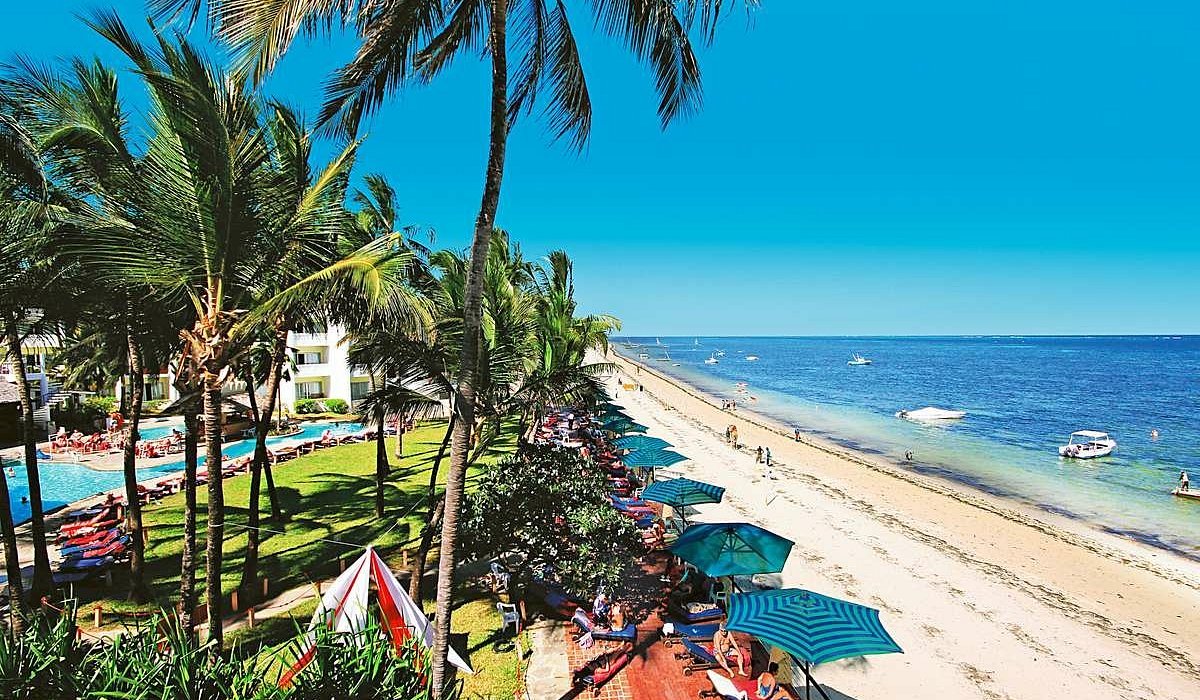
Mombasa is the undisputed king of beaches in Kenya. Its coastline boasts some of Africa's most beautiful stretches of white sand and warm turquoise waters. Diani Beach, just south of Mombasa, is consistently ranked among the world's best beaches, offering pristine sands, excellent watersports like kitesurfing and jet-skiing (rentals around KES 4,000-8,000/$30-$60 per hour), and vibrant coral reefs for snorkeling and diving. Closer to the city, Nyali Beach and Bamburi Beach are popular, lined with resorts and local vendors. You can easily spend full days relaxing, swimming, or enjoying a dhow cruise (KES 3,000-7,000/$22-$50). Nairobi, being landlocked and high up on a plateau, has no natural beaches whatsoever. Any 'beach' experience in Nairobi would be limited to a hotel pool or an artificial lake. "Mombasa's beaches, especially Diani, were exactly what I needed after the safari rush. That clear water and soft sand? Heaven." For anyone prioritizing sun, sand, and sea, Mombasa is not just better, it's the only option between the two.
Winner takeaway
- Winner: Mombasa
- Why: Mombasa offers world-class white sand beaches and abundant marine activities, a complete contrast to Nairobi's landlocked location.
- Who this matters for: Beach lovers, sun-seekers, divers, and those looking for a relaxing coastal vacation.
🍽️ Food Scene
Nairobi's food scene is a true melting pot, reflecting its status as a major international city. You can find everything from exquisite fine dining at restaurants like Talisman or Lord Erroll, serving up gourmet international fusion, to traditional Kenyan fare like 'Nyama Choma' (roasted meat) at popular spots like The Carnivore (dinner KES 7,000-10,000/$50-$75 per person). The city also boasts fantastic Indian, Ethiopian, and West African restaurants, plus a burgeoning craft beer scene and trendy cafes. Street food markets offer delicious, cheap bites. Mombasa, while excellent, focuses more on its distinct Swahili heritage and the bounty of the Indian Ocean. Expect incredible seafood curries, pilau (spiced rice with meat), biryani, and mandazi (Swahili doughnuts). Restaurants like The Tamarind Dhow offer a unique dining experience on a traditional dhow boat (dinner KES 8,000-12,000/$60-$90). However, the sheer variety and innovation in Nairobi give it the edge. "Nairobi's food blew me away! One night I had amazing Ethiopian, the next a fancy steak. Mombasa's seafood was great, but less variety." While Mombasa's niche is superb, Nairobi caters to every palate imaginable.
Winner takeaway
- Winner: Nairobi
- Why: Nairobi offers a vastly more diverse and sophisticated culinary landscape, ranging from international fine dining to varied local and ethnic cuisines.
- Who this matters for: Foodies, gourmands, and anyone seeking a wide range of dining experiences and international flavors.
🍻 Nightlife & Entertainment
For those who love to dance the night away or enjoy a sophisticated cocktail, Nairobi is the clear winner. The city, particularly the Westlands and Kilimani areas, pulses with energy after dark. You'll find everything from pulsating nightclubs like Kiza or Milan (cover charges KES 500-1,500/$3.50-$11), trendy rooftop bars like The Alchemist Bar, live music venues, and cozy jazz lounges. There's a scene for every taste, often staying open well into the early morning hours. Cocktails typically range from KES 800-1,500 ($6-$11). Mombasa's nightlife is significantly more subdued and resort-focused. While there are popular beach bars like Forty Thieves in Diani or some smaller clubs within the city, they don't offer the same variety or scale as Nairobi. Most evening entertainment outside of resort shows is centered around sundowners on the beach or casual drinks. "Nairobi's nightlife was insane, way more options than I expected! Mombasa was chill, but mostly just resort bars and a few local spots." If you're looking to party, Nairobi is where the action is.
Winner takeaway
- Winner: Nairobi
- Why: Nairobi boasts a far more extensive, diverse, and energetic nightlife scene with numerous clubs, bars, and live entertainment options.
- Who this matters for: Party-goers, young travelers, and anyone seeking vibrant evening entertainment.
🏛️ Culture & History
Mombasa is a living museum, making it the superior choice for history and culture enthusiasts. Its Old Town, a UNESCO World Heritage site, is a labyrinth of narrow streets, ancient mosques, and intricately carved doors, reflecting centuries of Swahili, Arab, and Indian influences. Fort Jesus, also a UNESCO site, stands as a formidable testament to Portuguese military architecture and a pivotal point in East African history (entry KES 1,200/$9). Walking through Old Town feels like stepping back in time, with spice markets and traditional crafts. Nairobi, while having its own cultural significance, focuses more on modern Kenyan history and national identity. The Kenya National Museum (entry KES 1,200/$9) covers natural history, culture, and art, while Bomas of Kenya offers a glimpse into various tribal dances and homesteads (entry KES 1,000/$7). However, Nairobi's history feels more curated and less 'lived-in' compared to Mombasa's authentic, ancient urban fabric. "Mombasa's Old Town blew my mind. You could just wander for hours and feel the history. Nairobi's museums were good, but it's not the same vibe." For a truly immersive historical and cultural journey, Mombasa is unmatched.
Winner takeaway
- Winner: Mombasa
- Why: Mombasa's ancient Swahili Old Town and iconic Fort Jesus offer a deeper, more tangible historical and cultural experience.
- Who this matters for: History buffs, culture vultures, and those interested in ancient trade routes and diverse heritage.
🛡️ Safety & Security
Both Nairobi and Mombasa require vigilance, but Mombasa is generally perceived as having a slightly more relaxed atmosphere regarding safety for tourists, particularly in its popular beach zones like Diani, Nyali, and Bamburi. Petty crime, like pickpocketing or bag snatching, can occur in both cities, but Nairobi has a higher reputation for it, especially in crowded areas or after dark. In Nairobi, sticking to well-lit, busy areas like Westlands or Karen, and using reputable ride-hailing services like Uber/Bolt (rides after dark KES 800-2,000/$6-$15) is crucial. Avoiding walking alone at night is highly advised. Mombasa's Old Town, while historically rich, also warrants caution; it's best explored during the day and with awareness of your surroundings. "Mombasa felt a lot more chill, especially on the beach. In Nairobi, I was constantly looking over my shoulder, though nothing bad actually happened." While both require common sense, the sheer volume and pace of Nairobi can make it feel more intimidating for first-time visitors compared to Mombasa's more laid-back vibe.
Winner takeaway
- Winner: Mombasa
- Why: Mombasa, particularly its main tourist and beach areas, generally feels more relaxed and safer for tourists compared to Nairobi's bustling urban environment.
- Who this matters for: Solo travelers, families, and those prioritizing a sense of security and ease during their trip.
🏨 Accommodation Options
Nairobi, as a major African capital and business hub, offers an incredibly diverse and high-quality range of accommodation. You'll find world-class international chains like the Radisson Blu, Sankara, or Tribe Hotel (KES 20,000-40,000+/$150-$300+ per night) catering to luxury travelers and business delegates. There's also a thriving scene of charming boutique hotels, serviced apartments, and budget-friendly hostels (KES 2,000-5,000/$15-$35) in areas like Westlands, Kilimani, and Karen. Whether you need a sophisticated stay for work or a cozy spot for sightseeing, Nairobi has it. Mombasa's accommodation scene is dominated by beach resorts along Nyali, Bamburi, and especially Diani (e.g., Sarova Whitesands, Diani Reef Beach Resort – KES 15,000-35,000+/$110-$260+). While these are excellent for a beach holiday, the city itself has fewer high-end or boutique city hotels. You can find many mid-range hotels and guesthouses (KES 5,000-10,000/$35-$75) but the variety beyond resorts is less pronounced. "Nairobi had so many cool, modern hotels. Mombasa was mostly big resorts, which are great for families, but I wanted something different." For sheer variety and quality across all price points in an urban setting, Nairobi takes the lead.
Winner takeaway
- Winner: Nairobi
- Why: Nairobi offers a broader and more diverse range of accommodation, from luxury international brands to boutique hotels and budget hostels, catering to all traveler types.
- Who this matters for: Business travelers, luxury seekers, and those who prioritize diverse lodging options within a city setting.
🗺️ Day Trips & Excursions
Nairobi's position as a highland capital and proximity to the Great Rift Valley makes it an excellent base for diverse day trips. Beyond Nairobi National Park, you can take a 2-hour drive to see flamingos at Lake Naivasha, explore Hell's Gate National Park by bike (entry KES 1,000/$7, bike rental KES 500/$3.50), or visit Crescent Island for walking safaris. These offer stunning landscapes and unique wildlife interactions. The cultural Bomas of Kenya is also a great half-day trip. Mombasa offers compelling coastal excursions. A popular choice is a full-day trip to Wasini Island (boat trip + snorkeling + lunch KES 8,000-12,000/$60-$90), known for its pristine marine life and coral gardens. You can also explore the Shimba Hills National Reserve for a chance to see sable antelope and elephants, though it's not a 'big five' safari experience. "From Nairobi, I did a day trip to Naivasha and Hell's Gate, and it was incredible, totally different from the city. Mombasa's Wasini trip was nice, but felt less adventurous." While Mombasa's marine trips are fantastic, Nairobi's access to varied terrestrial landscapes and iconic wildlife within a day's reach gives it an edge for sheer diversity of excursions.
Winner takeaway
- Winner: Nairobi
- Why: Nairobi provides access to a wider variety of day trips, including iconic Rift Valley lakes and unique wildlife parks.
- Who this matters for: Adventure seekers, nature photographers, and those wanting to explore diverse Kenyan landscapes beyond the city.
❓ Frequently Asked Questions
Is it easy to travel between Nairobi and Mombasa?
Yes, very easy! You can fly between Jomo Kenyatta International Airport (JKIA) in Nairobi and Moi International Airport (MBA) in Mombasa in about an hour, with multiple daily flights from KES 7,000-15,000 ($50-$110). Alternatively, the Madaraka Express SGR train offers a comfortable 5-6 hour journey for KES 1,000-3,000 ($7-$22), a popular and scenic option.
Which city is better for a family vacation?
Mombasa generally edges out Nairobi for families due to its fantastic child-friendly beach resorts, safe swimming conditions, and a plethora of water activities. Nairobi offers wildlife experiences like the Giraffe Centre which kids love, but the city's traffic and pace can be more challenging for younger children. Mombasa allows for more relaxed, resort-based fun.
What's the best time of year to visit each city?
Both cities are great year-round, but generally, the dry seasons (Jan-Feb and Jun-Oct) are ideal. Nairobi's wildlife viewing is best during the dry months. Mombasa is pleasant year-round, but avoids the long rains of April-May for beach activities, although prices are lower then.
Are there good safari options from Mombasa?
While Nairobi is the primary safari hub, Mombasa offers access to a few smaller reserves. Shimba Hills National Reserve, about an hour away, provides a chance to see elephants, sable antelope, and stunning views. Tsavo East and West National Parks are also accessible on multi-day safaris from Mombasa, offering classic 'red earth' landscapes and diverse wildlife, though logistically less straightforward than from Nairobi.
Is it safe for solo female travelers?
Both cities require common-sense precautions for solo female travelers. Stick to well-trafficked areas, avoid walking alone at night, and use reputable ride-hailing apps (Uber/Bolt) in Nairobi. Mombasa's resort areas are generally very safe. Always be aware of your surroundings, trust your gut, and consider joining group tours for excursions.
What are the must-try local dishes in each city?
In Nairobi, you absolutely must try Nyama Choma (grilled meat), often served with ugali (cornmeal porridge) and kachumbari (salsa). For Mombasa, dive into Swahili cuisine: Pilau (spiced rice with meat), Biryani, and fresh seafood curries are staples. Don't forget Mandazi (Swahili doughnuts) for breakfast or a snack in Mombasa!
Do I need a visa for Kenya?
Most non-African nationals require an e-visa to enter Kenya. You must apply for and obtain this online before your arrival. The process is straightforward through the official eCitizen portal, and typically takes a few days to process. Check the latest requirements for your specific nationality before travel.
Which city has better souvenir shopping?
Nairobi generally offers more diverse souvenir shopping, with larger markets like Maasai Market (various locations throughout the week) for crafts, carvings, and textiles, plus upscale boutiques. Mombasa has excellent Swahili craft shops in Old Town and along the beach, specializing in wood carvings, kikoy fabrics, and local spices, but with less overall variety.
Ready to plan your Kenyan adventure?
Get a free custom itinerary for Nairobi, Mombasa, or both — built from real traveler insights.
🎟️ Book Tours & Experiences
Hand-picked tours and activities for both destinations — book with free cancellation
Experiences via Viator — free cancellation on most tours