How we built this comparison
This page combines traveler discussion patterns, published price ranges, flight schedules, and seasonal data to help you decide between Namibia and South Africa.
- Reviewed 100+ Reddit threads from r/travel, r/solotravel, r/Namibia and r/SouthAfricaTravel.
- Verified costs and logistics against current booking platforms like Booking.com, Skyscanner, and local car rental sites.
- Cross-referenced seasonal patterns and weather data from meteorological sources for accurate travel windows.
⚡ Quick Answers
⚡ The TL;DR Verdict
For most travelers seeking a straightforward, self-drive safari adventure with incredible desert scenery and less urban complexity, Namibia is the clearer choice. Its focus on natural landscapes and calmer pace offers a distinct experience. South Africa suits those who want a varied trip, blending city exploration, wine tasting, and diverse wildlife, but demands more planning and awareness.
- Choose Namibia: You prioritize vast, open spaces, unique desert wildlife, predictable self-drive routes, and a generally relaxed travel pace.
- Choose South Africa: You want a mix of city experiences, diverse safaris, coastal drives, and a wider range of food and entertainment options.
- Choose Both: If you have 3+ weeks, combine Namibia's desert beauty with South Africa's Garden Route or Kruger safari for a comprehensive Southern Africa journey.
Choose Namibia
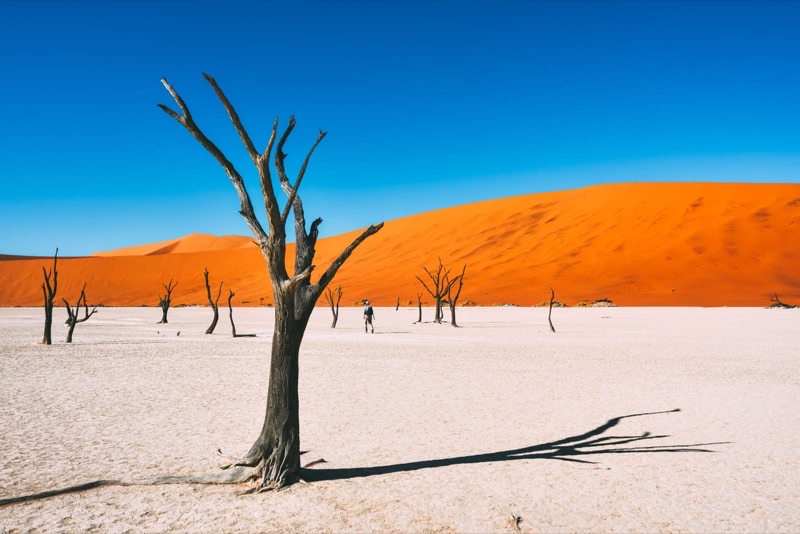
Choose Namibia if you envision a unique, self-drive adventure across vast, otherworldly desert landscapes, from the towering red dunes of Sossusvlei to the wildlife-rich pans of Etosha. It's perfect for independent travelers, photographers, and those seeking a serene, less crowded experience focused purely on nature and dramatic scenery, often at a more budget-friendly pace.
Choose South Africa
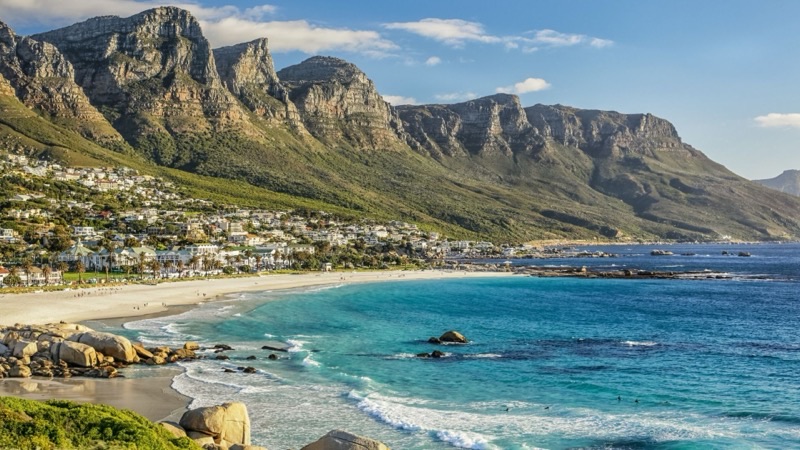
Opt for South Africa if you desire a diverse, action-packed itinerary combining sophisticated city life in Cape Town, world-class wine tasting in Stellenbosch, and unparalleled safari in Kruger National Park. It's ideal for culture enthusiasts, foodies, and families seeking varied experiences, from coastal drives along the Garden Route to immersive wildlife encounters, catering to a wide range of luxury and budget preferences.
📊 Visual Scorecard
🌤 When to Visit
Average high temperatures (°C). Green = best months, orange = avoid.
Quick Comparison
| Category | Namibia | South Africa | Winner |
|---|---|---|---|
| Costs & Budget | Generally more budget-friendly for core activities and accommodation, especially self-drive camping. Food costs are moderate. | More expensive overall, particularly for safaris and city hotels. Food and transport costs add up quickly. | Namibia |
| Nature & Wildlife | Focus on desert-adapted wildlife and stark, expansive desert landscapes. Etosha is the main safari draw. | Exceptional diversity, from Big Five safaris in Kruger to marine life, mountains, and forests. Multiple ecosystems. | South Africa |
| Getting Around | Self-drive is the norm on mostly gravel roads. Distances are long, but routes are clear and logical. | Extensive road network, but distances can be vast. Options include self-drive, domestic flights, and limited public transport. | Namibia |
| Safety | Generally very safe for tourists, especially outside Windhoek. Petty crime exists in the capital. | Higher crime rates, particularly in major cities. Tourist areas are generally secure, but vigilance is required. | Namibia |
| Accommodation | Lodges and campsites are common, often remote and with unique settings. Limited luxury options. | Wide range from luxury hotels and boutique guesthouses to budget hostels and safari lodges. | South Africa |
| Food & Drink | Hearty, meat-focused cuisine with German influences. Limited fine dining outside Windhoek. | Internationally recognized culinary scene, diverse regional specialties, and renowned wine regions. | South Africa |
| Beaches & Coastline | Cold, foggy Atlantic coast with dramatic desert meeting the sea. Not for swimming or sunbathing. | Diverse coastline from warm Indian Ocean beaches to rugged Atlantic stretches. Suitable for various activities. | South Africa |
| Culture & History | Indigenous cultures (Himba, San), German colonial heritage, and geological history. | Rich tapestry of indigenous, colonial, and apartheid history. Diverse languages and traditions. | South Africa |
| Solo Travel Experience | Safe and easy for self-drive, but can feel isolated. Less social interaction with other travelers. | More opportunities for social interaction in cities and hostels. Requires more safety awareness. | Namibia |
| Flight Logistics | Fewer direct international routes, often requiring a layover in Johannesburg or Europe. | Excellent international connectivity with direct flights from many global hubs. | South Africa |
💰 Costs & Budget
Namibia offers a more predictable cost structure, particularly if you are self-driving and camping. A solid daily budget for a comfortable self-drive trip, including vehicle…
Namibia
South Africa
Namibia offers a more predictable cost structure, particularly if you are self-driving and camping. A solid daily budget for a comfortable self-drive trip, including vehicle rental, fuel, park fees (e.g., Sossusvlei entrance is N$150/USD $8.00 per person), and camping at places like Sesriem Campsite (around N$300/USD $16 per person), sits around $60-150 USD per person per day. Mid-range lodges might push this to $200-300 USD. Groceries at places like Shoprite are comparable to South Africa, but eating out is less common.
South Africa's costs fluctuate significantly based on your itinerary. A Kruger National Park safari can easily run $300-600 USD per person per day for a mid-range lodge, including game drives. City hotel rooms in Cape Town or Johannesburg start from $80-150 USD per night. Eating out, particularly in popular areas like Cape Town's Waterfront, can be $25-50 USD per meal. Public transport is less reliable outside major centers, necessitating car rentals ($30-50 USD/day) or costly Ubers. A realistic daily budget for a comfortable South African trip, including diverse activities, is $80-200 USD, often higher for luxury safaris. Namibia wins for a simpler, more controlled budget.
- Winner: Namibia
- Why: Namibia provides a more manageable and often lower overall travel cost, especially for its primary attractions.
- Who this matters for: Budget-conscious travelers and those planning longer trips.
🦁 Nature & Wildlife
Namibia's natural appeal is its vast, empty spaces and geological formations. Sossusvlei and Deadvlei offer iconic desert scenes with towering red dunes. Wildlife viewing is…
Namibia

South Africa
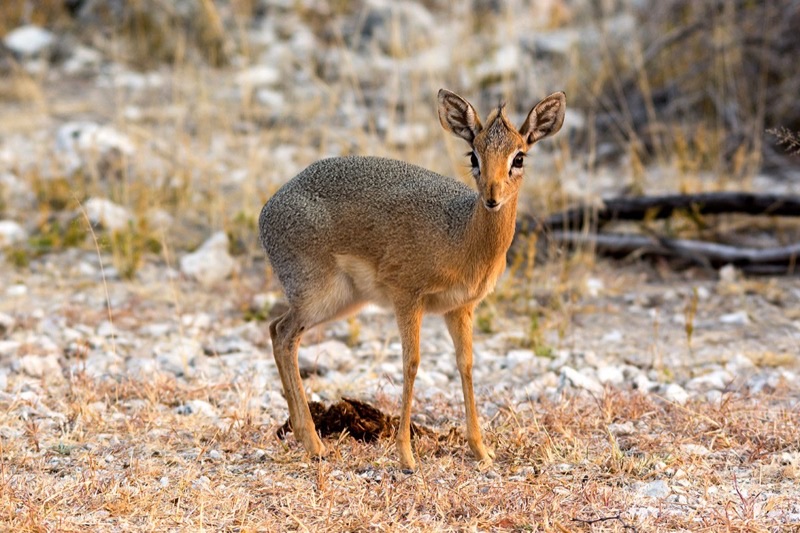
Namibia's natural appeal is its vast, empty spaces and geological formations. Sossusvlei and Deadvlei offer iconic desert scenes with towering red dunes. Wildlife viewing is concentrated in Etosha National Park, where animals gather around waterholes, making spotting relatively straightforward. Expect to see elephants, rhinos, lions, and various antelope. The Skeleton Coast offers a different kind of wildness with seal colonies. The desert-adapted elephants and rhinos in Damaraland are a specific draw, but require skilled guides to track. It is a different kind of safari, less about high animal density and more about the landscape.
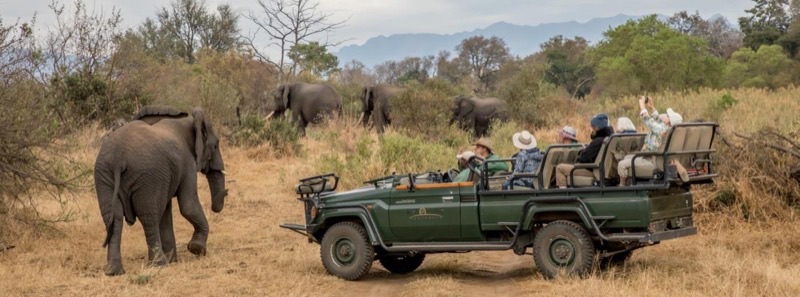
South Africa is a heavyweight in wildlife, primarily due to Kruger National Park, which reliably delivers Big Five sightings and a high density of animals. Beyond Kruger, you have the Drakensberg Mountains for hiking, the Wild Coast for rugged shorelines, and marine life viewing along the coastline (e.g., whale watching in Hermanus). Addo Elephant National Park provides a different safari experience with high elephant numbers. The country simply offers more varied ecosystems and a greater chance to experience diverse nature, from savannah to fynbos to forest. South Africa offers superior animal diversity and sheer volume.
- Winner: South Africa
- Why: South Africa offers an unparalleled range of natural environments and a higher density of varied wildlife experiences.
- Who this matters for: Serious wildlife enthusiasts and those wanting diverse natural scenery.
🚗 Getting Around
Namibia is built for self-drive travel. Renting a 4x4 (around N$800-1500/USD $45-80 per day) is common, though a 2WD sedan can handle main routes like the B1. The roads,…
Namibia
South Africa
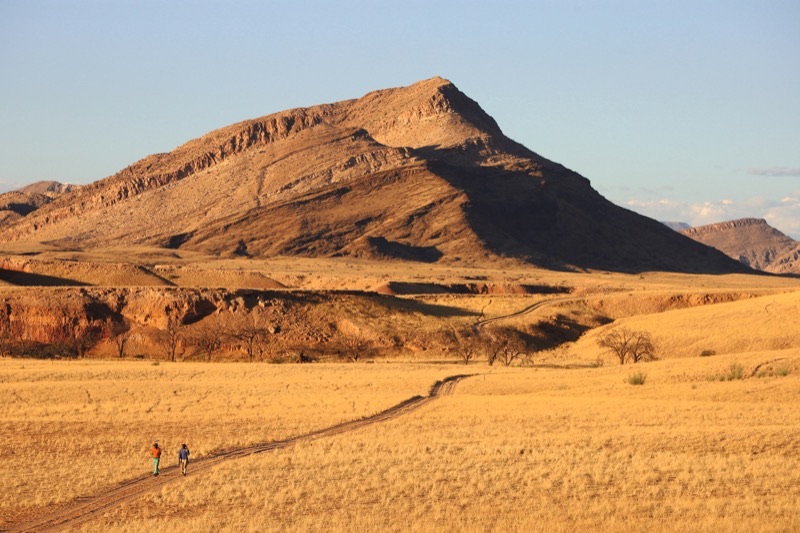
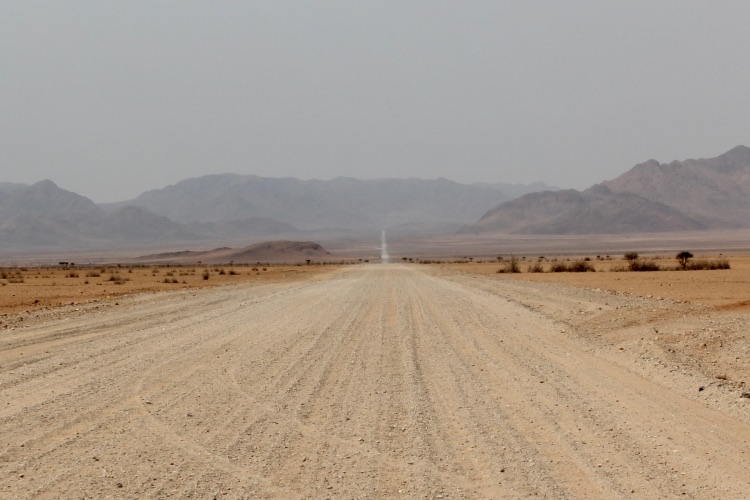
Namibia is built for self-drive travel. Renting a 4x4 (around N$800-1500/USD $45-80 per day) is common, though a 2WD sedan can handle main routes like the B1. The roads, predominantly gravel (e.g., C14, D707), are generally well-maintained but require careful driving due to corrugations and dust. Fuel stations are sparse outside major towns, so planning is essential. Distances between major attractions like Windhoek to Sossusvlei (350km/5-6 hours) are significant. The simplicity of sticking to one main route, often a loop, makes navigation stress-free. There is little traffic and you truly feel alone in the landscape. This is ideal for those who enjoy driving.
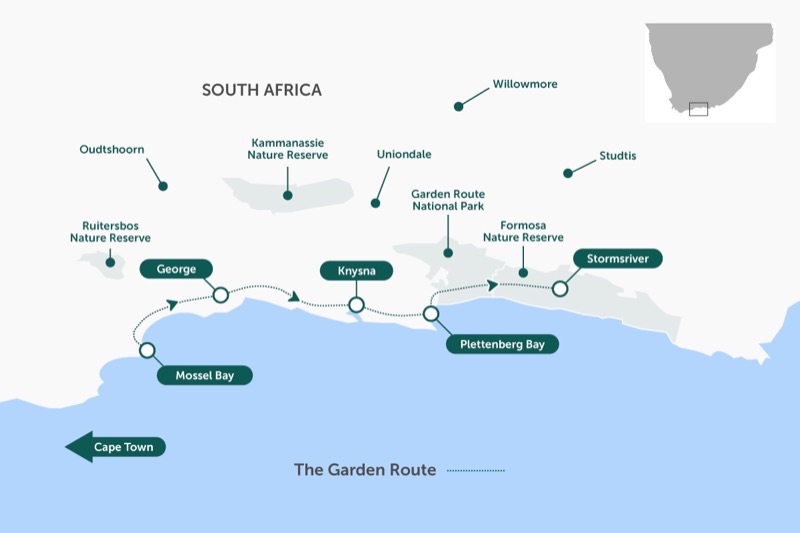
South Africa has a far more developed road network, including excellent highways like the N2 along the Garden Route. However, traffic can be heavy around cities like Cape Town or Johannesburg. Car rental is affordable (ZAR 300-600/USD $16-32 per day for a compact car). Domestic flights connect major cities efficiently (e.g., Johannesburg to Cape Town, 2 hours). Public transport, like the Baz Bus, exists for backpackers along specific routes, but it is not comprehensive for exploring off the main path. Intercity buses are an option but might not reach all safari lodges or remote areas. The variability in road conditions and the need to navigate denser urban areas make South Africa more complex for independent travel. Namibia's focused self-drive experience is simpler.
- Winner: Namibia
- Why: Namibia provides a more straightforward and consistently enjoyable self-drive experience, which is the primary mode of exploration.
- Who this matters for: Adventure seekers who enjoy driving themselves and value solitude on the road.
🛡️ Safety
Namibia holds a strong reputation for tourist safety. Outside of Windhoek, where petty crime like bag snatching can occur (particularly around the Post Street Mall or Independence…
Namibia
South Africa
Namibia holds a strong reputation for tourist safety. Outside of Windhoek, where petty crime like bag snatching can occur (particularly around the Post Street Mall or Independence Avenue), incidents against tourists are rare. The vast, empty roads mean you are less likely to encounter issues, but flat tires or vehicle breakdowns in remote areas require preparedness. The general atmosphere is calm and welcoming. Local communities in areas like Damaraland are accustomed to tourism and are usually very friendly. It is a place where you can relax more while traveling, especially on the open road. Always secure valuables, just like anywhere else.
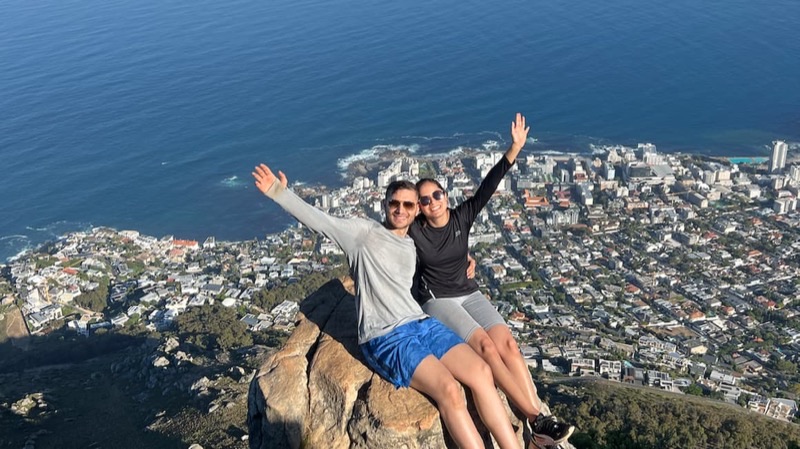
South Africa presents a more complex safety landscape. Major cities like Johannesburg and Cape Town have areas with high crime rates, and carjackings or muggings are reported. While tourist areas like the V&A Waterfront or central Stellenbosch are generally safe, walking alone at night, especially in less populated streets, is not advised. Driving in unfamiliar neighborhoods, particularly in townships without a guide, can be risky. Safari lodges and national parks (like Kruger) are secure environments. Visitors need to exercise greater caution, be aware of their surroundings, and often rely on Ubers or organized tours for city excursions. The need for constant vigilance makes South Africa feel less relaxed for many travelers. Namibia offers greater peace of mind.
- Winner: Namibia
- Why: Namibia consistently offers a lower risk of crime and a more relaxed travel environment for visitors.
- Who this matters for: Solo travelers, families, and those prioritizing a worry-free travel experience.
🏨 Accommodation
Namibia's accommodation leans heavily towards well-maintained campsites and remote lodges. Campsites, often within national parks (e.g., Okaukuejo in Etosha, N$600-900/USD $32-48…
Namibia
South Africa
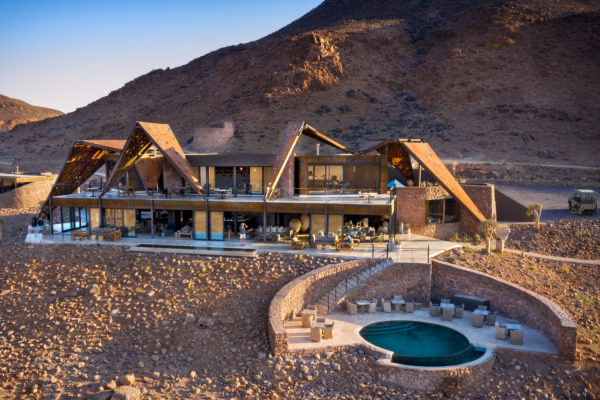
Namibia's accommodation leans heavily towards well-maintained campsites and remote lodges. Campsites, often within national parks (e.g., Okaukuejo in Etosha, N$600-900/USD $32-48 per night for a site) or privately owned, provide facilities like hot showers and braai (BBQ) areas. Lodges, such as Desert Grace Lodge near Sossusvlei (N$3000-5000/USD $160-270 per night), are often architecturally striking and blend into the landscape, but high-end luxury is less prevalent than in South Africa. Boutique guesthouses are found in towns like Swakopmund. The focus is on embracing the natural environment, often with fewer amenities than a typical city hotel.
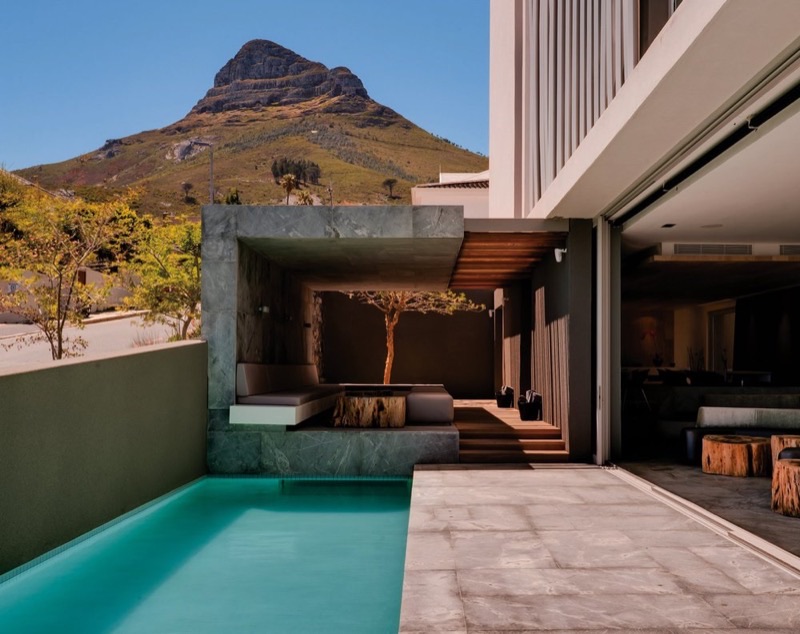
South Africa offers an immense variety. In cities like Cape Town, you can find everything from budget hostels (e.g., The Backpack, ZAR 250-400/USD $13-22 per dorm bed) to luxury five-star hotels (e.g., The Silo Hotel, ZAR 10000+/USD $530+ per night). Guesthouses and B&Bs are common and offer good value. Safari lodges in Kruger range from basic self-catering in Skukuza Camp (ZAR 1000-2000/USD $53-105 per bungalow) to ultra-luxurious private reserves charging thousands of dollars per night. The diversity caters to every budget and preference, from urban chic to rustic wilderness. South Africa provides a broader and often more luxurious selection.
- Winner: South Africa
- Why: South Africa boasts a far greater diversity of accommodation styles and price points, including extensive luxury options.
- Who this matters for: Travelers seeking specific hotel experiences, from budget hostels to high-end resorts and diverse safari lodges.
🍽️ Food & Drink
Namibian cuisine is generally simple, hearty, and meat-heavy. Expect a lot of game meat (oryx, kudu, springbok) served as steaks, stews, or braai. German influence is noticeable…
Namibian cuisine is generally simple, hearty, and meat-heavy. Expect a lot of game meat (oryx, kudu, springbok) served as steaks, stews, or braai. German influence is noticeable in pastries, sausages, and beer (Windhoek Lager is popular). Restaurants in Windhoek offer more variety, but outside the capital, dining options are usually part of lodges or small town cafes. Seafood is good in coastal towns like Swakopmund. While delicious, the food scene is not a primary draw and lacks the innovation and diversity found elsewhere. Vegetarians might find options limited in smaller towns.
South Africa is a food lover's paradise. Cape Town is a culinary hub with everything from street food at the Mojo Market to world-class fine dining (e.g., The Test Kitchen or Fyn Restaurant). The Stellenbosch and Franschhoek Winelands offer exceptional wine tasting and farm-to-table restaurants. Traditional South African braai (BBQ) culture is pervasive, and you will find delicious boerewors and potjiekos. Indian influences are strong in Durban, known for its bunny chow. Biltong and droëwors are popular snacks. The availability of fresh produce, diverse cultural influences, and a strong restaurant culture means there is something for every palate. South Africa offers a significantly more developed and diverse food scene.
- Winner: South Africa
- Why: South Africa provides an expansive and internationally recognized culinary landscape with diverse influences and renowned wine regions.
- Who this matters for: Foodies, wine enthusiasts, and those who enjoy a varied and high-quality dining experience.
🏖️ Beaches & Coastline
Namibia's coastline is stark and dramatic, dominated by the cold Benguela Current and the Namib Desert. Places like Swakopmund and Walvis Bay offer a unique blend of German…
Namibia's coastline is stark and dramatic, dominated by the cold Benguela Current and the Namib Desert. Places like Swakopmund and Walvis Bay offer a unique blend of German colonial architecture and desert activities (quad biking, sandboarding). The Skeleton Coast is wild and remote, known for shipwrecks and seal colonies, but not for beach relaxation. The water is consistently cold (around 12-16°C/54-61°F), often foggy, and windswept, making it unsuitable for swimming or sunbathing. It is a place for exploration and observing nature's power, not for typical beach holidays. Activities here are more about adventure tours.
South Africa offers a truly diverse coastline. Along the Indian Ocean, you will find warm waters and popular swimming beaches in KwaZulu-Natal (e.g., Umhlanga Rocks, Durban). The Garden Route boasts beautiful sandy beaches and lagoons, ideal for families and water sports (e.g., Plettenberg Bay, Knysna). Cape Town's beaches, like Camps Bay and Clifton, are iconic for their scenery and atmosphere, though the Atlantic water remains cold. The Wild Coast offers rugged, untamed beauty for hikers and those seeking solitude. Whether you want to surf, swim, sunbathe, or explore dramatic cliffs, South Africa has a beach experience for it. South Africa's diverse and generally more inviting beaches make it the clear winner.
- Winner: South Africa
- Why: South Africa offers a wide array of accessible beaches suitable for swimming, sunbathing, and various water sports.
- Who this matters for: Beach lovers, families, and those seeking coastal relaxation or water-based activities.
🏛️ Culture & History
Namibia's cultural and historical appeal is specific. The indigenous Himba people in the Kunene Region offer a glimpse into traditional pastoral life, often accessed via guided…
Namibia's cultural and historical appeal is specific. The indigenous Himba people in the Kunene Region offer a glimpse into traditional pastoral life, often accessed via guided tours from Opuwo. The San (Bushmen) also have cultural experiences available, though these need careful vetting to ensure authenticity. German colonial history is prominent in towns like Swakopmund and Lüderitz, visible in the architecture and language. The country's history is also deeply tied to its struggle for independence, with monuments like the Independence Memorial Museum in Windhoek. It is a quiet, contemplative history, often experienced through the landscape itself and specific cultural encounters rather than broad urban immersion.
South Africa's history and culture are complex and multifaceted. From the ancient San rock art in the Drakensberg to the colonial Dutch and British influences visible in Cape Town's architecture, there is a deep historical narrative. The struggle against apartheid is central, with powerful sites like Robben Island (where Nelson Mandela was imprisoned, ZAR 400/USD $21 per ticket) and the Apartheid Museum in Johannesburg (ZAR 150/USD $8 per ticket). The country boasts 11 official languages and a rich diversity of ethnic groups, each with distinct traditions. Music, dance, and art thrive across the country. Towns like Bo-Kaap in Cape Town offer vibrant cultural experiences. South Africa simply provides a more accessible and varied historical and cultural journey. South Africa offers a richer, more accessible, and profoundly impactful cultural and historical experience.
- Winner: South Africa
- Why: South Africa presents a broader, more diverse, and more accessible range of historical sites and cultural experiences.
- Who this matters for: History buffs, cultural explorers, and those interested in diverse societal narratives.
👤 Solo Travel Experience
Namibia is an excellent choice for solo travelers who enjoy solitude and independent exploration. The self-drive routes are well-marked and safe, allowing for complete freedom.…
Namibia is an excellent choice for solo travelers who enjoy solitude and independent exploration. The self-drive routes are well-marked and safe, allowing for complete freedom. While you might go hours without seeing another car, this is part of its appeal. Campsites and lodges are friendly, but spontaneous social interaction with other travelers is less common compared to backpacker hubs. It is a place to connect with yourself and the landscape. Wi-Fi is often available at lodges, allowing for communication. The minimal hassle and low crime risk outside cities contribute to a relaxed solo journey. For a truly independent and introspective trip, Namibia is ideal.
South Africa offers more opportunities for social interaction, especially in cities like Cape Town, Durban, or Johannesburg, which have a strong hostel culture (e.g., Once in Cape Town hostel, ZAR 250-400/USD $13-22 per night for a dorm). Group tours, particularly for safaris or Garden Route excursions, are easy to join and facilitate meeting others. However, solo travelers need to be much more vigilant regarding personal safety, especially in urban environments or when using public transport. Walking alone at night is often not recommended. The need for constant awareness can detract from the overall relaxation. While you will meet more people, the trade-off is higher safety concerns. Namibia provides a more secure and straightforward solo adventure.
- Winner: Namibia
- Why: Namibia offers a safer, less complex environment for solo travelers, particularly those comfortable with independent self-drive adventures.
- Who this matters for: Independent solo travelers who prioritize safety, self-reliance, and solitude over constant social interaction.
✈️ Flight Logistics
Flying into Namibia usually means landing at Hosea Kutako International Airport (WDH) near Windhoek. Direct international flights are limited, primarily from Frankfurt (Lufthansa,…
Flying into Namibia usually means landing at Hosea Kutako International Airport (WDH) near Windhoek. Direct international flights are limited, primarily from Frankfurt (Lufthansa, about 10-11 hours) and a few African hubs like Johannesburg (Airlink, 2 hours). Most travelers from North America or Asia will connect via Europe or through Johannesburg. This adds to total travel time and can sometimes increase flight costs. Round-trip flights from London to Windhoek often cost around $700-1100 USD. From New York, expect $1100-1600 USD with at least one stop. The process is straightforward, but options are fewer.
South Africa is a major international aviation hub. O.R. Tambo International Airport (JNB) in Johannesburg and Cape Town International Airport (CPT) receive numerous direct flights from major cities across Europe, the Middle East, Asia, and North America. Airlines like Emirates, Qatar Airways, British Airways, KLM, and South African Airways offer extensive routes. This means more competition, often leading to more flexible scheduling and potentially better prices. Round-trip flights from London to Johannesburg can be found for $600-1000 USD. From New York to Johannesburg, expect $900-1400 USD for a direct or one-stop flight (15-18 hours total). The ease of access and broader choice of carriers make South Africa logistically simpler for international arrivals. South Africa offers superior flight connectivity and more direct route options.
- Winner: South Africa
- Why: South Africa boasts significantly better international flight connectivity with more direct routes and airline choices.
- Who this matters for: Travelers prioritizing direct flights, wider airline options, and potentially lower airfare from global hubs.
🎯 The Decision Framework
Choose Namibia If…
- You want self-drive adventure on vast, empty roads.
- You prioritize stark, unique desert landscapes and geological wonders.
- You are looking for a generally safer and more relaxed travel experience.
- Your main safari interest is desert-adapted wildlife around waterholes.
- You prefer camping and remote lodges over urban hotels.
- You are comfortable with long drives and fewer towns.
- You want a trip focused primarily on nature and solitude.
- You are traveling solo and prefer a low-stress environment.
Choose South Africa If…
- You want a mix of vibrant cities, diverse culture, and natural beauty.
- Your top priority is world-class Big Five safaris in dense wildlife areas like Kruger.
- You are a foodie and want to experience a diverse, recognized culinary scene.
- You want to combine your trip with beach relaxation and water activities.
- You are interested in learning about complex modern history, including apartheid.
- You prefer more developed infrastructure and diverse accommodation options.
- You enjoy social interaction and a lively atmosphere in urban centers.
- You value direct flight options from many international hubs.
📅 Sample Itineraries
Weekend in Namibia (3 Days)
💡 Book your 4x4 rental well in advance, especially during peak season (May-Oct), to secure better rates and availability, potentially saving $10-20 per day.
Weekend in South Africa (3 Days)
💡 Purchase the City Pass to save on attractions like Table Mountain and Robben Island if you plan to visit multiple sites; it can save you up to 15-20% on entry fees.
One Week in Namibia (7 Days)
💡 For Etosha, staying inside the park allows you to maximize your game drive time, especially at sunrise and sunset, and visit the floodlit waterholes at night, which are often the best for spotting rhinos.
One Week in South Africa (7 Days)
💡 Pre-booking popular tours and accommodations along the Garden Route, especially during peak season (Dec-Feb), can save you time and ensure availability, preventing last-minute price surges.
❓ Frequently Asked Questions
What is the average daily budget difference between Namibia and South Africa?
Namibia is generally more budget-friendly for a self-drive trip, averaging $60-150 USD per person per day for comfortable camping and basic lodges. South Africa typically ranges from $80-200 USD per day, with luxury safaris pushing well beyond $500 USD daily. Kruger National Park entry is ZAR 460/USD $24 per person per day for international visitors.
Which country is better for a first-time safari goer?
South Africa, particularly Kruger National Park, is generally better for first-time safari goers due to its high animal density and diverse safari options, from self-drive to luxury guided tours. Namibia's Etosha offers excellent viewing around waterholes, but the experience is often more focused on desert-adapted wildlife and requires more self-reliance.
Are the roads in Namibia difficult to navigate for self-driving?
Namibia's roads are mostly gravel and well-maintained, but can be corrugated or dusty. A 4x4 is recommended for comfort, but many routes can be managed with a 2WD sedan if driven carefully. Distances between towns are significant, requiring fuel and water planning. Routes are generally clear with minimal traffic.
Which destination offers better opportunities for cultural immersion?
South Africa offers more diverse and accessible cultural immersion, from the historical narratives of apartheid at Robben Island and the Apartheid Museum, to vibrant townships and diverse ethnic communities. Namibia's cultural experiences are more niche, focused on specific indigenous groups like the Himba or San, often requiring specialized tours.
How long should I plan to spend in each country?
For Namibia, a solid self-drive itinerary requires at least 10-14 days to cover major highlights like Sossusvlei, Swakopmund, and Etosha. For South Africa, a minimum of 2 weeks is recommended to experience a safari and a city like Cape Town, with 3-4 weeks ideal to include the Garden Route or other regions.
Is it easy to combine a trip to Namibia and South Africa?
Yes, it is feasible to combine them, usually by flying between Windhoek (Namibia) and Johannesburg or Cape Town (South Africa). Budget at least 3 weeks for a meaningful exploration of both. For example, 10 days in Namibia followed by 10-14 days in South Africa, often starting in Johannesburg for Kruger and ending in Cape Town.
What is the best time of year to visit each country?
For both Namibia and South Africa's safari regions (Kruger, Etosha), the dry winter months (May to October) are ideal for wildlife viewing as animals congregate around water sources. For South Africa's Cape Town and Garden Route, the summer months (November to March) offer the best beach weather, though it can be hot in the safari parks.
Which country is better for adventure activities?
South Africa offers a broader range of adventure activities, including shark cage diving, surfing, hiking in the Drakensberg, and various extreme sports around cities. Namibia focuses on desert adventures like quad biking and sandboarding in Swakopmund, hot air ballooning over Sossusvlei, and tracking desert wildlife.
Ready to plan your Southern Africa trip?
Get a free custom itinerary for Namibia, South Africa, or both — built from real traveler insights.
👥 Travelers Also Compared
🎟️ Book Tours & Experiences
Hand-picked tours and activities for both destinations — book with free cancellation
Experiences via Viator — free cancellation on most tours