How we built this comparison
This page combines traveler discussion patterns, published price ranges, flight schedules, and seasonal data to help you decide between Naples and Rome.
- Reviewed 50+ Reddit threads from r/travel, r/solotravel, r/italy, r/rome, r/naples.
- Verified costs and logistics against current booking platforms (e.g., Trenitalia, Booking.com, Google Maps).
- Cross-referenced seasonal patterns and weather data from meteorological sources.
⚡ The TL;DR Verdict
For budget-conscious foodies and those craving raw, authentic Italian grit with easy access to the Amalfi Coast, Naples is your winner, typically costing €60-€100 ($65-$110) daily. If grand history, iconic landmarks, and a more polished, romantic vibe are top priorities, Rome takes the crown, though expect to spend €90-€150 ($100-$165) or more per day.
- Choose Naples: Choose Naples if you prioritize incredible, affordable food (especially pizza!), vibrant street life, and easy day trips to Pompeii and the Amalfi Coast. It's grittier, more chaotic, but intensely authentic.
- Choose Rome: Opt for Rome if you dream of ancient ruins, Renaissance art, charming cobblestone streets, and a more traditional 'European city break' feel. It's more polished, tourist-friendly, and perfect for history buffs.
- Choose Both: Absolutely do both if you have 7+ days. Rome for 3-4 days to hit the major sights, then a high-speed train (1h 10m) to Naples for 2-3 days to experience its unique energy and explore Pompeii/Amalfi. It's a fantastic contrast!
Quick Comparison
| Category | Naples | Rome | Winner |
|---|---|---|---|
| Food & Drink | Birthplace of pizza, incredible street food, fresh seafood, unbeatable value. Focus on authentic, local flavors. | Classic Roman pasta dishes, high-end dining, charming trattorias. More varied options but often pricier. | Naples |
| History & Culture | Ancient ruins (Pompeii/Herculaneum), National Archaeological Museum, raw, layered history visible in every street. | Colosseum, Roman Forum, Vatican City, Pantheon, Borghese Gallery. Imperial grandeur and Christian heritage. | Rome |
| Costs & Budget | Significantly more affordable for food, accommodation, and local transport. Great value for money. | Generally more expensive across the board, especially for central accommodation and popular attractions. | Naples |
| Getting Around | Walkable historic center, efficient metro for key areas, Circumvesuviana train for day trips. Chaotic driving. | Extensive metro and bus network, but city is sprawling. Traffic can be intense. Walkable within specific neighborhoods. | Tie |
| Day Trips | Unbeatable access to Pompeii, Herculaneum, Mount Vesuvius, the Amalfi Coast, Capri, and Ischia. | Tivoli (Villa d'Este, Hadrian's Villa), Orvieto, Florence (longer trip), Castelli Romani. Charming, but less dramatic. | Naples |
| Accommodation | Better value, charming historic B&Bs, often smaller and more authentic. Good options near train station or historic center. | Wider range from budget hostels to luxury hotels. More polished, but often higher prices for central locations. | Tie |
| Nightlife | Vibrant, local, and informal nightlife, especially in the historic center. More about street life and simple bars. | Diverse nightlife with trendy bars, clubs, live music, and charming enotecas in neighborhoods like Trastevere. | Rome |
| Safety & Vibe | Gritty, chaotic, intense, and incredibly authentic. Requires street smarts, but generally safe for tourists. | Grand, romantic, bustling, and generally safe. Tourist areas are well-patrolled, pickpockets are common. | Rome |
| Authenticity & Local Feel | Raw, unfiltered, and deeply authentic Italian experience. Less polished, more about local life and traditions. | Historic and charming, but more tourist-oriented in key areas. Authentic pockets exist, but require seeking out. | Naples |
| Shopping | Local crafts, affordable fashion, bustling markets. Focus on unique Neapolitan products and street finds. | High fashion, international brands, luxury boutiques, souvenir shops. Wider range of shopping experiences. | Rome |
🍕 Food & Drink
When it comes to pure, unadulterated culinary joy, Naples reigns supreme. It's not just pizza; it's *the* pizza. A Margherita at L'Antica Pizzeria da Michele or Pizzeria Sorbillo costs a mere €5-€8 ($5.50-$9), a fraction of what you'd pay elsewhere, and it's a transcendent experience. Beyond pizza, you'll find incredible street food like 'cuoppo' (fried seafood cones), 'frittata di pasta,' and world-class pastries like sfogliatella. Expect a delicious pasta dish for €8-€15 ($9-$16). Rome certainly has fantastic food—cacio e pepe, carbonara, amatriciana—and its trattorias like Da Enzo al 29 in Trastevere are legendary, but you'll often pay €12-€20+ ($13-$22) for a pasta dish. The focus in Rome is often on more refined dining or classic sit-down experiences, whereas Naples excels in accessible, incredible value, and unique street food. "Honestly, the best meal I had in Italy was a simple pizza in Naples. Blew everything in Rome out of the water for half the price. Don't skip the fried stuff either!" said one Redditor.
Winner takeaway
- Winner: Naples
- Why: Naples wins for its iconic, incredibly affordable, and historically significant culinary offerings, especially pizza.
- Who this matters for: Foodies, budget travelers, and anyone seeking an authentic, local gastronomic adventure.
🏛️ History & Culture
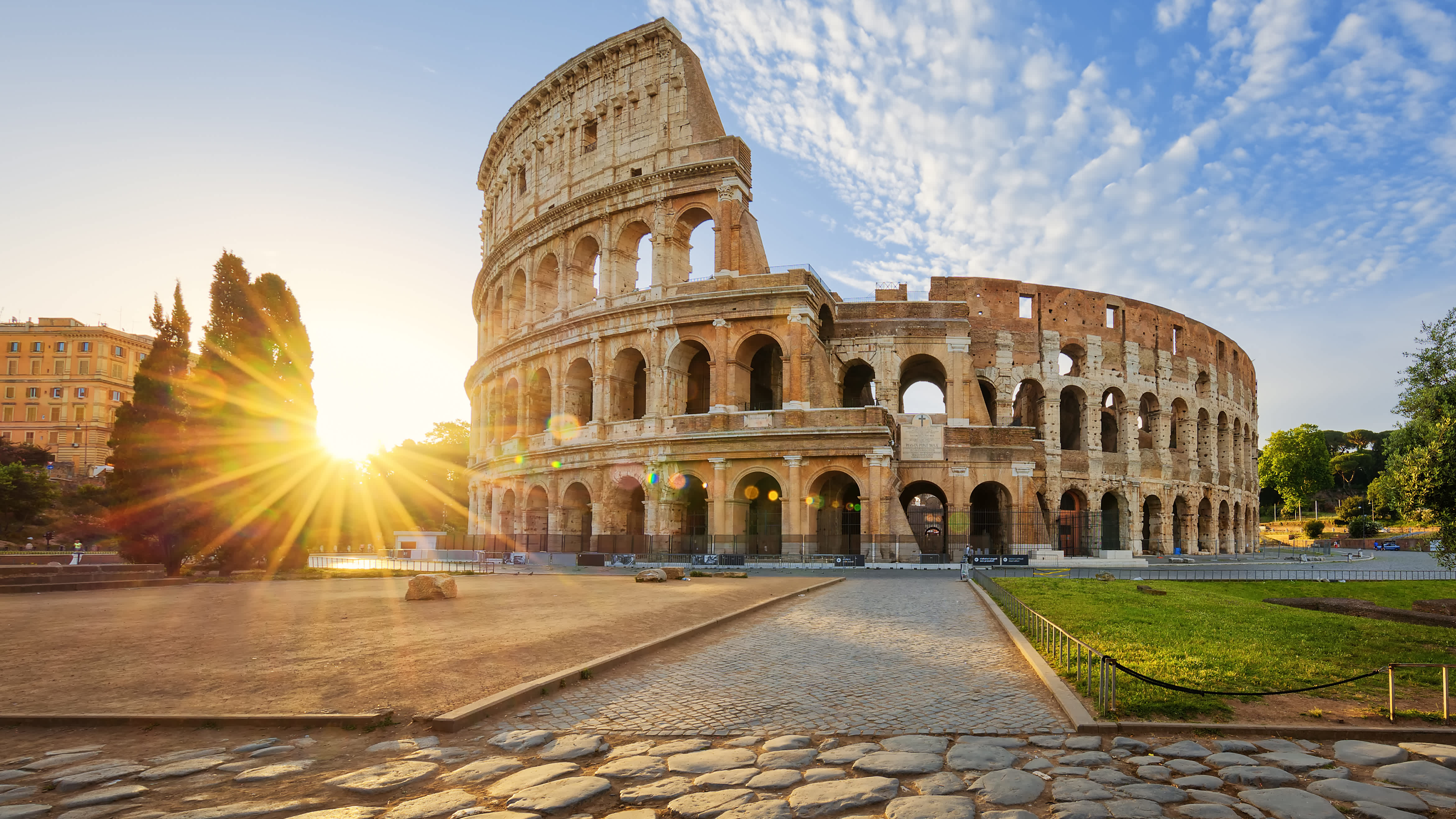
Rome is an open-air museum, a living testament to millennia of history. The sheer scale and iconic status of sites like the Colosseum, Roman Forum, Pantheon, and Vatican City (including St. Peter's Basilica and the Vatican Museums with the Sistine Chapel) are unparalleled. Entry to the Colosseum/Forum combo is around €18 ($20), Vatican Museums €17 ($19). You could spend weeks here and still not see everything. Naples, while often overshadowed, offers a different, equally profound historical experience. Its National Archaeological Museum houses most of the treasures from Pompeii and Herculaneum, and the ancient ruins themselves are easily accessible day trips. The underground Naples (Napoli Sotterranea) and the Capodimonte Museum offer fascinating insights. However, for the sheer volume of world-famous, instantly recognizable historical landmarks and the feeling of walking through an empire, Rome takes the cake. "Rome just hits different. You walk past a 2000-year-old ruin on your way to get coffee. Naples has Pompeii, which is mind-blowing, but Rome has everything else," a traveler noted on r/travel.
Winner takeaway
- Winner: Rome
- Why: Rome offers an unmatched concentration of iconic ancient and religious historical sites that are instantly recognizable worldwide.
- Who this matters for: First-time visitors to Italy, history buffs, and those seeking iconic, grand historical experiences.
💰 Costs & Budget
Naples is generally a much friendlier city for your wallet. A delicious sit-down pizza is €5-€8 ($5.50-$9), a metro ticket is €1.30 ($1.40), and a decent B&B or guesthouse can be found for €50-€80 ($55-$90) per night, even in the historic center. You can easily eat well and explore on €60-€100 ($65-$110) a day. Rome, being a global capital and major tourist hub, commands higher prices. Expect €10-€15 ($11-$16.50) for a metro ticket for 24 hours, and a simple pasta dish often starts at €12 ($13). Accommodation in a good location can easily run €100-€180 ($110-$200) for a mid-range hotel. While you can find budget options, they require more searching and may be further out. A typical daily budget in Rome is closer to €90-€150 ($100-$165), not including major splurges. "Naples saved my budget. I ate like a king for less than I spent on two mediocre meals in Rome. It felt like real Italian prices," shared one Redditor, highlighting the stark difference.
Winner takeaway
- Winner: Naples
- Why: Naples offers substantially better value for money across all major travel expenses, making it ideal for budget-conscious travelers.
- Who this matters for: Budget travelers, long-term travelers, and anyone looking to stretch their travel funds further.
🚶 Getting Around
Both cities have their quirks when it comes to transportation. Naples' historic center is best explored on foot, offering a true immersion into its chaotic charm. For longer distances, the metro is efficient and modern, connecting key areas like the train station (Garibaldi), historic center (Dante, Museo), and seafront (Toledo, Municipio). The Circumvesuviana train is vital for day trips to Pompeii and Sorrento. However, driving in Naples is famously challenging. Rome boasts a more extensive public transport system with three metro lines (A, B, C) and a vast bus network, making it possible to reach most major attractions. A single ticket costs €1.50 ($1.65). However, Rome is much more spread out, and walking between major sites can be exhausting. Traffic can be brutal, and buses often get stuck. "The Rome metro is decent for getting between big attractions, but walking around Trastevere or Monti is half the fun. Naples felt more compact for walking in the old town," a user commented. Overall, they tie because Naples offers intense walkability in its core with good regional train access, while Rome provides a broader public transport network for a larger, more dispersed city, each serving their unique urban layouts effectively.
Winner takeaway
- Winner: Tie
- Why: Both cities offer effective, albeit different, public transportation and walking experiences that suit their urban layouts.
- Who this matters for: Travelers who prefer walking, those who rely on public transport, and those planning extensive day trips.
🗺️ Day Trips
Naples is the undisputed champion for day trips, acting as a perfect springboard to some of Italy's most iconic destinations. A short, easy train ride on the Circumvesuviana takes you directly to the ancient ruins of Pompeii (€19/$21 entry) and Herculaneum, and you can combine it with a hike up Mount Vesuvius. The stunning Amalfi Coast (Positano, Amalfi, Ravello) is easily reachable by train to Sorrento and then bus or ferry. The glamorous islands of Capri and Ischia are a quick ferry ride away (€20-€30/$22-$33 return). This concentration of world-class, diverse attractions within an hour's reach is simply unparalleled. Rome offers lovely day trips, like the UNESCO World Heritage sites of Tivoli (Villa d'Este and Hadrian's Villa, both €12-€15/$13-$16.50 entry each) or the charming hilltop town of Orvieto, but they lack the same global 'wow' factor or dramatic beauty of Naples' surrounding area. "Coming from Naples, I did Pompeii, Vesuvius, and a day on Capri. It felt like I got three trips in one. Rome's day trips are nice but just not as epic," commented a seasoned traveler.
Winner takeaway
- Winner: Naples
- Why: Naples provides immediate, easy access to a greater number of globally renowned, diverse, and spectacular day trip destinations.
- Who this matters for: Adventure seekers, history lovers, and those wanting to explore beyond the city limits.
🛌 Accommodation
Both cities offer a broad spectrum of accommodation, but with different characteristics. In Naples, you can find excellent value in charming B&Bs like 'La Dimora di Garibaldi' near the station or 'B&B Napoli Mio' in the historic center for €60-€100 ($65-$110) per night. The accommodation often feels more 'local' and intimate, reflecting the city's authentic vibe. While luxury options exist, the strength is in the mid-range and budget segments. Rome, conversely, has a more established and wider range of accommodation, from upscale hotels like 'Hotel Eden' to boutique stays in Trastevere and countless budget hostels near Termini. However, you'll pay a premium for central locations, with decent mid-range hotels often starting at €120-€180 ($130-$200) per night, and budget options requiring more compromise on location or amenities. "Finding a great, affordable place in Naples was easy, I felt like I got a really authentic stay. Rome was harder to find good value unless I was really far out or in a noisy hostel," a Reddit user remarked. Ultimately, they tie because Naples excels in value and authentic charm, while Rome offers a more extensive selection across all price points, catering to different traveler preferences and budgets.
Winner takeaway
- Winner: Tie
- Why: Both offer good options depending on budget and style; Naples for value and authenticity, Rome for sheer variety and luxury.
- Who this matters for: All types of travelers, from budget backpackers to luxury seekers, depending on their priorities.
🍻 Nightlife
Rome offers a more diverse and sophisticated nightlife scene. Neighborhoods like Trastevere are famous for their lively bars, outdoor seating, and charming enotecas, perfect for a romantic evening or a casual drink with friends. Testaccio is known for its clubs and late-night venues, while Monti offers trendy cocktail bars and craft beer spots. You can easily find a rooftop bar for a chic aperitivo or a jazz club for live music. Naples' nightlife is more rooted in its vibrant street culture. The historic center, particularly around Piazza Bellini and Spaccanapoli, comes alive in the evenings with locals spilling out of bars onto the streets, drinking Aperol Spritzes or cheap beer (€3-€5/$3.30-$5.50). It's energetic and authentic, but less focused on formal clubs or high-end cocktails. It's more about soaking in the atmosphere and people-watching. "Rome had way more options for going out, from fancy cocktails to lively pubs in Trastevere. Naples was fun, but it was more 'hang out on the street with a cheap drink' vibe," a Redditor shared, perfectly summing up the difference.
Winner takeaway
- Winner: Rome
- Why: Rome provides a broader and more varied nightlife experience, catering to different tastes from casual to sophisticated.
- Who this matters for: Party-goers, those seeking trendy bars, and travelers looking for diverse evening entertainment options.
🚨 Safety & Vibe
Naples has a reputation for being 'gritty' or 'dangerous,' which is largely exaggerated for tourist areas. While it is chaotic, with intense traffic and a palpable energy, it's generally safe during the day, especially in the historic center and Chiaia. Like any big city, petty crime (pickpocketing, bag snatching) can occur, especially around the train station or crowded markets. The vibe is raw, authentic, and unapologetically Neapolitan. "I was worried about Naples but found it perfectly safe, just very intense and loud. You definitely need to keep an eye on your belongings, like anywhere in Italy," a traveler recounted. Rome, while grand and seemingly more polished, also has its share of petty crime, especially in major tourist hubs like the Colosseum, Spanish Steps, and Termini Station. Tourist scams are also prevalent. However, its overall perception of safety is higher, and it feels less 'chaotic' than Naples, offering a more universally appealing, romantic, and bustling big-city vibe that many first-time visitors find comforting. For general comfort and perceived safety, Rome edges out Naples.
Winner takeaway
- Winner: Rome
- Why: Rome offers a slightly higher perceived level of safety and a more universally appealing, romantic, and grand urban vibe.
- Who this matters for: First-time international travelers, those sensitive to chaotic environments, and travelers prioritizing a sense of security.
🎭 Authenticity & Local Feel
If you're chasing an authentic, unfiltered Italian experience, Naples is your go-to. It's a city where everyday life unfolds on the streets—laundry hangs from balconies, Vespas zip through narrow alleys, and passionate conversations echo through piazzas. There's a tangible sense of history and tradition in its bustling markets, family-run trattorias, and unvarnished architecture. It doesn't put on a show for tourists; it simply *is*. This raw honesty can be overwhelming for some, but for others, it's intoxicating. "Naples felt like the 'real' Italy everyone talks about. Rome was beautiful but felt like it was built for tourists in comparison. Naples felt lived-in," a traveler expressed. Rome, while incredibly historic and charming, especially in areas like Trastevere or Monti, can feel more curated and tourist-centric in its main attractions. You'll find genuine local life, of course, but you often have to venture away from the major sights to experience it fully. Naples offers that 'local feel' right in the thick of things.
Winner takeaway
- Winner: Naples
- Why: Naples offers a more raw, unfiltered, and deeply immersive authentic Italian experience that is less influenced by mass tourism.
- Who this matters for: Experienced travelers, culture seekers, and those desiring an immersive, less polished local experience.
🛍️ Shopping
Rome offers a far more comprehensive and diverse shopping experience. For high fashion and luxury brands, the elegant Via del Corso and the streets around the Spanish Steps (Via dei Condotti, Via Borgognona) are world-renowned, housing boutiques from Prada to Gucci. You'll also find a plethora of mid-range fashion stores, souvenir shops in tourist areas, and charming independent boutiques in neighborhoods like Monti. Rome caters to virtually every shopping desire, from high-end to unique gifts. Naples, while having its own charm, focuses more on local crafts, street markets like La Pignasecca for food and everyday goods, and more affordable, local fashion. You can find beautiful handcrafted presepi (nativity scenes) in Via San Gregorio Armeno, or tailored shirts, but it doesn't compete with Rome's scale or luxury offerings. "If you want real Italian fashion or luxury goods, Rome is the place. Naples is more about cool local finds and street market bargains, which is fun, but a different vibe," noted a shopper on r/italy. While both offer unique shopping, Rome's breadth and high-end options make it the winner.
Winner takeaway
- Winner: Rome
- Why: Rome provides a much wider and more diverse range of shopping experiences, from luxury brands to unique boutiques and large markets.
- Who this matters for: Fashion enthusiasts, luxury shoppers, and those seeking a broad selection of retail options.
❓ Frequently Asked Questions
Is Naples really that dangerous for tourists?
Naples' reputation is often overblown. While it's a chaotic city with intense traffic and a bustling atmosphere, major tourist areas are generally safe during the day. Like any large city, petty crime (pickpocketing) can occur, especially in crowded spots or around the train station. Stay aware of your surroundings, secure your belongings, and you'll likely have a safe and memorable trip.
How long should I spend in each city?
For Rome, plan at least 3-4 full days to cover the major historical sites, Vatican City, and soak in the atmosphere. For Naples, 2-3 full days is ideal – one for the city itself (pizza, historic center) and one or two for incredible day trips to Pompeii/Vesuvius or the Amalfi Coast. If combining, a 7-day trip (4 Rome, 3 Naples) works well.
Can I do a day trip to the Amalfi Coast from Rome?
While technically possible, it's a very long and exhausting day (3-4 hours travel each way). It's much more feasible and enjoyable to visit the Amalfi Coast from Naples, which is significantly closer. From Naples, you can reach Sorrento in about an hour by train, then easily access Positano, Amalfi, and Ravello by bus or ferry.
Which city is better for families with young children?
Rome is generally more family-friendly due to its slightly more organized feel, numerous parks (Villa Borghese), and iconic sites that even kids recognize (Colosseum). Naples can be overwhelming with its chaos and noise, though places like the Città della Scienza (Science City) offer unique experiences. For strollers, both cities have challenges with cobblestones and crowds.
Is English widely spoken in Naples and Rome?
In Rome, especially in tourist areas, hotels, and restaurants, you'll find English speakers. In Naples, English is less common outside of major tourist hubs, but many hotel staff and restaurant owners will have basic English. Learning a few Italian phrases (please, thank you, hello, goodbye) will always be appreciated in both cities.
What's the best way to travel between Naples and Rome?
The fastest and most comfortable way is by high-speed train (Frecciarossa or Italo). The journey takes approximately 1 hour and 10-20 minutes, with tickets typically costing €20-€40 ($22-$44) if booked in advance. It's an efficient and scenic way to connect the two cities.
Which city has better weather?
Both cities enjoy Mediterranean climates with hot, dry summers and mild, wet winters. Rome can get slightly colder in winter and hotter in summer due to its inland location compared to coastal Naples. Spring (April-May) and Fall (September-October) offer the most pleasant weather in both, with comfortable temperatures and fewer crowds.
Are there good options for vegetarian/vegan travelers in both cities?
Yes, Italy in general is quite vegetarian-friendly with pasta dishes, pizzas (Margherita is naturally vegetarian), and fresh produce. Rome, being a larger international city, has more dedicated vegetarian/vegan restaurants and cafes. Naples also offers plenty of options, particularly with its incredible vegetable-based pizzas and street food, but specialized vegan spots might be fewer.
Ready to plan your Italy trip?
Get a free custom itinerary for Naples, Rome, or both — built from real traveler insights.
🎟️ Book Tours & Experiences
Hand-picked tours and activities for both destinations — book with free cancellation
Experiences via Viator — free cancellation on most tours