How we built this comparison
This page combines traveler discussion patterns, published price ranges, flight schedules, and seasonal data to help you decide between Naples and Sicily.
- Reviewed 100+ Reddit threads from r/travel, r/solotravel, r/ItalyTravel, r/naples, r/sicily
- Verified costs and logistics against current booking platforms (e.g., Skyscanner, Booking.com, Trenitalia)
- Cross-referenced seasonal patterns and weather data from meteorological sources for typical conditions
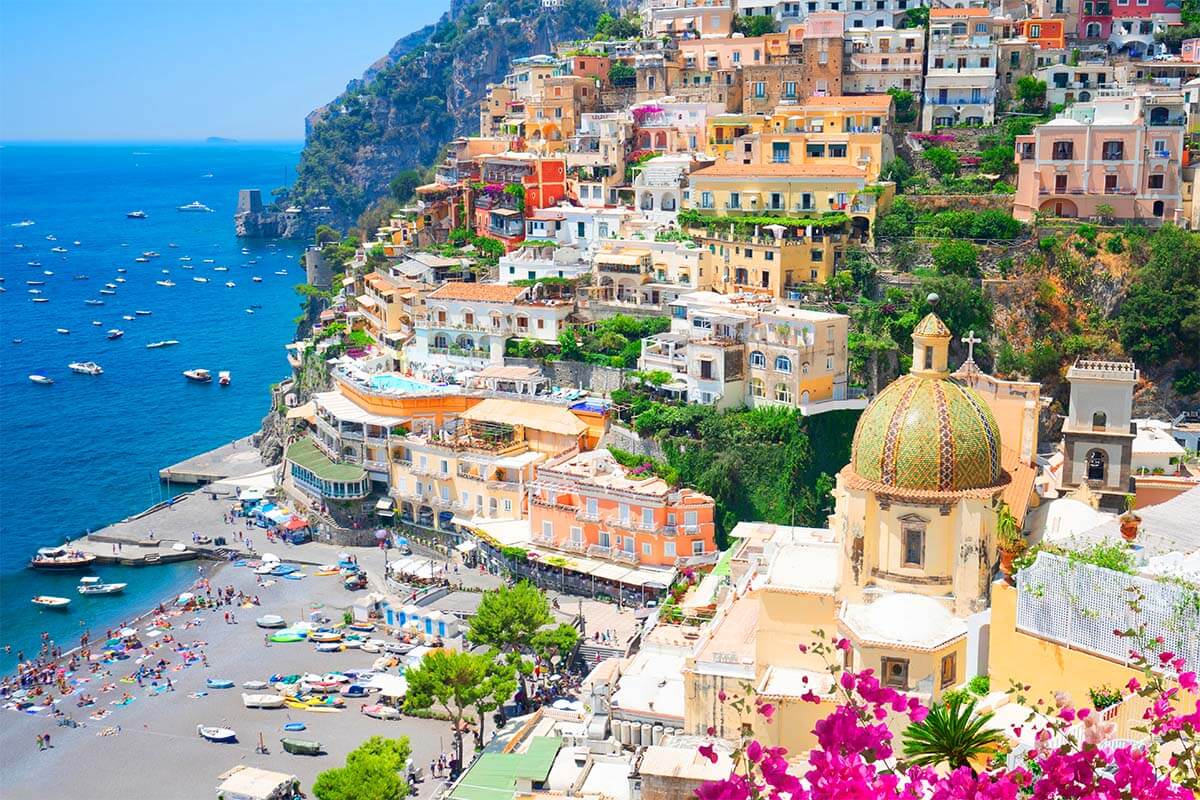
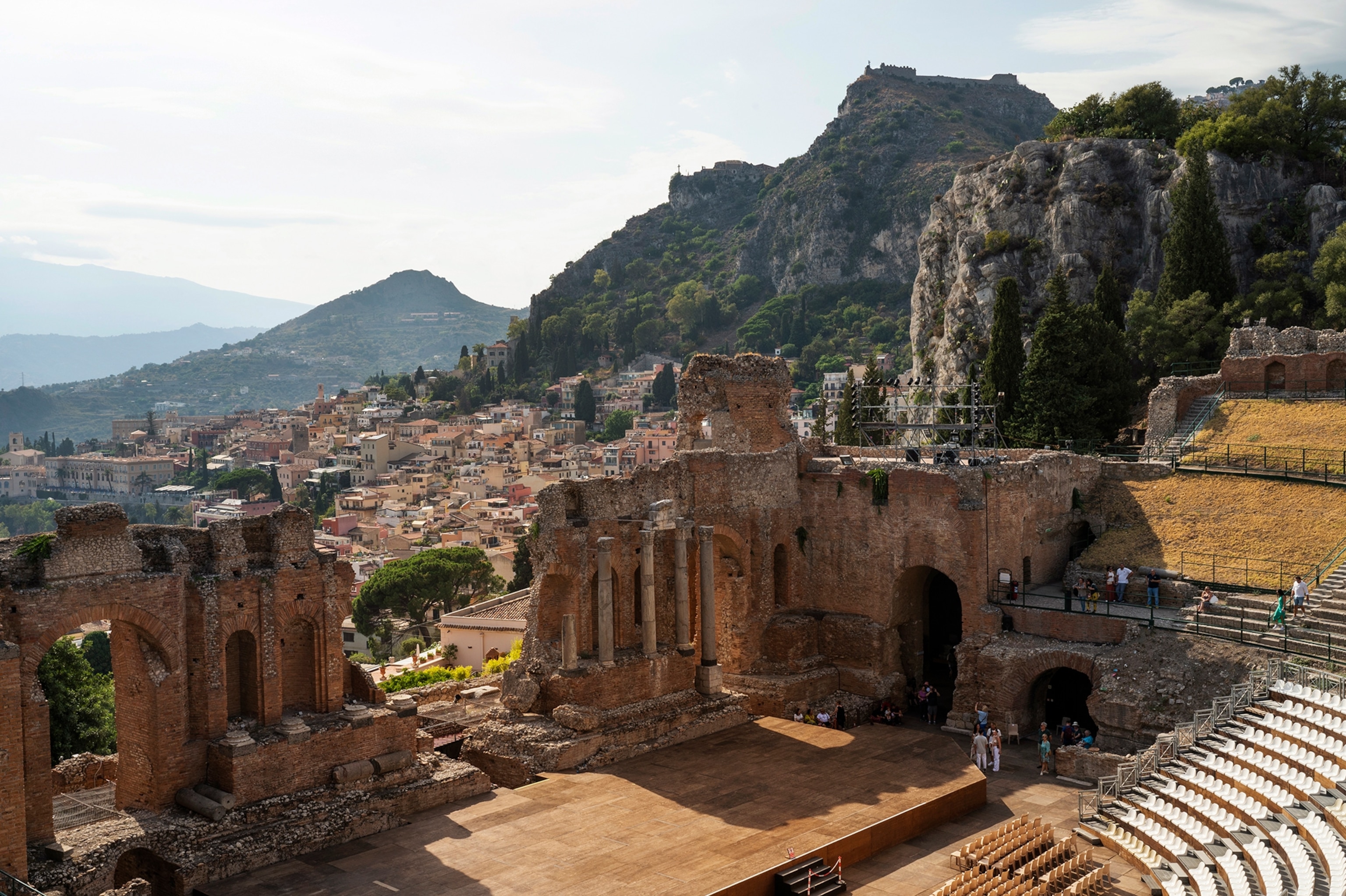
⚡ The TL;DR Verdict
For those craving raw, authentic Italian city life, incredible food on a budget, and easy access to ancient wonders, Naples is your pick (budget €80-150/day). If you dream of diverse landscapes, ancient Greek ruins, stunning beaches, and a more relaxed pace, Sicily beckons (budget €60-120/day).
- Choose Naples: Choose Naples if you're a food fanatic (especially pizza), an archaeology buff, or someone who thrives in vibrant, slightly gritty urban environments, using it as a base for day trips to Pompeii and the Amalfi Coast.
- Choose Sicily: Opt for Sicily if you want a longer, multi-city trip with stunning natural beauty (Etna, beaches), a deeper dive into ancient history (Greek temples), fantastic seafood, and a desire to explore by car.
- Choose Both: Doing both requires at least 10-14 days. Start in Naples (3-4 days including a day trip), then take a direct flight (e.g., Volotea or Ryanair) from Naples to Catania or Palermo (1 hour, ~€30-80) to explore Sicily for a week or more.
Quick Comparison
| Category | Naples | Sicily | Winner |
|---|---|---|---|
| Food & Drink | The birthplace of pizza, incredible street food, and rich, hearty Neapolitan cuisine. | Diverse regional specialties, amazing seafood, arancini, cannoli, and unique Arabic influences. | Naples |
| Culture & History | Ancient Roman ruins (Pompeii, Herculaneum), vibrant art, gritty urban history, and operatic traditions. | Ancient Greek temples, Norman cathedrals, Baroque towns, and a rich tapestry of Phoenician, Roman, Arab, and Spanish influences. | Sicily |
| Beaches & Nature | Limited city beaches, but close proximity to the stunning Amalfi Coast and islands like Capri and Ischia. | Diverse coastline with sandy and rocky beaches, volcanic landscapes (Etna), and stunning natural reserves. | Sicily |
| Costs & Budget | Generally very affordable for food and transport, accommodation can range from budget to luxury. | Can be very budget-friendly, especially outside major tourist hubs; car rental adds to costs but offers flexibility. | Naples |
| Getting Around | Excellent public transport within the city, easy access to day trips by train/ferry. | Public transport connects major cities, but a car is highly recommended for exploring rural areas and smaller towns. | Naples |
| Day Trips & Excursions | Unbeatable access to Pompeii, Herculaneum, Vesuvius, the Amalfi Coast, and Capri/Ischia. | Mount Etna, Syracuse/Ortigia, Taormina, Valley of the Temples, and charming Baroque towns. | Naples |
| Accommodation | Wide range from budget hostels to boutique hotels, concentrated in the city center. | Diverse options from agriturismos to luxury resorts, more spread out across different towns. | Tie |
| Nightlife & Entertainment | Vibrant, authentic, and often spontaneous street life, lively bars, and traditional pizzerias open late. | More relaxed evening strolls (passeggiata), charming piazzas, and a few lively bar scenes in larger cities. | Naples |
| Safety & Vibe | Gritty, chaotic, and energetic; requires street smarts but generally safe for tourists. | More relaxed, welcoming, and generally feels safer, especially outside of Palermo/Catania. | Sicily |
| Weather & Seasons | Mediterranean climate, hot summers, mild winters, best in spring/fall. | Classic Mediterranean, very hot dry summers, mild winters, longer shoulder seasons due to southern location. | Sicily |
🍕 Food & Drink
Naples is, without a doubt, the undisputed champion of everyday culinary delights. It’s where pizza was born, and experiencing a true Neapolitan pizza at historic spots like Pizzeria da Michele or Sorbillo for just €5-10 is a religious experience. Beyond pizza, the street food scene is legendary, with frittata di pasta (€3-5), cuoppo di terra (fried seafood cones, €5-8), and sfogliatella (pastries, €1.50-2.50) everywhere. The coffee is strong and cheap. Sicily, while fantastic, offers a broader, more varied palette. Think fresh seafood in Ortigia, incredible arancini in Catania (€2.50-4), rich pasta alla Norma, and of course, the iconic cannoli and granita. Sicilian food is influenced by its diverse history, making it incredibly flavorful, but Naples delivers that specific, iconic, budget-friendly 'wow' factor consistently. "Honestly, for pure, mind-blowing cheap eats, Naples wins hands down. That pizza just hits different." - r/ItalyTravel
Winner takeaway
- Winner: Naples
- Why: Naples wins for its iconic, world-renowned dishes, especially pizza, which are consistently excellent and incredibly affordable.
- Who this matters for: Foodies, budget travelers, and anyone seeking an authentic, iconic Italian culinary experience.
🏛️ Culture & History
While Naples boasts the unparalleled archaeological sites of Pompeii and Herculaneum (easily accessible by Circumvesuviana train, tickets €15-20 each) and the world-class National Archaeological Museum, Sicily offers a breathtaking depth and breadth of historical layers spanning millennia. From the astonishingly well-preserved Greek temples in Agrigento's Valley of the Temples (€15) and Segesta, to the Roman mosaics at Villa Romana del Casale (€10), the Norman cathedrals of Palermo and Monreale, and the stunning Baroque towns of the Val di Noto (e.g., Noto, Ragusa Ibla). Sicily's history is a truly unique blend of European, African, and Middle Eastern cultures, offering a more diverse and expansive historical narrative that requires more time to fully appreciate. Naples is fantastic for a concentrated hit of Roman history, but Sicily is a living museum of civilizations. "Sicily's history blew my mind. The Greeks, Romans, Arabs, Normans... it's all there, and it's so much more varied than just Pompeii." - r/solotravel
Winner takeaway
- Winner: Sicily
- Why: Sicily offers a wider, more diverse historical tapestry, showcasing millennia of different civilizations, from ancient Greek to Norman and Baroque.
- Who this matters for: History buffs, those interested in diverse ancient civilizations, and travelers seeking a deep cultural immersion.
🏖️ Beaches & Nature
Naples itself isn't known for great city beaches, but it's a fantastic gateway to some of Italy's most iconic coastal beauty: the Amalfi Coast and the islands of Capri and Ischia. A ferry to Capri costs around €20-30 round trip, offering stunning grottos and glamorous beaches. However, if you're looking for natural beauty within the destination itself, Sicily is a clear winner. It boasts diverse and breathtaking natural landscapes, from the active volcano Mount Etna (guided tours from Catania/Taormina €60-100) to the stunning white cliffs of Scala dei Turchi, the crystalline waters of Zingaro Nature Reserve, and beautiful sandy beaches like San Vito Lo Capo or the picturesque Cefalù. Sicily offers a variety of coastal experiences without needing to 'day trip' out of the region. "The beaches in Sicily, especially around San Vito Lo Capo and the nature reserves, are just incredible. So much variety." - r/travel
Winner takeaway
- Winner: Sicily
- Why: Sicily offers a greater variety of stunning beaches, unique volcanic landscapes, and accessible nature reserves directly within the region.
- Who this matters for: Beach lovers, hikers, nature enthusiasts, and those looking for diverse outdoor activities.
💰 Costs & Budget
Both destinations offer good value compared to Northern Italy, but Naples slightly edges out Sicily for sheer affordability, particularly if you stick to local ways. A delicious, authentic pizza is €5-8, a metro ticket €1.10, and a decent Airbnb or hostel bed can be found for €25-40/night. Even day trips to Pompeii (€1.10 train ticket each way) are very cheap. Sicily can also be very budget-friendly, especially for food outside tourist hotspots. However, getting around Sicily often necessitates renting a car (from €30-60/day plus fuel) which adds a significant cost, or relying on less frequent public transport, potentially extending travel times and requiring more nights in accommodation. Accommodation in popular spots like Taormina or Ortigia can be pricier. If you're a solo traveler relying solely on public transport, Naples and its immediate surroundings are easier on the wallet. "I spent a week in Naples and ate like a king for less than €50 a day. Sicily felt a bit more spread out and required more transport money." - r/solotravel
Winner takeaway
- Winner: Naples
- Why: Naples generally offers slightly lower costs for daily expenses, especially food and public transport, making it easier for budget travelers.
- Who this matters for: Budget-conscious travelers, solo travelers, and those who prefer not to rent a car.
🚃 Getting Around
Naples wins hands down for ease of getting around without a car. The city center is walkable, and it has an efficient metro system, funiculars, and buses that can get you almost anywhere for €1.10-1.60 per ride. Crucially, the Circumvesuviana train line (a local commuter train, ~€3-5) connects you directly to Pompeii, Herculaneum, Sorrento, and even ferries to the Amalfi Coast or islands like Ischia and Capri are just a short walk from the port. You can easily spend a week in Naples and its surroundings without touching a car. Sicily, on the other hand, is a large island. While major cities like Palermo, Catania, and Syracuse are connected by train (e.g., Palermo to Catania ~3 hours, €15-20) and intercity buses, reaching the most beautiful archaeological sites, remote beaches, or charming hill towns often requires a car. Renting a car (from €30-60/day plus fuel) is generally recommended for a comprehensive Sicilian experience, which adds complexity and cost. "Naples was so easy with the metro and trains to Pompeii. In Sicily, I felt really limited without a car, and buses were slow." - r/travel
Winner takeaway
- Winner: Naples
- Why: Naples offers superior public transport connectivity for both urban exploration and popular day trips, making a car unnecessary.
- Who this matters for: Travelers who prefer public transport, solo travelers, and those without a driving license.
🗺️ Day Trips & Excursions
Naples is arguably the best base in Italy for truly iconic and diverse day trips. Within an hour or two by cheap public transport, you can be exploring the perfectly preserved ruins of Pompeii or Herculaneum (both UNESCO sites, entrance ~€18 each), hiking Mount Vesuvius, or gazing at the breathtaking coastal towns of the Amalfi Coast (Positano, Amalfi) via a combination of train and ferry/bus (bus tickets ~€3-5). Ferries to the glamorous islands of Capri and Ischia (from €20-30 round trip) also depart frequently. While Sicily offers incredible excursions like exploring the active Mount Etna (tours from €60-100), visiting the charming island of Ortigia in Syracuse, or the picturesque Taormina, these often require more travel time, rental cars, or multiple public transport connections. The sheer density and iconic status of Naples' day trip options are hard to beat. "You can't beat Pompeii and the Amalfi Coast as day trips from Naples. It’s just so easy and mind-blowing." - r/ItalyTravel
Winner takeaway
- Winner: Naples
- Why: Naples offers unparalleled access to world-famous, easily accessible day trips like Pompeii, the Amalfi Coast, and Capri.
- Who this matters for: First-time visitors to Southern Italy, history lovers, and those seeking iconic Italian sights.
🛌 Accommodation
Both destinations offer excellent and varied accommodation options, making this a tie based on preference. In Naples, you'll find everything from budget-friendly hostels (from €25-40/night) and charming B&Bs in historic buildings to upscale boutique hotels (from €80-150/night) and international chains, mostly concentrated within the city center or Vomero district. This makes choosing a base simple. Sicily, being a larger island with diverse landscapes, offers a broader range of styles: rustic agriturismos (farm stays, from €60-120/night) in the countryside, charming B&Bs in smaller towns like Ortigia or Cefalù, and luxury resorts in places like Taormina (from €150-300+/night). The choice often depends on which part of the island you plan to explore. If you prefer a single base, Naples is easier; if you're open to moving around for varied experiences, Sicily offers unique stays. "I loved the vibe of my little B&B in the Spanish Quarter in Naples, so authentic. But the agriturismo in Sicily was an experience in itself." - r/travel
Winner takeaway
- Winner: Tie
- Why: Both destinations offer excellent and diverse accommodation options, catering to various budgets and travel styles.
- Who this matters for: Depends on travel style; city lovers for Naples, rural/boutique for Sicily, both for budget-conscious.
🕺 Nightlife & Entertainment
Naples truly comes alive at night with an infectious energy that's hard to match. The historic center buzzes with people enjoying aperitivo, spilling out of small bars, and filling pizzerias late into the evening. Areas like the Spanish Quarters or the Chiaia district offer a mix of traditional trattorias and more modern bars. It's less about clubbing and more about spontaneous street gatherings, good food, and lively chatter. You can grab a cheap beer (€3-5) and soak in the atmosphere. Sicily's nightlife is generally more subdued. Larger cities like Palermo and Catania have vibrant university crowds and more contemporary bars, particularly around the Vucciria market area in Palermo or Via Etnea in Catania. Smaller towns and coastal resorts like Taormina or Ortigia offer charming evening strolls (passeggiata) and lovely restaurants with sea views, but the late-night scene is calmer and more sophisticated, focusing on dining and cocktails rather than raucous revelry. "Naples at night is just a party happening on the streets. Sicily is more about a nice dinner and a quiet drink." - r/solotravel
Winner takeaway
- Winner: Naples
- Why: Naples offers a more vibrant, authentic, and spontaneous nightlife experience, driven by its lively street culture.
- Who this matters for: Social travelers, those who enjoy lively street scenes, and late-night diners.
🤝 Safety & Vibe
Naples has a reputation, sometimes exaggerated, for being a bit 'gritty' or chaotic. While petty crime like pickpocketing can occur, especially in crowded areas like the train station or historic center, it's generally safe for tourists with basic street smarts. The vibe is intense, energetic, and very authentic – it's a city that wears its heart on its sleeve. Some travelers find it overwhelming, others find it exhilarating. Sicily, by contrast, generally feels more relaxed and welcoming. While larger cities like Palermo and Catania have their own bustling areas where you should be aware of your surroundings, the overall pace is slower, and there's a strong sense of hospitality, especially in smaller towns. You're less likely to encounter the same level of urban chaos. "I felt perfectly safe in Naples, just needed to be aware, but Sicily felt much more calm and overtly friendly everywhere I went." - r/travel
Winner takeaway
- Winner: Sicily
- Why: Sicily generally offers a more relaxed, calmer, and overtly welcoming atmosphere, making it feel safer for many travelers.
- Who this matters for: First-time international travelers, families, and those who prefer a more laid-back travel experience.
☀️ Weather & Seasons
Both Naples and Sicily enjoy a classic Mediterranean climate, meaning hot, dry summers and mild, wet winters. However, Sicily's more southerly location gives it a slight edge for a longer 'shoulder season' and more consistent warmth. Naples is fantastic in spring (April-May) and fall (September-October) with pleasant temperatures (18-25°C / 64-77°F), perfect for exploring ruins and city streets. Summers (July-August) can be very hot and humid (30-35°C+ / 86-95°F+). Sicily experiences similar patterns but its heat can be more intense and prolonged in summer, extending into late September. However, this also means its pleasant spring and autumn weather stretches longer, sometimes even offering comfortable swimming well into October. If you want to visit earlier or later in the year for beach time or milder temperatures without the peak crowds, Sicily provides a longer window of opportunity. "I visited Sicily in late October and it was still warm enough for swimming. Naples started getting chilly by then." - r/travel
Winner takeaway
- Winner: Sicily
- Why: Sicily, due to its more southerly location, offers a longer shoulder season with consistently warmer temperatures, extending pleasant travel into late fall.
- Who this matters for: Beach lovers, those traveling in early spring or late fall, and heat-seekers.
❓ Frequently Asked Questions
How many days should I spend in each destination?
For Naples, allocate 3-4 full days to cover the city itself, Pompeii, and potentially a quick trip to the Amalfi Coast or Capri. For Sicily, a minimum of 7-10 days is recommended to explore its diverse regions (e.g., Palermo/Cefalù, Agrigento, Syracuse/Ortigia, Taormina/Etna) without feeling rushed.
Is English widely spoken?
In both Naples and Sicily, English is generally understood in tourist-heavy areas, hotels, and major restaurants. However, venturing into smaller towns or local establishments, especially in Sicily, will benefit greatly from knowing basic Italian phrases. Locals are generally very appreciative of the effort.
What are the must-try local dishes?
In Naples, you *must* try true Neapolitan pizza (Margherita, Marinara), sfogliatella, frittata di pasta, and limoncello. In Sicily, indulge in arancini, pasta alla Norma, fresh seafood, cannoli, granita, and Marsala wine. Each region has distinct, delicious specialties.
Is it safe to drive in Naples or Sicily?
Driving in Naples can be chaotic and challenging due to narrow streets, heavy traffic, and aggressive drivers; a car is generally not recommended within the city. Driving in Sicily is more manageable outside of Palermo and Catania, and often recommended for exploring the island's diverse attractions. Be prepared for winding roads and sometimes less-than-perfect signage, but it's generally a rewarding experience.
What's the best time to visit for fewer crowds?
For both, the shoulder seasons (April-May and late September-October) offer the best balance of pleasant weather and fewer crowds compared to the peak summer months of July and August. Early June or early September can also be good, but expect more visitors and higher prices.
Can I easily travel between Naples and Sicily?
Yes, the easiest and fastest way is by direct flight (e.g., Volotea, Ryanair) from Naples (NAP) to Catania (CTA) or Palermo (PMO), taking about 1 hour and costing €30-80. There are also overnight ferries from Naples to Palermo or Catania, which can save a night's accommodation but take much longer (8-10 hours).
Are there good options for solo travelers?
Both destinations are fantastic for solo travelers. Naples offers a vibrant, easy-to-navigate city experience with plenty of hostels and social opportunities. Sicily, while requiring more planning for transport if not driving, is incredibly welcoming and offers a safe environment for solo exploration, especially in its charming towns and natural areas.
What are the best shopping experiences?
Naples offers a mix of high-end boutiques on Via dei Mille, artisanal workshops in the historic center (e.g., presepi on Via San Gregorio Armeno), and bustling street markets. Sicily excels in local crafts, ceramics (Caltagirone), foodie souvenirs like pistachios from Bronte or Marsala wine, and charming boutiques in towns like Taormina or Ortigia.
Ready to plan your Southern Italy trip?
Get a free custom itinerary for Naples, Sicily, or both — built from real traveler insights.
🎟️ Book Tours & Experiences
Hand-picked tours and activities for both destinations — book with free cancellation
Experiences via Viator — free cancellation on most tours