How we built this comparison
This page combines traveler discussion patterns, published price ranges, flight schedules, and seasonal data to help you decide between Naxos and Crete.
- Reviewed 100+ Reddit threads from r/travel, r/Greece, r/solotravel, r/europetravel for authentic traveler perspectives.
- Verified costs and logistics against current booking platforms (Booking.com, Ferryhopper, Skyscanner) in early 2024.
- Cross-referenced seasonal patterns, weather data, and local event calendars for optimal travel advice.
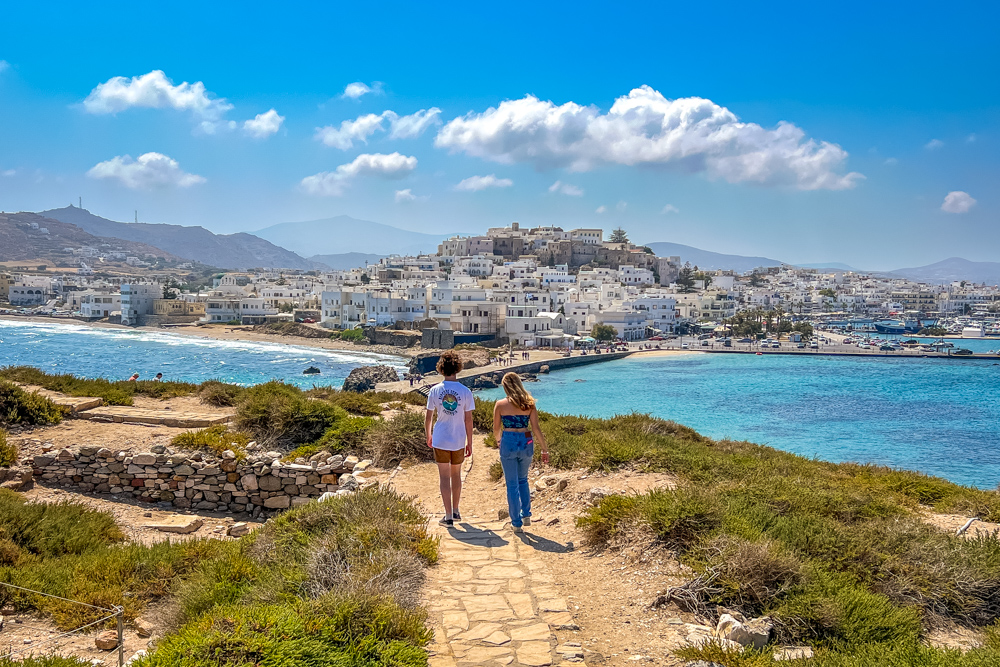
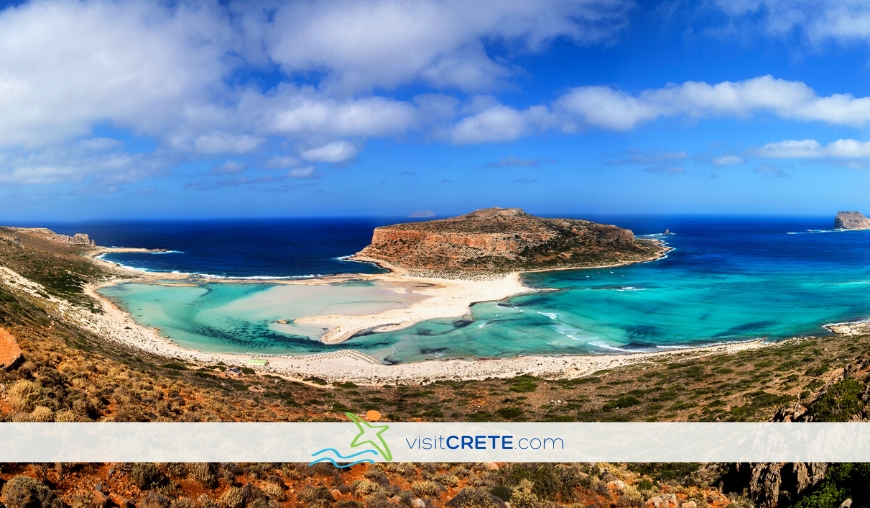
⚡ The TL;DR Verdict
For those seeking a quintessential, relaxed Greek island experience with stunning beaches and charming villages without the Mykonos/Santorini hype, Naxos is your pick, budget around €100-150 / $110-165 per day. If you crave diverse landscapes, deep history, adventure, and culinary exploration on a grander scale, Crete offers more, at a slightly higher daily range of €120-180 / $130-195, especially if you rent a car.
- Choose Naxos: You prioritize idyllic, easily accessible beaches, a laid-back vibe, charming Chora, and don't mind a slower pace. Ideal for families, couples, or solo travelers seeking relaxation and authentic island life.
- Choose Crete: You want diverse adventures – ancient ruins, dramatic gorges, bustling cities, unique cuisine, and don't mind extensive driving. Perfect for history buffs, active travelers, and those seeking a more 'country' experience within an island.
- Choose Both: If you have 10-14 days and want the best of both worlds – start with 4-5 days on Naxos for beach relaxation, then fly or ferry to Crete for 6-8 days of exploration and adventure. This offers a fantastic contrast.
Quick Comparison
| Category | Naxos | Crete | Winner |
|---|---|---|---|
| Beaches | Long, golden, organized beaches easily accessible from Chora, perfect for classic relaxation and watersports. | Dramatic, unique, and often more remote beaches, from pink sands to palm forests, requiring more effort to reach. | Naxos |
| Food & Drink | Fresh seafood, excellent local dairy products (cheeses!), and traditional tavernas with hearty Cycladic fare. | Globally recognized Cretan Diet, unique ingredients, robust flavors, and the strong local spirit, Raki. | Crete |
| Culture & History | Ancient temple ruins, Venetian castle in Chora, and traditional mountain villages. | Minoan civilization (Knossos), Venetian and Ottoman influences, diverse museums, and a strong local identity. | Crete |
| Nightlife | Chilled-out bars in Chora, beachfront cocktails, and relaxed evenings. | Vibrant club scene in major cities (Heraklion, Chania), diverse bars, and lively tavernas. | Crete |
| Costs | Generally more affordable than Santorini/Mykonos, offering good value for money. | Can be very budget-friendly, especially outside tourist hotspots, but also offers luxury options. | Tie |
| Getting There | Fly from Athens (small airport) or take a ferry from Piraeus (3-5 hours). | Direct international flights to Heraklion or Chania, or ferries from Piraeus (6-9 hours). | Crete |
| Getting Around | Good local bus network, scooter/quad rentals are popular, small enough for a car. | Car rental is almost essential for exploration, limited but improving intercity buses. | Naxos |
| Accommodation | Charming family-run studios, boutique hotels, and guesthouses, often near beaches. | Wide range from luxury resorts to budget apartments, agritourism, and city hotels. | Tie |
| Day Trips | Excellent island hopping opportunities to nearby Cycladic gems like Paros and Delos. | Incredible internal day trips to gorges, historical sites, and diverse towns across the vast island. | Naxos |
| Nature & Adventure | Great hiking in mountain villages, watersports, and beautiful coastal walks. | Dramatic gorges, rugged mountains, diverse ecosystems, and endless hiking/outdoor activities. | Crete |
🏖️ Beaches
Naxos boasts some of the most consistently beautiful and easily accessible beaches in the Cyclades. From the family-friendly, well-organized sands of Agios Prokopios and Agia Anna, offering sunbeds for €10-15 a set, to the sprawling, golden stretch of Plaka Beach, known for its quieter sections and tavernas like 'Plakafe' serving fresh seafood for around €15-25 per person, Naxos delivers on the classic Greek beach vacation. You can rent windsurfing gear at Laguna Beach Park for €30-50 per hour. Crete, on the other hand, features truly spectacular but often harder-to-reach beaches like Elafonisi with its unique pink sand (expect a 1.5-hour drive from Chania), Balos Lagoon (often requiring a boat trip from Kissamos for €25-35 or a challenging drive and hike), and the tropical Preveli Palm Beach. While Crete's 'highs' are arguably more unique, Naxos's consistent quality, ease of access, and variety of classic, relaxing beach experiences make it the winner for pure beach holiday enjoyment. As one Redditor put it, "Naxos beaches are just *easy* and beautiful, no massive trek needed for clear water and sand."
Winner takeaway
- Winner: Naxos
- Why: Naxos wins for its combination of stunning, accessible, and consistently enjoyable golden sand beaches perfect for relaxation.
- Who this matters for: Families, couples, and anyone prioritizing easy beach access and classic Greek island relaxation.
🍽️ Food & Drink
Crete's culinary scene is a star, deeply rooted in the healthy and flavorful 'Cretan Diet.' Expect dishes rich in olive oil, fresh vegetables, wild greens, and unique cheeses like Graviera and Myzithra. Tavernas like 'Tamam' in Chania serve traditional dishes like 'Stifado' (beef stew) for €12-18, while 'Peskesi' in Heraklion offers an elevated farm-to-table experience with mains around €20-30. Don't forget the ubiquitous Raki, a potent grape pomace brandy. Naxos holds its own with fantastic fresh seafood, local potatoes, and exceptional dairy products – try the 'Arseniko' or 'Graviera' Naxou cheeses, readily available at delis or served at restaurants like 'Scirocco' in Chora for €8-10. Meals at a typical Naxian taverna like 'Metaxi Mas' will run you €15-25 per person. While Naxos offers delicious, honest food, Crete's distinct culinary identity, broader range of unique ingredients, and global recognition for its healthy and robust cuisine give it the edge. "The food in Crete felt like a whole *culture*, not just a meal. Every olive oil tasting was an event," noted a traveler on Reddit.
Winner takeaway
- Winner: Crete
- Why: Crete's unique, world-renowned cuisine, diverse ingredients, and strong gastronomic culture offer a richer culinary experience.
- Who this matters for: Foodies, culinary explorers, and anyone seeking authentic, robust regional flavors.
🏛️ Culture & History
Crete is an archaeological and historical powerhouse, home to the Minoan civilization, Europe's oldest. The Palace of Knossos, near Heraklion, is a must-see, with admission around €15. The Archaeological Museum of Heraklion complements this with an incredible collection of Minoan artifacts (also €15). Chania and Rethymno boast beautifully preserved Venetian harbors and Ottoman mosques, offering layers of history at every turn. Spinalonga island, a former leper colony, is another poignant historical site, accessible by boat for €10-15. Naxos, while historically significant, offers a more focused array of sites. The Portara (Temple of Apollo gate) in Chora is an iconic landmark, free to visit. The Venetian Kastro in Chora is charming to explore, and the island's mountain villages like Apeiranthos and Halki offer glimpses into traditional Naxian life. However, for sheer scale, depth, and variety of historical periods and cultural narratives, Crete is unparalleled. "Knossos just blew my mind, you can practically feel the history under your feet. Naxos was lovely but felt more 'pretty' than 'profound' historically," remarked a Reddit user.
Winner takeaway
- Winner: Crete
- Why: Crete's extensive history, from the Minoan civilization to Venetian and Ottoman periods, offers a much deeper and more varied cultural immersion.
- Who this matters for: History buffs, archaeology enthusiasts, and those seeking to explore ancient civilizations and diverse cultural layers.
🍸 Nightlife
If you're looking for a lively night out, Crete offers far more options than Naxos. Heraklion, with its student population, and Chania boast a range of bars, clubs, and live music venues. Areas like 'Agiou Titou' street in Heraklion are buzzing with cocktail bars where drinks range from €8-15, and clubs play international and Greek music until the early hours. Rethymno also has a vibrant old town scene. Naxos, by contrast, is known for its more relaxed and intimate nightlife. Chora's waterfront has charming bars like 'Vlahos' or 'Concept' offering cocktails with a view for €10-14, and there are a few low-key spots in the Old Town. Beach bars on Plaka and Agios Prokopios also host sunset sessions. It's perfect for a romantic evening or a casual drink with friends, but it's not a party destination. Crete wins for sheer variety and energy, catering to all nightlife preferences. A Redditor commented, "Naxos was great for a chill glass of wine, but if I wanted to actually *dance*, Crete was the only option for real clubs."
Winner takeaway
- Winner: Crete
- Why: Crete provides a much wider and more energetic range of nightlife options, from bustling clubs to diverse bars in its larger cities.
- Who this matters for: Younger travelers, groups of friends, and anyone seeking a vibrant and diverse evening entertainment scene.
💰 Costs
Both Naxos and Crete offer excellent value for money compared to the more 'glamorous' Cycladic islands. On Naxos, you can find a decent meal for €15-25, and a double room in a charming studio or mid-range hotel often costs €60-120 per night in shoulder season (May/Sept) or €80-150 in high season (July/Aug). Scooter rental is around €25-35/day. Crete, being much larger, has a broader range. You can find very affordable tavernas in smaller villages for €12-20 per person, and guesthouses for €50-100 outside the main cities. However, car rental is almost essential for exploring Crete, adding €30-60 per day plus fuel. Luxury hotels and resorts, especially near Chania or Elounda, can easily exceed €200-400 per night. While Naxos feels consistently mid-range and good value, Crete's sheer size allows for both deeper budget travel and more high-end options, balancing out the overall cost comparison. "I found Naxos to be a solid mid-range, good value, but in Crete I could *really* save money if I cooked some meals and stayed in smaller towns," a traveler shared.
Winner takeaway
- Winner: Tie
- Why: Both islands offer excellent value, with Naxos being consistently mid-range and Crete offering a wider spectrum from deep budget to luxury.
- Who this matters for: Budget-conscious travelers will find good options on both, but families or groups might find Crete's larger accommodations more cost-effective.
✈️ Getting There
Crete wins hands down for international accessibility due to its two major international airports: Heraklion (HER) and Chania (CHQ). Both receive numerous direct flights from across Europe, especially during the summer, often with budget carriers, making it easier and sometimes cheaper to reach. Flights from Athens to Heraklion or Chania take about 50 minutes and cost €40-100. Ferries from Piraeus to Crete are long (6-9 hours to Heraklion or Chania), with prices starting from €30-50 for economy. Naxos has a small domestic airport (JNX), primarily serving flights from Athens, which can be pricier and less frequent (€60-150, 45 mins). The main way to Naxos is by ferry from Piraeus (3-5 hours, €40-60 for economy on a high-speed ferry), or by flying into Mykonos/Santorini and connecting via a shorter ferry. For travelers coming from outside Greece, Crete's direct flight options are a significant advantage. "Flying directly into Chania from London was a game-changer. No need to mess with Athens and another ferry like for the smaller islands," a Redditor highlighted.
Winner takeaway
- Winner: Crete
- Why: Crete's two large international airports offer superior direct flight connections from numerous European cities, simplifying arrival for most travelers.
- Who this matters for: International travelers, those with limited time, and anyone seeking the easiest, most direct route to a Greek island.
🚗 Getting Around
Naxos is incredibly easy to navigate without a car, making it a winner for travelers who prefer public transport or smaller vehicles. The KTEL bus system is efficient and connects Chora to all major beaches and many villages, with tickets typically €1.80-3.00. Scooter or quad bike rentals are popular and affordable (€25-45/day), perfect for exploring the island's interior and harder-to-reach spots. The island is small enough that driving doesn't feel overwhelming. Crete, by contrast, is vast – the largest Greek island. While there's a good intercity bus network (KTEL) connecting major towns like Heraklion, Chania, and Rethymno, exploring the island's many hidden beaches, gorges, and mountain villages truly requires a rental car. Expect to pay €30-60/day for a compact car, plus fuel. Without a car, you'll miss out on much of what makes Crete special. "On Naxos, I just hopped on the bus or rented a scooter for a day, super chill. In Crete, my rental car was my best friend, couldn't have seen anything without it," a traveler posted.
Winner takeaway
- Winner: Naxos
- Why: Naxos is more easily navigable without a personal vehicle, offering a reliable bus network and convenient scooter rentals for exploration.
- Who this matters for: Solo travelers, those on a budget, and anyone who prefers not to rent a car or drive extensively on vacation.
🏨 Accommodation
Both islands offer a comprehensive range of accommodation, making this a tie based on different strengths. Naxos excels in providing charming, authentic, and often family-run guesthouses and boutique hotels. You can find lovely studios in Chora or near Agios Prokopios like 'Stelida Naxos Villas & Suites' for €80-180 a night, or more upscale options like 'Naxos Imperial Resort & Spa' from €200+. These generally offer a warm, personalized island experience. Crete, being much larger and more developed, has a far greater *variety*. From sprawling luxury resorts in Elounda (e.g., 'Blue Palace Elounda' for €300-800+) to budget-friendly apartments in Heraklion for €50-100, charming boutique hotels in Chania's old town (e.g., 'Domus Renier Boutique Hotel' from €150-300), and unique agritourism stays in the mountains, Crete truly has something for every taste and budget. While Naxos offers a consistent 'island charm' feel, Crete's sheer scale and diversity mean it can cater to any specific accommodation desire, from secluded villa to bustling city hotel. As one user noted, "Naxos felt consistently cute and authentic. Crete had everything from super fancy to super basic, which was great for options."
Winner takeaway
- Winner: Tie
- Why: Both islands offer excellent and varied accommodation choices, with Naxos providing consistent island charm and Crete offering unparalleled diversity.
- Who this matters for: This category depends entirely on individual preference; Naxos for consistent charm, Crete for specific niche requirements.
⛴️ Day Trips
Naxos is perfectly positioned for fantastic island-hopping day trips within the Cyclades. You can easily catch a ferry to Paros (30-60 mins, €10-15) for a day exploring Naoussa and Parikia, or visit the sacred island of Delos and chic Mykonos (2-3 hours, €40-60 for organized tours). The small Cyclades like Koufonisia are also within easy reach for a taste of even more tranquil island life. Crete, due to its immense size, offers incredible 'internal' day trips but fewer external island hopping options. From Chania, you can hike the Samaria Gorge (a full-day commitment, usually via organized tour for €30-50 plus park entry €5), or visit the stunning beaches of Elafonisi and Balos. From Heraklion, Knossos and the Lassithi Plateau are popular. While Crete's internal exploration is unparalleled, Naxos wins for the classic 'Greek island hopping' experience, allowing you to easily sample multiple islands. "Naxos was the perfect base for hopping to Paros and even a quick trip to Mykonos. Crete's day trips were epic, but all *on* Crete," a traveler explained.
Winner takeaway
- Winner: Naxos
- Why: Naxos offers superior and more convenient island-hopping opportunities to explore nearby Cycladic islands.
- Who this matters for: Travelers who enjoy visiting multiple islands and experiencing the variety of the Cyclades.
⛰️ Nature & Adventure
Crete is an adventurer's paradise, offering a staggering diversity of natural landscapes. The Samaria Gorge, one of Europe's longest, is a challenging but rewarding hike (16km, 5-7 hours). Beyond Samaria, there are numerous other gorges like Imbros and Agia Irini, offering less strenuous but equally beautiful treks. The White Mountains (Lefka Ori) provide opportunities for serious mountaineering, while the island's south coast has stunning rugged beauty and hidden beaches. You can go caving in the Lassithi Plateau or explore the unique palm forest of Preveli. Naxos also offers excellent hiking, especially around its charming mountain villages like Apeiranthos and Halki, with well-marked trails connecting Byzantine churches and ancient sites. Watersports like windsurfing and kitesurfing are popular on beaches like Mikri Vigla. However, for sheer scale, drama, and variety of natural landscapes and adventure opportunities, Crete is unmatched. "Crete felt like a mini-continent. Every day was a different landscape, from arid mountains to lush valleys, not just another pretty beach. The hiking was insane," raved a Reddit user.
Winner takeaway
- Winner: Crete
- Why: Crete's vast and diverse landscapes, including dramatic gorges and rugged mountains, offer far more extensive and varied nature and adventure activities.
- Who this matters for: Hikers, adventure seekers, nature lovers, and anyone looking for active exploration beyond the beach.
❓ Frequently Asked Questions
Which island is better for families with young children?
Naxos generally edges out Crete for families due to its exceptionally calm and shallow beaches like Agia Anna and Plaka, which are perfect for young children. Its smaller size also means less travel time between attractions, and many accommodations are family-run with a welcoming atmosphere. Crete can work, but its vastness often requires more driving.
Is Naxos too quiet for a solo traveler?
Naxos is perfect for solo travelers seeking relaxation, beautiful beaches, and authentic Greek charm without a wild party scene. While not as bustling as Mykonos, it's easy to meet people in Chora's bars or on organized day trips. If you want a more social, party-centric solo trip, Crete (especially Chania or Heraklion) or other islands might be better.
Which island has better nightlife options?
Crete offers significantly more diverse and lively nightlife. Cities like Heraklion and Chania have a wide array of bars, clubs, and live music venues that cater to different tastes. Naxos, while having charming waterfront bars in Chora, offers a much more relaxed and low-key evening experience, suited for quiet drinks rather than dancing until dawn.
How many days are ideal for each island?
For Naxos, 4-5 days allows you to explore Chora, enjoy several beaches, and take a day trip or two. For Crete, given its size and diversity, you need a minimum of 7-10 days to scratch the surface, ideally splitting your time between two regions (e.g., Chania and Heraklion/Rethymno) to minimize driving and maximize exploration.
Can I visit both Naxos and Crete in one trip?
Yes, it's feasible with careful planning, especially if you have 10-14 days. You could fly into Naxos (via Athens), spend 4-5 days, then take a ferry back to Piraeus and a domestic flight to Crete (Heraklion or Chania) for 6-8 days. Alternatively, look for specific ferry routes that connect the Cyclades to Crete, though these are less frequent.
Which island is better for ancient history and archaeology?
Crete is unparalleled for ancient history, boasting the Minoan civilization and iconic sites like the Palace of Knossos and the Heraklion Archaeological Museum. Naxos has its own significant ancient sites, notably the Portara (Temple of Apollo gate), but it cannot compare to the sheer scale and depth of Crete's archaeological treasures.
What's the best time of year to visit Naxos or Crete?
The shoulder seasons (May-early June and September-early October) are ideal for both islands. Temperatures are pleasant (20-28°C / 68-82°F), crowds are thinner, and prices are more favorable. July and August are peak season, with hot weather, large crowds, and higher prices, especially on Naxos.
Are there good options for digital nomads on either island?
Crete, particularly Chania or Heraklion, offers better infrastructure for digital nomads with more co-working spaces, reliable internet, a larger expat community, and a wider range of long-term rental options. Naxos is charming but might feel too quiet after a while, with fewer dedicated co-working facilities, though cafes with Wi-Fi are plentiful.
Ready to plan your Greek Islands trip?
Get a free custom itinerary for Naxos, Crete, or both — built from real traveler insights.
🎟️ Book Tours & Experiences
Hand-picked tours and activities for both destinations — book with free cancellation
Experiences via Viator — free cancellation on most tours