How we built this comparison
This page combines traveler discussion patterns, published price ranges, flight schedules, and seasonal data to help you decide between Nepal and Bhutan.
- Reviewed 100+ Reddit threads from r/travel, r/solotravel, r/Nepal, r/Bhutan, and country-specific subreddits for authentic traveler experiences and tips.
- Verified costs and logistics against current booking platforms (e.g., Agoda, Booking.com, Skyscanner, Drukair) and official government tourism sites.
- Cross-referenced seasonal patterns, weather data, and official tourism advisories to provide accurate timing and safety information.
⚡ The TL;DR Verdict
If you're an independent adventurer seeking raw Himalayan thrills, cultural immersion on a budget, and a vibrant, sometimes chaotic experience, Nepal is your pick (budget around $40-80/day). For a peaceful, deeply spiritual journey through pristine landscapes with guaranteed comfort and a pre-planned itinerary, Bhutan is unmatched, albeit at a higher cost ($200-250/day minimum, including tariff).
- Choose Nepal: Choose Nepal if you're a budget traveler, trekker, or solo adventurer who thrives on spontaneity, diverse cultural experiences, and doesn't mind a bit of grit. It's fantastic for long-term travel and deep dives into specific regions like the Annapurna or Everest trails.
- Choose Bhutan: Opt for Bhutan if you prioritize a serene, pristine environment, deeply spiritual experiences, and a highly organized, all-inclusive trip where budget isn't the primary concern. It's perfect for those seeking tranquility, unique culture, and stunning, untouched landscapes without the crowds.
- Choose Both: Consider doing both if you have 3-4 weeks and a mid-to-high budget. Start with Nepal for its adventure and affordability, then fly to Bhutan for a contrasting serene and spiritual experience. Many travelers combine a Nepal trek with a shorter, 5-7 day Bhutan tour for the ultimate Himalayan immersion.
Quick Comparison
| Category | Nepal | Bhutan | Winner |
|---|---|---|---|
| Costs & Budget | Highly affordable, vast range of options from budget hostels to luxury. Daily spend can be as low as $30-50 for backpackers. | Mandatory Daily Sustainable Development Fee (SDF) of $100 per person per night (plus visa fee). Total daily cost typically $200-250+. | Nepal |
| Getting There & Around | Well-connected international airport (KTM), numerous direct flights. Internal transport is cheap but often slow and unreliable. | Only one international airport (PBH), limited direct flights (Drukair/Bhutan Airlines only). All internal travel is private, guided, and pre-arranged. | Nepal |
| Culture & Spirituality | Vibrant blend of Hinduism and Buddhism, ancient temples (Pashupatinath, Swayambhunath), living goddesses, diverse ethnic groups, festivals. | Pure Vajrayana Buddhism permeates all aspects of life, pristine monasteries (Tiger's Nest), dzongs (fortress-monasteries), unique traditional dress (gho/kira), Gross National Happiness philosophy. | Tie |
| Nature & Trekking | Home to 8 of the world's 14 highest peaks, including Everest. Unrivaled trekking opportunities from short hikes to multi-week expeditions. | Pristine, untouched Himalayan landscapes, lush forests, high-altitude passes. Trekking is stunning but more regulated and less extensive than Nepal. | Nepal |
| Accommodation | Wide spectrum of choices: budget hostels (~$5-15), comfortable guesthouses (~$20-50), and luxury hotels (~$100+). | Primarily mid-range tourist hotels (3-star equivalent) included in the daily package. Luxury options available for an additional premium. | Nepal |
| Food Scene | Diverse cuisine, heavily influenced by Indian and Tibetan flavors. Dal Bhat is staple, momos are popular. Street food is abundant. | Unique cuisine, often spicy, featuring red rice and chili cheese stew (Ema Datshi). Less variety, but authentic local flavors. | Nepal |
| Safety & Security | Generally safe for tourists, but petty crime (pickpocketing) in cities and trekking scams can occur. Road safety is a concern. | Extremely safe, virtually no crime against tourists. Highly regulated travel environment contributes to security. | Bhutan |
| Solo Travel | Excellent for solo travelers. Easy to meet people, affordable, flexible itineraries, vibrant backpacker scene. | Possible for solo travelers, but the mandatory guide and private transport mean it functions more like a private tour, losing some spontaneity. | Nepal |
| Weather & Seasons | Best trekking seasons are autumn (Sept-Nov) and spring (Mar-May). Monsoon (Jun-Aug) brings heavy rain; winter (Dec-Feb) is cold in mountains. | Similar best seasons (autumn/spring) for clear skies. Monsoon brings rain. Winter offers clear views but can be very cold, especially at high altitudes. | Tie |
| Local Interaction & Immersion | Easy, spontaneous interactions. Engage with locals in markets, teahouses, and villages. More opportunities for grassroots cultural exchange. | Interactions are facilitated by your guide, often more formal but deep. Visits to homes, monasteries offer curated cultural insights. | Nepal |
💰 Costs & Budget
Nepal is hands down the winner for budget travelers. You can easily find comfortable guesthouses in Kathmandu or Pokhara for NPR 1000-2000 ($8-15 USD) and hearty meals like Dal Bhat for NPR 300-500 ($2-4 USD). A full day of activities, transport, and food can be managed for around NPR 5,000-7,000 ($40-60 USD) if you're mindful. Treks like the Annapurna Base Camp can be done on a budget, especially if you carry your own gear and don't hire a porter-guide every day. In contrast, Bhutan's High Value, Low Impact tourism policy dictates a minimum daily spend, which includes accommodation, food, transport, and a guide. While the $100 SDF per night (reduced from $250 pre-pandemic) is now the primary cost, you still need to budget for visa fees ($40) and often local agencies will package this with accommodation, food, and guide services, typically totaling $200-250 USD per person per night. There's no 'backpacking' Bhutan on a shoestring. "Bhutan was amazing, but my wallet definitely felt it. Every penny was worth it for the peace though, especially after Nepal's chaos." - u/MountainLover87
Winner takeaway
- Winner: Nepal
- Why: Nepal offers unparalleled affordability and flexibility for travelers across all budget ranges, making it accessible to a wider audience.
- Who this matters for: Budget travelers, long-term adventurers, and those who prefer managing their own expenses.
✈️ Getting There & Around
Reaching Nepal is straightforward, with Tribhuvan International Airport (KTM) in Kathmandu serving as a major hub with direct flights from Delhi (DEL to KTM is ~1.5 hours), Bangkok, Dubai, Kuala Lumpur, and more. Visa on arrival is readily available for most nationalities. Once in Nepal, getting around can be an adventure: local buses are incredibly cheap (e.g., Kathmandu to Pokhara for NPR 800-1500, ~$6-12 USD) but slow and crowded; tourist buses are more comfortable but pricier; taxis are negotiable. Domestic flights to places like Lukla (for Everest Base Camp) or Pokhara are convenient but can be weather-dependent. Bhutan, however, is deliberately exclusive. Paro International Airport (PBH) is its only international gateway, with flights solely operated by Drukair and Bhutan Airlines, connecting to just a handful of cities like Kathmandu (KTM to PBH is ~1 hour), Delhi, Bangkok, and Singapore. The cost of these flights can be higher due to limited competition. Once you land, your entire itinerary, including private transport with a driver and guide, is pre-arranged as part of your package. There's no public transport for tourists. "Flying into Paro felt like landing on another planet, but the flight from Kathmandu was stunning!" - u/HimalayanDreamer
Winner takeaway
- Winner: Nepal
- Why: Nepal wins for ease of access, flight availability, and the freedom to choose your own internal transport methods and routes.
- Who this matters for: Independent travelers, those seeking flexibility, and budget-conscious fliers.
🧘 Culture & Spirituality
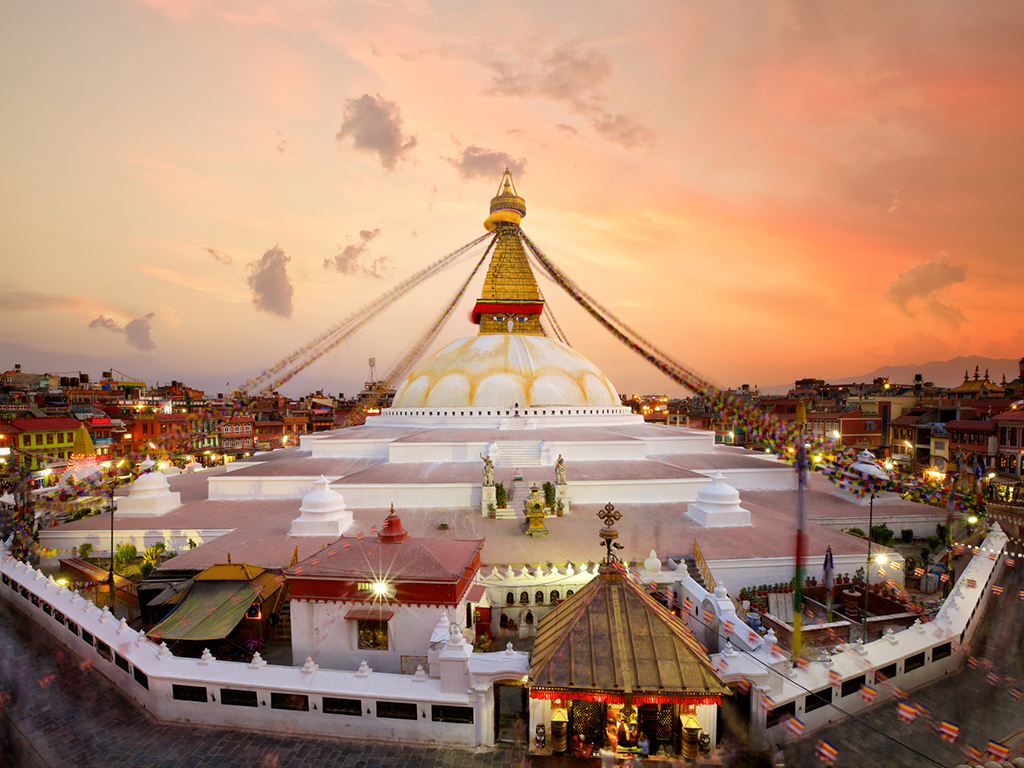
Both countries offer profound cultural and spiritual experiences, but in distinct flavors. Nepal presents a bustling tapestry of Hindu and Buddhist traditions, often intertwined. In Kathmandu, you can witness pilgrims at Pashupatinath Temple, explore the ancient stupas of Boudhanath and Swayambhunath (Monkey Temple), and observe the Kumari, a living goddess. The Newari culture in Bhaktapur and Patan offers a glimpse into a rich artistic and architectural heritage. Festivals like Dashain and Tihar are celebrated with fervor. Bhutan, in contrast, offers a purer, more uniform Buddhist experience. Vajrayana Buddhism isn't just a religion; it's the bedrock of society. The iconic Paro Taktsang (Tiger's Nest Monastery) clinging to a cliff face is an absolute spiritual marvel. Every dzong (fortress-monastery) like Punakha Dzong is a stunning example of traditional architecture and a center for both religious and administrative life. The concept of Gross National Happiness guides national policy, fostering a unique sense of well-being. "Nepal's chaos has this incredible spiritual energy, but Bhutan felt like a monastery without walls, so peaceful." - u/ZenExplorer
Winner takeaway
- Winner: Tie
- Why: Both excel in different ways: Nepal for its diverse, lively, and accessible cultural fusion; Bhutan for its pristine, deeply integrated, and serene Buddhist heritage.
- Who this matters for: Anyone interested in ancient religions, traditional societies, and unique ways of life; the choice depends on preference for vibrancy vs. tranquility.
⛰️ Nature & Trekking
Nepal is the undisputed heavyweight champion of Himalayan trekking. It boasts eight of the world's highest peaks, including Mount Everest (Sagarmatha), and offers an incredible range of trails for all abilities. From the legendary Everest Base Camp Trek (12-14 days, ~$1500-2500 USD including flights, permits, guide/porter) to the diverse Annapurna Circuit (15-20 days, ~$1000-2000 USD), or shorter treks like Poon Hill (3-5 days, ~$300-500 USD), the options are endless. The infrastructure along popular routes (teahouses, lodges) is robust, allowing for independent or guided travel. Bhutan's natural beauty is equally breathtaking, but different. Its landscapes are more pristine due to strict environmental policies, with over 70% forest cover. Treks like the Druk Path (5-6 days) or the grueling Snowman Trek (20-25 days, one of the world's toughest) offer incredible views of untouched valleys and snow-capped peaks. However, trekking in Bhutan is always guided and part of your package, making it less flexible and significantly more expensive. While stunning, the sheer scale and variety of accessible trekking experiences in Nepal are unmatched. "I've done the Annapurna Circuit twice, and nothing beats the feeling of those mountain villages. Bhutan was beautiful, but I missed the freedom of Nepal's trails." - u/TrekkerDude
Winner takeaway
- Winner: Nepal
- Why: Nepal offers an unparalleled diversity, accessibility, and sheer volume of world-class trekking experiences, accommodating all skill levels and budgets.
- Who this matters for: Serious trekkers, mountaineers, outdoor enthusiasts, and those seeking adventure in the world's highest mountains.
🏨 Accommodation
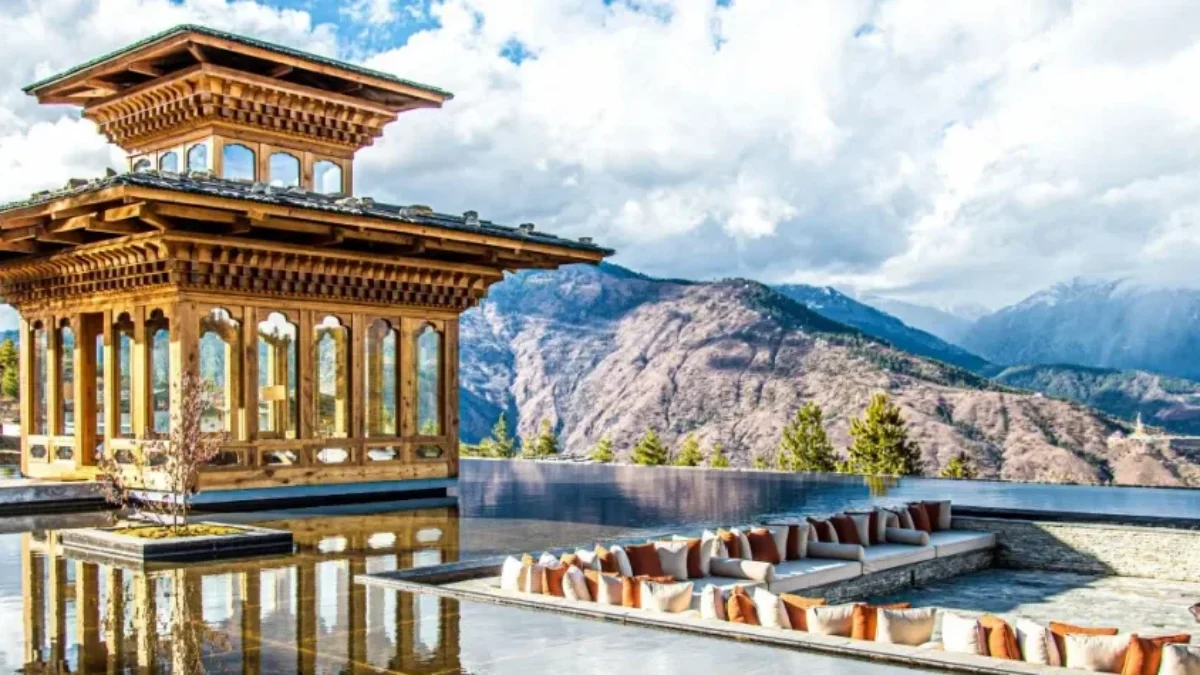
Nepal offers an incredibly diverse range of accommodation, catering to every budget and preference. In major cities like Kathmandu and Pokhara, you can find vibrant backpacker hostels like Zostel or Thamel Backpackers for as little as NPR 700-1500 ($5-12 USD) per night for a dorm bed. Mid-range hotels such as Hotel Moonlight in Thamel or Hotel Barahi in Pokhara offer comfortable rooms for NPR 3000-6000 ($25-50 USD). For luxury, properties like Dwarika's Hotel in Kathmandu or The Pavilions Himalayas in Pokhara provide world-class amenities. Along trekking routes, simple teahouses offer basic rooms for a nominal fee (sometimes even free if you eat there). Bhutan's accommodation is generally of a good 3-star standard (as part of your package), ensuring comfort and cleanliness. Hotels like Hotel Phuntsho Pelri in Thimphu or Olathang Hotel in Paro are typical. While these are comfortable, they lack the extreme budget options of Nepal. If you want luxury hotels like the Aman Resorts (Amankora) or Uma by COMO, you'll pay a substantial surcharge on top of the daily tariff, making an already expensive trip even more so. "I loved the vibe of finding a cheap guesthouse in Nepal, meeting people, and just rolling with it. Bhutan's hotels were nice, but I missed that freedom." - u/SoloTraveler22
Winner takeaway
- Winner: Nepal
- Why: Nepal provides superior flexibility, variety, and affordability in accommodation, catering to a much broader range of traveler budgets and styles.
- Who this matters for: Budget travelers, those seeking choice, and long-term explorers who appreciate varied lodging experiences.
🍜 Food Scene
Nepal's food scene is a delightful blend of Indian, Tibetan, and Newari influences, offering a much wider and more accessible range of culinary experiences. The national dish, Dal Bhat (lentil soup with rice and curries), is a delicious and endlessly refillable staple, especially on treks, costing around NPR 300-500 ($2-4 USD). Momos (dumplings) are ubiquitous and incredibly popular, with various fillings, typically NPR 200-400 ($1.5-3 USD) per plate. In cities like Kathmandu (Thamel area) and Pokhara, you'll find everything from traditional Nepali restaurants like Thamel House Restaurant, to excellent international cuisine (Italian, Israeli, bakeries). Street food is vibrant and cheap, though caution is advised. Bhutanese cuisine is unique but less varied. Ema Datshi, a fiery chili and cheese stew, is the national dish and a must-try, often served with red rice. Other dishes include Kewa Datshi (potatoes and cheese) and various curries, often using yak meat or chicken. While authentic and delicious, the options are generally limited to traditional Bhutanese dishes, and international fare is less common and often pricier. Your meals are typically included in your daily package, often served buffet-style at your hotel. "Nepal's food was just incredible, I ate momos every day! In Bhutan, Ema Datshi was good, but I craved more variety after a few days." - u/FoodieWanderer
Winner takeaway
- Winner: Nepal
- Why: Nepal offers a more diverse, accessible, and budget-friendly food scene with a broader range of culinary choices and international options.
- Who this matters for: Foodies, budget travelers, and those who enjoy a wide variety of flavors and dining experiences.
🚨 Safety & Security
Bhutan is renowned for being one of the safest countries in the world for tourists. The highly regulated nature of tourism, where every visitor travels with a licensed guide and driver, means that incidents of crime against tourists are virtually non-existent. The local population is incredibly welcoming and respectful. You can walk around cities like Thimphu and Paro at night with complete peace of mind. The primary 'risk' might be altitude sickness or minor trekking injuries, which your guide is trained to assist with. In Nepal, while generally safe and welcoming, travelers need to be more vigilant. Petty theft, like pickpocketing in crowded areas of Kathmandu (e.g., Thamel, Durbar Square), can occur. Scams related to trekking permits, fake guides, or inflated prices are not unheard of, so booking through reputable agencies is crucial. Road safety is a significant concern due to poorly maintained roads, overloaded vehicles, and aggressive driving, making bus travel somewhat risky. However, serious violent crime against tourists is rare. Exercise common sense, keep valuables secure, and avoid walking alone in isolated areas at night. "I felt absolutely safe everywhere in Bhutan, it was surreal. Nepal was great too, but I definitely kept a closer eye on my bag in Thamel." - u/CautiousExplorer
Winner takeaway
- Winner: Bhutan
- Why: Bhutan offers an almost unparalleled level of safety and security for travelers, providing complete peace of mind due to its regulated tourism and low crime rates.
- Who this matters for: Solo female travelers, families, and anyone who prioritizes a worry-free and secure travel environment.
🚶♀️ Solo Travel
Nepal is a dream destination for solo travelers. Its vibrant backpacker scene, particularly in Thamel (Kathmandu) and Lakeside (Pokhara), makes it incredibly easy to meet fellow travelers in hostels, guesthouses, and trekking lodges. The flexibility to plan your own itinerary, find a trekking buddy on the spot, or simply wander at your own pace is a huge draw. Accommodation and food are so affordable that solo supplements are rarely an issue. There are countless activities, from yoga retreats to paragliding, where you can join groups. Bhutan, while welcoming to solo travelers, is a different experience. Because of the mandatory daily package that includes a private guide and driver, solo travel essentially means a private tour. This significantly increases the cost (as you bear the full expense of the guide, driver, and vehicle alone, unlike couples or groups who split it). While you'll still have a personalized experience, the spontaneity of 'just seeing where the day takes you' is much diminished. You won't be easily meeting other travelers in the same way as Nepal, though you might encounter them at hotels or major sites. "Nepal as a solo traveler was awesome, I made friends every other day. Bhutan was incredible, but it definitely felt like I was on a private tour, not 'solo' in the backpacking sense." - u/WanderlustGirl
Winner takeaway
- Winner: Nepal
- Why: Nepal offers greater flexibility, affordability, and opportunities for social interaction and spontaneous exploration, making it ideal for solo adventurers.
- Who this matters for: Budget solo travelers, those seeking community, and adventurers who prefer independent exploration.
☀️ Weather & Seasons
Both Nepal and Bhutan share similar Himalayan weather patterns, making their best travel seasons largely align. The peak trekking and touring seasons for both are **autumn (September to November)** and **spring (March to May)**. During autumn, skies are generally clear, temperatures are pleasant, and the air is crisp, offering spectacular mountain views. Spring brings blooming rhododendrons and warmer temperatures, though haze can sometimes be an issue. **Winter (December to February)** in both countries is cold, especially at higher altitudes, but offers very clear views and fewer tourists; lower elevation treks in Nepal (like around Pokhara) are still feasible. Higher passes may be snowbound. **Monsoon (June to August)** brings heavy rainfall, making trekking challenging due to muddy trails and leeches, and often obscuring mountain views with clouds and haze. However, the monsoon also makes the landscapes incredibly lush and vibrant. For Nepal, the Terai region (southern plains) can be very hot and humid outside of winter. In Bhutan, the valleys remain relatively mild in winter, but higher passes like Chele La will be icy. "I went to Nepal in October and the views were insane. Bhutan in March was also perfect, everything was green and vibrant." - u/SeasonalTraveler
Winner takeaway
- Winner: Tie
- Why: Both destinations offer stunning experiences during their respective peak seasons, with similar weather patterns influenced by their Himalayan geography, making neither definitively 'better' for weather.
- Who this matters for: Travelers with specific timeframes, especially trekkers who need stable, clear weather for mountain views.
🤝 Local Interaction & Immersion
Nepal excels in offering spontaneous and organic local interactions. Whether you're haggling for spices in Kathmandu's Ason market, chatting with a teahouse owner on the Annapurna trail, or participating in a local festival like Holi, opportunities to connect with Nepalis are abundant and frequent. The infrastructure for independent travel means you're often navigating local transport, eating at local eateries, and staying in family-run guesthouses, leading to countless unplanned encounters. Nepalis are generally friendly and curious, making it easy to strike up conversations, especially with the phrase 'Namaste.' In Bhutan, local interaction is primarily facilitated and mediated by your guide. While your guide is an excellent resource for understanding local customs and will often arrange visits to local homes, schools, or farmhouses (like those in Phobjikha Valley), these interactions are more structured and less spontaneous. You'll certainly meet locals, but the 'street-level' independent engagement that characterizes Nepal is less common due to the private nature of all tourist travel. You might observe daily life in a village or market, but deep, unprompted conversations with strangers are rarer. "In Nepal, I felt like I was part of the fabric of daily life. In Bhutan, I felt more like an honored guest observing respectfully, which was also special, but different." - u/CulturalSeeker
Winner takeaway
- Winner: Nepal
- Why: Nepal provides more frequent, spontaneous, and unmediated opportunities for grassroots local interaction and immersive cultural experiences.
- Who this matters for: Travelers seeking genuine, unplanned connections with locals and a more hands-on cultural immersion.
❓ Frequently Asked Questions
Is Bhutan worth the high cost?
Absolutely, if you value pristine nature, deep spiritual experiences, and a highly organized, comfortable trip where everything is taken care of. The 'high value, low impact' policy ensures uncrowded sites and a truly unique, almost ethereal experience that's unlike any other destination.
Can I trek independently in Bhutan like in Nepal?
No. While Nepal offers extensive independent trekking opportunities, all treks in Bhutan must be undertaken with a licensed Bhutanese guide as part of your mandatory daily package. This ensures safety and adherence to local regulations.
What are the visa requirements for each country?
For Nepal, most nationalities can get a visa on arrival at Kathmandu airport for 15, 30, or 90 days. For Bhutan, you must pre-arrange your visa through a licensed Bhutanese tour operator, who will submit your application. It's tied to your pre-paid tour package.
What's the best currency to use in Nepal and Bhutan?
In Nepal, the local currency is the Nepali Rupee (NPR), which is widely used. USD is accepted in some tourist areas but it's best to use NPR. ATMs are common. In Bhutan, the local currency is the Bhutanese Ngultrum (BTN), which is pegged to the Indian Rupee (INR). Both BTN and INR are widely accepted. USD can also be exchanged.
Is it easy to combine a trip to Nepal and Bhutan?
Yes, it's quite common. Drukair and Bhutan Airlines operate direct flights between Kathmandu (KTM) and Paro (PBH), making it a logical and convenient pairing. Many travelers start with a trek in Nepal and then fly to Bhutan for a shorter, spiritual tour.
What about altitude sickness in these regions?
Both countries have high-altitude areas. In Nepal, especially on treks to Everest Base Camp or Annapurna Circuit, altitude sickness is a serious concern. In Bhutan, treks and some touring sites (like Tiger's Nest) also involve significant elevation. Always ascend slowly, hydrate, and be aware of symptoms. Your Bhutanese guide will be experienced in managing this.
How's the internet and connectivity?
In Nepal, Wi-Fi is widely available in hotels, guesthouses, and cafes in major tourist areas. Local SIM cards (Ncell, NTC) are cheap and offer good 4G coverage even on popular trekking routes. In Bhutan, Wi-Fi is available in most hotels. Local SIM cards (B-Mobile, TashiCell) are also available and provide decent coverage in populated areas, but expect less connectivity in remote valleys.
Are there any specific cultural etiquettes I should know?
In both countries, dress modestly, especially when visiting temples, monasteries, or dzongs (cover shoulders and knees). Always remove your shoes before entering religious sites or homes. Use your right hand for giving and receiving. In Bhutan, it's customary to greet people with 'Kuzu Zangpo La' and bow slightly.
Ready to plan your Himalayan adventure?
Get a free custom itinerary for Nepal, Bhutan, or both — built from real traveler insights and expert advice.
🎟️ Book Tours & Experiences
Hand-picked tours and activities for both destinations — book with free cancellation
Experiences via Viator — free cancellation on most tours