How we built this comparison
This page combines traveler discussion patterns, published price ranges, flight schedules, and seasonal data to help you decide between Nepal and Netherlands.
- Reviewed 100+ Reddit threads from r/travel, r/solotravel, r/Nepal, r/Netherlands, and r/Amsterdam.
- Verified costs and logistics against current booking platforms like Booking.com, Skyscanner, and local agency sites.
- Cross-referenced seasonal patterns, weather data, and visa requirements from official government sources.
⚡ The TL;DR Verdict
For travelers prioritizing adventure, low costs, and profound cultural immersion amidst mountain landscapes, Nepal is the clear choice with a daily budget around $30-50. Those seeking sophisticated urban experiences, efficient public transport, diverse art, and comfortable amenities should lean towards the Netherlands, budgeting $100-150 per day. Most travelers will find one destination a better fit for their primary goals.
- Choose Nepal: You seek outdoor challenges, spiritual encounters, and travel on a modest budget, willing to adapt to less developed infrastructure.
- Choose Netherlands: You want cultural institutions, well-preserved historic cities, excellent infrastructure, and a comfortable, predictable travel environment.
- Choose Both: If you have 4+ weeks and a substantial budget, start with Nepal for two weeks of adventure, then unwind in the Netherlands for ten days of city life.
Choose Nepal
Nepal is best for intrepid travelers seeking unparalleled trekking adventures like the Annapurna Circuit or Everest Base Camp, coupled with profound spiritual journeys in Kathmandu's ancient temples. If you thrive on authentic cultural immersion, vibrant local life, and an incredibly modest daily budget of $30-50, while embracing less predictable infrastructure, Nepal offers an unforgettable, soul-stirring experience.
Choose Netherlands
The Netherlands is the perfect choice for culture aficionados and those who appreciate seamless travel, offering world-class museums like the Rijksmuseum in Amsterdam and charming canal-side cities. Best for travelers seeking sophisticated urban exploration, delightful cycling adventures through picturesque towns, and a comfortable, predictable experience with efficient public transport, budgeting around $100-150 daily.
Quick Comparison
| Category | Nepal | Netherlands | Winner |
|---|---|---|---|
| Costs & Budget | Extremely budget-friendly for lodging, food, and transport; trekking permits add to costs. | Higher costs across the board for accommodation, dining, and activities; efficient but pricey trains. | Nepal |
| Nature & Outdoors | Home to towering Himalayan peaks, extensive trekking routes, and diverse wildlife in national parks. | Flat landscapes, extensive cycling paths, coastal dunes, and engineered water management systems. | Nepal |
| Culture & History | Ancient Hindu and Buddhist traditions, intricate temple architecture, and living heritage sites. | Golden Age art, elaborate canal houses, WWII history, and a culture of pragmatic innovation. | Nepal |
| Food & Drink | Staple Dal Bhat, momos, and Tibetan influences; limited alcohol options outside tourist areas. | Diverse international cuisine, local Dutch specialties, craft beer, and extensive café culture. | Netherlands |
| Getting There | Long-haul flights, often with one layover; Kathmandu is the main international airport. | Direct flights from many global hubs; Amsterdam Schiphol is a major European gateway. | Netherlands |
| Getting Around | Local buses, shared jeeps, and taxis; domestic flights for longer distances; roads can be challenging. | Extensive and efficient train network, city trams/metros, and a developed cycling infrastructure. | Netherlands |
| Accommodation | Budget guesthouses, lodges, and basic hotels; luxury options available in Kathmandu. | Wide range from hostels to luxury hotels, charming canal houses, and unique boutique stays. | Netherlands |
| Safety | Generally safe, but petty crime in tourist areas, road safety concerns, and altitude sickness risks. | Very safe with low crime rates; petty theft in crowded tourist areas like Amsterdam Central Station. | Netherlands |
| Solo Travel | Welcoming to solo adventurers, especially trekkers; good hostel scene in cities. | Extremely safe and easy to navigate alone; many social opportunities in hostels and cafes. | Tie |
| Nightlife & Entertainment | Limited nightlife outside of tourist centers; quiet evenings and early mornings are common. | Diverse nightlife from pubs and clubs to live music and cultural performances. | Netherlands |
💰 Costs & Budget
Nepal stands out for its low daily expenses. A budget traveler can easily manage on $30-50 (3,900-6,600 NPR) per day, covering a guesthouse bed for $10-15 (1,300-2,000 NPR), three…
Nepal
Netherlands
Nepal stands out for its low daily expenses. A budget traveler can easily manage on $30-50 (3,900-6,600 NPR) per day, covering a guesthouse bed for $10-15 (1,300-2,000 NPR), three local meals for $5-10 (650-1,300 NPR), and local transport or short treks. A 2-week Annapurna Circuit trek, including permits, guides, and basic lodge stays, might cost $800-1200, which is still very economical for such an experience. A local plate of Dal Bhat in Kathmandu’s Thamel area can be found for 300-500 NPR ($2.25-$3.75), and a local bus ride across Kathmandu costs under 50 NPR ($0.40).
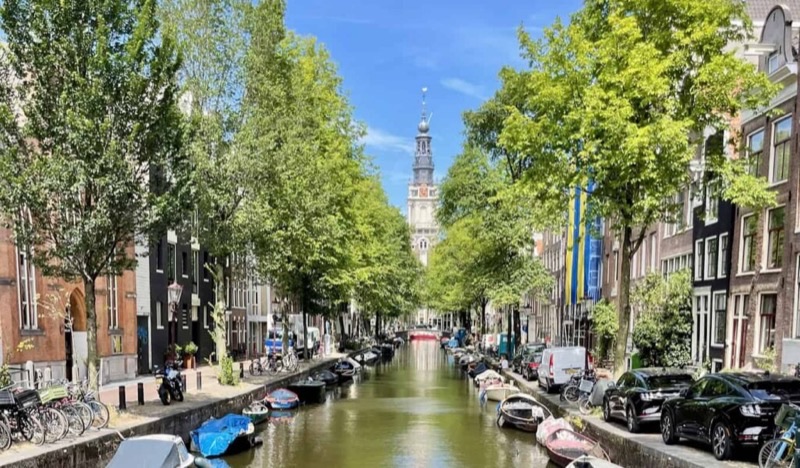
The Netherlands operates on a significantly higher cost structure. A budget traveler should plan for $100-150 (92-138 EUR) per day, while mid-range travelers might spend $180-250 (165-230 EUR). Hostel beds in Amsterdam start at 35-50 EUR ($38-$55), a simple restaurant meal is 15-25 EUR ($16-$27), and a single metro ticket in Amsterdam costs 3.20 EUR ($3.50). Museum entries, like the Rijksmuseum, are around 22.50 EUR ($24.50). Groceries from Albert Heijn can reduce food costs, but daily spending accumulates quickly. The Netherlands requires careful budgeting for comfortable travel, whereas Nepal allows for spontaneous spending without financial strain. Nepal wins for budget travelers.
- Winner: Nepal
- Why: Nepal offers a vastly more affordable travel experience for accommodation, food, and local transport.
- Who this matters for: Travelers on a tight budget or those wanting to extend their trip duration.
⛰️ Nature & Outdoors
Nepal is defined by its dramatic topography, boasting eight of the world's ten tallest mountains, including Mount Everest. The Annapurna Circuit and Everest Base Camp treks are…
Nepal
Netherlands
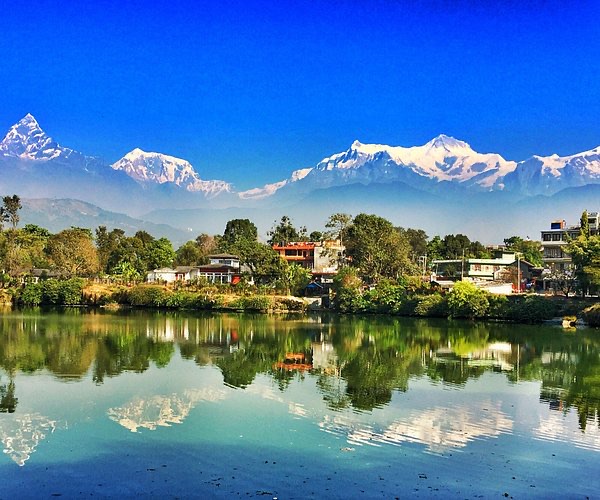
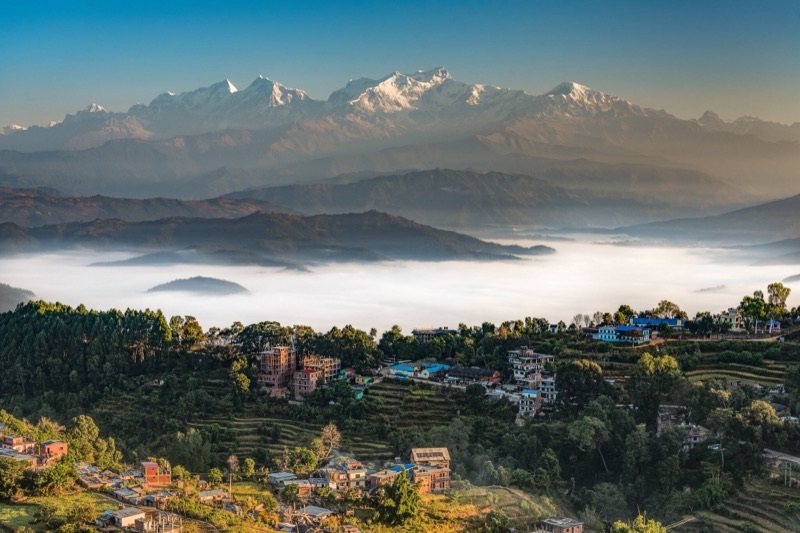
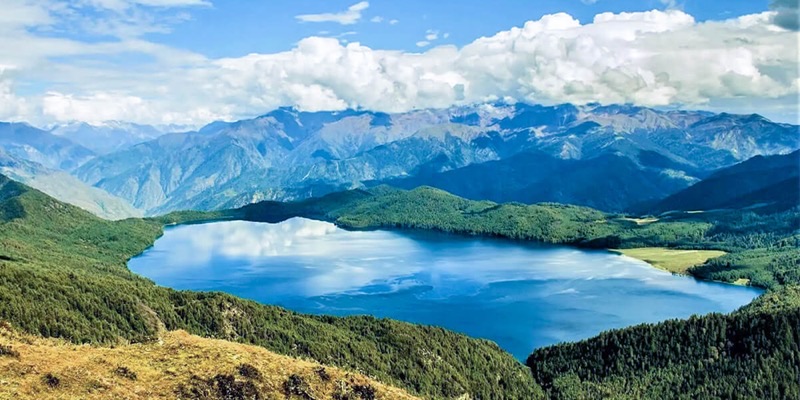
Nepal is defined by its dramatic topography, boasting eight of the world's ten tallest mountains, including Mount Everest. The Annapurna Circuit and Everest Base Camp treks are multi-day expeditions through alpine terrain, offering close views of peaks above 8,000 meters, remote villages, and Buddhist monasteries. Chitwan National Park provides opportunities for jungle safaris to see rhinos, elephants, and crocodiles. Pokhara is a lakeside city serving as a gateway to the Annapurna region, with activities like paragliding and boating on Phewa Lake. The scale and challenge of Nepal's outdoors are immense and globally renowned.
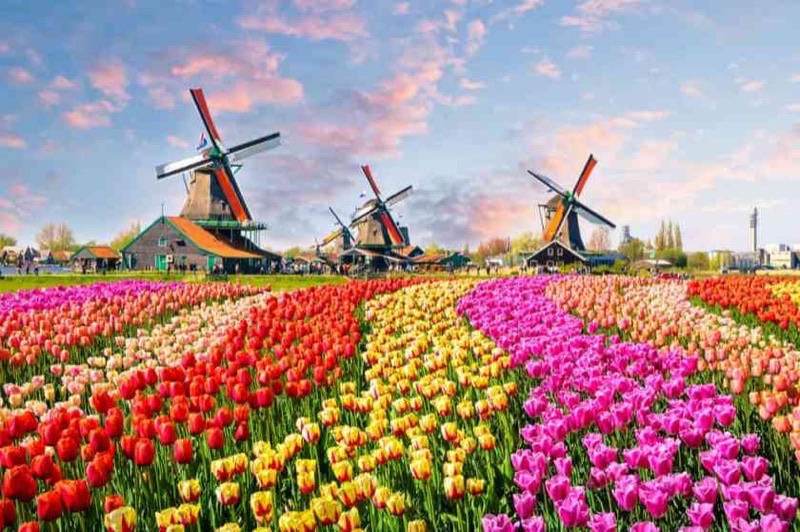
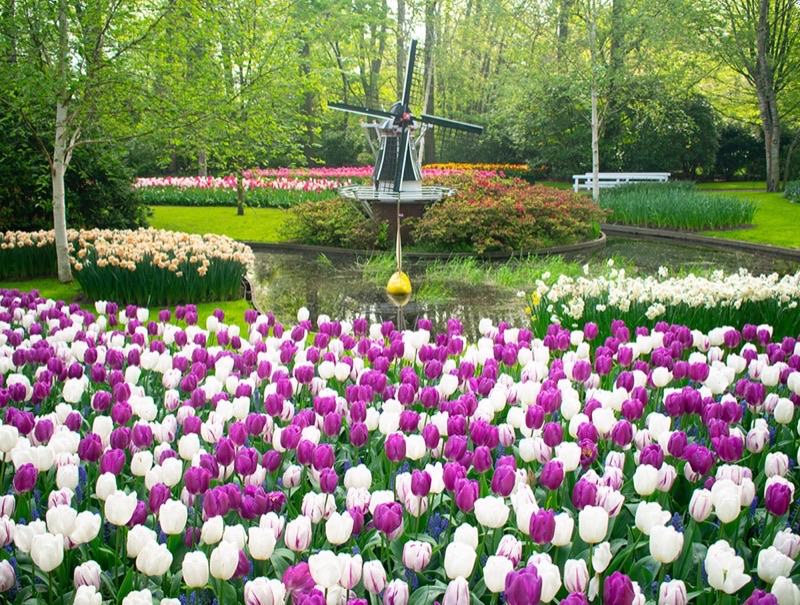
The Netherlands presents a different type of natural environment, characterized by its low-lying, flat landscape. Extensive cycling paths crisscross the country, allowing exploration of polder landscapes, tulip fields (seasonal, Keukenhof is a key attraction), and the North Sea coast with its wide sandy beaches and dunes. National parks like Hoge Veluwe offer heathlands, forests, and wildlife such as deer. While pleasant for cycling and walking, the scale of natural grandeur does not compare to the Himalayas. The Netherlands offers accessible, gentle outdoor activities, but it lacks the raw, challenging wilderness found in Nepal. Nepal is unparalleled for raw, grand outdoor experiences.
- Winner: Nepal
- Why: Nepal provides unmatched access to some of the world's highest mountains and most challenging trekking routes.
- Who this matters for: Adventure seekers, trekkers, and those who prioritize dramatic mountain landscapes.
🏛️ Culture & History
Nepal's culture is deeply rooted in ancient Hindu and Buddhist traditions, visible everywhere from the Pashupatinath Temple complex on the Bagmati River to the Boudhanath Stupa,…
Nepal
Netherlands
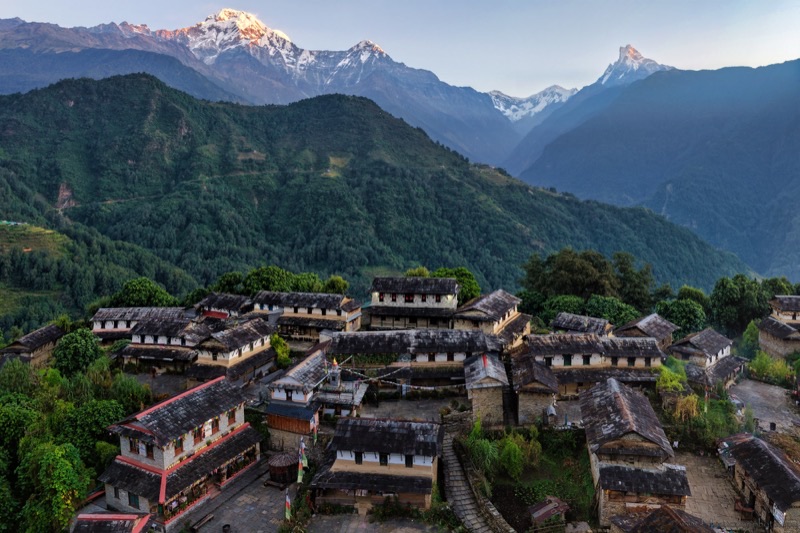
Nepal's culture is deeply rooted in ancient Hindu and Buddhist traditions, visible everywhere from the Pashupatinath Temple complex on the Bagmati River to the Boudhanath Stupa, one of the largest spherical stupas in the world. Kathmandu Durbar Square, Bhaktapur Durbar Square, and Patan Durbar Square are UNESCO sites preserving elaborate palaces, courtyards, and temples with intricate wood carvings and architecture dating back centuries. The living culture includes daily rituals, festivals like Dashain and Tihar, and the presence of sadhus and monks. History is not just in museums; it is part of daily life.
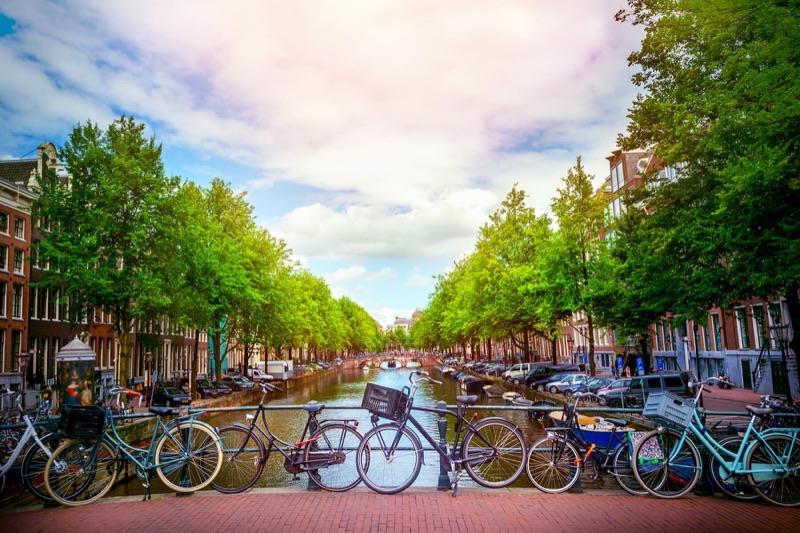
The Netherlands has a rich history centered on trade, art, and maritime exploration, especially during its Golden Age. Amsterdam's canal belt, a UNESCO site, showcases 17th-century merchant houses. Major art museums like the Rijksmuseum (featuring Rembrandt and Vermeer) and the Van Gogh Museum house masterpieces. The Anne Frank House offers a sobering perspective on WWII history. Beyond Amsterdam, cities like Utrecht and Leiden have historic university campuses and medieval centers. The Dutch emphasis on design, innovation, and direct communication also forms part of its contemporary cultural identity. While the Netherlands offers sophisticated museums and well-preserved historic cityscapes, Nepal's continuous, accessible spiritual and architectural heritage feels more immersive and ancient. Nepal offers a more profoundly ancient and spiritual cultural immersion.
- Winner: Nepal
- Why: Nepal presents a living, ancient culture deeply intertwined with daily life, architecture, and spiritual practices.
- Who this matters for: Travelers seeking spiritual experiences, ancient traditions, and tangible historical sites that are part of the present.
🍽️ Food & Drink
Nepali cuisine is hearty and often vegetarian-friendly. The national dish is Dal Bhat, a platter of lentil soup, rice, and vegetable curry, typically refillable. Momos (dumplings)…
Nepal
Netherlands
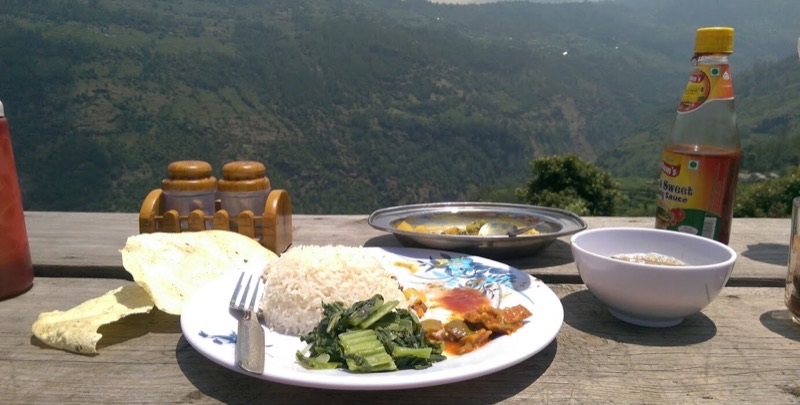
Nepali cuisine is hearty and often vegetarian-friendly. The national dish is Dal Bhat, a platter of lentil soup, rice, and vegetable curry, typically refillable. Momos (dumplings) are everywhere, with various fillings. Tibetan bread, Thukpa (noodle soup), and Newari dishes like Chatamari (rice flour crepe) are common. In tourist areas like Thamel, Kathmandu, and Lakeside, Pokhara, you can find international options, but local food is the real experience. Alcohol, particularly local spirits like 'rakshi,' is available, but the craft beer scene is minimal. Sanitation standards vary, so choosing reputable eateries is advisable.
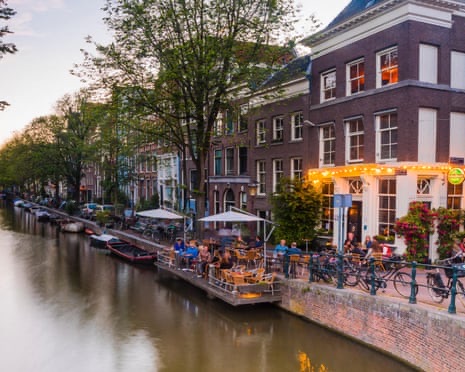
Dutch food offers a broader and more refined culinary landscape. While traditional Dutch dishes like stamppot (mashed potatoes with vegetables), bitterballen (fried meatballs), and stroopwafels (syrup waffles) are available, the Netherlands excels in international cuisine, particularly in cities like Amsterdam, Rotterdam, and The Hague. Indonesian rijsttafel, Surinamese, and Middle Eastern foods are common and high quality due to historical ties and immigration. The café culture is strong, and there is a robust craft beer and gin scene. Restaurants range from casual eateries to Michelin-starred establishments. The Netherlands offers a wider array of culinary experiences, higher sanitation standards, and a more developed drinking culture. The Netherlands provides a richer and more diverse culinary scene.
- Winner: Netherlands
- Why: The Netherlands offers a wider range of high-quality international cuisines, diverse dining experiences, and a developed beverage culture.
- Who this matters for: Food enthusiasts, those with specific dietary preferences, and travelers who enjoy a developed dining and drinking scene.
✈️ Getting There
Getting to Nepal typically involves long-haul flights to Tribhuvan International Airport (KTM) in Kathmandu. From major North American cities, flights usually involve one or two…
Nepal

Netherlands
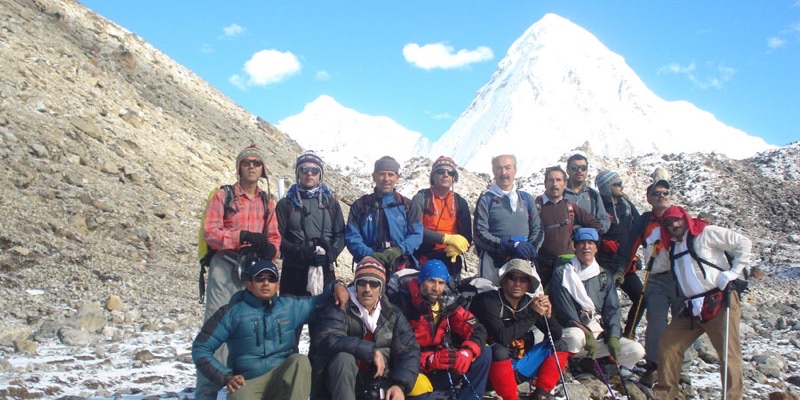
Getting to Nepal typically involves long-haul flights to Tribhuvan International Airport (KTM) in Kathmandu. From major North American cities, flights usually involve one or two layovers in the Middle East (e.g., Doha, Dubai) or India, with total travel times ranging from 18 to 25 hours. From Europe, direct flights are rare, but connecting flights via Istanbul or Doha are common, taking 10-14 hours. Round-trip airfares from the US can range from $900-$1,500, while from Europe, they might be $600-$1,000. Visas are required and can be obtained on arrival (VOA) for $30 for 15 days or $50 for 30 days.
The Netherlands is exceptionally well-connected globally through Amsterdam Airport Schiphol (AMS), one of Europe's largest and most efficient airports. Direct flights are available from numerous cities in North America, Asia, and other parts of Europe. A direct flight from New York to Amsterdam takes approximately 7-8 hours, and from London, it is about 1 hour. Round-trip airfares from the US typically range from $600-$1,000, and from within Europe, they can be as low as $100-$300. Visa requirements vary by nationality, but many countries enjoy visa-free entry for short stays. The ease of access, numerous direct flight options, and often shorter travel times make the Netherlands a simpler destination to reach. The Netherlands offers significantly easier and often shorter flight access from major global hubs.
- Winner: Netherlands
- Why: The Netherlands has superior flight connectivity with more direct options and shorter travel times from many global origins.
- Who this matters for: Travelers prioritizing convenience, direct routes, and shorter overall travel durations.
🚌 Getting Around
Getting around Nepal outside of major cities largely relies on local buses, shared jeeps, and private taxis. Buses are very cheap (e.g., Kathmandu to Pokhara for 700-1,000 NPR,…
Getting around Nepal outside of major cities largely relies on local buses, shared jeeps, and private taxis. Buses are very cheap (e.g., Kathmandu to Pokhara for 700-1,000 NPR, $5-$7.50) but can be slow, crowded, and uncomfortable on unpaved or winding mountain roads. Domestic flights, particularly to Pokhara or Lukla (for Everest treks), save time but are susceptible to weather delays and can be relatively expensive ($100-$200 one-way). Within cities, taxis and ride-sharing apps like Pathao or InDriver are common. Infrastructure is less developed, leading to longer travel times and less predictability.
The Netherlands boasts an excellent public transport system. The national train network (NS) is efficient, reliable, and connects virtually all major cities and towns (e.g., Amsterdam to Rotterdam takes ~40 minutes, costs ~17 EUR, $18.50). Within cities, trams, metros, and buses are widespread and easy to use with an OV-chipkaart or contactless payment. Cycling is also a primary mode of transport, with dedicated lanes and rental services (e.g., OV-fiets, MacBike in Amsterdam for 10-15 EUR/day, $11-$16.50). Travel is smooth, punctual, and comfortable, even for international connections to neighboring countries. The Netherlands provides a far more seamless, efficient, and comfortable transport experience. The Netherlands offers a superior, more predictable, and comfortable public transport system.
- Winner: Netherlands
- Why: The Netherlands features an extensive, highly efficient, and modern public transportation network and excellent cycling infrastructure.
- Who this matters for: Travelers who value punctuality, comfort, and ease of navigation without relying on private vehicles.
🏨 Accommodation
Accommodation in Nepal caters heavily to budget travelers and trekkers. Guesthouses and tea houses in trekking regions offer basic rooms, often with shared bathrooms, for $5-15…
Accommodation in Nepal caters heavily to budget travelers and trekkers. Guesthouses and tea houses in trekking regions offer basic rooms, often with shared bathrooms, for $5-15 (650-2,000 NPR) per night. In cities like Kathmandu and Pokhara, clean budget hotels and hostels can be found for $15-30 (2,000-4,000 NPR). High-end hotels like The Dwarika's Hotel in Kathmandu offer luxury experiences but come at a significant price, comparable to Western rates. Expect amenities to be simpler, and power outages are possible outside of major tourist zones. Hot water may not always be guaranteed in basic accommodations.
Accommodation in the Netherlands is diverse and generally high quality. Hostels in major cities start from 35-50 EUR ($38-$55) per night for a dorm bed. Mid-range hotels in Amsterdam can range from 90-180 EUR ($98-$195) per night, while luxury options in historic canal houses command upwards of 250 EUR ($270). Beyond standard hotels, there are numerous boutique hotels, B&Bs, and unique stays like houseboats. Standards of cleanliness, comfort, and amenities are consistently high across most price points. Booking in advance, especially for popular times or specific areas like the Jordaan in Amsterdam, is advisable. The Netherlands offers a wider variety of accommodation types and a consistently higher standard of comfort and amenities across all price points. The Netherlands provides a broader range of higher quality, more comfortable, and diverse lodging options.
- Winner: Netherlands
- Why: The Netherlands offers a consistently higher standard of accommodation with more variety and reliable amenities across all price ranges.
- Who this matters for: Travelers seeking comfort, modern amenities, and diverse lodging choices, including unique boutique experiences.
🛡️ Safety
Nepal is generally considered a safe country for travelers, with serious crime against tourists being rare. However, petty theft (pickpocketing, bag snatching) can occur in…
Nepal is generally considered a safe country for travelers, with serious crime against tourists being rare. However, petty theft (pickpocketing, bag snatching) can occur in crowded areas like Thamel. Road safety is a significant concern due to poorly maintained roads, aggressive driving, and old vehicles; bus accidents are not uncommon. Trekkers need to be aware of altitude sickness (Acute Mountain Sickness) and the importance of hiring reputable guides and porters. Scams involving fake guides or overpriced services can happen. Always exercise caution and common sense, especially at night.
The Netherlands is one of the safest countries in the world. Violent crime is very low. Petty theft, such as pickpocketing or bicycle theft, is the main concern in crowded tourist hubs like Amsterdam's Red Light District, Dam Square, or around the train stations. Cyclists should be attentive as bike traffic can be dense and fast-moving. Public transport is safe at all hours. Solo travelers, including women, generally report feeling very secure. Emergency services are efficient and readily available. The Netherlands offers a significantly safer environment with fewer inherent risks. The Netherlands provides a higher degree of personal safety and less risk of accidents or petty crime.
- Winner: Netherlands
- Why: The Netherlands has exceptionally low crime rates and a more predictable, safer environment for travelers across all situations.
- Who this matters for: Solo travelers, families, and anyone prioritizing a very low-risk and secure travel experience.
🚶♀️ Solo Travel
Nepal is a popular destination for solo travelers, particularly those interested in trekking. It is easy to find companions for treks in places like Kathmandu and Pokhara, where…
Nepal is a popular destination for solo travelers, particularly those interested in trekking. It is easy to find companions for treks in places like Kathmandu and Pokhara, where many guesthouses and agencies facilitate group formation. The local people are generally hospitable, though language barriers can exist outside of tourist hubs. Hostels are common in major cities, offering opportunities to meet other travelers. Women traveling solo might receive more attention than in Western countries, but serious harassment is uncommon. It is a rewarding experience for independent, adaptable travelers seeking connection with locals and fellow adventurers.
The Netherlands is also an excellent choice for solo travelers due to its high safety, efficient public transport, and widespread English proficiency. It is very easy to navigate independently, visit museums, and explore cities at one's own pace. Hostels are plentiful and offer organized activities, making it simple to meet people. The café culture and numerous parks provide relaxed settings for solo enjoyment. Socializing is straightforward, and the Dutch are generally open and direct. For those who prefer independent exploration without the challenges of navigating less developed infrastructure, the Netherlands offers a comfortable and engaging solo journey. Both destinations are good for solo travel, but for different reasons. Nepal offers adventurous solo journeys and camaraderie on treks, while the Netherlands provides seamless, safe, and comfortable independent exploration.
- Winner: Tie
- Why: Both countries offer distinct advantages for solo travelers: Nepal for adventure and shared trekking experiences, the Netherlands for comfort and independent exploration.
- Who this matters for: Travelers deciding between a challenging, communal adventure (Nepal) or a comfortable, independent city exploration (Netherlands).
🌃 Nightlife & Entertainment
Nepal's nightlife is primarily concentrated in the Thamel district of Kathmandu and Lakeside in Pokhara. Here, you will find a selection of bars, live music venues featuring local…
Nepal's nightlife is primarily concentrated in the Thamel district of Kathmandu and Lakeside in Pokhara. Here, you will find a selection of bars, live music venues featuring local bands, and some clubs. Outside these tourist enclaves, evenings are generally quiet, with locals gathering in tea shops or engaging in family activities. Alcohol consumption is not as prevalent or openly celebrated as in Western countries, although local spirits are available. For trekkers, evenings are spent resting in tea houses, sharing stories, and preparing for the next day's hike. It is a more subdued and community-focused evening experience.
The Netherlands offers a varied and energetic nightlife, particularly in major cities. Amsterdam is renowned for its diverse club scene (e.g., Paradiso, Melkweg), numerous traditional 'brown cafés' (pubs), and live music venues. Other cities like Rotterdam and Utrecht also have active bar scenes and cultural events. Beyond clubs and pubs, there are theaters, concert halls, and cinemas. Coffeeshops (for cannabis consumption) are also a feature of Dutch nightlife, though regulations are strict. The Dutch generally enjoy going out, and there are options for every taste, from relaxed evenings in a pub to dancing until dawn. The Netherlands has a far more developed and diverse nightlife and entertainment scene. The Netherlands provides a much wider array of sophisticated and varied nightlife options.
- Winner: Netherlands
- Why: The Netherlands offers a significantly more diverse and developed nightlife, with options ranging from clubs and pubs to cultural performances.
- Who this matters for: Travelers who prioritize evening entertainment, social gatherings, and a variety of late-night options.
🎯 The Decision Framework
Choose Nepal If…
- You want to trek in the world's highest mountains.
- You seek deep spiritual and cultural immersion with ancient traditions.
- Your budget is $30-50 per day.
- You are comfortable with less developed infrastructure and unpredictable travel.
- You enjoy hearty, simple local food like Dal Bhat and momos.
- You want to escape pervasive Western consumerism.
- You are open to a more challenging and physically demanding journey.
- You are interested in wildlife safaris in a jungle environment.
Choose Netherlands If…
- You prefer efficient, comfortable public transportation.
- You want access to world-class art museums and historic architecture.
- Your budget is $100-150 per day.
- You seek a clean, predictable, and highly safe travel environment.
- You enjoy diverse international cuisine and a developed café culture.
- You are interested in cycling as a primary mode of exploration.
- You appreciate a vibrant nightlife scene with many options.
- You want a country with high English proficiency and easy communication.
❓ Frequently Asked Questions
What is the best time of year to visit Nepal vs Netherlands?
For Nepal, the best times are autumn (September to November) for clear mountain views and spring (March to May) for rhododendron blooms and milder trekking weather. The Netherlands is ideal from April to May for tulip season and pleasant weather, or June to August for warmer temperatures and outdoor festivals, although it can be crowded then.
How much does a 2-week trip cost in each country?
A 2-week budget trip to Nepal (excluding international flights) could cost around $400-700, especially if trekking independently and staying in guesthouses. For the Netherlands, a similar 2-week budget trip would likely cost $1400-2100, staying in hostels and cooking some meals, given higher average prices for everything.
Are visas required for US citizens for Nepal or Netherlands?
US citizens require a visa for Nepal, which can be obtained on arrival at Tribhuvan International Airport (KTM) for $30 (15 days) or $50 (30 days). For the Netherlands (and the Schengen Area), US citizens do not need a visa for stays up to 90 days within any 180-day period.
What are the language barriers like in Nepal vs Netherlands?
In Nepal, Nepali is the official language. English is widely spoken in tourist areas like Thamel and trekking lodges, but less so in rural areas. In the Netherlands, Dutch is the official language, but English proficiency is exceptionally high across the country, making communication very easy for travelers.
Which destination is better for families with young children?
The Netherlands is generally better for families with young children due to its high safety, excellent infrastructure, child-friendly attractions (e.g., Efteling, Nemo Science Museum), and predictable travel environment. Nepal, with its challenging terrain, less developed facilities, and long travel times, can be more demanding for young children.
What are the common forms of currency and payment methods?
In Nepal, the local currency is the Nepali Rupee (NPR). Cash is king, especially outside of major cities. ATMs are available, but credit card acceptance is limited. In the Netherlands, the Euro (EUR) is used. Credit cards and debit cards are widely accepted everywhere, and contactless payments are common. ATMs are easily found.
Which country has better internet and connectivity?
The Netherlands has excellent internet infrastructure with fast, reliable Wi-Fi widely available in accommodations, cafes, and public spaces. Nepal's internet connectivity is improving, especially in tourist hubs and cities, but it can be slow or inconsistent in remote areas and during treks. SIM cards are cheap in both countries.
What are some specific cultural customs to be aware of in each country?
In Nepal, remove shoes before entering temples or homes, dress modestly, especially at religious sites, and use your right hand for eating or giving/receiving items. In the Netherlands, be punctual for appointments, respect cycling rules, and expect direct communication, which is not meant to be rude.
Ready to plan your South Asia or Western Europe trip?
Get a free custom itinerary for Nepal, Netherlands, or both — built from real traveler insights.
🎟️ Book Tours & Experiences
Hand-picked tours and activities for both destinations — book with free cancellation
Experiences via Viator — free cancellation on most tours