How we built this comparison
This page combines traveler discussion patterns, published price ranges, flight schedules, and seasonal data to help you decide between Nepal and Oman.
- Reviewed 50+ Reddit threads from r/travel, r/solotravel, r/Nepal, r/Oman, and r/budgettravel.
- Verified costs and logistics against current booking platforms like Booking.com, Skyscanner, and local tour operators.
- Cross-referenced seasonal patterns and weather data for optimal travel timing.
⚡ The TL;DR Verdict
For most travelers seeking adventure, cultural immersion, and a genuinely low-cost experience, Nepal is the stronger pick. It offers unparalleled trekking and spiritual depth without breaking the bank. Oman suits those after a high-quality, modern Middle Eastern experience with a focus on comfortable exploration and natural beauty, requiring a daily budget of $80-150. Nepal is a clear winner for budget-conscious explorers.
- Choose Nepal: You prioritize outdoor adventure like trekking, deep cultural engagement, and need a destination where your money goes a long way for food and lodging.
- Choose Oman: You prefer well-maintained infrastructure, desert and coastal scenery, comfortable resorts, and a destination where you can self-drive safely through diverse landscapes.
- Choose Both: If you have 3-4 weeks and want contrasting experiences – Nepal for rugged adventure, Oman for luxurious relaxation – combining them offers a full spectrum. Fly via a connecting hub like Dubai or Doha.
Choose Nepal
Choose Nepal if you're a budget-conscious adventurer yearning for authentic cultural immersion and world-class trekking. It's best for travelers eager to conquer Himalayan trails like the Annapurna Base Camp, explore ancient temples in Kathmandu's Durbar Square, and embrace a genuinely spiritual journey without a hefty price tag, making every dollar go further for unique experiences.
Choose Oman
Opt for Oman if you seek a refined, comfortable Middle Eastern adventure with stunning natural landscapes and excellent infrastructure. Ideal for travelers who want to self-drive through dramatic desert dunes of Wahiba Sands, relax in luxurious resorts along the Muscat coastline, or explore ancient forts, all while enjoying a high standard of service and safety.
Quick Comparison
| Category | Nepal | Oman | Winner |
|---|---|---|---|
| Costs & Budget | Extremely budget-friendly. Daily costs $20-50 USD. Food, transport, and accommodation are cheap, especially outside Kathmandu. | Higher cost destination. Daily costs $80-150 USD. Accommodation and activities are pricier, but value for money is good for the service. | Nepal |
| Nature & Outdoors | Home to the Himalayas, with unparalleled trekking, high-altitude lakes, and dense forests. Focus on mountain adventures. | Dramatic deserts, deep wadis, long coastlines, and unique geological formations. Less about hiking, more about exploration. | Nepal |
| Culture & Heritage | Deeply rooted Buddhist and Hindu traditions. Ancient temples, monasteries, living goddesses, and a rich history visible in everyday life. | Ancient seafaring history, forts, souqs, and a conservative Islamic culture. Focus on traditional Omani life and architecture. | Nepal |
| Food Scene | Simple, hearty, and often vegetarian. Dal Bhat, momos, and Tibetan-influenced dishes are staples. Street food is common. | Flavorful, aromatic Arab cuisine with Indian and Persian influences. Focus on grilled meats, stews, and fresh seafood. Less street food. | Tie |
| Getting There & Flights | Main international airport is Kathmandu (KTM). Connections often via Doha, Dubai, or major Asian hubs. Flights from Europe 7-10 hours. | Main international airport is Muscat (MCT). Excellent connections via Emirates, Qatar Airways. Flights from Europe 6-8 hours. | Oman |
| Getting Around | Buses, shared jeeps, and taxis are common. Roads can be poor, and travel is slow. Domestic flights for specific routes. | Car rental is the standard, allowing independent exploration. Roads are excellent. Taxis for city travel, some local buses. | Oman |
| Accommodation | Budget guesthouses, lodges, and tea houses are standard. Luxury options exist in Kathmandu. Prices are very low. | Modern hotels, resorts, and desert camps are common. High-quality infrastructure across price points. Prices are moderate to high. | Oman |
| Safety & Stability | Generally safe. Petty crime exists in cities. Trekkers need guides for remote areas. Natural disaster risks (earthquakes, landslides). | Extremely safe with very low crime rates. Well-maintained infrastructure. Road safety is the primary concern when driving. | Oman |
| Solo Travel | Excellent for solo travelers. Easy to meet others, especially on treks. Good hostel network. Budget-friendly. | Safe and welcoming for solo travelers. Requires more planning or higher budget for tours if not driving. Fewer hostels. | Nepal |
| Day Trips & Excursions | Numerous historical sites, small towns, and viewpoints around Kathmandu and Pokhara. Easy access to short hikes. | Wadis, forts, coastal towns, and desert areas are all within day-trip distance from Muscat or Nizwa. Requires driving. | Oman |
💰 Costs & Budget
Nepal consistently ranks as one of the most affordable travel destinations. A daily budget of $20-30 (NPR 2,600-3,900) for a budget traveler covers guesthouse lodging, local…
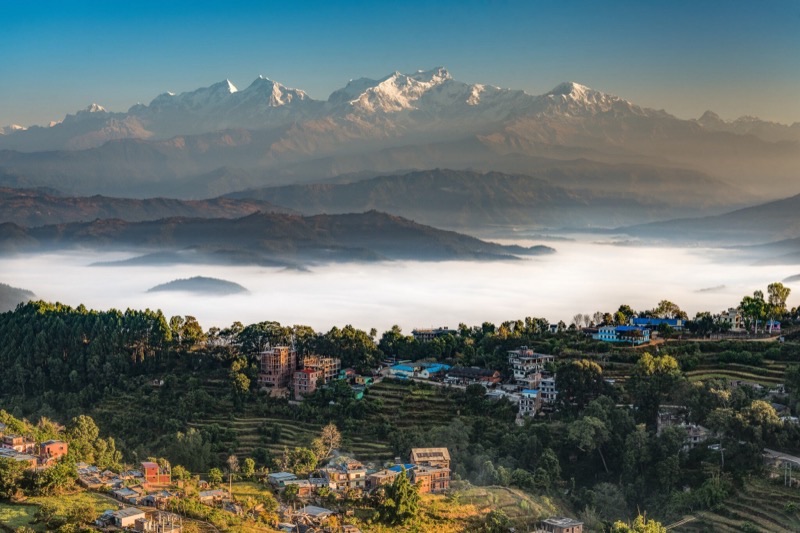
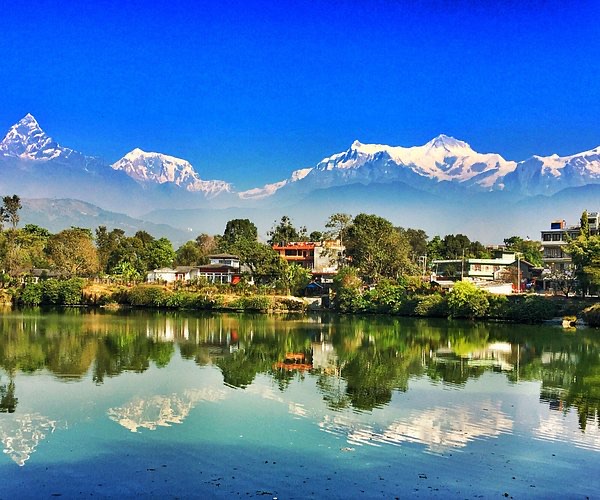
Nepal
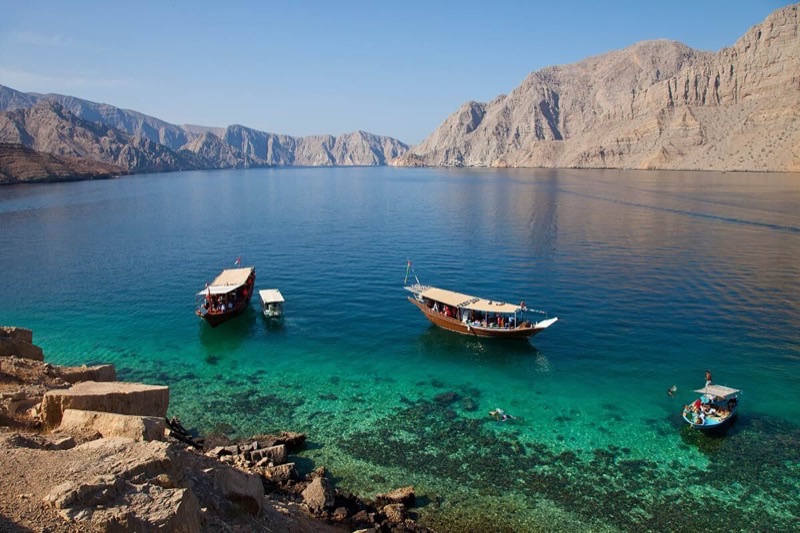
Oman
Nepal consistently ranks as one of the most affordable travel destinations. A daily budget of $20-30 (NPR 2,600-3,900) for a budget traveler covers guesthouse lodging, local meals, and bus transport. Trekkers can expect to spend $30-50 (NPR 3,900-6,500) a day including permits and basic accommodation on trails like the Annapurna Circuit or Everest Base Camp. A hearty Dal Bhat meal at a local eatery costs around NPR 300-500 (~$2-4 USD), while a room in Thamel, Kathmandu, might be NPR 1,500-2,500 (~$11-19 USD) for a basic double. Buses between cities are incredibly cheap, a few dollars for several hours of travel.
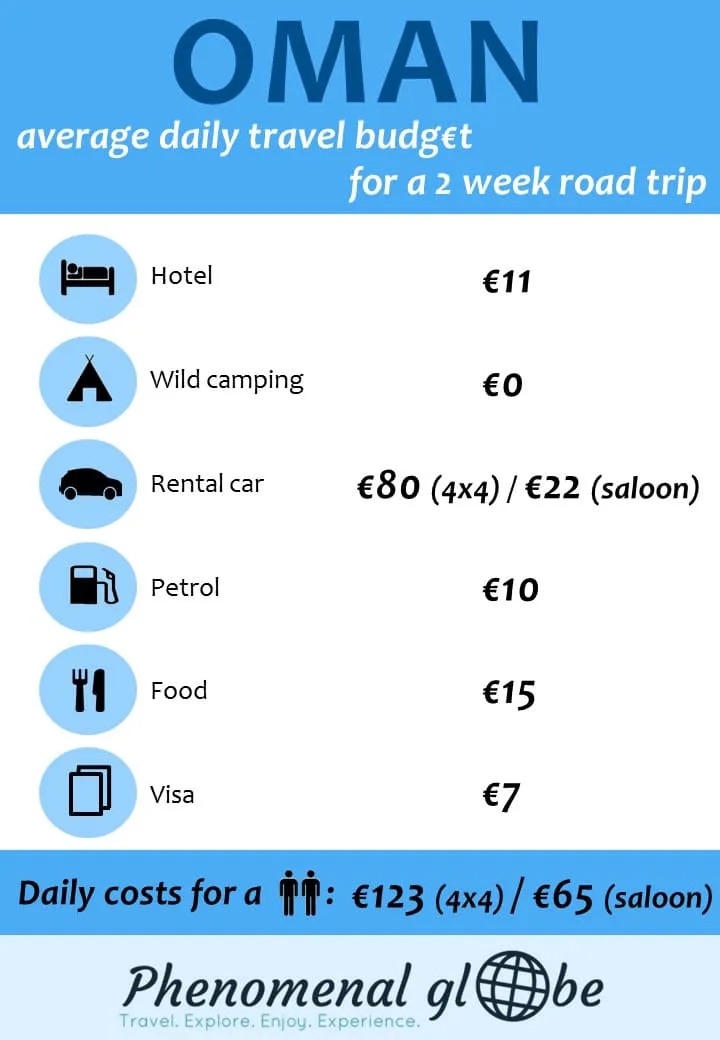
Oman sits at the higher end for budget. A mid-range daily budget often ranges from $80-150 (OMR 30-58). Basic guesthouses or budget hotels start around OMR 20-35 (~$52-90 USD) per night, while a car rental, almost essential for exploration, is OMR 15-25 (~$39-65 USD) per day. Local Omani food, while delicious, is pricier than Nepali fare; a meal at a casual restaurant like Bait Al Luban in Muscat can be OMR 8-15 (~$20-39 USD) per person. Activities like desert camps or Wadi excursions also add to the expense. For travelers keeping a tight watch on spending, Nepal offers far more financial breathing room.
- Winner: Nepal
- Why: Nepal offers significantly lower daily costs for accommodation, food, and activities, making it accessible for budget-conscious travelers.
- Who this matters for: Budget travelers, backpackers, and those planning extended trips.
🏞️ Nature & Outdoors
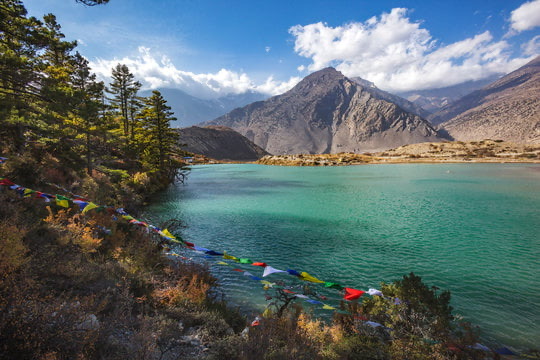
Nepal's natural appeal is dominated by its geography – the Himalayas. The country holds eight of the world's ten tallest mountains, including Mount Everest. Trekking is the…
Nepal
Oman
Nepal's natural appeal is dominated by its geography – the Himalayas. The country holds eight of the world's ten tallest mountains, including Mount Everest. Trekking is the primary outdoor activity, with routes ranging from multi-day expeditions like the Everest Base Camp (EBC) trek or Annapurna Circuit, which can take 10-18 days, to shorter hikes in the Langtang region or around Pokhara. Areas like Chitwan National Park offer wildlife safaris to spot rhinos and tigers in a jungle setting. The scenery changes from terraced fields and rhododendron forests to icy peaks and arid high-altitude deserts.
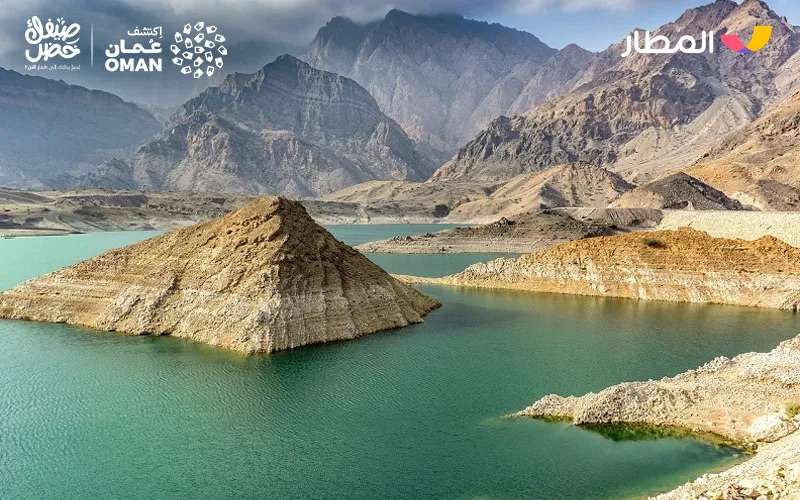
Oman presents a different kind of natural experience. Its landscape features vast sand deserts like the Sharqiyah Sands (Wahiba Sands), deep canyons such as Wadi Shab and Wadi Bani Khalid, and a rugged coastline along the Arabian Sea. Activities include desert camping (e.g., in 1000 Nights Camp), off-roading in wadis, snorkeling or diving in the Daymaniyat Islands, and exploring fjords in Musandam. While there are some short hikes, it's more about vehicle-based exploration and enjoying the stark beauty of the desert and coastline. For raw, grand scale mountain adventure, Nepal is the stronger contender.
- Winner: Nepal
- Why: Nepal's Himalayan ranges offer truly iconic, world-renowned trekking and mountain experiences that Oman cannot match.
- Who this matters for: Trekkers, mountaineers, and those seeking dramatic high-altitude landscapes.
🛕 Culture & Heritage
Nepal's culture is a compelling mix of Hindu and Buddhist traditions, often intertwined. The Kathmandu Valley, a UNESCO site, holds numerous ancient temples like Pashupatinath,…

Nepal
Oman
Nepal's culture is a compelling mix of Hindu and Buddhist traditions, often intertwined. The Kathmandu Valley, a UNESCO site, holds numerous ancient temples like Pashupatinath, Boudhanath Stupa, and Swayambhunath (Monkey Temple), where rituals are daily occurrences. Durbar Squares in Kathmandu, Patan, and Bhaktapur display medieval architecture and living history, including the Kumari Devi (living goddess) in Patan. Festivals occur frequently, offering insights into local beliefs and practices. The local Newari culture in the valleys and Sherpa culture in the mountains provide distinct experiences.
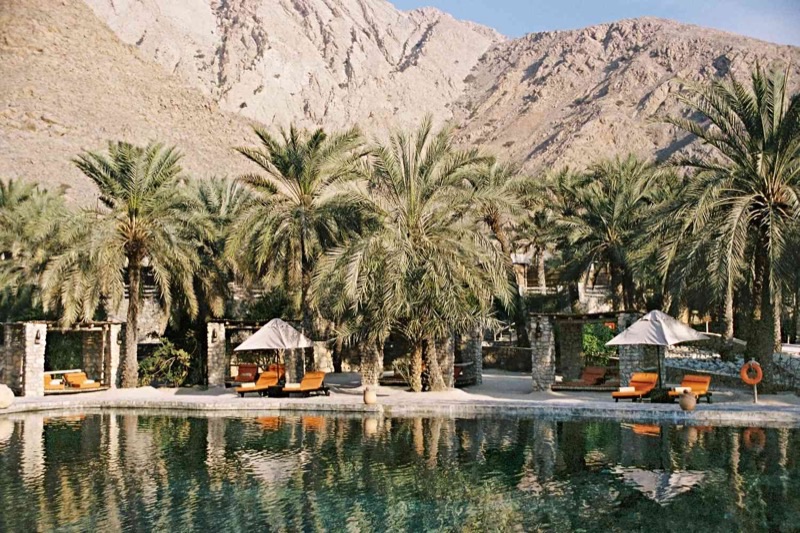
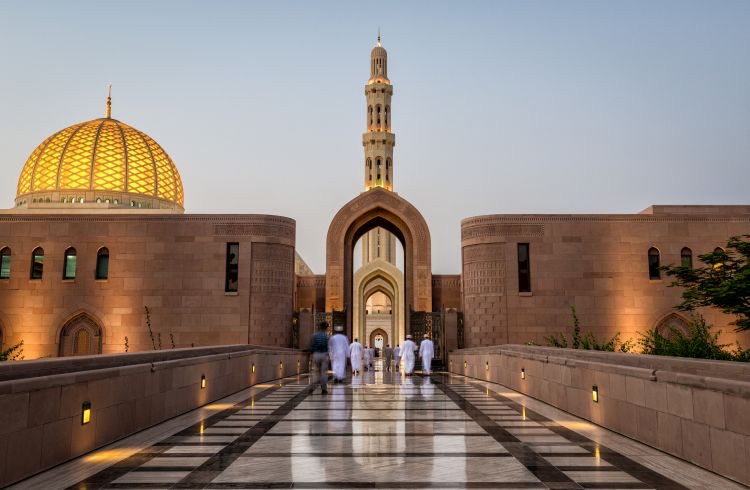
Oman offers a conservative yet welcoming Arab-Islamic culture. Key cultural sites include the Sultan Qaboos Grand Mosque in Muscat, Nizwa Fort and its traditional souq, and the ancient ruins of Bahla Fort. Oman's seafaring heritage is evident in coastal towns like Sur, known for dhow building. The traditional Omani hospitality is notable, with coffee and dates often offered. While Oman's forts and souqs are fascinating, Nepal's living spiritual traditions, constant festivals, and the sheer density of ancient, active religious sites provide a more immersive and accessible cultural experience. Nepal wins for its palpable, everyday cultural engagement.
- Winner: Nepal
- Why: Nepal's daily active religious sites, ancient traditions, and frequent festivals offer a more immediate and immersive cultural experience.
- Who this matters for: Cultural anthropologists, spiritual seekers, and travelers interested in ancient traditions.
🍜 Food Scene
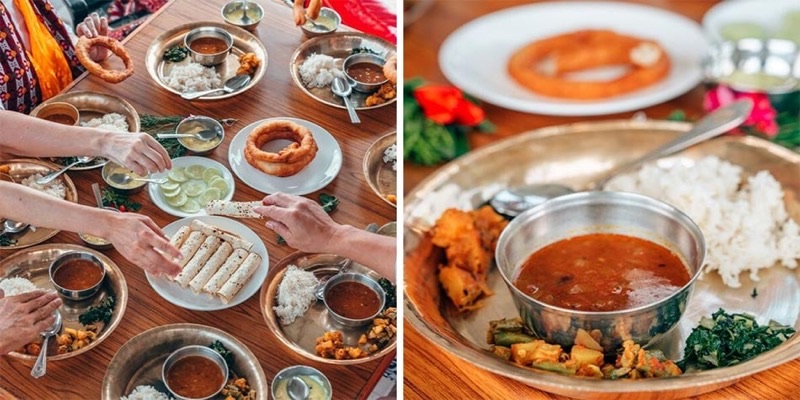
Nepali food is generally simple, filling, and inexpensive. Dal Bhat (rice, lentil soup, and vegetable curry) is the national dish, often served as an all-you-can-eat meal for…
Nepal
Oman
Nepali food is generally simple, filling, and inexpensive. Dal Bhat (rice, lentil soup, and vegetable curry) is the national dish, often served as an all-you-can-eat meal for around NPR 300-500 (~$2-4 USD). Momos (dumplings) are everywhere and a popular snack, costing NPR 150-300 (~$1-2 USD) for a plate. Tibetan bread, Thukpa (noodle soup), and various curries are also common. Vegetarian options are abundant due to religious practices. Dining in Kathmandu at places like OR2K or Thamel House Restaurant offers varied local and international options, but the core experience is about honest, home-style cooking.
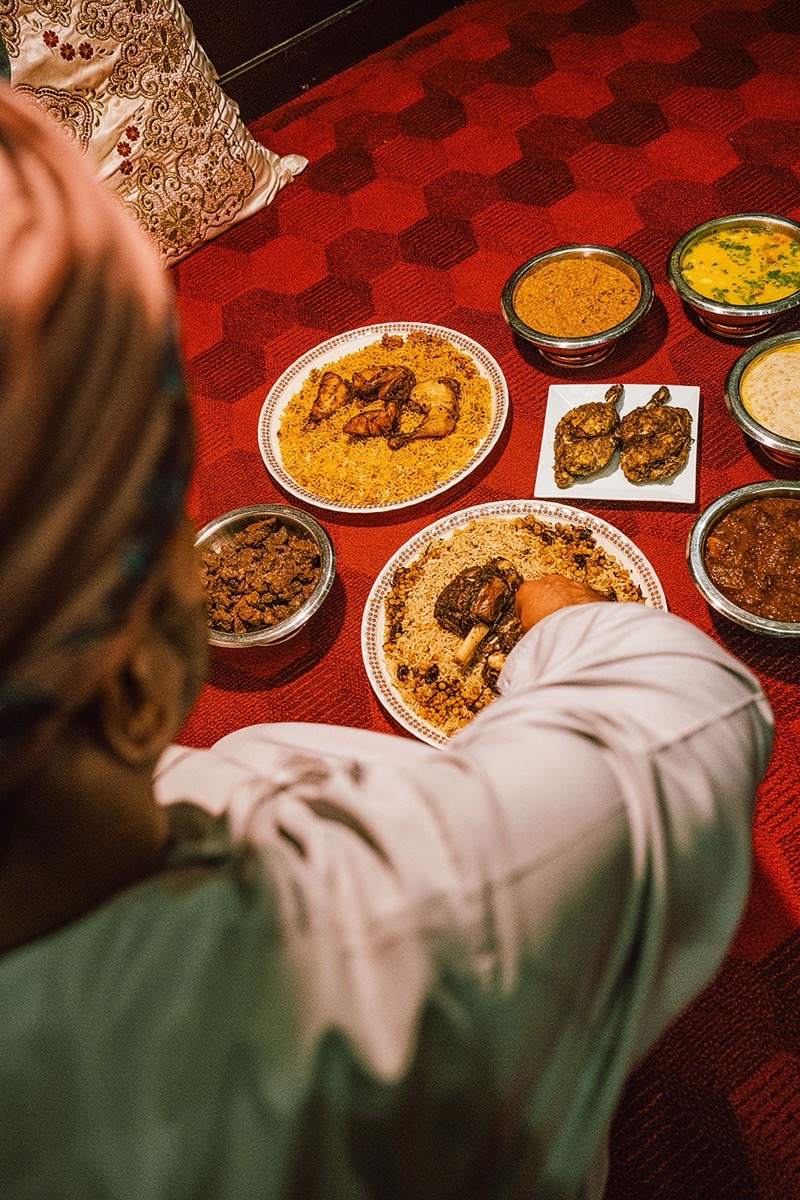
Omani food is aromatic and flavorful, with influences from Indian, Persian, and East African cuisines due to its trading history. Staples include Shuwa (slow-cooked lamb or goat), Majboos (spiced rice with meat), and fresh seafood. Dates and Omani Halwa are common sweets. While street food isn't as prevalent as in Nepal, local eateries (like Bait Al Luban in Muscat or roadside stalls in Nizwa) serve delicious and substantial meals, typically OMR 4-10 (~$10-26 USD) per person. Higher-end dining at places like The Beach Restaurant at The Chedi Muscat offers sophisticated takes on local and international dishes. Both destinations offer distinct and enjoyable culinary journeys; it depends on what you prefer. Nepal is quantity and budget, Oman is quality and unique flavor.
- Winner: Tie
- Why: Both countries offer distinct and flavorful cuisines that cater to different preferences, making it a fair tie based on taste and experience rather than cost.
- Who this matters for: Foodies who enjoy specific regional flavors, whether it's hearty budget meals or aromatic, spiced dishes.
✈️ Getting There & Flights
To reach Nepal, most international travelers fly into Tribhuvan International Airport (KTM) in Kathmandu. Direct flights are available from major hubs like Doha (Qatar Airways),…
Nepal
Oman
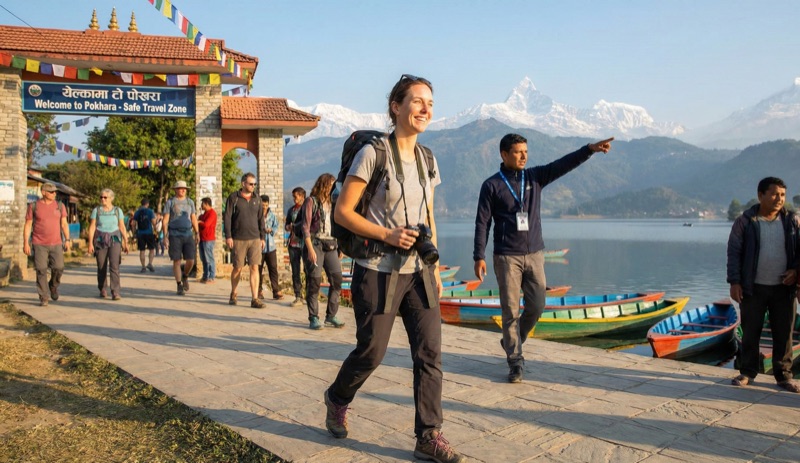
To reach Nepal, most international travelers fly into Tribhuvan International Airport (KTM) in Kathmandu. Direct flights are available from major hubs like Doha (Qatar Airways), Dubai (Flydubai), Sharjah (Air Arabia), and various Indian and Chinese cities. From Europe, total flight time including layovers typically ranges from 8 to 12 hours, with a ticket costing $600-900 USD depending on the season and origin. Airlines like Turkish Airlines also offer direct routes from Istanbul. Domestic flights within Nepal can be unreliable due to weather, particularly to mountain regions like Lukla.
Oman's main gateway is Muscat International Airport (MCT), a modern and well-connected airport. It serves as a hub for Oman Air and has extensive connections with major carriers like Emirates, Qatar Airways, Turkish Airlines, and various European airlines (e.g., Lufthansa, British Airways). Direct flight times from Europe are generally shorter, around 6-8 hours, and ticket prices range from $500-800 USD. The airport experience in Muscat is generally more efficient and pleasant than in Kathmandu. Given the better flight infrastructure and often shorter flight times, Oman has an edge here.
- Winner: Oman
- Why: Oman's Muscat airport offers a more modern, efficient arrival experience and generally shorter, more direct flight options from major international hubs.
- Who this matters for: Travelers prioritizing travel convenience, comfort, and potentially shorter travel times.
🚗 Getting Around
Navigating Nepal can be an adventure in itself. Public buses are the most common and cheapest form of inter-city transport, costing just a few dollars for long journeys, but they…
Navigating Nepal can be an adventure in itself. Public buses are the most common and cheapest form of inter-city transport, costing just a few dollars for long journeys, but they are often crowded, slow, and not always comfortable (e.g., Kathmandu to Pokhara takes 7-9 hours, costing NPR 800-1200 / ~$6-9 USD). Shared jeeps are faster for mountain routes but pricier. Taxis are abundant in cities and can be negotiated. For trekking, you walk. Domestic flights, while convenient for places like Lukla (for Everest Base Camp) or Pokhara, can be expensive and weather-dependent. Infrastructure is rudimentary outside main highways.
Oman's transport system is designed for self-driving. Renting a 4x4 (around OMR 20-35 / ~$52-90 USD per day) is highly recommended for exploring wadis and deserts, as roads are generally excellent and well-maintained. Fuel is inexpensive (around OMR 0.250 / ~$0.65 USD per liter). Taxis are available in cities like Muscat and Salalah, but they can be pricey and ride-sharing apps like Otaxi are also options. Public bus services exist between major cities but are less comprehensive than driving yourself. For independent exploration and ease of movement, Oman is far superior. Nepal requires patience and a tolerance for rougher travel.
- Winner: Oman
- Why: Oman offers excellent roads and a strong car rental infrastructure, making independent exploration much easier and more comfortable than Nepal's challenging transport.
- Who this matters for: Independent travelers, those who prefer self-driving, and families seeking comfortable transit.
🏨 Accommodation
In Nepal, accommodation caters largely to budget travelers and trekkers. Guesthouses and lodges (often called 'tea houses' on treks) provide basic rooms with shared or private…
In Nepal, accommodation caters largely to budget travelers and trekkers. Guesthouses and lodges (often called 'tea houses' on treks) provide basic rooms with shared or private bathrooms, costing as little as NPR 500-1500 (~$4-11 USD) per night outside of peak season. In Kathmandu's Thamel district, you can find a decent budget hotel for NPR 1,500-3,000 (~$11-23 USD). Luxury hotels like The Dwarika's Hotel in Kathmandu exist but are exceptions. On treks, tea house rooms are very basic, sometimes just a bed, for NPR 200-500 (~$1.50-4 USD), but you're expected to eat meals there.
Oman provides a wider range of comfortable and high-quality accommodation. From budget-friendly hotels in cities (e.g., City Center Hotel Muscat for OMR 25-40 / ~$65-104 USD) to mid-range options and luxury resorts like The Chedi Muscat (OMR 100+ / ~$260+ USD), there's a good selection. Desert camps (e.g., Desert Nights Camp in Wahiba Sands) offer a unique experience with comfortable tents and amenities, starting around OMR 60-100 (~$156-260 USD) per night. The overall standard of cleanliness, service, and amenities is higher in Oman across all price points. While Nepal has its charm, Oman delivers more consistent comfort and quality in lodging.
- Winner: Oman
- Why: Oman offers a consistently higher standard of accommodation across all price points, from comfortable hotels to unique desert camps.
- Who this matters for: Travelers prioritizing comfort, modern amenities, and reliable service in their lodging.
🚨 Safety & Stability
Nepal is generally considered a safe country for tourists. Petty crime like pickpocketing can occur in crowded areas of Kathmandu or Pokhara. Trekkers should be aware of altitude…
Nepal is generally considered a safe country for tourists. Petty crime like pickpocketing can occur in crowded areas of Kathmandu or Pokhara. Trekkers should be aware of altitude sickness and the need for experienced guides or reliable trekking agencies, especially in remote regions. Solo female travelers often report feeling safe but should exercise standard precautions. Road safety can be a concern due to poor road conditions and aggressive driving. Natural disasters, particularly earthquakes and landslides during monsoon, pose risks. However, violent crime against tourists is rare, and the people are welcoming.
Oman stands out as one of the safest countries globally, boasting extremely low crime rates. Violent crime is almost unheard of. Travelers often feel comfortable walking alone at night in cities like Muscat. The primary safety concern is road accidents, as locals sometimes drive fast, especially outside urban areas. Off-roading in wadis and deserts requires caution and proper vehicle knowledge. While natural disasters are rare, summer heat can be extreme, requiring hydration and sun protection. For overall personal safety and a sense of security, Oman is a clear leader.
- Winner: Oman
- Why: Oman has an exceptionally low crime rate and a very stable environment, making it one of the safest destinations for travelers.
- Who this matters for: Solo travelers, families, and those who prioritize a high level of personal safety and stability.
🧍 Solo Travel
Nepal is a highly popular destination for solo travelers, particularly backpackers and trekkers. The trekking trails, like the Annapurna Circuit or Langtang, are fantastic for…
Nepal is a highly popular destination for solo travelers, particularly backpackers and trekkers. The trekking trails, like the Annapurna Circuit or Langtang, are fantastic for meeting fellow travelers, often forming impromptu groups. Hostels are common in Kathmandu and Pokhara (e.g., Zostel Kathmandu for NPR 800-1200 / ~$6-9 USD for a dorm bed), making it easy to socialize and find travel companions. The low cost of living means solo travel is very affordable. Locals are generally friendly and helpful, and public transport is accessible, albeit adventurous. It is easy to find guides or join group tours for specific activities, enhancing the social aspect.
Oman is also a very safe and welcoming country for solo travelers. However, without a car, getting around can be more challenging and expensive, as public transport outside cities is limited. Car rental allows for independent exploration, but some solo travelers might prefer not to drive alone in remote desert areas. Accommodation might be geared more towards couples or families, with fewer hostel options. While you can find group tours, spontaneous social interaction with other travelers might be less common than on Nepal's trekking routes. For ease of meeting people, affordability, and a built-in social network, Nepal is more conducive to solo adventures.
- Winner: Nepal
- Why: Nepal's strong trekking culture, hostel scene, and budget-friendly nature make it exceptionally easy for solo travelers to connect with others and explore affordably.
- Who this matters for: Solo backpackers, social travelers, and those on a tight budget looking to connect with others.
🌄 Day Trips & Excursions
Nepal offers a range of day trips, primarily from Kathmandu and Pokhara. From Kathmandu, you can easily visit the ancient cities of Patan and Bhaktapur, which are UNESCO World…
Nepal offers a range of day trips, primarily from Kathmandu and Pokhara. From Kathmandu, you can easily visit the ancient cities of Patan and Bhaktapur, which are UNESCO World Heritage sites, exploring their Durbar Squares and temples. Nagarkot or Dhulikhel offer sunrise views over the Himalayas. Shivapuri Nagarjun National Park provides hiking opportunities close to the city. From Pokhara, options include Sarangkot for sunrise, Devi's Falls, Gupteshwor Cave, and boating on Phewa Lake. Most day trips involve local buses, taxis, or hired drivers. These trips offer insight into culture and nature.
Oman excels in accessible and varied day trips, especially if you have a rental car. From Muscat, you can easily drive to Wadi Shab for a swim and hike, visit the Bimmah Sinkhole, or explore the coastal town of Sur. From Nizwa, you're perfectly positioned for trips to Jebel Akhdar (the Green Mountain), Jebel Shams (Grand Canyon of Arabia), and the ancient forts of Bahla and Jabreen. A day trip into the Sharqiyah Sands (Wahiba Sands) for dune bashing and visiting a Bedouin camp is also feasible. The quality of roads makes these excursions comfortable and efficient. Oman wins due to the sheer diversity and accessibility of its natural and historical sites for day trips.
- Winner: Oman
- Why: Oman's excellent road network and diverse natural landscapes allow for a wider variety of comfortable and easily accessible day trips.
- Who this matters for: Travelers who enjoy exploring a lot of different natural and historical sites from a central base, especially with a rental car.
🎯 The Decision Framework
Choose Nepal If…
- You crave high-altitude trekking and mountain vistas.
- You want deep immersion in ancient Buddhist and Hindu cultures.
- Your daily budget is under $50 USD.
- You enjoy simple, hearty food like Dal Bhat and momos.
- You're open to adventurous, sometimes bumpy, local transport.
- You like the idea of staying in basic tea houses and guesthouses.
- You're seeking a destination where connecting with other travelers is easy.
- You're happy to walk for days to reach your destination.
Choose Oman If…
- You prefer exploring deserts, wadis, and coastlines by car.
- You value comfort and a higher standard of accommodation and service.
- Your daily budget is $80-150 USD or more.
- You appreciate well-maintained roads and ease of self-driving.
- You want to experience conservative, welcoming Arab hospitality.
- You prioritize exceptionally high personal safety and stability.
- You're interested in dramatic geological formations and ancient forts.
- You enjoy flavorful, spiced Arab cuisine and fresh seafood.
❓ Frequently Asked Questions
What's the best time of year to visit Nepal vs. Oman?
Nepal's best trekking seasons are autumn (September to November) for clear skies and pleasant temperatures, and spring (March to May) for rhododendrons. Oman is best visited in the cooler months, from October to April, when daytime temperatures are manageable (20-30°C / 68-86°F), making outdoor activities comfortable.
How much does a 10-day trip to Nepal typically cost compared to Oman?
A 10-day trip to Nepal for a budget traveler (excluding international flights) could be around $300-500 USD, covering food, basic lodging, and local transport. For Oman, a similar 10-day trip with a rental car and mid-range accommodation would likely cost $800-1500 USD, excluding flights.
Is it easy to get a visa for Nepal and Oman?
For Nepal, many nationalities can get a visa on arrival at Kathmandu airport for 15, 30, or 90 days, costing $30-100 USD. Oman offers e-visas for many countries, which should be applied for in advance. Check specific requirements for your nationality, but generally, both are straightforward processes.
What kind of clothing should I pack for each country?
For Nepal, pack layers, especially for trekking, including warm gear for higher altitudes. Modest clothing is recommended for temples. For Oman, light, breathable clothing is essential due to the heat. Modest dress (shoulders and knees covered) is important, particularly when visiting religious sites and public places.
Are there good options for vegetarian food in both countries?
Yes, Nepal has abundant vegetarian options due to widespread Hindu and Buddhist practices, with Dal Bhat and vegetable curries as staples. Oman also caters well to vegetarians, with many Middle Eastern dishes being plant-based, and Indian restaurants are common, offering a wide array of choices.
What's the internet and connectivity like in Nepal and Oman?
In Nepal, Wi-Fi is available in most guesthouses and cafes in urban areas and even in tea houses on popular treks, though it can be slow. Local SIM cards (Ncell, NTC) are cheap. Oman has excellent and fast internet connectivity in cities and good mobile coverage across most populated areas. Wi-Fi is standard in hotels.
Can I drink alcohol in Nepal and Oman?
In Nepal, alcohol is widely available in most restaurants, bars, and shops, particularly in tourist areas like Thamel and Pokhara. In Oman, alcohol consumption is restricted to licensed hotels, resorts, and private residences. It is not available in public restaurants or shops, and public intoxication is illegal.
How do the main cities compare for a short stay?
Kathmandu, Nepal, offers a chaotic yet captivating experience with ancient temples, lively markets, and a spiritual atmosphere. You can spend 2-4 days exploring its UNESCO sites. Muscat, Oman, is a modern, clean city with a beautiful corniche, the Grand Mosque, and various museums. It is more spread out and best explored over 2-3 days, often with a car.
Ready to plan your Asia or Middle East trip?
Get a free custom itinerary for Nepal, Oman, or both — built from real traveler insights.
🎟️ Book Tours & Experiences
Hand-picked tours and activities for both destinations — book with free cancellation
Experiences via Viator — free cancellation on most tours