How we built this comparison
This page combines traveler discussion patterns, published price ranges, flight schedules, and seasonal data to help you decide between Nepal and Qatar.
- Reviewed 50+ Reddit threads from r/travel, r/solotravel, r/Nepal, r/qatar.
- Verified costs and logistics against current booking platforms (e.g., Agoda, Booking.com, Google Flights).
- Cross-referenced seasonal patterns and weather data for optimal travel timing.
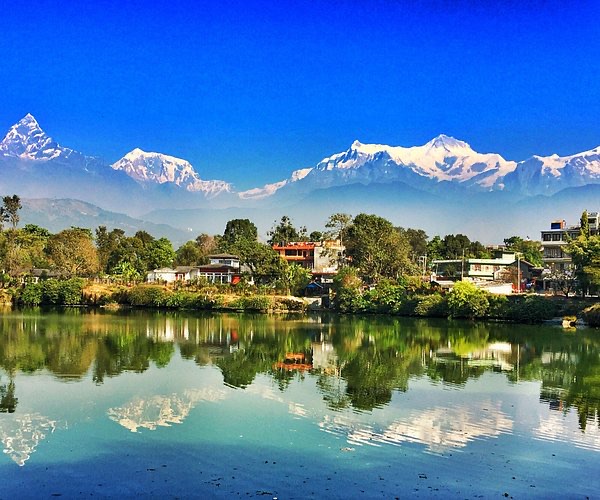
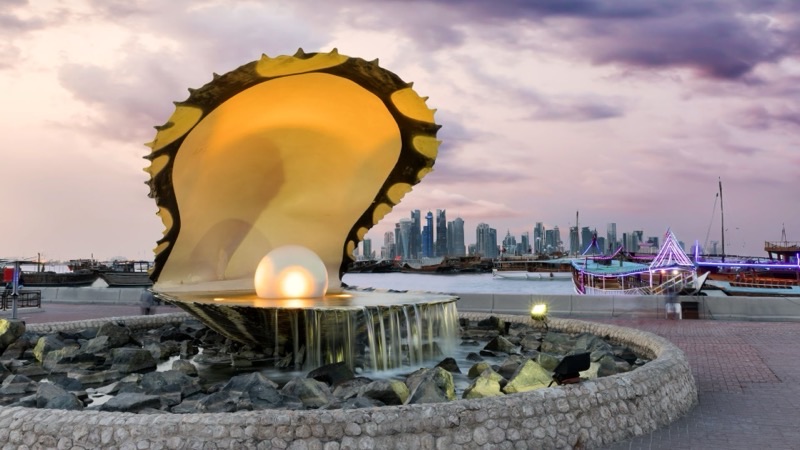
⚡ Quick Answers
⚡ The TL;DR Verdict
For most travelers seeking adventure, cultural immersion, and significant value, Nepal is the stronger choice. Its landscapes and history offer deep, experiential travel on a modest budget. Qatar suits those prioritizing luxury, modern amenities, and short, refined city breaks.
- Choose Nepal: Travelers focused on outdoor adventure, multi-day treks, spiritual journeys, and budget-conscious exploration will find Nepal immensely rewarding.
- Choose Qatar: Visitors seeking high-end amenities, desert excursions, modern architecture, and a stopover destination with comfort will prefer Qatar.
- Choose Both: Consider combining if you have 3+ weeks, flying Kathmandu to Doha for a 2-3 day luxury pause after a Nepal adventure.
Choose Nepal
Choose Nepal if your heart yearns for epic outdoor adventures and profound cultural discoveries on a modest budget. It’s best for trekkers tackling Himalayan trails like the Annapurna Circuit, spiritual seekers exploring ancient Kathmandu temples, and budget-conscious travelers desiring deep, authentic experiences. Prepare for breathtaking landscapes and unparalleled value.
Choose Qatar
Opt for Qatar if you prioritize lavish modern luxury, sophisticated urban experiences, and a seamless, indulgent stopover. This destination is ideal for visitors who appreciate cutting-edge architecture like the Museum of Islamic Art, high-end dining, and thrilling desert safaris, all while enjoying five-star amenities. Expect refined culture and opulent comfort.
📊 Visual Scorecard
🌤 When to Visit
Average high temperatures (°C). Green = best months, orange = avoid.
Quick Comparison
| Category | Nepal | Qatar | Winner |
|---|---|---|---|
| Costs & Budget | Significantly more affordable for accommodation, food, transport, and activities. | Among the most expensive destinations globally, even for basic services. | Nepal |
| Culture & History | Deep spiritual and historical roots, ancient temples, diverse ethnic groups, living traditions. | Rapidly evolving modern culture with traditional Islamic influences, impressive museums. | Nepal |
| Nature & Outdoors | Home to the Himalayas, epic trekking, diverse ecosystems from high-altitude deserts to jungles. | Desert landscapes, coastal areas, primarily experienced through organized safaris or limited coastal activities. | Nepal |
| Food & Dining | Hearty, staple foods like Dal Bhat, momos, diverse ethnic cuisines; mostly budget-friendly. | High-end international cuisine, Middle Eastern dishes, emphasis on quality ingredients. | Tie |
| Accommodation | Simple guesthouses, budget hotels, tea houses on treks; generally basic but functional. | Extensive range of luxury hotels, modern apartments, international chains. | Qatar |
| Getting There | Requires connecting flights for most international travelers; longer journey times. | Major international hub, often direct flights from many regions; shorter journey times. | Qatar |
| Getting Around | Local buses, shared jeeps, taxis, domestic flights for long distances; roads can be challenging. | Modern metro system, abundant taxis, ride-sharing, well-maintained roads. | Qatar |
| Safety & Security | Generally safe for tourists, but petty theft, road accidents, and natural disaster risks exist. | Extremely low crime rate, very safe, but strict laws apply. | Qatar |
| Shopping | Local handicrafts, trekking gear, spiritual items, textiles, bargaining expected. | Luxury brands, international malls, traditional goods at Souq Waqif. | Tie |
| Activities & Entertainment | Trekking, spiritual retreats, cultural tours, adventure sports, wildlife safaris. | Museums, desert safaris, luxury dining, cultural villages, architectural sightseeing. | Nepal |
💰 Costs & Budget
Nepal offers remarkable value. A budget traveler can manage on $35-50 USD per day, staying in basic guesthouses (around 1,500-3,000 NPR / $11-23 USD), eating local Dal Bhat…
Nepal
Qatar
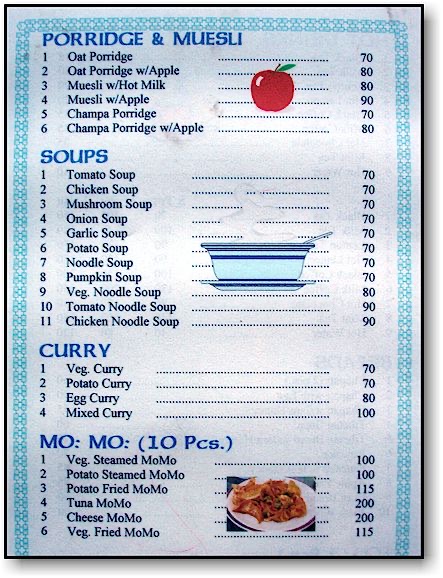
Nepal offers remarkable value. A budget traveler can manage on $35-50 USD per day, staying in basic guesthouses (around 1,500-3,000 NPR / $11-23 USD), eating local Dal Bhat (300-600 NPR / $2-5 USD), and using public buses (100-500 NPR / $0.75-4 USD for inter-city). Trekking permits for Annapurna Conservation Area are approximately 3,000 NPR ($23 USD), and Everest region TIMS card around 2,000 NPR ($15 USD). Even mid-range travel, including domestic flights and nicer hotels, rarely exceeds $80-100 USD daily outside of major treks.
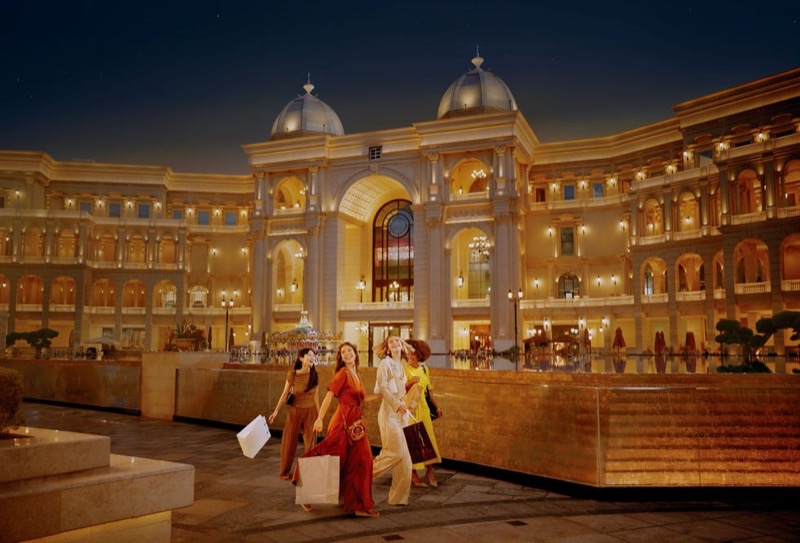
Qatar is a high-cost destination. A realistic budget for a moderate traveler is $150-250 USD per day. Standard hotels in Doha start around 500-800 QAR ($137-220 USD) per night. Meals at casual restaurants can be 40-80 QAR ($11-22 USD), while fine dining easily reaches 200-500 QAR ($55-137 USD) per person. Taxis are relatively affordable for short distances (10-25 QAR / $3-7 USD), but museum entries (around 50-75 QAR / $14-20 USD) and organized tours (e.g., desert safari, 250-500 QAR / $68-137 USD) add up quickly. Qatar caters to a luxury market; budget options are scarce. Nepal wins this category by a vast margin, allowing for longer trips and more experiences for less money.
- Winner: Nepal
- Why: Nepal provides a much lower cost of travel across all categories, making extended stays and diverse activities accessible.
- Who this matters for: Budget-conscious travelers, backpackers, and those seeking extended trips.
🏛️ Culture & History
Nepal's cultural heritage is ancient and palpable, especially in the Kathmandu Valley. Sites like Boudhanath Stupa, Pashupatinath Temple, and the Durbar Squares of Kathmandu,…
Nepal
Qatar
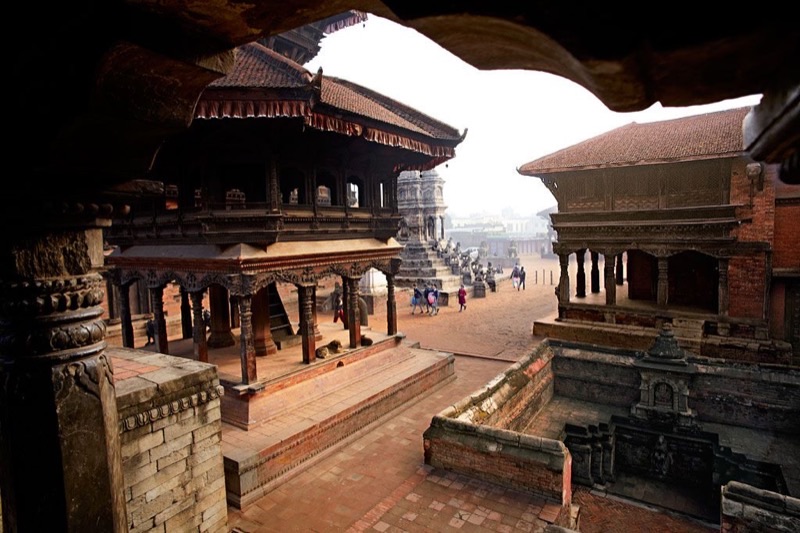
Nepal's cultural heritage is ancient and palpable, especially in the Kathmandu Valley. Sites like Boudhanath Stupa, Pashupatinath Temple, and the Durbar Squares of Kathmandu, Bhaktapur, and Patan display centuries of Newari architecture, Hindu and Buddhist artistry, and ongoing religious practices. Daily life involves rituals, festivals (like Dashain and Tihar), and a blend of spiritual devotion with everyday activities. The country's history stretches back millennia, with kingdoms and dynasties leaving their mark in temples, palaces, and oral traditions. Interactions with local communities, especially in trekking regions, reveal diverse ethnic customs and hospitality.
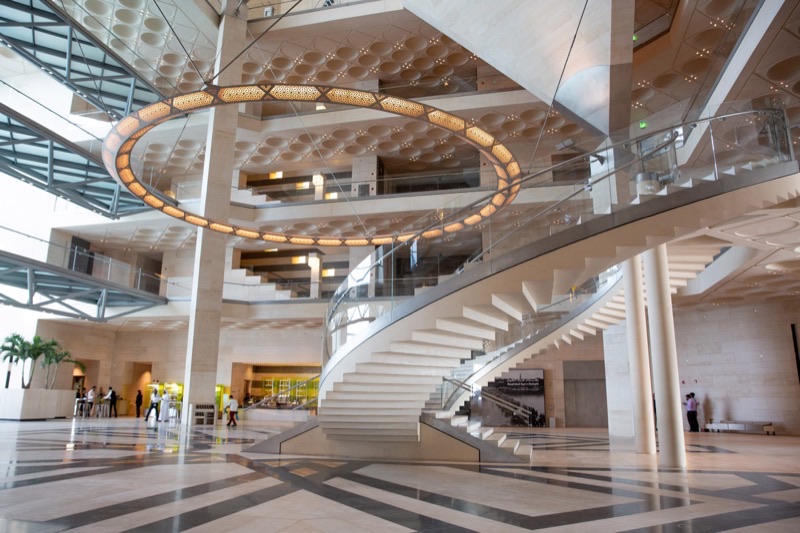
Qatar offers a more curated cultural experience, largely presented through its impressive modern institutions. The Museum of Islamic Art, designed by I.M. Pei, houses a significant collection spanning 1,400 years of Islamic art, with entrance around 50 QAR ($14 USD). The National Museum of Qatar, shaped like a desert rose, tells the story of Qatar from prehistory to the present, also around 50 QAR. Souq Waqif provides a glimpse into traditional commerce and architecture, though it was largely rebuilt. Katara Cultural Village hosts various events and galleries. While Qatar preserves aspects of its Bedouin and Islamic heritage, the cultural landscape is largely defined by rapid development and sophisticated presentation. Nepal wins for its organic, deeply embedded, and ancient cultural presence.
- Winner: Nepal
- Why: Nepal offers a more ancient, visibly active, and deeply integrated cultural experience in its daily life and architecture.
- Who this matters for: Travelers seeking immersive historical experiences, religious sites, and interactions with traditional ways of life.
⛰️ Nature & Outdoors
Nepal is globally recognized for its incredible natural diversity, dominated by the Himalayas. It contains eight of the world's ten highest peaks, including Mount Everest.…
Nepal
Qatar
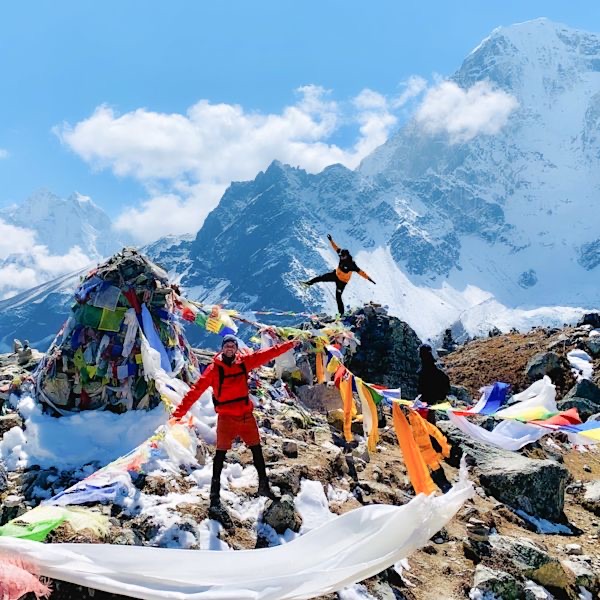
Nepal is globally recognized for its incredible natural diversity, dominated by the Himalayas. It contains eight of the world's ten highest peaks, including Mount Everest. Trekking is a primary activity, with trails like the Annapurna Circuit (2-3 weeks), Everest Base Camp (12-14 days), and Langtang Valley (7-10 days) drawing adventurers. These routes offer varied scenery from rhododendron forests to alpine deserts, alongside views of glaciers and peaks. Beyond the mountains, regions like Chitwan National Park provide jungle safaris to see rhinos, tigers, and crocodiles, with entry around 2,000 NPR ($15 USD) per day plus activity costs. Pokhara offers lake activities and paragliding (around 12,000-15,000 NPR / $90-115 USD).
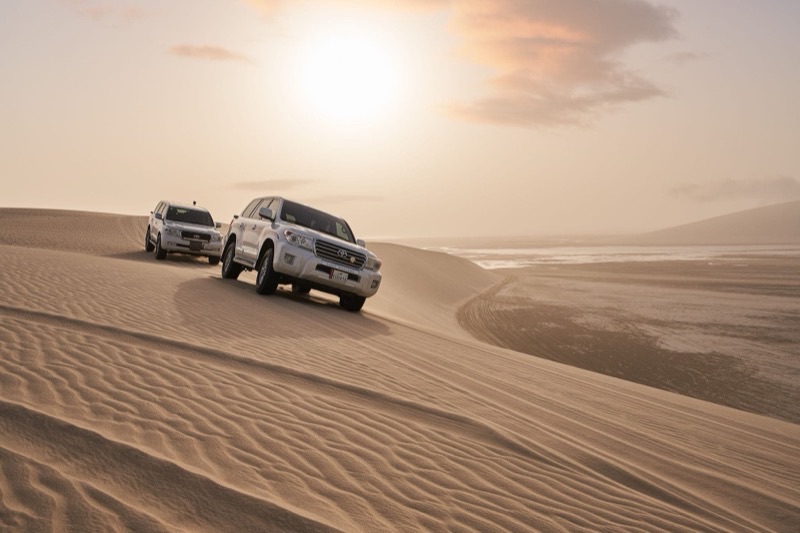
Qatar's natural environment is primarily desert. Experiences often involve organized desert safaris (half-day trips around 250-500 QAR / $68-137 USD) to see sand dunes, the Inland Sea (Khor Al Adaid), and engage in dune bashing. Coastal activities like kayaking or paddleboarding are available in areas like The Pearl or Al Safliya Island, but these are often part of structured tours rather than expansive natural exploration. While the desert has a stark beauty, it lacks the ecological and topographical diversity for extensive outdoor activities compared to Nepal. Nepal clearly offers a wider range of significant natural encounters. Nepal is the winner because its natural offerings are on a scale and diversity unmatched by Qatar.
- Winner: Nepal
- Why: Nepal's natural landscape, particularly the Himalayas and diverse ecosystems, provides world-class opportunities for trekking and wildlife observation.
- Who this matters for: Hikers, trekkers, mountaineers, wildlife enthusiasts, and those seeking grand natural panoramas.
🍜 Food & Dining
Nepal's food scene is comforting and nourishing, built around staple dishes. Dal Bhat, a lentil soup served with rice and curried vegetables, is the national dish, offering…

Nepal
Qatar
Nepal's food scene is comforting and nourishing, built around staple dishes. Dal Bhat, a lentil soup served with rice and curried vegetables, is the national dish, offering endless refills for around 300-600 NPR ($2-5 USD). Momos (dumplings) are ubiquitous and come with various fillings, a plate typically costing 200-400 NPR ($1.5-3 USD). Newari cuisine offers specific delicacies like Yomari or Samay Baji. In tourist centers like Thamel, Kathmandu, you can find a range of international options, but local food provides the best value and authenticity. Quality and hygiene vary, but good local eateries are common. Dining is generally a casual affair.
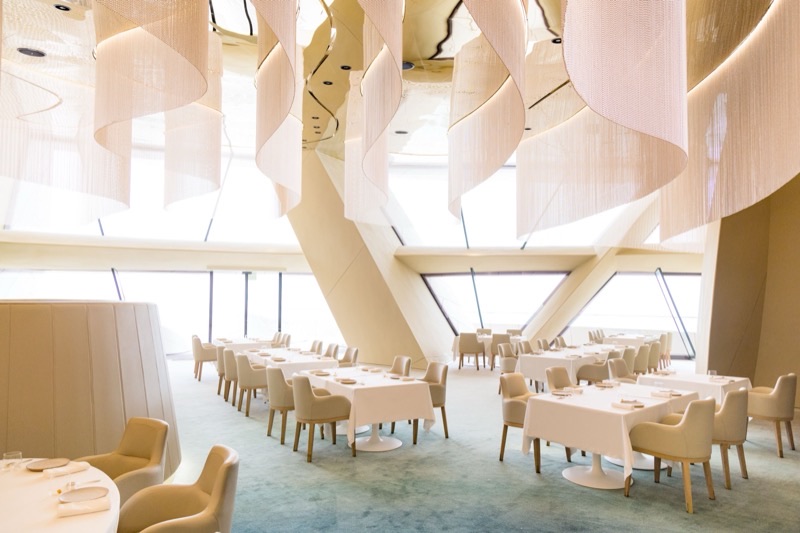
Qatar's dining landscape leans heavily towards high-end international and Middle Eastern cuisine. Doha boasts numerous luxury hotels with Michelin-starred chefs or concepts, offering everything from Italian to Japanese to Modern European. Traditional Qatari dishes like Machboos (spiced rice with meat) or Harees (wheat and meat porridge) are available, especially at places like Al Jasra in Souq Waqif, costing around 60-120 QAR ($16-33 USD) per dish. Shawarma stands are common for budget-friendly options (10-20 QAR / $3-5 USD). The focus is on quality ingredients, sophisticated presentation, and a refined dining experience. Both destinations offer distinct strengths: Nepal for authentic local fare at low prices, Qatar for diverse high-quality international options. This category is a tie as they cater to different palates and budgets effectively.
- Winner: Tie
- Why: Both offer distinct and excellent food experiences, Nepal for authentic local value and Qatar for international high-end dining.
- Who this matters for: Foodies seeking specific culinary styles – traditional and budget-friendly for Nepal, luxurious and international for Qatar.
🏨 Accommodation
Accommodation in Nepal ranges from very basic to moderately comfortable. In Kathmandu and Pokhara, budget guesthouses cost 1,500-3,000 NPR ($11-23 USD) per night, while mid-range…
Nepal

Qatar
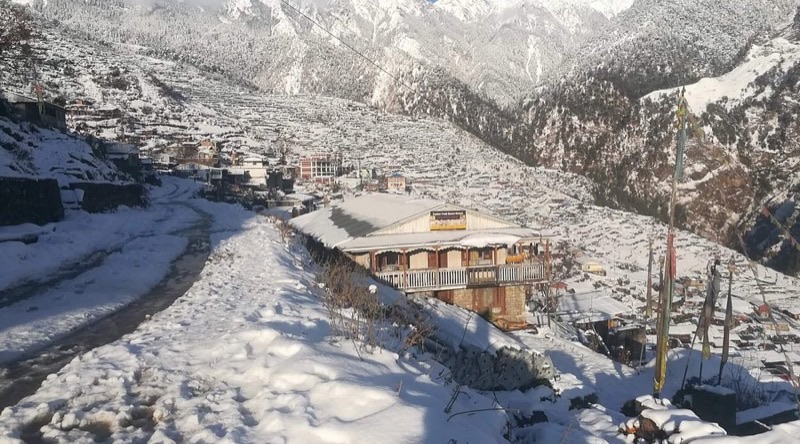
Accommodation in Nepal ranges from very basic to moderately comfortable. In Kathmandu and Pokhara, budget guesthouses cost 1,500-3,000 NPR ($11-23 USD) per night, while mid-range hotels with amenities like AC and hot water are 4,000-8,000 NPR ($30-60 USD). On treks, tea houses offer simple rooms for 300-1,000 NPR ($2-7 USD), often expecting you to eat meals there. Luxury options exist in major cities, but they are not the norm and typically don't match the same level as international luxury standards. Expect practical, often family-run establishments.
Qatar excels in modern, high-standard accommodation. Doha's skyline is filled with international hotel chains offering luxury experiences, from 5-star resorts like The St. Regis Doha or Mandarin Oriental (1,500-3,000 QAR / $412-824 USD per night) to well-appointed 4-star hotels (500-1,000 QAR / $137-275 USD). Even mid-range hotels provide excellent service and facilities. There are fewer budget guesthouses or hostels. The quality, service, and modern amenities are consistently high across most price points in Qatar. Qatar takes this category due to its superior infrastructure and range of modern, comfortable options.
- Winner: Qatar
- Why: Qatar offers a significantly higher standard and wider range of modern, luxurious accommodations compared to Nepal.
- Who this matters for: Travelers prioritizing comfort, luxury, modern amenities, and reliable service.
✈️ Getting There
Reaching Nepal typically involves a layover for most travelers from North America or Europe. Tribhuvan International Airport (KTM) in Kathmandu is the main entry point. Flight…
Reaching Nepal typically involves a layover for most travelers from North America or Europe. Tribhuvan International Airport (KTM) in Kathmandu is the main entry point. Flight times from major European cities like London are around 12-14 hours with one stop, while from the East Coast of the US, it can be 18-22 hours with two stops. From Southeast Asia, direct flights are available, but from further afield, expect a multi-leg journey. Visa on arrival is straightforward for many nationalities, costing around $30 USD for 15 days, but check current requirements.
Qatar is very accessible as Doha's Hamad International Airport (DOH) is a major global hub for Qatar Airways. Direct flights are common from many cities in Europe (6-7 hours from London), North America (12-14 hours from New York), and Asia. This makes for more straightforward and often shorter travel times. Many nationalities can enter Qatar visa-free or get a visa on arrival, which simplifies entry. The efficiency of DOH airport and the extensive flight network make Qatar a much easier destination to reach for international travelers. Qatar is the clear winner for ease and speed of access.
- Winner: Qatar
- Why: Qatar's Hamad International Airport is a major global hub with direct flights from numerous cities, simplifying international travel.
- Who this matters for: Travelers with limited time, those on stopovers, and anyone prioritizing direct and efficient air travel.
🚗 Getting Around
Navigating Nepal involves a mix of transport. Within cities like Kathmandu, taxis are common, often requiring bargaining (a short ride in Thamel might be 300-600 NPR / $2-5 USD).…
Navigating Nepal involves a mix of transport. Within cities like Kathmandu, taxis are common, often requiring bargaining (a short ride in Thamel might be 300-600 NPR / $2-5 USD). Ride-sharing apps like Pathao and Tootle are also available. For inter-city travel, local buses are economical but slow and crowded (Kathmandu to Pokhara: 800-1,200 NPR / $6-9 USD, 6-8 hours). Tourist buses offer a slightly more comfortable, but still bumpy, option. Domestic flights connect major tourist hubs (Kathmandu to Pokhara: 5,000-8,000 NPR / $38-60 USD, 25 minutes) but are prone to delays. Road conditions outside major highways can be rough, especially in mountainous regions.
Qatar offers a very efficient and modern transportation system. The Doha Metro is a clean, air-conditioned, and affordable way to get around the city, with a single journey costing 2 QAR ($0.55 USD) and a day pass 6 QAR ($1.65 USD). Taxis are readily available and affordable for short distances (starting at 10-15 QAR / $3-4 USD). Ride-sharing services like Uber and Careem are also common. Roads are well-maintained and driving is generally smooth, though traffic can be dense during peak hours in Doha. For longer distances, private car hires are common. Qatar's infrastructure makes getting around seamless. Qatar wins due to its superior, efficient, and comfortable transportation infrastructure.
- Winner: Qatar
- Why: Qatar possesses a highly developed, modern, and efficient public and private transportation network.
- Who this matters for: Travelers who prioritize comfort, speed, and ease of local travel, and those who dislike unpredictable journeys.
🚨 Safety & Security
Nepal is generally safe for tourists, with violent crime against foreigners being rare. Petty theft, like bag snatching, can occur in crowded areas like Thamel. Road safety is a…
Nepal is generally safe for tourists, with violent crime against foreigners being rare. Petty theft, like bag snatching, can occur in crowded areas like Thamel. Road safety is a significant concern due to aggressive driving, poorly maintained roads, and overloaded vehicles; bus and taxi accidents are not uncommon. Trekking in remote areas requires caution regarding altitude sickness, unpredictable weather, and ensuring you have reliable guides or proper gear. Natural disasters, particularly earthquakes and landslides during monsoon season, are a risk. However, with sensible precautions, most travelers experience no issues. Local unrest can occasionally lead to strikes (bandhs) affecting transport.
Qatar consistently ranks among the safest countries in the world with extremely low crime rates. Visitors can generally feel secure walking around Doha at any time, day or night. The main considerations for safety involve respecting local laws and customs, which are based on Islamic tradition and can be strict regarding alcohol consumption, public behavior, and dress code. Road safety is better than in Nepal, but traffic can be fast. The primary health concern might be heat exposure during hotter months. For overall personal safety and security, Qatar is a clear front-runner. Qatar is the winner for its exceptional level of personal safety and minimal crime concerns.
- Winner: Qatar
- Why: Qatar boasts one of the lowest crime rates globally, offering a highly secure environment for travelers.
- Who this matters for: Solo travelers, families, and anyone prioritizing personal safety and a low-crime environment.
🛍️ Shopping
Shopping in Nepal centers around local crafts, souvenirs, and trekking essentials. In Kathmandu's Thamel district, you'll find pashmina shawls, singing bowls, Thangka paintings,…
Shopping in Nepal centers around local crafts, souvenirs, and trekking essentials. In Kathmandu's Thamel district, you'll find pashmina shawls, singing bowls, Thangka paintings, prayer flags, hand-knitted woolen goods, and basic trekking equipment (often counterfeit). Prices are generally low, and bargaining is an expected part of the transaction. A decent pashmina shawl might be 2,000-5,000 NPR ($15-38 USD), while a small singing bowl could be 1,000-3,000 NPR ($7-23 USD). The experience is often about exploring small shops and local markets for unique items. Quality varies, so inspection is key.
Qatar offers a dual shopping experience. On one hand, there are sprawling, modern malls like Villaggio Mall or Place Vendôme, housing international luxury brands, electronics, and global fashion labels at fixed, often high, prices. On the other, Souq Waqif provides a more traditional setting for purchasing spices, oud, perfumes, textiles, souvenirs, and even falcons. Here, a bit of friendly bargaining is possible, but prices for unique items like quality oud might still be several hundred QAR. The Pearl offers high-end boutiques. Qatar caters to those seeking luxury and convenience, while Nepal offers unique, handcrafted, and budget-friendly goods. This category is a tie as they offer fundamentally different but equally compelling shopping experiences.
- Winner: Tie
- Why: Both destinations offer distinct and appealing shopping experiences, Nepal for local crafts and Qatar for luxury and modern retail.
- Who this matters for: Nepal for those seeking unique handicrafts and souvenirs; Qatar for luxury brand shoppers and modern retail experiences.
🎭 Activities & Entertainment
Nepal's activities are heavily weighted towards adventure and cultural immersion. The primary draw is trekking in the Himalayas, from short day hikes around Pokhara to multi-week…
Nepal's activities are heavily weighted towards adventure and cultural immersion. The primary draw is trekking in the Himalayas, from short day hikes around Pokhara to multi-week expeditions like the Annapurna Circuit or Everest Base Camp. Other adventure sports include paragliding (Pokhara, around 12,000 NPR / $90 USD), white-water rafting, bungee jumping, and canyoning. Cultural tours of Kathmandu Valley's UNESCO sites, meditation retreats, and yoga classes are also popular. Chitwan National Park offers jungle safaris (around 2,000 NPR / $15 USD entry plus activities like elephant rides or jeep safaris). The focus is on active, experiential engagement with nature and heritage.
Qatar's activities are more curated and often lean towards luxury or cultural appreciation through modern institutions. Key activities include visiting the Museum of Islamic Art and the National Museum of Qatar, exploring Souq Waqif, and taking organized desert safaris (dune bashing, camel rides). High-end dining, shopping in luxury malls, and strolling The Pearl-Qatar are common pastimes. Katara Cultural Village hosts performances and exhibitions. While there are some watersports, they are less prominent than in other coastal destinations. The focus is on refined experiences and modern leisure. Nepal provides a broader spectrum of active, outdoor, and immersive experiences. Nepal wins due to its diverse range of impactful outdoor and cultural activities.
- Winner: Nepal
- Why: Nepal offers a wider and more physically engaging array of activities, particularly for outdoor enthusiasts and cultural explorers.
- Who this matters for: Adventure seekers, outdoor enthusiasts, cultural explorers, and those looking for active engagement rather than passive observation.
🎯 The Decision Framework
Choose Nepal If…
- You want multi-day treks with views of 8,000-meter peaks.
- You prioritize deep cultural immersion in ancient traditions.
- Your budget for a daily stay is under $80 USD.
- You enjoy authentic local food like Dal Bhat and Momos for cheap.
- You are comfortable with basic accommodation and irregular travel conditions.
- You seek spiritual experiences at temples and monasteries.
- You want to experience jungle wildlife safaris.
- You prefer exploration that requires physical engagement and resilience.
Choose Qatar If…
- You seek luxurious hotels and world-class modern amenities.
- Your budget allows for $150+ USD per day.
- You prefer efficient, modern infrastructure and easy transport.
- You are interested in impressive contemporary architecture and museums.
- You want to experience curated desert safaris and cultural villages.
- You value extremely high levels of personal safety and low crime.
- You enjoy high-end international dining and luxury shopping.
- You are looking for a comfortable layover destination with quick experiences.
📅 Sample Itineraries
Weekend in Nepal (3 Days)
💡 Utilize local buses for inter-city travel like from Kathmandu to Bhaktapur; a one-way ticket typically costs less than $1, significantly cheaper than a taxi ($15-20).
Weekend in Qatar (3 Days)
💡 Book desert safari tours in advance with established operators; last-minute bookings can be up to 20% more expensive and might not guarantee availability during peak season.
One Week in Nepal (7 Days)
💡 For trekking in Nepal, it's advisable to carry a local SIM card (Ncell or NTC, $2-5) for connectivity, especially as Wi-Fi in teahouses can be unreliable or cost an additional $1-3 per day.
One Week in Qatar (7 Days)
💡 Consider purchasing a Karwa Smartcard for Doha's public transport (metro and bus) for approximately $3. It offers cheaper fares (around $0.50 per ride) compared to single tickets or taxis for getting around the city efficiently.
❓ Frequently Asked Questions
What is the typical daily budget difference between Nepal and Qatar?
A budget traveler in Nepal can comfortably spend $35-50 USD per day for accommodation, local food, and transport. For a mid-range experience, expect $60-100 USD. In contrast, Qatar is significantly more expensive; a modest budget traveler should plan for $150-250 USD daily for basic hotel, casual dining, and public transport. Luxury options in Qatar can easily exceed $500 USD per day.
Which destination is better for outdoor adventures like trekking?
Nepal is the premier choice for outdoor adventures, especially trekking. It hosts parts of the Himalayas, including Everest and Annapurna ranges, offering treks from a few days to several weeks. Activities like paragliding, white-water rafting, and jungle safaris in Chitwan are also prominent. Qatar's outdoor activities are mostly limited to desert safaris and coastal watersports, which lack the scale and diversity of Nepal's offerings.
How do flight times and accessibility compare for international travelers?
Qatar is generally much more accessible for international travelers. Doha's Hamad International Airport is a major global hub, offering direct flights from numerous cities worldwide, often with shorter journey times (e.g., 6-7 hours from Europe). Nepal's Tribhuvan International Airport usually requires at least one layover for travelers from North America or Europe, resulting in longer travel durations, typically 12-20 hours.
What kind of cultural experiences can I expect in each country?
Nepal offers an ancient, deeply spiritual culture with living traditions visible in its temples, festivals, and daily life, particularly in the Kathmandu Valley. Qatar's culture is a blend of traditional Islamic and Bedouin heritage presented through modern museums, cultural villages, and a rapidly developing contemporary urban landscape. Nepal is more about immersion, Qatar about curated observation.
Is it safe to travel solo in Nepal or Qatar?
Both are generally safe, but Qatar has an exceptionally low crime rate, making it one of the safest countries globally for solo travel, with very few concerns about personal safety. Nepal is also safe for solo travelers, though petty theft can occur in crowded areas, and road safety is a significant concern. Trekkers should be mindful of mountain risks and travel with guides or in groups for remote areas.
Which destination offers better dining experiences?
This depends on preference. Nepal offers authentic, hearty, and very affordable local cuisine like Dal Bhat and Momos, with good value. Qatar excels in high-end international dining, featuring numerous luxury restaurants and diverse global cuisines, alongside traditional Middle Eastern dishes. Qatar's dining scene is sophisticated and expensive, while Nepal's is grounded and budget-friendly.
What are the accommodation standards like?
Qatar offers high-quality, modern accommodation across the board, from well-appointed 4-star hotels to luxury resorts, with excellent service and amenities. Nepal's accommodation is more basic, featuring simple guesthouses and budget hotels in cities, and rustic tea houses during treks. While luxury hotels exist in major cities, they are less common and typically not on par with Qatar's standards.
Which country is better for shopping?
Both offer distinct shopping experiences. Nepal is ideal for unique local handicrafts, spiritual items like singing bowls, pashmina, and basic trekking gear, often at negotiable prices. Qatar features sprawling modern malls with international luxury brands and electronics, alongside traditional souqs like Souq Waqif for spices, perfumes, and textiles. Your preference for handmade goods vs. luxury brands dictates the better choice.
Ready to plan your South Asia or Middle East trip?
Get a free custom itinerary for Nepal, Qatar, or both — built from real traveler insights.
👥 Travelers Also Compared
🎟️ Book Tours & Experiences
Hand-picked tours and activities for both destinations — book with free cancellation
Experiences via Viator — free cancellation on most tours