How we built this comparison
This page combines traveler discussion patterns, published price ranges, flight schedules, and seasonal data to help you decide between Nepal and Samoa.
- Reviewed 100+ Reddit threads from r/travel, r/solotravel, r/Nepal, r/samoa, and r/backpacking
- Verified costs and logistics against current booking platforms (Booking.com, Skyscanner, local tour operators)
- Cross-referenced seasonal patterns and weather data from meteorological sources
⚡ Quick Answers
⚡ The TL;DR Verdict
For most travelers seeking adventure, cultural immersion, and a low budget, Nepal is the clear pick with daily costs around $35-60. Samoa is better for those prioritizing quiet beach relaxation, ocean activities, and have a more generous budget, typically $90-150 per day.
- Choose Nepal: You want mountain trekking, deep spiritual experiences, ancient temples, and a travel budget that stretches far in Southeast Asia. This suits backpackers, adventure seekers, and those interested in Buddhism or Hinduism.
- Choose Samoa: You want pristine beaches, warm ocean swimming, waterfall chasing, and a relaxed pace. This destination fits couples, families, and travelers focused on natural beauty and marine life with a higher budget.
- Choose Both: These destinations are geographically distant and offer very different experiences. If you have 6-8 weeks and a significant travel fund, you could combine a two-week Nepal trek with a week of Samoan relaxation, but it is not a practical pairing for a single trip.
Choose Nepal
Opt for Nepal if you crave transformative mountain adventures like the Annapurna Circuit or Everest Base Camp treks, paired with deep cultural immersion in Kathmandu's ancient alleyways. It's best for budget-conscious backpackers and spiritual seekers eager to explore ancient temples and vibrant local life for around $35-60 daily.
Choose Samoa
Samoa is your idyllic escape if pristine white-sand beaches like Lalomanu, warm turquoise waters, and unique swimming holes like To Sua Ocean Trench are your priority. It's best for couples and families seeking luxurious relaxation, waterfall chasing, and vibrant marine life, with a more generous budget typically ranging from $90-150 per day.
📊 Visual Scorecard
🌤 When to Visit
Average high temperatures (°C). Green = best months, orange = avoid.
Quick Comparison
| Category | Nepal | Samoa | Winner |
|---|---|---|---|
| Costs & Budget | Extremely budget-friendly. Food, accommodation, and transport are inexpensive. | Considerably more expensive, particularly for accommodation and imported goods. | Nepal |
| Nature & Scenery | Towering Himalayas, diverse trekking routes, high-altitude lakes, deep valleys. | Tropical beaches, lush rainforests, waterfalls, lava fields, coral reefs. | Tie |
| Culture & Activities | Ancient Hindu and Buddhist sites, trekking, spiritual practices, vibrant festivals. | Polynesian traditions, village life, swimming, snorkeling, relaxation. | Nepal |
| Getting There | Long flights to Kathmandu (KTM) from most regions, often with one or two layovers. | Very long, expensive flights to Apia (APW) from most regions, often multiple layovers. | Nepal |
| Getting Around | Buses, shared jeeps, domestic flights, and extensive walking/trekking. | Rental cars, taxis, and infrequent local buses ('pa'opao'). | Nepal |
| Accommodation | Abundant guesthouses, budget hotels, and teahouses along trekking routes. | Beach fales, mid-range resorts, and a few luxury options. | Nepal |
| Food & Drink | Dal bhat, momos, curries, varied international options in tourist areas. | Fresh seafood, taro, breadfruit, 'oka' (raw fish salad), tropical fruits. | Nepal |
| Safety | Generally safe, but be aware of petty theft in tourist areas and altitude sickness. | Very safe, especially in villages. Natural hazards like strong currents are a concern. | Samoa |
| Solo Travel | Very popular for solo travelers, easy to meet others, safe trekking culture. | Less common for solo travelers, more geared towards couples/families, requires more planning. | Nepal |
| Weather & Seasons | Best during autumn (Sept-Nov) and spring (Mar-May) for clear mountain views. | Warm year-round, dry season (May-Oct) is ideal, wet season (Nov-April) has higher humidity and rain. | Tie |
💰 Costs & Budget
Nepal consistently ranks as one of the most affordable travel destinations. A daily budget of $35-60 (approx. 4,600-7,900 NPR) covers a comfortable room, three meals, and local…

Nepal
Samoa
Nepal consistently ranks as one of the most affordable travel destinations. A daily budget of $35-60 (approx. 4,600-7,900 NPR) covers a comfortable room, three meals, and local transport, or even a basic teahouse trek. For example, a dal bhat meal can be 300-600 NPR ($2.25-4.50), a guesthouse room in Pokhara 1000-2000 NPR ($7.50-15), and a local bus ticket 200-500 NPR ($1.50-3.75). Trekking permits, like the Annapurna Conservation Area Permit (ACAP), are $30.
Samoa requires a higher budget. Expect to spend $90-150 (approx. 240-400 WST) per day for a mid-range experience. Fales (beach huts) can cost 80-150 WST ($30-55) per night, while guesthouses start at 200 WST ($75). Meals at local eateries (like 'takeaways') average 20-35 WST ($7.50-13), but resort meals are much higher. Car rental is almost essential for exploration, costing around 100-150 WST ($37-55) per day. Entry fees to natural attractions are common, typically 5-20 WST ($1.85-7.50) per person. Tabiji verdict: Nepal offers significantly more value for money, making it accessible to a broader range of travelers.
- Winner: Nepal
- Why: Nepal offers a complete travel experience at a fraction of Samoa's cost, making it a superior choice for budget-conscious travelers.
- Who this matters for: Budget travelers, backpackers, and those planning extended trips.
⛰️ Nature & Scenery
Nepal's natural appeal centers on its colossal mountain ranges, including eight of the world's ten tallest peaks. The Annapurna Circuit and Everest Base Camp treks offer views of…
Nepal

Samoa
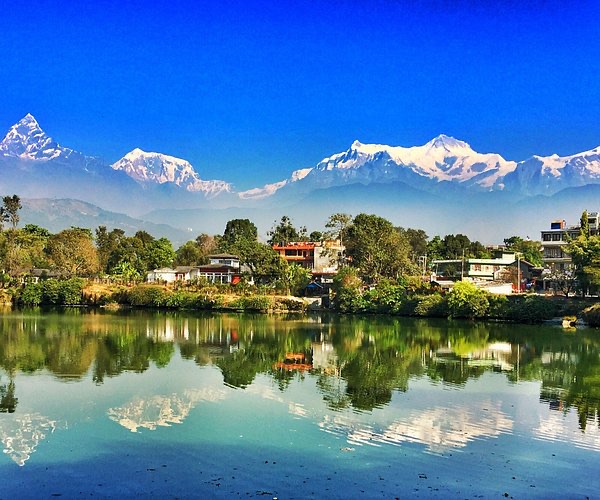
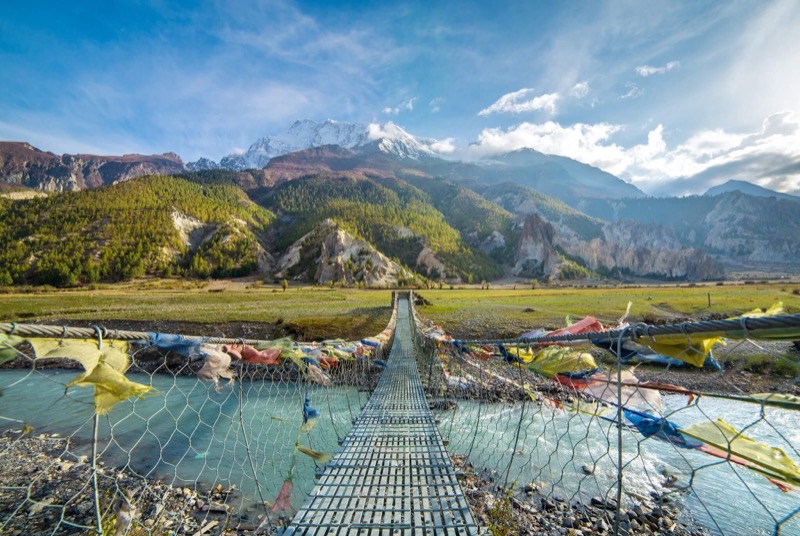
Nepal's natural appeal centers on its colossal mountain ranges, including eight of the world's ten tallest peaks. The Annapurna Circuit and Everest Base Camp treks offer views of snow-capped mountains, glaciers, and terraced hillsides. Beyond the peaks, Chitwan National Park provides subtropical jungle with rhinos and tigers. The landscape shifts from high alpine deserts in Mustang to verdant hills around Kathmandu. The sheer scale and variety of its mountainous terrain are hard to match for land-based exploration.
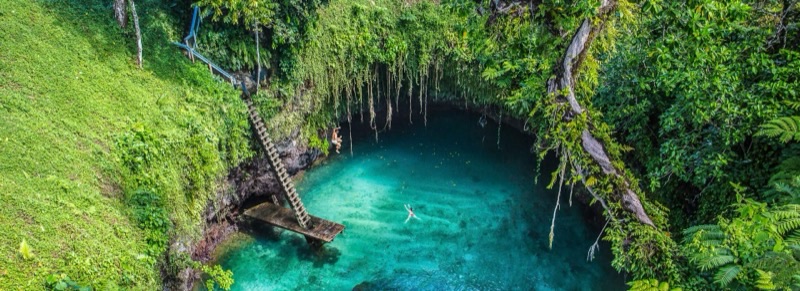
Samoa counters with a different type of natural splendor: pristine South Pacific beaches like Lalomanu, powerful waterfalls such as To Sua Ocean Trench (entry 20 WST/$7.50) and Afu Aau Falls (entry 10 WST/$3.75), and volcanic landscapes. Its coastline is dotted with coral reefs suitable for snorkeling and diving. The rainforests cover much of the interior, home to unique flora and fauna. Samoa's strength lies in its warm ocean, marine life, and lush, accessible tropical settings. Tabiji verdict: Both destinations present extraordinary natural environments; your preference depends on a desire for mountains or tropical coasts.
- Winner: Tie
- Why: Each destination presents a distinct, high-quality natural environment, appealing to different preferences for mountains versus beaches.
- Who this matters for: Anyone whose primary travel motivation is landscape photography, outdoor activities, or immersion in natural settings.
🧘 Culture & Activities
Nepal offers a deep dive into ancient Hindu and Buddhist cultures. Kathmandu's Durbar Square (1000 NPR/$7.50 entry) and Pashupatinath Temple are centers of religious practice,…
Nepal

Samoa
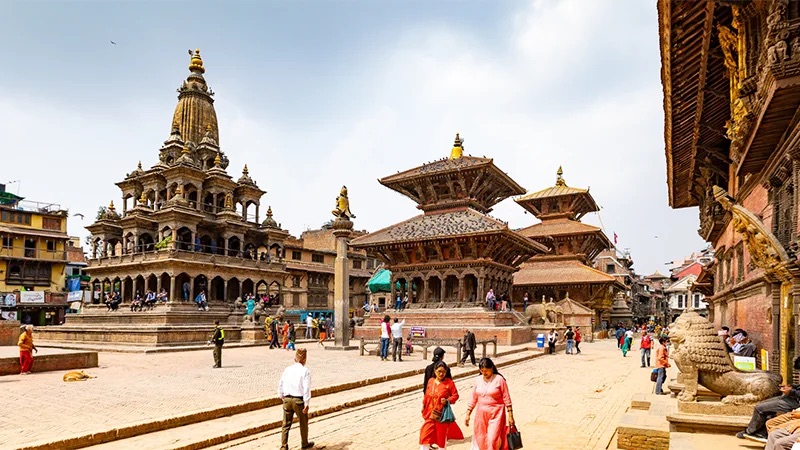
Nepal offers a deep dive into ancient Hindu and Buddhist cultures. Kathmandu's Durbar Square (1000 NPR/$7.50 entry) and Pashupatinath Temple are centers of religious practice, with daily rituals and festivals. Trekking is a cultural activity in itself, passing through Sherpa and Gurung villages where traditional lifestyles persist. Learning about local customs, interacting with monks at monasteries like Kopan, or participating in a cooking class for momos are common activities. The pace is often slower, more reflective, and community-focused.
Samoan culture, known as 'Fa'a Samoa,' emphasizes family, village, and church. Visitors can experience traditional fiafia nights (dinner shows, around 100 WST/$37), visit local markets, or simply observe village life. Activities revolve around the ocean: swimming in lagoons, snorkeling in marine reserves, or exploring lava tubes and caves. While less outwardly complex than Nepal's spiritual traditions, Samoan culture offers a peaceful, community-driven experience focused on natural rhythms and hospitality. Tabiji verdict: Nepal provides a more overtly active and historically dense cultural experience for visitors.
- Winner: Nepal
- Why: Nepal presents a more accessible and historically rich cultural experience with diverse, active engagement opportunities beyond just observation.
- Who this matters for: Travelers seeking historical sites, spiritual exploration, cultural immersion, and active engagement with local traditions.
✈️ Getting There
Flights to Tribhuvan International Airport (KTM) in Kathmandu typically take 18-24 hours from North America or Europe, with one layover in the Middle East (e.g., Doha, Dubai) or…
Nepal
Samoa
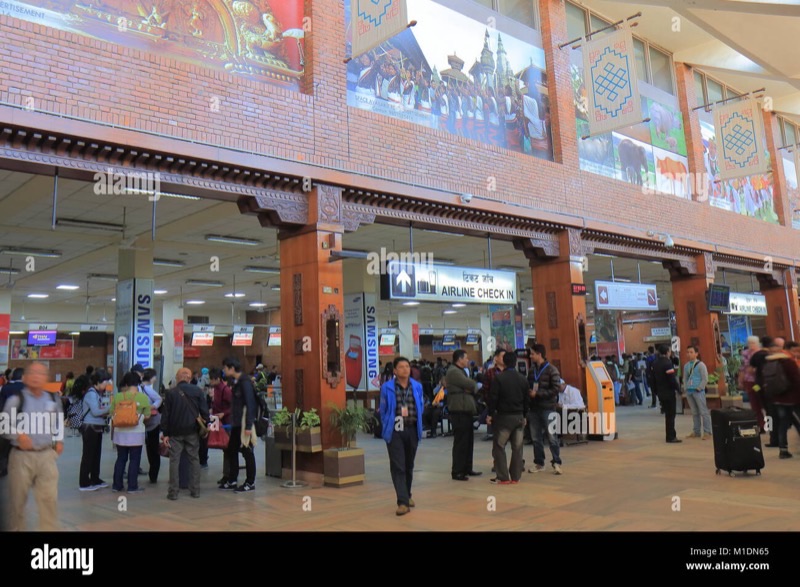
Flights to Tribhuvan International Airport (KTM) in Kathmandu typically take 18-24 hours from North America or Europe, with one layover in the Middle East (e.g., Doha, Dubai) or Southeast Asia (e.g., Kuala Lumpur). Return flights from major hubs like London can range from $700-1100, and from New York $900-1400. Direct flights are rare. From Sydney, expect around 12-15 hours and $600-900. The journey is long but well-traveled, with many flight options.
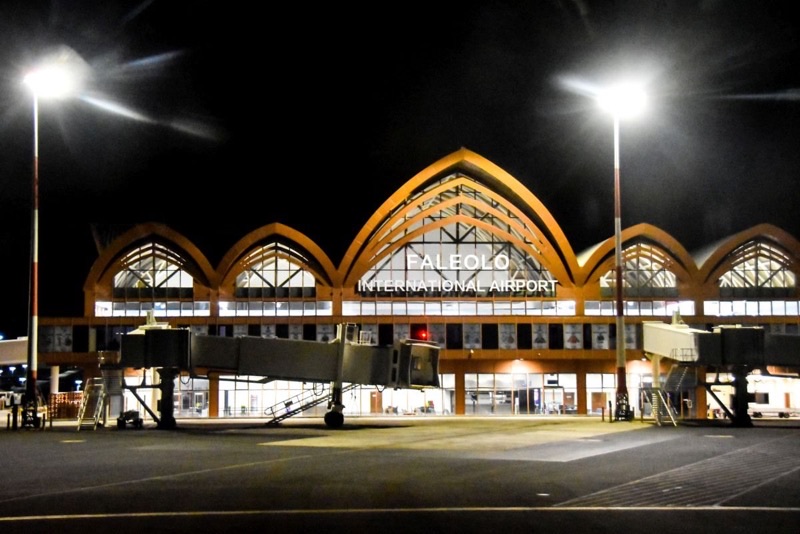
Reaching Faleolo International Airport (APW) in Apia, Samoa, is a significant journey. Flights from North America or Europe typically involve two to three layovers and can take 30-45 hours or more. Return tickets from Los Angeles often cost $1500-2500, and from London $2000-3000. From Sydney or Auckland, flights are shorter, around 5-6 hours, and cost $400-800. The limited flight routes and high prices make Samoa a less convenient and more costly destination to reach for most international travelers. Tabiji verdict: Nepal is considerably easier and more affordable to reach for the majority of international travelers.
- Winner: Nepal
- Why: Nepal has more frequent and generally more affordable flight connections from major global hubs, making it more accessible.
- Who this matters for: Travelers with limited vacation time or budget for flights, and those averse to very long, complex travel itineraries.
🚌 Getting Around
In Nepal, local buses are the backbone of inter-city transport, costing 200-800 NPR ($1.50-6) for longer routes like Kathmandu to Pokhara. Shared jeeps are common for mountain…
Nepal
Samoa
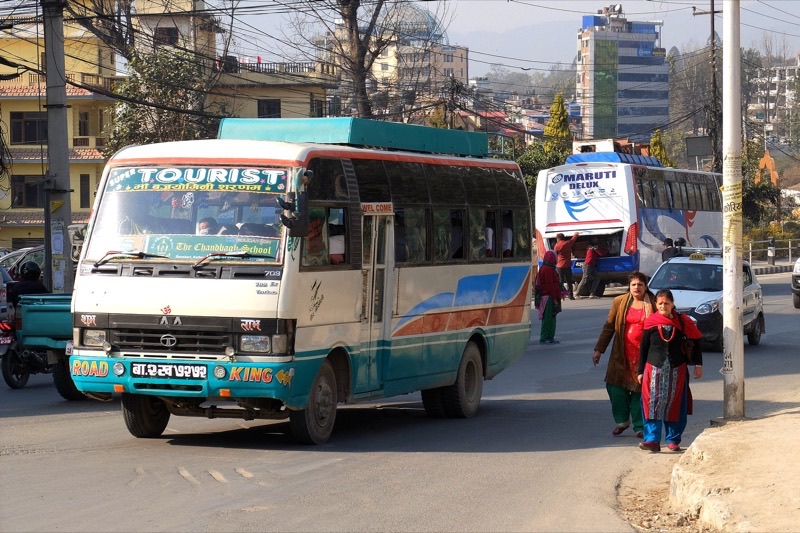
In Nepal, local buses are the backbone of inter-city transport, costing 200-800 NPR ($1.50-6) for longer routes like Kathmandu to Pokhara. Shared jeeps are common for mountain routes, faster but pricier. Within cities, rickshaws (100-300 NPR/$0.75-2.25) and taxis are available, but bargaining is essential. Domestic flights connect major cities like Kathmandu and Pokhara, cutting travel time for around $70-150 one-way. For trekking, your primary mode of transport is your feet, often with porters or guides.
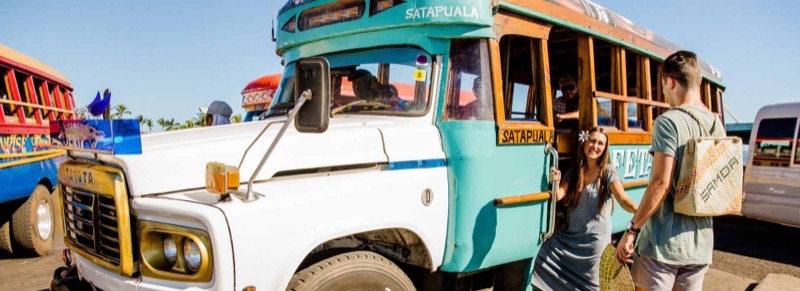
Samoa's public transport is less developed. Local buses, often decorated and playing loud music, run on somewhat unpredictable schedules and are primarily for locals. For tourists, a rental car (100-150 WST/$37-55 per day) is the most practical way to explore Upolu and Savai'i. Taxis are available in Apia but can be expensive for longer distances. There are no domestic flights between the main islands; a ferry connects Upolu and Savai'i (10-20 WST/$3.75-7.50 per person). Tabiji verdict: Nepal offers more diverse and readily available budget-friendly transport options, especially for independent travelers.
- Winner: Nepal
- Why: Nepal provides a wider range of affordable and adventurous transport options suitable for various traveler types and budgets.
- Who this matters for: Independent travelers, backpackers, and those who enjoy local transport experiences rather than relying solely on rental cars.
🛌 Accommodation
Nepal's accommodation ranges from basic but clean guesthouses in Kathmandu (e.g., Thamel area, 1500-3000 NPR/$11-22) to specialized trekking teahouses (300-1000 NPR/$2.25-7.50,…
Nepal's accommodation ranges from basic but clean guesthouses in Kathmandu (e.g., Thamel area, 1500-3000 NPR/$11-22) to specialized trekking teahouses (300-1000 NPR/$2.25-7.50, often cheaper if you eat there). Mid-range hotels are available for 4000-8000 NPR ($30-60). There are plenty of options in every price bracket, ensuring availability even during peak season. Booking ahead is advisable for popular areas, but walk-ins are often accommodated.
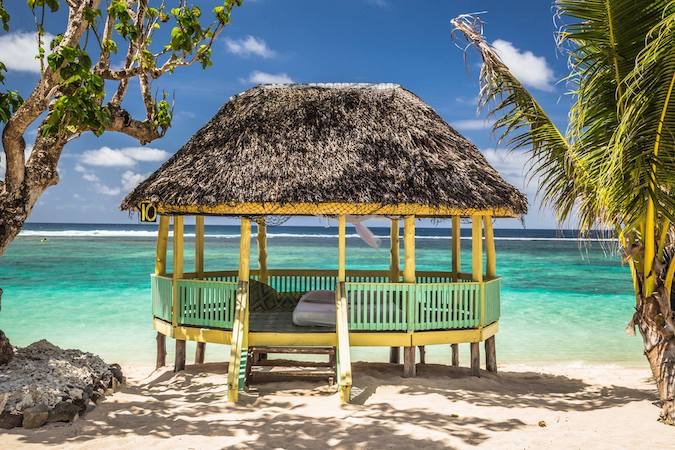
Samoa's accommodation is more focused on coastal locations. Beach fales are a popular, authentic option, starting around 80-150 WST ($30-55) per night, often including breakfast and dinner. These are typically open-sided huts directly on the sand, offering a rustic experience. Mid-range hotels and resorts, particularly around Apia and the southern coast of Upolu, cost 200-500 WST ($75-185) per night. Luxury resorts exist but are fewer and more expensive. Options are more spread out, and booking ahead, especially for fales in peak season, is important. Tabiji verdict: Nepal provides a wider variety of accommodation types at significantly lower prices, catering to all budget levels.
- Winner: Nepal
- Why: Nepal offers more diverse and budget-friendly accommodation across all types, from basic teahouses to comfortable hotels.
- Who this matters for: Budget travelers, trekkers, and those prioritizing cost savings on lodging.
🍜 Food & Drink
Nepali cuisine is hearty and flavorful. Dal bhat (rice, lentil soup, vegetables, curry) is a staple, often with unlimited refills, costing 300-600 NPR ($2.25-4.50). Momos…
Nepali cuisine is hearty and flavorful. Dal bhat (rice, lentil soup, vegetables, curry) is a staple, often with unlimited refills, costing 300-600 NPR ($2.25-4.50). Momos (dumplings) are everywhere, 200-400 NPR ($1.50-3) for a plate. Tibetan and Indian influences are strong. In tourist areas like Thamel in Kathmandu or Lakeside in Pokhara, you find a wide array of international restaurants, from Italian to Korean, at reasonable prices. Local tea and coffee are cheap; alcohol is available but can be pricier. The food is generally fresh, especially along trekking routes where it's prepared on the spot.
Samoan food is simple, fresh, and relies heavily on local produce and seafood. 'Oka' (raw fish marinated in coconut cream, lime, and chili) is a must-try, available for 20-35 WST ($7.50-13) at local eateries. Cooked dishes often feature taro, breadfruit, palusami (taro leaves in coconut cream), and roast pig. Fresh tropical fruits are abundant. Restaurants outside of Apia are less common, often limited to resort dining or small roadside 'takeaways.' Alcohol is available but generally more expensive than in Nepal, particularly at resorts. Tabiji verdict: Nepal wins for its broader culinary range, diverse flavors, and availability of inexpensive and varied dining experiences.
- Winner: Nepal
- Why: Nepal offers a wider array of affordable and diverse culinary experiences, from traditional dishes to international options.
- Who this matters for: Foodies, budget travelers, and those who enjoy trying a variety of cuisines.
🛡️ Safety
Nepal is generally safe for travelers. Petty theft can occur in crowded areas like Thamel or on local buses, so keep valuables secure. Road safety is a concern due to poor road…
Nepal is generally safe for travelers. Petty theft can occur in crowded areas like Thamel or on local buses, so keep valuables secure. Road safety is a concern due to poor road conditions and aggressive driving; consider domestic flights for long distances. Trekking carries risks of altitude sickness, requiring proper acclimatization and a guide for high-altitude routes. Political demonstrations can occasionally occur, but tourists are rarely targeted. Overall, exercising common sense and awareness minimizes risks. Local scams, like overcharging for goods, are also present.
Samoa is one of the safest destinations in the South Pacific. Violent crime against tourists is rare. The primary safety concerns are natural: strong ocean currents, particularly outside of protected lagoons, and sun exposure. Always swim with caution and apply sunscreen. Petty theft is almost unheard of, especially in village settings where community ties are strong. Respect for local customs (e.g., covering up when not on the beach, observing Sunday rest) is important for a harmonious experience. Tabiji verdict: Samoa provides a notably more relaxed and low-risk environment for travelers.
- Winner: Samoa
- Why: Samoa consistently reports lower crime rates and a more tranquil atmosphere for visitors, with fewer active risks.
- Who this matters for: Solo female travelers, families with young children, and those prioritizing a very low-stress travel environment.
🚶♀️ Solo Travel
Nepal is a top destination for solo travelers. It is straightforward to meet other backpackers and trekkers in guesthouses and teahouses. The trekking routes are well-trodden, and…
Nepal is a top destination for solo travelers. It is straightforward to meet other backpackers and trekkers in guesthouses and teahouses. The trekking routes are well-trodden, and hiring a guide or porter for solo treks is common and affordable. The local population is generally welcoming. Shared transport and group activities are readily available, facilitating connections. Thamel in Kathmandu and Lakeside in Pokhara are hubs for solo adventurers, offering social opportunities and practical support. Women solo travelers report feeling relatively safe, though standard precautions apply.
Samoa is less geared towards solo travel, although it is still a safe option. Accommodation, particularly beach fales, often prices per fale rather than per person, making it less budget-friendly for one. Public transport is less frequent, meaning a rental car might be necessary, adding to solo costs. While locals are friendly, there aren't the same established 'solo traveler scenes' or easy meet-up points found in Nepal. It is more about quiet self-reflection and enjoying nature, which might appeal to some solo travelers but not those looking for constant social interaction. Tabiji verdict: Nepal offers a significantly more robust and social experience for solo travelers.
- Winner: Nepal
- Why: Nepal provides a more established infrastructure for solo travelers, making it easier to meet people and navigate logistics independently.
- Who this matters for: Solo backpackers, first-time solo travelers, and those looking to connect with other travelers.
☀️ Weather & Seasons
Nepal's weather is highly seasonal and altitude-dependent. The prime trekking seasons are autumn (September to November) and spring (March to May). Autumn brings stable, clear…
Nepal's weather is highly seasonal and altitude-dependent. The prime trekking seasons are autumn (September to November) and spring (March to May). Autumn brings stable, clear skies and moderate temperatures, ideal for mountain views. Spring sees rhododendrons blooming but can be hazy at lower altitudes. Winter (Dec-Feb) is cold, especially at high elevations, with snow closing some passes. Summer (June-Aug) is the monsoon season, with heavy rain, leeches, and limited mountain visibility, making trekking difficult. Planning around these seasons is crucial for a successful trip.
Samoa has a tropical climate, meaning it is warm and humid throughout the year. The dry season, from May to October, is generally considered the best time to visit, with less rainfall, lower humidity, and daytime temperatures around 28-30°C (82-86°F). The wet season, from November to April, experiences higher rainfall, increased humidity, and a risk of tropical cyclones, particularly between December and March. Even during the wet season, rain showers are often short and heavy, followed by sunshine. The ocean temperature remains consistently warm, around 26-28°C (79-82°F) year-round. Tabiji verdict: Both destinations have distinct best seasons; the choice depends on your preferred climate and activities.
- Winner: Tie
- Why: Both destinations have clear 'best times to visit' that align with different traveler preferences for climate and activities.
- Who this matters for: Anyone planning specific outdoor activities like trekking or beach relaxation, where weather plays a significant role.
🎯 The Decision Framework
Choose Nepal If…
- You crave high-altitude trekking and mountain scenery.
- You want deep immersion in ancient Hindu and Buddhist cultures.
- Your daily travel budget is $35-60.
- You enjoy challenging physical activities like multi-day hikes.
- You want to explore historic cities with old temples and lively markets.
- You are comfortable with basic accommodation and local transport.
- You are eager to try unique regional dishes like dal bhat and momos.
- You seek spiritual experiences and interactions with monks.
Choose Samoa If…
- You dream of pristine tropical beaches and warm ocean swimming.
- You prioritize relaxation, quiet, and a slow pace.
- Your daily travel budget is $90-150.
- You want to explore lush rainforests and waterfalls.
- You prefer to rent a car and explore independently at your own pace.
- You enjoy fresh seafood and tropical fruits.
- You are looking for a very safe and low-crime destination.
- You are interested in learning about Polynesian traditions and village life.
📅 Sample Itineraries
Weekend in Nepal (3 Days)
💡 For budget travel in Kathmandu, use local buses for around $0.25-1 per ride instead of taxis to save significantly on transport costs.
Weekend in Samoa (3 Days)
💡 To save on accommodation, consider staying in traditional beach fales, which often include breakfast and dinner, reducing overall food expenses.
One Week in Nepal (7 Days)
💡 Purchase a trekking permit (TIMS card and ACAP permit) in Kathmandu or Pokhara beforehand to save time and potential fees at checkposts on popular trails.
One Week in Samoa (7 Days)
💡 Consider purchasing a local SIM card upon arrival for affordable data, as Wi-Fi can be unreliable or expensive at accommodations.
❓ Frequently Asked Questions
Which destination is better for a honeymoon?
Samoa is a stronger choice for a honeymoon. Its quiet beaches, private fales, and focus on relaxation provide a romantic escape. Nepal offers adventure, but its infrastructure is less geared towards romantic luxury, and the travel can be more demanding. Expect to spend $200-400 USD per day for a comfortable Samoan honeymoon, compared to $100-200 USD in Nepal.
What are the visa requirements for each country?
For Nepal, many nationalities (including US, UK, EU, Australia) can obtain a visa on arrival at Kathmandu Airport. A 15-day visa costs $30, a 30-day visa $50. Samoa offers a visa-free stay for up to 60 or 90 days for most nationalities, requiring only a valid passport, onward ticket, and sufficient funds. Always check current regulations for your specific nationality.
Which country has better internet access for digital nomads?
Nepal offers more reliable and affordable internet access in major cities like Kathmandu and Pokhara, with cafes and guesthouses often providing free Wi-Fi. SIM cards with data plans are inexpensive (e.g., 1000 NPR/$7.50 for 25GB). Samoa's internet is less consistent and more expensive, primarily available at resorts or through local SIM cards (Digicel, Vodafone) which can be costly for data (e.g., 50 WST/$18 for 10GB).
How long should I plan for a trip to each destination?
For Nepal, a minimum of 10-14 days is recommended to experience Kathmandu, Pokhara, and a short trek (e.g., Poon Hill). For longer treks like Annapurna Circuit, allow 3-4 weeks. For Samoa, 7-10 days allows you to explore both Upolu and Savai'i at a relaxed pace. A shorter 5-day trip would focus solely on Upolu's highlights.
Is it safe to drink tap water in Nepal or Samoa?
No, it is not safe to drink tap water in either Nepal or Samoa. Always use bottled water or purified water for drinking and brushing teeth. In Nepal, many guesthouses offer filtered water refill stations for a small fee (50-100 NPR/$0.38-0.75) to reduce plastic waste. In Samoa, bottled water is widely available in stores and resorts.
What types of wildlife can I expect to see?
In Nepal, outside of the mountains, Chitwan National Park is home to one-horned rhinos, Bengal tigers, various deer, and numerous bird species. In the Himalayas, you might spot yaks and different birdlife. Samoa is known for its marine life, including colorful coral, tropical fish, sea turtles, and occasional dolphins. On land, fruit bats and various birds are common, but large mammals are absent.
Which destination is better for photography?
Both offer incredible photo opportunities, but for different subjects. Nepal excels with mountain landscapes, ancient architecture, portraits of local people, and vibrant religious ceremonies. Samoa provides stunning tropical beach scenes, waterfalls, lush rainforests, and underwater photography of coral reefs. Your preferred subject matter dictates the better choice.
Are there any specific cultural etiquettes I should know?
In Nepal, always remove shoes before entering temples or homes, dress modestly, especially at religious sites, and use your right hand for eating and giving/receiving. In Samoa, modesty in dress is also important, especially outside resorts and in villages; women should cover their shoulders and knees. Observe Sunday as a day of rest, and ask permission before entering private land or taking photos of people.
Ready to plan your South Asia or Oceania trip?
Get a free custom itinerary for Nepal, Samoa, or both — built from real traveler insights.
👥 Travelers Also Compared
🎟️ Book Tours & Experiences
Hand-picked tours and activities for both destinations — book with free cancellation
Experiences via Viator — free cancellation on most tours