How we built this comparison
This page combines traveler discussion patterns, published price ranges, flight schedules, and seasonal data to help you decide between Nepal and Scotland.
- Reviewed 70+ Reddit threads from r/travel, r/solotravel, r/Nepal, r/Scotland, r/Mountaineering.
- Verified costs and logistics against current booking platforms like Google Flights, Booking.com, and local tour operators.
- Cross-referenced seasonal patterns and weather data from meteorological sources for accurate best-time-to-visit advice.
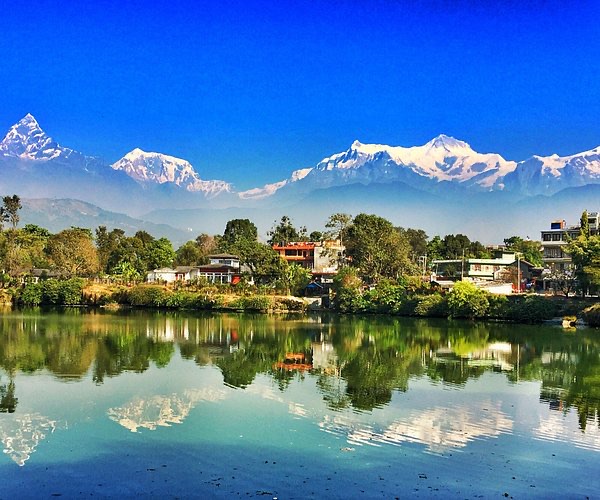
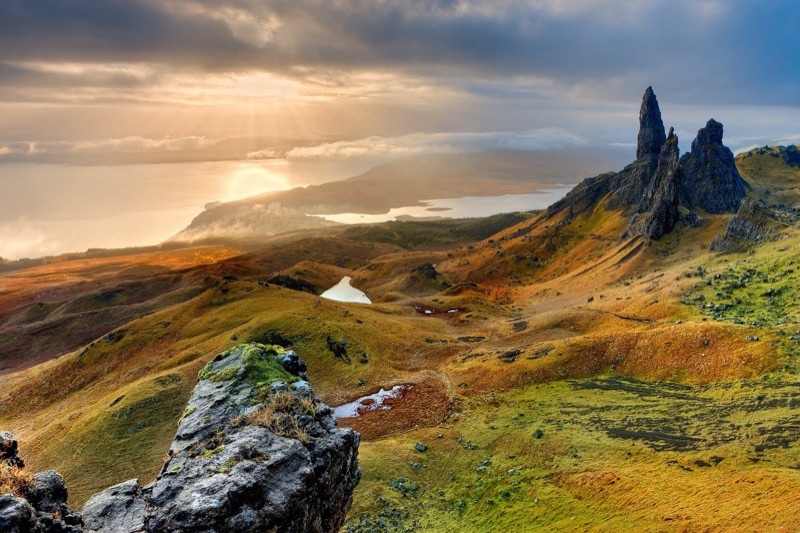
⚡ The TL;DR Verdict
For budget-conscious trekkers seeking deep cultural immersion and high-altitude challenges, Nepal is the clear choice, offering experiences for around $20-30 USD per day. Those prioritizing diverse landscapes, comfortable infrastructure, rich history, and easy self-drive options should choose Scotland, expecting $120-180 USD per day.
- Choose Nepal: You are a budget traveler, an avid trekker, or someone seeking profound spiritual and cultural engagement in a less developed setting.
- Choose Scotland: You prefer comfortable travel, dramatic scenery accessible by car, ancient castles, and a developed European travel experience, without extreme physical demands.
- Choose Both: If you have ample time (4-6 weeks) and budget, combine Nepal for its unique Himalayan experience with Scotland for its historic cities and island explorations. Do Nepal first for the contrast.
Choose Nepal
Nepal is best for adventurous, budget-conscious trekkers eager to challenge themselves on world-renowned Himalayan trails like the Everest Base Camp or Annapurna Circuit. Seek profound cultural and spiritual immersion in vibrant Kathmandu or tranquil mountain villages, all while managing expenses around $20-30 USD daily. It's ideal for those prioritizing raw, authentic experiences over luxury.
Choose Scotland
Scotland is perfect for travelers who crave dramatic, easily accessible scenery, ancient history, and comfortable self-drive adventures. Explore iconic castles, navigate the rugged Highlands to discover hidden lochs, or soak in the vibrant culture of Edinburgh or Glasgow. Best for those seeking a developed European experience with stunning landscapes and rich heritage, expecting $120-180 USD per day.
Quick Comparison
| Category | Nepal | Scotland | Winner |
|---|---|---|---|
| Costs & Budget | Extremely budget-friendly. Daily expenses are low for accommodation, food, and local transport. Trekking permits are a main cost. | A higher-cost European destination. Accommodation, transport, and food prices are significantly above Nepal. Exchange rate is less favorable for many. | Nepal |
| Nature & Outdoors | Home to the worlds highest mountains, including Everest. Offers extensive trekking, mountaineering, and white-water rafting opportunities. | Dramatic lochs, glens, and rugged coastlines. Features accessible hiking trails, island exploration, and wildlife spotting opportunities. | Nepal |
| Culture & History | Ancient Hindu and Buddhist traditions, intricate temples, stupas, and living heritage sites in Kathmandu Valley. | Rich history of clans, castles, Jacobite rebellions, and historic cities like Edinburgh. Features museums and archaeological sites. | Scotland |
| Food & Drink | Primarily Dal Bhat (lentil soup, rice, curries), momos (dumplings), and local Nepali tea. Limited international variety outside cities. | Hearty pub fare, seafood, traditional Scottish dishes like haggis, and world-renowned whisky. Offers diverse international cuisine in cities. | Scotland |
| Getting There | Long-haul flights to Kathmandu, typically involving one or two layovers from most global hubs. Airfare can be high. | Direct flights available from major North American and European cities to Edinburgh or Glasgow. Shorter travel times for many. | Scotland |
| Getting Around | Relies on local buses, jeeps, domestic flights for distant areas, and extensive walking. Roads can be rough. | Excellent road network for self-driving, efficient train and bus services, especially between major cities. Ferries for islands. | Scotland |
| Accommodation | Basic teahouses on treks, guesthouses in cities. Comfort is simple, but very affordable. Limited luxury options. | Wide range from hostels to luxury hotels, charming B&Bs, and self-catering cottages. Higher standards of comfort and amenities. | Tie |
| Safety & Health | Generally safe for tourists, but petty crime in cities. Trekking carries inherent risks. Altitude sickness is a concern. | Very low crime rates. Main risks are weather-related during outdoor activities. Healthcare is high quality. | Scotland |
| Solo Travel | Excellent for meeting other travelers on trekking routes. Local interactions are generally welcoming. Budget-friendly for solos. | Easy to navigate independently, good public transport. Pub culture facilitates meeting locals. Higher cost for single supplements. | Nepal |
| Weather & Seasons | Monsoon (June-Sept) is wet. Best for trekking: autumn (Oct-Nov) and spring (March-May). Winters are cold at altitude. | Temperatures are mild. Summers (June-Aug) are cool but can be wet. Winters are cold and dark. Rain is common year-round. | Tie |
💸 Costs & Budget
Nepal consistently ranks among the most affordable long-haul destinations. A budget traveler can manage on Nrs 2500-4000 ($19-30 USD) per day, including simple guesthouse…
Nepal
Scotland
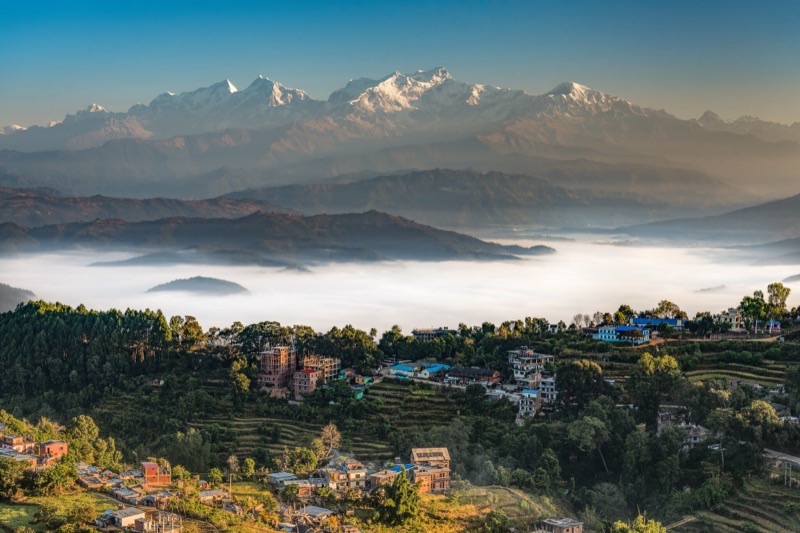
Nepal consistently ranks among the most affordable long-haul destinations. A budget traveler can manage on Nrs 2500-4000 ($19-30 USD) per day, including simple guesthouse accommodation (Nrs 1000-2000 / $7-15 USD), two local meals (dal bhat Nrs 300-600 / $2-4 USD), and local transport. Trekking permits, like the Annapurna Conservation Area Permit (ACAP) at Nrs 3000 ($22 USD) and TIMS card at Nrs 2000 ($15 USD) add to the cost, but are one-time fees. Even guided treks can be done economically, often around $50-70 USD per day all-inclusive.
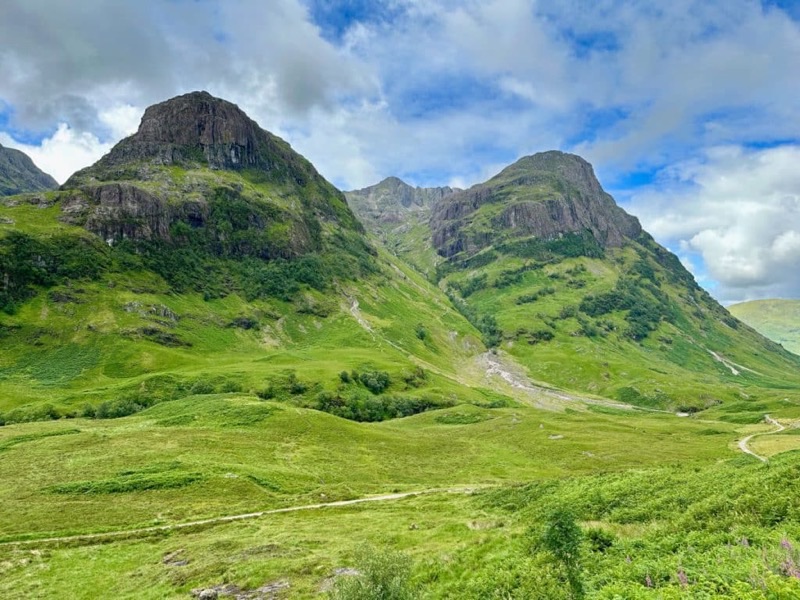
Scotland is a Western European country with corresponding price levels. Expect to spend £100-150 ($125-190 USD) per day for a mid-range experience. Accommodation, even budget B&Bs or hostels, runs £60-100 ($75-125 USD) per night. A pub meal with a drink can cost £20-30 ($25-38 USD). Car rental is often necessary for touring the Highlands, adding significant expense. Public transport is efficient but can be pricey, a train from Edinburgh to Inverness costs around £30-50 ($38-63 USD) one way. Nepal wins for anyone watching their wallet.
- Winner: Nepal
- Why: Nepal offers significantly lower daily expenses for food, accommodation, and transport, making extended trips highly economical.
- Who this matters for: Budget travelers, backpackers, and those seeking long-term travel.
🏞️ Nature & Outdoors
Nepals outdoor offerings are dominated by the Himalayas. Treks like the Everest Base Camp (EBC) or Annapurna Circuit provide views of 8000m+ peaks, requiring significant physical…
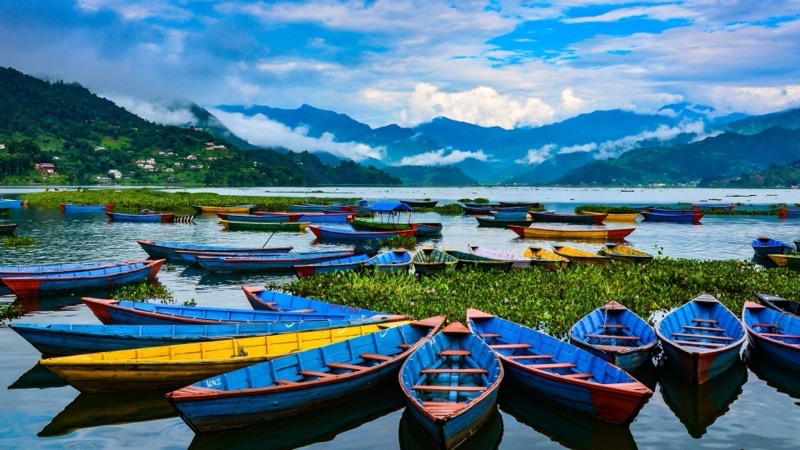
Nepal
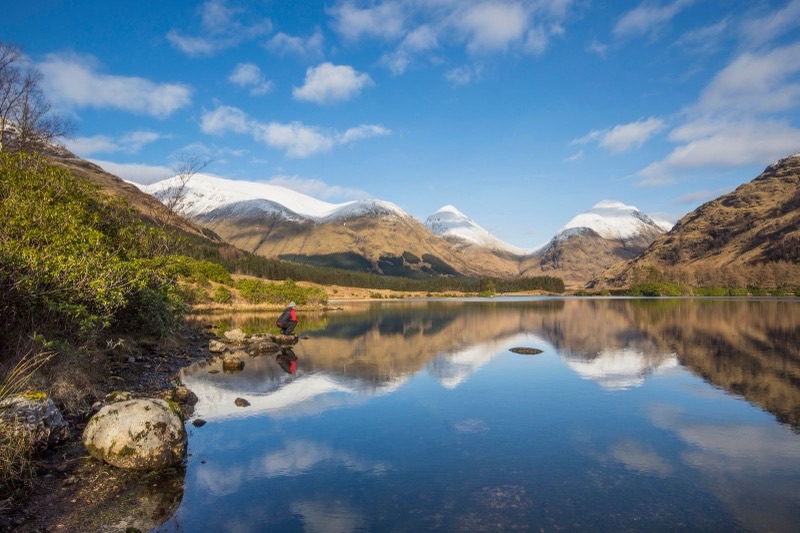
Scotland
Nepals outdoor offerings are dominated by the Himalayas. Treks like the Everest Base Camp (EBC) or Annapurna Circuit provide views of 8000m+ peaks, requiring significant physical exertion and several weeks. Other adventures include paragliding in Pokhara (Nrs 12000 / $90 USD), white-water rafting on the Trishuli River (Nrs 6000-8000 / $45-60 USD per day trip), and jungle safaris in Chitwan National Park. The landscape is primarily high-altitude mountains, terraced hillsides, and subtropical jungles in the south. Access often involves long bus rides on winding roads or domestic flights.
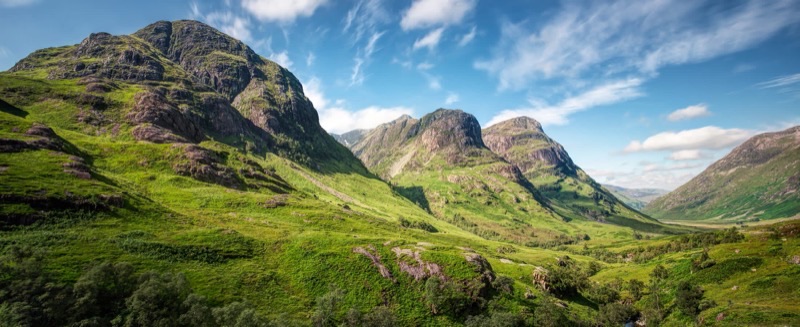
Scotland presents diverse natural environments, from the rolling Southern Uplands to the ancient Caledonian Forest and the dramatic sea cliffs of the Outer Hebrides. Iconic drives through Glencoe or around the Isle of Skye reveal impressive scenery. Hiking is popular, with trails like the West Highland Way (96 miles / 154 km) or various munro bagging routes. Wildlife includes red deer, golden eagles, and marine life like puffins and seals. Activities like kayaking in a sea loch or mountain biking in the Cairngorms are popular. While Scotland is undeniably rugged and beautiful, Nepal offers a scale of mountain grandeur not found anywhere else. Nepal takes this for its sheer magnitude.
- Winner: Nepal
- Why: Nepal provides unparalleled access to the worlds highest mountain ranges and epic, multi-week trekking adventures.
- Who this matters for: Serious trekkers, mountaineers, and those seeking extreme high-altitude natural experiences.
🏛️ Culture & History
Nepals cultural landscape is deeply spiritual, centered around Hinduism and Buddhism. The Kathmandu Valley is a UNESCO World Heritage site, containing ancient cities like…
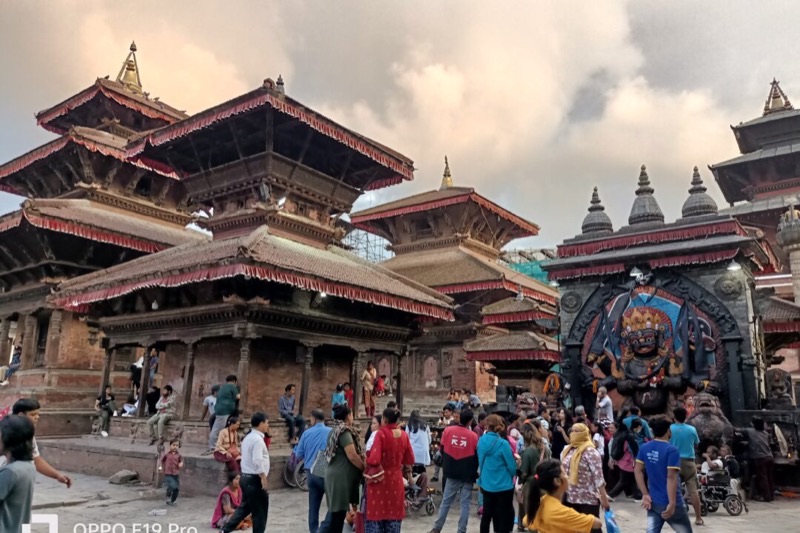
Nepal
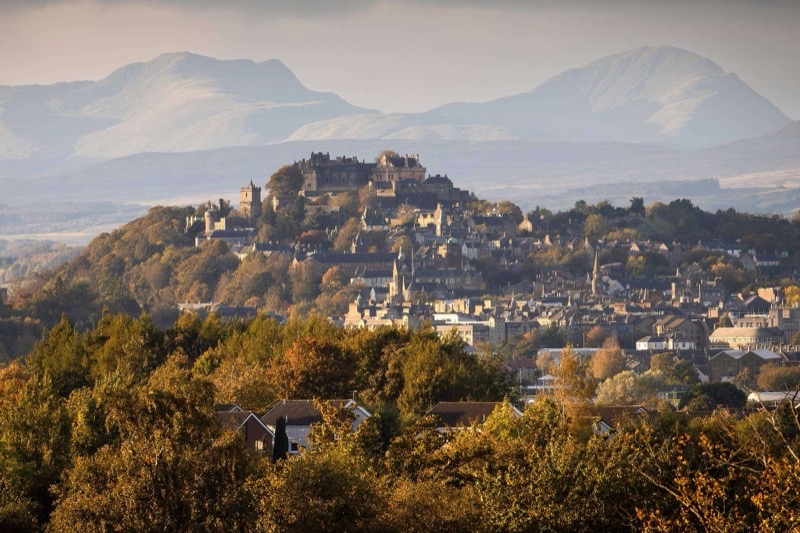
Scotland
Nepals cultural landscape is deeply spiritual, centered around Hinduism and Buddhism. The Kathmandu Valley is a UNESCO World Heritage site, containing ancient cities like Kathmandu Durbar Square (entry Nrs 1000 / $7.50 USD), Bhaktapur (Nrs 1500 / $11 USD), and Patan. Swayambhunath (Monkey Temple) and Boudhanath Stupa are important pilgrimage sites. Festivals like Dashain and Tihar are celebrated with fervor, offering insight into local life. Interaction with local communities, especially during treks, provides a genuine look at traditional Nepalese existence. The culture is a living, breathing part of daily life.
Scotland boasts a lengthy history dating back to prehistoric times. Its castles, from the well-preserved Edinburgh Castle (£19.50 / $24 USD entry) to the atmospheric ruins of Urquhart Castle on Loch Ness (£13 / $16 USD), tell tales of kings and clans. Historic cities like Edinburgh, with its Royal Mile and Old Town, and Glasgow, known for its Victorian architecture and vibrant arts scene, offer many museums and galleries. The National Museum of Scotland is free to enter and covers Scottish history comprehensively. The Jacobite story and the legacy of figures like Robert the Bruce are embedded in the national consciousness. Scotland wins for its tangible, easily accessible historical sites and narrative depth.
- Winner: Scotland
- Why: Scotland offers a more accessible and varied historical narrative through its well-preserved castles, museums, and historic cities.
- Who this matters for: History buffs, those interested in European monarchies and clan systems, and visitors who prefer well-interpreted heritage sites.
🍜 Food & Drink
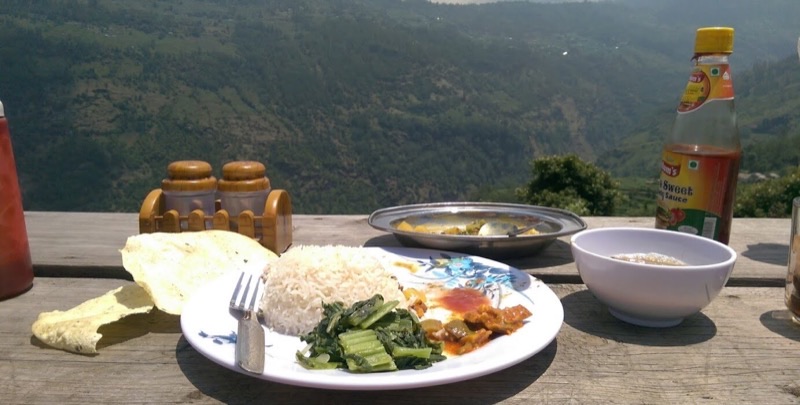
Nepalese cuisine is simple and sustaining. Dal Bhat is the national dish, a staple of rice, lentil soup, and curried vegetables, often with meat, served as an all-you-can-eat…
Nepal

Scotland
Nepalese cuisine is simple and sustaining. Dal Bhat is the national dish, a staple of rice, lentil soup, and curried vegetables, often with meat, served as an all-you-can-eat meal. Momos, small dumplings, are a popular snack, available for Nrs 200-400 ($1.50-3 USD). Trekking routes offer basic meals in teahouses. In Kathmandu and Pokhara, international options exist but are usually more expensive and not always up to Western standards. Local tea, often with milk and sugar, is common, as is local raksi (rice wine) or Everest beer.
Scotland offers a robust culinary scene, especially in its cities. Traditional dishes include haggis (often served with neeps and tatties), Cullen Skink (smoked haddock soup), and various game meats. Seafood is excellent, particularly on the coasts and islands. Pubs are central to social life, offering good food and a selection of local beers and ciders. Of course, Scottish whisky is globally famous, with distilleries offering tours and tastings (£15-30 / $19-38 USD per tour). Major cities like Edinburgh and Glasgow have many restaurants, from Michelin-starred establishments to diverse ethnic eateries. Scotland delivers a broader and more refined culinary experience. Scotland wins for culinary variety and its unique drink culture.
- Winner: Scotland
- Why: Scotland provides a greater diversity of high-quality food options, from traditional pub meals to seafood and its globally recognized whisky culture.
- Who this matters for: Foodies, whisky enthusiasts, and travelers who appreciate a varied and high-standard dining experience.
✈️ Getting There
Flying to Nepal almost always means landing at Tribhuvan International Airport (KTM) in Kathmandu. From a major hub like New York (JFK), flights typically take 18-24 hours with…

Nepal
Scotland
Flying to Nepal almost always means landing at Tribhuvan International Airport (KTM) in Kathmandu. From a major hub like New York (JFK), flights typically take 18-24 hours with one or two stops, often in the Middle East (e.g., Doha, Dubai) or India. Airfares range from $1000-1500 USD return, varying seasonally. From London, flights are around 10-14 hours with one stop, costing £600-900. The journey is long and can be tiring, requiring careful planning to manage jet lag.
Scotland is much more accessible for many international travelers. Edinburgh Airport (EDI) and Glasgow Airport (GLA) serve direct flights from several North American cities. A direct flight from New York (JFK) to Edinburgh takes approximately 7-8 hours, with return fares often in the $600-900 USD range. From continental Europe, many low-cost carriers offer short, affordable flights. The travel time is significantly less for travelers coming from Europe and North America, and direct options reduce layover stress. Scotland provides a quicker and often more convenient arrival for a large segment of international travelers.
- Winner: Scotland
- Why: Scotland offers shorter flight times and more direct routes from major Western hubs, making arrival less arduous.
- Who this matters for: Travelers with limited vacation time, those who dislike long flights, and visitors from North America or Europe.
🚌 Getting Around
In Nepal, getting around is an adventure. Long-distance travel between cities like Kathmandu and Pokhara (200km) takes 6-8 hours by bus due to winding, mountainous roads, costing…
In Nepal, getting around is an adventure. Long-distance travel between cities like Kathmandu and Pokhara (200km) takes 6-8 hours by bus due to winding, mountainous roads, costing around Nrs 800-1200 ($6-9 USD) for a tourist bus. Local buses are cheaper but slower and often crowded. Domestic flights, though more expensive (e.g., Kathmandu-Pokhara Nrs 5000-10000 / $38-75 USD), are a faster option for longer distances or remote areas, but can be subject to weather delays. Within cities, taxis and ride-sharing apps (like Tootle or Pathao) are common. For treks, it is primarily on foot. The infrastructure for transport is basic but functional.
Scotland offers a well-developed transport system. Self-driving a rental car is a popular and recommended way to explore the Highlands and islands, providing flexibility. Roads are generally well-maintained, though some single-track roads in rural areas require careful driving. Train services connect major cities efficiently, for example, Edinburgh to Glasgow takes about 50 minutes and costs around £15-20 ($19-25 USD). Buses are comprehensive and reach most towns. Ferries are essential for island hopping in the Hebrides. The ease and comfort of getting around in Scotland are a major advantage for independent travelers. Scotland wins for its comfortable and reliable transport options.
- Winner: Scotland
- Why: Scotland boasts a superior transport infrastructure, offering comfortable train travel, comprehensive bus routes, and excellent roads for self-driving.
- Who this matters for: Independent travelers, those who prefer comfort and efficiency, and visitors planning to explore rural areas extensively.
🏨 Accommodation
Nepal offers very affordable accommodation. In Kathmandu or Pokhara, guesthouses with private rooms and bathrooms can be found for Nrs 1000-2500 ($7-19 USD) per night. On treks,…
Nepal offers very affordable accommodation. In Kathmandu or Pokhara, guesthouses with private rooms and bathrooms can be found for Nrs 1000-2500 ($7-19 USD) per night. On treks, teahouses are the standard, offering simple rooms, often with shared bathrooms, for Nrs 300-1000 ($2-7 USD). Many teahouses expect trekkers to eat their meals there. Hot water is sometimes extra, and heating is rare in rooms. While basic, these options provide a functional place to sleep and connect with fellow travelers. Luxury hotels exist in Kathmandu but are significantly more expensive.
Scotland provides a broad spectrum of accommodation. Hostels in cities can cost £20-40 ($25-50 USD) for a dorm bed. Charming B&Bs, often with breakfast included, are very popular in towns and rural areas, typically costing £70-120 ($88-150 USD) per night. Hotels range from budget chains to luxurious five-star properties. Self-catering cottages or apartments are also common, especially for families or longer stays. Standards of comfort are generally high, with heating and private bathrooms being standard. This is a tie because both excel at catering to their respective traveler types. Nepal provides exceptional value for basic needs, Scotland offers diverse comfort options.
- Winner: Tie
- Why: Both destinations offer excellent accommodation options tailored to their respective travel styles and budgets.
- Who this matters for: All travelers; budget-conscious travelers will appreciate Nepals value, while comfort-seekers will prefer Scotlands variety.
🚨 Safety & Health
Nepal is generally considered safe for tourists, with friendly locals. Petty crime like pickpocketing can occur in crowded areas of Kathmandu. Traffic is chaotic, and road safety…
Nepal is generally considered safe for tourists, with friendly locals. Petty crime like pickpocketing can occur in crowded areas of Kathmandu. Traffic is chaotic, and road safety is a concern. The main safety considerations for travelers are health-related: food and water hygiene (always drink bottled or purified water), and altitude sickness on treks. Comprehensive travel insurance is essential. Emergency services in remote areas are limited, and helicopter evacuations can be very expensive. Guides and porters are recommended for high-altitude treks to ensure safety and navigation.
Scotland is one of the safest countries in Europe with very low crime rates. Major cities like Edinburgh and Glasgow are safe, even at night, though standard precautions against petty theft apply. The main safety risks come from outdoor activities: changeable weather in the Highlands can quickly turn conditions dangerous for hikers, and proper gear is vital. Driving on single-track roads requires awareness. Access to high-quality healthcare is readily available across the country. For overall peace of mind and robust infrastructure, Scotland has the edge. Scotland wins for its high safety standards and reliable infrastructure.
- Winner: Scotland
- Why: Scotland offers a generally safer environment with very low crime rates and reliable, accessible healthcare services.
- Who this matters for: Families, solo female travelers, and those prioritizing a low-risk travel experience.
🚶♀️ Solo Travel
Nepal is an exceptional destination for solo travelers, especially those interested in trekking. On popular routes like Annapurna Base Camp or Everest Base Camp, you will meet…
Nepal is an exceptional destination for solo travelers, especially those interested in trekking. On popular routes like Annapurna Base Camp or Everest Base Camp, you will meet many other independent trekkers, making it easy to form small groups or find companions. Teahouses are communal, fostering interaction. Locals are generally welcoming and curious. The low cost of travel means solo supplements are minimal. Navigating cities like Kathmandu solo can be overwhelming due to traffic, but guides or local apps help. Womens safety is generally good, but basic precautions apply, particularly at night. The shared experience on treks is a major plus.
Scotland is also a good option for solo travel. Its efficient public transport system and safe environment make independent navigation straightforward. Pubs provide a natural setting for meeting locals. However, solo travelers might face higher costs for accommodation compared to sharing, as many B&Bs price per room. Car rental can also be more expensive for one person. While Scotland offers freedom and safety, Nepal wins for its inherent social structure for solo trekkers and its minimal financial penalty for traveling alone. Nepal takes this for its communal trekking environment.
- Winner: Nepal
- Why: Nepal provides a built-in social network for solo travelers on trekking routes, making it easy to connect with others.
- Who this matters for: Adventure-seeking solo travelers, backpackers, and those looking to share experiences on the trail.
☀️ Weather & Seasons
Nepals weather is highly seasonal and elevation-dependent. The monsoon season (June to September) brings heavy rainfall, making trekking difficult due to leeches and obscured…
Nepals weather is highly seasonal and elevation-dependent. The monsoon season (June to September) brings heavy rainfall, making trekking difficult due to leeches and obscured views. Autumn (October to November) is the prime trekking season, offering clear skies, moderate temperatures, and dry trails. Spring (March to May) is also good, with rhododendrons blooming, though it can be hazier. Winters (December to February) are very cold at high altitudes, with heavy snowfall, limiting trekking. Kathmandu has pleasant winters but hot, humid summers.
Scotland is known for its changeable weather. Summers (June to August) are the warmest, with average temperatures around 15-20°C (59-68°F), but rain is frequent. Daylight hours are very long. Autumn (September to November) brings cooler temperatures and vibrant foliage, but also more rain. Winters (December to February) are cold, dark, and often wet, with snow in the Highlands. Spring (March to May) sees improving weather but can still be chilly and wet. Midges (tiny biting insects) are a serious nuisance in summer, especially in the Highlands. Both have distinct best and worst times to visit depending on activity. This category is a tie as both require careful seasonal planning.
- Winner: Tie
- Why: Both destinations have distinct seasonal patterns that dictate the best time for specific activities, requiring careful planning.
- Who this matters for: All travelers, as weather significantly impacts the viability and enjoyment of planned activities in both regions.
🎯 The Decision Framework
Choose Nepal If…
- You crave high-altitude trekking to Everest Base Camp or the Annapurna Circuit.
- Your budget is $20-30 USD per day for a comfortable experience.
- You seek deep immersion in ancient Hindu and Buddhist spiritual practices.
- You are excited by simple, hearty local food like Dal Bhat and momos.
- You appreciate the challenge of basic infrastructure and local transport.
- You want to connect with other trekkers in a communal mountain environment.
- You are interested in white-water rafting or jungle safaris.
- You prefer to travel during the dry, clear autumn or spring months.
- You enjoy the raw, unfiltered experience of a less-developed country.
Choose Scotland If…
- You dream of exploring ancient castles and historic cities like Edinburgh.
- You plan to self-drive through dramatic lochs and glens of the Highlands.
- You want to indulge in world-renowned whisky tastings at distilleries.
- You prefer comfortable accommodation, modern amenities, and reliable transport.
- Your daily budget allows for $120-180 USD for mid-range travel.
- You appreciate hearty pub meals, fresh seafood, and diverse dining options.
- You prefer shorter, more direct flights from North America or Europe.
- You value high safety standards and readily available healthcare.
- You enjoy exploring rugged coastlines and islands like Skye.
❓ Frequently Asked Questions
Which destination is better for adventure sports?
Nepal offers high-altitude trekking, mountaineering, paragliding, and white-water rafting, providing serious challenges. Scotland has excellent hiking, mountain biking, and kayaking, but without the extreme altitude of Nepal. For truly epic, life-list adventure, Nepal edges out Scotland.
Is it possible to visit both Nepal and Scotland in one trip?
Visiting both is ambitious but possible if you have at least 4-6 weeks and a substantial budget. The flight between them will be long (12-18 hours with layovers) and costly ($800-1200+ USD). Consider focusing on one for a more in-depth experience.
What is the primary language spoken in each country?
In Nepal, Nepali is the official language, but English is widely spoken in tourist areas, especially by guides, hotel staff, and in major cities. In Scotland, English is the primary language, with Scottish Gaelic spoken by a small minority, mainly in the Highlands and islands.
How do the flight times compare from North America?
Flights from major North American cities to Nepal (Kathmandu) typically take 18-24 hours with 1-2 layovers. Flights to Scotland (Edinburgh or Glasgow) are significantly shorter, often 7-8 hours direct from the East Coast, or 10-12 hours with one stop from the West Coast.
Which destination offers better photography opportunities?
Both are exceptional. Nepal provides dramatic mountain vistas, spiritual temples, and vibrant street scenes. Scotland offers sweeping landscapes of lochs and glens, historic castles, and rugged coastlines. It depends on your preferred subject matter, but both are very photogenic.
What kind of local interactions can I expect?
In Nepal, interactions are often humble and direct, especially in rural areas and on treks where you meet villagers. In Scotland, interactions are generally friendly and polite, particularly in pubs and smaller towns. Both offer genuine opportunities to connect with locals.
Are there any specific health precautions for either country?
For Nepal, consult a doctor regarding vaccinations (Typhoid, Hepatitis A), malaria prevention for low-lying areas, and take precautions against altitude sickness. In Scotland, standard travel vaccinations are usually sufficient. Always ensure you have comprehensive travel insurance for both.
Which country is better for a honeymoon?
Scotland is generally better suited for honeymoons, offering romantic castle stays, scenic drives, luxury accommodations, and gourmet dining experiences. Nepal is more for adventurous couples seeking physical challenges and a shared, rustic experience, which might not be everyones idea of a honeymoon.
Ready to plan your next adventure?
Get a free custom itinerary for Nepal, Scotland, or both — built from real traveler insights.
🎟️ Book Tours & Experiences
Hand-picked tours and activities for both destinations — book with free cancellation
Experiences via Viator — free cancellation on most tours