How we built this comparison
This page combines traveler discussion patterns, published price ranges, flight schedules, and seasonal data to help you decide between Nepal and Uae.
- Reviewed 70+ Reddit threads from r/travel, r/solotravel, r/Nepal, r/Dubai, r/UAE
- Verified costs and logistics against current booking platforms like Booking.com, Skyscanner, and local tour operators
- Cross-referenced seasonal patterns and weather data from meteorological sources and traveler reports
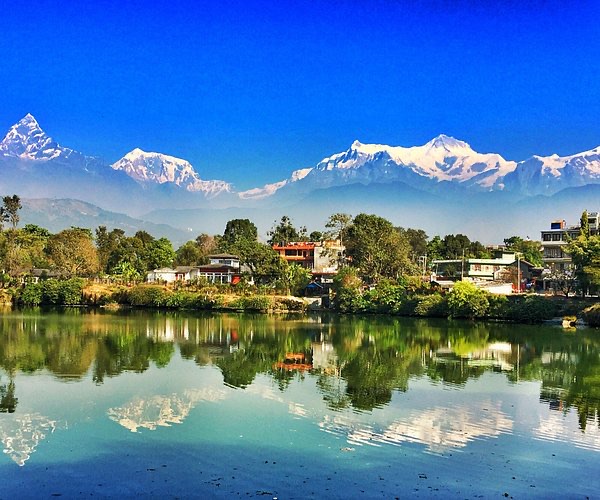
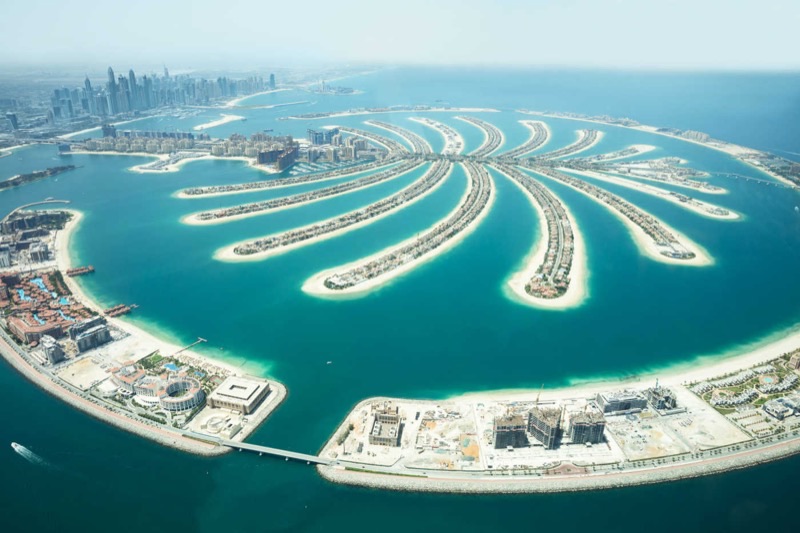
⚡ Quick Answers
⚡ The TL;DR Verdict
For most travelers seeking authentic cultural immersion, outdoor activity, and significant budget savings, Nepal is the stronger pick, typically costing $30-60 per day. UAE caters to those desiring modern luxury, comfort, and direct access to high-end experiences, with a more substantial daily budget of $150-300.
- Choose Nepal: You prioritize outdoor activities, spiritual experiences, ancient culture, and a genuinely low travel cost. You are comfortable with simpler accommodations and slower travel paces.
- Choose Uae: You seek modern amenities, impressive architecture, desert adventures, and a focus on luxury shopping and dining. You have a generous budget and prefer efficiency and polished service.
- Choose Both: If you have ample time (3+ weeks) and budget, combine them. Start with Nepal for adventure and culture, then use UAE as a luxurious stopover or a complete change of pace to relax and indulge.
Choose Nepal
Choose Nepal if you dream of conquering Himalayan treks like Annapurna or Everest, immersing yourself in the ancient spirituality of Kathmandu's Durbar Squares, and connecting deeply with local culture. It's best for adventurous, budget-conscious travelers (expecting $30-60/day) who prioritize authentic experiences over modern luxuries and enjoy a slower pace.
Choose Uae
Opt for the UAE to indulge in unparalleled luxury, marvel at architectural wonders like the Burj Khalifa, and enjoy world-class shopping and dining in Dubai's opulent Downtown district. This destination is perfect for those seeking polished service, thrilling desert safaris, and a high-end, efficient travel experience, with a daily budget around $150-300.
📊 Visual Scorecard
🌤 When to Visit
Average high temperatures (°C). Green = best months, orange = avoid.
Quick Comparison
| Category | Nepal | Uae | Winner |
|---|---|---|---|
| Costs | Significantly cheaper for almost everything: food, transport, accommodation, activities. | One of the most expensive travel destinations globally, especially for leisure and dining. | Nepal |
| Culture & History | Ancient temples, living traditions, spiritual practices, deep-rooted local customs. | Modern Islamic culture, rapid development history, impressive contemporary architectural feats. | Nepal |
| Nature & Adventure | World-class trekking, mountaineering, whitewater rafting, paragliding in stunning mountain landscapes. | Desert safaris, dune bashing, indoor skiing, manufactured beach experiences, water parks. | Nepal |
| Food Scene | Comfort food like dal bhat, momos, simple but flavorful, often vegetarian-friendly. | Global culinary hub with diverse international cuisines, high-end dining, Middle Eastern specialties. | Uae |
| Getting There | Fewer direct long-haul flights, often requires layovers, more budget airline options via Southeast Asia. | Major international hub with excellent direct connections globally, especially from Europe and Asia. | Uae |
| Getting Around | Local buses, shared jeeps, taxis, internal flights for long distances. Roads can be challenging. | Modern metro system, extensive taxi network, good quality roads, rental cars. | Uae |
| Accommodation | Budget-friendly guesthouses, lodges, and simple hotels. Unique tea houses on treks. | Abundance of luxury hotels, serviced apartments, some mid-range options, very few budget choices. | Nepal |
| Safety | Generally safe, but be aware of petty theft, road safety, and trekking risks. Political protests can occur. | Extremely safe with low crime rates, strict laws. Traffic can be aggressive. Female solo travelers feel very secure. | Uae |
| Solo Travel | Easy to meet other travelers, well-trodden routes, helpful locals. Language barrier can be a minor issue. | Very safe, easy navigation, but can feel less personal for interaction. More expensive for single occupancy. | Tie |
| Shopping | Local crafts, trekking gear, pashminas, thangka paintings, unique souvenirs. | Luxury brands, global fashion, electronics, gold, spices. Huge, modern malls. | Uae |
💸 Costs
Nepal offers exceptional value for money, making it a dream for budget travelers. A basic guesthouse room can be found for NPR 1000-2000 ($7-15) per night outside of peak trekking…
Nepal
Uae
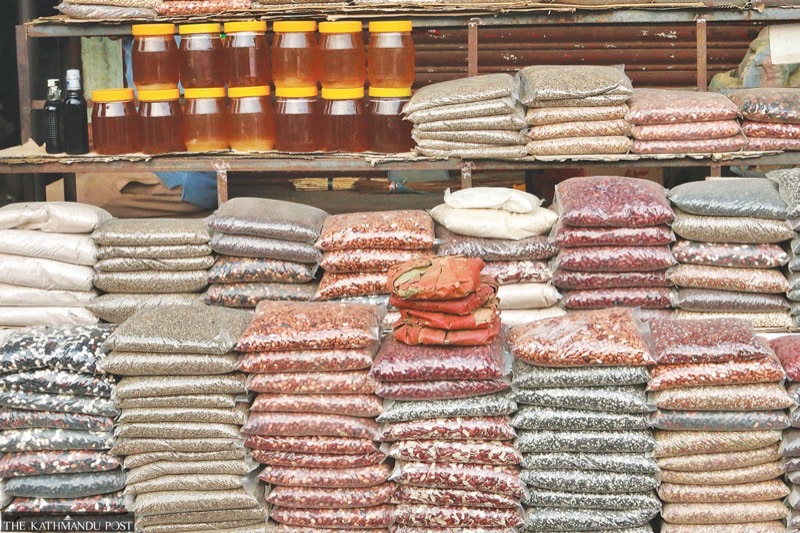
Nepal offers exceptional value for money, making it a dream for budget travelers. A basic guesthouse room can be found for NPR 1000-2000 ($7-15) per night outside of peak trekking season. A hearty local meal like dal bhat costs NPR 250-400 ($2-3), and even tourist-oriented meals rarely exceed NPR 800 ($6). Local bus travel between cities like Kathmandu and Pokhara costs around NPR 800-1200 ($6-9), while a local taxi for short distances in Kathmandu is NPR 200-500 ($1.5-4). Trekking permits for Annapurna Conservation Area (ACAP) or Everest region (Sagarmatha National Park) are around NPR 3000 ($22) plus TIMS card for NPR 2000 ($15). Daily expenses for a comfortable backpacker stay, including food, transport, and a few activities, can easily sit around $30-60 per person.
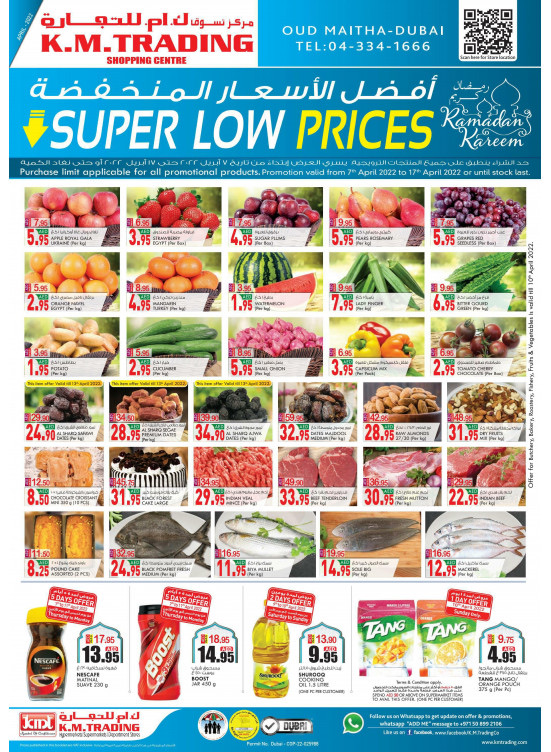
UAE, specifically Dubai and Abu Dhabi, operates at a different price point entirely. A mid-range hotel room costs AED 300-600 ($80-165) per night, with budget options rare and often less appealing. Dining out, even at casual eateries, can quickly add up, with a basic shawarma combo costing AED 25-40 ($7-11) and a sit-down meal at a modest restaurant starting from AED 80-150 ($22-41) per person. Public transport like the Dubai Metro is efficient but not cheap, with a single journey costing AED 5-7 ($1.4-1.9). Entrance to attractions like the Burj Khalifa 'At The Top' starts at AED 169 ($46), and a desert safari tour can be AED 200-400 ($55-110). Expect daily expenses for a mid-range traveler to be $150-300, and significantly more for luxury. The tabiji verdict: Nepal is the clear winner if your wallet has any say in your travel plans.
- Winner: Nepal
- Why: Nepal provides a much more affordable experience across all categories, allowing for longer stays and more activities on a smaller budget.
- Who this matters for: Budget travelers, long-term backpackers, and anyone who wants to stretch their travel funds.
🏛️ Culture & History
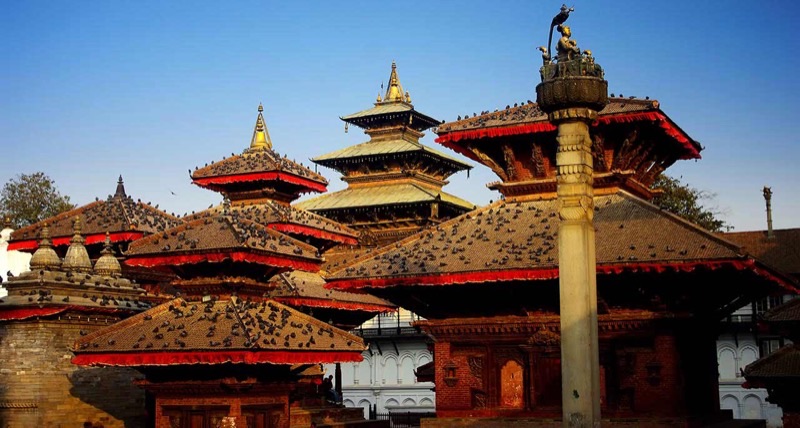
Nepal is a living museum, with its history evident in every brick of its ancient cities. Kathmandu Valley's UNESCO World Heritage Sites, including Durbar Squares of Kathmandu,…
Nepal
Uae
Nepal is a living museum, with its history evident in every brick of its ancient cities. Kathmandu Valley's UNESCO World Heritage Sites, including Durbar Squares of Kathmandu, Patan, and Bhaktapur, as well as the Boudhanath Stupa and Swayambhunath (Monkey Temple), showcase centuries of Newari architecture, Hindu and Buddhist traditions. You can observe daily pujas, monks chanting, and artisans practicing age-old crafts in the narrow alleyways. The culture is deeply interwoven with daily life, from the Everest region's Sherpa traditions to the Terai's Tharu heritage in Chitwan. The spiritual atmosphere is palpable, offering a profound sense of connection to ancient ways that have largely resisted modernization.
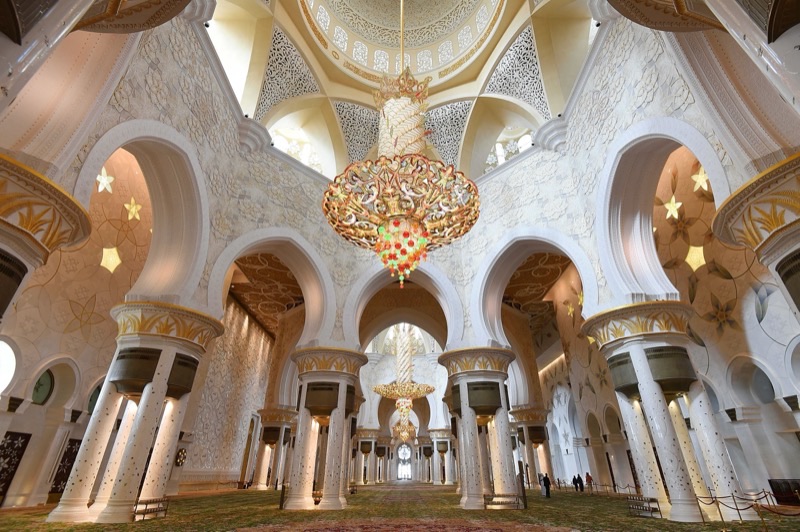
UAE's cultural narrative is one of rapid transformation and aspiration. While it respects its Bedouin past and Islamic heritage, its main draw is its futuristic vision. The Sheikh Zayed Grand Mosque in Abu Dhabi stands as an architectural marvel, a modern interpretation of Islamic design. Dubai's Burj Khalifa, Museum of the Future, and various themed districts represent a culture of innovation and ambition. Historical sites like Al Fahidi Historical Neighbourhood (Bastakiya) in Dubai offer a glimpse into the emirate's pre-oil era, but these are often curated experiences rather than organic, everyday life. The culture is more about experiencing contemporary grandeur and curated luxury than uncovering ancient, untouched traditions. The tabiji verdict: Nepal offers a far deeper, more immersive journey into ancient traditions and spiritual life.
- Winner: Nepal
- Why: Nepal provides an immersive, ancient cultural experience with living traditions and historical sites that feel deeply integrated into daily life.
- Who this matters for: Travelers seeking authentic historical depth, spiritual exploration, and direct engagement with ancient cultures.
🏞️ Nature & Adventure
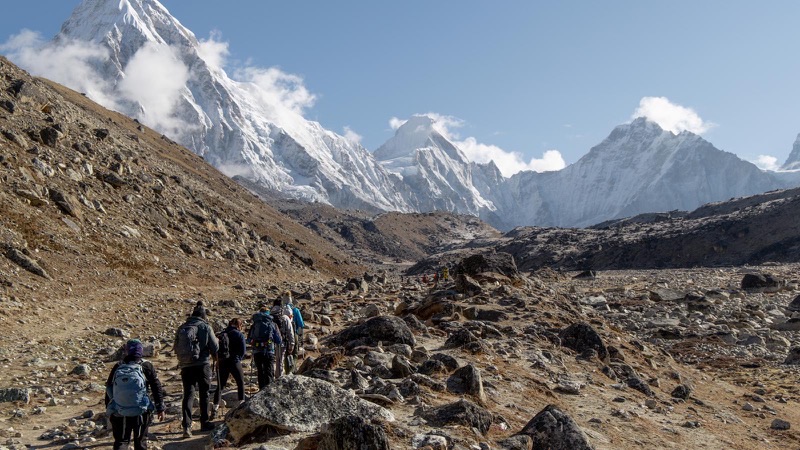
Nepal is synonymous with adventure, primarily due to the Himalayas. The Everest Base Camp trek (12-14 days), Annapurna Circuit (10-17 days), and Langtang Valley trek (7-10 days)…
Nepal
Uae
Nepal is synonymous with adventure, primarily due to the Himalayas. The Everest Base Camp trek (12-14 days), Annapurna Circuit (10-17 days), and Langtang Valley trek (7-10 days) are bucket-list items for hikers globally, offering diverse landscapes from rhododendron forests to high-altitude deserts. Beyond trekking, Pokhara serves as an adventure hub for paragliding, zip-lining, and ultralight flights with views of Machapuchare and Annapurna. Whitewater rafting on rivers like the Trishuli and Bhote Kosi, canyoning, and rock climbing are readily available. Chitwan National Park provides opportunities for wildlife safaris to spot rhinos and tigers. The scale and authenticity of Nepal's natural experiences are hard to match.
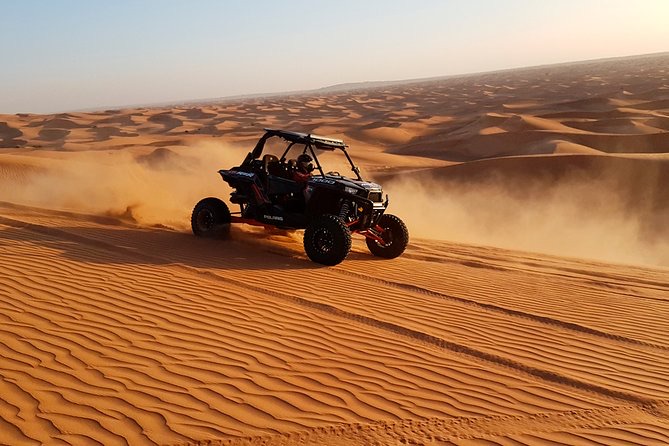
UAE's nature and adventure scene is predominantly desert-based or engineered. Desert safaris are popular, including dune bashing, camel rides, and overnight camping experiences in the Arabian Desert. Wadi Showka in Ras Al Khaimah offers some hiking trails, and Jebel Jais, UAE's highest peak, has a zipline. However, the 'adventure' here often comes with a layer of commercialization and luxury, such as indoor skiing at Ski Dubai or extensive water parks like Atlantis Aquaventure. While these offer thrill and entertainment, they lack the raw, untouched feel of Nepal's wilderness. The beaches are mostly man-made or heavily developed, offering relaxation but little in terms of wild exploration. The tabiji verdict: Nepal is the undisputed champion for authentic, large-scale outdoor adventure and nature immersion.
- Winner: Nepal
- Why: Nepal offers unparalleled, world-class trekking and mountaineering in the Himalayas, along with diverse and authentic outdoor adventures.
- Who this matters for: Adventure seekers, trekkers, mountaineers, and those who prioritize raw, expansive natural landscapes.
🍽️ Food Scene
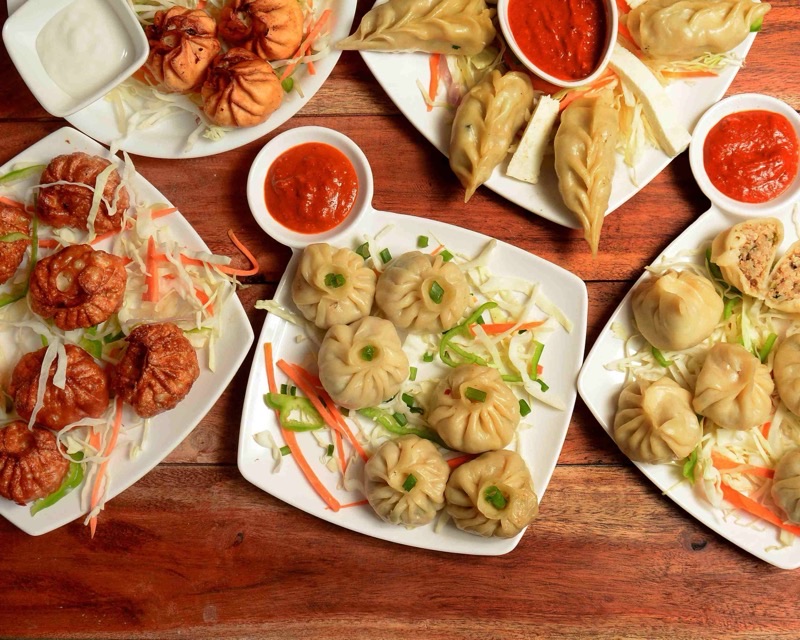
Nepal's food scene is comforting, hearty, and generally budget-friendly. The staple is dal bhat (lentil soup, rice, and vegetable curry), often served in a 'thali' style where you…
Nepal
Uae
Nepal's food scene is comforting, hearty, and generally budget-friendly. The staple is dal bhat (lentil soup, rice, and vegetable curry), often served in a 'thali' style where you get free refills. Momos (dumplings) are ubiquitous and come in various fillings. Newari cuisine, found in Kathmandu Valley, includes specialties like chatamari (rice crepe) and bara (lentil patties). While delicious and authentic, the variety can feel limited over a longer stay, especially for those accustomed to diverse international options. Vegetarian and vegan options are plentiful due to religious practices. Street food is safe in many areas, offering treats like samosas and pani puri for NPR 50-100 ($0.40-0.80).
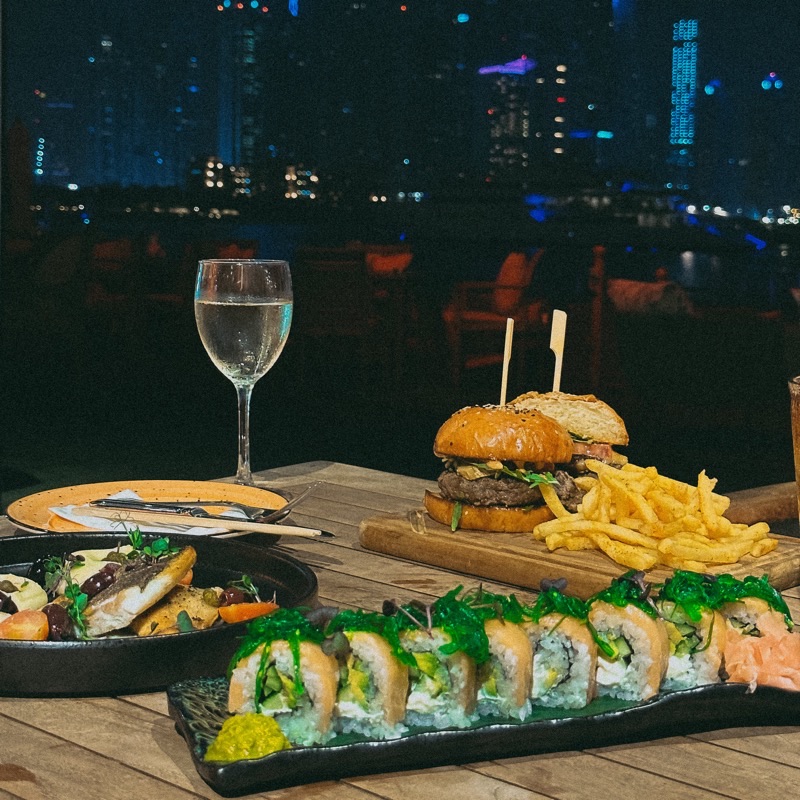
UAE, particularly Dubai, is a global culinary powerhouse. You can find virtually any cuisine imaginable, from Michelin-starred fine dining to budget-friendly street food from various regions. Middle Eastern specialties like shawarma (AED 15-25 / $4-7), falafel, and mandi (rice with meat) are excellent and widely available. Given its diverse expatriate population, there is a strong presence of authentic Indian, Pakistani, Filipino, and Levantine restaurants. The quality of ingredients and presentation, even at mid-range restaurants, is often high. Food experiences range from lavish brunches at five-star hotels to casual meals in bustling areas like Deira. The sheer variety and quality are significant draws. The tabiji verdict: UAE takes the crown for its incredible diversity and high-quality global food offerings.
- Winner: Uae
- Why: UAE offers an incredibly diverse and high-quality global culinary landscape, catering to all tastes and budgets.
- Who this matters for: Foodies, those who appreciate a wide variety of international cuisines, and anyone seeking luxury dining experiences.
✈️ Getting There
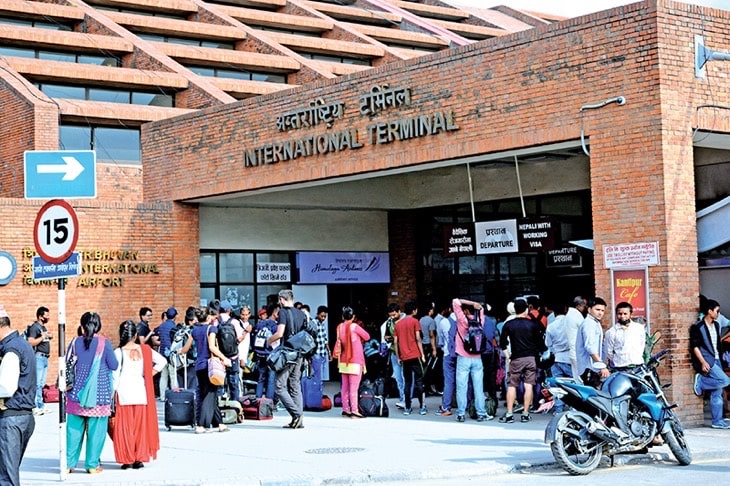
Getting to Nepal typically involves flying into Tribhuvan International Airport (KTM) in Kathmandu. While there are direct flights from some Asian hubs like Delhi, Doha, and Kuala…
Nepal
Uae
Getting to Nepal typically involves flying into Tribhuvan International Airport (KTM) in Kathmandu. While there are direct flights from some Asian hubs like Delhi, Doha, and Kuala Lumpur, long-haul travelers from Europe or North America will almost certainly require at least one layover, often in a Middle Eastern hub (like Doha, Dubai) or another major Asian city. Flight times from London are around 9-11 hours (with layover), and from New York, it can be 16-20 hours. Airlines like Qatar Airways, Turkish Airlines, and Nepal Airlines serve KTM. Ticket prices can vary widely but tend to be higher for last-minute bookings. Visa on arrival is available for most nationalities, costing around $30 for 15 days, $50 for 30 days.
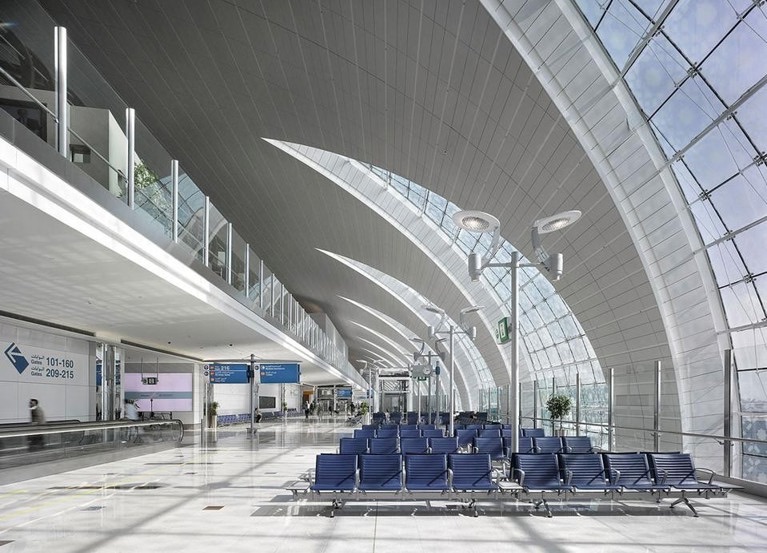
UAE boasts two major international airports, Dubai International (DXB) and Abu Dhabi International (AUH), which are massive global hubs. Both Emirates (DXB) and Etihad Airways (AUH) are renowned carriers offering extensive direct connections to virtually every major city worldwide. This means shorter, more convenient travel, especially from Europe (e.g., London to Dubai is a direct 7-hour flight) and North America (e.g., New York to Dubai is a direct 12-14 hour flight). The sheer volume of flights and competition often translates to competitive pricing, particularly if booked in advance. Visa requirements vary, with many nationalities eligible for visa-free entry or visa on arrival for up to 30 or 90 days. The tabiji verdict: UAE offers superior connectivity, more direct flights, and generally more convenient travel options.
- Winner: Uae
- Why: UAE has world-class airports and direct flight connections from nearly every major city, making access easy and efficient.
- Who this matters for: Travelers prioritizing direct flights, short travel times, and seamless airport experiences.
🚌 Getting Around
Navigating Nepal requires patience and flexibility. Within cities like Kathmandu, local buses are incredibly cheap (NPR 20-50 / $0.15-0.40) but often crowded and confusing for…
Navigating Nepal requires patience and flexibility. Within cities like Kathmandu, local buses are incredibly cheap (NPR 20-50 / $0.15-0.40) but often crowded and confusing for foreigners. Taxis are readily available but require bargaining, with short rides costing NPR 200-500 ($1.5-4). Ride-hailing apps like Pathao or InDriver offer more transparent pricing. For inter-city travel, tourist buses connect major hubs like Kathmandu, Pokhara, and Chitwan, costing NPR 800-1500 ($6-11) for a 6-8 hour journey. Roads can be poor, winding, and prone to delays. Domestic flights are an option for quicker, but more expensive, travel between cities (e.g., Kathmandu to Pokhara ~ $50-100) or to regional trekking airports like Lukla, but are weather-dependent and have a mixed safety record.
UAE boasts excellent infrastructure for getting around. Dubai has an efficient, air-conditioned metro system that covers many key areas, with fares typically AED 5-7 ($1.4-1.9) per trip. Taxis are plentiful, metered, and reasonably priced by Western standards, with ride-hailing apps like Careem and Uber also widely used. Road quality is outstanding, making car rental a viable and popular option for exploring beyond the main cities. Distances between emirates are manageable; for example, Dubai to Abu Dhabi is a comfortable 1.5-hour drive or a 2-hour bus journey (around AED 25-30 / $7-8). The sheer ease, comfort, and efficiency of transport make exploring UAE a breeze. The tabiji verdict: UAE's modern and extensive transport network makes getting around significantly easier and more comfortable.
- Winner: Uae
- Why: UAE's infrastructure, including its modern metro, reliable taxis, and well-maintained roads, offers a far more comfortable and efficient travel experience.
- Who this matters for: Travelers who prioritize comfort, speed, and ease of navigation, especially in urban environments.
🏨 Accommodation
Nepal's accommodation scene caters primarily to budget and mid-range travelers. In cities like Kathmandu and Pokhara, you can find clean, basic guesthouses for NPR 1000-2000…
Nepal's accommodation scene caters primarily to budget and mid-range travelers. In cities like Kathmandu and Pokhara, you can find clean, basic guesthouses for NPR 1000-2000 ($7-15) per night, often with private bathrooms and sometimes hot water. Mid-range hotels offer more amenities, including air conditioning, for NPR 3000-6000 ($22-45). During treks, 'tea houses' provide simple rooms for NPR 300-1000 ($2-7) (often free if you eat meals there) and shared facilities, offering a unique community experience. While luxury resorts exist (e.g., Dwarika's Hotel in Kathmandu), they are exceptions. Accommodation often prioritizes functionality and local charm over opulence.
UAE is renowned for its hotels, particularly in the luxury segment. Dubai alone features some of the world's most opulent properties, like the Burj Al Arab or Atlantis, The Palm, where rooms can exceed AED 1500-3000 ($410-820) per night. Even mid-range hotels, such as Rove Hotels or Premier Inn, are well-maintained and offer good service, typically costing AED 250-500 ($68-137). Serviced apartments are a popular option for longer stays or families. True budget accommodation like hostels is scarce outside of a few options in Dubai, and even those can be more expensive than mid-range hotels in other countries. The emphasis is on comfort, service, and modern facilities. The tabiji verdict: Nepal offers significantly better value and more accessible options for the average traveler, while UAE is for those seeking indulgence.
- Winner: Nepal
- Why: Nepal provides incredibly affordable and accessible accommodation options for all budgets, from basic guesthouses to unique trekking tea houses.
- Who this matters for: Budget-conscious travelers, backpackers, and those who prioritize local experiences over luxury amenities.
🛡️ Safety
Nepal is generally considered a safe country for tourists. Petty crime, such as pickpocketing, can occur in crowded areas like Thamel in Kathmandu, but violent crime against…
Nepal is generally considered a safe country for tourists. Petty crime, such as pickpocketing, can occur in crowded areas like Thamel in Kathmandu, but violent crime against tourists is rare. Road safety is a significant concern due to erratic driving, poorly maintained roads, and overloaded vehicles. Trekkers should be mindful of altitude sickness and the importance of hiring registered guides and porters. While political protests can occasionally cause disruptions and bandhs (strikes) that halt transport, they rarely target tourists. Exercising common sense and vigilance, particularly after dark in less-trafficked areas, is advisable. Single female travelers should take standard precautions.
UAE consistently ranks as one of the safest countries globally, with extremely low crime rates. Strict laws and effective law enforcement contribute to a very secure environment. Tourists can walk around major cities like Dubai and Abu Dhabi at any time, day or night, feeling very safe. Petty theft is almost non-existent. The main safety concern might be aggressive driving on highways or being aware of local cultural norms and dress codes to avoid unintentional offense. For solo female travelers, UAE is considered exceptionally secure. The legal system is strict, so visitors must adhere to local laws, especially regarding alcohol consumption and public displays of affection. The tabiji verdict: UAE offers a superior level of personal safety and security for all travelers.
- Winner: Uae
- Why: UAE maintains exceptionally low crime rates and a highly secure environment, making it one of the safest places to travel globally.
- Who this matters for: Solo travelers (especially female), families, and anyone prioritizing a worry-free, secure travel experience.
👤 Solo Travel
Nepal is a highly popular destination for solo travelers, particularly backpackers and trekkers. The well-established trekking routes, like Annapurna Base Camp or Langtang, mean…
Nepal is a highly popular destination for solo travelers, particularly backpackers and trekkers. The well-established trekking routes, like Annapurna Base Camp or Langtang, mean you will consistently encounter other solo travelers, making it easy to form groups for safety or companionship. Guesthouses and tea houses are designed for social interaction. Locals are generally welcoming and helpful, though a basic understanding of Nepali phrases or using translation apps can bridge communication gaps. The low cost of living also makes solo travel more sustainable. The main challenge might be the solitude on less-trafficked paths or navigating local transport systems alone. There is a strong sense of community among travelers, making it easy to find company.
UAE is also excellent for solo travel, primarily due to its exceptional safety and ease of navigation. Public transport, particularly the Dubai Metro, is very efficient, and taxis are safe and metered. The significant expat population means English is widely spoken, so communication is rarely an issue. However, while safe, the experience can sometimes feel less 'connected' for solo travelers looking for spontaneous social interactions, as many activities and dining experiences cater to couples or groups. It is also considerably more expensive for a single person, as most hotel rooms are priced per room, not per person. Hostels are rare, making budget-friendly solo stays harder. The tabiji verdict: Both destinations offer distinct advantages for solo travelers, depending on whether you seek adventure and community or safety and comfort.
- Winner: Tie
- Why: Both countries offer compelling reasons for solo travel: Nepal for community and adventure, UAE for safety and comfort.
- Who this matters for: Travelers prioritizing either social connection and budget (Nepal) or absolute safety and comfort (UAE) for their solo journey.
🛍️ Shopping
Shopping in Nepal is about unique, handcrafted goods and practical trekking supplies. Thamel in Kathmandu is the main hub, offering pashminas, cashmere, traditional thangka…
Shopping in Nepal is about unique, handcrafted goods and practical trekking supplies. Thamel in Kathmandu is the main hub, offering pashminas, cashmere, traditional thangka paintings, singing bowls, prayer flags, and local jewelry. Prices are often negotiable, and you can find genuine artisanal products if you know where to look. Trekking gear, both genuine and counterfeit, is widely available and significantly cheaper than in Western countries. While not a destination for high fashion or electronics, it offers meaningful souvenirs that reflect its culture. Bargaining is expected and part of the experience, allowing for some good deals on local crafts.
UAE is a shopper's paradise, particularly for luxury goods and global brands. Dubai Mall, one of the world's largest, offers hundreds of international fashion, electronics, and jewelry stores. Mall of the Emirates features Ski Dubai alongside high-end retailers. For traditional goods, the Gold Souk in Deira is famous for its vast array of gold jewelry, and the Spice Souk offers aromatic herbs and spices. Prices for luxury items are often comparable to or slightly lower than in Western countries due to tax-free shopping. Electronics are competitive, and the sheer variety is overwhelming. Even duty-free shopping at DXB airport is an experience in itself. The tabiji verdict: UAE is the superior destination for shopping, offering unparalleled luxury, variety, and modern retail experiences.
- Winner: Uae
- Why: UAE provides an unmatched luxury shopping experience with massive malls, global brands, and tax-free pricing for high-end goods.
- Who this matters for: Shoppers seeking luxury brands, high-end electronics, international fashion, and a modern retail environment.
🎯 The Decision Framework
Choose Nepal If…
- You dream of trekking through the world's highest mountains.
- You want to experience ancient spiritual practices and vibrant living history.
- Your daily budget is under $60, and you value affordability.
- You are comfortable with simpler accommodations and transport.
- You enjoy authentic cultural immersion and connecting with locals.
- You are seeking a destination for whitewater rafting, paragliding, or jungle safaris.
- You prefer hearty, simple meals like dal bhat and momos.
- You are a solo traveler looking to meet other adventurers easily.
Choose Uae If…
- You want to experience futuristic architecture and modern cityscapes.
- Your daily budget allows for $150+ and you appreciate luxury.
- You prefer efficient, comfortable, and modern transportation.
- You are looking for world-class shopping and high-end dining experiences.
- You prioritize safety and a secure, hassle-free travel environment.
- You want to combine desert adventures with manufactured leisure activities (e.g., indoor skiing).
- You enjoy diverse international cuisines and Michelin-starred restaurants.
- You are looking for a convenient, direct flight destination from major global hubs.
📅 Sample Itineraries
Weekend in Nepal (3 Days)
💡 Use local micro-buses or tempos for short distances within Kathmandu, costing around $0.20-0.50 per ride, which is much cheaper than taxis.
Weekend in Uae (3 Days)
💡 Utilize the Dubai Metro for efficient travel between major attractions like the Burj Khalifa and Old Dubai. A single ride costs around $1.50-5 depending on distance.
One Week in Nepal (7 Days)
💡 Book domestic flights between Kathmandu and Pokhara in advance, especially during peak season (Oct-Nov), to secure better prices and availability.
One Week in Uae (7 Days)
💡 Purchase a NOL card for Dubai Metro and public bus travel. This rechargeable card offers better value than single journey tickets and can be used across various transport modes.
❓ Frequently Asked Questions
What is the best time of year to visit Nepal vs UAE?
Nepal is best visited in autumn (September-November) for clear skies and pleasant trekking weather, or spring (March-May) for rhododendrons. Avoid monsoon season (June-August). UAE is best in winter (October-April) when temperatures are mild (20-30°C / 68-86°F). Summer (May-September) is extremely hot (40-50°C / 104-122°F) and humid.
Are Nepal and UAE suitable for family travel?
Nepal is suitable for adventurous families who are okay with simpler conditions and physical activity, especially for older children who can trek. UAE is exceptionally family-friendly, offering many resorts, theme parks, water parks, and attractions designed for all ages, with high standards of safety and comfort.
How long should I plan for a trip to Nepal or UAE?
For Nepal, a minimum of 10-14 days is ideal to experience Kathmandu, Pokhara, and a short trek or Chitwan. For a major trek, allow 3 weeks. For UAE, a 5-7 day trip is sufficient to cover Dubai and Abu Dhabi. If you want to explore more emirates or relax at a resort, 10 days would be suitable.
What kind of clothing should I pack for Nepal vs UAE?
For Nepal, pack layers, sturdy walking shoes, and trekking gear if applicable. Modest clothing is respectful, especially for temples. For UAE, light, breathable clothing is essential, especially outside of winter. Modest attire is advised when visiting religious sites or traditional areas; swimwear is acceptable at pools and beaches.
Is alcohol allowed in Nepal and UAE?
Alcohol is generally allowed and widely available in Nepal, especially in tourist areas like Thamel and Pokhara. In UAE, alcohol is available in licensed hotels, clubs, and bars. It is illegal to drink in public places or be intoxicated publicly. Laws are strict; respect them to avoid fines or imprisonment.
What are the visa requirements for Nepal and UAE?
For Nepal, most nationalities can obtain a visa on arrival at Kathmandu airport, costing $30 for 15 days or $50 for 30 days. For UAE, many nationalities are eligible for visa-free entry or a free visa on arrival for 30 or 90 days. Check official government websites specific to your nationality for the latest requirements before travel.
Can I use credit cards easily in both countries?
In Nepal, credit cards are accepted in major hotels and larger tourist shops in Kathmandu and Pokhara, but cash (NPR) is essential for local transport, small shops, and all transactions during treks. In UAE, credit cards are widely accepted everywhere, from large malls to small cafes. Cash (AED) is useful for street vendors or small purchases but less critical than in Nepal.
What about internet connectivity in Nepal vs UAE?
In Nepal, Wi-Fi is common in hotels and guesthouses in tourist areas, but can be slow and unreliable. Local SIM cards (Ncell, Nepal Telecom) offer affordable data plans. In UAE, internet connectivity is excellent, with fast Wi-Fi readily available in most hotels, cafes, and public spaces. Local SIM cards are easily purchased for reliable high-speed data access.
Ready to plan your next adventure?
Get a free custom itinerary for Nepal, Uae, or both — built from real traveler insights.
👥 Travelers Also Compared
🎟️ Book Tours & Experiences
Hand-picked tours and activities for both destinations — book with free cancellation
Experiences via Viator — free cancellation on most tours