How we built this comparison
This page combines traveler discussion patterns, published price ranges, flight schedules, and seasonal data to help you decide between Nepal and United States.
- Reviewed 100+ Reddit threads from r/travel, r/solotravel, r/Nepal, etc.
- Verified costs and logistics against current booking platforms and government travel advisories
- Cross-referenced seasonal patterns and weather data for optimal travel timing
⚡ Quick Answers
⚡ The TL;DR Verdict
For most budget-conscious travelers seeking deep cultural immersion and extensive outdoor activity on a shoestring, Nepal is the clear choice with a daily budget of $30-60. The United States offers unparalleled infrastructure and variety for those with a $100-200+ daily budget who prioritize convenience and diverse modern experiences.
- Choose Nepal: Travelers prioritizing budget, long treks in high mountains, specific spiritual experiences, and a slower pace with less consumerism.
- Choose United States: Travelers seeking convenience, diverse food options, modern infrastructure, varied national park systems, or city-specific experiences.
- Choose Both: If you have 4+ weeks and a flexible budget, combine Nepal for its trekking and spiritual aspects with the US for its cities and road trips.
Choose Nepal
Choose Nepal if you're a budget-conscious adventurer yearning for world-class trekking, like the Annapurna Circuit, or spiritual exploration amidst ancient temples in Kathmandu. It's best for travelers seeking profound cultural immersion and authentic experiences, where your daily $30-60 budget stretches far for guesthouses and local meals.
Choose United States
Opt for the United States if you prioritize unparalleled convenience, diverse modern experiences, and world-class infrastructure. It's ideal for travelers wanting epic road trips through national parks like Zion or culinary journeys in cities like New Orleans, with a $100-200+ daily budget allowing for comfortable hotels and varied dining.
📊 Visual Scorecard
🌤 When to Visit
Average high temperatures (°C). Green = best months, orange = avoid.
Quick Comparison
| Category | Nepal | United States | Winner |
|---|---|---|---|
| Costs & Budget | Extremely low daily expenses, affordable food, accommodation, and local transport. Trekking permits add up, but overall still cheap. | High daily expenses for everything from food to lodging and transport. Can be managed with planning, but always more expensive. | Nepal |
| Culture & History | Ancient temples, living traditions, spiritual practices, and mountain cultures. Deeply rooted historical sites. | Diverse modern cultures, regional traditions, art museums, and historical narratives from colonial to contemporary times. | Nepal |
| Nature & Activities | World-class trekking in the Himalayas, rafting, paragliding, and wildlife viewing in national parks. Focus on high-altitude adventures. | Expansive national parks with diverse landscapes (canyons, forests, deserts), surfing, skiing, hiking, and road-tripping. | Tie |
| Food Scene | Staple Nepali dishes like Dal Bhat, momos, and Tibetan-influenced cuisine. Limited international options outside tourist hubs. | Incredible culinary diversity, regional specialties, fine dining, and street food. Access to nearly any cuisine imaginable. | United States |
| Getting There | Long international flights, often with multiple layovers. Tribhuvan International Airport (KTM) is the main gateway. | Extensive international flight network into major hubs. Domestic travel within the country is well-connected and frequent. | United States |
| Getting Around | Local buses are very cheap but slow and crowded. Taxis are common. Domestic flights connect major tourist areas, but can be prone to delays. | Extensive road network, reliable domestic flights, and effective public transport in major cities. Car rental is common for flexibility. | United States |
| Accommodation | Budget guesthouses and hotels are common. Teahouses on trekking routes. Fewer luxury options exist, but they are inexpensive by Western standards. | Wide range from budget motels to luxury hotels. Hostels are available in major cities. Prices are significantly higher than Nepal. | Nepal |
| Safety | Generally safe with low violent crime. Risks include natural disasters (earthquakes), political protests, and petty theft in tourist areas. | Generally safe in most tourist areas and cities. Risks include gun violence, petty crime in urban areas, and significant variations by neighborhood. | Tie |
| Solo Travel | Very welcoming for solo travelers, especially trekkers. Easy to meet others. Safety concerns mainly for solo female travelers at night. | Easy due to good infrastructure and English. Meeting people in hostels or tours. Car rental is common for solo road trips. | Tie |
| Weather & Seasons | Dry season (Oct-Nov, Mar-Apr) is best for trekking. Monsoon season (Jun-Sept) brings heavy rain. Winters are cold in mountains, mild in lowlands. | Extremely diverse climates from tropical to arctic, desert to temperate rainforest. Requires careful planning based on region and activity. | United States |
💸 Costs & Budget
Nepal operates on a significantly lower cost basis. A budget traveler can easily get by on $30-60 USD per day, covering a decent guesthouse (e.g., Hotel Thamel in Kathmandu for…
Nepal
United States
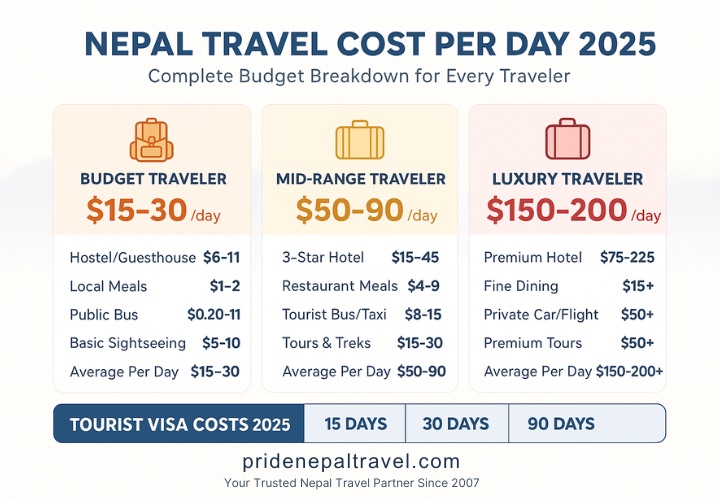
Nepal operates on a significantly lower cost basis. A budget traveler can easily get by on $30-60 USD per day, covering a decent guesthouse (e.g., Hotel Thamel in Kathmandu for 1500-2000 NPR, ~$11-15 USD), two hearty meals of Dal Bhat (300-500 NPR, ~$2-4 USD each), and local bus transport (50-100 NPR, ~$0.40-0.80 USD per ride). Entry fees for heritage sites like Kathmandu Durbar Square are around 1500 NPR (~$11 USD). Trekking expenses, including guides, porters, and permits (e.g., Everest Base Camp trek permits can total 5000 NPR, ~$37 USD), will increase the daily average, but accommodation and food on trails remain relatively low cost.
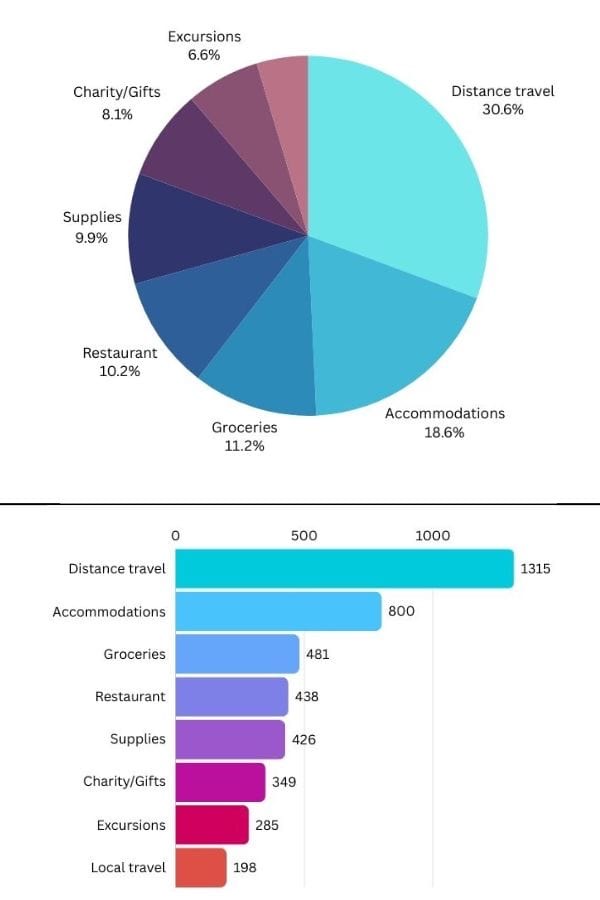
Conversely, the United States is one of the most expensive travel destinations globally. A budget traveler should plan for at least $100-200+ USD per day. A basic motel room outside major cities averages $80-120 USD. A fast food meal can cost $10-15 USD, while a sit-down restaurant meal easily hits $25-40 USD per person. Public transport in cities like New York City costs $2.90 USD per subway ride, but renting a car for road trips incurs daily rental fees ($40-80+ USD), insurance, and fuel. National Park entry fees are typically $20-35 USD per vehicle for a 7-day pass. Nepal offers a travel experience where your money stretches considerably further for a longer duration.
- Winner: Nepal
- Why: Nepal provides a travel experience accessible on a minimal budget, allowing for longer stays and more activities for the same money.
- Who this matters for: Budget travelers, long-term backpackers, and those seeking value for money.
📜 Culture & History
Nepal's cultural fabric is dense with ancient traditions, spiritual practices, and historical architecture. The Kathmandu Valley alone contains numerous UNESCO World Heritage…

Nepal
United States
Nepal's cultural fabric is dense with ancient traditions, spiritual practices, and historical architecture. The Kathmandu Valley alone contains numerous UNESCO World Heritage Sites like Swayambhunath Stupa, Pashupatinath Temple, and Patan Durbar Square, each offering insights into centuries of Buddhist and Hindu practices. Patan's Royal Palace complex, for example, dates back to the 17th century. Daily life often involves religious rituals, colorful festivals, and interactions with local communities, especially in the Everest region where Sherpa culture is prominent. The lack of modern overlay in many areas allows for direct engagement with historical practices.
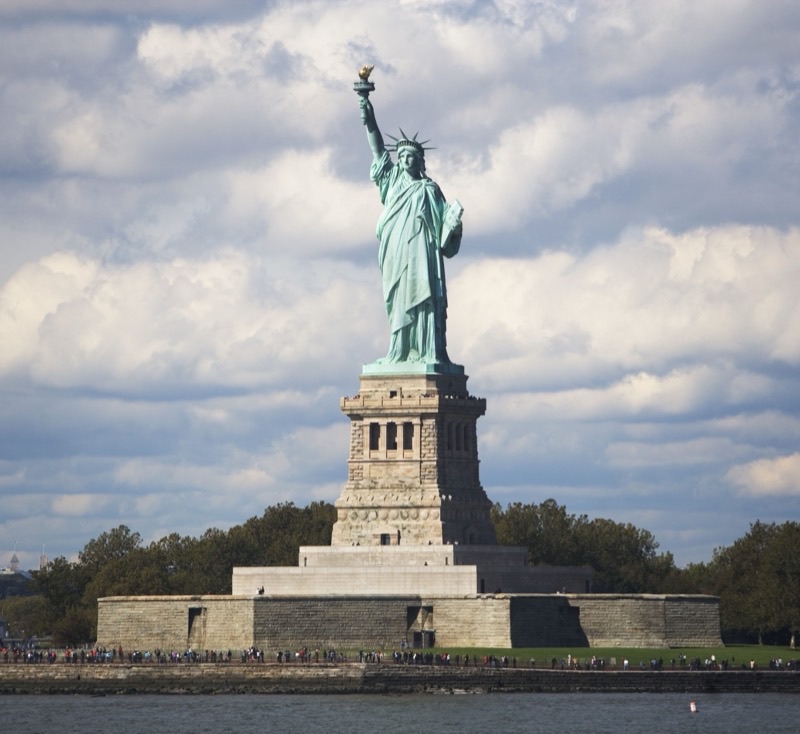
The United States, while younger in its colonial history, offers a mosaic of modern cultures and historical interpretations. Major cities like New York City or Washington D.C. provide access to museums such as the Metropolitan Museum of Art or the Smithsonian institutions, which house artifacts spanning global and national history. Regional cultures vary significantly, from the Texan cowboy heritage to the Creole influences in New Orleans, or indigenous histories in the Southwest. However, these experiences often require travel between distinct regions. Nepal offers a more cohesive and readily accessible ancient cultural experience in a smaller geographical area.
- Winner: Nepal
- Why: Nepal provides a more direct and immersive experience with ancient traditions and spiritual practices that define daily life.
- Who this matters for: Travelers seeking deep historical immersion, spiritual experiences, and interaction with ancient living cultures.
⛰️ Nature & Activities
Nepal is synonymous with high-altitude adventure, primarily trekking in the Himalayas. The Everest Base Camp Trek and Annapurna Circuit are iconic multi-day routes, offering…
Nepal
United States
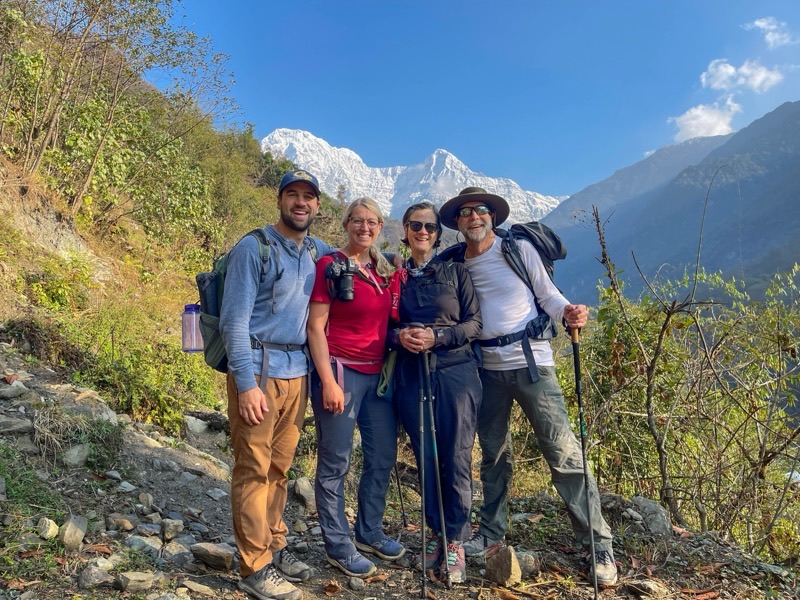
Nepal is synonymous with high-altitude adventure, primarily trekking in the Himalayas. The Everest Base Camp Trek and Annapurna Circuit are iconic multi-day routes, offering access to views of peaks over 8000m. Beyond trekking, activities include white-water rafting on rivers like the Trishuli, paragliding in Pokhara (from about 6000-8000 NPR, ~$45-60 USD), and jungle safaris in Chitwan National Park to see rhinoceros and tigers (entry 2000 NPR, ~$15 USD per day). The focus here is on raw, elevation-driven outdoor challenges.
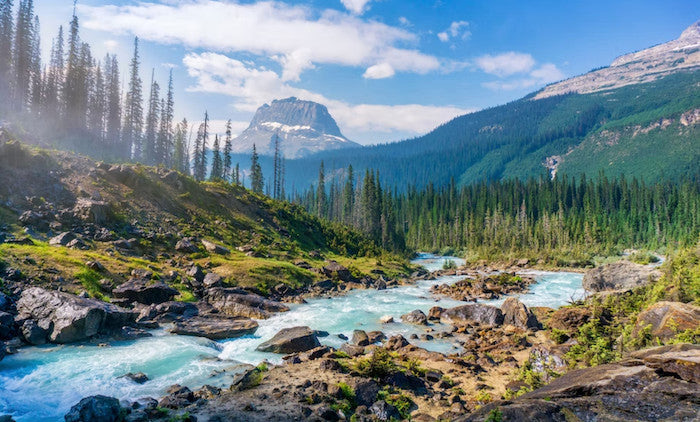
The United States counters with an unparalleled system of diverse national parks. Grand Canyon National Park offers expansive desert geology, Yellowstone National Park presents geothermal features and wildlife, and Zion National Park provides slot canyons and river hikes. Activities range from surfing along Californian beaches to skiing in Colorado resorts, or extensive road-tripping through varying terrains. Access to these areas is generally easier, with well-maintained roads and visitor centers. Both destinations offer truly exceptional natural environments, but cater to different types of natural exploration and physical demands. Nepal is for those seeking extreme mountain challenges, while the US provides incredible diversity of accessible natural environments.
- Winner: Tie
- Why: Both countries offer distinct and exceptional natural environments and activities, catering to different preferences in adventure and landscape.
- Who this matters for: Everyone, as the 'winner' depends entirely on the specific type of nature and activity desired.
🍲 Food Scene
Nepal's food scene centers around its national dish, Dal Bhat (lentil soup, rice, and curried vegetables), which is a filling and inexpensive staple (300-500 NPR, ~$2-4 USD).…
Nepal
United States
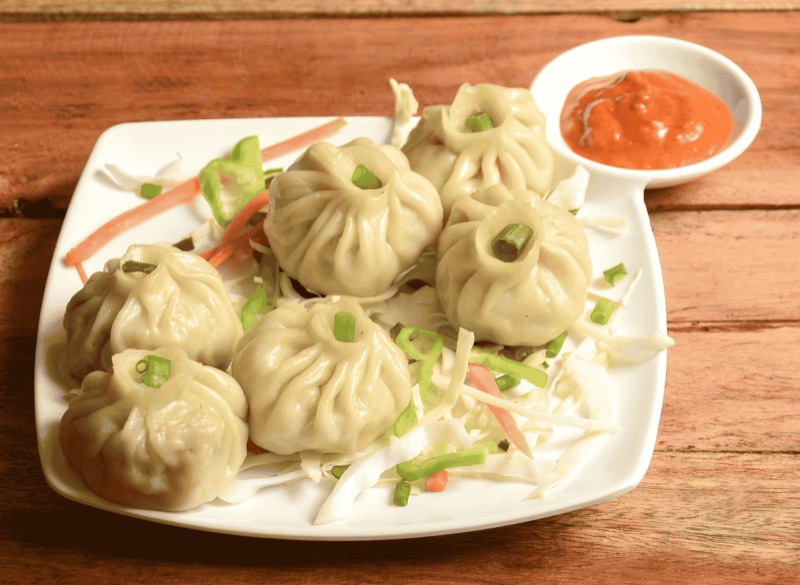
Nepal's food scene centers around its national dish, Dal Bhat (lentil soup, rice, and curried vegetables), which is a filling and inexpensive staple (300-500 NPR, ~$2-4 USD). Momos (dumplings) are another popular choice (200-400 NPR, ~$1.50-3 USD). Tibetan and Newari influences are common. While flavors are generally good and food is freshly prepared, the variety can feel limited after extended stays, especially outside of Thamel in Kathmandu or Lakeside in Pokhara. Finding specific international cuisines outside these tourist zones is challenging and often expensive.
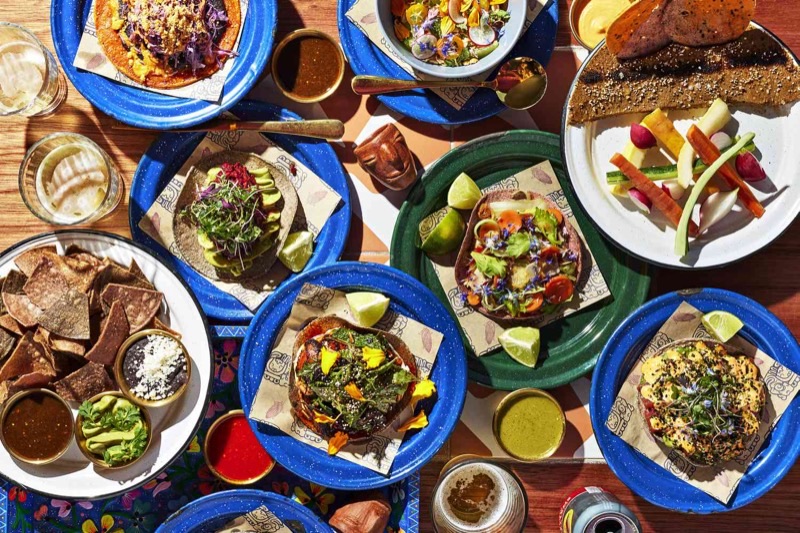
The United States offers an extraordinary range of culinary experiences. From regional specialties like New Orleans gumbo, Texas BBQ, or California-style Mexican food, to high-end Michelin-starred restaurants in New York City and Chicago, the options are vast. Food trucks in cities like Portland or Los Angeles offer gourmet street food (entrees $8-15 USD). The availability of global cuisines – Italian, Japanese, Ethiopian, Vietnamese – is widespread in most metropolitan areas. For sheer choice, quality, and accessibility of diverse food, the United States is without peer.
- Winner: United States
- Why: The United States offers unparalleled culinary diversity, quality, and accessibility to a vast range of international and regional cuisines.
- Who this matters for: Food enthusiasts, those with specific dietary needs, and travelers who enjoy a wide variety of meal options.
✈️ Getting There
Reaching Nepal usually involves long-haul international flights, typically requiring at least one layover in a major Middle Eastern or Asian hub (e.g., Doha, Dubai, Istanbul,…
Nepal

United States
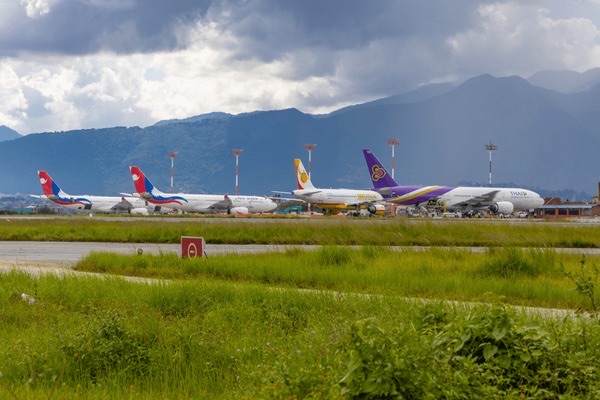
Reaching Nepal usually involves long-haul international flights, typically requiring at least one layover in a major Middle Eastern or Asian hub (e.g., Doha, Dubai, Istanbul, Delhi). Total flight times from North America or Europe can easily exceed 16-20 hours. Tribhuvan International Airport (KTM) in Kathmandu is the primary international airport. Flights can range from $800-1500+ USD round trip depending on origin and season. Visa requirements for many nationalities are straightforward, often available upon arrival for a fee ($30 USD for 15 days).
The United States has numerous major international airports across the country (e.g., JFK, LAX, ORD, ATL), offering direct flights from most continents. This reduces overall travel time and complexity for many international visitors. Flights from Europe can be as short as 7-8 hours (e.g., London to New York City), and flights from Asia range from 10-15 hours. Domestically, the US has an extensive network of regional airports and frequent flight schedules, making internal travel efficient. Visa requirements (ESTA for eligible countries, B1/B2 visa for others) can be more involved than Nepal's visa-on-arrival system for some. The ease and speed of accessing the US are generally much higher.
- Winner: United States
- Why: The United States offers more direct flight options from many global origins and a more efficient entry process for many travelers.
- Who this matters for: Travelers prioritizing shorter travel times, fewer layovers, and direct flight availability.
🚌 Getting Around
Getting around Nepal involves a mix of options. Local buses are incredibly cheap (e.g., Kathmandu to Pokhara for 700-1000 NPR, ~$5-7 USD), but they are slow, often crowded, and…
Getting around Nepal involves a mix of options. Local buses are incredibly cheap (e.g., Kathmandu to Pokhara for 700-1000 NPR, ~$5-7 USD), but they are slow, often crowded, and lack modern amenities. Tourist buses are slightly better for popular routes. Taxis are readily available in cities, but fares must be negotiated or agreed upon beforehand (e.g., Kathmandu airport to Thamel 800-1200 NPR, ~$6-9 USD). Domestic flights (e.g., Kathmandu to Pokhara 8000-12000 NPR, ~$60-90 USD) are efficient for covering long distances quickly, but are subject to weather delays, especially for mountain flights. Overall infrastructure for transport is basic.
The United States boasts an advanced transportation infrastructure. An extensive interstate highway system makes road trips convenient, though distances are vast. Car rental is the preferred method for exploring outside cities (from $40-80+ USD per day). Domestic flights are frequent, reliable, and cover nearly every corner of the country. Major cities have public transport systems (subways, buses) that are generally clean and efficient (e.g., a 7-day unlimited NYC MetroCard costs $34 USD). While intercity train travel exists, it is often slower and more expensive than flying or driving. The efficiency and comfort of travel within the US are significantly higher.
- Winner: United States
- Why: The United States offers a highly developed and diverse transportation network, making travel within the country efficient and comfortable.
- Who this matters for: Travelers prioritizing speed, comfort, and reliability in their local transportation.
🏨 Accommodation
Accommodation in Nepal caters primarily to budget travelers. Guesthouses and basic hotels in tourist areas like Thamel (Kathmandu) or Lakeside (Pokhara) offer rooms for 1000-2500…
Accommodation in Nepal caters primarily to budget travelers. Guesthouses and basic hotels in tourist areas like Thamel (Kathmandu) or Lakeside (Pokhara) offer rooms for 1000-2500 NPR (~$7-18 USD) per night. These are typically clean, basic, and often include a private bathroom. On trekking routes, teahouses provide simple rooms (often 200-500 NPR, ~$1.50-4 USD) and meals for trekkers. High-end resorts exist (e.g., Dwarika's Hotel in Kathmandu), but even these are often more affordable than comparable luxury options elsewhere. The standard is simple but functional and very budget-friendly.
The United States has a vast array of accommodation types, but prices are substantially higher. Budget motels (e.g., Motel 6, Super 8) outside major cities might start at $80-120 USD per night. Mid-range hotels in cities easily cost $150-300+ USD. Hostels are available in popular cities for around $40-70 USD per night for a dorm bed. Luxury hotels can command $400-1000+ USD per night. While the quality and amenities (e.g., air conditioning, en-suite bathrooms, swimming pools) are generally superior in the US, the cost difference is enormous. Nepal provides far greater value for money in terms of basic lodging.
- Winner: Nepal
- Why: Nepal offers significantly more affordable accommodation options across all categories, making extended stays budget-friendly.
- Who this matters for: Budget travelers, those planning long trips, and individuals prioritizing low accommodation costs.
🚨 Safety
Nepal is generally considered a safe destination for tourists, with low rates of violent crime against foreigners. The primary risks are related to natural disasters, particularly…
Nepal is generally considered a safe destination for tourists, with low rates of violent crime against foreigners. The primary risks are related to natural disasters, particularly earthquakes and landslides during monsoon season. Political protests can occur, sometimes leading to general strikes ('bandhs') that halt transport. Petty theft, like pickpocketing, can happen in crowded tourist areas like Thamel. Trekking carries inherent risks related to altitude sickness and weather changes, necessitating proper preparation and guides. Road safety standards are significantly lower than in developed countries.
Safety in the United States varies considerably by region and even by neighborhood within cities. While tourist areas are generally well-policed, gun violence is a societal issue that can affect public spaces. Petty crime (theft, muggings) is a concern in urban centers, especially at night. Road safety is high, but driving can be hazardous due to aggressive drivers or adverse weather. Wilderness areas are generally safe, but hikers need to be prepared for wildlife encounters and remote conditions. Both destinations require awareness and caution, but for different types of risks. Nepal's risks are often environmental or related to basic infrastructure, while US risks are more socio-cultural.
- Winner: Tie
- Why: Both countries present different types of safety considerations, requiring travelers to be aware and prepared for distinct challenges.
- Who this matters for: Travelers concerned with specific types of safety issues (e.g., natural disasters vs. urban crime).
🚶♀️ Solo Travel
Nepal is a popular destination for solo travelers, particularly those interested in trekking. It is easy to meet other trekkers and travelers in guesthouses and teahouses along…
Nepal is a popular destination for solo travelers, particularly those interested in trekking. It is easy to meet other trekkers and travelers in guesthouses and teahouses along the routes, fostering a sense of camaraderie. English is widely spoken in tourist areas. Solo female travelers should exercise caution at night, especially in less crowded areas, and avoid walking alone after dark. Overall, Nepalis are hospitable, and solo travel is a common way to experience the country. The low cost also makes solo travel more feasible for extended periods without breaking the bank.
The United States is also straightforward for solo travelers due to the widespread use of English and extensive infrastructure. Hostels in major cities provide opportunities to meet other travelers (e.g., HI USA hostels). Many attractions cater to individual visitors. Solo road trips are common, offering immense freedom. However, the higher costs can make solo travel more expensive than for couples or groups. Navigating large cities alone is generally safe during the day, but awareness is needed in certain neighborhoods at night. For ease of logistics and meeting people, both offer solid options, but Nepal's community feel for trekkers and lower costs provide a different kind of solo experience.
- Winner: Tie
- Why: Both destinations offer supportive environments for solo travel, with distinct advantages in terms of cost, community, and logistical ease.
- Who this matters for: Travelers considering an independent journey, seeking either social interaction or solitude.
☀️ Weather & Seasons
Nepal's weather is primarily defined by two seasons: the dry season (October-November and March-April) which is ideal for trekking, offering clear skies and moderate temperatures,…
Nepal's weather is primarily defined by two seasons: the dry season (October-November and March-April) which is ideal for trekking, offering clear skies and moderate temperatures, and the monsoon season (June-September) with heavy rainfall, making trekking difficult due to leeches and obscured views. Winter (December-February) can be very cold at higher elevations, with snow closing some passes, while the lowlands remain mild. The spring season (March-April) brings blooming rhododendrons but can be hazy. Planning a Nepal trip largely revolves around avoiding the monsoon and preparing for cold if going high in winter.
The United States presents an extreme range of climates, meaning travelers can find suitable weather for various activities year-round by choosing the right region. Florida offers warm tropical weather in winter, while California provides temperate coastal conditions. The Southwest has hot, dry summers and mild winters. The Northeast experiences distinct four seasons. Skiing is possible in winter in the Rockies, while hiking in national parks is best in spring or fall. This climatic diversity allows for a wider array of travel experiences during any given month. While Nepal has specific 'best times' for its main draw (trekking), the US offers options for nearly any weather preference across its vast geography.
- Winner: United States
- Why: The United States' vast geographical area provides diverse climate zones, offering suitable travel conditions for different activities year-round.
- Who this matters for: Travelers with specific weather preferences, or those planning trips during off-peak seasons in other regions.
🎯 The Decision Framework
Choose Nepal If…
- You want to trek to Everest Base Camp or around Annapurna.
- You are on a tight budget ($30-60 USD/day) and want a longer trip.
- You seek deep immersion in ancient Hindu and Buddhist cultures.
- You prioritize spiritual sites and traditional daily life over modern amenities.
- You prefer adventurous, rugged travel over comfort and speed.
- You enjoy eating fresh, simple, and very affordable local cuisine daily.
- You want a slow travel experience focused on natural and cultural exploration.
- You are comfortable with basic infrastructure and occasional inconveniences.
Choose United States If…
- You want to visit multiple, diverse national parks (e.g., Grand Canyon, Yellowstone).
- You have a higher budget ($100-200+ USD/day) and prioritize convenience.
- You seek diverse modern and regional cultural experiences, including museums and art.
- You want access to a wide array of international and specialized cuisines.
- You prefer efficient transportation, well-maintained roads, and reliable infrastructure.
- You plan a road trip across varied landscapes.
- You need consistent internet access and modern amenities.
- You are looking for specific city experiences like NYC's energy or LA's beaches.
📅 Sample Itineraries
Weekend in Kathmandu Valley (3 Days)
💡 Utilize local buses or shared taxis for inter-city travel within the Kathmandu Valley; a bus ride from Kathmandu to Bhaktapur costs less than $1, saving significantly over private taxis.
Weekend in New York City (3 Days)
💡 Purchase a 7-day unlimited MetroCard for $33 if you plan on using public transport frequently; it quickly pays for itself over single rides.
One Week in Nepal (7 Days)
💡 For longer distances like Kathmandu to Pokhara, booking a tourist bus in advance (around $8-10) is more comfortable and reliable than local buses.
One Week in California (7 Days)
💡 Renting a car for the California portion of your trip, especially for Highway 1, provides flexibility and access to scenic viewpoints that public transport cannot reach. Budget around $50-80 per day plus fuel.
❓ Frequently Asked Questions
How much does a 2-week trip to Nepal cost compared to the United States?
A 2-week trip to Nepal, excluding international flights, could cost around $400-800 USD for a budget traveler, including trekking permits and basic accommodation. A similar 2-week trip in the United States would likely cost $1400-2800+ USD, even with budget choices like motels and fast food, due to higher daily expenses.
Which country is better for adventure sports and extreme outdoor activities?
Nepal is superior for high-altitude trekking, mountaineering, and white-water rafting on glacial rivers. The United States offers a broader range of accessible outdoor activities like diverse hiking trails, skiing, surfing, and rock climbing across varied landscapes, but not the same extreme elevation challenges.
What are the visa requirements for each country?
For Nepal, many nationalities (including US citizens) can get a visa on arrival at Tribhuvan International Airport for $30 USD (15 days) or $50 USD (30 days). For the United States, citizens of eligible countries can apply for an ESTA online ($21 USD) for short tourist visits, while others require a B1/B2 tourist visa, which involves an application and interview process.
Is it easy to travel without knowing the local language in either country?
In Nepal, English is widely understood and spoken in tourist areas, hotels, and restaurants. On trekking routes, guides and teahouse owners typically speak English. In the United States, English is the primary language, so communication is generally straightforward for English speakers across the entire country.
Which destination is better for digital nomads or remote workers?
The United States is generally better for digital nomads due to its reliable high-speed internet, co-working spaces, and comfortable infrastructure. While Nepal has internet, it can be slower and less reliable outside major cities, and power outages are more common, making it less suitable for consistent remote work.
What are the main health considerations for travelers to Nepal vs. United States?
In Nepal, key health considerations include altitude sickness (for trekkers), traveler's diarrhea, and mosquito-borne illnesses in lower regions. Vaccinations for Hepatitis A, Typhoid, and Tetanus are often recommended. In the United States, access to advanced medical care is widespread but extremely expensive without travel insurance. Common concerns relate more to general health maintenance and specific regional environmental factors (e.g., sun exposure, specific allergens).
How do public transportation options compare?
Nepal's public transportation mainly consists of inexpensive, often crowded local buses that are slow. Taxis are common in cities. The United States has extensive domestic flight networks and efficient public transport in major cities, but intercity bus/train travel is less dominant than driving or flying for covering long distances.
Which country offers more unique shopping experiences?
Nepal offers unique shopping for local crafts, pashmina, Tibetan thangka paintings, and prayer flags, often at negotiable prices. The United States provides a vast array of modern shopping experiences, from large malls and designer boutiques to independent artisan shops and antique markets, with fixed pricing.
Ready to plan your next trip?
Get a free custom itinerary for Nepal, United States, or both — built from real traveler insights.
👥 Travelers Also Compared
🎟️ Book Tours & Experiences
Hand-picked tours and activities for both destinations — book with free cancellation
Experiences via Viator — free cancellation on most tours