How we built this comparison
This page combines traveler discussion patterns, published price ranges, flight schedules, and seasonal data to help you decide between Netherlands and Poland.
- Reviewed 100+ Reddit threads from r/travel, r/solotravel, r/Netherlands, r/Poland, r/Amsterdam, r/Krakow
- Verified costs and logistics against current booking platforms like Booking.com, Skyscanner, and local transport sites
- Cross-referenced seasonal patterns and weather data for optimal travel timing
⚡ Quick Answers
⚡ The TL;DR Verdict
For travelers prioritizing efficiency, modern infrastructure, and a liberal mindset, the Netherlands is a good choice, expecting a daily budget of $100-200. For those seeking significant history, hearty food, and a much lower price point, Poland is the clear winner, with daily costs often around $50-100. Most travelers will get more value and a more immersive historical dive in Poland.
- Choose Netherlands: If you prioritize easy English communication, efficient public transport, cycling culture, and are prepared for higher costs, especially in major cities.
- Choose Poland: If your focus is on historical sites, genuine cultural immersion, hearty Eastern European cuisine, and making your budget stretch significantly further.
- Choose Both: Consider a longer trip (2+ weeks) to experience both, perhaps flying into one and out of the other, if you want a diverse European journey contrasting old and new.
Choose Netherlands
Choose the Netherlands if you're a modern traveler seeking seamless experiences and a vibrant, forward-thinking culture. It's best for those who enjoy cycling through historic cities like Amsterdam, appreciate world-class art at the Rijksmuseum, and don't mind a higher daily budget to enjoy efficient public transport and diverse culinary scenes.
Choose Poland
Opt for Poland if you're a history enthusiast or budget-conscious explorer eager for deep cultural immersion and incredible value. It's perfect for wandering the atmospheric Old Town of Kraków, reflecting at sites like Auschwitz-Birkenau, and savoring hearty Eastern European cuisine, all while making your travel funds stretch significantly further.
📊 Visual Scorecard
🌤 When to Visit
Average high temperatures (°C). Green = best months, orange = avoid.
Quick Comparison
| Category | Netherlands | Poland | Winner |
|---|---|---|---|
| Costs & Budget | Higher costs across the board, especially for accommodation and dining in cities like Amsterdam. Budget travelers will struggle. | Significantly lower costs for nearly everything from food to transport and lodging. Excellent value for money. | Poland |
| Culture & History | Known for Golden Age art, liberal social policies, and modern design. History is present but less overtly dramatic. | Deep, often somber, history spanning medieval castles, WWII sites, and communist-era influences. Rich classical music and folk traditions. | Poland |
| Food & Drink | Comfort foods like stroopwafels and fries, diverse international cuisine. Craft beer scene growing. | Hearty, traditional Eastern European fare like pierogi, kielbasa, and bigos. Excellent soups and strong vodka culture. | Poland |
| Nightlife | Liberal attitude, diverse options from brown cafes to techno clubs. Coffee shops are a unique draw. | Lively and affordable bar scene, particularly in university cities. Clubs and cheap drinks are common. | Tie |
| Getting Around | Excellent, efficient train system and widespread cycling infrastructure. Cities are walkable. | Good public transport in cities, intercity trains are slower but expanding. Ridesharing is very affordable. | Netherlands |
| Getting There | Amsterdam Schiphol (AMS) is a major international hub with many direct flights from North America and Asia. | Warsaw (WAW) and Krakow (KRK) have increasing direct connections, but often require layovers from distant origins. | Netherlands |
| Accommodation | Higher prices, especially in popular cities. Hostels can be expensive, and private rooms are costly. | Very affordable options across all categories, from hostels to luxury hotels. Excellent value. | Poland |
| Nature & Outdoors | Flat landscapes, extensive coastlines, national parks with dunes and forests. Cycling is the best way to explore. | Diverse landscapes including Tatra Mountains, ancient forests, and Baltic Sea coast. Opportunities for hiking and skiing. | Poland |
| Safety | Generally very safe with low violent crime. Pickpocketing can be an issue in tourist areas. | Very safe for tourists, even at night in major cities. Petty crime exists but is not widespread. | Tie |
| Solo Travel | Easy to navigate, English widely spoken, hostels are common. Can be expensive for a single traveler. | Very affordable, friendly locals, safe. Social scene in hostels is good for meeting people. | Poland |
💰 Costs & Budget
Traveling in the Netherlands, particularly in popular cities like Amsterdam, Haarlem, or Utrecht, demands a higher budget. A typical hostel bed in Amsterdam can be €35-€60…
Netherlands
Poland
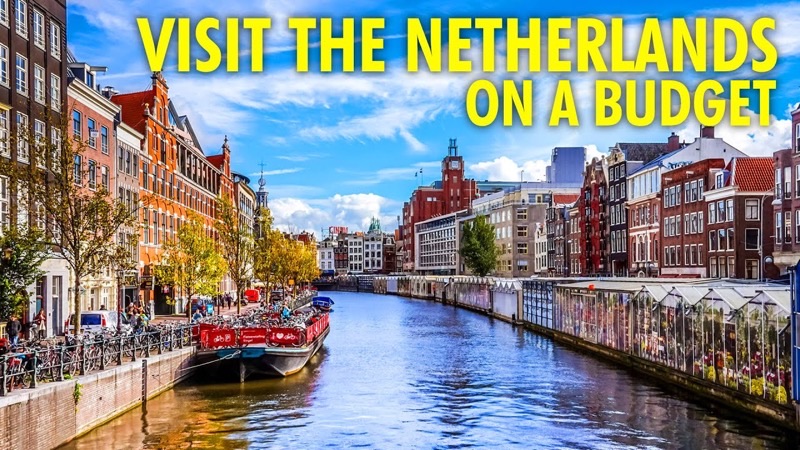
Traveling in the Netherlands, particularly in popular cities like Amsterdam, Haarlem, or Utrecht, demands a higher budget. A typical hostel bed in Amsterdam can be €35-€60 ($38-$65) per night. A casual dinner might cost €15-€25 ($16-$27), and a local beer around €6-€8 ($6.50-$8.50). Public transport, while efficient, adds up, with a 24-hour GVB ticket in Amsterdam at €9 ($9.75). Expect to spend $100-200 per person per day for a mid-range experience, with budget options pushing $70-100 if you are extremely careful and self-cater.
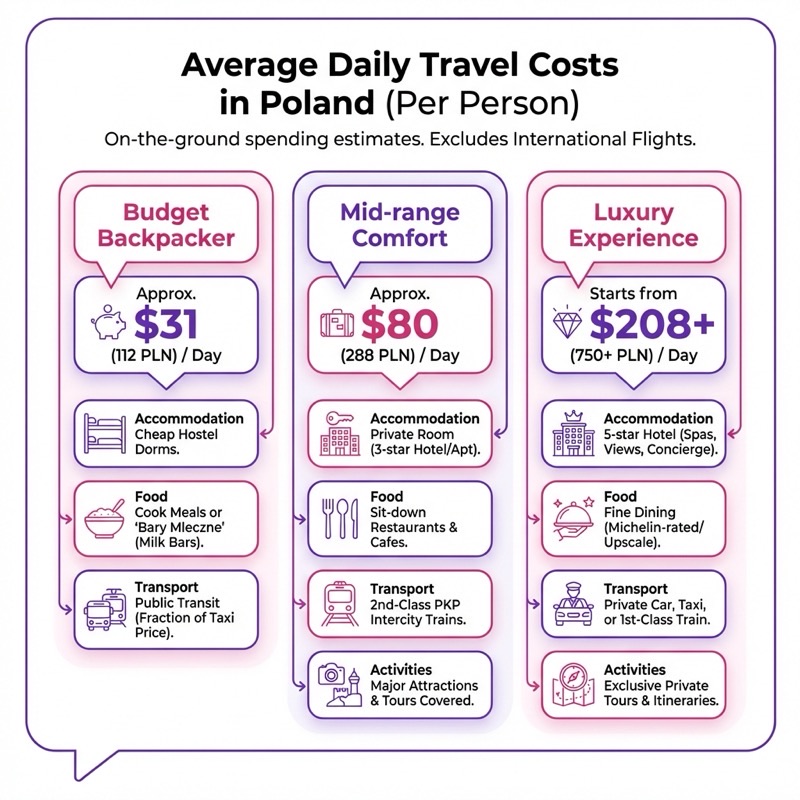
Poland offers remarkable value. A decent hostel bed in Krakow or Warsaw runs about 40-80 PLN ($10-$20) per night. Eating out is very affordable; a substantial meal with a drink at a traditional 'bar mleczny' (milk bar) can be as low as 20-35 PLN ($5-$9), while a restaurant dinner might be 40-70 PLN ($10-$18). Local beers are typically 10-15 PLN ($2.50-$4). City transport tickets are similarly inexpensive, with a 72-hour pass in Krakow around 50 PLN ($12.50). A comfortable mid-range trip can easily stay within $50-100 per day. For travelers focused on making their money last, Poland is the undeniable champion.
- Winner: Poland
- Why: Poland offers significantly better value for nearly all travel expenses, making it accessible for a wider range of budgets.
- Who this matters for: Budget travelers, long-term travelers, and those wanting more for their money.
🏛️ Culture & History
The Netherlands possesses a rich history, particularly evident in its Golden Age art and architecture. Amsterdam has the Rijksmuseum with works by Rembrandt and Vermeer, and the…
Netherlands
Poland
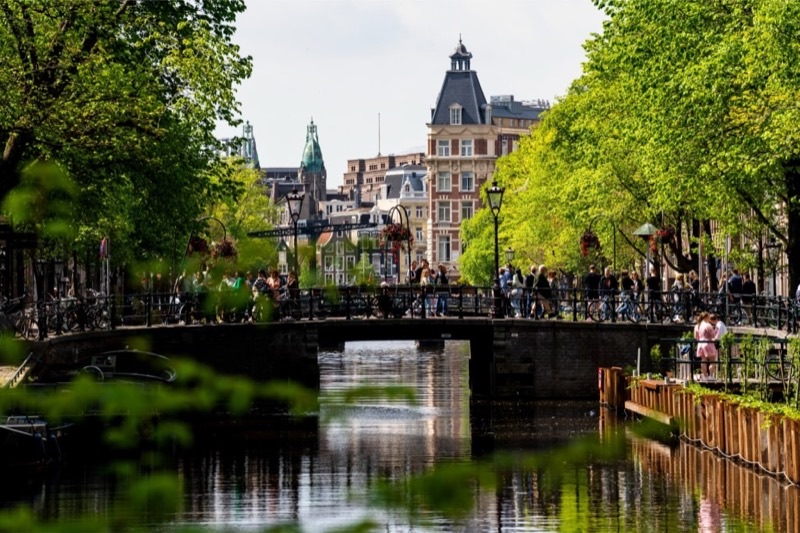
The Netherlands possesses a rich history, particularly evident in its Golden Age art and architecture. Amsterdam has the Rijksmuseum with works by Rembrandt and Vermeer, and the Anne Frank House offers a somber glimpse into WWII. Utrecht features a historic canal district, and Delft is known for its blue pottery. However, the country feels very modern, progressive, and efficient, often with history presented in a highly curated, almost polished way. There is a strong emphasis on cycling culture, innovative urban planning, and a generally tolerant social atmosphere that shapes daily life.
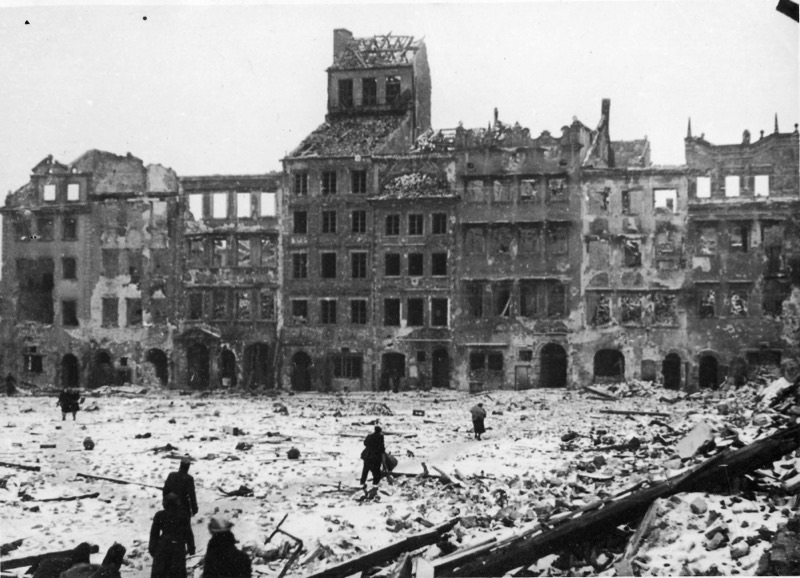
Poland offers a palpable sense of history, from the preserved medieval Old Town of Krakow, a UNESCO site, to the sobering Auschwitz-Birkenau Memorial and Museum. Warsaw, extensively rebuilt after WWII, presents a compelling narrative of resilience. The Wawel Royal Castle in Krakow and the Wieliczka Salt Mine are impressive. Polish culture emphasizes tradition, classical music (Chopin is a national hero), and robust religious heritage, particularly Catholicism. Its history includes centuries of shifting borders and political struggles, creating a deep and often emotional experience for visitors. For a profound dive into European history and a cultural experience that feels less globalized, Poland is the superior choice.
- Winner: Poland
- Why: Poland provides a more profound, extensive, and raw historical and cultural experience, from medieval times to WWII and communism.
- Who this matters for: History buffs, those seeking authentic cultural immersion, and travelers interested in WWII history.
🍽️ Food & Drink
Dutch cuisine is often perceived as straightforward, focusing on comfort foods like stroopwafels, bitterballen, and patat (fries) with various sauces. You will find excellent…

Netherlands

Poland
Dutch cuisine is often perceived as straightforward, focusing on comfort foods like stroopwafels, bitterballen, and patat (fries) with various sauces. You will find excellent Indonesian food due to historical ties, especially in cities like Amsterdam and The Hague. High-quality cheese is also prominent. A typical meal at a casual restaurant costs €15-€25 ($16-$27). Craft beer is gaining popularity, with breweries like Brouwerij 't IJ in Amsterdam. While the food is good, it is not often the primary draw for travelers, and dining out can quickly deplete a budget.
Polish food is robust, flavorful, and incredibly satisfying. Signature dishes include pierogi (dumplings), kielbasa (sausage), bigos (hunter's stew), and żurek (sour rye soup). You can find these at traditional restaurants or 'milk bars' for very reasonable prices. A generous serving of pierogi might cost 25-40 PLN ($6-$10). Polish vodka, particularly brands like Żubrówka, is famous and usually inexpensive. Krakow and Warsaw have excellent restaurant scenes, from traditional to modern, all offering good value. For travelers who enjoy substantial, traditional meals and want to experiment with local spirits without overspending, Poland delivers a stronger and more distinctive culinary experience.
- Winner: Poland
- Why: Poland offers a more distinctive, hearty, and affordable traditional cuisine that is a core part of the travel experience.
- Who this matters for: Foodies, budget travelers who love traditional comfort food, and those interested in local spirits.
🍻 Nightlife
Amsterdam has a renowned nightlife, characterized by its 'brown cafes' (traditional pubs), a thriving electronic music scene with venues like Shelter and De School, and the unique…
Netherlands

Poland
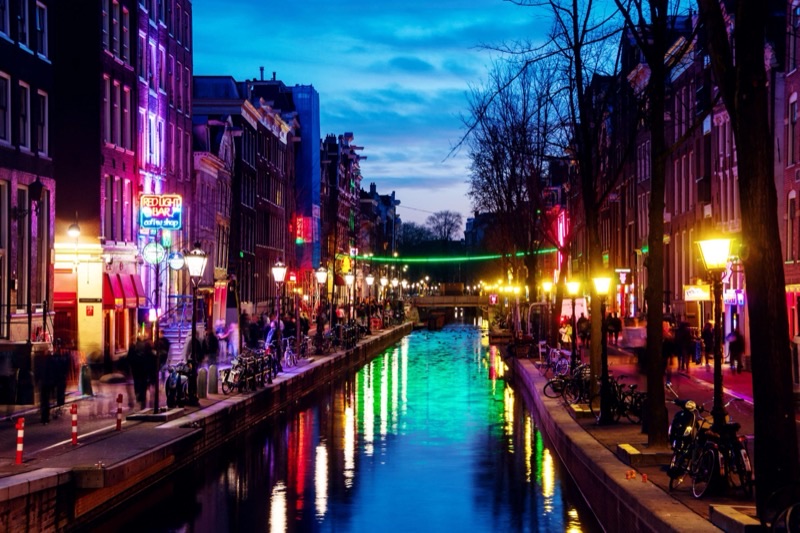
Amsterdam has a renowned nightlife, characterized by its 'brown cafes' (traditional pubs), a thriving electronic music scene with venues like Shelter and De School, and the unique coffee shop culture. The Red Light District also draws significant crowds. Drinks can be pricey, with a beer often €6-€8 ($6.50-$8.50) and cocktails even more. Many venues stay open late, especially on weekends. Outside of Amsterdam, cities like Rotterdam and Utrecht also offer decent bar and club scenes, but Amsterdam remains the epicenter. Expect a young, international crowd.
Poland boasts a vibrant and significantly more affordable nightlife. Krakow is famous for its numerous cellar bars and clubs in the Old Town and Kazimierz districts, often open until the early morning. Warsaw offers a more metropolitan club scene, with large venues and trendy bars. Drinks are very cheap compared to Western Europe; a pint of local beer typically costs 10-15 PLN ($2.50-$4), and a shot of vodka can be as low as 8-12 PLN ($2-$3). Both countries offer a great time, but for those who want to party without breaking the bank, Poland is the better option. For sheer diversity and unique legal quirks, the Netherlands is strong. It is a tie, depending on what experience you prioritize.
- Winner: Tie
- Why: Both countries offer distinct and enjoyable nightlife experiences, with the Netherlands having unique legal aspects and Poland providing affordability.
- Who this matters for: Partygoers, social travelers. Netherlands for unique experiences, Poland for budget-friendly fun.
🚆 Getting Around
The Netherlands has one of the best public transportation systems in Europe. The national railway company, NS, connects nearly every town efficiently. A train ticket from…
Netherlands
Poland
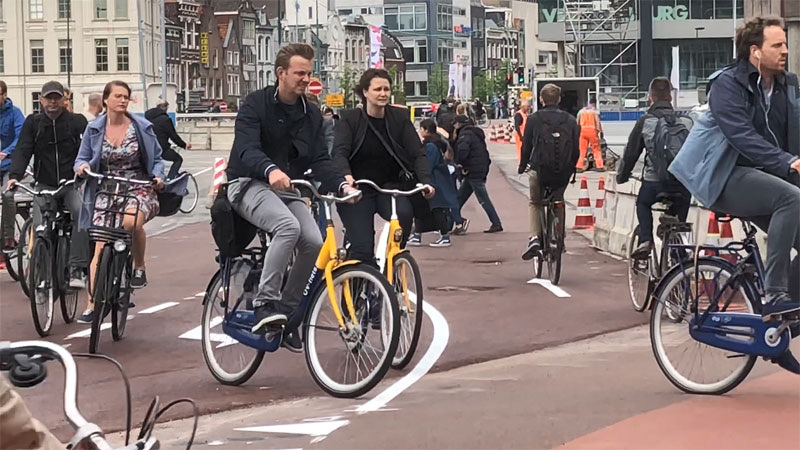
The Netherlands has one of the best public transportation systems in Europe. The national railway company, NS, connects nearly every town efficiently. A train ticket from Amsterdam Centraal to Utrecht is about €8.30 ($9) and takes less than 30 minutes. Within cities, trams, buses, and metros are extensive and reliable. OV-chipkaart (public transport chip card) makes travel simple. However, the defining mode of transport is cycling; cities are designed for bikes, and rentals are widely available for €10-€15 ($11-$16) per day. Distances between major cities are short, making day trips easy.
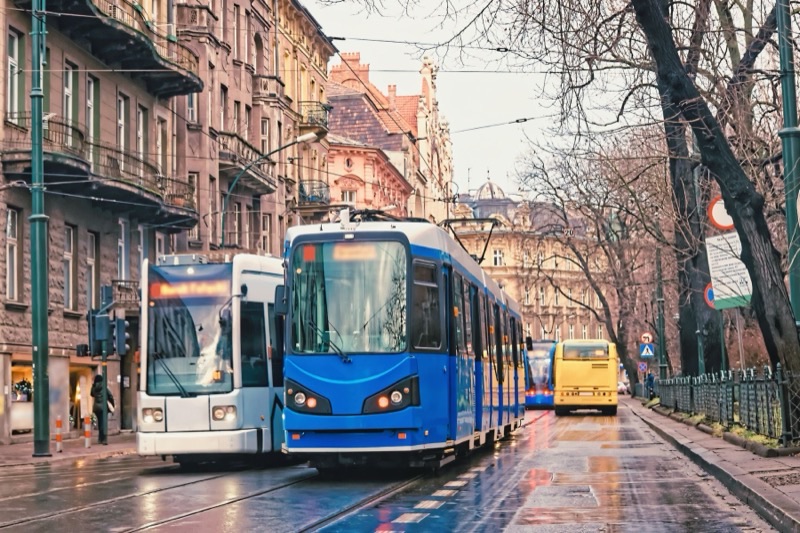
Poland's city public transport networks (trams, buses, metro in Warsaw) are good and very inexpensive. A single bus ticket in Krakow costs around 4.00 PLN ($1.00). Intercity travel is primarily by train or bus. Polish railways are undergoing modernization, but high-speed connections are less common than in the Netherlands, meaning journeys can be longer. A train from Warsaw to Krakow can take 2.5-3 hours and cost 60-120 PLN ($15-$30). Ridesharing apps like Bolt and Uber are incredibly cheap and prevalent, making short trips easy. While Poland is functional, the Netherlands simply excels in speed, frequency, and ease of use for its well-integrated transport system and unparalleled cycling infrastructure.
- Winner: Netherlands
- Why: The Netherlands offers a more efficient, interconnected, and bike-friendly transportation network across the entire country.
- Who this matters for: Travelers prioritizing speed, efficiency, ease of use, and cycling as a primary transport method.
✈️ Getting There
Amsterdam Schiphol Airport (AMS) is a major global aviation hub. It offers numerous direct flights from North American cities like New York (JFK/EWR), Chicago (ORD), and Toronto…
Amsterdam Schiphol Airport (AMS) is a major global aviation hub. It offers numerous direct flights from North American cities like New York (JFK/EWR), Chicago (ORD), and Toronto (YYZ), with flight times typically around 7-8 hours. A round-trip flight from New York to Amsterdam can range from $500-$900 outside of peak season. From within Europe, budget airlines like EasyJet and Ryanair offer frequent, affordable connections. Its central location and extensive route network make it extremely convenient for international arrivals and as a base for further European travel.
Poland has two primary international airports: Warsaw Chopin (WAW) and Krakow John Paul II (KRK). Direct flights to these airports from North America are less frequent and often more expensive than to AMS, sometimes requiring layovers in other European cities. A round-trip flight from New York to Warsaw might cost $600-$1000, with flight durations often exceeding 9-10 hours due to connections. From within Europe, budget carriers are plentiful and cheap. While connections are improving, the Netherlands retains the advantage for sheer number of direct international flights and overall ease of access from major global cities.
- Winner: Netherlands
- Why: The Netherlands, with Amsterdam Schiphol, offers significantly more direct, frequent, and often cheaper international flights from major global hubs.
- Who this matters for: International travelers, especially those from North America, Asia, or other non-European continents.
🏨 Accommodation
Accommodation in the Netherlands is generally expensive. In Amsterdam, a budget hostel bed can cost €35-€60 ($38-$65), while a decent mid-range hotel room often starts from…
Accommodation in the Netherlands is generally expensive. In Amsterdam, a budget hostel bed can cost €35-€60 ($38-$65), while a decent mid-range hotel room often starts from €120-€200 ($130-$215) per night. Prices fluctuate significantly with seasonality and major events. Options like Airbnb exist but are also highly regulated and priced. Booking well in advance is crucial, particularly for weekends or during popular festivals. Outside of Amsterdam, prices drop somewhat but remain higher than in Central Europe.
Poland excels in accommodation affordability. A clean, well-located hostel in Krakow or Warsaw can be found for 40-80 PLN ($10-$20) per night. Mid-range hotels, often with good amenities, typically cost 150-300 PLN ($38-$75) per night. Even boutique or luxury hotels are considerably cheaper than their Western European counterparts. Airbnb options are abundant and competitively priced. You can often secure a stylish private apartment for the cost of a basic hostel in Amsterdam. For travelers seeking comfort, quality, and value in their lodging, Poland is the clear victor, allowing for upgrades without breaking the bank.
- Winner: Poland
- Why: Poland offers significantly more affordable and higher-quality accommodation options across all budget levels.
- Who this matters for: All travelers, especially budget-conscious individuals and those who prefer private rooms or hotel stays.
🌳 Nature & Outdoors
The Netherlands is mostly flat, known for its polder landscapes, expansive tulip fields (seasonal, around April), and beautiful North Sea coastlines with wide beaches and dunes,…
The Netherlands is mostly flat, known for its polder landscapes, expansive tulip fields (seasonal, around April), and beautiful North Sea coastlines with wide beaches and dunes, such as those in Zuid-Kennemerland National Park. Hoge Veluwe National Park offers forests, heathlands, and sand drifts, best explored by cycling on free white bikes. Waterways are everywhere, making canal tours and boat trips popular. While the scenery is pleasant and well-maintained, it lacks dramatic geological features or significant elevation changes.
Poland offers a more varied and rugged natural environment. The Tatra Mountains in the south, near Zakopane, provide opportunities for serious hiking, climbing, and skiing, with peaks reaching over 2,400 meters. Białowieża Forest, a UNESCO site, is one of Europes last primeval forests and home to European bison. The Baltic Sea coast in the north has sandy beaches and resort towns like Sopot. The Masurian Lake District is a popular area for sailing and kayaking. For travelers seeking adventure, diverse ecosystems, and more dramatic landscapes for outdoor activities, Poland holds a distinct advantage.
- Winner: Poland
- Why: Poland features a much greater diversity of natural landscapes, from high mountains to ancient forests and lakes, offering more outdoor activities.
- Who this matters for: Hikers, skiers, nature photographers, and travelers seeking diverse outdoor adventure.
🚨 Safety
The Netherlands is a very safe country with low rates of violent crime. Major cities like Amsterdam are generally safe to walk around, even at night. The main concerns for…
The Netherlands is a very safe country with low rates of violent crime. Major cities like Amsterdam are generally safe to walk around, even at night. The main concerns for tourists are petty crimes like pickpocketing, especially in crowded areas like Centraal Station, Dam Square, and on trams. Be aware of your belongings, particularly in tourist hotspots. Drug-related issues in coffee shops are generally confined to those establishments and rarely spill over into general public safety concerns. Emergency services are reliable and efficient.
Poland is also a very safe country for tourists. Major cities like Krakow, Warsaw, and Gdansk are considered safe, even after dark. Violent crime against tourists is rare. As with any tourist destination, basic precautions against pickpocketing are advisable in crowded areas, especially around train stations and market squares. The biggest concern might be overly aggressive panhandlers in some areas, but these are generally harmless. Polish law enforcement is visible and responsive. Both countries are excellent choices for travelers concerned about safety, with similar levels of minor risks. It is a tie for general traveler safety.
- Winner: Tie
- Why: Both countries maintain high levels of safety for tourists, with common-sense precautions being sufficient in both destinations.
- Who this matters for: Solo travelers, families, and anyone prioritizing a worry-free travel experience.
🚶♀️ Solo Travel
The Netherlands is an excellent destination for solo travelers due to its efficient transport, widespread English proficiency, and generally liberal, open atmosphere. It is easy…
The Netherlands is an excellent destination for solo travelers due to its efficient transport, widespread English proficiency, and generally liberal, open atmosphere. It is easy to navigate independently, and hostels are plentiful, though expensive. Solo travelers can easily join walking tours, bike tours, or visit museums at their own pace. Meeting other travelers is common in hostel common areas or social bars. The main drawback is the cost; solo travel means bearing all accommodation and dining expenses alone, which adds up quickly in the Netherlands.
Poland is arguably superior for solo travelers, primarily because of its affordability. A solo traveler can enjoy private rooms, restaurant meals, and various activities without straining their budget. Hostels in cities like Krakow are known for their social atmosphere, making it easy to meet other backpackers and travelers. English is widely spoken in tourist areas, especially by younger generations. The country is safe, and public transport is reliable. The value allows solo travelers to extend their trip, participate in more activities, and enjoy more comfort than they might afford in Western Europe. Poland offers a more accessible and rewarding solo adventure.
- Winner: Poland
- Why: Poland offers a more affordable and equally safe environment for solo travelers, allowing for longer trips and more experiences on a budget.
- Who this matters for: Budget solo travelers, those new to solo travel, and travelers seeking to extend their trips.
🎯 The Decision Framework
Choose Netherlands If…
- You want efficient public transport and a high level of organization.
- You prioritize cycling as a primary mode of exploring cities.
- You are interested in Golden Age art and modern design.
- You appreciate a generally liberal and open social atmosphere.
- You do not mind higher travel costs for convenience and infrastructure.
- You want easy English communication everywhere you go.
- You are flying from a major global hub and want direct, fast flights.
- You are keen on unique coffee shop culture and specific electronic music venues.
Choose Poland If…
- You want a deep dive into medieval, WWII, and communist history.
- You prioritize making your travel budget stretch as far as possible.
- You crave hearty, traditional Eastern European food and cheap local spirits.
- You seek diverse natural landscapes, including mountains and ancient forests.
- You enjoy lively, affordable nightlife with numerous bars and clubs.
- You are comfortable with using ridesharing apps for cheap city transport.
- You want very affordable, high-quality accommodation options.
- You appreciate a less globalized, more traditional cultural experience.
📅 Sample Itineraries
Weekend in Netherlands (3 Days)
💡 Purchase an I Amsterdam City Card for €60-120 depending on duration, which includes public transport, canal cruise, and museum entries, saving you money on multiple attractions.
Weekend in Poland (3 Days)
💡 Utilize ride-sharing apps like Bolt or Uber for inexpensive and convenient transport within Polish cities, with typical city rides costing €5-10.
One Week in Netherlands (7 Days)
💡 Consider purchasing a 'Dal Voordeel' discount card if traveling extensively by train, offering 40% off during off-peak hours for an annual fee of around €50.
One Week in Poland (7 Days)
💡 For train travel between cities like Krakow and Warsaw, booking tickets a few weeks in advance online can secure better prices, sometimes saving up to 20% on standard fares.
❓ Frequently Asked Questions
What is the typical daily budget for Netherlands vs Poland?
For the Netherlands, expect to spend $100-200 per day for a mid-range traveler, with budget options around $70-100. Poland offers significantly better value, with a mid-range budget of $50-100 per day, and budget travelers can get by on $30-50.
How long should I spend in each country?
For the Netherlands, 5-7 days is often sufficient to visit Amsterdam and a few other cities like Utrecht or Haarlem. For Poland, 7-10 days allows for exploring Krakow, Warsaw, and perhaps a day trip to the Tatra Mountains or Auschwitz. Both offer plenty for longer stays.
Is English widely spoken in both countries?
English proficiency is generally very high in the Netherlands, especially among younger generations and in tourist areas. In Poland, English is also common in major cities and tourist spots, particularly with younger people, but less so in rural areas.
Which country is better for families with children?
Both are family-friendly, but Poland offers better value for family accommodation and activities, like visiting energylandia or exploring castles. The Netherlands is also good with kid-friendly museums and parks, but the costs add up quickly for a family.
What is the best time of year to visit?
The best time for both is late spring (April-May) and early autumn (September-October) for pleasant weather and fewer crowds. Summer (June-August) is popular but can be hot and busy. Winter offers festive markets, especially in Poland, but can be cold.
Are there any direct flights from the US to Poland?
Yes, LOT Polish Airlines offers direct flights from several US cities (e.g., Chicago, New York, Miami, Los Angeles) to Warsaw Chopin Airport (WAW). However, these routes are less numerous and sometimes more expensive than flights to Amsterdam.
Which country has better public transport for tourists?
The Netherlands has a more advanced and interconnected public transport system (trains, trams, buses) that is incredibly efficient and easy to use. Poland has good city transport, but intercity trains can be slower, though very affordable.
What are some must-try local dishes in each country?
In the Netherlands, try stroopwafels, bitterballen, and herring. In Poland, you should try pierogi (dumplings), kielbasa (sausage), bigos (hunter's stew), and żurek (sour rye soup).
Ready to plan your European trip?
Get a free custom itinerary for Netherlands, Poland, or both — built from real traveler insights.
👥 Travelers Also Compared
🎟️ Book Tours & Experiences
Hand-picked tours and activities for both destinations — book with free cancellation
Experiences via Viator — free cancellation on most tours