How we built this comparison
This page combines traveler discussion patterns, published price ranges, flight schedules, and seasonal data to help you decide between Netherlands and Portugal.
- Reviewed 50+ Reddit threads from r/travel, r/solotravel, r/Netherlands, and r/Portugal
- Verified costs and logistics against current booking platforms (e.g., Booking.com, NS, CP, Rede Expressos)
- Cross-referenced seasonal patterns and weather data from AccuWeather and local tourism boards
⚡ Quick Answers
⚡ The TL;DR Verdict
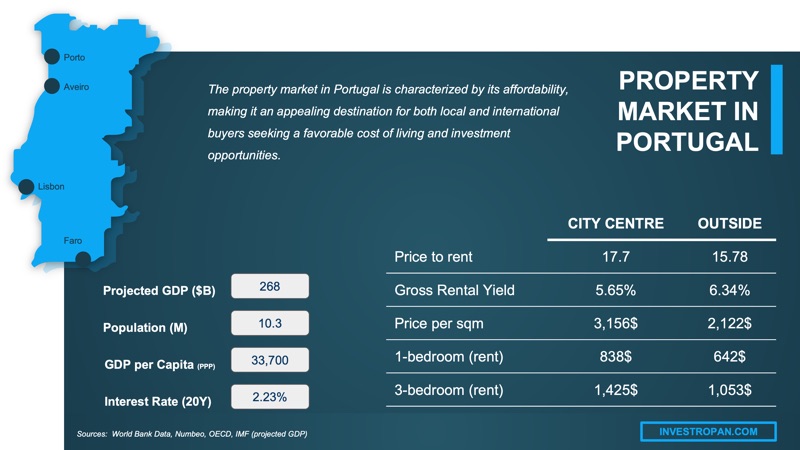
For most first-time European travelers, Portugal delivers better value and a more relaxed pace, typically costing $70-120 per day. The Netherlands, while efficient and charming, runs closer to $120-180 per day for a comparable experience. Portugal generally comes out ahead for budget-conscious explorers.
- Choose Netherlands: You prioritize efficient transport, specific art museums like Rijksmuseum, cycling culture, and a well-organized travel experience, even if it costs more. Ideal for short, focused city breaks.
- Choose Portugal: You want sun, beaches, budget-friendly food, a slower pace, and a more pronounced historical atmosphere. Perfect for longer trips or exploring a country's varied regions.
- Choose Both: If you have at least 10-14 days and want to experience both Northern and Southern European styles, combining them is feasible, though it involves a 2.5-3 hour flight between Amsterdam and Lisbon/Porto.
Choose Netherlands
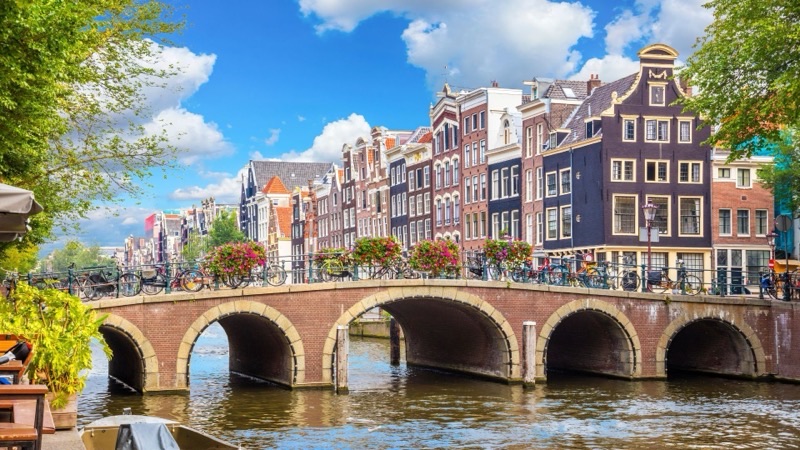
Opt for the Netherlands if you prioritize seamless city exploration, iconic art museums like the Rijksmuseum, and a vibrant cycling culture through charming canal-lined streets. It's best for cultural explorers and those who appreciate a highly organized, efficient, and slightly more upscale urban adventure in places like Amsterdam or Utrecht.
Choose Portugal
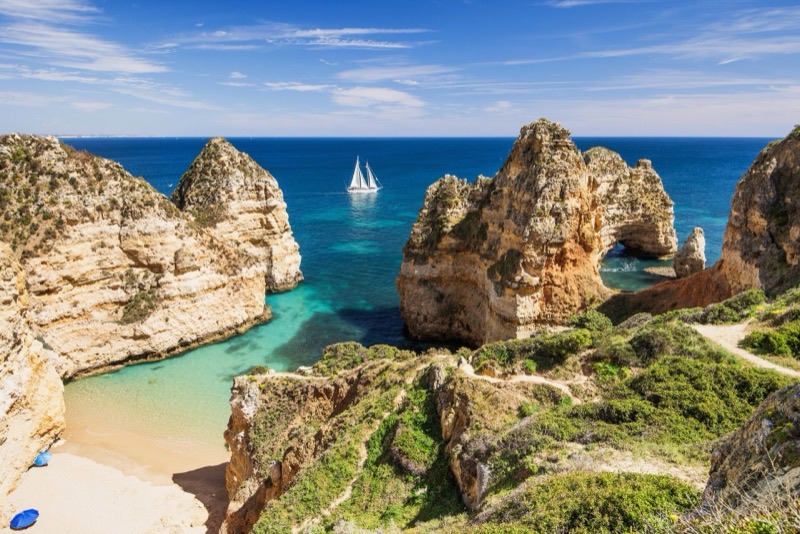
Portugal is your destination if you crave sun-drenched beaches, exploring historic districts like Lisbon's Alfama, and indulging in delicious, budget-friendly cuisine and Fado music. It’s ideal for relaxed travelers, foodies, and those seeking a blend of rich history, beautiful coastlines, and excellent value for a more extended, diverse trip.
📊 Visual Scorecard
🌤 When to Visit
Average high temperatures (°C). Green = best months, orange = avoid.
Quick Comparison
| Category | Netherlands | Portugal | Winner |
|---|---|---|---|
| Costs & Budget | Higher daily costs, especially for accommodation and dining in cities like Amsterdam. Efficient but pricey. | Significantly more budget-friendly across the board, from food to transport and hotels. Great value. | Portugal |
| Food & Drink | Focus on hearty, simple dishes; good international options in cities. Coffee shops are prevalent. | Fresh seafood, diverse pastries, robust wines, and a strong cafe culture with affordable, flavorful meals. | Portugal |
| Culture & History | Focus on Golden Age art, maritime history, and a modern, liberal outlook. Canal houses and specific museums. | Centuries of maritime exploration, Moorish influences, Roman ruins, and a strong Fado tradition. Many specific historic sites. | Portugal |
| Nature & Outdoors | Flat landscapes, specific national parks like Hoge Veluwe, tulip fields (seasonal), and coastal dunes. | Dramatic coastlines, specific national parks like Peneda-Gerês, Douro Valley vineyards, and varied hiking trails. | Portugal |
| Getting Around | Excellent, punctual train network connecting all major cities. Extensive cycling infrastructure in cities. | Good intercity bus and train network, but less dense. Specific iconic trams in Lisbon. Driving can be challenging but offers access to remote areas. | Netherlands |
| Accommodation | Higher prices, particularly in Amsterdam. Hostels, boutique hotels, and canal-house stays are common. | Generally lower prices with diverse options: guesthouses, historic hotels, and budget-friendly apartments. | Portugal |
| Nightlife | Diverse club scene, specific coffee shops, brown cafes, and live music venues, especially in Amsterdam. | Lively bar districts, specific Fado houses, rooftop bars, and beach parties in summer along the coast. | Tie |
| Weather & Seasons | Mild summers, often wet and cool. Winters are chilly and grey. Predictable temperate climate. | Hot, dry summers; mild, wet winters. More sunshine days annually and warmer overall temperatures. | Portugal |
| Safety | Generally very safe. Petty crime like pickpocketing can occur in busy tourist areas of Amsterdam. Specific red-light district considerations. | Also very safe. Pickpocketing is a concern in specific crowded areas of Lisbon and Porto. Solo female travel is generally fine. | Tie |
| Solo Travel | Easy to navigate solo due to efficiency and English proficiency. Social scene can be more reserved. | Affordable, welcoming, and easy to meet other travelers. Strong hostel culture and readily available shared activities. | Portugal |
💰 Costs & Budget
The Netherlands is generally more expensive. A typical daily budget for a mid-range traveler in Amsterdam averages €110-160 ($120-175), excluding major attractions. A basic hostel…
Netherlands
Portugal
The Netherlands is generally more expensive. A typical daily budget for a mid-range traveler in Amsterdam averages €110-160 ($120-175), excluding major attractions. A basic hostel bed in Amsterdam costs €40-60 ($45-65), while a decent hotel room is €100-200 ($110-220). A simple meal out can be €15-25 ($16-27). Public transport within cities like Amsterdam is efficient but adds up; a 24-hour GVB pass is €9 ($9.80). Groceries from Albert Heijn are reasonable if you cook.
Portugal offers better value. A mid-range daily budget in Lisbon or Porto is around €65-110 ($70-120). Hostel beds are €20-40 ($22-44), and hotel rooms are €60-120 ($65-130). A 'prato do dia' (dish of the day) lunch in a local tasca can be €8-12 ($9-13), including a drink. Public transport like Lisbon's 'zapping' card offers rides for as little as €1.50 ($1.65). Even the Algarve coast provides good value compared to other European beach regions. If your budget is a primary concern, Portugal delivers more for your money.
- Winner: Portugal
- Why: Portugal consistently offers a lower cost of living and travel expenses, making your budget stretch further.
- Who this matters for: Budget travelers, those planning longer trips, or anyone wanting to maximize their spending on experiences rather than necessities.
🍽️ Food & Drink
Dutch cuisine is often perceived as hearty and functional. Classic dishes include bitterballen (fried meatballs) for €6-8 ($6.50-8.70), stroopwafels, and stamppot (mashed potatoes…
Netherlands

Portugal
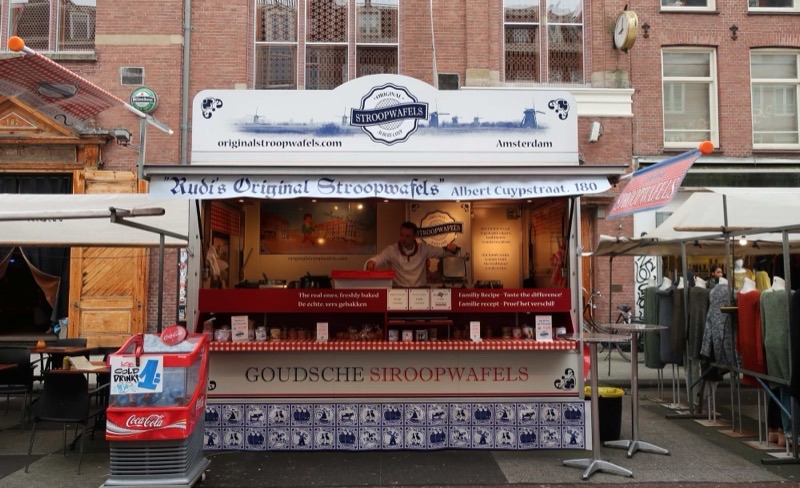
Dutch cuisine is often perceived as hearty and functional. Classic dishes include bitterballen (fried meatballs) for €6-8 ($6.50-8.70), stroopwafels, and stamppot (mashed potatoes with vegetables). In Amsterdam, you'll find excellent Indonesian rijsttafel at places like Tempo Doeloe for around €30-45 ($33-49) per person, alongside diverse international options. Craft beer scenes are growing, with breweries like Brouwerij 't IJ. Coffee shops, offering cannabis, are distinct from cafes serving coffee. Expect to pay €3.50-5 ($3.80-5.40) for a coffee.
Portugal's food scene is a major draw. Seafood is a highlight, with bacalhau (codfish) prepared in hundreds of ways, often €12-20 ($13-22). Pastel de nata (custard tart) is ubiquitous and costs around €1.10-1.50 ($1.20-1.65) at places like Pastéis de Belém. A glass of vinho verde or port wine can be €3-6 ($3.30-6.50). Dining out, even for a full meal, is affordable; a 'francesinha' in Porto is €10-15 ($11-16). The coffee culture is strong, with espresso ('bica') costing €0.70-1 ($0.75-1.10). Portugal offers a wider array of distinct, flavorful, and consistently good food experiences.
- Winner: Portugal
- Why: Portugal offers a broader range of distinctive, fresh, and affordable culinary experiences, especially for seafood and pastries.
- Who this matters for: Foodies, travelers who enjoy exploring local flavors, and those who appreciate fresh, high-quality ingredients without a high price tag.
🏛️ Culture & History
The Netherlands presents a specific cultural identity centered on Dutch Golden Age art, efficient design, and a progressive social outlook. Amsterdam's Rijksmuseum (€22.50/$24.50)…
Netherlands
Portugal
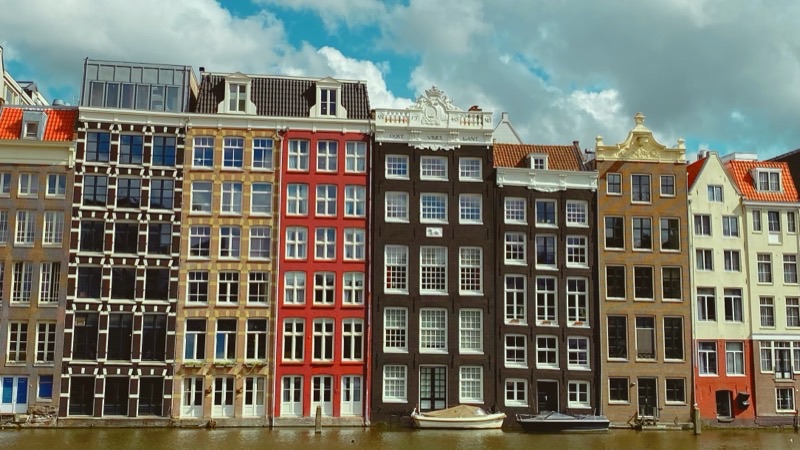
The Netherlands presents a specific cultural identity centered on Dutch Golden Age art, efficient design, and a progressive social outlook. Amsterdam's Rijksmuseum (€22.50/$24.50) houses Rembrandt's 'The Night Watch', and the Van Gogh Museum (€22/$24) is dedicated to his works. Anne Frank House (€16/$17.50) is a specific, moving experience. Beyond Amsterdam, cities like Utrecht and Haarlem offer charming canal scenes and historic churches. The culture feels contemporary and forward-thinking, with well-preserved architecture from specific historical periods. There is a strong emphasis on cycling and public spaces.
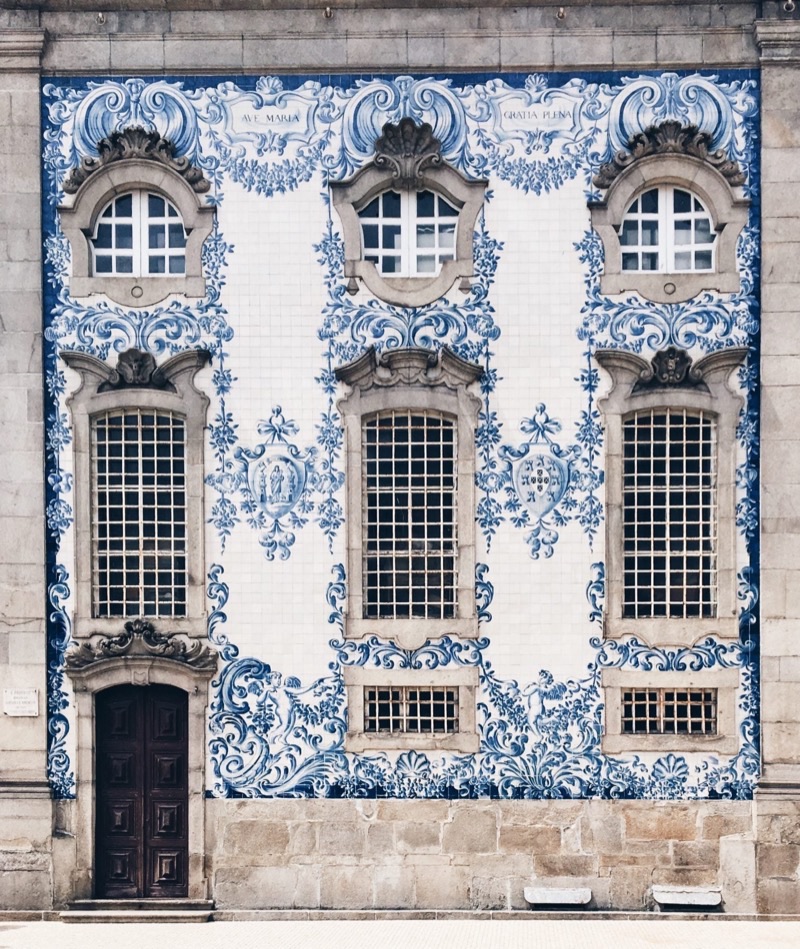
Portugal's history is visibly layered, from Roman ruins to Moorish castles and the Age of Discoveries. Lisbon's Jerónimos Monastery (€12/$13) and Belém Tower (€6/$6.50) are UNESCO sites marking its maritime past. Porto's historic Ribeira district and the specific Lello Bookstore (€8/$8.70 for entry, redeemable on books) draw many. Fado music, an expressive traditional genre, can be heard in specific clubs in Lisbon and Coimbra. The country’s history feels more interwoven with the everyday experience, from specific azulejo tiles on buildings to the melancholic Fado performances. Portugal's cultural heritage feels more pervasive and deeply rooted.
- Winner: Portugal
- Why: Portugal offers a more diverse and visibly layered historical and cultural experience, from ancient ruins to specific musical traditions.
- Who this matters for: History buffs, those interested in diverse architectural styles, and travelers seeking specific traditional arts like Fado.
🌳 Nature & Outdoors
The Netherlands is mostly flat, with its beauty found in organized landscapes. The Keukenhof Gardens (seasonal, €19/$20.50 entry) display impressive tulip arrangements. De Hoge…
Netherlands
Portugal
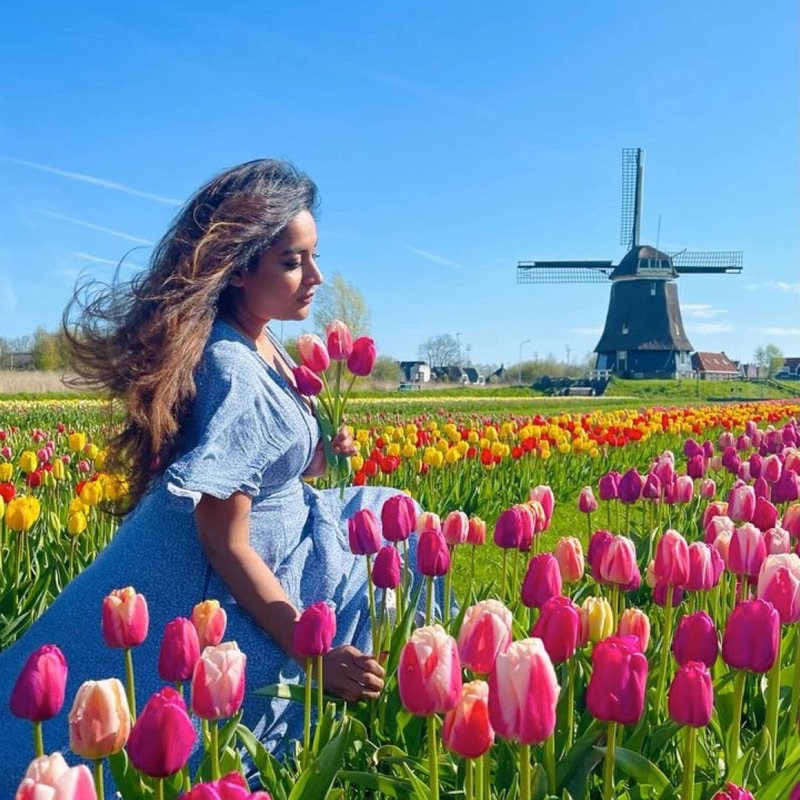
The Netherlands is mostly flat, with its beauty found in organized landscapes. The Keukenhof Gardens (seasonal, €19/$20.50 entry) display impressive tulip arrangements. De Hoge Veluwe National Park (€12/$13 entry, plus €12.50/$13.50 for the Kröller-Müller Museum) offers heathlands and forests with free white bikes for exploring. The coastal dunes near Zandvoort offer walking paths and specific beaches. It's a country of low-lying polders and engineered nature, which has its own appeal, but lacks significant topographical variation. Cycling is the primary way to engage with the outdoor landscape.
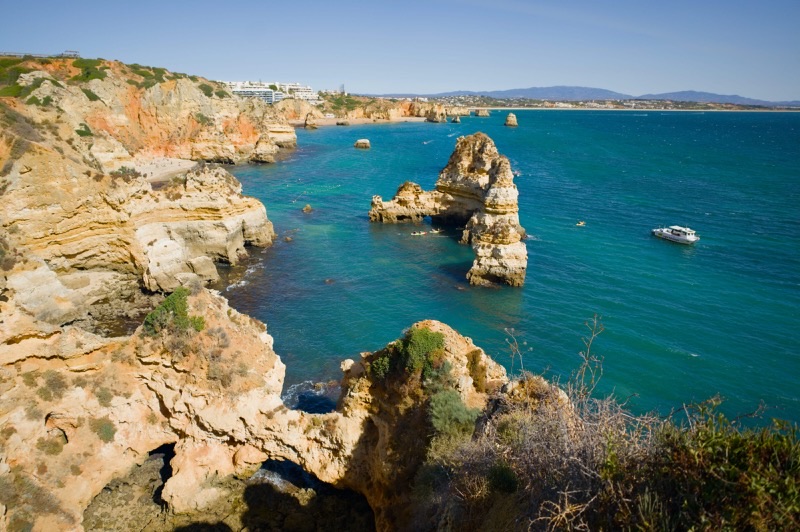
Portugal provides a wider range of natural environments. The Algarve region boasts specific dramatic cliffs and grottoes, like Ponta da Piedade near Lagos. The Peneda-Gerês National Park in the north offers mountains, forests, and waterfalls for hiking. The Douro Valley is known for its terraced vineyards and specific river cruises, often starting from Porto (€60-100/$65-110 for a day trip). Specific surfing beaches like Nazaré (for its big waves) and Peniche are well-known. From rugged mountains to extensive coastline, Portugal offers more diverse and impactful natural scenery.
- Winner: Portugal
- Why: Portugal offers a more diverse and dramatic array of natural landscapes, from specific coastlines to mountains and vineyards.
- Who this matters for: Adventure seekers, hikers, surfers, wine enthusiasts, and anyone who enjoys varied natural scenery beyond flat plains.
🚆 Getting Around
Getting around the Netherlands is highly efficient. The Nederlandse Spoorwegen (NS) train network connects virtually every city with frequent, punctual services. A train ticket…
Netherlands
Portugal
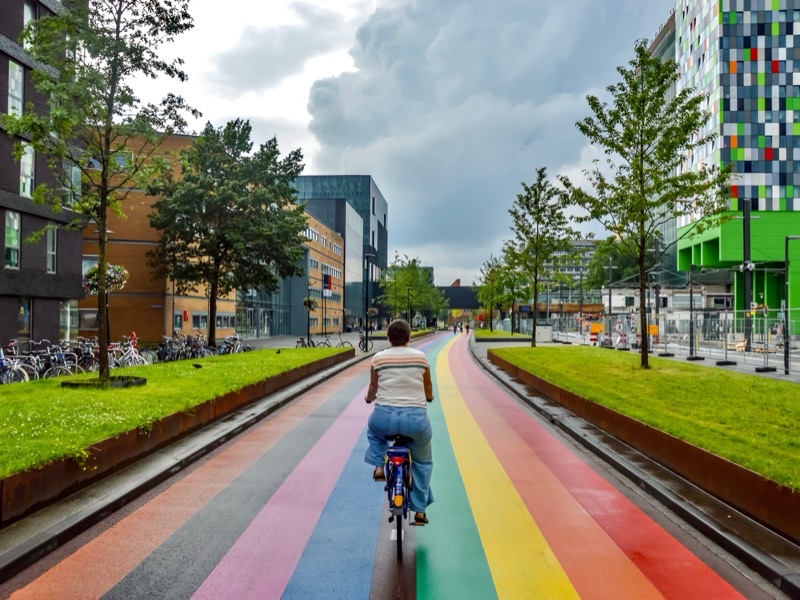
Getting around the Netherlands is highly efficient. The Nederlandse Spoorwegen (NS) train network connects virtually every city with frequent, punctual services. A train ticket from Amsterdam to Rotterdam costs around €17 ($18.50) and takes about 40 minutes. Public transport within cities (trams, buses, metros) is also excellent; an Amsterdam GVB day ticket is €9 ($9.80). Cycling is a primary mode of transport in all cities, with dedicated paths and bike rentals available from €10-15 ($11-16) per day. The infrastructure supports smooth, predictable travel.
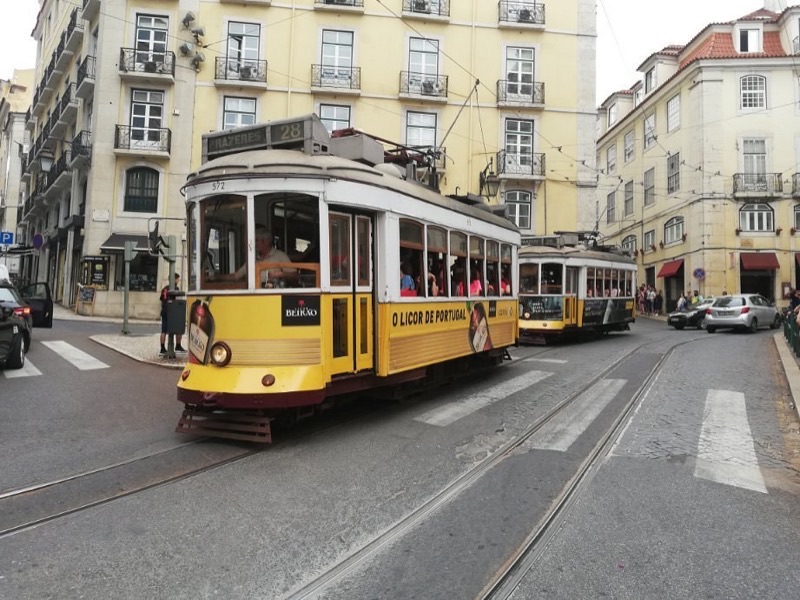
Portugal's transport network is good but less comprehensive than the Netherlands. Intercity trains (CP) connect major hubs like Lisbon and Porto (around €25-35/$27-38, 2.5-3 hours). Buses, especially Rede Expressos, are often a more extensive and affordable option for smaller towns or coastal routes. Within Lisbon, the specific Tram 28 offers a historic city tour, and the metro is efficient. Car rental is more common for exploring regions like the Algarve or Alentejo, with daily rates starting around €30-50 ($33-54). While functional, it requires more planning and specific regional knowledge. For overall ease and efficiency, the Netherlands is superior.
- Winner: Netherlands
- Why: The Netherlands boasts a superior, highly efficient, and punctual public transport system, complemented by specific cycling infrastructure.
- Who this matters for: Travelers who prefer to rely solely on public transport, those on a tight schedule, and cyclists.
🏨 Accommodation
Accommodation in the Netherlands, especially Amsterdam, can be expensive and booked far in advance. A hostel bed in Amsterdam typically costs €40-60 ($44-65). Mid-range hotels in…
Accommodation in the Netherlands, especially Amsterdam, can be expensive and booked far in advance. A hostel bed in Amsterdam typically costs €40-60 ($44-65). Mid-range hotels in central areas range from €100-200 ($110-220) per night. Outside Amsterdam, prices are lower but still above Portugal. For example, a hotel in Utrecht might be €80-150 ($87-163). Specific types of accommodation include unique boutique hotels in canal houses. Expect to pay a premium for location and quality. Availability during peak season can be a challenge.
Portugal offers better value and variety. Hostel beds in Lisbon or Porto are usually €20-40 ($22-44), with some offering private rooms for €50-70 ($54-76). Mid-range hotels in city centers can be found for €60-120 ($65-130). Guesthouses ('alojamento local') are common and provide an authentic experience. In smaller towns or the Algarve, you can find excellent deals, such as a charming apartment for €50-80 ($54-87) per night. Even luxury accommodations in Portugal are often more affordable than their Dutch counterparts. Portugal provides more options for different budgets.
- Winner: Portugal
- Why: Portugal offers significantly more affordable accommodation options across all categories, from hostels to mid-range hotels.
- Who this matters for: Budget-conscious travelers, families, and anyone seeking good value for their lodging without compromising on quality too much.
🌃 Nightlife
The Netherlands, particularly Amsterdam, has a robust and varied nightlife. Specific areas like Leidseplein and Rembrandtplein are known for clubs and bars. Famous clubs include…
The Netherlands, particularly Amsterdam, has a robust and varied nightlife. Specific areas like Leidseplein and Rembrandtplein are known for clubs and bars. Famous clubs include Paradiso and Melkweg, hosting international DJs and live acts. 'Brown cafes' offer a cozy, traditional pub experience. The unique 'coffee shop' culture (for cannabis) is a distinct part of the Amsterdam nightlife. Prices for a beer are typically €5-8 ($5.40-8.70). Beyond Amsterdam, cities like Rotterdam and Utrecht have their own specific bar and club scenes, catering to different tastes.
Portugal's nightlife is also energetic, especially in Lisbon's Bairro Alto or Cais do Sodré districts, where bars spill onto the streets. Porto's Galerias de Paris street is another specific hub. Fado houses offer a specific cultural evening with dinner and music. Rooftop bars with city views are popular, particularly in Lisbon. Along the Algarve coast, specific towns like Albufeira have a strong party scene during summer. A beer can cost €2-4 ($2.20-4.40). Both countries offer specific and enjoyable options for evening entertainment, depending on what you seek.
- Winner: Tie
- Why: Both destinations provide compelling and specific nightlife experiences, from unique cultural offerings to specific club scenes, catering to different preferences.
- Who this matters for: Anyone seeking evening entertainment; the choice depends on whether you prefer specific clubbing and coffee shops or lively street bars and Fado.
☀️ Weather & Seasons
The Netherlands has a temperate maritime climate. Summers (June-August) are mild, with average temperatures around 17-20°C (63-68°F), but rain is common, even in summer. Winters…
The Netherlands has a temperate maritime climate. Summers (June-August) are mild, with average temperatures around 17-20°C (63-68°F), but rain is common, even in summer. Winters (December-February) are chilly, averaging 2-6°C (36-43°F), often grey and damp, with occasional snow. Spring (April-May) is popular for tulip season but can be unpredictable with cool days. Autumn (September-November) sees increasing rainfall and cooler temperatures. Sunshine hours are generally lower than in Southern Europe, and packing layers is always a good idea.
Portugal experiences a Mediterranean climate, meaning more sunshine and warmer temperatures. Summers (June-August) are hot and dry, especially inland, with Lisbon averaging 25-28°C (77-82°F) but often reaching 30°C+ (86°F+). The Algarve coast is popular for its consistent sunshine. Winters (December-February) are mild, particularly along the coast, with Lisbon averaging 10-15°C (50-59°F) and more rainfall. Spring (March-May) and Autumn (September-October) offer pleasant temperatures, often 20-25°C (68-77°F), making them excellent times to visit. If consistent warmth and sun are priorities, Portugal is a clear choice.
- Winner: Portugal
- Why: Portugal consistently offers warmer temperatures, more sunshine, and milder winters, providing a more pleasant climate for travelers.
- Who this matters for: Sun-seekers, those sensitive to cold or rain, and travelers planning beach holidays or outdoor activities.
🚨 Safety
The Netherlands is a very safe country with low crime rates. Major concerns for travelers are usually limited to petty theft, such as pickpocketing in crowded areas like Amsterdam…
The Netherlands is a very safe country with low crime rates. Major concerns for travelers are usually limited to petty theft, such as pickpocketing in crowded areas like Amsterdam Centraal Station, specific tram lines, or tourist hotspots like Dam Square. Staying aware of your belongings is prudent. The Red Light District in Amsterdam, while specific, is generally safe to walk through, but photography of individuals is prohibited and can lead to specific issues. Emergency services are reliable and responsive. Overall, travelers rarely encounter serious problems.
Portugal is also considered a very safe destination. Like the Netherlands, the main issue for tourists is pickpocketing, especially on specific trams (e.g., Tram 28 in Lisbon), in specific metro stations, and crowded areas like Rossio Square. Violent crime against tourists is uncommon. Solo female travelers report generally feeling secure, even at night in specific well-lit areas. Emergency services are efficient. Both countries require basic urban awareness regarding personal belongings, but neither presents significant safety risks for the average traveler. Both are excellent choices for safe travel.
- Winner: Tie
- Why: Both countries maintain high safety standards for travelers, with similar low risks primarily confined to specific petty theft in crowded tourist zones.
- Who this matters for: All travelers, especially solo travelers or families, who prioritize a secure and worry-free travel experience.
🚶♀️ Solo Travel
Solo travel in the Netherlands is straightforward. English is widely spoken, and the efficient public transport makes getting around easy without a companion. Amsterdam has many…
Solo travel in the Netherlands is straightforward. English is widely spoken, and the efficient public transport makes getting around easy without a companion. Amsterdam has many hostels and specific social events. However, Dutch culture can be perceived as more reserved than Southern European counterparts, making spontaneous social interactions slightly less common outside of specific hostel environments. Dining alone is accepted and easy. Specific solo activities include museum visits, canal cruises, and cycling tours. It's a comfortable but potentially less outwardly social solo experience.
Portugal is particularly amenable to solo travelers. Its affordability means you can extend your trip or upgrade experiences. The strong hostel culture in Lisbon, Porto, and the Algarve facilitates meeting other travelers, with many specific hostels organizing group dinners and tours. Portuguese people are generally open and welcoming. Dining alone is common and comfortable, with many small tascas offering specific, friendly atmospheres. Specific activities like walking tours, surf lessons, or Fado nights are easy to join solo. The warm weather and prevalence of outdoor activities also contribute to a positive solo experience. Portugal’s combination of affordability, a social atmosphere, and specific cultural offerings makes it a standout for solo explorers.
- Winner: Portugal
- Why: Portugal offers a more welcoming, social, and affordable environment for solo travelers, with an established hostel culture and easy opportunities to connect with others.
- Who this matters for: Solo travelers, especially those on a budget or looking to meet other people easily while traveling.
🎯 The Decision Framework
Choose Netherlands If…
- You prioritize efficient, punctual public transportation.
- You want to explore specific Dutch Golden Age art at museums like Rijksmuseum.
- You enjoy extensive cycling infrastructure and flat landscapes.
- You appreciate a progressive, modern European atmosphere.
- You are interested in unique 'brown cafes' and coffee shop culture.
- You prefer milder, temperate weather over intense heat.
- You appreciate clean, well-organized cities and infrastructure.
- You're okay with higher travel costs for specific experiences.
Choose Portugal If…
- You want a more budget-friendly European trip ($70-120/day).
- You love fresh seafood, specific pastries like pastel de nata, and robust wines.
- You seek extensive sunshine and warmer temperatures year-round.
- You enjoy dramatic coastlines, specific surfing beaches, and varied nature.
- You prefer a more laid-back, slower travel pace and specific historical ambiance.
- You want to experience specific Fado music and ancient architectural layers.
- You appreciate a strong hostel culture and easy opportunities to meet other travelers.
- You're looking for iconic city trams and specific Moorish influences.
📅 Sample Itineraries
Weekend in Netherlands (3 Days)
💡 Purchase an I Amsterdam City Card for free museum entry and public transport, potentially saving €10-20 on a 72-hour pass if you plan to visit multiple attractions.
Weekend in Portugal (3 Days)
💡 Use the Viva Viagem card for public transport; load it with money ("zapping" mode) to get cheaper fares, saving up to €1-2 per ride compared to single tickets.
One Week in Netherlands (7 Days)
💡 Consider a Dutch Railways (NS) off-peak day ticket for €25-30 if traveling outside rush hours for significant savings on intercity travel.
One Week in Portugal (7 Days)
💡 Book intercity train tickets between Lisbon and Porto in advance online to secure discounted fares, potentially saving €10-15 per ticket.
❓ Frequently Asked Questions
What are the typical flight times and costs from North America or the UK to these countries?
From major East Coast US cities (e.g., NYC), direct flights to Amsterdam (AMS) or Lisbon (LIS) average 7-8 hours, costing $500-800 round trip. From London (UK), flights are around 1.5-2.5 hours, costing £50-150. Prices vary significantly by season and booking lead time.
Which country is better for a family trip with young children?
Portugal often wins for families due to its generally warmer weather, specific sandy beaches (like in the Algarve), and more affordable family-friendly accommodations and activities. The slower pace can also be easier with young children. The Netherlands offers specific attractions like Efteling theme park, but costs are higher.
Is it easy to get by with English in both destinations?
Yes, English is widely spoken in both countries, especially in tourist areas and among younger generations. In the Netherlands, nearly everyone speaks fluent English. In Portugal, you'll find good English proficiency in Lisbon, Porto, and the Algarve, though learning a few basic Portuguese phrases is always appreciated in smaller towns.
What's the best time of year to visit each country?
For the Netherlands, late spring (April-May) is good for specific tulips and milder weather, or early autumn (September-October) for fewer crowds. For Portugal, spring (April-May) and early autumn (September-October) offer pleasant warmth without the intense summer heat or crowds, making them ideal.
Which country has better beaches?
Portugal clearly has better beaches, particularly the specific, dramatic coastlines of the Algarve (e.g., Praia da Marinha) and the surfing beaches along the west coast. The Netherlands has specific North Sea beaches (e.g., Zandvoort, Scheveningen) but they are often cooler and less dramatic.
Are specific day trips easy to manage from major cities in both countries?
Yes, both offer easy day trips. From Amsterdam, you can reach cities like Utrecht, The Hague, or specific Zaanse Schans windmill village within an hour by train. From Lisbon, Sintra, Cascais, or Évora are accessible within 30-90 minutes by train or bus. Both boast specific, well-connected options.
What's the typical cost for a glass of wine or a local beer in each place?
In the Netherlands, a glass of local beer (e.g., Heineken) typically costs €4-7 ($4.30-7.60). A glass of house wine is €5-8 ($5.40-8.70). In Portugal, a 'imperial' (small beer) is €1.50-3 ($1.65-3.30), and a glass of house wine is €2.50-5 ($2.70-5.40), making Portugal significantly more affordable.
Which country is better for cycling?
The Netherlands is specific for its unparalleled cycling infrastructure, with dedicated, flat paths everywhere. It's a core part of their culture. Portugal has some specific cycling routes, especially along the coast or in natural parks, but it's generally hillier and less integrated into daily transport for tourists.
Ready to plan your European trip?
Get a free custom itinerary for Netherlands, Portugal, or both — built from real traveler insights.
👥 Travelers Also Compared
🎟️ Book Tours & Experiences
Hand-picked tours and activities for both destinations — book with free cancellation
Experiences via Viator — free cancellation on most tours