How we built this comparison
This page combines traveler discussion patterns, published price ranges, flight schedules, and seasonal data to help you decide between Netherlands and Spain.
- Reviewed 500+ Reddit threads from r/travel, r/solotravel, r/Netherlands, r/Spain, r/Amsterdam, r/Madrid.
- Verified costs and logistics against current booking platforms like Booking.com, Skyscanner, and NS International.
- Cross-referenced seasonal patterns and weather data for both Northern and Southern European climates.
⚡ Quick Answers
⚡ The TL;DR Verdict
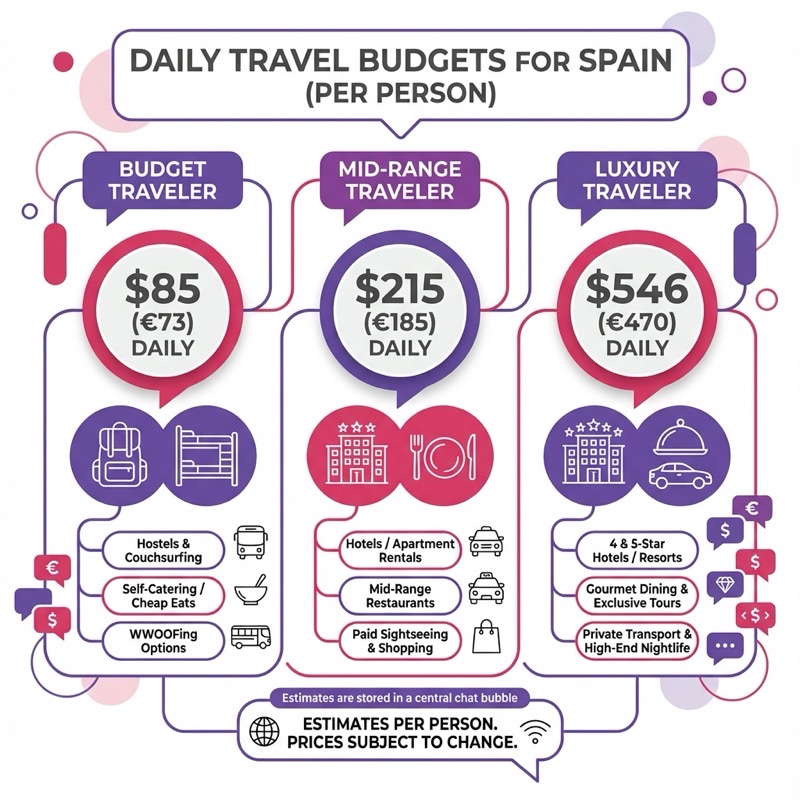
For travelers prioritizing warm weather, expansive historical sites, and budget-friendly food, Spain is the clear pick. If you prefer efficient transport, compact cities, and a unique cycling culture, the Netherlands delivers. Most travelers will find Spain offers more for their money, with a recommended daily budget of $60-120 compared to the Netherlands $80-150.
- Choose Netherlands: You prefer a compact travel experience, enjoy cycling, appreciate art museums, and value efficient train travel between cities. You are comfortable with slightly higher costs.
- Choose Spain: You want warmer weather, more extensive beaches, ancient history, late-night dining, and a generally more affordable trip, especially for food and accommodation.
- Choose Both: If you have 10-14 days or more and want to experience both Northern and Southern European cultures. Fly into one, spend 5-7 days, then take a budget flight (e.g., EasyJet, Ryanair) to the other.
Choose Netherlands
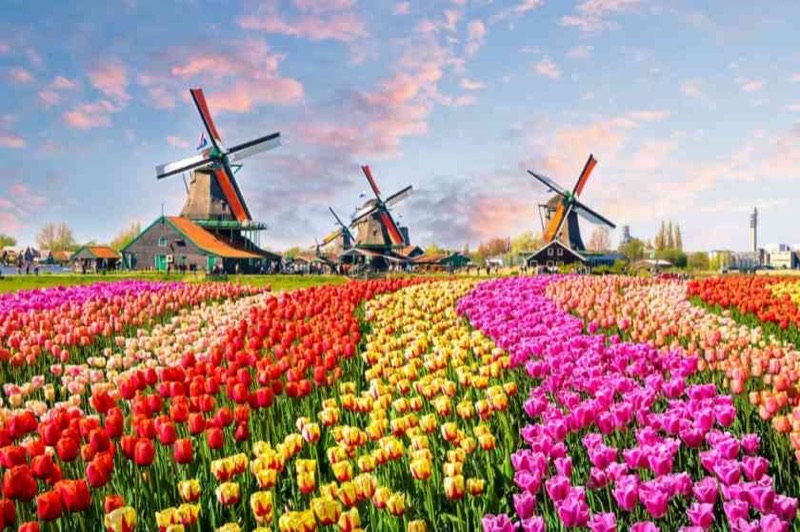
The Netherlands is ideal for travelers who cherish efficient urban exploration, unique cycling culture, and world-class art. Picture yourself biking along Amsterdam's canals to the Rijksmuseum, or easily connecting by train to Rotterdam's modern architecture. It's best for those seeking a vibrant, walkable experience and are comfortable with a slightly higher daily budget.
Choose Spain
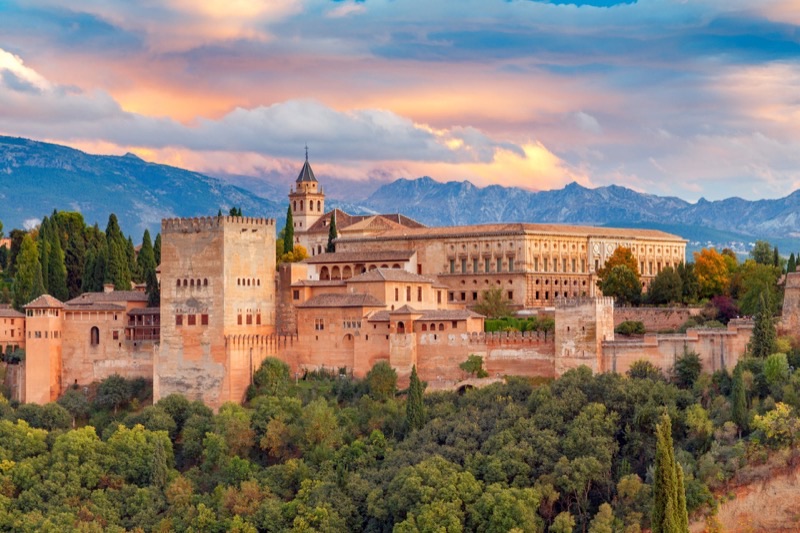
Spain beckons travelers dreaming of sun-drenched beaches, ancient history, and lively late-night tapas culture. Explore the Alhambra in Granada or relax on a Costa del Sol beach, enjoying delicious, affordable cuisine. This destination is perfect for those prioritizing a vibrant, warm, and budget-friendly European adventure, offering exceptional value for money.
📊 Visual Scorecard
🌤 When to Visit
Average high temperatures (°C). Green = best months, orange = avoid.
Quick Comparison
| Category | Netherlands | Spain | Winner |
|---|---|---|---|
| Daily Costs & Budget | Higher costs for accommodation, food, and transport. Expect to pay more for basics. | More budget-friendly across the board, especially for food, drinks, and public transport. | Spain |
| Food & Drink Culture | Known for cheese, herring, stroopwafels, and diverse international cuisine. Cafes are central. | Famous for tapas, paella, jamón, and regional specialties. Dining is a social, late-night event. | Spain |
| Nightlife & Entertainment | Known for 'brown cafes', coffee shops, and electronic music clubs in Amsterdam. Early closing times for many venues. | Lively and late-night, with bars open until early morning, flamenco shows, and thriving club scenes. | Spain |
| Culture & History | Golden Age art, canal house architecture, modern design, and a strong maritime history. | Roman ruins, Moorish palaces, medieval cathedrals, and a profound artistic and literary heritage. | Spain |
| Getting There & Flights | Amsterdam Schiphol (AMS) is a major hub with many direct flights from North America. | Madrid (MAD) and Barcelona (BCN) are primary international airports with direct flights from North America. | Tie |
| Getting Around | Excellent train network, cycling is a primary mode of transport in cities. Compact and walkable. | Extensive high-speed rail (AVE) connects major cities. Efficient city metro systems and buses. | Netherlands |
| Accommodation Quality & Price | Generally higher prices, especially in popular cities like Amsterdam. Boutique hotels and canal-side stays are common. | Wider range of budget options, from hostels to boutique hotels. Paradores (historic hotels) offer unique stays. | Spain |
| Nature & Outdoors | Flat landscapes, coastal dunes, national parks like Hoge Veluwe, and tulip fields in spring. | Diverse terrain including Pyrenees mountains, Picos de Europa, Mediterranean beaches, and volcanic islands. | Spain |
| Beaches & Coastlines | North Sea beaches, often wide and sandy, suitable for walking, kite surfing, and relaxed days. | Extensive Mediterranean and Atlantic coastlines, famous for warm waters, sunbathing, and watersports. | Spain |
| Safety & Travel Vibe | Generally very safe with low crime rates. Relaxed and tolerant social atmosphere. | Generally safe, but petty crime like pickpocketing is common in tourist areas. Lively and passionate atmosphere. | Netherlands |
💰 Daily Costs & Budget
Traveling in the Netherlands requires a higher daily budget. A mid-range traveler should expect to spend €75-130 ($80-140 USD) per day. A basic meal at an affordable restaurant in…
Netherlands
Spain
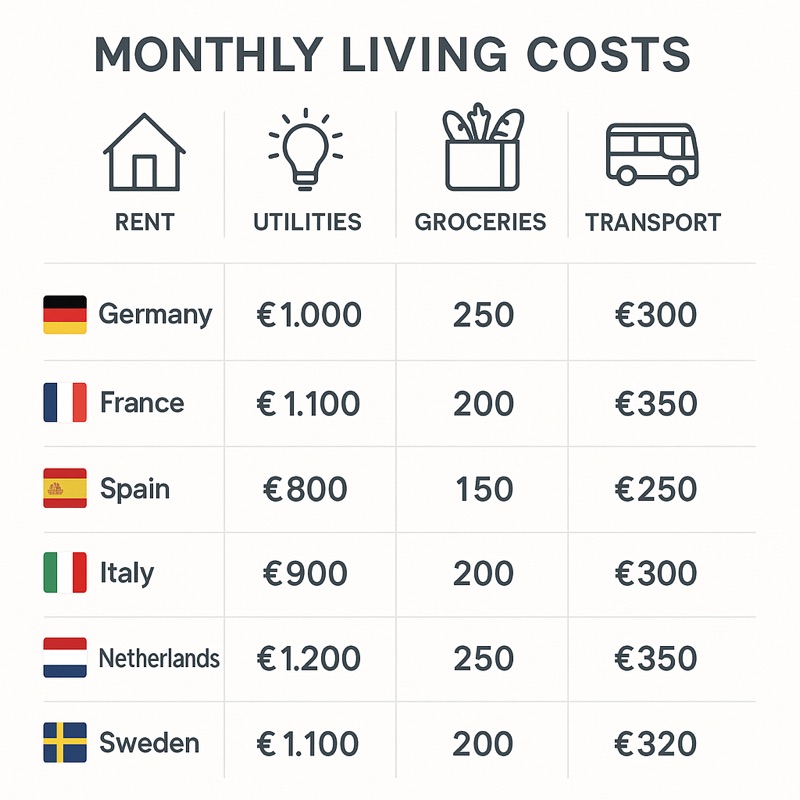
Traveling in the Netherlands requires a higher daily budget. A mid-range traveler should expect to spend €75-130 ($80-140 USD) per day. A basic meal at an affordable restaurant in Amsterdam might cost €15-20 ($16-22 USD), and a beer €6-8 ($6.50-8.50 USD). Public transport passes in cities like Amsterdam can be around €8 ($8.50 USD) for 24 hours. A budget hotel in a city such as Utrecht or Rotterdam could be €80-120 ($85-130 USD) per night, while Amsterdam can easily exceed €150 ($160 USD).
Spain offers more value for money. A mid-range budget of €55-110 ($60-120 USD) per day is realistic. Tapas can be found for €3-5 ($3.20-5.40 USD) a plate, and a local beer or wine for €2-4 ($2.15-4.30 USD). A 'menu del día' (set lunch) often costs €10-15 ($11-16 USD). Public transport in cities like Madrid or Barcelona is typically €1.50-2 ($1.60-2.15 USD) per ride. Budget accommodation in major cities can be found for €60-90 ($65-97 USD) per night. Spain allows for a more extended trip without breaking the bank. Tabiji verdict: Spain provides significantly more financial flexibility for most travelers.
- Winner: Spain
- Why: Spain's lower prices for food, accommodation, and general activities make it more accessible for budget-conscious travelers.
- Who this matters for: Budget travelers, long-term travelers, and those who prioritize value.
🍽️ Food & Drink Culture
Dutch food culture centers on practicality and specific treats. Breakfasts often involve bread and cheese, and lunch might be a simple sandwich. Local specialties include…

Netherlands
Spain
Dutch food culture centers on practicality and specific treats. Breakfasts often involve bread and cheese, and lunch might be a simple sandwich. Local specialties include bitterballen (fried meat snacks, €6-8), stroopwafels (syrup waffles, €2-4), and raw herring (haring) from street vendors (€4-6). Indonesian food is also widely available due to historical ties, with a 'rijsttafel' (rice table) costing €25-40 per person. Craft beer scenes are growing in cities like Utrecht and Rotterdam, but local drinks are typically Heineken or Grolsch. Dining generally happens earlier than in Southern Europe.
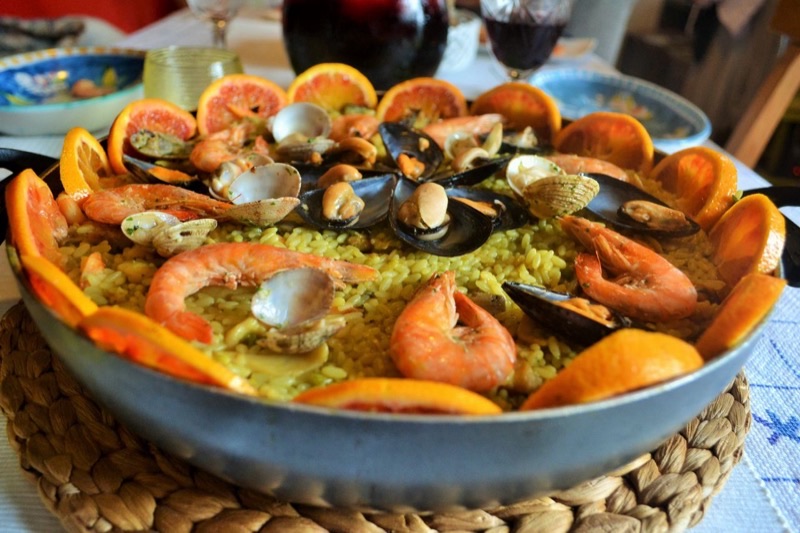
Spain excels in its food and drink experiences. The tapas culture, where small plates are shared, encourages trying many different dishes like patatas bravas, gambas al ajillo, and various cured meats for €3-7 per plate. Paella is a regional dish found across the country, with good quality versions often €15-25. Lunch, often the largest meal, is typically a 'menu del día' at €10-15. Dinner often starts late, around 9 PM or 10 PM. Wine, especially Rioja and Ribera del Duero, is affordable and high quality, with a glass often costing €2-4. Spain offers a broader range of distinctive, widely appealing traditional dishes. Tabiji verdict: Spain's social, diverse, and affordable food scene is generally more appealing to visitors.
- Winner: Spain
- Why: Spain offers a more diverse, social, and generally more exciting food scene with better value for money.
- Who this matters for: Foodies, social travelers, and anyone who enjoys late-night dining experiences.
🌃 Nightlife & Entertainment
Dutch nightlife, especially in Amsterdam, includes the famous 'brown cafes' (traditional pubs) and a substantial electronic music scene, with venues like Paradiso and Melkweg…
Netherlands

Spain
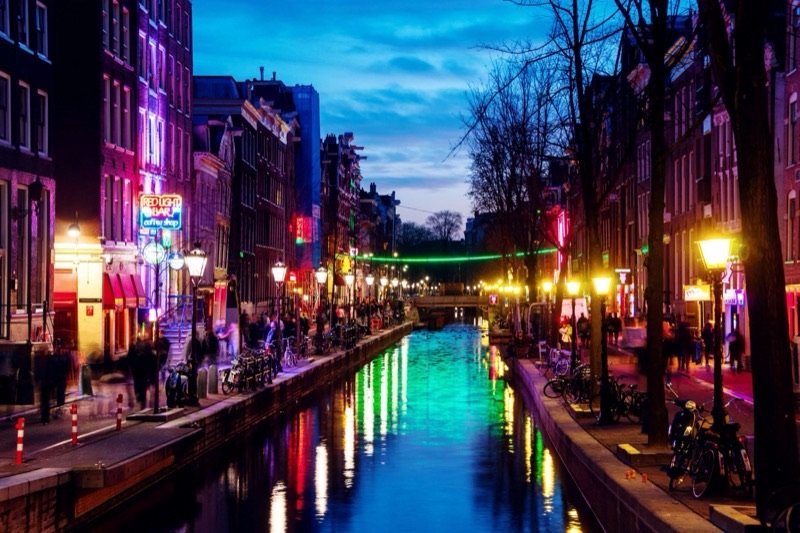
Dutch nightlife, especially in Amsterdam, includes the famous 'brown cafes' (traditional pubs) and a substantial electronic music scene, with venues like Paradiso and Melkweg hosting DJs and live acts. Amsterdam also has its distinct coffee shop culture. However, many bars and traditional venues tend to close by 2 AM or 3 AM during the week. Rotterdam and Utrecht also have local bars and clubs, but the overall intensity and late-night options are more focused on specific areas or events. The atmosphere is generally more relaxed and conversational.
Spain's nightlife is known for its energy and late hours. In cities like Madrid (Malasaña, Chueca) and Barcelona (El Born, Gothic Quarter), bars often stay open until 3 AM, and clubs can go until 6 AM or later. Flamenco shows in Seville or Granada offer a cultural entertainment option, with tickets costing €25-40. The tradition of 'salir de copas' (going out for drinks) after a late dinner means that streets remain busy well into the night. Beach towns like Ibiza and Benidorm are famous for their club scenes during summer. Spain's dedication to late-night social engagement makes its nightlife stand out. Tabiji verdict: Spain delivers a more extensive and culturally specific late-night experience for those seeking it.
- Winner: Spain
- Why: Spain's nightlife is more ingrained in its culture, goes later, and offers more diverse options from traditional shows to large clubs.
- Who this matters for: Party-goers, night owls, and travelers looking for late-night social experiences.
🏛️ Culture & History
The Netherlands presents a history rooted in trade, art, and water management. Amsterdam's canal houses reflect the Golden Age, and museums like the Rijksmuseum (entry €22.50) and…
Netherlands

Spain
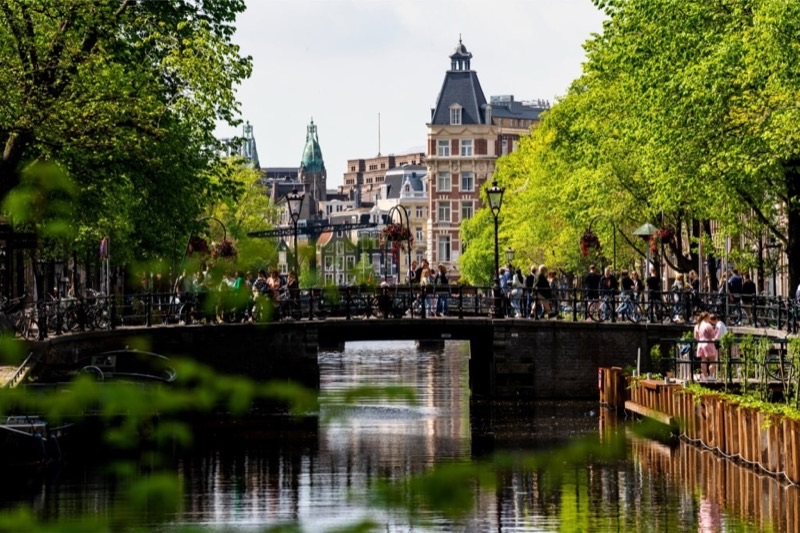
The Netherlands presents a history rooted in trade, art, and water management. Amsterdam's canal houses reflect the Golden Age, and museums like the Rijksmuseum (entry €22.50) and Van Gogh Museum (entry €20) house masterpieces. Historic cities like Delft and Leiden offer preserved medieval centers and connections to Dutch masters. The Anne Frank House (entry €16) is a poignant site. Modern design and architecture are prominent in cities like Rotterdam. The cultural output is significant but often focused on specific periods or themes. Expect a narrative of innovation and merchant power.
Spain offers a layered history spanning millennia. Roman amphitheaters (e.g., Mérida, Tarragona), Moorish palaces like the Alhambra in Granada (entry €19) and the Mezquita-Cathedral in Cordoba (entry €13), and grand Gothic cathedrals (Seville, Burgos) display a sequence of empires and cultures. The Prado Museum (entry €15) in Madrid and the Sagrada Familia (entry €26-30) in Barcelona are testaments to its artistic and architectural legacy. From prehistoric cave paintings to Picasso, Spains historical depth and architectural variety are vast. Tabiji verdict: Spains historical sites and cultural breadth provide a more extensive and diverse exploration for most visitors.
- Winner: Spain
- Why: Spain's history is more visibly extensive and varied, with monumental sites from Roman, Moorish, and medieval periods.
- Who this matters for: History buffs, architecture enthusiasts, and those seeking ancient civilizations.
✈️ Getting There & Flights
Flying to the Netherlands usually means landing at Amsterdam Schiphol Airport (AMS). From major US cities like New York (JFK), flights are typically 7-8 hours direct, with…
Netherlands
Spain
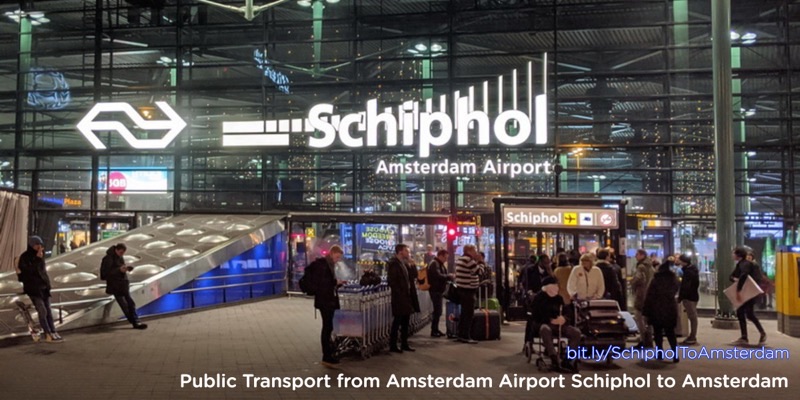
Flying to the Netherlands usually means landing at Amsterdam Schiphol Airport (AMS). From major US cities like New York (JFK), flights are typically 7-8 hours direct, with round-trip economy fares ranging from $600-900 outside of peak summer. From the West Coast (e.g., LAX), flights are 10-11 hours and often involve a stop, with fares around $800-1200. Schiphol is a large, well-connected airport with efficient train services into Amsterdam Centraal (€5.90 for a single ticket, 15-20 minutes).
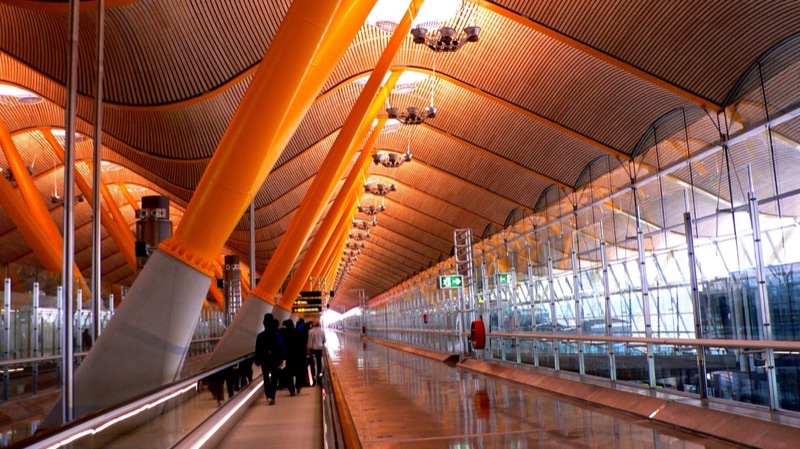
Spain has two major international gateways: Madrid-Barajas Adolfo Suárez Airport (MAD) and Barcelona-El Prat Airport (BCN). Direct flights from New York (JFK) to Madrid or Barcelona typically take 7-8 hours, with round-trip economy fares similar to Amsterdam, around $600-900. From the West Coast, flights are 10-12 hours, often with one stop, and fares can be $800-1300. Both Madrid and Barcelona airports offer efficient public transport links to their city centers (metro/train tickets around €2.50-5). The overall accessibility and flight duration are comparable. Tabiji verdict: Both countries offer similar flight options and accessibility from major international origins.
- Winner: Tie
- Why: Both countries have excellent international airport hubs with comparable flight times and prices from major global origins.
- Who this matters for: All travelers, as ease of access is a universal concern.
🚆 Getting Around
The Netherlands is highly efficient for internal travel. Its train network is extensive, connecting all major cities frequently. For example, Amsterdam to Utrecht takes about 30…
The Netherlands is highly efficient for internal travel. Its train network is extensive, connecting all major cities frequently. For example, Amsterdam to Utrecht takes about 30 minutes (€8.50), and Amsterdam to Rotterdam about 40 minutes (€17). Cycling is a defining characteristic; cities like Amsterdam and Utrecht are designed for bikes, with rentals widely available (€10-15 per day). Public transport within cities (trams, buses, metros) is reliable and easy to use. The country's small size means travel times between destinations are minimal, allowing for more exploration in less time. Most city centers are also very walkable.
Spain boasts a comprehensive network of high-speed trains (AVE) connecting major cities like Madrid, Barcelona, Seville, and Valencia. A trip from Madrid to Barcelona takes about 2.5-3 hours (€40-100 depending on booking). Regional trains and buses fill in gaps efficiently, with bus travel often more economical for shorter distances. City metro systems in Madrid and Barcelona are clean and effective. While cycling is possible in some areas, it is not as integrated into daily urban life as in the Netherlands. Spains larger land mass means inter-city travel often takes longer, even with high-speed options. Tabiji verdict: The Netherlands compact size and integrated cycling culture make it slightly easier and more distinctive for internal travel.
- Winner: Netherlands
- Why: The Netherlands offers an exceptionally efficient, compact, and unique cycling-centric transport system.
- Who this matters for: Eco-conscious travelers, those who prefer cycling, and anyone prioritizing minimal travel time between destinations.
🏨 Accommodation Quality & Price
Accommodation in the Netherlands, particularly Amsterdam, commands higher prices. A mid-range hotel in Amsterdam might cost €150-250 ($160-270 USD) per night, while budget options…
Accommodation in the Netherlands, particularly Amsterdam, commands higher prices. A mid-range hotel in Amsterdam might cost €150-250 ($160-270 USD) per night, while budget options like hostels can be €40-70 ($43-75 USD) for a dorm bed. Outside Amsterdam, in cities like The Hague or Utrecht, prices are slightly lower, with hotels from €100-180 ($108-195 USD). Unique canal-side apartments or boutique hotels offer a distinct experience but come at a premium. Booking well in advance is advisable, especially for peak seasons.
Spain provides a wider and more affordable range of accommodation. Budget hostels in cities like Seville or Valencia can be found for €20-40 ($21-43 USD) for a dorm bed, and mid-range hotels often cost €70-130 ($75-140 USD) per night. Even in major cities like Madrid or Barcelona, a good quality hotel can be found for €100-180 ($108-195 USD). Spain also offers 'paradores,' historic buildings converted into hotels, providing a unique stay, with prices varying greatly but often competitive for the experience. The greater supply and diverse options make Spain more accessible for varied budgets. Tabiji verdict: Spain offers a better quality-to-price ratio and broader options for all budgets.
- Winner: Spain
- Why: Spain has significantly more affordable accommodation options across all categories, including unique historic stays.
- Who this matters for: Budget travelers, families, and those seeking good value for their lodging.
🏞️ Nature & Outdoors
The Netherlands landscape is largely flat, defined by polders, canals, and extensive agricultural land. Its natural spaces include coastal dunes along the North Sea, like those…
The Netherlands landscape is largely flat, defined by polders, canals, and extensive agricultural land. Its natural spaces include coastal dunes along the North Sea, like those near Zandvoort, offering walking and cycling paths. De Hoge Veluwe National Park is a notable exception, with heathlands, sand drifts, and woodlands, home to deer and wild boar; entry is €12.50. In spring (April-May), the Keukenhof Gardens (entry €19.50) showcase famous tulip fields. The Wadden Sea Islands provide a unique tidal environment. While charming, the Dutch landscape does not offer grand geological features.
Spain's natural diversity is extensive. The Pyrenees mountains (e.g., Ordesa y Monte Perdido National Park) offer hiking, skiing, and mountaineering. The Picos de Europa in the north provide dramatic limestone peaks and deep gorges. Along its extensive coastline, there are Mediterranean beaches (Costa del Sol, Costa Brava) and Atlantic beaches (Galicia). The Canary Islands (e.g., Teide National Park in Tenerife) offer volcanic landscapes and unique ecosystems. Doñana National Park is a major wetland for birdwatching. Spains varied topography provides options for almost every outdoor activity. Tabiji verdict: Spains mountains, diverse coastlines, and varied ecosystems make it the superior choice for outdoor enthusiasts.
- Winner: Spain
- Why: Spain presents a much wider range of diverse and dramatic natural landscapes, from high mountains to extensive coastlines and volcanic islands.
- Who this matters for: Hikers, beach lovers, adventure seekers, and nature photographers.
🏖️ Beaches & Coastlines
The Netherlands has a significant North Sea coastline. Beaches like Scheveningen near The Hague, Zandvoort, and Bloemendaal aan Zee are popular. These are typically wide, sandy,…
The Netherlands has a significant North Sea coastline. Beaches like Scheveningen near The Hague, Zandvoort, and Bloemendaal aan Zee are popular. These are typically wide, sandy, and backed by dunes, good for long walks, cycling, and water sports like kite surfing when conditions allow. The water is generally cooler, even in summer, and the climate is temperate. Beach clubs are common, offering drinks and food. The Wadden Islands also offer expansive, natural beach environments. However, the beach experience is more focused on activity and relaxation rather than warm-water swimming or extended sunbathing typical of southern climates.
Spain boasts thousands of kilometers of coastline along both the Mediterranean Sea and the Atlantic Ocean. The Mediterranean coast (Costa del Sol, Costa Brava, Balearic Islands) is famous for its warm waters, golden sand, and reliable sunshine, with popular destinations like Marbella, Sitges, and Majorca. The Atlantic coast (e.g., beaches in Galicia, Basque Country) offers different aesthetics, often with dramatic cliffs and stronger waves. Watersports, sunbathing, and beachside dining are central to the Spanish beach experience. The Canary Islands, off the African coast, offer year-round warm weather and volcanic sand beaches. Spain simply has more varied, warmer, and more extensive beach options. Tabiji verdict: Spain provides a far more comprehensive and appealing beach and coastline experience.
- Winner: Spain
- Why: Spain offers a significantly more extensive, diverse, and warmer beach experience with both Mediterranean and Atlantic options.
- Who this matters for: Beach lovers, sun worshippers, and those seeking warm-weather coastal relaxation.
🛡️ Safety & Travel Vibe
The Netherlands is consistently rated as one of the safest countries in Europe. Serious crime rates are low, and travelers generally feel secure, even in major cities at night.…
The Netherlands is consistently rated as one of the safest countries in Europe. Serious crime rates are low, and travelers generally feel secure, even in major cities at night. Public transport is safe and reliable. The social atmosphere is often described as relaxed, open, and tolerant. The main concern for travelers might be bicycle theft or minor opportunistic crime, particularly in busy areas of Amsterdam. Awareness of surroundings is always sensible, but general vigilance is usually sufficient. The overall vibe is calm and orderly, with an emphasis on personal freedom and respect.
Spain is also a safe country for travelers, particularly outside of very late-night situations. The primary concern is petty crime, especially pickpocketing in crowded tourist areas like Las Ramblas in Barcelona, Plaza Mayor in Madrid, or Seville Cathedral surroundings. Being aware of your belongings and surroundings is crucial. Violent crime against tourists is rare. The social vibe is energetic, expressive, and communal, with a strong emphasis on family and social gatherings. While generally safe, the higher incidence of minor theft compared to the Netherlands gives a slight edge to the northern country. Tabiji verdict: The Netherlands offers a marginally more relaxed and consistently low-crime travel environment.
- Winner: Netherlands
- Why: The Netherlands has a slightly lower incidence of petty crime and a generally calmer, more orderly travel environment.
- Who this matters for: Solo travelers, families with young children, and those who prioritize a very low-stress environment.
🎯 The Decision Framework
Choose Netherlands If…
- You enjoy navigating cities by bicycle on dedicated paths.
- You prioritize visiting renowned art museums (Van Gogh, Rijksmuseum).
- You prefer efficient, short train journeys between destinations.
- You appreciate historic canal architecture and smaller, walkable city centers.
- You want to experience a very tolerant and progressive social environment.
- You are interested in maritime history and water management innovations.
- You enjoy clean, orderly urban environments with a focus on design.
- You are comfortable with a more temperate climate and potentially cooler summers.
Choose Spain If…
- You seek extensive beaches and warm weather for relaxation and swimming.
- You want to explore ancient Roman ruins and elaborate Moorish palaces.
- You prioritize a budget-friendly trip, especially for food and drink.
- You thrive on late-night dining and social activities that extend into the early hours.
- You wish to experience diverse natural landscapes, from mountains to volcanic islands.
- You appreciate passionate cultural traditions like flamenco and bullfighting (where still practiced).
- You are a foodie keen on tapas, paella, and regional wines.
- You prefer a lively, expressive, and often spontaneous social atmosphere.
📅 Sample Itineraries
Weekend in Netherlands (3 Days)
💡 Purchase an I Amsterdam City Card for 24, 48, or 72 hours to save on public transport and museum entries; a 72-hour card costs about $120 and offers good value for intensive sightseeing.
Weekend in Spain (3 Days)
💡 Many museums in Madrid, such as the Prado and Reina Sofía, offer free entry during specific evening hours; check their websites to save the $18-$20 entry fee.
One Week in Netherlands (7 Days)
💡 Consider buying a 'Dal Voordeel' discount card for train travel if you plan multiple intercity trips outside of peak hours, which can save you 40% on off-peak fares after an initial purchase of about $55.
One Week in Spain (7 Days)
💡 For train travel between cities like Madrid, Seville, and Córdoba, book tickets several weeks in advance on Renfe's website. 'Promo' or 'Promo+' fares can offer significant savings compared to last-minute purchases, sometimes cutting costs by 30-50%.
❓ Frequently Asked Questions
Which country is better for a first-time solo female traveler?
Both countries are generally safe for solo female travelers. The Netherlands might feel slightly calmer due to lower petty crime rates, especially outside of Amsterdam's red-light district. Spain is also safe but requires more vigilance against pickpocketing in crowded tourist areas. Both have excellent public transport and welcoming locals. Stick to well-lit areas at night and use common sense.
What is the best time of year to visit each country?
For the Netherlands, late spring (April-May) is ideal for tulip fields and pleasant weather, though expect showers. Summer (June-August) is warm but peak tourist season. For Spain, spring (April-May) and autumn (September-October) offer comfortable temperatures for sightseeing and fewer crowds than summer. Summer (June-August) is hot, especially inland, but ideal for beach trips.
Can I get by speaking only English in both countries?
Yes, in the Netherlands, English proficiency is exceptionally high, especially among younger generations and in tourist areas. You will have no communication issues. In Spain, English is widely spoken in major tourist cities and hotels, but less so in rural areas or with older generations. Learning a few basic Spanish phrases like 'hola' and 'gracias' is appreciated and helpful.
Which country has better public transportation for inter-city travel?
Both have excellent public transport. The Netherlands has a very dense and efficient train network, making inter-city travel quick and easy due to its small size; Amsterdam to Utrecht is 30 mins. Spain boasts a high-speed AVE train network connecting major cities, e.g., Madrid to Barcelona in 2.5 hours, but travel distances are greater.
Which country is better for families with young children?
The Netherlands is often praised for its family-friendly environment, with safe cycling, numerous playgrounds, and attractions like Efteling theme park. Spain also welcomes families, with children often included in late-night meals, and many parks and beaches. Spain's warmer climate and extensive beaches might appeal more to some families, while the Netherlands offers more contained cities and parks. Both are good, but for ease of navigating with strollers and less intense crowds, Netherlands often gets the nod.
What is the average flight time from the East Coast USA to each country?
Direct flights from major East Coast USA cities like New York (JFK) to Amsterdam (AMS) typically take 7-8 hours. Similarly, direct flights from JFK to Madrid (MAD) or Barcelona (BCN) also range from 7-8 hours. Prices are comparable, averaging $600-900 round trip outside of peak summer months.
Which country is better for museums and art?
Both are strong contenders. The Netherlands excels with its Golden Age masters at the Rijksmuseum and the Van Gogh Museum in Amsterdam. Spain has the Prado Museum in Madrid (Goya, Velázquez) and the Picasso Museum in Barcelona, plus a wealth of historical sites. For classical European art, it's a close call, but Spain's sheer volume of historical and artistic periods, from Roman to Moorish to modern, gives it a slight edge for depth.
Is it easy to combine a trip to both countries?
Yes, it is feasible to combine them. Budget airlines like Ryanair or Vueling offer direct flights between major cities (e.g., Amsterdam to Barcelona) for as low as €30-80, taking about 2-2.5 hours. For a combined trip, allow at least 10-14 days to properly experience each country without feeling rushed.
Ready to plan your European trip?
Get a free custom itinerary for Netherlands, Spain, or both — built from real traveler insights.
👥 Travelers Also Compared
🎟️ Book Tours & Experiences
Hand-picked tours and activities for both destinations — book with free cancellation
Experiences via Viator — free cancellation on most tours