How we built this comparison
This page combines traveler discussion patterns, published price ranges, flight schedules, and seasonal data to help you decide between New Caledonia and New Zealand.
- Reviewed 50+ Reddit threads from r/travel, r/solotravel, r/newzealand, r/newcaledonia
- Verified costs and logistics against current booking platforms for flights, accommodation, and rentals
- Cross-referenced seasonal patterns and weather data for optimal travel timing in both locations
⚡ Quick Answers
⚡ The TL;DR Verdict
For most travelers seeking a more diverse and budget-flexible outdoor adventure, New Zealand is the better pick, with daily budgets from $50-100 USD. If a laid-back, French-influenced island experience focused on marine activities is the goal, and you are prepared for higher costs, New Caledonia, averaging $90-150 USD per day, delivers a singular experience.
- Choose New Caledonia: Travelers prioritizing calm lagoon waters, French culture, and specific marine life exploration will prefer New Caledonia. It suits those desiring relaxation with a European island feel.
- Choose New Zealand: Adventurers, hikers, road-trippers, and those seeking varied landscapes from mountains to beaches should choose New Zealand. It caters to travelers with a larger activity list and more budget range.
- Choose Both: If you have 4+ weeks and a substantial budget, start with 7-10 days in New Caledonia for island relaxation, then fly to New Zealand for 2-3 weeks of diverse exploration.
Choose New Caledonia
Choose New Caledonia if your ideal getaway involves serene, turquoise lagoons and a taste of French sophistication. It's best for travelers craving world-class snorkeling and diving in the UNESCO-listed barrier reef, followed by delicious French cuisine in Nouméa, all within a relaxed island pace. Be prepared for a premium experience, perfect for a tranquil escape focused on marine beauty.
Choose New Zealand
Opt for New Zealand if you crave an adrenaline-fueled adventure through incredibly diverse landscapes. This destination is best for active travelers and road-trippers eager to explore dramatic fjords, volcanic terrains, and pristine beaches, offering everything from hiking the Tongariro Alpine Crossing to bungee jumping in Queenstown. Its flexible budget options make epic outdoor exploration accessible.
📊 Visual Scorecard
🌤 When to Visit
Average high temperatures (°C). Green = best months, orange = avoid.
Quick Comparison
| Category | New Caledonia | New Zealand | Winner |
|---|---|---|---|
| Costs & Budget | Significantly higher prices, particularly for food and accommodation, due to import reliance and French standard of living. | Moderate prices, offering a range of options from budget hostels to luxury hotels, with food costs comparable to Western countries. | New Zealand |
| Nature & Scenery | Focus on marine environments, a vast coral lagoon, and specific island flora and fauna. Terrestrial landscapes are less dramatic. | Extremely diverse, from towering mountains, fjords, glaciers, active volcanoes, to vast forests and diverse coastlines. | New Zealand |
| Beaches & Water | Calm, clear turquoise lagoons ideal for swimming, snorkeling, and diving, often protected by barrier reefs. | Diverse coastlines with surf beaches, secluded coves, and lakes, but fewer calm, shallow lagoons for casual swimming. | New Caledonia |
| Food & Dining | French-influenced cuisine with fresh seafood and Pacific ingredients, higher restaurant prices. | Modern European cuisine, strong cafe culture, farm-to-table focus, varied international options, and good craft beer/wine. | New Zealand |
| Culture & History | French colonial influence alongside Kanak Melanesian traditions, visible in language, architecture, and art. | Rich Maori heritage interwoven with European colonial history, expressed through language, art, and historical sites. | New Zealand |
| Getting There | Direct flights mainly from Australia and some Pacific islands, longer connections from North America/Europe. | Direct flights from many major international hubs in Asia, North America, Australia, and Europe. | New Zealand |
| Getting Around | Car rental is common for exploring Grande Terre, limited public transport. Inter-island flights or ferries for outer islands. | Extensive road network for self-drive tours, reliable intercity buses, domestic flights, and ferries for inter-island travel. | New Zealand |
| Accommodation | Primarily hotels and guesthouses, with fewer budget-friendly options, especially outside Noumea. | Wide range of choices from budget hostels, motels, B&Bs, holiday parks, to luxury hotels and lodges. | New Zealand |
| Activities & Adventure | Centered around marine activities like diving, snorkeling, and boat trips. Limited terrestrial adventure sports. | Extensive array of adventure sports, hiking, water activities, and unique experiences across diverse landscapes. | New Zealand |
| Safety & Health | Generally safe with low crime rates, but some petty crime in Noumea. Good medical facilities in Noumea. | Very safe for travelers, low crime rates. Excellent healthcare system, but rural access can be limited. | New Zealand |
💸 Costs & Budget
New Caledonia is expensive. Expect to pay 2,500-4,000 XPF (~$22-35 USD) for a basic restaurant meal in Noumea. Supermarket groceries are also pricey; a loaf of bread costs around…
New Caledonia
New Zealand
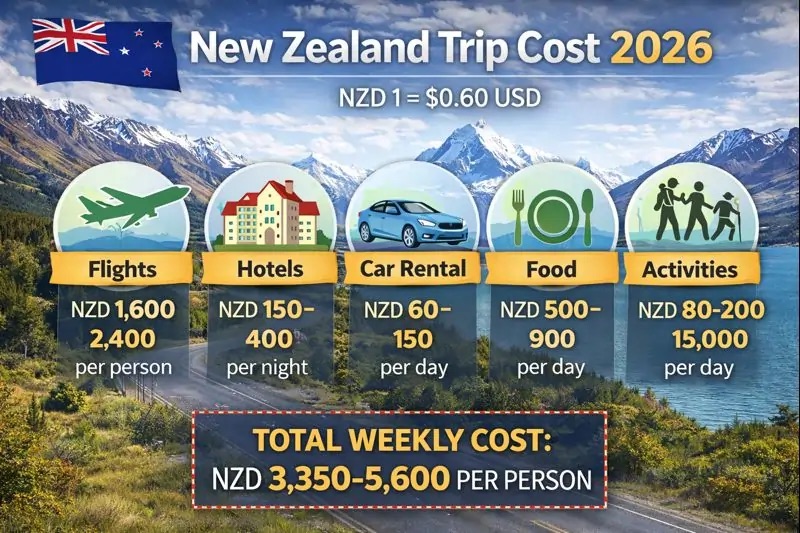
New Caledonia is expensive. Expect to pay 2,500-4,000 XPF (~$22-35 USD) for a basic restaurant meal in Noumea. Supermarket groceries are also pricey; a loaf of bread costs around 300 XPF (~$2.60 USD), and a small bottle of water 150-200 XPF (~$1.30-1.75 USD). Budget accommodation like a guesthouse starts at 8,000-12,000 XPF (~$70-105 USD) per night. Car rental is about 5,000-7,000 XPF (~$45-60 USD) per day. Activities like boat trips to Ile des Pins can run 10,000-15,000 XPF (~$90-130 USD).
New Zealand offers more budget flexibility. A hostel bed in Auckland or Queenstown is typically 30-50 NZD (~$18-30 USD) per night. Budget meals, such as fish and chips or a kebab, cost 15-25 NZD (~$9-15 USD). Supermarket prices are reasonable. Rental cars start around 40-70 NZD (~$25-45 USD) per day for a compact. Activities like hiking are often free, while adventure sports like bungy jumping are expensive, starting around 200-300 NZD (~$120-180 USD). New Zealand caters to a wider range of wallets more effectively.
- Winner: New Zealand
- Why: New Zealand provides better value and more options across all budget levels, making it more accessible for most travelers.
- Who this matters for: Travelers with an eye on their expenses or those planning a longer trip.
⛰️ Nature & Scenery
New Caledonia boasts the worlds largest enclosed lagoon, a UNESCO heritage site, with extensive coral reefs and diverse marine life. The Isle of Pines natural piscine is a popular…
New Caledonia
New Zealand
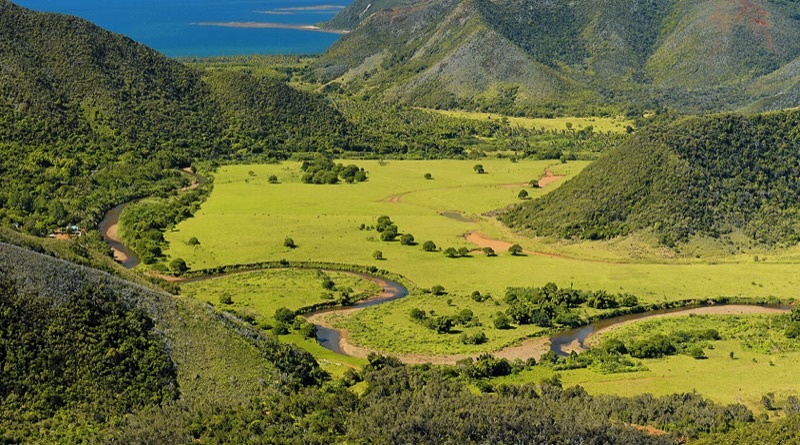
New Caledonia boasts the worlds largest enclosed lagoon, a UNESCO heritage site, with extensive coral reefs and diverse marine life. The Isle of Pines natural piscine is a popular spot for snorkeling. On land, the Parc Provincial de la Riviere Bleue offers a chance to spot the endemic Kagu bird. The landscapes on the main island, Grande Terre, consist of rolling hills, some mountains like Mont DOr, and dry plains in the north. The appeal is largely underwater, with some nice coastal areas.
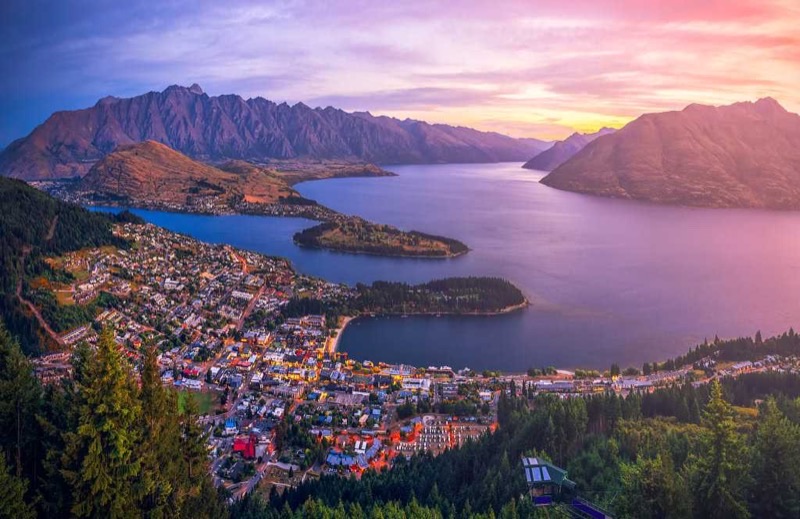
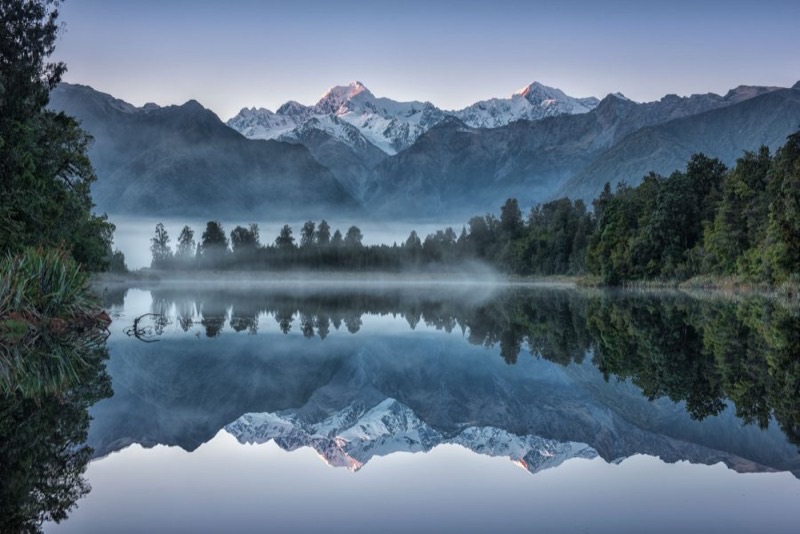
New Zealand is renowned for its varied and accessible nature. The South Island alone features the dramatic fjords of Milford Sound, the Southern Alps with glaciers like Franz Josef and Fox, and the adventure capital Queenstown nestled by Lake Wakatipu. The North Island includes volcanic plateaus such as Tongariro National Park, geothermal areas in Rotorua, and sandy beaches like those in Abel Tasman National Park. Hiking trails like the Milford Track or Routeburn Track offer multi-day immersion. New Zealand simply presents a greater range of terrestrial environments.
- Winner: New Zealand
- Why: New Zealand offers a far greater variety of accessible natural landscapes, from mountains to fjords to geothermal wonders.
- Who this matters for: Hikers, landscape photographers, and outdoor adventure seekers.
🏖️ Beaches & Water
New Caledonia excels in protected, warm, shallow waters. The beaches around Noumea, like Anse Vata and Baie des Citrons, are good for swimming, though not the most pristine. The…
New Caledonia
New Zealand
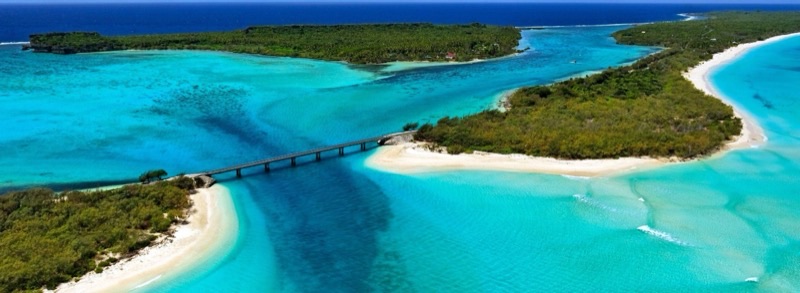
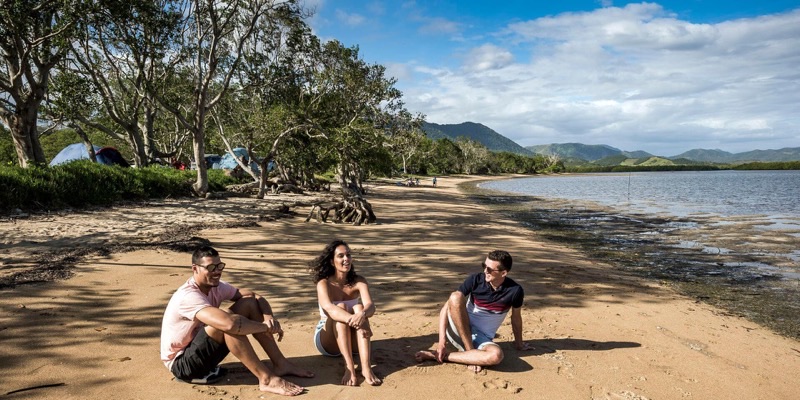
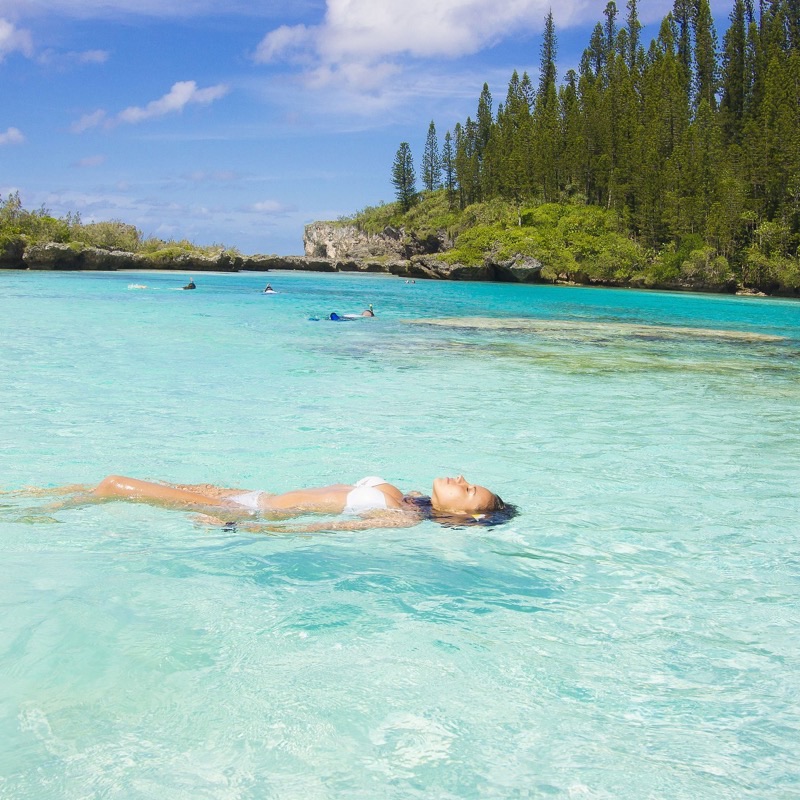
New Caledonia excels in protected, warm, shallow waters. The beaches around Noumea, like Anse Vata and Baie des Citrons, are good for swimming, though not the most pristine. The true appeal lies in day trips to smaller islands such as Ile aux Canards or Amedee Lighthouse Islet for exceptional snorkeling directly off the beach. Poe Beach on the west coast of Grande Terre offers extensive sand and calm, clear water. The Isle of Pines natural pool is a freshwater basin connected to the sea, perfect for a calm dip. The lagoon system here is globally significant for its coral and marine life.
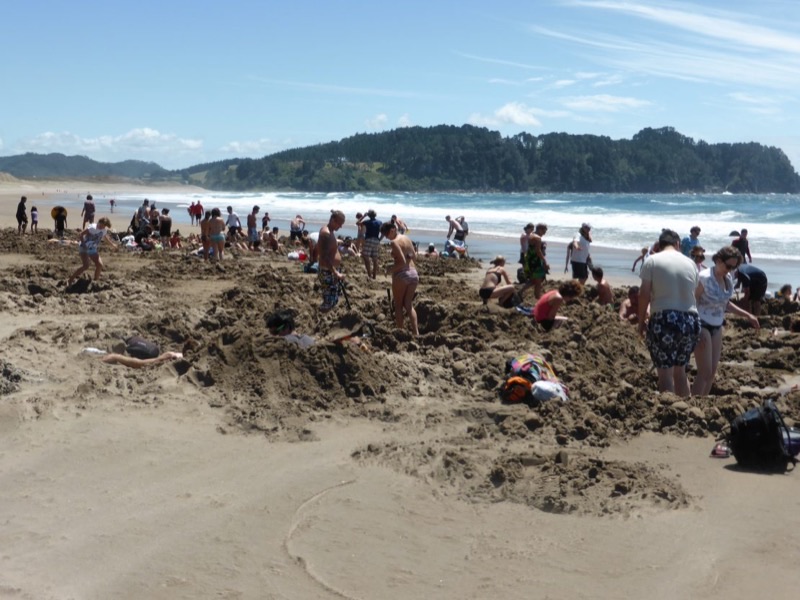
New Zealands beaches vary greatly. The North Island has golden sand surf beaches like Piha and Raglan on the west coast, known for black sand and strong waves. The Coromandel Peninsula features Hot Water Beach and Cathedral Cove, offering different coastal experiences. The South Islands beaches, like those in Abel Tasman National Park, are secluded and beautiful, but the water is generally colder. While New Zealand has many coastal areas, the calm, consistently warm, and reef-protected waters for casual swimming and snorkeling found in New Caledonia are less common. New Caledonia is a superior choice for traditional beach and lagoon activities.
- Winner: New Caledonia
- Why: New Caledonia provides superior calm, warm, and reef-protected lagoons ideal for swimming, snorkeling, and relaxation.
- Who this matters for: Families with young children, snorkelers, divers, and those seeking warm ocean relaxation.
🍽️ Food & Dining
New Caledonia offers a French-Pacific fusion. In Noumea, you find good bakeries for croissants and baguettes. Restaurants often feature fresh seafood, such as local fish (like…
New Caledonia

New Zealand
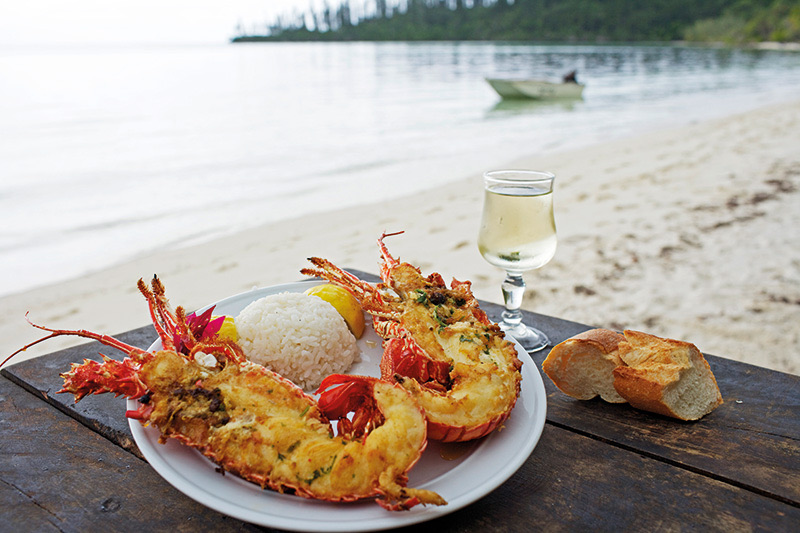
New Caledonia offers a French-Pacific fusion. In Noumea, you find good bakeries for croissants and baguettes. Restaurants often feature fresh seafood, such as local fish (like parrotfish), prawns, and crab, prepared with French techniques. Try a Bougna, a traditional Melanesian dish cooked in an underground oven. However, quality French dining comes with a European price tag; a good dinner can easily cost 5,000 XPF (~$45 USD) per person. Outside Noumea, options become limited, often revolving around simpler local fare or hotel restaurants.
New Zealand boasts a strong focus on fresh, local ingredients and a thriving cafe scene. Cities like Wellington and Auckland have a wide array of excellent restaurants, from modern European to Asian fusion, often utilizing local lamb, beef, and seafood like green-lipped mussels. Craft beer and wine regions (Marlborough, Hawke Bay) provide excellent beverage pairings. A good cafe breakfast is 20-30 NZD (~$12-18 USD), while a quality dinner might be 40-70 NZD (~$25-45 USD). Food trucks and farmers markets offer more budget-friendly and diverse options. New Zealand simply has more dining variety and quality at a better price point.
- Winner: New Zealand
- Why: New Zealand offers a more diverse, accessible, and high-quality food scene, from cafe culture to fine dining, often at better value.
- Who this matters for: Foodies, those who appreciate a good cafe culture, and travelers seeking diverse culinary experiences.
🎭 Culture & History
New Caledonias culture is a blend. French is the official language, and Noumea architecture reflects its European roots. The Tjibaou Cultural Centre in Noumea is a significant…
New Caledonia
New Zealand
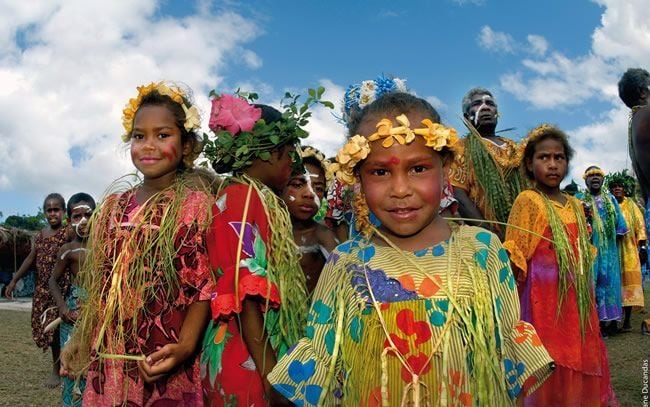
New Caledonias culture is a blend. French is the official language, and Noumea architecture reflects its European roots. The Tjibaou Cultural Centre in Noumea is a significant site dedicated to Kanak art and traditions, offering insight into indigenous history and contemporary Melanesian culture. Outside the capital, in the Loyalty Islands or parts of Grande Terre, traditional Kanak customs are more apparent, but access can sometimes require local guidance or specific tours. Historical sites primarily relate to French settlement and some World War II presence. Understanding the local culture often requires seeking out specific experiences.
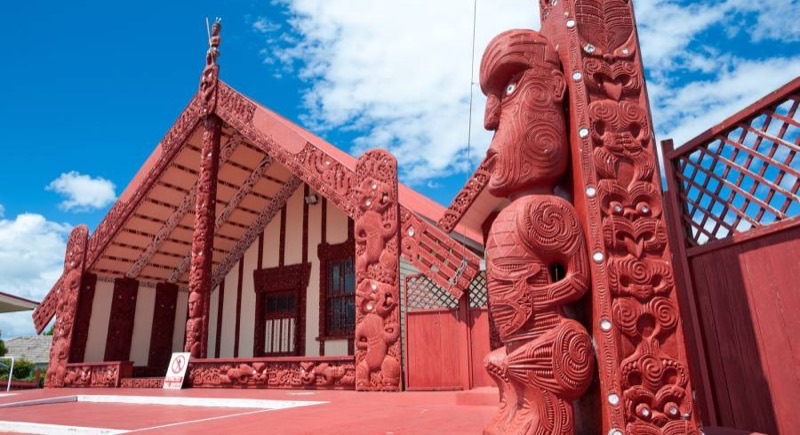
New Zealand has a powerful and integrated Maori culture. You can experience traditional welcomes (powhiri) at marae (meeting grounds), learn about legends, and see haka performances. Rotorua is a center for Maori cultural experiences, including the Te Puia Maori Arts and Crafts Institute. European colonial history is evident in cities like Auckland and Christchurch, with museums like Te Papa Tongarewa in Wellington providing context for both Maori and European narratives. Language, art, and place names frequently reflect Maori heritage. The historical sites of the Treaty of Waitangi are also significant. New Zealand has a more actively presented and accessible dual cultural narrative.
- Winner: New Zealand
- Why: New Zealand offers a more prominent, accessible, and diverse cultural experience, particularly its rich Maori heritage.
- Who this matters for: Travelers interested in indigenous cultures, historical narratives, and museum exploration.
✈️ Getting There
Flights to New Caledonia typically arrive at La Tontouta International Airport (NOU). From Sydney, Australia, direct flights on Air Calin or Qantas take around 3-4 hours, costing…
Flights to New Caledonia typically arrive at La Tontouta International Airport (NOU). From Sydney, Australia, direct flights on Air Calin or Qantas take around 3-4 hours, costing roughly $400-700 AUD (~$260-450 USD) return. From Los Angeles (LAX), flights require at least one stop, usually in Sydney or Auckland, taking 15-20 hours total and costing $1,500-2,500 USD. Flight frequency is lower compared to New Zealand, and connections can be less convenient, especially from outside the immediate region.
New Zealand is a major international destination, with Auckland Airport (AKL) as the primary hub, alongside Christchurch (CHC) and Wellington (WLG) for international arrivals. Direct flights from Sydney or Melbourne take 3-4 hours, costing $300-600 AUD (~$195-390 USD) return. From Los Angeles (LAX) or San Francisco (SFO), direct flights take 12-13 hours and can cost $1,000-1,800 USD return, with multiple airlines offering routes. There are also direct flights from various Asian cities and a few European gateways. The sheer volume and variety of flight options make New Zealand easier to reach for many travelers.
- Winner: New Zealand
- Why: New Zealand offers more direct routes from a wider range of international cities and generally more competitive flight prices.
- Who this matters for: Travelers coming from North America, Europe, or Asia, and those seeking more flexible flight schedules.
🚗 Getting Around
In New Caledonia, especially on Grande Terre, renting a car is the most practical way to explore beyond Noumea. Expect rental costs around 5,000-7,000 XPF (~$45-60 USD) per day.…
In New Caledonia, especially on Grande Terre, renting a car is the most practical way to explore beyond Noumea. Expect rental costs around 5,000-7,000 XPF (~$45-60 USD) per day. Roads are generally good, but signs are in French. Public transport in Noumea consists of a bus network, but it is not extensive for tourist use. To reach the Loyalty Islands or Ile des Pins, domestic flights with Air Loyaute or fast ferries are necessary. These can be infrequent and require advance booking. For independent exploration, a rental car is almost a necessity, limiting options for those without a license or preferring not to drive.
New Zealand offers diverse transport options. Self-driving a rental car or campervan is popular, with well-maintained roads and clear signage. Rental costs range from 40-70 NZD (~$25-45 USD) per day for a car to 100-200 NZD (~$60-120 USD) for a campervan. Intercity bus services (InterCity, Nakedbus) connect major towns and tourist spots. Domestic flights are efficient for covering long distances quickly, and the Interislander ferry connects the North and South Islands. Public transport within cities is good. New Zealand caters to various travel styles, from independent road-trippers to those relying on public transport.
- Winner: New Zealand
- Why: New Zealand provides a greater variety of convenient and reliable transport options for all travel styles and budgets.
- Who this matters for: Road-trippers, backpackers, and travelers who prefer not to rely solely on rental cars.
🏨 Accommodation
Accommodation in New Caledonia leans towards mid-range to luxury hotels, particularly in Noumea with options like Chateau Royal Beach Resort & Spa or Le Meridien Noumea. Budget…
Accommodation in New Caledonia leans towards mid-range to luxury hotels, particularly in Noumea with options like Chateau Royal Beach Resort & Spa or Le Meridien Noumea. Budget options are limited; a basic hotel or guesthouse might cost 8,000-12,000 XPF (~$70-105 USD) per night. Outside Noumea, choices become scarce, often confined to small bungalows or more expensive resorts on islands like the Isle of Pines. There are very few hostels or dedicated budget backpacker lodges. Availability can be tight during peak seasons, and prices remain consistently high due to limited supply and high operating costs.
New Zealand has a robust and varied accommodation sector catering to every budget. Hostels like YHA or Base are common in most towns, offering beds for 30-50 NZD (~$18-30 USD) per night. Motels are prevalent and good value for private rooms (80-150 NZD, ~$50-90 USD). Holiday parks offer cabins and campsites, popular with campervan travelers. Boutique B&Bs, luxury lodges, and international hotel chains are also widely available. Booking platforms show extensive choices across price points and locations. New Zealand makes it easier to find a suitable place to stay, regardless of ones budget.
- Winner: New Zealand
- Why: New Zealand offers a far broader range of accommodation types and price points, catering to all travelers.
- Who this matters for: Budget travelers, backpackers, and families needing varied options.
🪂 Activities & Adventure
New Caledonia's activities revolve around its lagoon. Diving and snorkeling are primary draws, with sites like the Needle at Ile des Pins or the barrier reef around Touho. Boat…
New Caledonia's activities revolve around its lagoon. Diving and snorkeling are primary draws, with sites like the Needle at Ile des Pins or the barrier reef around Touho. Boat trips to various islets for relaxation and swimming are common. You can also try kitesurfing or stand-up paddleboarding in calm waters. On land, limited hiking exists, such as trails on Mont DOr or in the Parc Provincial de la Riviere Bleue. There are no major terrestrial adventure sports like bungy jumping or whitewater rafting. The pace is generally relaxed, focusing on aquatic leisure. A half-day snorkel trip might cost 6,000-8,000 XPF (~$50-70 USD).
New Zealand is an adventure playground. Queenstown is the hub for bungy jumping (AJ Hackett, from 200 NZD, ~$120 USD), jet boating, whitewater rafting, and skydiving. Hiking is a major draw, with numerous day hikes and multi-day Great Walks like the Routeburn Track. Skiing and snowboarding are popular in winter. Water activities include kayaking in Abel Tasman, black water rafting in Waitomo Caves, and surfing on the west coast. Rotorua offers geothermal tours and mountain biking. Even city activities like the Auckland Sky Tower climb exist. New Zealand provides an unparalleled range of active pursuits.
- Winner: New Zealand
- Why: New Zealand offers a vastly superior and more diverse range of adventure activities and outdoor pursuits.
- Who this matters for: Thrill-seekers, hikers, and those looking for active outdoor experiences.
🩺 Safety & Health
New Caledonia is generally safe for travelers. Petty crime, like bag snatching, can occur in Noumea, particularly in tourist areas and markets, so basic precautions are advised.…
New Caledonia is generally safe for travelers. Petty crime, like bag snatching, can occur in Noumea, particularly in tourist areas and markets, so basic precautions are advised. Violent crime is rare. The biggest health concern is dengue fever, so mosquito protection is important. Healthcare facilities in Noumea are of a good standard, similar to France, with a well-equipped hospital (CHT Gaston Bourret). Outside Noumea, medical services are more basic. Travel insurance is highly recommended due to the cost of any medical emergency or evacuation.
New Zealand is considered one of the safest countries for travelers globally. Crime rates are very low, though common sense precautions against petty theft apply in cities. Major health risks are minimal; precautions against sunburn are important due to the strong UV index. The healthcare system is of very high quality, with public and private hospitals across the country. Emergency services are efficient. While rural areas have smaller clinics, major medical care is accessible within reasonable distances. New Zealands overall safety profile is consistently higher and more reassuring for independent travelers.
- Winner: New Zealand
- Why: New Zealand offers a higher overall safety profile and more comprehensive healthcare access across its regions.
- Who this matters for: Solo travelers, families, and those with health considerations.
🎯 The Decision Framework
Choose New Caledonia If…
- You want an authentic French Pacific island experience with European flair.
- You prioritize calm, clear lagoon waters for snorkeling, diving, or swimming.
- You are comfortable with higher travel costs for food and accommodation.
- You desire a slower pace of travel focused on relaxation and marine life.
- You enjoy French cuisine and baguettes even when on a remote island.
- You seek a destination with fewer mass tourists and a more secluded feel.
- You are traveling from Australia and want a short, direct flight to a different culture.
- You want to experience a UNESCO World Heritage-listed lagoon system firsthand.
Choose New Zealand If…
- You want diverse landscapes including mountains, fjords, volcanoes, and glaciers.
- You are keen on adventure sports like bungy jumping, hiking, and whitewater rafting.
- You prefer a destination with a wide range of accommodation options, from hostels to lodges.
- You want a robust and accessible transport network for independent exploration.
- You are interested in a deep immersion into Maori culture and history.
- You appreciate a strong cafe culture and diverse modern cuisine options.
- You are traveling from North America or Europe and want more direct flight options.
- You are planning a longer trip and need a destination that is more budget-flexible.
📅 Sample Itineraries
Weekend in New Caledonia (3 Days)
💡 Save on transport by utilizing local 'L'Express' buses in Nouméa for $3 per ride, which connect major tourist areas and are cheaper than taxis.
Weekend in New Zealand (3 Days)
💡 Purchase an AT HOP card for Auckland's public transport, which offers cheaper fares (e.g., $2.50 for a bus ride) compared to single cash tickets.
One Week in New Caledonia (7 Days)
💡 Buying fresh baguettes and local cheeses from bakeries and markets for lunch can significantly reduce food costs on Île des Pins and during day trips.
One Week in New Zealand (7 Days)
💡 Book popular attractions like Hobbiton and Māori cultural experiences well in advance online to secure your spot and sometimes get a slight discount.
❓ Frequently Asked Questions
Which destination is better for a honeymoon?
For a serene, romantic island escape focused on beach relaxation and fine dining, New Caledonia has a specific appeal, especially luxury resorts on Ile des Pins. For couples seeking a mix of adventure, luxury, and varied scenery, New Zealand offers a broader range of activities, from scenic flights over Milford Sound to vineyard tours in Marlborough. It depends on whether you prioritize pure relaxation or active exploration.
What is the best time of year to visit each country?
New Caledonia is best from May to November, during its dry season, with temperatures around 20-25°C. New Zealand's peak season is summer (December to February) for hiking and outdoor activities, with temperatures 20-30°C. Winter (June to August) is ideal for skiing. Shoulder seasons (March-May, September-November) offer fewer crowds and pleasant weather in both for different activities.
Are English speakers common in New Caledonia?
While French is the official language, English is understood in major tourist hotels, resorts, and some shops in Noumea. Outside these areas, or in smaller towns, English is less common. Learning a few basic French phrases helps greatly with interactions and showing respect to locals.
How much cash should I carry in New Caledonia?
New Caledonia uses the CFP Franc (XPF). While credit cards are accepted in most major establishments in Noumea, smaller shops, markets, and places outside the capital may prefer cash. Having 10,000-20,000 XPF (~$90-180 USD) in cash is a practical amount for daily small purchases and excursions.
Can I travel between the North and South Islands of New Zealand easily?
Yes, travel between New Zealands North and South Islands is straightforward. The Interislander and Bluebridge ferries operate regularly between Wellington (North Island) and Picton (South Island), taking about 3.5 hours. Many travelers also opt for domestic flights, which are quick and frequent between major cities like Auckland, Wellington, and Christchurch.
What are some specific marine activities in New Caledonia?
Beyond general snorkeling and diving in the lagoon, you can take a glass-bottom boat tour from Anse Vata, visit the Aquarium des Lagons Nouvelle-Caledonie in Noumea, or join a day trip to Amedee Lighthouse Islet to swim with tropical fish. Kitesurfing is popular at Anse Vata, and you can kayak in the clear waters around various islands.
Is it possible to visit both islands in New Zealand on a 2-week trip?
Yes, a 2-week trip can cover highlights of both New Zealands North and South Islands, but it requires efficient planning. Focus on 2-3 key regions per island. For example, 5 days North Island (Rotorua, Auckland) and 9 days South Island (Queenstown, Milford Sound, glaciers). Self-driving is the most common way to maximize exploration during this timeframe.
Which destination is better for a solo female traveler?
New Zealand is arguably better for solo female travelers due to its very low crime rate, extensive hostel network, and ease of meeting other travelers. Its public transport and organized tour options also offer independence without needing to drive. New Caledonia is safe, but its higher costs and fewer budget/social accommodation options can make solo travel feel more isolated.
Ready to plan your South Pacific trip?
Get a free custom itinerary for New Caledonia, New Zealand, or both — built from real traveler insights.
👥 Travelers Also Compared
🎟️ Book Tours & Experiences
Hand-picked tours and activities for both destinations — book with free cancellation
Experiences via Viator — free cancellation on most tours