How we built this comparison
This page combines traveler discussion patterns, published price ranges, flight schedules, and seasonal data to help you decide between New Orleans and Atlanta.
- Reviewed 100+ Reddit threads from r/travel, r/solotravel, r/NewOrleans, r/Atlanta, etc.
- Verified costs and logistics against current booking platforms like Google Flights, Booking.com, and local attraction websites.
- Cross-referenced seasonal patterns and weather data from NOAA and historical travel guides for accuracy.

⚡ The TL;DR Verdict
If you're after unparalleled culture, history, and a party that never stops, New Orleans is your pick, budget around $100-250/day. For a modern Southern city experience with excellent food, green spaces, and diverse attractions, Atlanta offers a great value at $90-275/day.
- Choose New Orleans: You crave unique history, live jazz in dimly lit clubs, incredible Creole/Cajun food, and a walkable, vibrant atmosphere that feels like nowhere else in the US. You don't mind a bit of grit and prioritize experience over pristine cleanliness.
- Choose Atlanta: You prefer a more contemporary city with excellent dining, a thriving arts scene, beautiful parks, and a strong sense of progress. You appreciate ease of access (especially by car) and diverse neighborhoods, even if it means less 'old world' charm.
- Choose Both: If you have at least 7-10 days and want a comprehensive Southern US experience, combining them is feasible. A direct flight between Atlanta (ATL) and New Orleans (MSY) is only about 1 hour and 15 minutes, making it a relatively quick hop. Start in NOLA for 3-4 days, then fly to ATL for 3-4 days to contrast the old with the new.
Quick Comparison
| Category | New Orleans | Atlanta | Winner |
|---|---|---|---|
| Food & Drink | Legendary Creole & Cajun cuisine, iconic dishes, vibrant cocktail scene, street food culture. | Diverse culinary landscape, farm-to-table, international flavors, booming craft beer scene. | New Orleans |
| Nightlife & Entertainment | 24/7 party, live jazz everywhere, Bourbon Street revelry, intimate clubs, open container laws. | Diverse bar scene, live music venues, clubs, sports bars, more spread out. | New Orleans |
| Culture & History | Rich Creole/Cajun heritage, French Quarter, Voodoo, Mardi Gras, plantation history, jazz birthpace. | Civil Rights history, Martin Luther King Jr. sites, Olympic legacy, diverse neighborhoods, modern arts. | New Orleans |
| Overall Costs & Budget | Mid-range on food, pricey accommodation in French Quarter, free entertainment, budget-friendly drinks. | Higher accommodation costs, diverse food options across price points, public transport savings. | Tie |
| Getting Around | Highly walkable French Quarter, historic streetcars, ride-shares for further distances. | Car-dependent, extensive but sometimes slow MARTA, bike-friendly BeltLine. | New Orleans |
| Accommodation Options | Boutique hotels, historic B&Bs, lively hostels, unique guesthouses, French Quarter charm. | Modern hotels, luxury high-rises, budget motels, Airbnb apartments, convention-focused. | New Orleans |
| Day Trips & Surroundings | Plantation tours, swamp tours, Lake Pontchartrain, Gulf Coast beaches (further). | North Georgia mountains, Stone Mountain, breweries, charming small towns, nature preserves. | Atlanta |
| Weather & Best Seasons | Hot, humid summers; mild, pleasant winters; hurricane season risk Sept-Oct. | Hot, humid summers; milder winters than NOLA; pleasant spring/fall, less hurricane risk. | Tie |
| Safety & Vibe | Lively, gritty, vibrant, but requires street smarts; higher crime rates outside tourist zones. | Modern, clean in tourist areas, generally safe but large city issues; feels spread out. | Atlanta |
| Shopping & Unique Finds | Antiques, voodoo items, local art, Mardi Gras paraphernalia, unique souvenirs. | High-end fashion, large malls, independent boutiques, local crafts, diverse markets. | Atlanta |
🍽️ Food & Drink
New Orleans isn't just a place to eat; it's a place to feast. From a simple yet perfect beignet at Cafe Du Monde ($3-5) to a lavish dinner at Commander's Palace ($100+ per person), every meal is an event. You'll find po'boys overflowing with shrimp for $10-15, rich gumbo for $8-12, and jambalaya around every corner. The cocktail culture is unparalleled, with classics like the Sazerac and Hurricane originating here. Atlanta, on the other hand, is a modern foodie paradise with incredible diversity. Ponce City Market and Krog Street Market offer high-end food hall experiences ($15-25 per meal), while upscale dining in Buckhead or Midtown can easily hit $70-150+ per person at places like Bacchanalia. Their craft beer scene is exploding, with breweries like Monday Night Brewing and SweetWater attracting big crowds. However, for sheer iconic, unique, and deeply rooted culinary tradition, NOLA still holds the crown. As one Redditor put it, "NOLA food isn't just good, it's *an experience*. You can't get a proper po'boy or an authentic shrimp and grits like that anywhere else in the world, let alone the US. Atlanta's got great food, but it's more 'chef-driven' than 'culture-driven' if that makes sense."
Winner takeaway
- Winner: New Orleans
- Why: New Orleans offers a deeply unique, historically significant, and universally adored culinary experience that is inseparable from its culture.
- Who this matters for: Foodies, history buffs, and anyone looking for iconic regional dishes.
🎉 Nightlife & Entertainment
New Orleans doesn't just have nightlife; it *is* nightlife. Bourbon Street is a spectacle, yes, but the real magic happens on Frenchmen Street, where live jazz spills out of clubs like The Spotted Cat and Blue Nile until the early hours. Cover charges are often non-existent or minimal ($5-15), and drinks are affordable. The open container laws mean you can walk around with your cocktail, adding to the festive atmosphere. There's always a brass band playing in Jackson Square or a second line parade winding through the streets. Atlanta offers a more conventional, yet vibrant, nightlife. Areas like Virginia-Highland, Old Fourth Ward, and Midtown are packed with bars and clubs, from upscale lounges to casual dives. Venues like The Tabernacle and Fox Theatre host major concerts and shows. Sports bars are abundant, especially near the stadiums. While Atlanta has energy, it lacks the spontaneous, always-on, deeply cultural party vibe of New Orleans. You can find a great club or bar in Atlanta, but you won't stumble upon a world-class jazz set on a random Tuesday night as easily as you would in NOLA. "Atlanta's nightlife is good if you want to dress up and go to a club or a specific bar, but NOLA is just... a constant party. You walk out your door and it's happening," shared one traveler.
Winner takeaway
- Winner: New Orleans
- Why: New Orleans's nightlife is an immersive, 24/7 cultural experience, with unparalleled live music and a unique open-container atmosphere.
- Who this matters for: Party-goers, music lovers, social butterflies, and those who love spontaneous fun.
🏛️ Culture & History
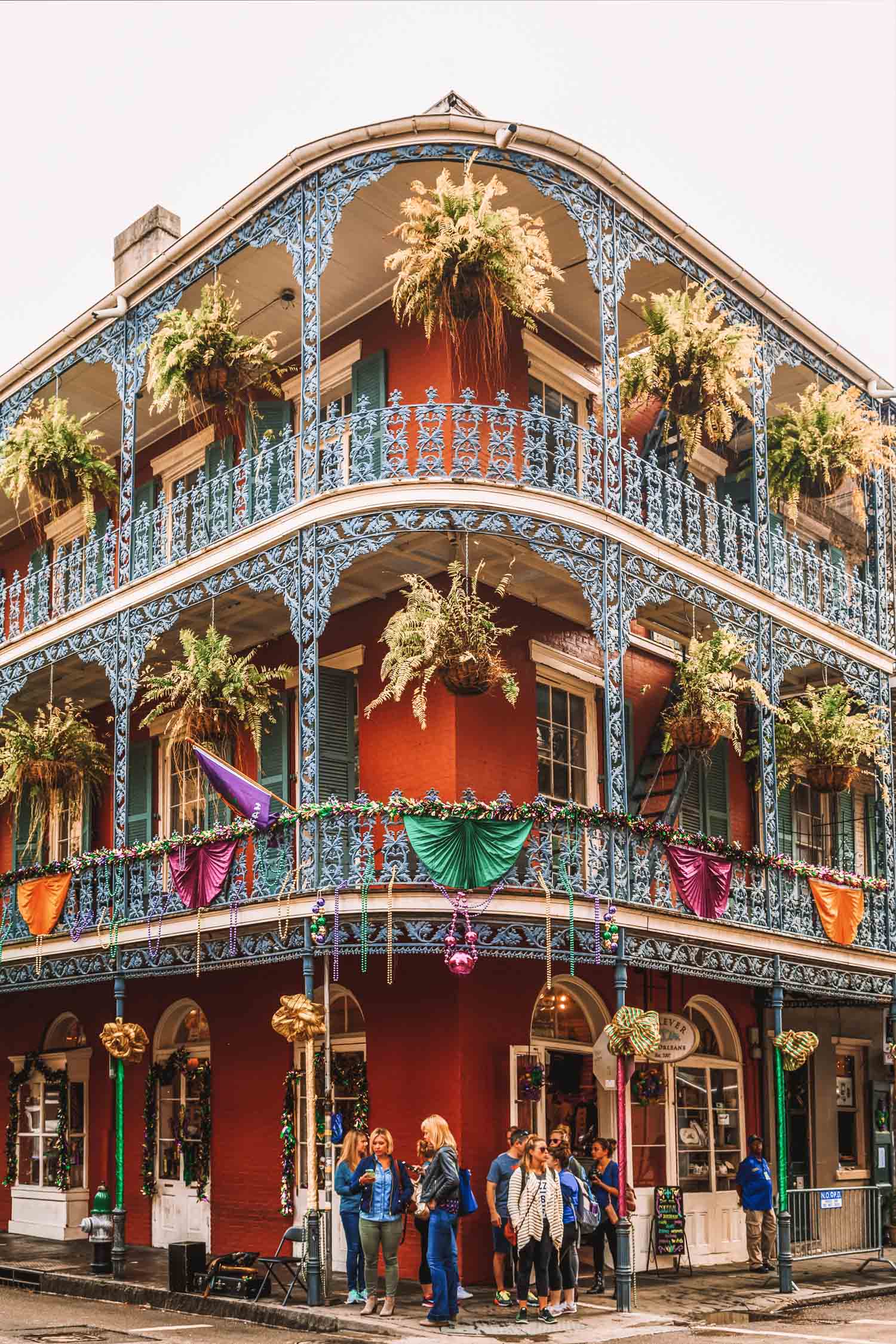
New Orleans is a living museum, dripping with history on every cobblestone street. The French Quarter, with its iron balconies and Creole townhouses, tells stories of French, Spanish, and American influence. You can explore St. Louis Cathedral, learn about Voodoo at a local shop, or dive into the city's complex past at the National WWII Museum (entry ~$30). Plantation tours outside the city (e.g., Oak Alley, Whitney Plantation) offer a sobering look at slavery ($30-40 per tour, plus transport). Every corner hums with jazz, gospel, and blues. Atlanta's cultural identity is rooted in the Civil Rights Movement, with must-visit sites like the Martin Luther King, Jr. National Historical Park (free entry) and the National Center for Civil and Human Rights ($20-25 entry). It also boasts a significant Olympic legacy (Centennial Olympic Park is free) and a vibrant arts scene with institutions like the High Museum of Art ($18.50 entry) and the Fox Theatre. While Atlanta offers crucial American history and modern cultural institutions, New Orleans's unique blend of European, Caribbean, and African influences creates a cultural tapestry that feels utterly distinct and permeates every aspect of the city. As a Redditor concisely put it, "NOLA's history is *felt*, it's in the air and buildings. Atlanta's history is more 'learned' at specific sites, though important."
Winner takeaway
- Winner: New Orleans
- Why: New Orleans boasts an incredibly distinct, vibrant, and pervasive culture and history that is truly one-of-a-kind in the United States.
- Who this matters for: History buffs, culture vultures, architecture enthusiasts, and those seeking truly unique American experiences.
💰 Overall Costs & Budget
Both cities can be done on a budget or indulged in luxuriously, making it a tie overall, but with different cost allocations. In New Orleans, a budget traveler can find hostel beds for $30-50/night, and mid-range hotels often start at $150-250/night, especially outside of peak season. Food costs can range from $10 po'boys to $20-30 mid-range meals, with drinks often cheaper due to happy hours and open containers. Many attractions like walking the French Quarter or enjoying street performers are free. Atlanta's accommodation is generally a bit pricier, with budget hostels around $35-60/night and mid-range hotels in desirable areas like Midtown or Downtown typically starting at $180-300+/night. Food can be varied; a meal at a food hall might be $15-25, but a sit-down dinner can quickly exceed $40-60 per person. Attractions like the Georgia Aquarium ($45-60) or World of Coca-Cola ($20-25) add up. However, Atlanta's MARTA system (fares ~$2.50) can save on transport compared to NOLA's smaller streetcar network or reliance on ride-shares/walking. "NOLA felt cheaper for food and drinks, but Atlanta felt cheaper for getting around if you used MARTA and knew where you were going. Hotels are probably a wash," mentioned a budget traveler.
Winner takeaway
- Winner: Tie
- Why: Both cities offer a spectrum of price points, with different areas of expenditure balancing out to similar overall budget requirements.
- Who this matters for: Budget-conscious travelers and those looking to stretch their dollar, though with different spending priorities.
🚶 Getting Around
New Orleans wins hands down for ease of getting around without a car. The core tourist areas – French Quarter, Marigny, Garden District, CBD – are largely walkable. The iconic streetcars (Jazzy Pass $3 for 24 hours, $1.25 per ride) cover major routes like St. Charles Avenue, connecting you to beautiful neighborhoods and attractions. For anything further, ride-shares are readily available and reasonably priced. You truly don't need a car. Atlanta, on the other hand, is a sprawling, car-centric city. While MARTA (Metropolitan Atlanta Rapid Transit Authority) offers train and bus services ($2.50 per ride, $9 for a day pass), its coverage doesn't extend to all popular areas efficiently, and it can be slow. Many key attractions and neighborhoods, like Buckhead or some of the major museums, are best reached by car or ride-share, leading to potential traffic and parking frustrations. The Atlanta BeltLine is a fantastic multi-use trail for walking and biking, connecting several neighborhoods, but it's not a comprehensive transport solution. "Driving in Atlanta is a nightmare, parking is expensive, and MARTA doesn't go everywhere you want to go. NOLA is so much easier, you just walk or hop on a streetcar," stated one Reddit user.
Winner takeaway
- Winner: New Orleans
- Why: New Orleans is incredibly walkable and offers charm-filled public transport, making it far easier to navigate without a car.
- Who this matters for: Travelers without a car, those who prefer walking, and anyone wanting a low-stress transport experience.
🏨 Accommodation Options
New Orleans offers a more characterful and diverse range of accommodation that aligns better with its unique vibe. In the French Quarter, you'll find charming boutique hotels like Hotel Monteleone or The Roosevelt, often with historic details and lively bars, typically $200-500+ a night. For a more local feel, the Garden District or Marigny offer beautiful B&Bs and guesthouses, often $150-300. Hostels like Auberge NOLA or HI New Orleans cater to budget travelers from $30-50. The variety of historic properties transformed into unique stays is a major draw. Atlanta's accommodation scene is more geared towards modern convenience and business travel. Downtown and Midtown are packed with large chain hotels (Hilton, Marriott, etc.), which are reliable but often lack local character, typically $180-350+. Buckhead offers luxury hotels for $300-600+. There are plenty of Airbnb options across various neighborhoods, and some budget motels further out. While Atlanta has quantity and modern amenities, New Orleans excels in providing stays that are an integral part of the travel experience itself. "Staying in a century-old B&B in the Garden District was half the fun of NOLA. Atlanta's hotels are nice, but they feel like any other big city hotel," remarked a traveler on r/solotravel.
Winner takeaway
- Winner: New Orleans
- Why: New Orleans provides a more authentic, character-rich, and unique range of accommodation, from historic boutique hotels to charming B&Bs.
- Who this matters for: Travelers seeking unique stays, historic charm, and accommodation as part of the experience.
🌳 Day Trips & Surroundings
Atlanta offers a greater variety of easily accessible and diverse day trips. North Georgia's mountains are just 1-2 hours away, perfect for hiking (e.g., Amicalola Falls State Park, free-$5 parking) or exploring charming towns like Helen, a Bavarian-themed village. Stone Mountain Park ($20-40 per car) offers hiking, scenic views, and various attractions. There are numerous state parks and nature preserves within an hour's drive for outdoor enthusiasts, along with a growing number of vineyards and breweries. From New Orleans, the primary day trips are centered around the Mississippi River and its history. Plantation tours (e.g., Oak Alley, Whitney) are a must-do ($30-40 entry, transport adds more) but focus on a specific historical narrative. Swamp tours ($25-50) offer a glimpse into the bayou's wildlife. Lake Pontchartrain is nearby, but for proper beaches, you'd need to drive 1.5-2 hours to the Mississippi Gulf Coast. While NOLA's day trips are unique, Atlanta provides a broader range of outdoor, cultural, and small-town escapes within a short drive. One traveler commented, "NOLA's plantation tours are important, but after a couple, you're done. Atlanta has mountains, hiking, cool small towns, so many options for different kinds of day trips."
Winner takeaway
- Winner: Atlanta
- Why: Atlanta provides a more diverse array of day trip options, including mountains, extensive outdoor activities, and quaint small towns.
- Who this matters for: Nature lovers, hikers, those seeking varied scenery, and families looking for diverse excursions.
☀️ Weather & Best Seasons
Both cities share very similar Southern climates, characterized by hot, humid summers and mild winters, making it a tie. New Orleans is at its absolute best from late October through May, when temperatures are pleasant (average 60s-70s°F / 15-25°C), and humidity is lower. Summers (June-August) are brutally hot and humid (90s°F / 30s°C), with frequent afternoon thunderstorms and a high risk of hurricanes from June through November, peaking in September-October. Atlanta also experiences hot, humid summers, though slightly less extreme than NOLA due to its higher elevation, with temperatures often in the 80s-90s°F (28-35°C). Spring (April-May) and Fall (September-October) are glorious in Atlanta, with comfortable temperatures and beautiful foliage, making them ideal for exploring the BeltLine or parks. Winters are mild (40s-50s°F / 5-15°C), with occasional light snow. While Atlanta is inland, it can still experience severe weather, including thunderstorms and occasional tornadoes. "If you're going to either city, avoid summer unless you LOVE humidity. Spring and Fall are golden for both, but NOLA in February for Mardi Gras is just magical, even if it's chilly sometimes," noted a seasoned traveler.
Winner takeaway
- Winner: Tie
- Why: Both cities share similar warm, humid climates, with specific peak seasons for pleasant weather and periods to avoid due to heat or storm risk.
- Who this matters for: Travelers who are sensitive to extreme heat or humidity, and those planning around major events.
🚨 Safety & Vibe
Atlanta generally feels safer and more polished, particularly in its main tourist and affluent neighborhoods, winning this category. Areas like Midtown, Downtown (during the day), and Buckhead are well-maintained and patrolled, though like any big city, petty crime exists, and it's wise to be aware of your surroundings, especially at night. The city's sprawling nature means you're often driving between distinct, often self-contained, safe zones. New Orleans, while incredibly charming and vibrant, has a grittier edge. The French Quarter is generally safe, especially with crowds, but straying a few blocks off the main drag at night, particularly in the Marigny or Treme, can quickly put you in less secure areas. Petty theft, especially against tourists, is more common, and violent crime rates are higher than in Atlanta, though primarily concentrated in non-tourist areas. The 'laissez-faire' attitude can sometimes extend to general upkeep, making some areas feel neglected. "I felt perfectly safe walking around the BeltLine in Atlanta even after dark, but in NOLA, I was always a bit more on guard, especially walking home from Frenchmen Street," a solo female traveler shared. It's about being street-smart in NOLA, whereas in Atlanta, that awareness is less constantly demanded.
Winner takeaway
- Winner: Atlanta
- Why: Atlanta, while still a major city with urban challenges, generally offers a more consistently safe and polished experience for visitors across its main attractions.
- Who this matters for: Solo travelers, families with young children, and those who prioritize feeling consistently secure.
🛍️ Shopping & Unique Finds
Atlanta offers a more comprehensive and diverse shopping experience, from luxury brands to quirky local finds. Buckhead is famous for its upscale malls like Lenox Square and Phipps Plaza, featuring designer boutiques and department stores. The BeltLine and neighborhoods like Inman Park and Virginia-Highland are home to excellent independent boutiques, art galleries, and specialty shops. Ponce City Market and Krog Street Market also feature a curated selection of local retailers and artisans, perfect for unique gifts. New Orleans excels in niche, character-filled shopping. You'll find countless antique shops on Royal Street, fascinating voodoo and occult stores (e.g., Marie Laveau's House of Voodoo), local art galleries in the French Quarter and Marigny, and of course, endless Mardi Gras masks, beads, and costumes. While NOLA's items are incredibly unique and culturally significant, they cater to a specific taste. Atlanta's range from mainstream luxury to independent and artisanal means it has something for everyone. "If you want a designer bag or just a great pair of jeans, Atlanta's your spot. If you want a genuine antique or a cool voodoo doll, NOLA wins. Depends on what you're shopping for," explained a Redditor.
Winner takeaway
- Winner: Atlanta
- Why: Atlanta provides a broader and more diverse range of shopping experiences, from high-end luxury to trendy boutiques and artisan markets.
- Who this matters for: Fashionistas, souvenir hunters who prefer variety, and those who enjoy a modern retail landscape.
❓ Frequently Asked Questions
Which city is better for a solo traveler?
New Orleans is often favored by solo travelers due to its walkability, constant live music, and easy opportunities to strike up conversations at bars or cafes. Atlanta is great for solo travel too, but its sprawling nature might mean more time spent alone in transit, making it feel less immediately social.
Which city has better public transportation?
New Orleans wins for local charm and tourist convenience with its walkable French Quarter and historic streetcars. Atlanta has MARTA, which is more extensive but less comprehensive for tourist areas, often requiring ride-shares for full exploration.
Is New Orleans or Atlanta more family-friendly?
Atlanta generally offers more traditional family-friendly attractions like the Georgia Aquarium, World of Coca-Cola, and Centennial Olympic Park. New Orleans has family aspects (WWII Museum, Audubon Zoo, street performers), but its intense nightlife can make it less appealing for some families, especially after dark.
Which city is better for a weekend trip?
New Orleans is arguably better for a short weekend trip (2-3 days) due to its concentrated attractions, walkability, and immediate immersion in its unique atmosphere. Atlanta benefits from a longer stay to truly explore its diverse neighborhoods and spread-out attractions.
What's the flight time from major US cities to each?
From NYC, flights to Atlanta (ATL) are typically 2.5-3 hours, while to New Orleans (MSY) they are 3-3.5 hours. From LAX, flights to ATL are around 4-4.5 hours, and to MSY, around 4.5-5 hours. Both are well-connected by major airlines.
Which city is more expensive for a mid-range hotel?
While it can vary by event or season, Atlanta's mid-range hotels often run slightly higher, especially in prime areas like Midtown or Downtown, frequently starting at $180-300+. New Orleans outside of Mardi Gras or Jazz Fest can sometimes offer more value in the $150-250 range for comparable quality.
Are there good options for outdoor activities in either city?
Atlanta offers more accessible and diverse outdoor activities, from hiking in nearby North Georgia mountains to exploring the extensive Atlanta BeltLine. New Orleans has swamp tours and city parks, but fewer options for extensive hiking or nature immersion directly within or immediately surrounding the city.
Which city has better unique arts and music scene?
New Orleans is the undisputed winner for its unique music (jazz, blues, brass bands) and street art, deeply embedded in its cultural fabric. While Atlanta has a thriving, diverse arts scene with museums and venues, it doesn't have the same pervasive, iconic musical identity as NOLA.
Ready to plan your Southern US trip?
Get a free custom itinerary for New Orleans, Atlanta, or both — built from real traveler insights.
🎟️ Book Tours & Experiences
Hand-picked tours and activities for both destinations — book with free cancellation
Experiences via Viator — free cancellation on most tours