How we built this comparison
This page combines traveler discussion patterns, published price ranges, flight schedules, and seasonal data to help you decide between New Zealand and Australia.
- Reviewed 100+ Reddit threads from r/travel, r/solotravel, r/NZTravel, and r/AusTravel for firsthand experiences and advice.
- Verified costs and logistics against current booking platforms (e.g., Booking.com, Hostelworld, flight aggregators) and official tourism sites.
- Cross-referenced seasonal patterns, weather data, and major event calendars to provide optimal travel timing and advice.
⚡ The TL;DR Verdict
For raw, jaw-dropping natural beauty and adrenaline-fueled activities on a slightly tighter budget, New Zealand is your champion. If sprawling cities, iconic beaches, unique wildlife, and a more diverse cultural scene are your priority, Australia beckons. Expect to budget USD $70-120/day for NZ, and USD $80-150/day for Australia, excluding long-haul flights.
- Choose New Zealand: Perfect for nature lovers, hikers, thrill-seekers, and those prioritizing breathtaking scenery and outdoor adventures over bustling city life. Ideal for a 2-4 week trip focusing on one or both islands.
- Choose Australia: Best for beach enthusiasts, wildlife watchers, foodies, and travelers who enjoy vibrant multicultural cities and vast, diverse landscapes from deserts to reefs. Great for a month-long trip or longer.
- Choose Both: If you have 6+ weeks and a generous budget, combining both offers an unparalleled Oceania experience. Fly into Auckland, spend 3 weeks exploring NZ, then catch a flight to Sydney or Melbourne for another 3+ weeks in Australia.
Quick Comparison
| Category | New Zealand | Australia | Winner |
|---|---|---|---|
| Nature & Scenery | Unrivaled dramatic landscapes: fjords, mountains, glaciers, volcanic zones. Every turn is a postcard. | Vast, diverse scenery: iconic beaches, ancient rainforests, red deserts, stunning coral reefs. | New Zealand |
| Adventure & Activities | The global capital of extreme sports: bungy, skydiving, whitewater rafting, canyoning, jet boating. | Surfing, diving, hiking, sailing, Outback tours. More spread out, but equally thrilling for some. | New Zealand |
| Costs & Budget | Slightly more affordable for activities and food, but accommodations can be similar. Public transport is limited. | Generally higher costs for accommodation, activities, and dining, especially in major cities. Domestic flights can add up. | New Zealand |
| Cities & Culture | Smaller, charming cities focused on outdoor access; strong Māori cultural presence. | Larger, vibrant, multicultural metropolises; rich Indigenous history, diverse arts, and food scenes. | Australia |
| Beaches & Coastline | Rugged, wild coastlines; stunning coves, some beautiful golden and black sand beaches. | World-famous stretches of sand, diverse coral reefs, iconic surf spots, vast and accessible. | Australia |
| Wildlife | Unique birds (kiwi, kea), marine mammals (dolphins, whales, seals). No dangerous land animals. | Iconic marsupials (kangaroos, koalas, wallabies), platypus, diverse birdlife, vast marine species, some dangerous animals. | Australia |
| Getting Around | Road trips are king; compact size makes driving efficient. Public transport limited outside cities. | Vast distances require domestic flights, but well-maintained roads for epic road trips. Good city public transport. | New Zealand |
| Food & Drink | Fresh seafood, lamb, Māori hāngi, craft beer, good coffee. Focus on natural ingredients. | Diverse culinary scene, multicultural influences, world-class coffee, fresh produce, vibrant fine dining and casual eats. | Australia |
| Accommodation | Good range of hostels, motels, B&Bs, and unique farm stays. Generally reliable quality. | Wider range from budget hostels to luxury hotels, but costs can be higher, especially in cities. Airbnbs are prevalent. | Tie |
| Safety & Solo Travel | Extremely safe, low crime rates, friendly locals. Excellent for solo female travelers. | Very safe overall, but larger cities have typical urban issues. Some dangerous wildlife in remote areas. | New Zealand |
🏞️ Nature & Scenery
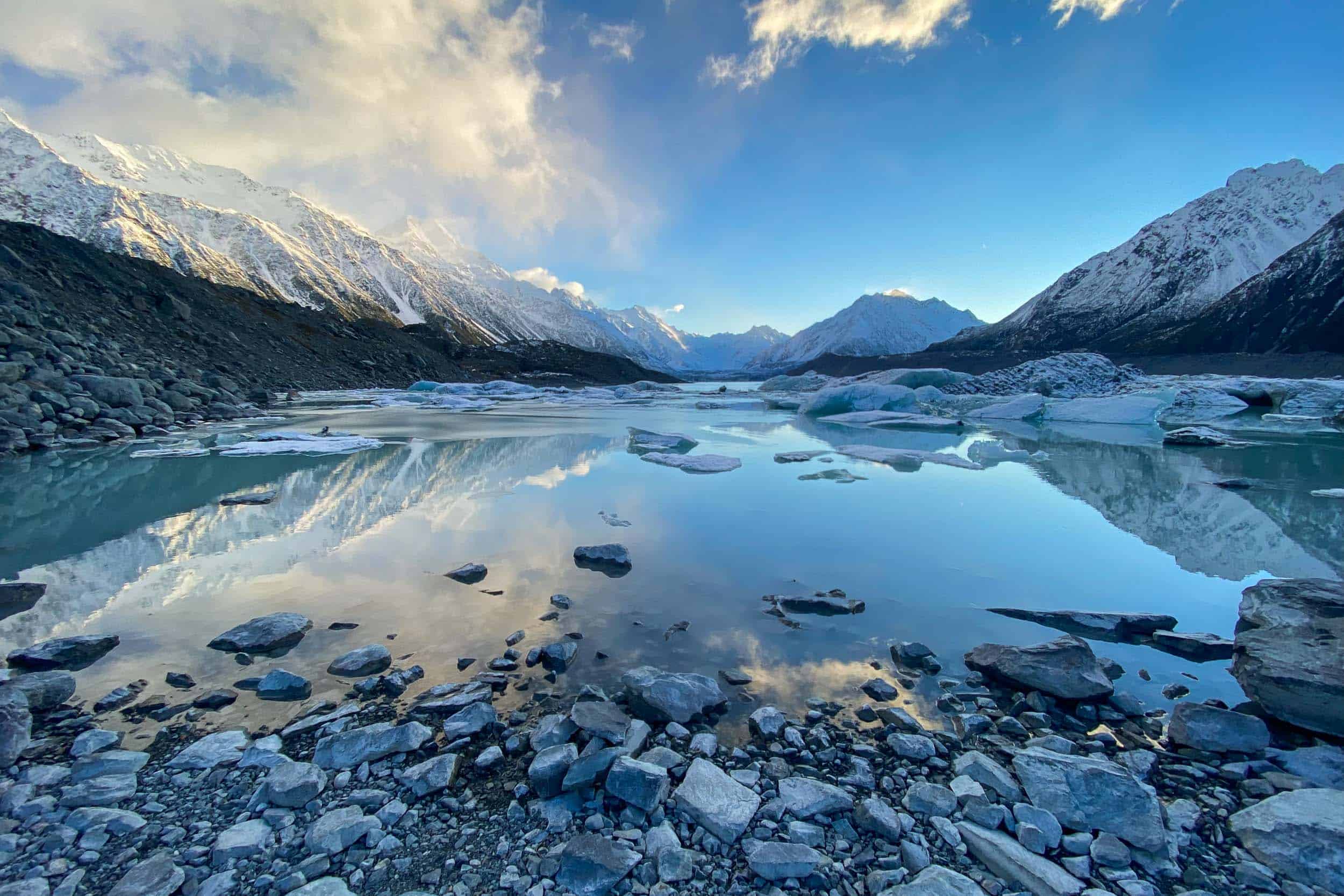
New Zealand is a nature photographer's dream, a place where you can wake up to glacial lakes like Lake Pukaki, hike through temperate rainforests in Fiordland National Park, and explore geothermal wonders in Rotorua all within a few days. Milford Sound's sheer cliffs and waterfalls are legendary, best experienced on a cruise (NZD $100-150 / USD $60-90). The hiking is world-class, from day walks like Roy's Peak near Wanaka to multi-day Great Walks such as the Kepler Track or Routeburn Track (booking huts months in advance, NZD $70-150 / USD $45-95 per night). Australia’s nature is spectacular but spread out; the Great Barrier Reef (AUD $200-350 / USD $130-230 for a day trip) is incredible, as are the Daintree Rainforest and the red landscapes of Uluru, but they require significant travel time and cost to access individually. "Honestly, the sheer variety of landscapes in NZ for such a small country is just mind-blowing. Every drive is epic." While Australia has immense natural beauty, NZ packs more 'wow' per square kilometer.
Winner takeaway
- Winner: New Zealand
- Why: New Zealand offers a higher density of utterly breathtaking, diverse natural landscapes that are more accessible for a typical vacation.
- Who this matters for: Hikers, photographers, nature lovers, and anyone seeking 'epic' views around every corner.
🤸 Adventure & Activities
New Zealand practically invented the commercial adventure tourism industry, and Queenstown is its undisputed capital. Here you can bungy jump off the Kawarau Bridge (NZD $299 / USD $180) or Nevis Bungy (NZD $349 / USD $210), skydive over Lake Taupo (NZD $299-499 / USD $180-300), go whitewater rafting on the Kaituna River (NZD $100-130 / USD $60-80), or jet boat through the Shotover River canyons (NZD $179 / USD $110). The sheer variety and concentration of high-octane activities are unmatched. Australia offers fantastic adventure too, particularly surfing at places like Bells Beach or the Gold Coast, diving the Great Barrier Reef, or tackling the iconic Sydney Harbour Bridge Climb (AUD $200-400 / USD $130-260). However, these are often isolated experiences rather than the 'choose-your-adventure' buffet NZ provides. "After skydiving in Taupo and then canyoning in Queenstown, I felt like I'd lived a year in a week. NZ just hits different for adrenaline junkies." If you're chasing thrills, NZ delivers them in spades, closer together and often with better views.
Winner takeaway
- Winner: New Zealand
- Why: New Zealand offers an unparalleled concentration and variety of world-class adventure activities, making it the ultimate playground for thrill-seekers.
- Who this matters for: Adrenaline junkies, thrill-seekers, and those who want to pack extreme sports into their trip.
💰 Costs & Budget
While neither country is 'cheap,' New Zealand generally offers a slightly better bang for your buck, particularly regarding activities and food staples. A good hostel bed in NZ might be NZD $35-50 (USD $20-30), similar to Australia (AUD $40-60 / USD $26-40). However, iconic NZ activities, while not cheap, feel more 'worth it' given the scenery. Groceries are comparable, but eating out can be marginally cheaper in NZ. A decent meal in a casual restaurant might be NZD $25-35 (USD $15-20) versus AUD $30-45 (USD $20-30) in Australia. The biggest cost factor in both is getting around. Renting a campervan for 2 weeks in NZ might be NZD $1200-2000 (USD $750-1250) in shoulder season, plus fuel. Domestic flights within Australia, covering vast distances, can quickly add up, easily costing AUD $150-300 (USD $100-200) for a single leg. "My daily budget in NZ, even with a few activities, felt more manageable than when I was hitting up cafes and bars in Sydney." Expect to spend USD $70-120 per day in NZ and USD $80-150+ in Australia, excluding intercontinental flights.
Winner takeaway
- Winner: New Zealand
- Why: New Zealand offers a slightly more accessible price point for its world-class activities and daily expenses, allowing for a richer experience on a comparable budget.
- Who this matters for: Budget-conscious travelers, backpackers, and those wanting to maximize activities without breaking the bank.
🏙️ Cities & Culture
Australia excels with its dynamic, sprawling cities. Melbourne is consistently ranked among the world's most livable cities, renowned for its laneway culture, incredible coffee scene (expect AUD $5.50 / USD $3.60 for a flat white), and diverse culinary offerings, from fine dining to vibrant food markets like Queen Victoria Market. Sydney boasts iconic landmarks like the Opera House and Harbour Bridge, world-class museums, and beautiful urban beaches. Perth and Brisbane offer their own unique vibes. New Zealand's cities, while charming, are much smaller and serve more as gateways to nature. Auckland is the largest, but still feels less dense than Sydney. Wellington is known for its creative vibe and Weta Workshop (entry NZD $50-60 / USD $30-38), while Christchurch is rebuilding with a unique artistic energy. Māori culture is deeply embedded and accessible in places like Rotorua (Te Puia entry NZD $60-70 / USD $38-45) but the urban cultural fabric is less complex. "Melbourne's food scene alone could keep you busy for a week; NZ cities are nice, but they don't have that global buzz." Australia offers a richer, more diverse urban and cultural experience for city lovers.
Winner takeaway
- Winner: Australia
- Why: Australia boasts larger, more multicultural, and vibrant cities with a broader array of cultural attractions, dining, and nightlife.
- Who this matters for: City explorers, foodies, art and culture enthusiasts, and those who enjoy urban energy.
🏖️ Beaches & Coastline
Australia is undeniably the beach champion. With over 10,000 beaches, it offers unparalleled variety from the iconic golden sands of Bondi Beach in Sydney (free entry, surf lessons AUD $80-100 / USD $50-65) to the pristine white sands of Whitehaven Beach in the Whitsundays (part of sailing tours, AUD $200-400 / USD $130-260). The Great Barrier Reef, off the coast of Queensland, is a wonder of the world, offering incredible snorkeling and diving. You can spend weeks exploring the diverse coastlines of Queensland, NSW, and Western Australia, finding perfect surf breaks, calm swimming coves, and dramatic cliff walks. New Zealand's beaches are beautiful, particularly in the Coromandel Peninsula (Hot Water Beach, Cathedral Cove) and Abel Tasman National Park, but they are fewer in number and often more rugged. "If you're coming to Oceania for beaches, Australia is just on another level. Nothing beats a day at a perfect Aussie beach, then a BBQ." While NZ has its gems, Australia's sheer scale, accessibility, and variety of world-class beaches and marine environments make it the clear winner.
Winner takeaway
- Winner: Australia
- Why: Australia's immense coastline offers an unmatched quantity and variety of world-famous beaches, iconic surf spots, and unparalleled marine life.
- Who this matters for: Beach lovers, surfers, divers, sun-worshippers, and anyone dreaming of endless golden sands.
🐨 Wildlife
Australia is synonymous with unique and iconic wildlife. Where else can you easily spot kangaroos hopping in the wild (e.g., at Murramarang National Park) or see koalas clinging to eucalyptus trees (e.g., at Lone Pine Koala Sanctuary in Brisbane, entry AUD $54 / USD $35)? Beyond the famous marsupials, there are platypuses, wombats, quokkas, and an incredible array of colorful birds. Its marine life is equally impressive, with the Great Barrier Reef home to countless fish species, turtles, and dugongs. New Zealand has its own unique ecosystem, with fascinating endemic birds like the flightless kiwi (best seen at dedicated sanctuaries like Orokonui Ecosanctuary, NZD $30 / USD $18). You can also spot seals, dolphins, and whales (Kaikoura whale watching, NZD $180-200 / USD $110-125). "Seeing wild kangaroos hop past my campsite in Australia was a core memory. NZ has cool birds, but nothing beats a koala selfie." While NZ offers incredible marine encounters and birdlife, Australia's iconic, easily recognizable land mammals give it the edge for a broader, more memorable wildlife experience.
Winner takeaway
- Winner: Australia
- Why: Australia boasts a far more diverse and iconic range of unique land mammals, birds, and marine life that are easily accessible to travelers.
- Who this matters for: Animal lovers, wildlife photographers, and anyone wanting to see unique creatures in their natural habitat.
🚗 Getting Around
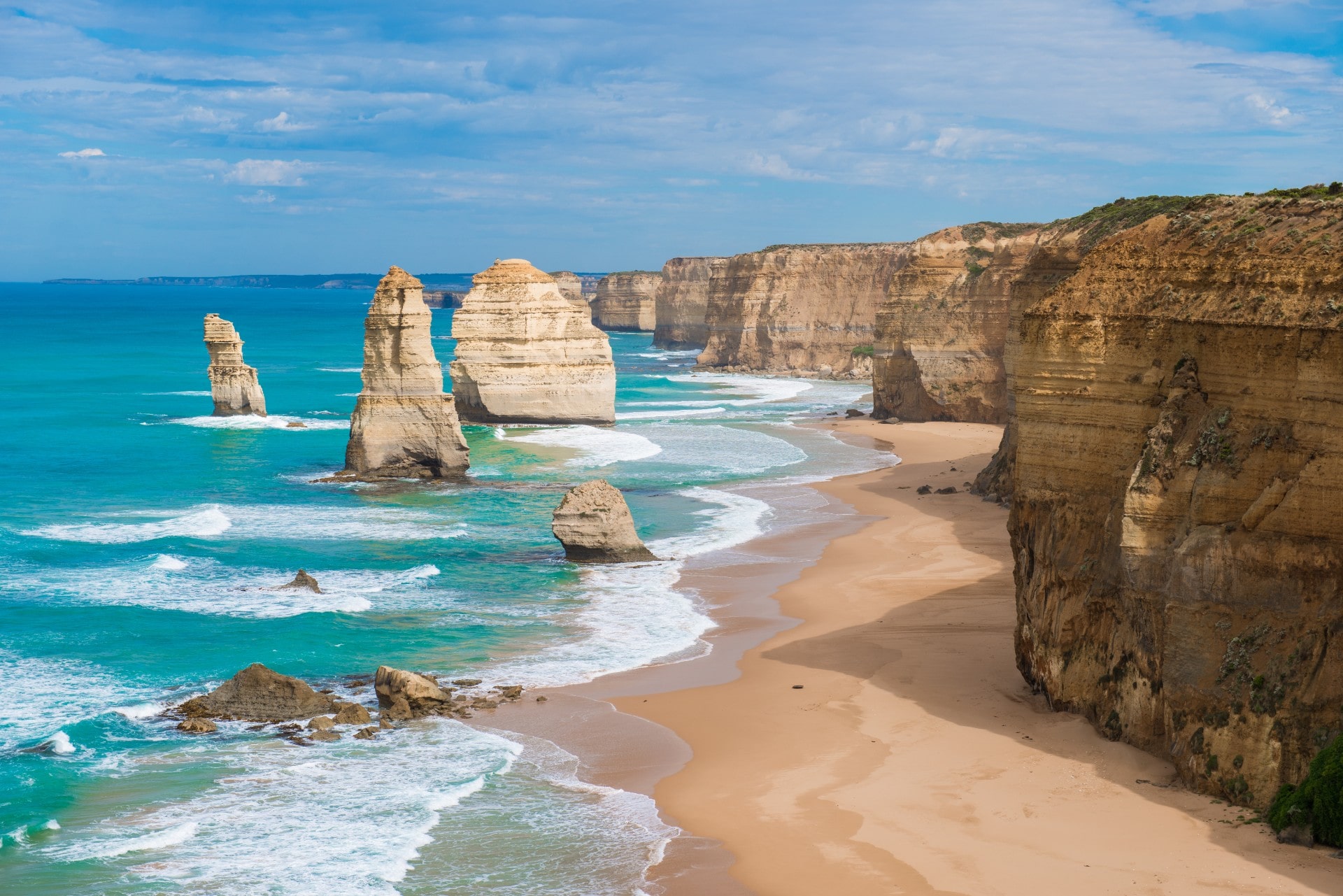
New Zealand's compact size makes it an absolute dream for road trips. You can easily drive the length of one island in a week or two, linking major attractions without excessive travel time. Renting a car or campervan (from NZD $80-150 / USD $50-95 per day) is the most popular way to explore, offering unparalleled freedom and access to scenic routes like the Haast Pass. Fuel costs are high (NZD $2.80-3.20/L / USD $7-8/gallon), but distances are shorter. Public transport between towns is mainly by intercity buses like InterCity (a route from Auckland to Wellington could be NZD $70-100 / USD $45-60). Australia, by contrast, is enormous. While epic road trips like the Great Ocean Road or Perth to Broome are incredible, covering significant distances often necessitates expensive domestic flights (e.g., Sydney to Cairns, AUD $150-300 / USD $100-200). Within cities, Australian public transport networks (trains, trams, buses) are generally more comprehensive and efficient than NZ's. "Honestly, driving New Zealand was stress-free compared to planning how to get between cities in Australia without blowing my budget on flights." NZ's smaller scale and focused road network make self-drive travel immensely more enjoyable and practical for a typical vacation.
Winner takeaway
- Winner: New Zealand
- Why: New Zealand's compact size and stunning, well-maintained roads make it the ultimate road trip destination, allowing easier and more scenic exploration.
- Who this matters for: Road trippers, independent travelers, and those who prefer self-drive exploration.
🍽️ Food & Drink
Australia's multicultural population has created a culinary landscape that is incredibly diverse, innovative, and world-class. Melbourne and Sydney are consistently ranked among the best food cities globally, offering everything from Michelin-starred restaurants to incredible street food, vibrant Asian eateries, and superb Mediterranean influences. Coffee culture is paramount, and a flat white is an art form (AUD $5-6 / USD $3.30-4). You'll find fantastic fresh seafood, modern Australian cuisine, and exceptional wines from regions like the Barossa Valley. New Zealand also boasts excellent fresh produce, particularly lamb and seafood (e.g., Bluff oysters). Its coffee scene is strong, and craft beer is a big deal, especially in Wellington. Māori hāngi (traditional earth oven cooking) is a unique cultural experience. However, the sheer breadth, sophistication, and global influence of Australia's food scene are unmatched. "I loved the fresh seafood in NZ, but Australia's diversity, from Vietnamese in Footscray to Greek in Lonsdale Street, just blew me away." While NZ has great food, Australia takes the win for its sheer range and quality.
Winner takeaway
- Winner: Australia
- Why: Australia offers a far more diverse, sophisticated, and globally influenced culinary scene, especially in its major multicultural cities.
- Who this matters for: Foodies, gourmands, coffee aficionados, and those who love exploring diverse culinary traditions.
🛌 Accommodation
Both New Zealand and Australia offer a comprehensive range of accommodation options, from budget-friendly hostels to mid-range motels, boutique hotels, and luxury resorts. In New Zealand, you'll find excellent backpacker hostels (NZD $35-50 / USD $20-30 for a dorm bed), well-maintained motels (NZD $120-200 / USD $75-125 for a private room), and unique farm stays or eco-lodges that immerse you in nature. Quality is generally high, even at lower price points. Australia, being larger, has a broader quantity of options, especially in its major cities like Sydney and Melbourne, where you can find everything from a basic dorm for AUD $40-60 (USD $26-40) to high-end luxury hotels for AUD $300-600+ (USD $200-400+). However, these city options often come at a premium, and mid-range hotels can feel less value-for-money. "Hostels in both countries are surprisingly clean, but I found more unique, cozy B&Bs scattered around New Zealand's smaller towns." For camping and campervan parks, both countries excel, with numerous well-equipped sites. It's a tie because while Australia has more sheer volume, NZ's smaller scale means quality is consistently good across its options without the highest city price tags.
Winner takeaway
- Winner: Tie
- Why: Both countries offer excellent and varied accommodation choices, catering to all budgets and travel styles, with good quality across the board.
- Who this matters for: All travelers, as both countries provide suitable lodging regardless of budget or preference.
🛡️ Safety & Solo Travel
New Zealand consistently ranks among the safest countries in the world, making it an absolute dream for solo travelers, particularly solo females. Crime rates are very low, people are incredibly friendly and helpful, and you generally feel very secure, even in remote areas or walking alone at night in smaller towns. The biggest 'dangers' are often related to misjudging weather conditions in the mountains or not properly preparing for hikes. There are no venomous snakes or dangerous large animals to worry about on land. Australia is also very safe, especially in its major cities, which have modern infrastructure and low violent crime. However, being much larger and more populous, its cities can have typical urban issues like petty theft or occasional late-night incidents, which are less common in NZ. The 'dangerous wildlife' factor (snakes, spiders, jellyfish) is present in Australia, though incidents are rare and usually avoidable with common sense. "As a solo female traveler, I felt incredibly safe everywhere in NZ, even hitchhiking a few times. Australia was great too, but I was more aware in big cities." New Zealand's consistently serene and low-risk environment gives it a slight edge for ultimate peace of mind.
Winner takeaway
- Winner: New Zealand
- Why: New Zealand offers an exceptionally safe and welcoming environment with minimal urban hazards and no dangerous land wildlife, making it ideal for solo travelers.
- Who this matters for: Solo travelers (especially females), families, and anyone prioritizing absolute peace of mind and safety.
❓ Frequently Asked Questions
Do I need a visa for New Zealand or Australia?
Yes, most non-citizens will need an Electronic Travel Authority (ETA) or a visa. For New Zealand, many nationalities require an NZeTA. For Australia, an eVisitor visa or ETA is common. Always check the official government immigration websites for the most up-to-date requirements based on your nationality.
What's the best time to visit each country?
For New Zealand, summer (Dec-Feb) is ideal for hiking and outdoor activities, but also busiest. Shoulder seasons (Oct-Nov, Mar-Apr) offer good weather and fewer crowds. Australia's best time varies by region: southern states (Sydney, Melbourne) are best in spring/autumn (Sept-Nov, Mar-May), while the tropical north (Cairns, Darwin) is best in the dry season (May-Oct).
Can I drive in New Zealand or Australia with my foreign license?
Yes, generally you can drive for up to 12 months with a valid overseas driver's license, provided it's in English or accompanied by an accurate English translation or International Driving Permit (IDP). You must carry your license with you at all times while driving. Always check specific state/territory or regional requirements.
Which country is better for a working holiday?
Both countries offer excellent working holiday visa programs for young travelers (typically 18-30, sometimes up to 35). Australia often has more job opportunities, especially in hospitality, agriculture, and construction, due to its larger economy and population. New Zealand offers a more relaxed pace and incredible natural beauty during your downtime. It really depends on your priorities: job volume or lifestyle.
What are the essential items to pack for a trip to either country?
Regardless of your destination, pack layers as weather can change quickly, especially in NZ. Sunscreen and a wide-brimmed hat are crucial due to strong UV rays. Comfortable walking shoes for exploring cities and nature are a must. A universal travel adapter, insect repellent (especially for sandflies in NZ), and a reusable water bottle are also highly recommended.
Are there any dangerous animals I should be aware of?
In New Zealand, there are no dangerous native land animals; the biggest 'threats' are sandflies and potentially aggressive kea birds. Australia, however, is famous for its venomous snakes and spiders, and marine stingers in tropical waters. While encounters are rare, it's wise to be aware, follow local advice, and use common sense like wearing appropriate footwear and swimming only in designated areas.
How long should I plan for a trip to New Zealand vs. Australia?
For New Zealand, a minimum of 2-3 weeks is recommended to see one island thoroughly, or 3-4 weeks to cover both islands without rushing. For Australia, due to its vast size, 3-4 weeks is a good start for exploring one major region (e.g., East Coast), but you could easily spend 2-3 months to truly experience diverse areas like the Outback, West Coast, and cities.
Which country has better hiking opportunities?
New Zealand is generally considered superior for hiking, offering an incredible density of world-class trails, including its famous Great Walks (e.g., Milford Track, Tongariro Northern Circuit). Its varied terrain of mountains, glaciers, and forests provides dramatic backdrops for day hikes and multi-day treks. Australia has fantastic hikes too, like the Overland Track in Tasmania or sections of the Bibbulmun Track, but they are fewer and farther between compared to NZ's concentrated offerings.
Ready to plan your Oceania trip?
Get a free custom itinerary for New Zealand, Australia, or both — built from real traveler insights.
🎟️ Book Tours & Experiences
Hand-picked tours and activities for both destinations — book with free cancellation
Experiences via Viator — free cancellation on most tours