How we built this comparison
This page combines traveler discussion patterns, published price ranges, flight schedules, and seasonal data to help you decide between New Zealand and Norway.
- Reviewed 70+ Reddit threads from r/travel, r/solotravel, r/NewZealand, r/Norway, etc.
- Verified costs and logistics against current booking platforms like Booking.com, Skyscanner, and local tourism sites.
- Cross-referenced seasonal patterns, weather data, and activity availability with official tourism boards.
⚡ Quick Answers
⚡ The TL;DR Verdict
For most travelers seeking varied outdoor adventure without breaking the bank, New Zealand is the better option. If your budget allows for higher costs and you specifically chase a cold-weather, fjord-focused trip, Norway will deliver. Expect to spend $100-180 USD daily in NZ versus $150-250 USD in Norway for a similar experience level.
- Choose New Zealand: You want varied landscapes, from beaches to glaciers, with accessible hiking and adventure sports at more reasonable prices. Ideal for road trips and longer stays.
- Choose Norway: You prioritize dramatic fjords, Arctic experiences, and a quieter, highly organized outdoor environment, and are prepared for a higher cost of living.
- Choose Both: If you have ample time (4+ weeks) and a substantial budget, you could experience both hemispheres' natural wonders, perhaps focusing on one country per season.
Choose New Zealand
Choose New Zealand for an epic road trip filled with diverse landscapes and accessible adventure. Best for thrill-seekers and nature lovers on a mid-range budget, you can easily go bungy jumping in Queenstown, hike volcanic terrains like Tongariro, or explore stunning beaches without significant financial strain, offering unparalleled value for a multi-week journey.
Choose Norway
Opt for Norway if dramatic fjords, pristine Arctic landscapes, and unique cold-weather experiences are your top priority, and your budget is generous. Ideal for keen photographers and those seeking a quieter, highly organized outdoor adventure, you'll be rewarded with breathtaking sights like cruising Geirangerfjord or witnessing the Northern Lights near Tromsø, justifying the premium investment.
📊 Visual Scorecard
🌤 When to Visit
Average high temperatures (°C). Green = best months, orange = avoid.
Quick Comparison
| Category | New Zealand | Norway | Winner |
|---|---|---|---|
| Nature & Scenery | Volcanoes, glaciers, beaches, and Lord of the Rings landscapes. Highly diverse terrain accessible via road trips. | Dramatic fjords, northern lights, Arctic tundra, and well-maintained hiking trails. Focus on water and mountains. | New Zealand |
| Costs & Budget | More budget-friendly for accommodation, food, and activities. Daily expenses typically $100-180 USD. | Significantly higher costs across the board. Daily expenses often $150-250+ USD. | New Zealand |
| Getting There (Flights) | Long-haul flights from North America (13-16 hours direct). Generally more expensive. | Shorter flights from North America (7-8 hours direct to Oslo). Generally less expensive. | Norway |
| Getting Around | Excellent for self-driving/campervans, well-maintained roads, less reliance on public transport for scenic routes. | Efficient public transport (trains, buses, ferries) for main routes, but car rental needed for remote areas. Road conditions can be challenging. | New Zealand |
| Food & Drink | Emphasis on fresh, local produce, lamb, seafood, and cafe culture. Good quality, moderate prices. | Focus on seafood, traditional hearty fare, and high-quality but expensive dining. Alcohol is very costly. | New Zealand |
| Accommodation | Good range of hostels, holiday parks, motels, and B&Bs. Options for all budgets, especially self-catering. | High-quality, modern hotels, but limited budget options. Hostels are fewer and more expensive. | New Zealand |
| Adventure & Activities | Known for bungy jumping, rafting, hiking, skydiving, and varied water sports. High adrenaline options. | Hiking, kayaking, skiing, dog sledding, Northern Lights tours. Focus on wilderness and cold weather sports. | New Zealand |
| Culture & History | Maori heritage, colonial history, and modern Pacific culture. Fewer ancient sites. | Viking history, Sami culture, and strong maritime traditions. Well-preserved medieval towns and museums. | Norway |
| Weather & Seasons | Temperate climate, opposite seasons to Northern Hemisphere. Summers are warm, winters mild. | Cold winters, mild summers. Extreme seasonal variations, especially for Northern Lights or winter sports. | New Zealand |
| Solo Travel Suitability | Excellent for solo travelers, strong backpacker culture, easy to meet people, safe. | Safe and well-organized, but less of a dedicated backpacker scene; can be isolating due to higher costs. | New Zealand |
🏞️ Nature & Scenery
New Zealand offers an astonishing range of landscapes within relatively short distances. From the volcanic plateaus and geothermal activity around Rotorua and Taupo, to the…
New Zealand
Norway
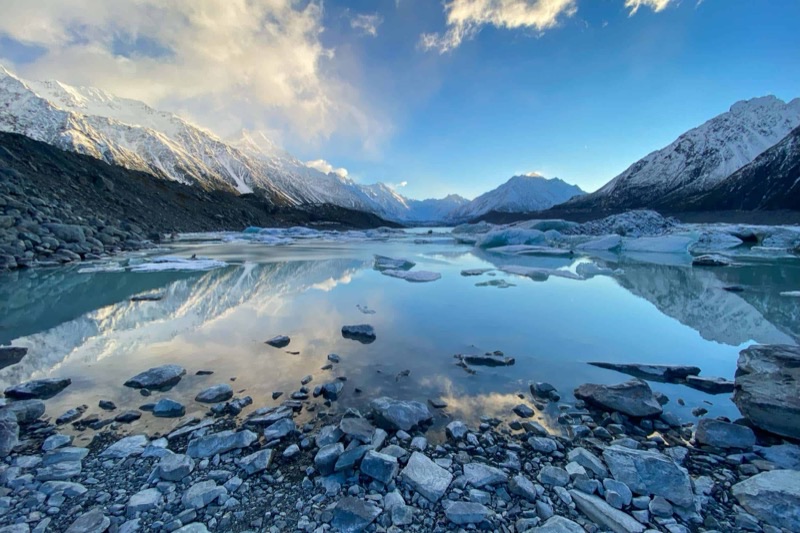
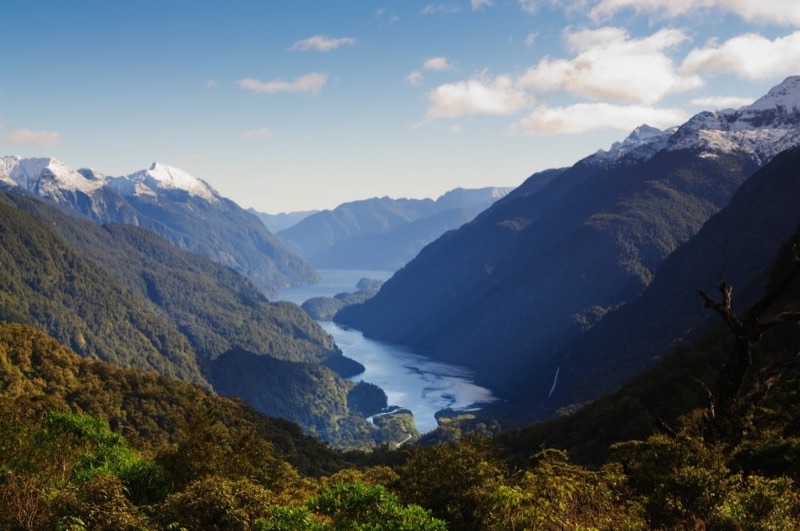
New Zealand offers an astonishing range of landscapes within relatively short distances. From the volcanic plateaus and geothermal activity around Rotorua and Taupo, to the Southern Alps with Fox and Franz Josef Glaciers, and the sandy beaches of Abel Tasman National Park. The South Island alone presents temperate rainforests, deep fjords like Milford Sound, and dry alpine regions. Activities are largely centered around accessible nature, like the Routeburn Track or kayaking around the Bay of Islands.
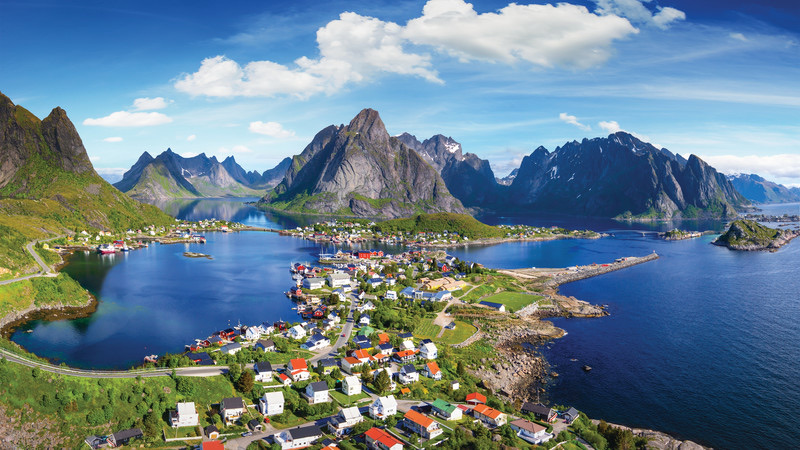
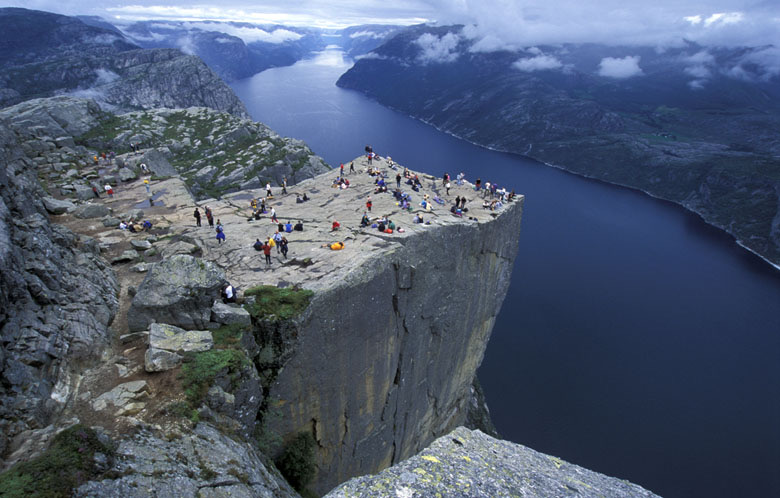
Norway delivers unparalleled fjord scenery, especially in the Western Fjord region around Geirangerfjord and Nærøyfjord. The Lofoten Islands provide jagged peaks rising directly from the sea, and the northern regions offer Arctic experiences like the Northern Lights near Tromsø or Svalbard. While both have mountains, Norway's tend to be more sheer and often directly abut water, creating a specific type of impressive view. Hiking trails are well-marked, but the sheer number of distinct ecosystems found in New Zealand gives it an edge for most outdoor enthusiasts. Tabiji verdict: New Zealand simply has more varied natural spectacles to experience, often in close proximity.
- Winner: New Zealand
- Why: New Zealand presents a broader range of distinct ecosystems and landscapes within a more compact area.
- Who this matters for: Travelers who want maximum natural diversity without extensive travel between regions.
💰 Costs & Budget
New Zealand, while not cheap, offers more ways to save money. Hostel dorm beds average NZD $35-50 ($20-30 USD). Basic meals at cafes or food courts are NZD $15-25 ($9-15 USD). A…

New Zealand
Norway
New Zealand, while not cheap, offers more ways to save money. Hostel dorm beds average NZD $35-50 ($20-30 USD). Basic meals at cafes or food courts are NZD $15-25 ($9-15 USD). A rental car can be found for NZD $40-70 ($25-45 USD) per day, making self-driving economical. Grocery stores like Countdown or Pak'nSave are widespread for self-catering, and many Department of Conservation (DOC) campsites are NZD $10-20 ($6-12 USD) per night. Activities like a Milford Sound cruise are around NZD $80-120 ($50-75 USD).
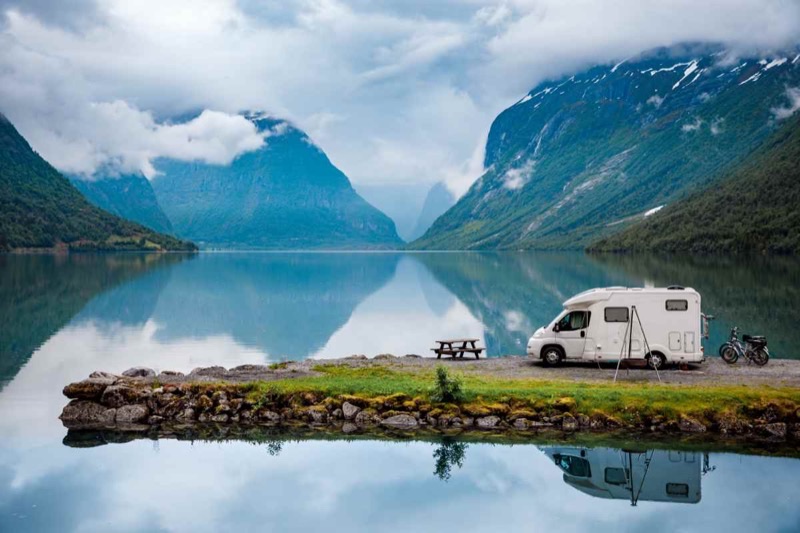
Norway is consistently one of the most expensive countries to travel. Hostel dorms start at NOK 350-500 ($35-50 USD), and budget hotels are often NOK 1000+ ($100+ USD) per night. A simple lunch can easily be NOK 150-250 ($15-25 USD), and a main course dinner NOK 300-450 ($30-45 USD). Rental cars are more expensive, often NOK 600-900 ($60-90 USD) per day, plus high fuel costs (NOK 25/liter, $2.30/liter or $8.70/gallon). Even basic groceries are higher. For instance, a beer in a bar can be NOK 100-120 ($10-12 USD). The cost difference is substantial across all categories. Tabiji verdict: New Zealand is the clear winner for budget-conscious travelers; Norway requires careful financial planning.
- Winner: New Zealand
- Why: New Zealand provides a more accessible price point for nearly all travel essentials and activities.
- Who this matters for: Travelers with a limited budget or those planning an extended trip.
✈️ Getting There (Flights)
Flights to New Zealand are a significant time and financial commitment from most major hubs. From Los Angeles (LAX) to Auckland (AKL), direct flights average 13 hours. From New…

New Zealand
Norway
Flights to New Zealand are a significant time and financial commitment from most major hubs. From Los Angeles (LAX) to Auckland (AKL), direct flights average 13 hours. From New York (JFK) or other East Coast cities, expect 16-18 hours with a layover. Round-trip economy fares typically range from $1,200-$2,000 USD, though sales can drop them to $900-1,100 USD. The distance means more jet lag and a longer journey, making shorter trips less practical.
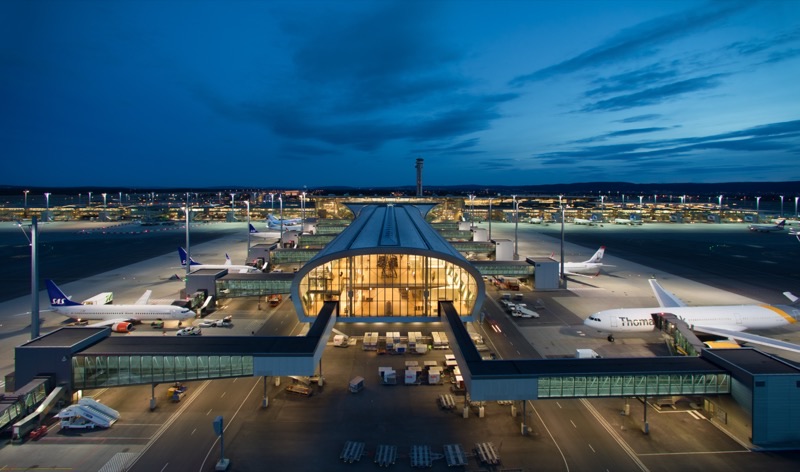
Norway is much more accessible for North American and European travelers. Direct flights from New York (JFK) to Oslo (OSL) are around 7-8 hours. From London (LHR) or Amsterdam (AMS), flights are just 1.5-2 hours. Round-trip economy fares from the US can be found for $600-$1,000 USD, often less from European cities (e.g., £100-200 from London). The shorter flight times reduce travel fatigue and make Norway a more feasible destination for trips of 1-2 weeks. Tabiji verdict: Norway wins due to significantly shorter flight times and generally lower airfare from major Western hubs.
- Winner: Norway
- Why: Norway is more geographically accessible for a broader base of international travelers, resulting in shorter and often cheaper flights.
- Who this matters for: Travelers with limited vacation time or those sensitive to long-haul flight costs and jet lag.
🚗 Getting Around
New Zealand is designed for road trips. The main roads are generally well-maintained, and traffic outside of Auckland or Wellington is minimal. Campervan travel is extremely…
New Zealand
Norway
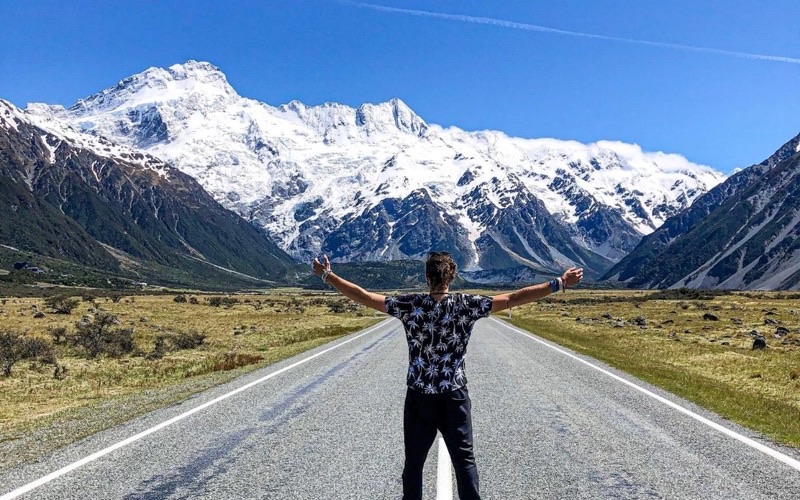
New Zealand is designed for road trips. The main roads are generally well-maintained, and traffic outside of Auckland or Wellington is minimal. Campervan travel is extremely popular, with numerous holiday parks and DOC campsites. Distances between attractions are manageable, and driving is the best way to access national parks and scenic viewpoints like those in Fiordland or the Catlins. Rental cars start around NZD $40-70 ($25-45 USD) per day. Bus networks like InterCity connect major towns, but for true exploration, a personal vehicle is preferred.
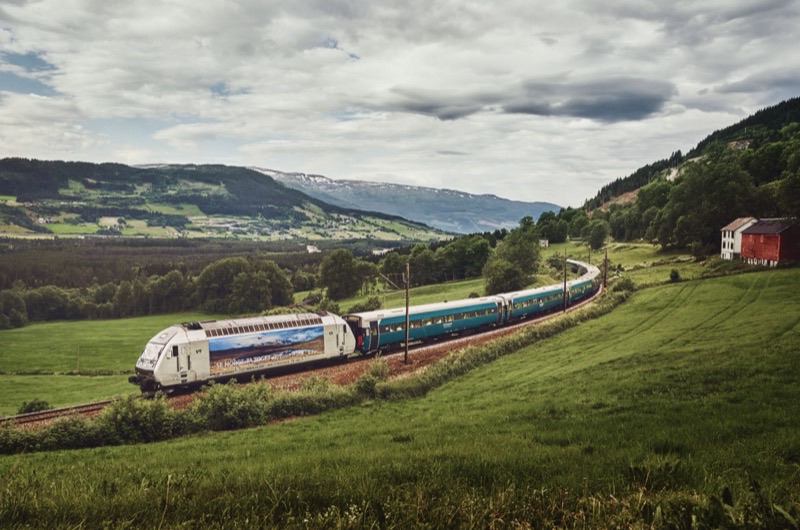
Norway’s public transport system is efficient, particularly trains connecting cities like Oslo, Bergen, and Trondheim, and extensive ferry services through the fjords. However, to truly explore the smaller villages, hiking trailheads, or the Lofoten Islands, a rental car is almost essential. Roads can be narrow, winding, and challenging, especially in winter or mountainous regions. Fuel is expensive, and tolls are common. While public transit is reliable for point-to-point travel in populated areas, it lacks the flexibility and comprehensive coverage for deep exploration that a car offers in New Zealand. Tabiji verdict: New Zealand offers a more practical, user-friendly, and enjoyable self-drive experience for comprehensive exploration.
- Winner: New Zealand
- Why: New Zealand's infrastructure and travel culture are optimized for independent road trips and campervan travel, offering greater flexibility and access.
- Who this matters for: Travelers who prefer to self-drive, desire flexibility, or plan a campervan adventure.
🍽️ Food & Drink
New Zealand’s food scene is defined by fresh, high-quality ingredients and a relaxed cafe culture. Expect excellent lamb, green-lipped mussels, fresh fish and chips (often NZD…
New Zealand
Norway
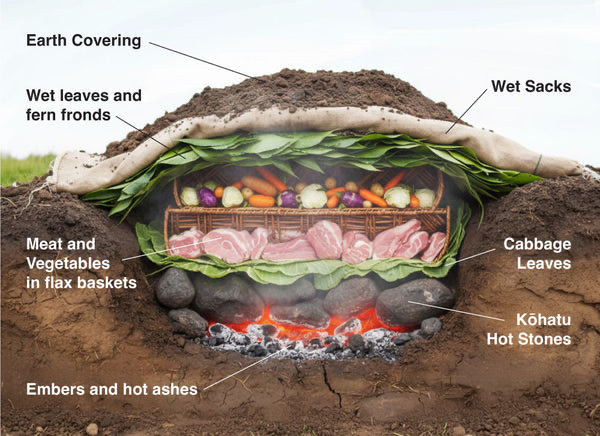
New Zealand’s food scene is defined by fresh, high-quality ingredients and a relaxed cafe culture. Expect excellent lamb, green-lipped mussels, fresh fish and chips (often NZD $10-15 or $6-9 USD), and unique local specialties like pavlova and hokey pokey ice cream. Coffee culture is strong, with flat whites ubiquitous. Craft beer and wine regions (Marlborough Sauvignon Blanc) are prominent, with tasting experiences available at reasonable prices (e.g., NZD $5-10 for a tasting flight). Dining out is generally affordable, with good main courses in mid-range restaurants costing NZD $30-45 ($18-28 USD).
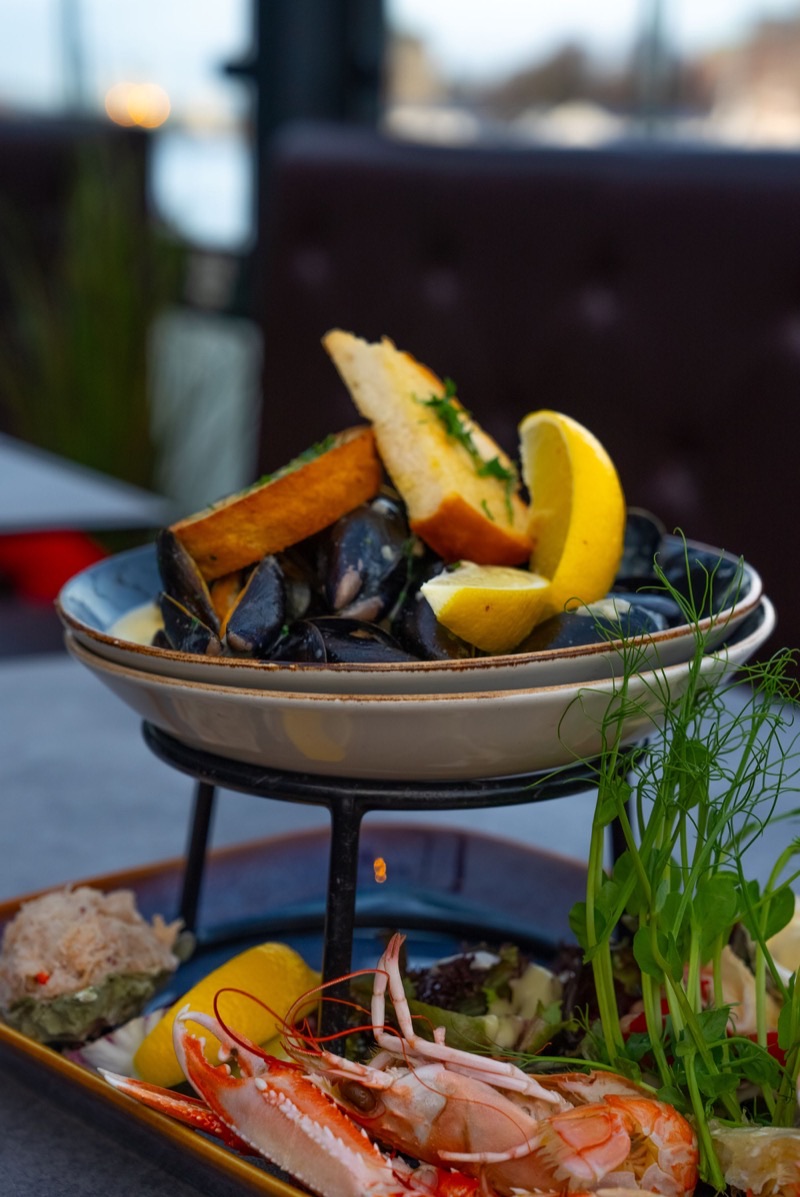
Norwegian food is primarily seafood-focused, with excellent salmon, cod, and king crab. Traditional dishes like Fårikål (lamb stew) or Kjøttkaker (meatballs) are hearty but less varied than NZ fare. Dining out is consistently expensive. A basic pizza can be NOK 200 ($20 USD), and a main dish in a casual restaurant often NOK 300-450 ($30-45 USD). Alcohol prices are notably high, with a pint of beer in a bar costing NOK 100-120 ($10-12 USD) and a bottle of wine in a state-run Vinmonopolet starting around NOK 150-200 ($15-20 USD) for basic options. The overall dining experience, while high quality, is less accessible due to cost. Tabiji verdict: New Zealand provides a more diverse, accessible, and overall enjoyable culinary experience for the average traveler.
- Winner: New Zealand
- Why: New Zealand offers a broader array of affordable, high-quality food and drink options, making dining out and exploring local tastes more accessible.
- Who this matters for: Travelers who prioritize varied, fresh cuisine and enjoy dining out or sampling local beverages without extreme cost.
🏨 Accommodation
New Zealand offers a robust range of accommodation suited for various budgets. Hostels, like YHA or Base, are plentiful in every major town, with dorm beds from NZD $35-50 ($20-30…
New Zealand offers a robust range of accommodation suited for various budgets. Hostels, like YHA or Base, are plentiful in every major town, with dorm beds from NZD $35-50 ($20-30 USD) and private rooms from NZD $80-120 ($50-75 USD). Holiday parks are a national institution, providing powered sites for campervans, cabins, and tent sites, often with shared facilities, starting from NZD $25-50 ($15-30 USD) per night. Motels are clean and common, typically NZD $120-180 ($75-110 USD). Booking in advance, especially during peak season, is advisable.
Norway's accommodation market is dominated by hotels, which are modern and well-appointed but come with a high price tag. A standard hotel room in a city like Oslo or Bergen can easily be NOK 1200-2000 ($120-200 USD) per night. Hostels, while available, are less common outside major cities and are pricier than their NZ counterparts, with dorms starting around NOK 350-500 ($35-50 USD). Self-catering cabins (hytter) or guesthouses can be found in rural areas but also carry a premium. The availability of diverse, budget-friendly options, particularly for independent and campervan travelers, is significantly better in New Zealand. Tabiji verdict: New Zealand provides superior value and choice for accommodation across all budget levels.
- Winner: New Zealand
- Why: New Zealand has a more diverse and affordable range of accommodation, particularly for budget and self-catering travelers.
- Who this matters for: Travelers seeking budget-friendly stays, variety in lodging, or those traveling with a campervan.
🧗 Adventure & Activities
New Zealand is synonymous with adventure tourism. Queenstown is the self-proclaimed 'Adventure Capital of the World,' offering bungy jumping (AJ Hackett is famous), white-water…
New Zealand is synonymous with adventure tourism. Queenstown is the self-proclaimed 'Adventure Capital of the World,' offering bungy jumping (AJ Hackett is famous), white-water rafting on the Shotover River, canyoning, jet boating, and paragliding. Hiking opportunities abound, from multi-day Great Walks like the Abel Tasman Coastal Track to shorter day hikes. Watersports like surfing, kayaking, and paddleboarding are popular along the coasts. Glacier hikes on Franz Josef and Fox are also unique. These activities are generally well-supported and widely available, though costs can add up (e.g., bungy jump NZD $200-300 or $125-190 USD).
Norway offers its own set of compelling adventures, heavily skewed towards its natural environment. Hiking is a primary activity, with iconic trails to Preikestolen (Pulpit Rock) and Trolltunga, though many are challenging and seasonal. Kayaking through the fjords is popular. In winter, skiing, snowboarding, dog sledding, and snowmobiling are key draws. Northern Lights tours in regions like Tromsø are a major attraction (NOK 1500-2500 or $150-250 USD). While Norway's offerings are impressive for nature and cold-weather sports, New Zealand’s sheer variety of high-adrenaline and accessible activities across different environments gives it an edge for many travelers. Tabiji verdict: New Zealand offers a broader and more accessible array of adventure activities for a wider range of preferences.
- Winner: New Zealand
- Why: New Zealand provides a greater diversity of accessible, high-adrenaline adventure sports and outdoor pursuits.
- Who this matters for: Travelers seeking a wide range of adventure activities, from extreme sports to multi-day hikes, in varying climates.
🏛️ Culture & History
New Zealand’s cultural identity is a blend of Maori heritage and European colonial influence. Rotorua is a center for Maori cultural experiences, including Hangi feasts and…
New Zealand’s cultural identity is a blend of Maori heritage and European colonial influence. Rotorua is a center for Maori cultural experiences, including Hangi feasts and performances at Te Puia or Tamaki Maori Village. Auckland and Wellington have museums like Te Papa that explain the country's history and natural world. The history is relatively recent compared to many older civilizations. While genuine and engaging, the historical depth and number of ancient sites are less prominent than in Europe.
Norway possesses a deeper and more tangible historical footprint, particularly its Viking heritage. The Viking Ship Museum in Oslo (currently under renovation, but content moved to Historical Museum) and Bryggen in Bergen, a UNESCO World Heritage site of Hanseatic merchant houses, are key examples. The Sami people in the north offer a distinct indigenous culture with reindeer herding traditions. Medieval stave churches, like Urnes Stave Church, are unique architectural gems scattered throughout the country. Cities like Trondheim also have significant historical cathedrals. The breadth of accessible historical sites and the long, well-documented history give Norway a stronger cultural offering. Tabiji verdict: Norway provides a richer, more ancient, and varied historical and cultural experience.
- Winner: Norway
- Why: Norway has a longer, more documented history with a greater number of well-preserved historical sites and distinct cultural layers.
- Who this matters for: Travelers interested in ancient history, medieval architecture, indigenous cultures, and maritime heritage.
☀️ Weather & Seasons
New Zealand experiences temperate weather, with its summer (December-February) being warm and generally sunny, ideal for hiking and beach activities, with average temperatures of…
New Zealand experiences temperate weather, with its summer (December-February) being warm and generally sunny, ideal for hiking and beach activities, with average temperatures of 20-30°C (68-86°F). Winter (June-August) brings snow to the Southern Alps, creating ski opportunities, but coastal areas remain mild, around 10-15°C (50-59°F). Shoulder seasons (spring/autumn) offer pleasant temperatures and fewer crowds. The weather can change quickly, but extreme conditions are less frequent than in Norway, and most regions are accessible year-round for some activity.
Norway has pronounced seasonal variations. Summers (June-August) are mild, with temperatures around 15-25°C (59-77°F) in the south, and long daylight hours (midnight sun in the north). Winters (November-March) are cold, with temperatures often below freezing (0°C/32°F) and significant snowfall, especially inland and in the north, making travel challenging. This is when the Northern Lights are visible. Many hiking trails and mountain passes are closed in winter. While the distinct seasons offer different experiences, the more consistently mild and generally accessible conditions for varied activities throughout the year make New Zealand a more versatile choice. Tabiji verdict: New Zealand’s more consistent, temperate climate allows for broader travel appeal and year-round activity options.
- Winner: New Zealand
- Why: New Zealand's temperate climate provides more consistent pleasant weather for outdoor activities throughout the year.
- Who this matters for: Travelers who prefer milder temperatures, extended outdoor activity windows, and general accessibility year-round.
🚶♀️ Solo Travel Suitability
New Zealand is a dream for solo travelers, especially backpackers. The country has a very well-established network of hostels (like YHA, Base) that actively facilitate social…
New Zealand is a dream for solo travelers, especially backpackers. The country has a very well-established network of hostels (like YHA, Base) that actively facilitate social interaction, group tours, and transport. It is incredibly safe, and hitchhiking is still relatively common in rural areas, though always exercise caution. Activities like bungy jumping or rafting often involve groups, making it easy to meet fellow travelers. The 'Kiwiana' culture is welcoming, and the sheer number of other solo adventurers means you are rarely truly alone unless you seek it. Carpooling is common among backpackers to split costs.
Norway is also an extremely safe country for solo travelers, with very low crime rates. Public transport is reliable, and English is widely spoken. However, the higher cost of living means fewer budget backpacker hostels and a less pronounced 'social' travel scene compared to New Zealand. While you can certainly travel solo and meet people on organized tours or hikes, the independent budget traveler might find it more isolating due to the expense of social activities (e.g., bar prices) and fewer dedicated backpacker hubs. The focus tends to be more on individual wilderness exploration. Tabiji verdict: New Zealand is a superior choice for solo travelers seeking a social and budget-friendly experience.
- Winner: New Zealand
- Why: New Zealand offers a more robust and social backpacker infrastructure, making it easier and more affordable for solo travelers to connect with others.
- Who this matters for: Solo travelers who want to meet other adventurers, keep costs down, and enjoy a vibrant social scene.
🎯 The Decision Framework
Choose New Zealand If…
- You want to road trip through incredibly diverse landscapes.
- You crave adrenaline sports like bungy jumping and white-water rafting.
- Your budget for daily expenses is $100-180 USD.
- You are traveling solo and want to meet other backpackers easily.
- You prefer milder, more consistent weather for outdoor activities.
- You are interested in Maori culture and recent colonial history.
- You want excellent fresh food and local wines at accessible prices.
- You enjoy flexible, self-guided exploration via campervan.
Choose Norway If…
- You are drawn to dramatic fjords and Arctic scenery.
- You want to experience the Northern Lights or midnight sun.
- You are prepared for a daily budget of $150-250+ USD.
- You prioritize ancient Viking history and medieval architecture.
- You enjoy winter sports like skiing, dog sledding, and snowmobiling.
- You prefer quiet, organized outdoor experiences in pristine wilderness.
- You value efficient public transport between major cities and regions.
- You appreciate high-quality seafood and a strong, unique cultural identity.
📅 Sample Itineraries
Weekend in New Zealand (3 Days)
💡 Booking domestic flights between Auckland and Queenstown in advance can save you $20-50, especially during peak season.
Weekend in Norway (3 Days)
💡 Purchasing an Oslo Pass or Bergen Card for 24-72 hours can provide free public transport and museum entry, potentially saving $40-60 over three days.
One Week in New Zealand (7 Days)
💡 For activities like Milford Sound tours or bungee jumping, booking online directly with operators often secures better rates or specific time slots, saving you $10-30 and avoiding disappointment.
One Week in Norway (7 Days)
💡 Booking the 'Norway in a Nutshell' tour in advance simplifies logistics and can sometimes offer a slight discount compared to booking each leg separately, potentially saving $15-30.
❓ Frequently Asked Questions
What is the average daily budget for New Zealand vs Norway?
For New Zealand, a comfortable mid-range budget is $100-180 USD per day, including hostel/motel, basic meals, and some activities. Norway typically requires $150-250+ USD per day, reflecting higher costs for accommodation, food, and transport. Expect to spend 50-100% more in Norway.
Which country is better for hiking?
Both offer exceptional hiking. New Zealand has diverse multi-day Great Walks like the Routeburn Track and accessible day hikes across varied terrain. Norway features iconic, challenging hikes to places like Preikestolen and Trolltunga, often with fjord views. New Zealand has greater variety and more accessible year-round options, while Norway's trails are often more remote and seasonal.
Is public transport reliable in New Zealand or Norway?
Norway has a highly efficient and extensive public transport network, especially trains and ferries connecting major cities and fjords. New Zealand's public transport connects major towns but is less comprehensive for scenic routes; a rental car or campervan is often necessary for full exploration.
What are the flight times and costs from the US?
Flights from the US to New Zealand (e.g., LAX to AKL) are long-haul, around 13-16 hours direct, costing $1,200-$2,000 USD round-trip. Flights to Norway (e.g., JFK to OSL) are shorter, 7-8 hours direct, and generally less expensive, around $600-$1,000 USD round-trip.
Which country has better food for a traveler?
New Zealand generally offers a more diverse and affordable food scene, with fresh local produce, excellent lamb, seafood, and a strong cafe culture. Norway's food is high quality, especially seafood, but dining out is consistently expensive, and variety can be limited outside major cities.
When is the best time to visit each country?
For New Zealand, summer (December-February) is ideal for outdoor activities, though shoulder seasons (spring/autumn) offer good weather and fewer crowds. For Norway, summer (June-August) is best for hiking and fjords, while winter (November-March) is for Northern Lights and snow sports, but many areas are less accessible.
Which destination is more suitable for adventure sports?
New Zealand is widely recognized as an adventure sports capital, particularly Queenstown, offering bungy jumping, white-water rafting, canyoning, and more. Norway provides excellent opportunities for hiking, kayaking, skiing, and dog sledding, but the sheer variety of high-adrenaline, commercialized activities is greater in New Zealand.
How safe are New Zealand and Norway for travelers?
Both New Zealand and Norway are exceptionally safe countries for travelers, with very low crime rates. Solo travelers, including women, can generally feel secure. Standard precautions apply, but serious incidents are rare in either destination.
Ready to plan your next epic journey?
Get a free custom itinerary for New Zealand, Norway, or both — built from real traveler insights, tailored to your budget and interests.
👥 Travelers Also Compared
🎟️ Book Tours & Experiences
Hand-picked tours and activities for both destinations — book with free cancellation
Experiences via Viator — free cancellation on most tours