How we built this comparison
This page combines traveler discussion patterns, published price ranges, flight schedules, and seasonal data to help you decide between New Zealand and South Africa.
- Reviewed 50+ Reddit threads from r/travel, r/solotravel, r/newzealand, r/southafrica, and r/CapeTown for traveler experiences and advice.
- Verified costs and logistics against current booking platforms like Google Flights, Skyscanner, Booking.com, and local tour operators.
- Cross-referenced seasonal patterns and weather data from national meteorological services to ensure accuracy for travel timing.
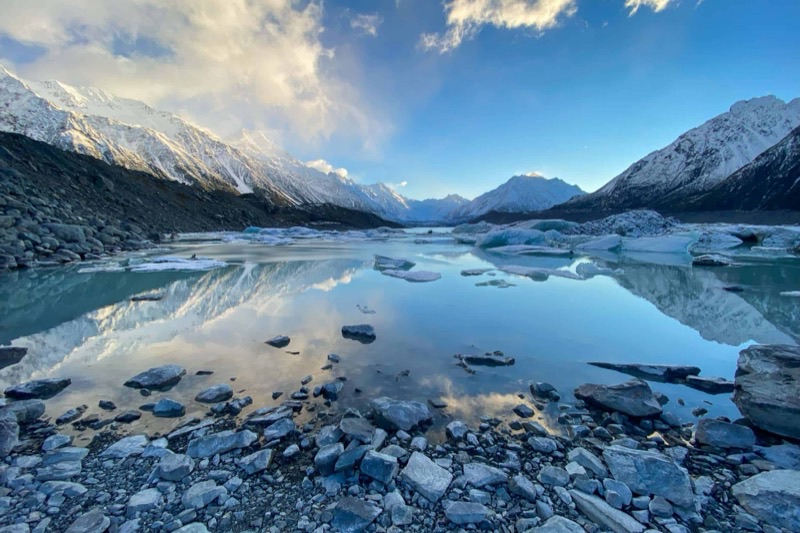
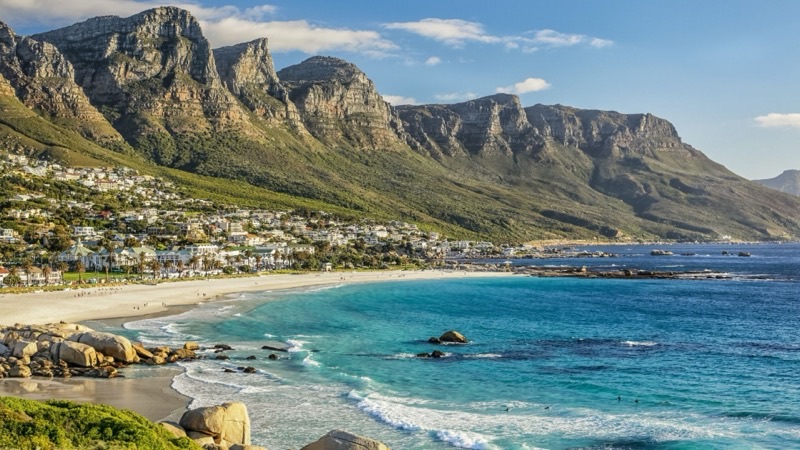
⚡ Quick Answers
⚡ The TL;DR Verdict
For most first-time long-haul travelers seeking low-stress self-drive explorations and outdoor activities, New Zealand is the better pick with a daily budget around $150 USD. South Africa is for those prioritizing wildlife encounters and rich cultural history, prepared for higher safety awareness and a daily budget starting from $100 USD without safaris, or $250+ with.
- Choose New Zealand: You want a highly safe, easy-to-navigate road trip with epic hiking, adventure sports, and glacier views. You value solitude in nature and don't mind higher prices.
- Choose South Africa: You prioritize wildlife safaris, a deeper immersion into complex history and diverse cultures, and enjoy a varied travel experience from city to coast. You are comfortable with increased safety precautions.
- Choose Both: If you have at least 6-8 weeks and a substantial budget ($8000+ per person), you could experience both. Start with South Africa for a few weeks of safari and coast, then fly to New Zealand for a month of road tripping.
Choose New Zealand
Choose New Zealand if you're a first-time long-haul traveler seeking an incredibly safe, low-stress self-drive adventure amidst stunning natural beauty. It's perfect for outdoor enthusiasts who want to hike world-class trails like the Milford Track, experience adrenaline sports in Queenstown, or marvel at glaciers and dark sky reserves, all while enjoying unparalleled ease of travel.
Choose South Africa
Opt for South Africa if your dream trip involves unparalleled wildlife encounters and a deep dive into rich cultural history. It's ideal for adventurous travelers eager to spot the Big Five in Kruger National Park, explore Cape Town's dynamic districts and nearby vineyards, and engage with diverse local cultures, provided you're comfortable with heightened safety awareness.
📊 Visual Scorecard
🌤 When to Visit
Average high temperatures (°C). Green = best months, orange = avoid.
Quick Comparison
| Category | New Zealand | South Africa | Winner |
|---|---|---|---|
| Costs & Budget | New Zealand is expensive across the board for accommodation, food, and activities. Expect to pay more for everything. | South Africa offers lower general costs for food and local transport, but safaris significantly increase the overall budget. | South Africa |
| Safety & Travel Ease | New Zealand is one of the safest countries globally, with low crime rates and a straightforward travel experience. | South Africa has higher crime rates, requiring constant vigilance, especially in urban areas and for solo travelers. | New Zealand |
| Nature & Wildlife | New Zealand is known for its dramatic landscapes, including fjords, glaciers, geothermal areas, and diverse hiking trails. | South Africa offers world-renowned wildlife safaris, diverse coastlines, and unique terrestrial ecosystems. | Tie |
| Getting There | Flights to New Zealand are typically longer and more expensive from most major hubs, often requiring multiple layovers. | Flights to South Africa, while still long, can sometimes be more direct and slightly less expensive from Europe or North America. | South Africa |
| Getting Around | New Zealand is ideal for self-driving with excellent roads and clear signage; coaches and limited trains also exist. | South Africa requires careful planning; self-driving is good for specific routes (e.g., Garden Route), but internal flights and ride-sharing are common for cities. | New Zealand |
| Food & Drink | New Zealand features fresh seafood, lamb, and a strong cafe culture with flat whites and artisan food. | South Africa offers a diverse culinary scene influenced by various cultures, including braai (BBQ), curries, and renowned wine regions. | South Africa |
| Accommodation | New Zealand has hostels, motels, B&Bs, and holiday parks, with higher prices for all tiers. | South Africa offers guesthouses, hotels, and unique safari lodges, often providing better value for money. | South Africa |
| Adventure Sports | New Zealand is a global hub for adventure activities, including bungee jumping, white-water rafting, and canyoning. | South Africa offers adventure activities like shark cage diving, abseiling Table Mountain, and quad biking, but with fewer options than New Zealand. | New Zealand |
| Culture & History | New Zealand showcases Māori culture, colonial history, and a strong connection to its natural environment. | South Africa presents a complex, multi-layered history, including apartheid, colonial influences, and diverse indigenous cultures. | South Africa |
| Solo Travel | New Zealand is exceptionally safe and easy for solo travelers, with a well-trodden backpacker trail and friendly locals. | South Africa requires more caution for solo travelers due to safety concerns, but it is manageable with careful planning and group tours. | New Zealand |
💸 Costs & Budget
New Zealand is consistently one of the more expensive destinations for travelers. A modest daily budget for a solo traveler staying in hostels, cooking some meals, and doing free…
New Zealand
South Africa
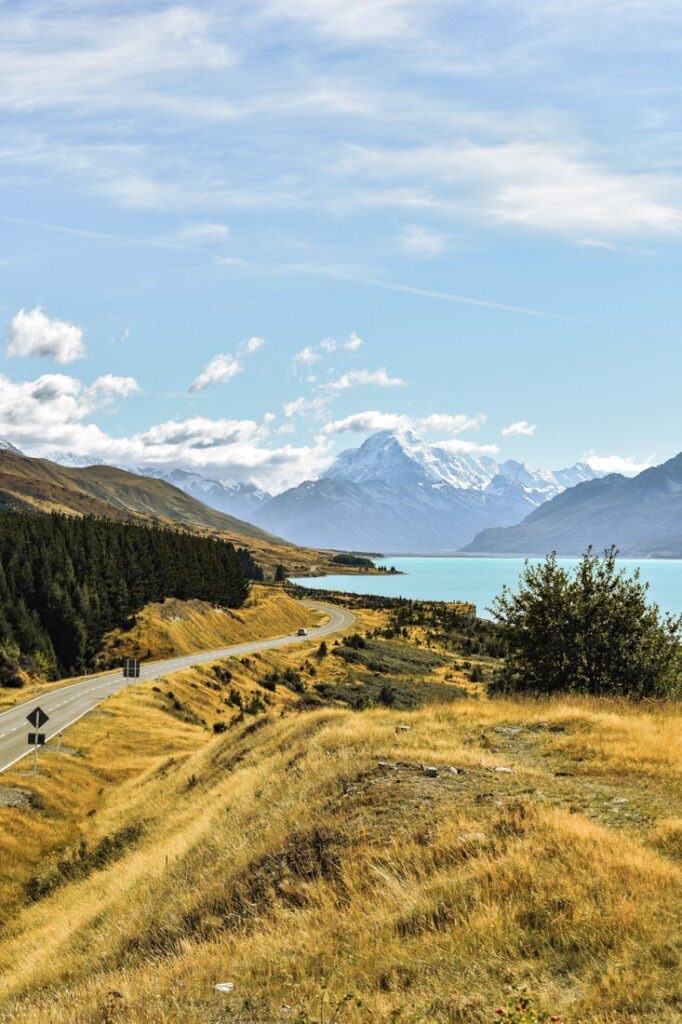
New Zealand is consistently one of the more expensive destinations for travelers. A modest daily budget for a solo traveler staying in hostels, cooking some meals, and doing free hikes will still run $100-150 NZD ($60-90 USD), but for more comfort (guesthouses, restaurants, paid activities like a Milford Sound cruise or a bungee jump in Queenstown), expect $250-400 NZD ($150-250 USD) per day. Renting a car starts around $50-80 NZD ($30-50 USD) daily, plus fuel costs. Food in a supermarket like Countdown or Pak'nSave is comparable to US/Europe, but dining out is costly; a main dish at a casual restaurant often costs $25-40 NZD ($15-25 USD).
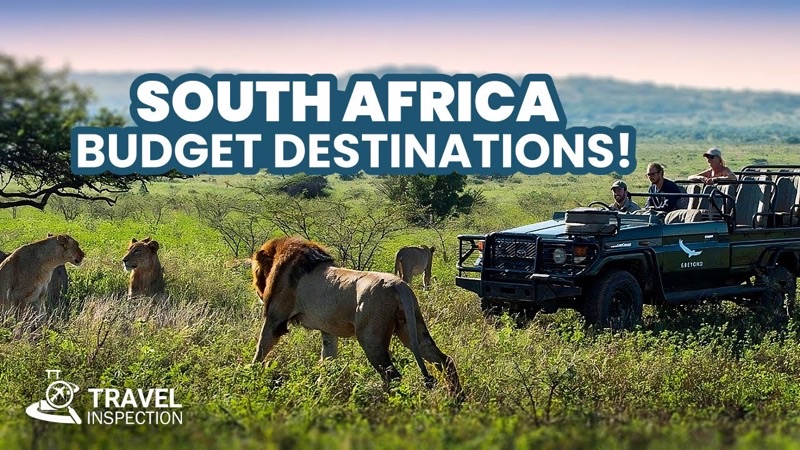
South Africa, outside of major safari lodges, presents a more budget-friendly option for daily living. A solo traveler can get by on $800-1500 ZAR ($45-80 USD) per day staying in guesthouses, eating at local eateries, and using ride-sharing services like Uber in cities. A decent restaurant meal might be $150-300 ZAR ($8-16 USD). However, a 3-day Kruger National Park safari can easily cost $10,000-20,000 ZAR ($550-1100 USD) or more, drastically altering the overall trip cost. Car rentals are generally cheaper, from $250-400 ZAR ($14-22 USD) per day. South Africa wins on overall daily living costs, but safari expenses are a major factor.
- Winner: South Africa
- Why: South Africa offers significantly lower daily costs for food, accommodation, and general activities if you avoid high-end safaris.
- Who this matters for: Budget-conscious travelers or those extending their trip duration
🛡️ Safety & Travel Ease
New Zealand offers a travel experience with minimal safety concerns. Petty crime like car break-ins can occur, particularly in popular tourist areas if valuables are left visible,…

New Zealand
South Africa
New Zealand offers a travel experience with minimal safety concerns. Petty crime like car break-ins can occur, particularly in popular tourist areas if valuables are left visible, but violent crime against tourists is extremely rare. Self-driving is simple, roads are well-maintained, and locals are generally helpful. Even in major cities like Auckland or Wellington, walking alone at night feels safe. The biggest 'dangers' are often related to misjudging outdoor conditions, such as underestimating hiking difficulties or weather changes in areas like Fiordland National Park or Tongariro Alpine Crossing.
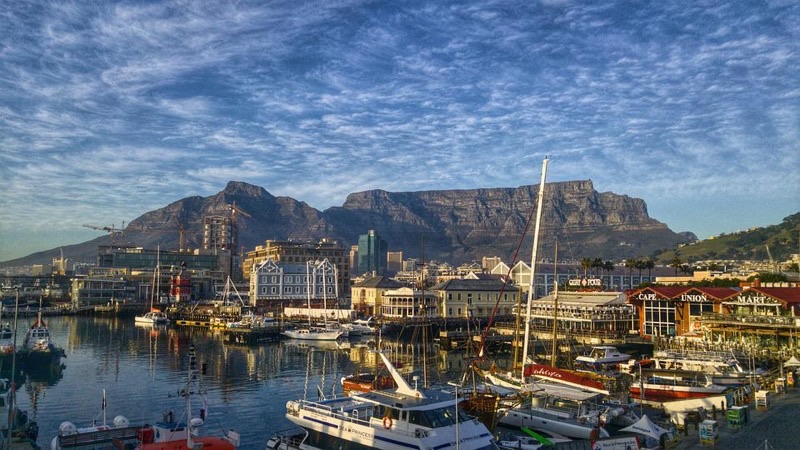
South Africa requires a different level of safety awareness. While many tourist areas are secure, crime rates, including violent crime, are a serious consideration, especially in major cities like Johannesburg or parts of Cape Town. Tourists are advised to avoid walking alone at night, lock car doors, and be mindful of surroundings. Using reputable tour operators and ride-sharing services like Uber is recommended. Despite these challenges, millions travel through South Africa safely each year by exercising caution and following local advice. New Zealand is the clear winner for travel ease and personal security.
- Winner: New Zealand
- Why: New Zealand offers a considerably safer and more relaxed travel environment with minimal safety concerns.
- Who this matters for: Solo travelers, families, and those prioritizing a stress-free experience
🏞️ Nature & Wildlife
New Zealand's landforms include the Southern Alps, with active glaciers like Franz Josef and Fox, deep fjords such as Milford Sound and Doubtful Sound, and the active volcanic…
New Zealand
South Africa
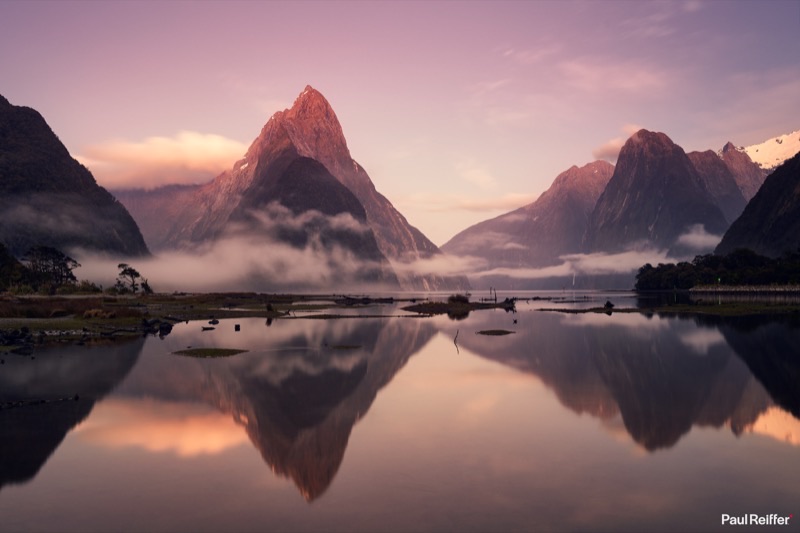
New Zealand's landforms include the Southern Alps, with active glaciers like Franz Josef and Fox, deep fjords such as Milford Sound and Doubtful Sound, and the active volcanic zone around Rotorua with geysers and mud pools. The country is a haven for hiking, from day walks in Abel Tasman National Park to multi-day Great Walks like the Routeburn Track. Coastal areas like the Coromandel Peninsula have golden beaches, while Stewart Island is home to kiwi birds. Marine wildlife includes dolphins, seals, and whales off Kaikoura.
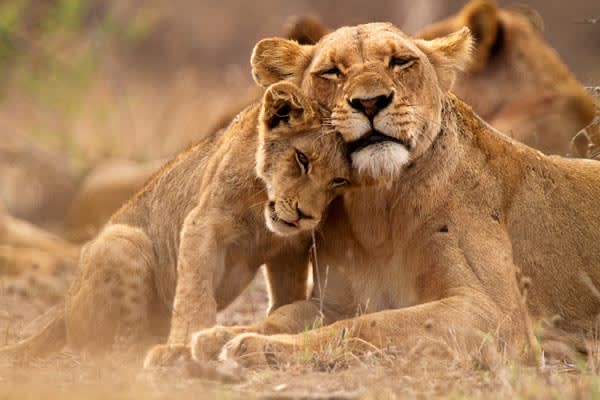
South Africa is synonymous with safari, particularly Kruger National Park, where visitors can see lions, leopards, elephants, rhinos, and buffalo. Beyond the Big Five, there is a plethora of other animals, including giraffes, zebras, and various antelope species. The coastline around Cape Town allows for shark cage diving and whale watching (Hermanus), while Boulders Beach hosts a colony of African penguins. The Drakensberg Mountains provide hiking opportunities, and the Karoo desert offers unique arid landscapes. Both countries offer distinct, impressive natural experiences, making it a tie for overall natural grandeur.
- Winner: Tie
- Why: Both countries offer distinct, world-leading natural experiences, from New Zealand's dramatic landforms to South Africa's unparalleled wildlife encounters.
- Who this matters for: Anyone whose primary motivation is engaging with the natural world, either through landscapes or animals
✈️ Getting There
From North America, a flight from Los Angeles (LAX) to Auckland (AKL) typically takes around 12-13 hours direct, but total travel time with layovers from other US cities often…
New Zealand

South Africa
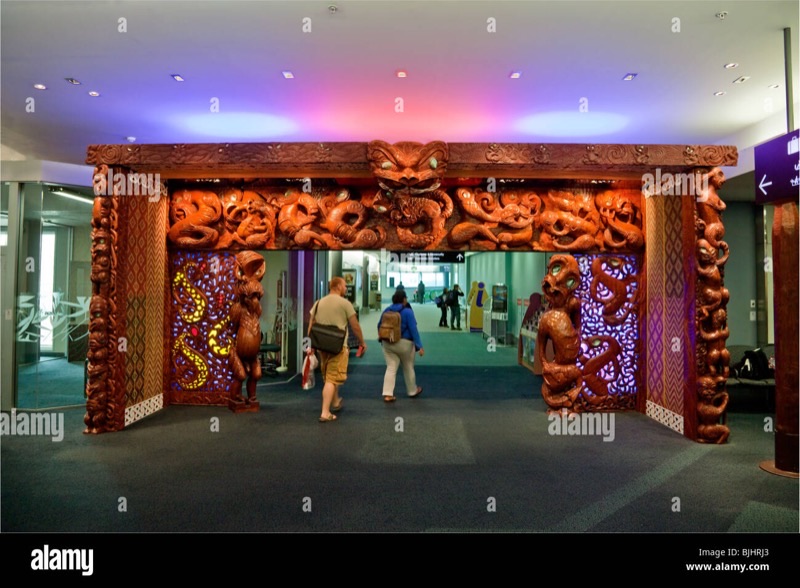
From North America, a flight from Los Angeles (LAX) to Auckland (AKL) typically takes around 12-13 hours direct, but total travel time with layovers from other US cities often extends to 18-24+ hours. Fares generally range from $1200-2000 USD round trip, increasing during peak seasons (December-February). From London (LHR), flights to Auckland usually involve at least two stops and 28-35+ hours of travel, with prices often starting around $1500-2500 USD.
Flights from New York (JFK) to Johannesburg (JNB) or Cape Town (CPT) can be as short as 15-16 hours flying time with one layover, leading to total travel times of 18-22 hours. Fares typically range from $900-1500 USD round trip. From London (LHR) to Johannesburg, direct flights are around 11 hours, and prices can be as low as $600-1000 USD. The slightly shorter travel times and potentially lower fares make South Africa a marginally easier destination to reach for many international travelers. South Africa wins for access.
- Winner: South Africa
- Why: South Africa is generally more accessible with potentially shorter flight times and lower airfares from major global hubs.
- Who this matters for: Travelers coming from Europe or North America concerned about flight duration and cost
🚗 Getting Around
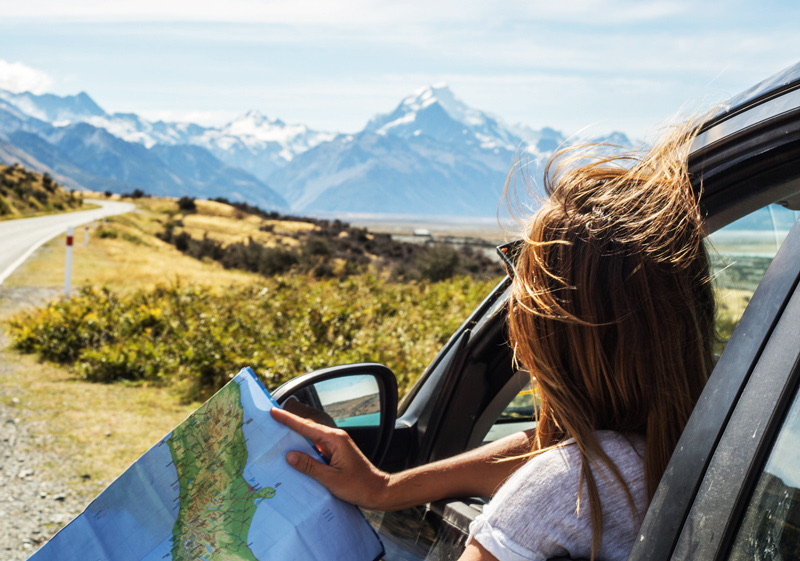
New Zealand is practically built for road trips. Roads are well-maintained, traffic is generally light outside of major cities, and signage is clear. Renting a car, campervan, or…
New Zealand

South Africa
New Zealand is practically built for road trips. Roads are well-maintained, traffic is generally light outside of major cities, and signage is clear. Renting a car, campervan, or motorhome is the preferred method for most travelers, allowing freedom to explore. Prices for a compact car can start at $50 NZD ($30 USD) per day. Intercity coach services like InterCity connect many towns, and scenic train journeys like the TranzAlpine are available but serve limited routes. Driving on the left side of the road is standard.
In South Africa, getting around is more varied. For exploring the Garden Route or areas around Cape Town, self-driving is popular, but be aware of higher vigilance for security. Major cities like Johannesburg and Cape Town have reliable ride-sharing services like Uber, which are often safer than taxis. For longer distances, internal flights between cities (e.g., from Johannesburg to Cape Town) are efficient and often affordable (e.g., $50-150 USD one way). Public transport infrastructure in South Africa is less developed for tourist use, outside of specific services like the MyCiTi bus in Cape Town. New Zealand offers a significantly more straightforward and stress-free self-drive experience.
- Winner: New Zealand
- Why: New Zealand's infrastructure and safety make self-driving the clear, easy choice for getting around.
- Who this matters for: Travelers who prefer independent exploration via road trip
🍽️ Food & Drink
New Zealand's food scene focuses on fresh, quality ingredients. Expect excellent lamb, green-lipped mussels, and whitebait fritters. The cafe culture is prominent, with good…
New Zealand's food scene focuses on fresh, quality ingredients. Expect excellent lamb, green-lipped mussels, and whitebait fritters. The cafe culture is prominent, with good coffee (especially the flat white) available everywhere. Artisan bakeries and local markets are common. Dining out can be expensive; a casual dinner might be $25-40 NZD ($15-25 USD) per person. Craft beer and wine from regions like Marlborough and Central Otago are widely available, with winery tours being popular in specific areas. Eating out can be a good experience, but it’s not the primary draw of a trip here.
South Africa's food is more varied and generally more affordable. Braai (barbecue) is a cultural institution, featuring various meats cooked over an open flame. Cape Malay cuisine in Cape Town offers fragrant curries and bobotie. Seafood is prominent along the coast. The country is a major wine producer, particularly in regions like Stellenbosch and Franschhoek, where cellar door tastings are common and often very reasonably priced ($5-15 USD for a tasting). Street food and local markets provide tasty, inexpensive options. A good restaurant meal in Cape Town might cost $150-300 ZAR ($8-16 USD). The broader range of flavors and better value for money gives South Africa the edge in this category.
- Winner: South Africa
- Why: South Africa provides a more diverse, flavorful, and generally more affordable food and drink experience with its varied cuisines and excellent wine regions.
- Who this matters for: Food enthusiasts and those seeking culinary exploration on a budget
🏨 Accommodation
In New Zealand, accommodation prices are consistently higher. A bed in a reputable hostel often costs $35-60 NZD ($20-35 USD) per night. Mid-range motels or B&Bs typically start…
In New Zealand, accommodation prices are consistently higher. A bed in a reputable hostel often costs $35-60 NZD ($20-35 USD) per night. Mid-range motels or B&Bs typically start from $150-250 NZD ($90-150 USD) per night. Holiday parks are popular for campervans and tent sites, ranging from $25-50 NZD ($15-30 USD) for a powered site. Options are plentiful, but securing popular spots, especially during peak season, requires advance booking. Quality is generally good across all price points.
South Africa offers a broader range of accommodation types and often better value. Hostel beds can be found for $200-400 ZAR ($11-22 USD) per night. Guesthouses and B&Bs in cities like Cape Town or along the Garden Route are plentiful and provide good service for $800-1500 ZAR ($45-80 USD) per night. Safari lodges, from basic tented camps to luxurious five-star options, are a unique draw, with prices varying wildly from $200 USD to over $1000 USD per person per night, usually including game drives and meals. The variety and value outside of high-end safaris give South Africa the win here.
- Winner: South Africa
- Why: South Africa offers better value for money across various accommodation types, including unique safari lodge experiences.
- Who this matters for: Travelers seeking good quality accommodation at a more budget-friendly price point
🤸 Adventure Sports
New Zealand practically invented commercial bungee jumping, with iconic sites like the Kawarau Bridge Bungee near Queenstown (around $299 NZD / $185 USD). Queenstown is the…
New Zealand practically invented commercial bungee jumping, with iconic sites like the Kawarau Bridge Bungee near Queenstown (around $299 NZD / $185 USD). Queenstown is the 'Adventure Capital,' offering white-water rafting on the Shotover River ($250 NZD / $155 USD), jet boating, canyoning, and skydiving. The country's varied terrain, from mountains to rivers, provides a natural playground for activities like heli-skiing, zorbing in Rotorua, and blackwater rafting through glowworm caves in Waitomo. Options are numerous and well-organized, making it easy for any thrill-seeker to find an activity.
South Africa also provides adventure, but on a smaller scale compared to New Zealand. Shark cage diving near Gansbaai (around $1800-2500 ZAR / $100-140 USD) is a major draw. Abseiling from Table Mountain in Cape Town (around $1300 ZAR / $70 USD) offers unique views. Other activities include quad biking, zip-lining, and surfing along the coast. While these are compelling, the sheer volume, variety, and established infrastructure for adventure tourism in New Zealand set it apart. New Zealand is the undisputed winner for adventure sports.
- Winner: New Zealand
- Why: New Zealand provides a greater density and variety of adventure sports with established infrastructure and global recognition.
- Who this matters for: Adrenaline junkies and travelers prioritizing active, high-thrill experiences
🏛️ Culture & History
New Zealand's cultural landscape is shaped by Māori heritage and European settlement. Visitors can experience Māori traditions at places like Te Puia in Rotorua, which offers…
New Zealand's cultural landscape is shaped by Māori heritage and European settlement. Visitors can experience Māori traditions at places like Te Puia in Rotorua, which offers cultural performances (around $70-100 NZD / $45-60 USD) and insights into art forms like carving and weaving. The Waitangi Treaty Grounds provide a historical perspective on the nation's founding documents. Museums like Te Papa in Wellington offer comprehensive overviews of both natural and human history. The culture often feels integrated with the land, focusing on preservation and connection.
South Africa's history is dense and often challenging. Key sites include Robben Island, where Nelson Mandela was imprisoned ($400-500 ZAR / $22-28 USD for ferry and tour), and the Apartheid Museum in Johannesburg ($150 ZAR / $8 USD), both providing sobering insights into the country's past. The District Six Museum in Cape Town tells stories of forced removals. Cultural experiences include visiting traditional villages in areas like KwaZulu-Natal or exploring the vibrant Bo-Kaap neighborhood in Cape Town. The blend of indigenous African, European, and Asian influences has created a layered, complex, and profound cultural identity. South Africa offers a deeper and more impactful engagement with history and diverse cultures.
- Winner: South Africa
- Why: South Africa presents a more profound and complex historical narrative and a richer array of diverse cultural experiences.
- Who this matters for: Travelers seeking deep historical understanding and cultural immersion
🚶♀️ Solo Travel
New Zealand is a premier destination for solo travelers, particularly backpackers. Hostels are plentiful and offer social opportunities. The ease of getting around by car or…
New Zealand is a premier destination for solo travelers, particularly backpackers. Hostels are plentiful and offer social opportunities. The ease of getting around by car or coach, coupled with the low crime rate, makes exploring alone straightforward and secure. Many adventure activities are designed for individuals or small groups, and tour operators are accustomed to single bookings. It is easy to meet other travelers on hiking trails or at common areas in accommodation. Even hiking alone in remote areas is generally safe, though common sense precautions apply.
Solo travel in South Africa is possible but demands more conscious planning and safety awareness. While major tourist areas and cities like Cape Town have good hostel scenes, venturing out alone, especially at night or into less frequented areas, carries a higher risk. Many solo travelers opt for organized tours for safaris and even some multi-day excursions along the Garden Route to minimize risk and manage logistics. Using ride-sharing apps like Uber is advisable over walking or public transport in cities. The need for constant vigilance and careful route planning makes it a less relaxing experience for solo travelers compared to New Zealand. New Zealand is a significantly better option for solo exploration.
- Winner: New Zealand
- Why: New Zealand offers unparalleled safety, ease of navigation, and a welcoming environment for solo adventurers.
- Who this matters for: Individuals traveling alone, especially first-time solo travelers or those seeking a low-stress journey
🎯 The Decision Framework
Choose New Zealand If…
- You prioritize safety and a low-stress travel experience.
- You dream of hiking through varied, dramatic landscapes.
- You want to try bungee jumping, jet boating, or heli-skiing.
- You enjoy quiet road trips with scenic views around every bend.
- You want to see glaciers and fjords up close.
- You appreciate a strong cafe culture with good coffee.
- You seek solitude and space in nature.
- You are comfortable with higher travel costs for experiences.
Choose South Africa If…
- You want to witness lions, elephants, and rhinos in the wild.
- You are deeply interested in apartheid history and diverse cultures.
- You appreciate a more budget-friendly daily cost of living.
- You enjoy a diverse culinary scene with influences from across the globe.
- You are comfortable with increased vigilance and careful planning for safety.
- You want to explore renowned wine regions and taste local varietals.
- You are looking for unique adventure activities like shark cage diving.
- You prefer a travel experience with a broader range of city, coast, and wilderness.
📅 Sample Itineraries
Weekend in New Zealand (3 Days)
💡 Save on transport by utilizing the Auckland HOP card for local buses and ferries; it offers discounted fares compared to single tickets.
Weekend in South Africa (3 Days)
💡 To save money, consider buying a 'MyCiTi' bus card in Cape Town for efficient and affordable public transport around the city and to attractions like Camps Bay.
One Week in New Zealand (7 Days)
💡 Renting a car for a week ($300-500) offers flexibility for exploring the North Island's geothermal areas and lakes, allowing you to stop at scenic spots not easily reached by bus.
One Week in South Africa (7 Days)
💡 For the Garden Route, consider booking guesthouses a few months in advance, especially during peak season (Dec-Feb), to secure better prices (average $60-100/night).
❓ Frequently Asked Questions
Which country is better for a two-week trip?
For a two-week trip, New Zealand is generally better as it's easier to navigate a significant portion of either the North or South Island. You can cover a lot of ground without excessive travel time, like a South Island road trip from Christchurch to Queenstown. South Africa's vastness and travel logistics make two weeks feel rushed for a full experience, especially if including a safari.
What are the typical flight times from the US to each country?
Flights from the US (e.g., Los Angeles) to Auckland, New Zealand, are typically 12-13 hours direct. Flights from the US (e.g., New York) to Johannesburg or Cape Town, South Africa, are around 15-16 hours flying time with one stop. Total travel time with layovers is generally 18-24 hours for both destinations.
Which country has better hiking opportunities?
New Zealand offers more extensive and accessible hiking opportunities for all skill levels. From easy day walks in Abel Tasman National Park to challenging multi-day Great Walks like the Milford Track, the infrastructure is excellent. South Africa has good hiking in areas like the Drakensberg Mountains or Table Mountain, but the range and safety of trails are not as widespread as in New Zealand.
Is it easy to get around without a car in either country?
In New Zealand, while a car is ideal, intercity coaches like InterCity connect many towns, making car-free travel feasible for popular routes. South Africa is much harder without a car; public transport is not tourist-friendly outside of specific city networks like Cape Town's MyCiTi, and long distances usually require internal flights or organized tours.
Which destination is better for seeing marine wildlife?
Both offer marine wildlife, but New Zealand often provides more direct interaction opportunities. Kaikoura in New Zealand is renowned for whale watching (sperm whales year-round), dolphins, and seals. South Africa offers shark cage diving (Gansbaai) and excellent land-based whale watching (Hermanus) during migration seasons (June-November), plus penguin colonies at Boulders Beach.
Are specific visas required for US citizens for either country?
US citizens typically need an NZeTA (New Zealand Electronic Travel Authority) to visit New Zealand, which can be applied for online and costs around $17 NZD. For South Africa, US citizens usually do not need a visa for stays up to 90 days, but always check the latest requirements before travel.
What are the main seasonal differences for travel?
New Zealand's summer (December-February) is ideal for hiking and outdoor activities, while winter (June-August) is for skiing. South Africa's summer (December-February) is warm and popular for coastal areas like Cape Town; winter (June-August) is prime time for safaris in Kruger due to drier conditions and sparse vegetation, making animal spotting easier.
How do internet and mobile data compare?
Both countries have good mobile network coverage in populated areas, though it can be spotty in remote regions. In New Zealand, a local SIM card from providers like Spark or Vodafone offers good value. In South Africa, Vodacom and MTN provide reliable coverage; local SIMs are widely available for around $10-20 USD for data packages.
Ready to plan your next adventure?
Get a free custom itinerary for New Zealand, South Africa, or both — built from real traveler insights.
👥 Travelers Also Compared
🎟️ Book Tours & Experiences
Hand-picked tours and activities for both destinations — book with free cancellation
Experiences via Viator — free cancellation on most tours