How we built this comparison
This page combines traveler discussion patterns, published price ranges, flight schedules, and seasonal data to help you decide between New Zealand and Sri Lanka.
- Reviewed 700+ Reddit threads from r/travel, r/solotravel, r/NZtravel, r/srilanka, and r/backpacking
- Verified costs and logistics against current booking platforms like Booking.com, Skyscanner, and local tour operators
- Cross-referenced seasonal patterns and weather data from meteorological services for optimal travel times
⚡ Quick Answers
⚡ The TL;DR Verdict
For travelers prioritizing high-quality outdoor activities, developed infrastructure, and a higher budget, New Zealand is the clear pick. Those seeking ancient history, diverse wildlife, and beach relaxation at a significantly lower cost should head to Sri Lanka. Most travelers will find Sri Lanka a more accessible and varied experience for their money, with a rough daily budget of $40-70 USD compared to New Zealand's $120-180 USD minimum.
- Choose New Zealand: You want self-drive road trips, adventure sports, pristine national parks, and a comfortable travel experience without budget constraints. Expect to pay more for everything.
- Choose Sri Lanka: You prioritize cultural exploration, diverse cuisine, wildlife safaris, beach time, and a budget-friendly trip where local interactions are common. You are comfortable with varied infrastructure.
- Choose Both: Combining these two destinations is feasible for a long trip (6+ weeks) if you have the time and significant budget for the substantial flight costs and duration between them.
Choose New Zealand
Choose New Zealand if you dream of epic road trips through dramatic landscapes, from the fjords of Milford Sound to the geothermal wonders of Rotorua. It's best for adventure enthusiasts keen on bungee jumping in Queenstown or multi-day treks, who prioritize developed infrastructure and are comfortable with a higher travel budget. Expect world-class facilities and stunning, accessible wilderness.
Choose Sri Lanka
Choose Sri Lanka for an incredibly diverse and budget-friendly adventure, perfect for cultural explorers and wildlife enthusiasts. Imagine spotting leopards in Yala National Park, ascending Sigiriya's ancient rock fortress, or unwinding on the palm-fringed beaches of Mirissa. This destination offers rich local interactions and incredible value, ideal for travelers comfortable with vibrant, varied infrastructure.
📊 Visual Scorecard
🌤 When to Visit
Average high temperatures (°C). Green = best months, orange = avoid.
Quick Comparison
| Category | New Zealand | Sri Lanka | Winner |
|---|---|---|---|
| Costs & Budget | Significantly higher costs across all categories: accommodation, food, transport, and activities. Expect to cook frequently or eat at cafes. | Very affordable for accommodation, local food, and transport. Activities are also budget-friendly, making it suitable for longer trips. | Sri Lanka |
| Nature & Scenery | Dramatic, vast landscapes with fjords, mountains, glaciers, and geothermal areas. Focus on hiking and outdoor exploration. | Diverse natural environments including beaches, tea plantations, mountains, and national parks with abundant wildlife. | New Zealand |
| Culture & History | Primarily Maori culture, visible in art, performances, and some historical sites. European colonial history is also present. | Ancient Buddhist civilization, colonial influences, and a blend of Sinhalese, Tamil, and Muslim traditions. Rich with UNESCO sites. | Sri Lanka |
| Food & Drink | Focus on fresh, quality produce, dairy, lamb, and seafood. Cafe culture is strong. Craft beer and wine are popular. | Rice and curry, hoppers, kottu roti, and abundant fresh fruit. Spices are central. Tea is a major industry and beverage. | Sri Lanka |
| Getting Around | Self-driving is the primary and most efficient method. Well-maintained roads. Buses connect major towns but are less flexible. | Trains are scenic and economical. Buses are extensive but can be crowded. Tuk-tuks are common for short distances. Private drivers are affordable for longer trips. | New Zealand |
| Accommodation | Hostels, motels, and hotels are common. Campervan parks are widespread. Quality is generally high but prices are high. | Guesthouses, homestays, small hotels, and boutique villas are prevalent. Options cater to all budgets, from basic to luxury. | Sri Lanka |
| Safety | Very low crime rates. Main concerns are related to outdoor activities and natural hazards. Generally considered very safe. | Generally safe for tourists, but petty crime like pickpocketing can occur. Road safety is a concern. Political stability can fluctuate. | New Zealand |
| Beaches & Water Activities | Rugged coastlines, surfing in specific areas, some calmer bays. Water is generally cold, even in summer. Focus on marine wildlife tours. | Warm Indian Ocean beaches, surfing, snorkeling, diving, and whale watching. Palm-lined shores with various levels of development. | Sri Lanka |
| Adventure & Activities | Home to bungee jumping, skydiving, white-water rafting, canyoning, and extensive hiking. Highly commercialized and safety-focused. | Safaris, hiking in tea country, surfing, white-water rafting (seasonal), and cultural experiences. More grounded in natural and cultural exploration. | New Zealand |
| Getting There (Flights) | Very long flights from most major hubs, often 20-30+ hours with layovers. High flight costs, especially during peak season. | Long flights from Europe/Americas, typically 10-20+ hours with layovers. Generally more affordable and shorter than flights to New Zealand. | Sri Lanka |
💰 Costs & Budget
New Zealand operates on a higher cost structure comparable to Western Europe or North America. A budget traveler staying in hostels (NZD 30-50 / $18-30 USD per night),…
New Zealand
Sri Lanka
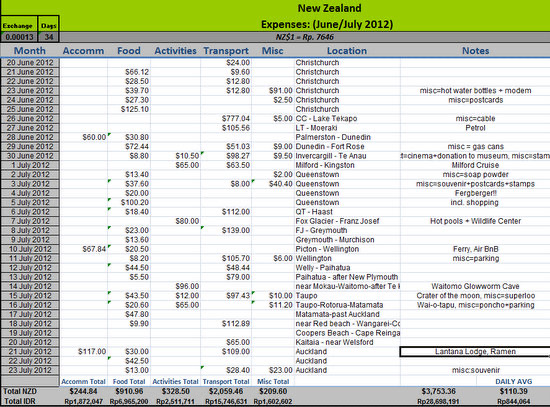
New Zealand operates on a higher cost structure comparable to Western Europe or North America. A budget traveler staying in hostels (NZD 30-50 / $18-30 USD per night), self-catering for most meals, and doing free hikes can expect to spend NZD 150-250 / $90-150 USD per day. Renting a car or campervan, which is a common way to travel, can add NZD 50-150 / $30-90 USD per day before fuel. Activities like bungee jumping (NZD 200-300 / $120-180 USD) or Milford Sound cruises (NZD 100-200 / $60-120 USD) quickly increase the daily spend. Eating out for a casual meal typically costs NZD 20-40 / $12-24 USD per person.
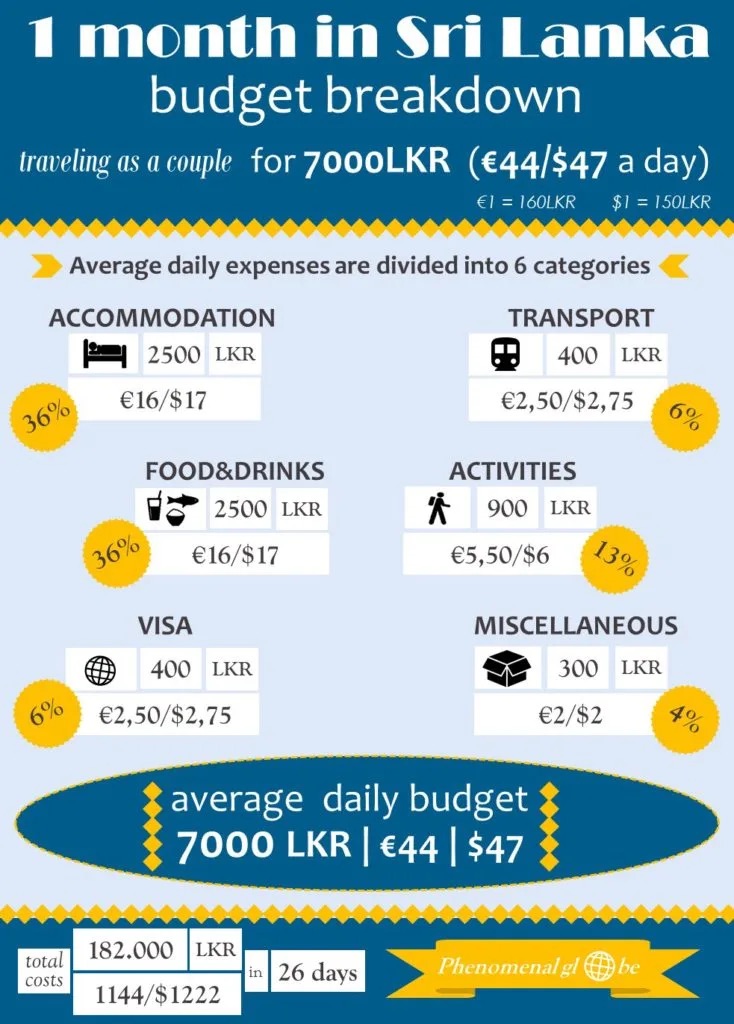
Sri Lanka offers substantial value. Budget guesthouses cost LKR 3,000-8,000 / $10-27 USD per night. Local meals, like kottu roti or rice and curry, are available for LKR 500-1,500 / $1.70-5 USD. Private drivers for a day might be LKR 8,000-15,000 / $27-50 USD, while train tickets are LKR 100-500 / $0.35-1.70 USD. Safari permits for Yala National Park or Udawalawe are LKR 6,000-10,000 / $20-35 USD plus jeep hire. For most travelers, Sri Lanka provides a more extensive experience per dollar. Sri Lanka is the clear victor for budget-conscious explorers.
- Winner: Sri Lanka
- Why: Sri Lanka consistently provides a much lower cost of living and travel, making extended trips or more activities accessible.
- Who this matters for: Travelers on a tight budget or those wanting to maximize their travel duration.
🏞️ Nature & Scenery
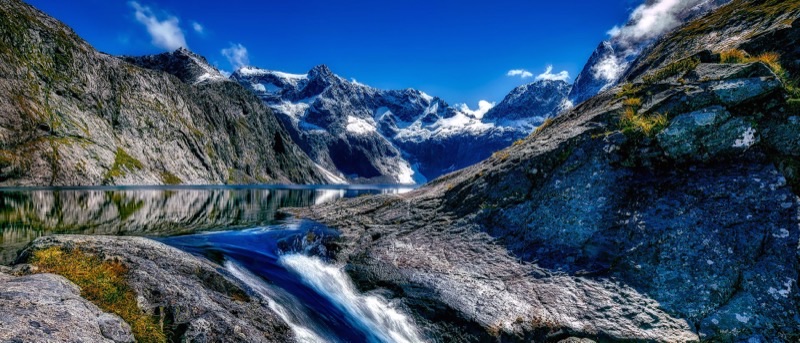
New Zealands landscapes are characterized by their scale and raw geological processes. The South Island offers Milford Sound, Mount Cook, and Franz Josef Glacier, with extensive…
New Zealand
Sri Lanka
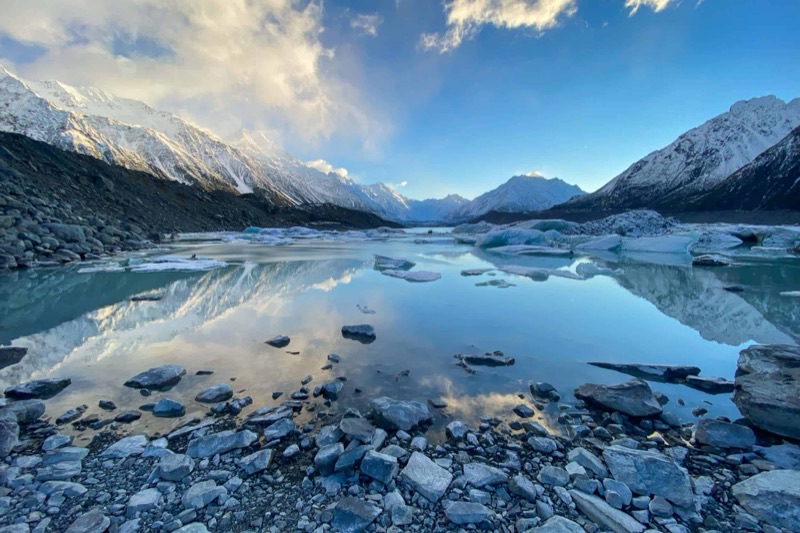
New Zealands landscapes are characterized by their scale and raw geological processes. The South Island offers Milford Sound, Mount Cook, and Franz Josef Glacier, with extensive hiking trails like the Routeburn Track or Kepler Track requiring multiple days. The North Island features geothermal areas around Rotorua, volcanic landscapes in Tongariro National Park, and rugged coastlines like those near Piha. The access to these areas is typically well-maintained, with marked trails and visitor centers. The emphasis is on grand, expansive views and physical activity within these environments.
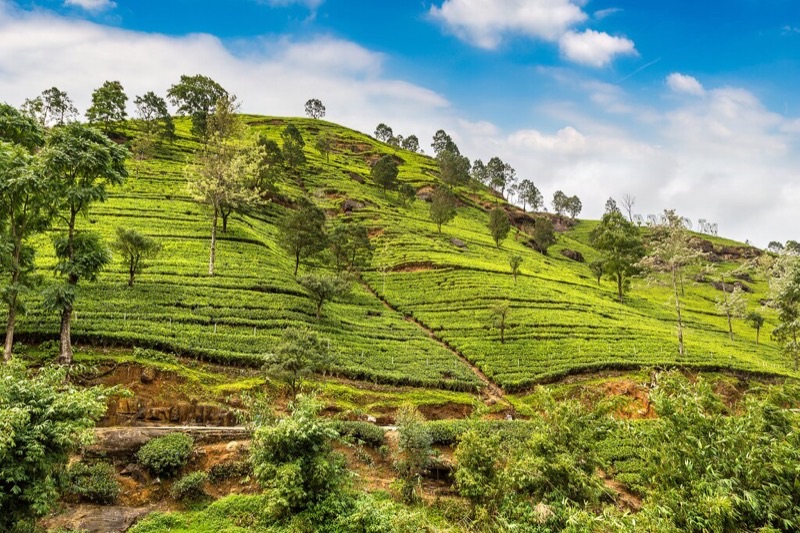
Sri Lankas nature ranges from arid plains in the north to central highlands covered in tea estates and southern coastlines. Yala and Udawalawe National Parks are prime locations for observing elephants, leopards, and various bird species. The Knuckles Mountain Range offers hiking through cloud forests and terraced fields. Beaches like Mirissa and Unawatuna provide calm waters and palm-lined shores. While Sri Lanka offers variety, New Zealands scenery often feels more monumental and less impacted by human activity. New Zealand offers more impressive scale and accessibility for diverse natural environments.
- Winner: New Zealand
- Why: New Zealand offers a wider range of truly spectacular and easily accessible large-scale natural formations and environments.
- Who this matters for: Hikers, landscape photographers, and those who prioritize pristine, vast outdoor spaces.
🗿 Culture & History
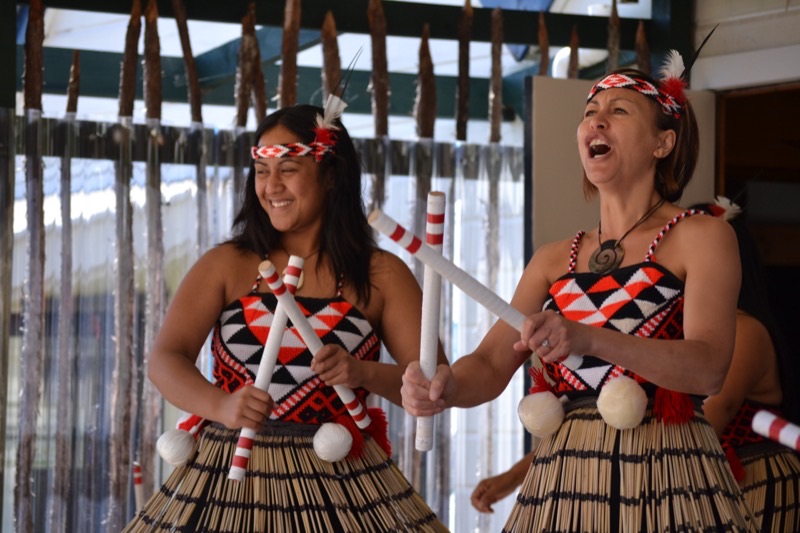
New Zealands cultural offerings center around Maori heritage, which can be experienced at places like Te Puia in Rotorua, offering geothermal exploration alongside Maori…
New Zealand
Sri Lanka
New Zealands cultural offerings center around Maori heritage, which can be experienced at places like Te Puia in Rotorua, offering geothermal exploration alongside Maori performances and cultural learning. Museums like Te Papa in Wellington provide comprehensive insights into Maori history and the countrys natural history. European colonial history is also visible in architecture in cities like Dunedin and Christchurch. However, the cultural presence feels less integrated into daily life compared to other destinations, with many interactions focused on organized cultural experiences rather than spontaneous encounters.
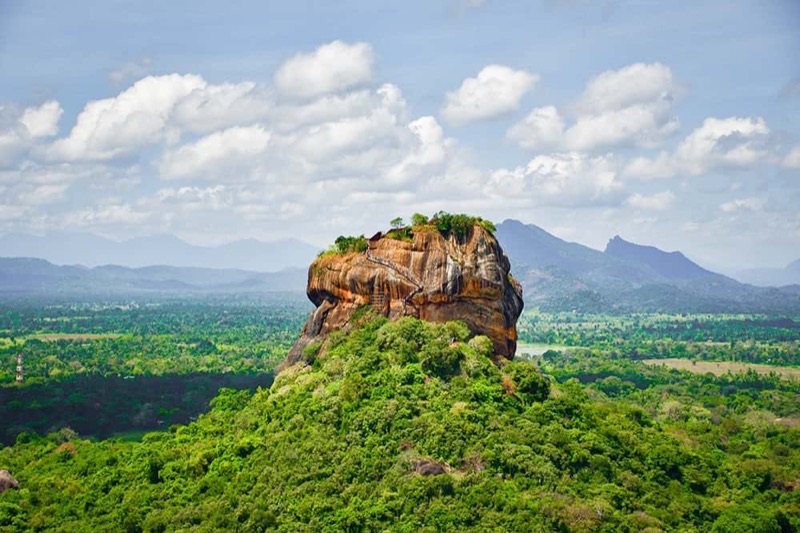
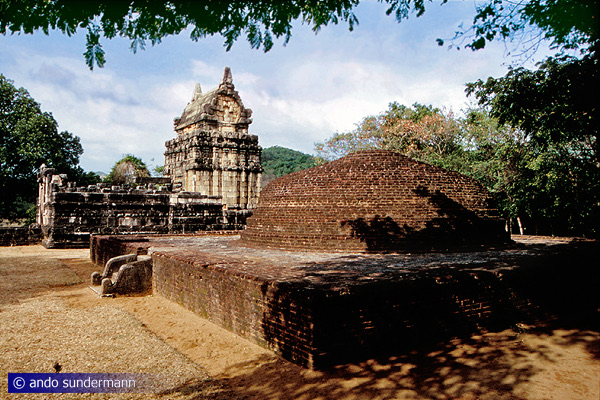
Sri Lanka is a country with 2,500 years of recorded history. The Ancient City of Polonnaruwa, Sigiriya Rock Fortress, and the Dambulla Cave Temple are primary historical sites. The Temple of the Tooth Relic in Kandy is a significant Buddhist pilgrimage site. Colonial history is visible in Galle Fort, a UNESCO site with Dutch and Portuguese architecture. Daily life across the island is influenced by Buddhism, Hinduism, and Islam, reflected in festivals, cuisine, and local customs. The depth and constant presence of historical and cultural elements make Sri Lanka a destination where every turn reveals a story. Sri Lanka provides a deeper and more pervasive cultural and historical experience.
- Winner: Sri Lanka
- Why: Sri Lanka possesses millennia of complex history and multiple interwoven cultures that are visible and active in daily life.
- Who this matters for: History enthusiasts, those interested in ancient civilizations, and travelers seeking immersion in diverse traditions.
🍽️ Food & Drink
New Zealands food scene emphasizes natural ingredients. Lamb, beef, and seafood like green-lipped mussels are common. The country has a strong cafe culture, particularly in cities…
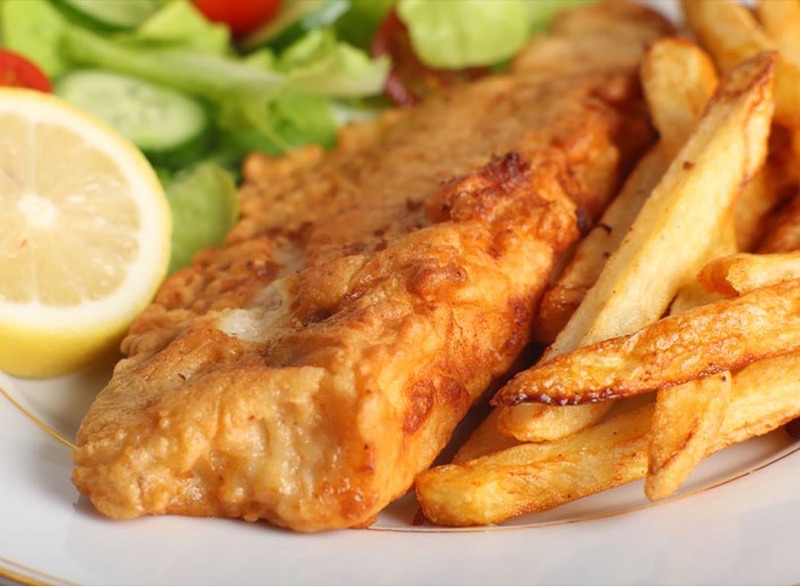
New Zealand
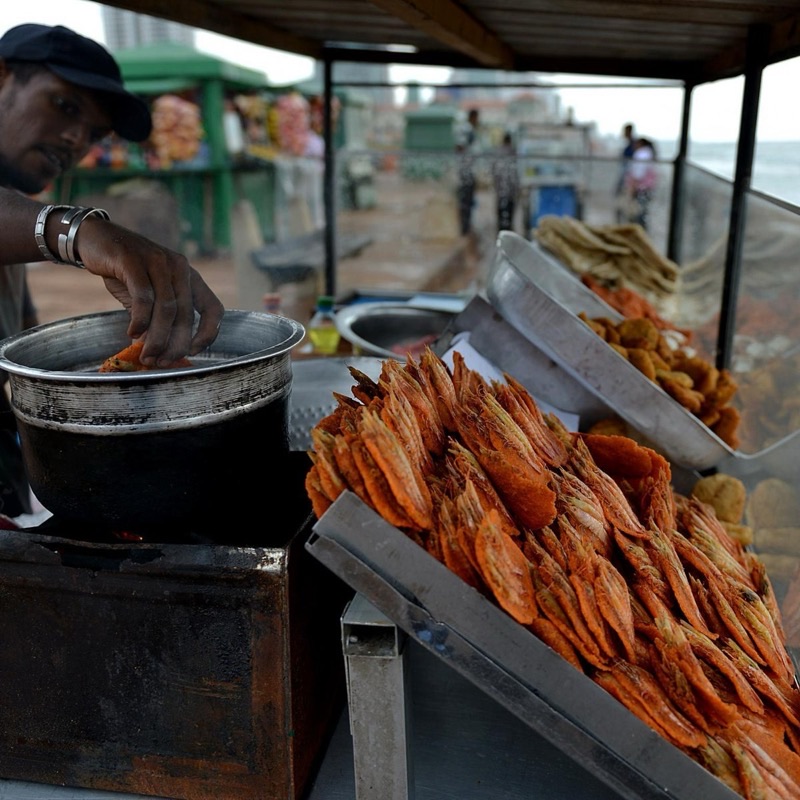
Sri Lanka
New Zealands food scene emphasizes natural ingredients. Lamb, beef, and seafood like green-lipped mussels are common. The country has a strong cafe culture, particularly in cities like Wellington and Auckland, offering good coffee and brunch options. Craft beer has a significant presence, with numerous breweries across the country. Wine regions like Marlborough and Central Otago produce respected varietals. While the quality is high, dining out is costly. A standard main course at a restaurant might be NZD 30-50 / $18-30 USD, and quick takeaway meals NZD 15-25 / $9-15 USD.
Sri Lankan food is characterized by its use of coconut milk, spices, and fresh produce. Rice and curry is the national dish, with numerous vegetable, fish, or meat curries served alongside rice. Hoppers, string hoppers, and kottu roti are popular street foods. Seafood is plentiful along the coast. The tea industry means high-quality Ceylon tea is readily available. Eating out is very affordable, with street food often LKR 200-500 / $0.70-1.70 USD and a full rice and curry meal LKR 500-1,500 / $1.70-5 USD. The sheer diversity of flavors and availability of inexpensive, delicious local fare gives Sri Lanka the edge. Sri Lanka offers a more exciting and accessible culinary journey.
- Winner: Sri Lanka
- Why: Sri Lanka delivers a wider array of distinct, flavorful dishes at a fraction of the cost, making food exploration a core part of the trip.
- Who this matters for: Foodies, budget travelers, and anyone who wants to experience a different cuisine daily.
🚗 Getting Around
In New Zealand, self-driving is the preferred mode of transport, offering maximum flexibility to explore its diverse landscapes. Roads are well-maintained, signage is clear, and…
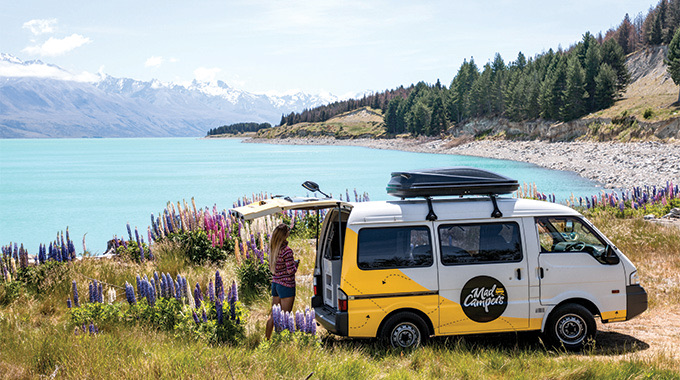
New Zealand
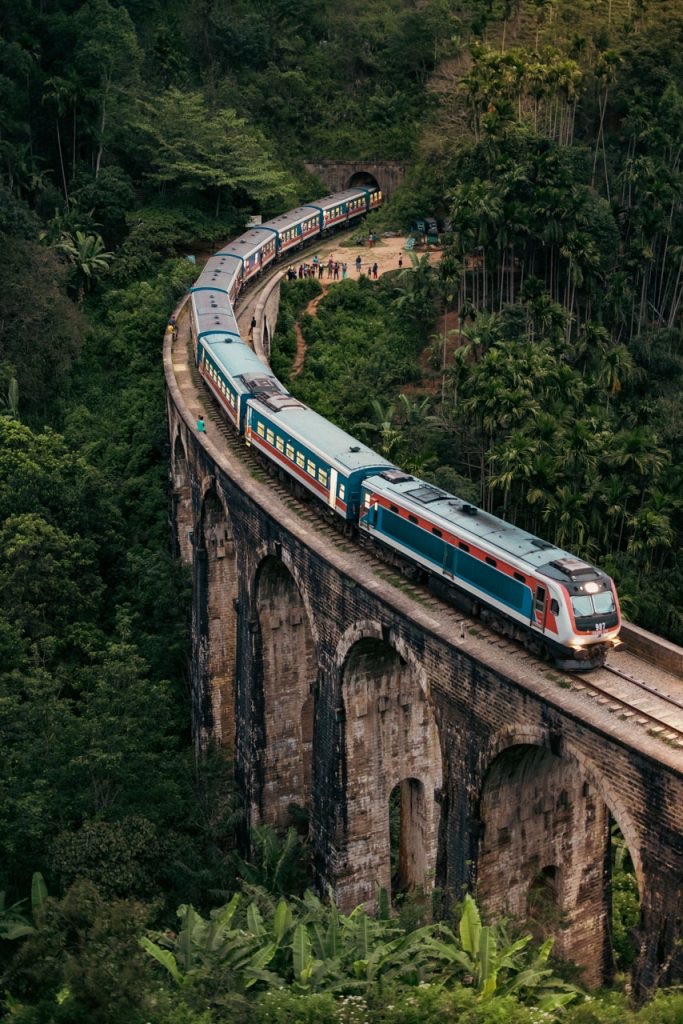
Sri Lanka
In New Zealand, self-driving is the preferred mode of transport, offering maximum flexibility to explore its diverse landscapes. Roads are well-maintained, signage is clear, and traffic is generally light outside major cities. Renting a car or a campervan (NZD 50-200 / $30-120 USD per day, depending on vehicle and season) allows access to remote trailheads and scenic routes. Intercity buses like InterCity connect major towns, but schedules can be restrictive. Flights between main cities (e.g., Auckland to Queenstown for NZD 100-250 / $60-150 USD) are efficient for covering long distances quickly, especially between the North and South Islands. Fuel costs can be significant, around NZD 2.50-3.00 / $1.50-1.80 USD per liter.
Sri Lanka offers a more varied, if sometimes less predictable, transport system. Trains, particularly the Kandy to Ella line, are iconic and economical (LKR 200-600 / $0.70-2 USD for a second-class ticket). Buses are extensive and reach most parts of the island, though they can be crowded and lack air conditioning. For shorter distances within towns, tuk-tuks are ubiquitous and cheap (negotiate fares, LKR 200-1,000 / $0.70-3.50 USD for short rides). Hiring a private driver for a day or a multi-day itinerary is a popular and relatively affordable option (LKR 8,000-15,000 / $27-50 USD per day, including fuel). While Sri Lankas transport options are diverse, New Zealands well-organized self-drive infrastructure ensures easier and more comfortable movement. New Zealand offers a more reliable and comfortable travel experience when moving between destinations.
- Winner: New Zealand
- Why: New Zealand's excellent road infrastructure and the ease of self-driving provide unmatched flexibility and comfort for exploring.
- Who this matters for: Travelers who prefer independent exploration, road trips, and predictable journey times.
🏨 Accommodation
New Zealand offers a range of accommodation options, but they come at a higher price point. Hostels like YHA or Base backpackers typically cost NZD 30-50 / $18-30 USD per night…
New Zealand offers a range of accommodation options, but they come at a higher price point. Hostels like YHA or Base backpackers typically cost NZD 30-50 / $18-30 USD per night for a dorm bed. Motels are common for NZD 100-200 / $60-120 USD per night. Hotels in major cities or tourist hubs can easily exceed NZD 200 / $120 USD per night. Campervan parks often provide basic facilities for NZD 20-40 / $12-24 USD per night. Booking in advance, especially during peak season, is essential due to limited availability and high demand in popular areas. The quality is generally consistent and reliable.
Sri Lanka excels in offering a variety of accommodation for every budget. Basic guesthouses and homestays can be found for LKR 3,000-8,000 / $10-27 USD per night, often including breakfast. Mid-range hotels typically cost LKR 10,000-25,000 / $35-85 USD. Boutique villas and luxury resorts are also available, particularly on the coast or in the cultural triangle, for LKR 30,000 / $100 USD and upwards. The proliferation of small, family-run guesthouses allows for authentic interactions and offers good value. Sri Lanka provides superior options for travelers seeking diverse and affordable lodging.
- Winner: Sri Lanka
- Why: Sri Lanka provides a greater diversity of accommodation options, especially in the budget and mid-range, offering more value and authentic local experiences.
- Who this matters for: Budget travelers, those seeking local interaction, and anyone wanting variety in their lodging choices.
🚨 Safety
New Zealand is consistently ranked among the safest countries globally. Crime rates are very low, and violent crime against tourists is rare. The main safety considerations…
New Zealand is consistently ranked among the safest countries globally. Crime rates are very low, and violent crime against tourists is rare. The main safety considerations involve the outdoor environment: sudden weather changes in mountains, powerful ocean currents, and geothermal hazards. Proper preparation for hikes and adherence to safety warnings are crucial. Roads are generally safe, but drivers should be aware of narrow, winding sections and long distances between towns. Medical facilities are of a high standard, though access can be remote in some areas. Public transportation is reliable and generally safe.
Sri Lanka is generally safe for tourists, but vigilance against petty crime, such as pickpocketing in crowded areas or bag snatching, is advisable. Road safety is a significant concern due to erratic driving habits, poor road conditions in some areas, and a mix of slow and fast-moving traffic. Travelers should exercise caution when crossing roads or using local buses. Political and economic stability can experience periods of unrest, which might impact travel plans, though tourists are rarely targeted. Scamming can occur, particularly with tuk-tuk drivers overcharging or gem scams. Overall, New Zealand offers a more consistently secure environment. New Zealand provides a higher level of personal safety and predictability.
- Winner: New Zealand
- Why: New Zealand maintains an exceptionally low crime rate and offers a highly stable and predictable environment for travelers.
- Who this matters for: Solo travelers, families, and anyone prioritizing peace of mind and minimal risk during their trip.
🏖️ Beaches & Water Activities
New Zealands coastline offers dramatic scenery, with rugged cliffs, black sand beaches (like Muriwai near Auckland), and some calmer bays. Surfing is popular in spots like Raglan,…
New Zealands coastline offers dramatic scenery, with rugged cliffs, black sand beaches (like Muriwai near Auckland), and some calmer bays. Surfing is popular in spots like Raglan, but the water is generally cold, even during summer, requiring wetsuits. Kayaking and paddleboarding are possible in sheltered areas. Milford Sound and other fiords offer boat cruises with opportunities to see seals and dolphins. Whale watching tours are popular in Kaikoura. While visually impressive, New Zealands beaches are less about swimming and sunbathing for extended periods and more about coastal walks or specific water sports.
Sri Lanka is renowned for its warm Indian Ocean beaches. The south coast, including Unawatuna, Mirissa, and Tangalle, offers long stretches of sand for swimming, sunbathing, and relaxation. Surfing is excellent in areas like Arugam Bay (east coast) or Weligama (south coast). Snorkeling and diving are possible in places like Hikkaduwa or Pigeon Island National Park near Trincomalee, with reef exploration and shipwreck dives available. Whale and dolphin watching tours are a major draw in Mirissa during the season. The constant warm water and variety of activities suitable for all skill levels give Sri Lanka a significant advantage. Sri Lanka is the superior choice for beach and water-based leisure.
- Winner: Sri Lanka
- Why: Sri Lanka offers consistently warm waters, a wider range of accessible water sports, and extensive beaches suitable for relaxation and swimming.
- Who this matters for: Beach lovers, surfers, snorkelers, divers, and those who prioritize warm water and coastal relaxation.
🤸 Adventure & Activities
New Zealand is often called the 'adventure capital' due to its wide array of extreme sports and outdoor activities. Queenstown alone offers bungee jumping (from NZD 200 / $120…
New Zealand is often called the 'adventure capital' due to its wide array of extreme sports and outdoor activities. Queenstown alone offers bungee jumping (from NZD 200 / $120 USD), jet boating (NZD 100-150 / $60-90 USD), white-water rafting (NZD 150-250 / $90-150 USD), and skydiving (from NZD 300 / $180 USD). Hiking is a national pastime, with numerous multi-day 'Great Walks' and countless day hikes. Canyoning, ziplining, and glacier hiking are also popular. All activities are highly regulated, with a strong emphasis on safety and professional guiding. The infrastructure for these activities is extensive and modern.
Sri Lanka offers a different type of adventure. Wildlife safaris in parks like Yala or Udawalawe are a major draw (jeep hire plus permit around LKR 15,000-25,000 / $50-85 USD). Hiking is popular in the central highlands, such as to Worlds End near Nuwara Eliya or Little Adams Peak near Ella. Surfing is prominent on the south and east coasts. White-water rafting is available near Kitulgala during certain seasons. While Sri Lanka has outdoor activities, they are generally less extreme and less commercialized than New Zealands offerings. New Zealand provides a more diverse and high-octane range of adventure sports and activities.
- Winner: New Zealand
- Why: New Zealand is purpose-built for high-adrenaline adventure sports and outdoor activities, with extensive infrastructure and expert guiding.
- Who this matters for: Adrenaline junkies, avid hikers, and those seeking professionally organized extreme sports.
✈️ Getting There (Flights)
Flights to New Zealand from major global hubs are among the longest and most expensive travel routes. From Los Angeles (LAX) to Auckland (AKL), direct flights are around 13 hours,…
Flights to New Zealand from major global hubs are among the longest and most expensive travel routes. From Los Angeles (LAX) to Auckland (AKL), direct flights are around 13 hours, but most routes involve layovers, extending total travel time to 15-20+ hours. From Europe (e.g., London LHR to AKL), expect 25-35+ hours with at least two layovers. Return flight costs can range from $1,200-$2,500+ USD, significantly higher during peak summer (December-February). The journey itself is a considerable commitment of time and money, often requiring travelers to adjust to extreme time zone differences.
Flights to Sri Lanka (Colombo Bandaranaike International Airport - CMB) are also long but generally less arduous and costly than those to New Zealand. From Europe (e.g., London LHR to CMB), direct flights are around 10-11 hours, with common routes involving one layover resulting in 12-16 hours total travel time. From the West Coast US (e.g., LAX to CMB), travel time can be 18-24+ hours with one or two layovers. Return flight costs typically range from $700-$1,500 USD, offering a better value proposition. The difference in total travel time and cost makes Sri Lanka a more accessible destination for a wider range of travelers. Sri Lanka is more accessible due to shorter flight times and lower costs from many international departure points.
- Winner: Sri Lanka
- Why: Sri Lanka offers generally shorter flight durations and lower airfare costs from most international origins compared to New Zealand.
- Who this matters for: Travelers with limited vacation time, those on a tighter budget for airfare, and anyone averse to extremely long-haul flights.
🎯 The Decision Framework
Choose New Zealand If…
- You want dramatic, untouched natural landscapes.
- You enjoy extensive hiking and multi-day treks.
- You are comfortable with a higher daily budget (NZD 150-250 / $90-150 USD minimum).
- You prioritize personal safety and modern infrastructure.
- You want high-adrenaline adventure sports like bungee jumping and canyoning.
- You prefer self-driving road trips on well-maintained roads.
- You appreciate excellent quality produce, wine, and craft beer.
- You seek less crowded outdoor spaces.
Choose Sri Lanka If…
- You are on a budget (LKR 12,000-21,000 / $40-70 USD daily average).
- You are keen on exploring ancient historical sites and diverse cultures.
- You want warm tropical beaches for swimming and surfing.
- You are excited by wildlife safaris (elephants, leopards).
- You enjoy flavorful, spicy, and affordable food (rice and curry, hoppers).
- You are comfortable using local transport like trains and tuk-tuks.
- You seek a more immersive and less commercialized travel experience.
- You prefer shorter long-haul flights and lower airfare.
📅 Sample Itineraries
Weekend in New Zealand (3 Days)
💡 Booking popular attractions like Hobbiton or Te Puia online in advance can save both time and often a small amount of money.
Weekend in Sri Lanka (3 Days)
💡 Utilize ride-hailing apps like PickMe or Uber for reliable and fair-priced transport in major cities; a typical tuk-tuk ride across Colombo costs $2-3.
One Week in New Zealand (7 Days)
💡 Renting a car offers the most flexibility for exploring New Zealand's diverse landscapes. Factor in fuel costs, which are around $2.50 per liter, for your budget.
One Week in Sri Lanka (7 Days)
💡 For the iconic Kandy to Ella train ride, book reserved seats well in advance. Otherwise, arrive early for 2nd or 3rd class non-reserved tickets, which offer a local experience for under $2.
❓ Frequently Asked Questions
What is the best time of year to visit New Zealand or Sri Lanka?
New Zealand is best visited during its summer (December-February) for warm weather and hiking, though prices are highest. Sri Lanka's southwest coast and hill country are best from December to March, while the east coast is ideal from May to September, allowing for year-round beach options.
Do I need a visa for New Zealand or Sri Lanka?
For New Zealand, many nationalities, including US, UK, and EU citizens, require an NZeTA (New Zealand Electronic Travel Authority) for short stays. For Sri Lanka, most visitors need an ETA (Electronic Travel Authorization) obtained online before arrival. Always check official government websites for current requirements.
What are the typical flight durations from North America to each country?
Flights from the West Coast of North America to New Zealand (Auckland) typically range from 13-18 hours direct or with one stop. To Sri Lanka (Colombo), flights from the West Coast usually take 18-24 hours with one or two stops. East Coast flights are longer for both.
Is it easy to get vegetarian or vegan food in both countries?
New Zealand has good options in cities and larger towns, with cafes and restaurants often marking vegetarian/vegan dishes. Sri Lanka is excellent for vegetarians, especially due to its Buddhist heritage and abundance of vegetable curries and plant-based staples. Vegan options are readily available across the island.
What are the common forms of currency and how should I manage money?
New Zealand uses the New Zealand Dollar (NZD). Credit cards are widely accepted, but cash is useful for smaller purchases. Sri Lanka uses the Sri Lankan Rupee (LKR). Carrying cash (LKR) is essential, especially outside major towns. ATMs are available in both, but inform your bank of international travel.
Are there any health considerations specific to these destinations?
For New Zealand, standard travel vaccinations are usually sufficient. For Sri Lanka, consider vaccinations for Hepatitis A, Typhoid, and potentially Rabies or Japanese Encephalitis, depending on your travel style. Always consult a travel doctor at least 6-8 weeks before your trip for personalized advice.
What are the main differences in infrastructure and amenities?
New Zealand has highly developed infrastructure: excellent roads, reliable internet, and modern medical facilities. Sri Lanka has developing infrastructure: roads vary in quality, internet is widely available but can be inconsistent, and medical facilities outside Colombo are basic. Both have mobile network coverage.
Can I travel solo safely in New Zealand and Sri Lanka?
Yes, both countries are generally considered safe for solo travelers. New Zealand is exceptionally safe. In Sri Lanka, solo female travelers should be mindful of local customs regarding dress and behavior, and be aware of occasional unwanted attention or petty scams, particularly in crowded tourist areas.
Ready to plan your next adventure?
Get a free custom itinerary for New Zealand, Sri Lanka, or both — built from real traveler insights.
👥 Travelers Also Compared
🎟️ Book Tours & Experiences
Hand-picked tours and activities for both destinations — book with free cancellation
Experiences via Viator — free cancellation on most tours