How we built this comparison
This page combines traveler discussion patterns, published price ranges, flight schedules, and seasonal data to help you decide between Ngorongoro and Serengeti.
- Reviewed 50+ Reddit threads from r/travel, r/solotravel, r/Tanzania, and r/Safari for authentic traveler perspectives.
- Verified costs and logistics against current booking platforms (e.g., Klook, local tour operators) and official park fee schedules.
- Cross-referenced seasonal patterns, weather data, and Great Migration movements with reputable safari planners and wildlife organizations.
⚡ The TL;DR Verdict
If you're time-constrained, seeking guaranteed high-density wildlife viewing, and don't mind a shorter, more concentrated experience, Ngorongoro is your pick (budget $450-800/day). For those craving expansive landscapes, the drama of the Great Migration, and the thrill of tracking animals across vast plains, the Serengeti offers an unparalleled adventure (budget $550-1200+/day).
- Choose Ngorongoro: Choose Ngorongoro if you have limited time (1-2 days), prioritize seeing the 'Big Five' almost guaranteed, and prefer a compact, visually stunning experience without extensive driving between sightings.
- Choose Serengeti: Opt for the Serengeti if you have 3-5+ days, dream of witnessing the Great Migration, seek vast open spaces for a more authentic 'wild' feel, and are prepared for longer game drives to track animals.
- Choose Both: Combine both for the ultimate Northern Circuit safari (5-7+ days). Start with Ngorongoro for its unique crater ecosystem and guaranteed sightings, then move to the Serengeti for its grandeur, migration spectacle, and diverse landscapes. This provides a comprehensive overview of Tanzania's wildlife.
Quick Comparison
| Category | Ngorongoro | Serengeti | Winner |
|---|---|---|---|
| Wildlife & Safari Experience | High density, guaranteed sightings, unique crater ecosystem, Big Five common. | Vast plains, Great Migration, tracking animals, diverse habitats, predators. | Ngorongoro |
| Costs & Budget | High daily park fees (crater descent), but shorter stays can balance total cost. | Park fees similar, but longer stays and internal flights increase overall cost. | Tie |
| Getting There & Around | Easily accessible by road from Arusha (3-4 hours), no internal flights needed. | Requires longer drives or internal flights (e.g., Arusha to Seronera), vast park. | Ngorongoro |
| Accommodation Options | Fewer options, mostly luxury lodges on crater rim, limited budget choices. | Wide range from budget tented camps to ultra-luxury lodges, diverse locations. | Serengeti |
| Crowds & Exclusivity | High vehicle density in crater, can feel crowded at popular sightings. | Vastness allows for greater solitude, easier to find exclusive sightings. | Serengeti |
| Best Time to Visit | Excellent year-round due to resident wildlife, minimal seasonal impact. | Varies significantly with Great Migration (dry vs. green season) and regional rain patterns. | Ngorongoro |
| Duration of Stay | Ideal for short, intense visits (1-2 days) due to contained area. | Requires longer stays (3-5+ days) to cover vast areas and track migration. | Ngorongoro |
| Photography Opportunities | Excellent for close-up shots, consistent subjects, dramatic backdrop. | Ideal for action shots, vast landscapes, diverse light, dynamic migration scenes. | Tie |
| Family Friendliness | Shorter drives, higher guaranteed sightings, less travel fatigue for kids. | Longer drives, greater travel distances, more extensive tracking required. | Ngorongoro |
| Accessibility & Terrain | Crater descent via specific roads, varied elevation on floor, some challenging tracks. | Predominantly flat plains, extensive network of dirt roads, generally easier driving. | Serengeti |
🦁 Wildlife & Safari Experience
Ngorongoro Crater is often called 'Africa's Garden of Eden' due to its incredibly high concentration of wildlife within a relatively small, self-contained ecosystem. Within a single day, it's highly probable you'll see all of the Big Five – lion, leopard (though elusive), elephant, rhino, and buffalo – often at close range. The resident black rhino population is a major draw. While the density is amazing, the experience can feel a bit like a 'zoo without fences' to some due to the confined space and numerous vehicles. "I saw more in one day in Ngorongoro than my entire week in Kruger! The rhinos were practically posing for us." Serengeti, conversely, offers a more classic 'wild Africa' feel across its immense plains. It's renowned for the Great Migration of wildebeest and zebra (over 1.5 million animals), which is a truly epic spectacle depending on the season. While sightings might require more tracking and cover greater distances, the diversity of habitats – from open grasslands to acacia woodlands and riverine forests – supports a wider variety of species. You'll find huge prides of lions, cheetahs hunting on the plains, and impressive leopard sightings, especially near kopjes. The sheer scale makes it feel more exclusive.
Winner takeaway
- Winner: Ngorongoro
- Why: Ngorongoro wins for guaranteeing a high-density, accessible Big Five experience, especially for first-time safari-goers or those with limited time.
- Who this matters for: This matters most for travelers who prioritize seeing the Big Five quickly and efficiently.
💸 Costs & Budget
Comparing costs is tricky as both are premium safari destinations, but they break down differently. Ngorongoro Crater has a hefty one-time crater descent fee, typically around $300 USD per vehicle, on top of the standard daily park entry fees of about $71 USD per person (non-resident). This means a single day in Ngorongoro can cost a substantial amount per person, even before factoring in accommodation and guide services. However, because most visitors spend only 1-2 days inside the crater, the total park fees might be less than a multi-day Serengeti trip. A mid-range safari package including a night on the crater rim can start from $450-800 USD per person per day. The Serengeti's daily park fees are similar ($71 USD per person), but a typical visit here is 3-5+ days. Additionally, internal flights from Arusha to Seronera Airstrip (ARK) or other airstrips can add $200-350 USD per person round-trip. Accommodation costs in the Serengeti can range widely from $300 USD per person per night for basic tented camps to over $1500 USD for luxury lodges like the Four Seasons Serengeti. "Ngorongoro felt expensive for one day, but it saved us a ton compared to flying into the Serengeti for a whole week." Overall, a 3-day Serengeti safari will almost always exceed the cost of a 1-day Ngorongoro visit, making the Serengeti generally pricier for a full experience.
Winner takeaway
- Winner: Tie
- Why: Both destinations present unique cost structures; Ngorongoro is pricier per day but shorter, while Serengeti is longer, driving up total trip costs with flights and more nights.
- Who this matters for: This matters for all travelers, as both parks require significant financial investment, depending on trip length and luxury level.
🚗 Getting There & Around
Ngorongoro Crater wins hands-down for ease of access. It's a straightforward 3-4 hour drive from Arusha, the safari hub of northern Tanzania. The roads are generally good, and you don't need to factor in internal flights, which saves both time and money. Once at the rim, game drives involve descending into the crater via designated roads. The drive itself is scenic, passing through Maasai villages and rolling highlands. In contrast, reaching the heart of the Serengeti from Arusha is a longer affair. While it's possible to drive (a 6-8+ hour journey, often breaking it up with a stop in Manyara or Ngorongoro), most opt for internal flights to one of the park's several airstrips, such as Seronera (ARK), Grumeti, or Kogatende. These flights, typically operated by regional carriers like Coastal Aviation or Safarilink, take about 1-2 hours from Arusha. "Flying into Seronera was amazing, but definitely added to the budget and travel time compared to just driving to Ngorongoro." Once inside the Serengeti, game drives cover vast distances, and a good safari vehicle with an experienced guide is essential for navigating the extensive network of tracks.
Winner takeaway
- Winner: Ngorongoro
- Why: Ngorongoro's easy road access from Arusha, avoiding internal flights, makes it significantly more convenient to reach.
- Who this matters for: This is crucial for travelers sensitive to travel time, flight costs, and those who prefer a simpler logistics plan.
🏕️ Accommodation Options
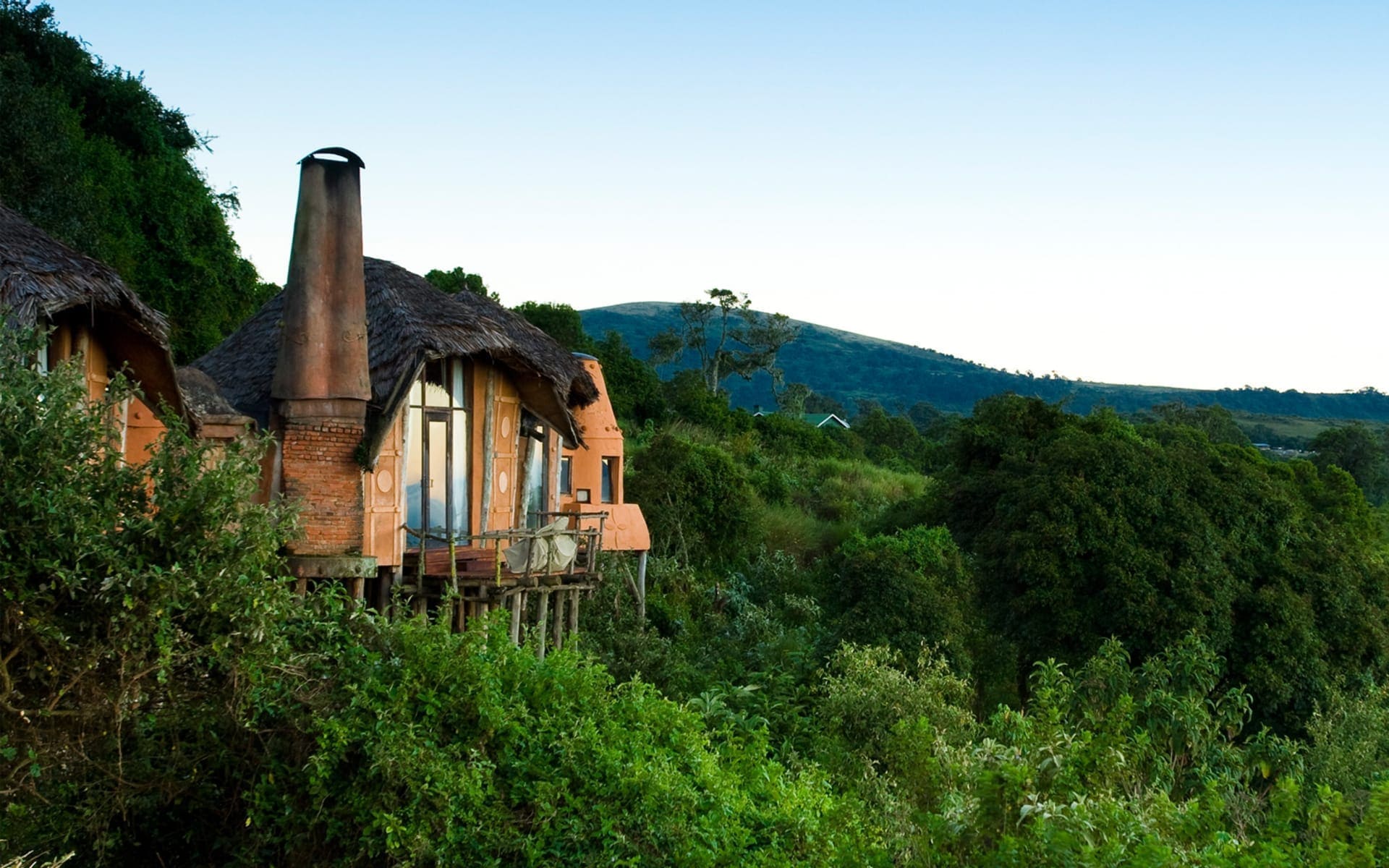
Ngorongoro's accommodation landscape is more limited due to its protected status and geographical constraints. Most options are high-end lodges perched directly on the crater rim, offering spectacular views into the crater. Examples include Ngorongoro Sopa Lodge, Ngorongoro Serena Safari Lodge, and Ngorongoro Wildlife Lodge. While stunning, these are typically pricey, ranging from $400-800+ USD per night. Budget options are virtually non-existent directly on the rim, forcing those on a tighter budget to stay outside the conservation area, often an hour's drive away in Karatu. The Serengeti, being much larger, offers a far greater diversity of accommodation. You'll find everything from basic public campsites (though most safaris include private or semi-permanent tented camps), to mid-range mobile tented camps that follow the migration (e.g., Asilia Africa's camps), to ultra-luxury permanent lodges like the Four Seasons Safari Lodge Serengeti or Singita Grumeti. "We loved our tented camp in the Serengeti; it felt so authentic and we heard lions at night!" This variety means you can tailor your lodging to your budget and desired level of immersion, from rustic to opulent. The mobile camps, in particular, offer a unique experience, allowing you to stay close to the migration action.
Winner takeaway
- Winner: Serengeti
- Why: The Serengeti provides a significantly wider range of accommodation types and price points, catering to diverse traveler preferences and budgets.
- Who this matters for: This is key for travelers looking for specific safari experiences, from authentic tented camps to ultra-luxury lodges, across various budget ranges.
👥 Crowds & Exclusivity
Ngorongoro Crater, despite its beauty, can feel quite crowded, especially during peak season (June-October). With only a few access points and a limited driving area within the crater floor, vehicles tend to converge at popular sightings. It's not uncommon to see 10-20 safari vehicles surrounding a lion kill or a rhino sighting. While strict rules prevent off-roading, the density of vehicles can detract from a sense of wilderness. "Ngorongoro was incredible for animals, but felt a bit like a traffic jam at times, especially near the hippo pool." The Serengeti, due to its immense size (over 14,750 sq km or 5,700 sq miles), offers a much greater sense of solitude and exclusivity. Even during the peak migration, the sheer scale of the park means that you can often drive for long stretches without seeing another vehicle. Different regions of the park offer varying levels of crowd density, with the central Seronera area being busier, while the Western Corridor or Northern Serengeti can feel incredibly remote. Many camps, especially those in private concessions bordering the main park, offer exclusive game drive areas. This allows for more intimate wildlife encounters and the freedom for guides to go off-road in certain areas.
Winner takeaway
- Winner: Serengeti
- Why: The Serengeti's vastness naturally disperses visitors, offering a more exclusive and wild safari experience away from crowds.
- Who this matters for: This matters most for travelers seeking an authentic, less-trafficked wilderness experience and a sense of isolation.
☀️ Best Time to Visit
Ngorongoro Crater is a fantastic year-round destination. Its unique geological formation and permanent water sources mean that wildlife, including the Big Five, is resident and abundant regardless of the season. The short rains (November-December) and long rains (March-May) can bring lush green landscapes and fewer tourists, but wildlife viewing remains consistently good. The dry season (June-October) offers sparse vegetation, making animals easier to spot, but also coincides with peak tourist numbers. "Honestly, any time is great for Ngorongoro, the animals are just always there." The Serengeti's 'best time to visit' is highly dependent on what you want to see, primarily the Great Migration. The dry season (June-October) is generally considered prime time for river crossings (Grumeti in June/July, Mara in August/September) and predator action as animals congregate around water sources. However, the green season (December-March), particularly in the Ndutu plains, is fantastic for wildebeest calving, offering incredible predator-prey dynamics and beautiful lush scenery. Flying to specific regions of the park becomes essential to follow the migration. If you don't care about the migration, the shoulder seasons can offer excellent value and fewer crowds.
Winner takeaway
- Winner: Ngorongoro
- Why: Ngorongoro's consistent wildlife viewing throughout the year makes it a more reliably excellent choice regardless of travel dates.
- Who this matters for: This is crucial for travelers with fixed vacation dates or those who prefer not to chase the migration for a specific experience.
⏱️ Duration of Stay
Ngorongoro is perfectly suited for a shorter, more concentrated safari experience. Most visitors find that 1 full day (including the crater descent and ascent) is sufficient to explore the crater floor, witness its abundant wildlife, and soak in the unique landscape. Some prefer two nights, allowing for a morning and afternoon game drive. "One full day in Ngorongoro was perfect for us; we saw so much and then were ready to move on." Any longer might feel repetitive due to the confined nature of the crater floor. The Serengeti, by contrast, demands a longer commitment to truly appreciate its vastness and ecological diversity. A minimum of 3 full days is recommended, often extending to 4 or 5 days, especially if you want to explore different regions of the park or witness specific migration events. For instance, to follow the migration from the Southern calving grounds (Ndutu) to the Western Corridor or Northern Serengeti river crossings, you'd ideally need to split your time or visit different areas, which can easily take 5-7 days. The extensive distances between areas mean that shorter stays often feel rushed and don't allow for a deep immersion into the park's varied ecosystems. More time allows for better tracking opportunities and seeing a wider range of animal behaviors.
Winner takeaway
- Winner: Ngorongoro
- Why: Ngorongoro offers a complete and satisfying safari experience within a much shorter timeframe, ideal for tighter itineraries.
- Who this matters for: This is vital for travelers with limited vacation time or those combining a safari with other Tanzanian adventures like Kilimanjaro climbs or Zanzibar beaches.
📸 Photography Opportunities
Both destinations offer phenomenal photography opportunities, but cater to different styles. Ngorongoro Crater is a dream for close-up wildlife photography. The high density of animals and the relatively open crater floor often mean you can get incredibly close to subjects like lions, zebras, and wildebeest, perfect for detailed portraits. The dramatic caldera walls provide a stunning, unique backdrop for landscape shots, especially at sunrise or sunset from the rim. The consistent presence of wildlife makes it easier to plan shots. "I got the best rhino photos of my life in Ngorongoro; they were so close!" The Serengeti, however, excels in capturing action, vast landscapes, and the sheer scale of wildlife. Imagine thousands of wildebeest on the horizon, a cheetah mid-hunt, or the dramatic chaos of a river crossing – these are quintessential Serengeti shots. The ever-changing light across the plains, the iconic acacia trees, and the 'kopjes' (rocky outcrops) provide endless compositional possibilities. Patience is key here, as you might spend more time tracking, but the rewards can be breathtaking, capturing raw, untamed nature. For those with long lenses and a desire for dynamic wildlife behavior, the Serengeti delivers.
Winner takeaway
- Winner: Tie
- Why: Both offer distinct and equally compelling photography experiences; Ngorongoro for close-ups and unique backdrops, Serengeti for action, vast landscapes, and dynamic migration shots.
- Who this matters for: This matters to all photographers, from amateur smartphone users to professional wildlife photographers, depending on their preferred style and subject matter.
👨👩👧👦 Family Friendliness
For families, especially those with younger children, Ngorongoro Crater often edges out the Serengeti. The main advantage is the shorter duration of game drives within the crater itself. Kids (and adults!) tend to have shorter attention spans, and the high density of wildlife in Ngorongoro means constant sightings, keeping boredom at bay. "Our 6-year-old was glued to the binoculars in Ngorongoro, every turn was a new animal! He probably would've gotten bored with the long drives in Serengeti." There's less time spent driving between distant sightings, reducing travel fatigue. Many lodges on the crater rim, like Ngorongoro Sopa Lodge, are well-equipped for families, offering pools and comfortable amenities. While the Serengeti is certainly family-friendly, its vastness means longer periods of driving without guaranteed sightings, which can test the patience of little ones. Some lodges offer kids' programs, but the core experience still involves extended time in a vehicle. Choosing a camp with a pool and family-friendly activities is essential for longer Serengeti stays, but the logistics of covering large distances to follow the migration can be more taxing on children.
Winner takeaway
- Winner: Ngorongoro
- Why: Ngorongoro's compact nature and high density of easily accessible wildlife make it less fatiguing and more consistently engaging for children.
- Who this matters for: This is particularly important for families traveling with younger children who need consistent engagement and shorter travel times.
⛰️ Accessibility & Terrain
Ngorongoro's terrain is characterized by the dramatic descent into the crater (approximately 600 meters or 2,000 feet) via steep, winding roads. Once on the crater floor, the landscape is a mix of open grasslands, shallow lakes, swamps, and acacia forests, with some areas having more challenging, bumpy tracks, especially after rains. The confined nature means fewer off-road options, adhering to designated routes. "The descent into Ngorongoro was a bit nerve-wracking but the views were incredible!" The Serengeti, while vast, is generally characterized by its expansive, relatively flat grasslands and savannahs. While there are certainly bumpy dirt roads and seasonal muddy patches (especially in the green season), the driving is often less strenuous than the descent/ascent of Ngorongoro. The central Seronera region is well-serviced by a network of tracks, and while some remote northern or western areas might have fewer roads, the overall experience is one of open vistas and easier navigability. This generally makes for a smoother, less jarring ride for passengers. The terrain is less varied in elevation, which can be a plus for comfort on longer game drives, and the open plains provide clearer lines of sight for spotting distant wildlife.
Winner takeaway
- Winner: Serengeti
- Why: The Serengeti's predominantly flat, expansive plains offer generally smoother and less challenging driving conditions compared to the steep descent and varied terrain of Ngorongoro Crater.
- Who this matters for: This matters for travelers who may have motion sickness, back issues, or simply prefer a more comfortable ride during game drives.
❓ Frequently Asked Questions
Can I do a day trip to Ngorongoro Crater from Arusha?
While technically possible, it's a very long day involving 6-8 hours of driving round trip. We recommend staying overnight near the crater rim (e.g., in Karatu or at a rim lodge) to allow for an early morning descent and a fuller, less rushed safari experience. This also minimizes driving fatigue.
How many days should I spend in each park?
For Ngorongoro, one full day (with two nights accommodation) is usually sufficient to see the main sights and wildlife. For the Serengeti, aim for a minimum of 3 full days, but 4-5 days is ideal, especially if you want to explore different regions or track the Great Migration. More time allows for deeper immersion.
Is it safe to travel to Ngorongoro and Serengeti?
Yes, both parks are very safe for tourists. Safari vehicles are well-maintained, and guides are highly experienced. You'll always be with your guide in designated areas. General travel safety precautions apply in urban areas like Arusha, but within the parks and lodges, safety is a top priority.
Do I need to worry about malaria?
Malaria is present in Tanzania, including these regions. It's highly recommended to consult your doctor about antimalarial medication. Additionally, wear long sleeves and pants at dawn/dusk, use insect repellent with DEET, and sleep under mosquito nets (usually provided by lodges/camps). Stay informed about current health guidelines.
What's the difference between Ngorongoro Conservation Area and Ngorongoro Crater?
The Ngorongoro Conservation Area (NCA) is a vast UNESCO World Heritage Site that includes the Ngorongoro Crater, Olduvai Gorge, and extensive plains where Maasai people coexist with wildlife. The Ngorongoro Crater is the specific caldera within the NCA, known for its dense wildlife. Most safari visitors focus primarily on the crater floor.
Can I see the Great Migration in Ngorongoro?
No, the Great Migration primarily takes place within the Serengeti ecosystem and extends into Kenya's Maasai Mara. While some resident wildebeest live in Ngorongoro Crater, they do not participate in the famous annual migration of millions of animals across the plains. For the migration, you need to be in the Serengeti.
Are there walking safaris or night safaris available?
Walking safaris are generally not permitted within the Ngorongoro Crater floor for safety reasons, but some lodges on the rim offer guided walks in the surrounding conservation area. Night safaris are also not allowed inside the crater. In the Serengeti, night safaris are typically only offered in private concessions bordering the main park, not within the national park itself. Walking safaris are available in some private reserves.
What kind of vehicle will I be on for a safari?
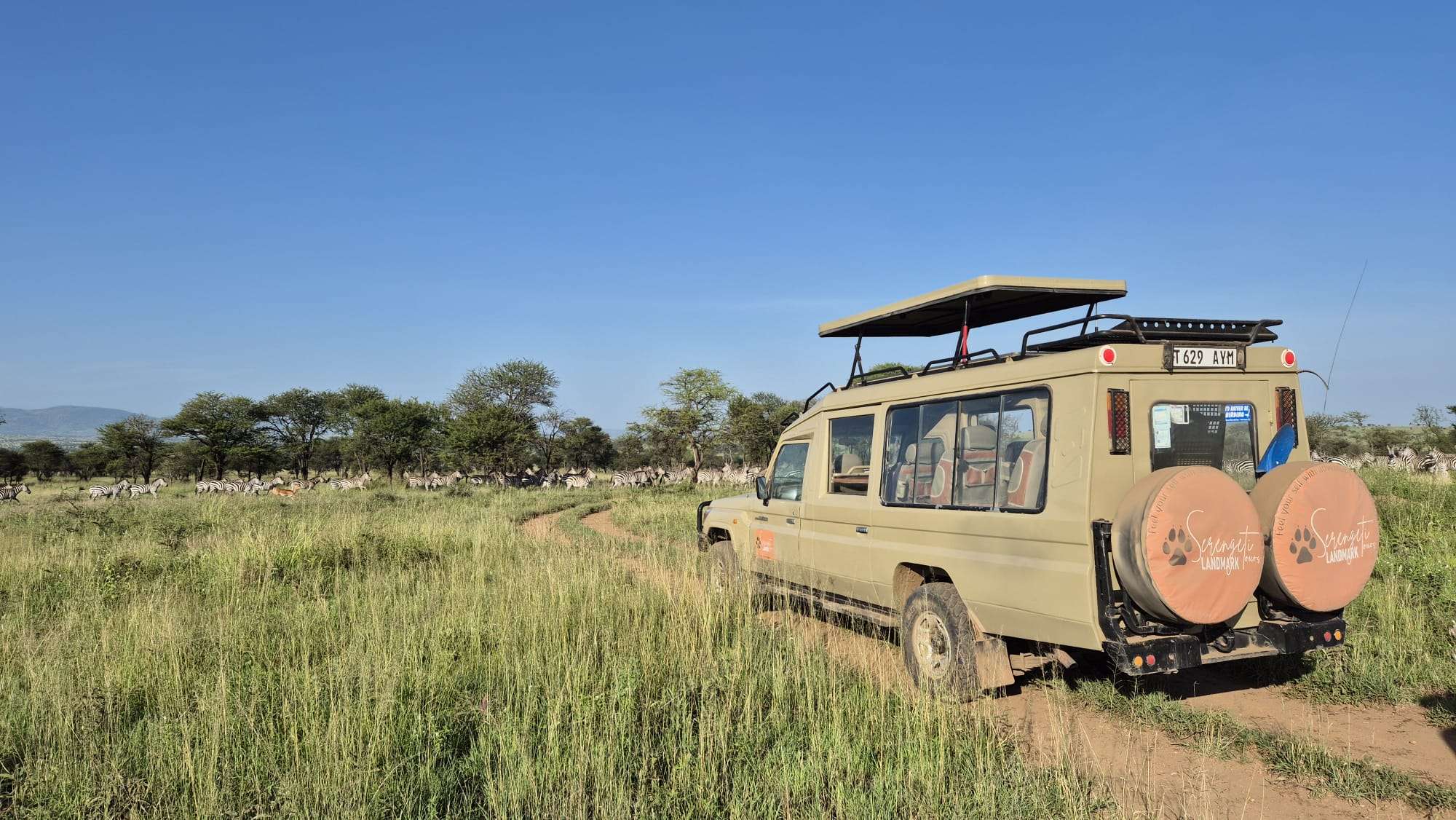
Most safaris in both Ngorongoro and Serengeti use custom-built 4x4 safari vehicles, typically Toyota Land Cruisers or Land Rovers. These vehicles have pop-up roofs for optimal wildlife viewing and photography, comfortable seating, and often include amenities like charging ports and cooler boxes. They are essential for navigating varied terrain.
Ready to plan your Tanzania safari?
Get a free custom itinerary for Ngorongoro, Serengeti, or both — built from real traveler insights.
🎟️ Book Tours & Experiences
Hand-picked tours and activities for both destinations — book with free cancellation
Experiences via Viator — free cancellation on most tours