How we built this comparison
This page combines traveler discussion patterns, published price ranges, flight schedules, and seasonal data to help you decide between Normandy and Provence.
- Reviewed 50+ Reddit threads from r/travel, r/FranceTravel, r/solotravel, etc.
- Verified costs and logistics against current booking platforms (Booking.com, Kayak, SNCF)
- Cross-referenced seasonal patterns and weather data from AccuWeather and Météo France
⚡ The TL;DR Verdict
If you crave history, rugged coastlines, and a slightly cooler, more budget-friendly experience, Normandy is your pick (budget €100-180 / $110-200 per day). For sun, Roman ruins, lavender fields, and a vibrant Mediterranean feel, Provence is calling, though be prepared for slightly higher costs (budget €130-220 / $140-240 per day).
- Choose Normandy: Choose Normandy if you're a history buff, particularly interested in WWII and medieval sites, or if you prefer a cooler climate, dramatic landscapes, and a more understated, authentic French experience with a focus on rich, hearty food and apple products.
- Choose Provence: Opt for Provence if you dream of sunny skies, ancient Roman history, picturesque hilltop villages, lavender fields, Mediterranean beaches, and a lighter, more vibrant culinary scene centered around olive oil, rosé, and fresh produce. It's ideal for a romantic getaway or a relaxed, scenic trip.
- Choose Both: If you have at least 10-14 days and want a comprehensive taste of France's diverse regions, you can combine both. Start with the historical gravitas of Normandy, then take a high-speed train from Paris to the sunny south for Provence's charm, experiencing contrasting landscapes and cultures.
Quick Comparison
| Category | Normandy | Provence | Winner |
|---|---|---|---|
| Food & Drink | Hearty, rich cuisine: Camembert, Calvados, cider, seafood, cream-based dishes. | Lighter, Mediterranean flavors: olive oil, rosé, herbs de Provence, fresh produce, seafood. | Provence |
| Beaches & Nature | Rugged cliffs (Étretat), vast D-Day sands, green rolling countryside, cool English Channel waters. | Mediterranean turquoise waters, calanques (Cassis), lavender fields, Verdon Gorge, sunnier climate. | Provence |
| History & Culture | D-Day landing beaches, Mont Saint-Michel, Bayeux Tapestry, William the Conqueror sites. | Roman ruins (Arles, Nîmes, Pont du Gard), Avignon Papal Palace, Van Gogh's Arles, charming medieval villages. | Normandy |
| Costs | Generally more affordable for accommodation and dining, especially outside D-Day anniversary peaks. | Can be pricier, especially in popular towns like Aix-en-Provence or coastal areas; luxury options abound. | Normandy |
| Getting There | Typically fly into Paris (CDG/Orly), then train (2-3 hrs) or car (2-3 hrs) to Normandy hubs. | Direct flights to Marseille (MRS) or Nice (NCE), or high-speed TGV from Paris (3-4 hrs). | Provence |
| Getting Around | Car is highly recommended for flexibility to D-Day sites, Mont Saint-Michel, and rural areas. | Car is essential for lavender fields, hilltop villages, Verdon Gorge; cities are walkable. | Tie |
| Accommodation | Charming B&Bs, gîtes, historic hotels, often better value, traditional French feel. | Boutique hotels, mas (farmhouses), luxury villas, wider range of upscale options, generally pricier. | Normandy |
| Day Trips | Mont Saint-Michel, Étretat, Honfleur, Bayeux, Rouen, Giverny (Monet's Garden). | Avignon, Arles, Aix-en-Provence, Cassis, Gordes, Roussillon, Pont du Gard, Verdon Gorge. | Provence |
| Weather & Seasons | Mild summers, cooler, more rainfall, crisp autumns. Best May-September for pleasant temps. | Hot, dry summers; mild, sunny winters; long shoulder seasons. Best April-June, Sept-Oct. | Provence |
| Families | Educational D-Day sites, Mont Saint-Michel, farm visits, rugged beaches, good for older kids. | Beaches, Roman ruins, lavender fields, markets, active outdoor options, broader appeal. | Provence |
🍽️ Food & Drink
Normandy's culinary scene is a delight for those who appreciate rich, comforting flavors. Think creamy Camembert, tangy cider, potent Calvados (apple brandy), and fresh seafood like oysters from Isigny-sur-Mer or scallops from Port-en-Bessin. Traditional dishes often involve cream, butter, and apples, making for hearty fare perfect for cooler weather. Don't miss a Galette Saucisse from a market. However, Provence truly shines with its vibrant, sun-drenched cuisine. It's all about fresh, local ingredients: aromatic herbs de Provence, pungent garlic, sweet tomatoes, and a generous drizzle of olive oil. Staples include ratatouille, tapenade, bouillabaisse (especially in Marseille), and the ubiquitous rosé wine from regions like Bandol or Côtes de Provence. The markets, like those in Aix-en-Provence or Arles, are an explosion of color and flavor. While Normandy offers comfort, Provence provides a fresher, more diverse, and lighter culinary adventure that perfectly complements its climate. "Honestly, after a few days of all that cream and butter in Normandy, the fresh veggies and grilled fish in Provence were a welcome change. That rosé hit different too!" - u/FrenchFoodie22
Winner takeaway
- Winner: Provence
- Why: Provence offers a more diverse, vibrant, and health-conscious culinary experience that appeals to a broader palate.
- Who this matters for: Foodies, those seeking fresh flavors, and wine lovers.
🏖️ Beaches & Nature
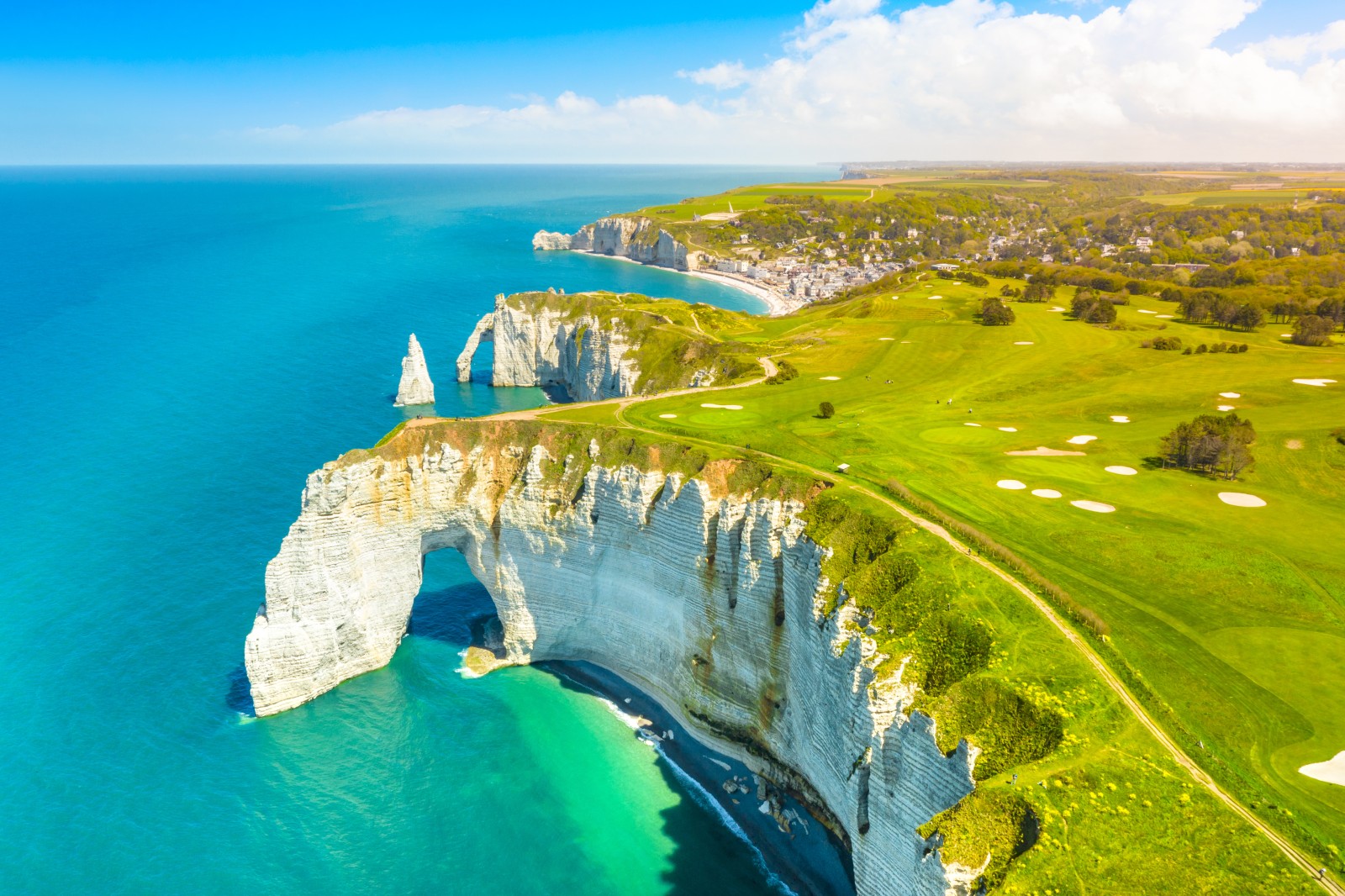
Normandy boasts dramatic coastal landscapes, most famously the stunning white cliffs of Étretat, carved by the English Channel. Its beaches, like those along the D-Day landing zones (Omaha, Utah), are vast and historic but the waters are cool. Inland, you'll find lush green bocage country, apple orchards, and the tranquil Seine valley. It's beautiful, but in a more rugged, understated way. Provence, on the other hand, is a natural wonderland of immense variety and iconic beauty. From the turquoise coves (calanques) near Cassis, perfect for swimming and kayaking, to the fragrant lavender fields of Valensole and Sault that bloom in early summer (late June to mid-July), it’s incredibly picturesque. The breathtaking Gorges du Verdon, France's 'Grand Canyon,' offers stunning hikes and emerald waters. The Mediterranean climate means warmer sea temperatures and more reliable sunshine. "The calanques near Cassis were just unreal, like something out of a dream. Definitely beat dipping my toes in the chilly Channel!" - u/SunnySeeker7
Winner takeaway
- Winner: Provence
- Why: Provence offers a wider array of iconic, diverse, and warmer natural attractions including stunning Mediterranean beaches and world-famous lavender fields.
- Who this matters for: Beach lovers, hikers, landscape photographers, and those seeking warm weather outdoor activities.
📜 History & Culture
Normandy's historical significance is immense and globally resonant. The D-Day landing beaches and associated museums (e.g., Caen Memorial, Overlord Museum) offer a profound, moving experience. Mont Saint-Michel, a UNESCO World Heritage site, is a breathtaking medieval abbey-island that feels straight out of a fairytale. The Bayeux Tapestry is a priceless artifact depicting the Norman Conquest, while Rouen's medieval architecture and cathedral are equally impressive. Provence also boasts a rich history, particularly its incredible Roman heritage with well-preserved arenas in Arles and Nîmes, and the majestic Pont du Gard aqueduct. Avignon's Papal Palace is another architectural marvel. The region also inspired artists like Van Gogh, whose presence is palpable in Arles. While both are rich, Normandy's unique combination of WWII significance and the unparalleled Mont Saint-Michel gives it a slight edge in sheer historical impact and global recognition. "Standing on Omaha Beach really put things in perspective. Nothing quite like it for raw, tangible history. Mont Saint-Michel blew my mind too." - u/HistoryBuffAbroad
Winner takeaway
- Winner: Normandy
- Why: Normandy offers a more globally significant and emotionally resonant historical experience, particularly regarding WWII and its iconic medieval sites.
- Who this matters for: History enthusiasts (especially WWII), those seeking profound historical experiences, and medieval architecture lovers.
💰 Costs
When it comes to your wallet, Normandy generally offers better value. Accommodation, especially outside the D-Day anniversary (June) and peak August, can be found for €80-150 ($85-165) per night for a charming B&B or mid-range hotel. Dining costs are also more manageable; a decent meal with wine can be had for €20-30 ($22-33) per person. Car rental is standard, around €40-60 ($44-66) per day. Provence, while not exorbitant everywhere, definitely leans towards the pricier side, particularly in popular towns like Aix-en-Provence, Saint-Rémy-de-Provence, or along the coast. Expect to pay €120-250+ ($130-275+) for similar accommodation, and meals can easily hit €30-50+ ($33-55+) per person for a good restaurant. While there are budget options, the overall average cost for a comfortable trip is higher. Transportation, especially TGV from Paris, can also add up. "We found great little gîtes in Normandy for way less than anything comparable in Provence. Our daily budget stretched so much further there." - u/BudgetBackpacker88
Winner takeaway
- Winner: Normandy
- Why: Normandy generally provides a more budget-friendly travel experience, offering better value for accommodation and dining.
- Who this matters for: Budget-conscious travelers, backpackers, and families looking to save money.
✈️ Getting There
Reaching Normandy usually involves flying into Paris's major airports (Charles de Gaulle, Orly) and then taking a train or renting a car. From Paris Saint-Lazare, you can reach Caen in about 2 hours, Rouen in 1.5 hours, or Bayeux in 2.5 hours. Car rentals from Paris are common, taking 2-3 hours to reach key areas. This often means an extra leg after a long international flight. Provence offers more direct options. You can fly directly into Marseille Provence Airport (MRS) or Nice Côte d'Azur Airport (NCE) from many international and European cities, cutting down on transit time. Alternatively, the TGV (high-speed train) from Paris Gare de Lyon is incredibly efficient, reaching Avignon in about 2h40m and Aix-en-Provence in 3h. This makes Provence feel more accessible, especially if you prefer to avoid connecting flights or long car drives immediately after landing. "Flying into Marseille directly was a game-changer. No messing with Paris trains after a long flight, just grabbed our car and drove straight to our villa." - u/EasyTravelerPHX
Winner takeaway
- Winner: Provence
- Why: Provence offers more direct international flight options and faster, more convenient high-speed train connections from Paris.
- Who this matters for: Travelers prioritizing quick, efficient transit, and those who prefer to avoid domestic connections or long drives after an international flight.
🚗 Getting Around
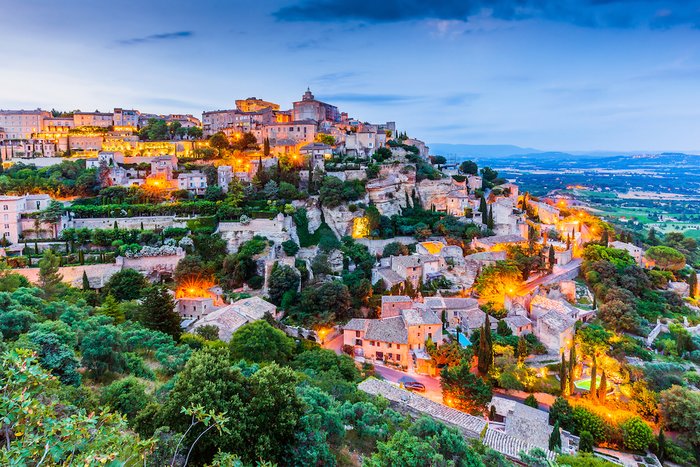
For both Normandy and Provence, having a car is not just recommended, it's pretty much essential if you want to explore beyond the main cities. In Normandy, a car gives you the flexibility to explore the D-Day beaches at your own pace, visit scattered historical sites, reach Mont Saint-Michel conveniently, and navigate the scenic rural roads. Public transport outside of major towns like Rouen or Caen is limited. Expect to pay €40-60 ($44-66) for a daily rental. Similarly, in Provence, a car is crucial for visiting the iconic lavender fields, exploring charming hilltop villages like Gordes or Roussillon, venturing into the Gorges du Verdon, and hopping between wineries. While cities like Aix-en-Provence or Avignon are very walkable, you'll miss out on the region's true essence without wheels. Both regions offer scenic drives, but also narrow, winding roads in rural areas. "Seriously, don't even bother with Provence unless you're renting a car. We saw so many people stuck in Avignon missing out on the best parts." - u/RoadTripper_FR
Winner takeaway
- Winner: Tie
- Why: Both regions necessitate a rental car for comprehensive exploration of their most iconic and rural attractions, making them equally dependent on personal transport.
- Who this matters for: Independent travelers, those who prefer self-guided exploration, and families.
🏨 Accommodation
Normandy offers a fantastic range of authentic and often more affordable accommodation options. You'll find charming B&Bs (chambres d'hôtes) in converted farmhouses or historic homes, particularly in the countryside around Bayeux or Honfleur, often for €80-150 ($85-165) per night. Gîtes (self-catering cottages) are plentiful, perfect for families. In larger towns like Rouen or Caen, mid-range hotels offer good value. The style is typically traditional French, cozy and welcoming. Provence also boasts beautiful accommodations, but the average price point is notably higher. Here, you'll find exquisite boutique hotels, renovated 'mas' (Provencal farmhouses), and luxury villas with pools, especially popular for group rentals. Expect to pay €120-250 ($130-275) or more for similar quality as Normandy, and high-end options can easily exceed €400 ($440). While Provence's options are often more visually 'chic' or luxurious, Normandy provides excellent value and a more grounded, authentic experience without breaking the bank. "Our little B&B in Bayeux was fantastic value, felt so authentic. Tried to find something similar in Provence and it was double the price." - u/ThriftyTraveller1
Winner takeaway
- Winner: Normandy
- Why: Normandy consistently provides better value and more accessible authentic accommodation options without sacrificing charm.
- Who this matters for: Budget-conscious travelers, those seeking authentic local stays, and families.
🗺️ Day Trips
Normandy offers a concentrated cluster of phenomenal day trips. From a base in Bayeux or Caen, you can easily visit the D-Day beaches, Mont Saint-Michel (though a longer day), Honfleur's picturesque harbor, the historical city of Rouen, and Monet's Garden at Giverny (technically just outside Normandy, but a popular addition). The distances are manageable, making it easy to hit multiple major sights in a few days. Provence, however, offers an unparalleled diversity and density of captivating day trips, often within an hour's drive of a central base like Avignon or Aix-en-Provence. You can explore Roman history in Arles and Nîmes, marvel at the Pont du Gard, wander through the medieval streets of Avignon, relax by the calanques of Cassis, or get lost in the ochre-colored villages of the Luberon like Gordes and Roussillon. The Gorges du Verdon offers a completely different natural adventure. This sheer variety of landscapes, history, and charm makes Provence's day trip potential slightly more exciting and varied. "Every day in Provence felt like a new adventure, from Roman ruins to lavender fields to hiking a canyon. So much packed into one region!" - u/Wanderlust_Dreamer
Winner takeaway
- Winner: Provence
- Why: Provence offers a wider, more diverse, and densely packed array of iconic day trip destinations encompassing natural beauty, ancient history, and charming villages.
- Who this matters for: Travelers who love varied excursions, photographers, and those who want to see a lot in a compact area.
☀️ Weather & Seasons
Normandy experiences a temperate maritime climate, meaning milder summers and more consistent rainfall throughout the year. Summers (June-August) are pleasant, with average temperatures around 18-22°C (64-72°F), but expect overcast days and occasional showers. Spring and autumn are crisp and beautiful, particularly for seeing the countryside, but pack layers. The peak travel season is generally May through September. Provence, by contrast, boasts a quintessential Mediterranean climate. Summers (July-August) are hot and dry, often reaching 30-35°C (86-95°F), with abundant sunshine – perfect for beach days or poolside relaxation. The shoulder seasons (April-June and September-October) are arguably the best times to visit, with warm, comfortable temperatures (20-28°C / 68-82°F) and less tourist crowds, ideal for exploring lavender fields or Roman ruins. Even winters are relatively mild and sunny compared to Normandy. If you're chasing sunshine and warmth, Provence is the clear winner with a longer, more reliable pleasant travel season. "We went to Provence in May and the weather was absolutely perfect – warm sun every day, but not scorching, and the crowds weren't crazy yet. Normandy felt a bit too grey for us in August." - u/SunWorshipper42
Winner takeaway
- Winner: Provence
- Why: Provence offers a longer season of warm, dry, and consistently sunny weather, ideal for outdoor activities and a quintessential vacation feel.
- Who this matters for: Sun-seekers, those sensitive to cold, and travelers wanting warm weather for outdoor adventures.
👨👩👧👦 Families
Normandy offers a unique and highly educational experience for families, particularly with older children who can appreciate the profound history of the D-Day landing beaches and museums. Mont Saint-Michel is a magical experience for all ages, and farm visits or cider tastings can be fun. The beaches are great for walks and building sandcastles, but the water is often too cold for extended swimming. It's a great choice for families wanting a blend of history and quiet exploration. Provence, however, has a broader appeal for families of all ages. The warm Mediterranean beaches and calanques provide endless opportunities for swimming, snorkeling, and water sports. Exploring Roman ruins like the Pont du Gard or the arenas in Arles can be an engaging history lesson. Cycling through vineyards, visiting colorful markets (like Saint-Rémy-de-Provence), and seeing the lavender fields (if timed right) offer diverse, sensory experiences. The more predictable warm weather allows for constant outdoor activity. "My kids (8 and 12) loved exploring the Roman ruins and playing on the beaches in Cassis way more than the D-Day museums, even though those were important. Provence just had more 'fun' stuff for them." - u/FamilyTravelerMom
Winner takeaway
- Winner: Provence
- Why: Provence offers a wider range of activities that appeal to various age groups, particularly with its warm beaches and active outdoor options.
- Who this matters for: Families with young children, those seeking active outdoor fun, and a mix of cultural and leisure activities.
❓ Frequently Asked Questions
Which region is better for a first-time visitor to France?
For a first-time visitor, Provence often offers a more quintessential 'French vacation' experience with its sunshine, iconic landscapes, and relaxed pace. However, if your primary interest is profound history and dramatic coastlines, Normandy is an excellent and deeply rewarding choice.
Is public transport sufficient in either region?
While major cities in both regions have decent public transport, exploring the rural charm, historical sites, and natural beauty (like D-Day beaches or lavender fields) in either Normandy or Provence is significantly enhanced, if not entirely dependent, on having a rental car. Buses and trains are limited outside urban hubs.
Which region is more touristy?
Both regions are popular, but Provence generally feels more geared towards tourism, especially in peak summer (July-August) when major towns and lavender fields can be very crowded. Normandy sees high tourism around D-Day anniversaries and Mont Saint-Michel but feels less 'packed' overall in its rural areas.
What's the language barrier like?
In both regions, you'll find English spoken in major tourist areas, hotels, and larger restaurants. However, learning a few basic French phrases (hello, goodbye, please, thank you, excuse me) will go a long way, especially in smaller towns or local markets, and will always be appreciated by locals.
Which region is better for wine lovers?
Provence is the undisputed winner for wine lovers, famous for its excellent rosé wines, especially from Bandol, Côtes de Provence, and Coteaux d'Aix-en-Provence. You'll find numerous vineyards offering tastings and tours. Normandy is known for cider and Calvados (apple brandy), not traditional grape wine.
Can I visit Mont Saint-Michel from Provence?
While theoretically possible, visiting Mont Saint-Michel from Provence would be an extremely long and impractical journey, requiring a full day of travel each way (train to Paris, then train/car to Normandy). It's best experienced when based in or near Normandy.
Which is better for solo female travelers?
Both regions are generally safe for solo female travelers, particularly outside of major city centers. Provence might offer a slightly more social atmosphere with its vibrant markets and bustling cafes, while Normandy provides a more introspective and peaceful solo experience, especially for history buffs.
What kind of clothing should I pack for each?
For Normandy, pack layers, waterproof outerwear, and comfortable walking shoes, even in summer. For Provence, lightweight clothing, sun protection (hat, sunglasses), swimwear, and sandals are essential for summer, with light layers for cooler evenings in shoulder seasons.
Ready to plan your French adventure?
Get a free custom itinerary for Normandy, Provence, or both — built from real traveler insights.
🎟️ Book Tours & Experiences
Hand-picked tours and activities for both destinations — book with free cancellation
Experiences via Viator — free cancellation on most tours