How we built this comparison
This page combines traveler discussion patterns, published price ranges, flight schedules, and seasonal data to help you decide between North Macedonia and Albania.
- Reviewed 100+ Reddit threads from r/travel, r/solotravel, r/NorthMacedonia, r/Albania, r/Balkans, and r/backpacking for authentic traveler experiences and advice.
- Verified costs and logistics against current booking platforms (Booking.com, Skyscanner, Rome2Rio) and official tourism sites in early 2024.
- Cross-referenced seasonal patterns, weather data, and local festival calendars to provide optimal travel timing and insights.
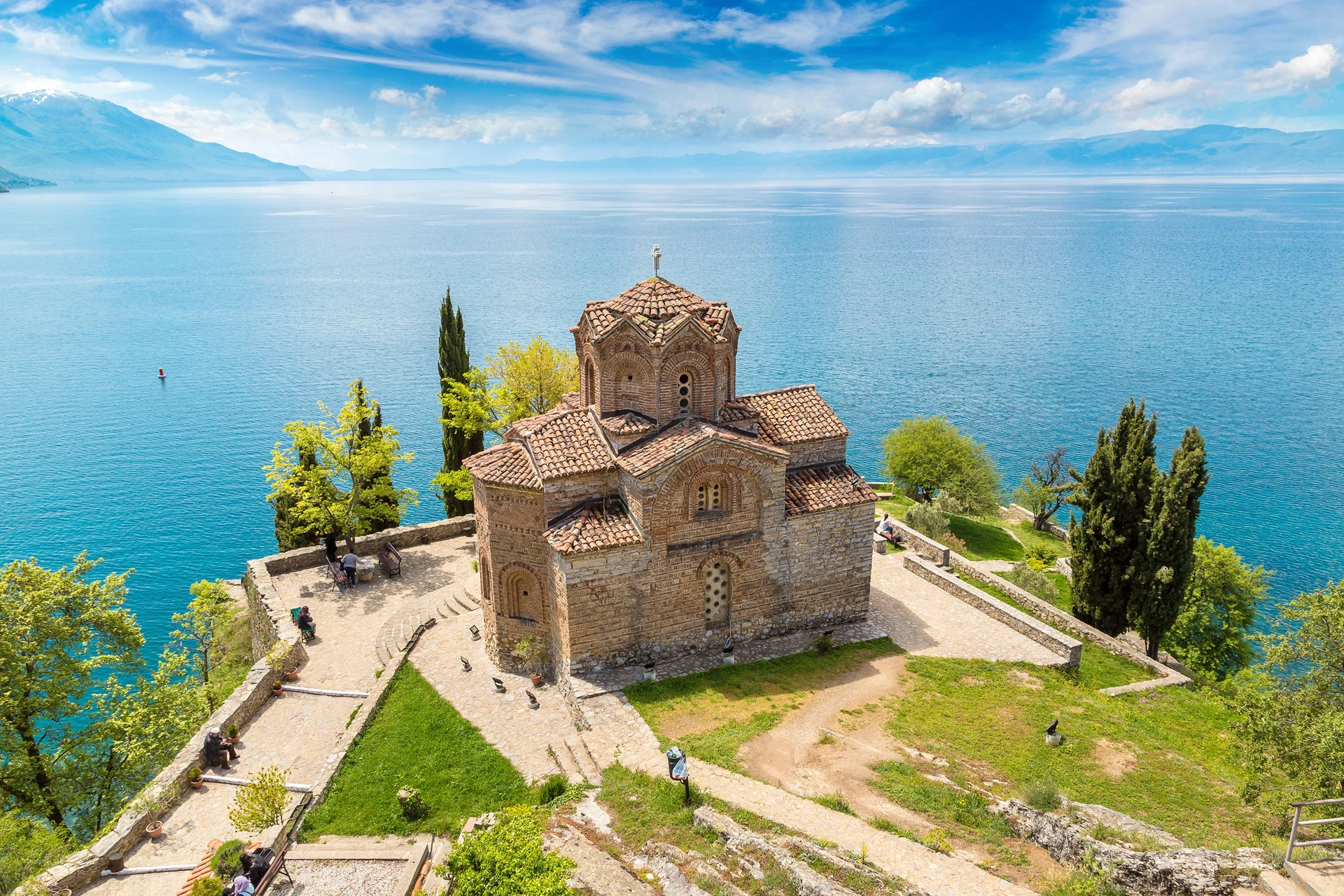
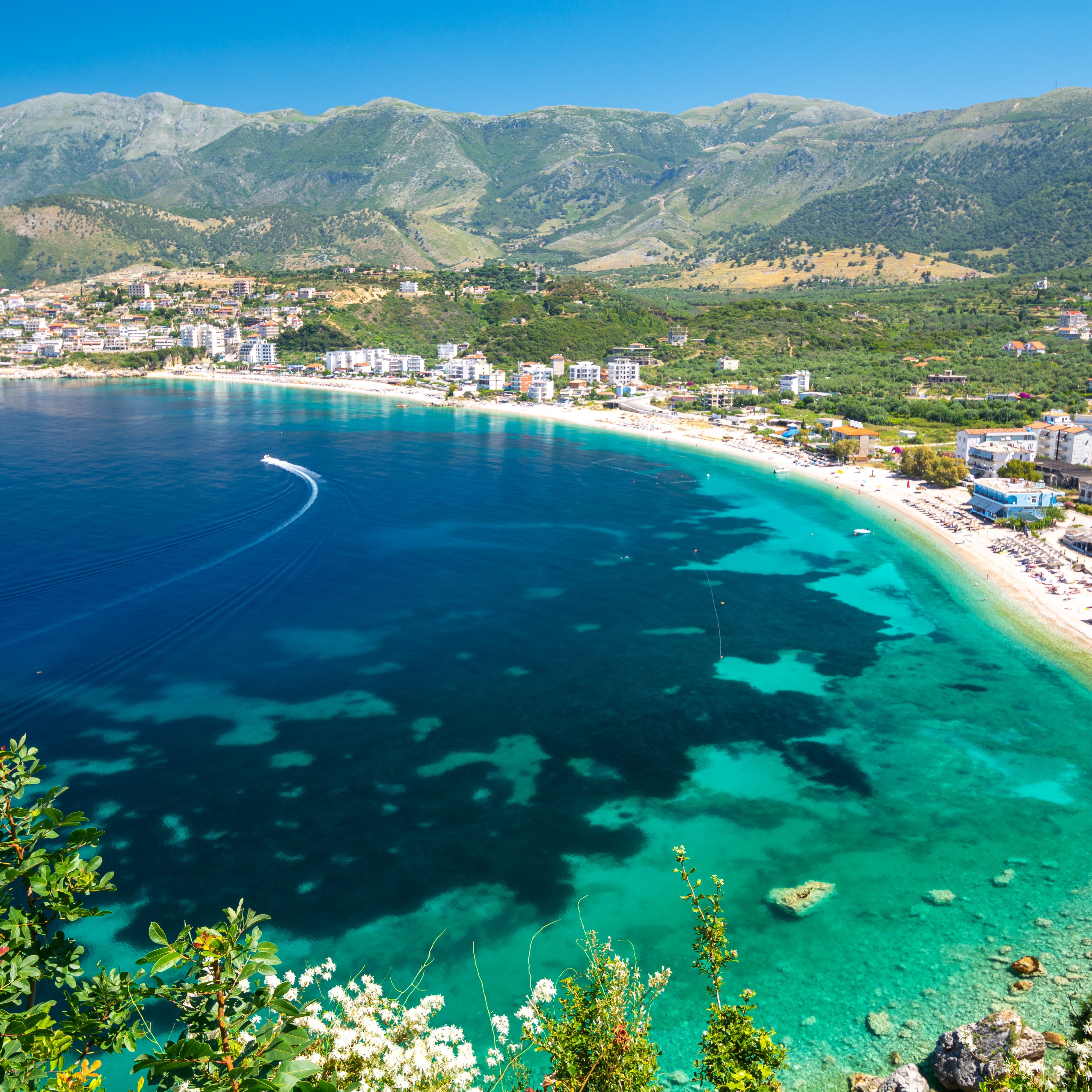
⚡ The TL;DR Verdict
If your heart beats for ancient history, serene lakes, and a truly off-the-beaten-path feel, North Macedonia is your winner, perfect for a daily budget of $45-70. But if you crave stunning beaches, a buzzing capital, and a more developed tourist infrastructure (albeit still raw), Albania beckons, typically costing $55-85 a day. Both offer incredible value, just different flavors.
- Choose North Macedonia: Pick North Macedonia if you're a history buff, a nature lover seeking tranquility over crowds, or a budget-conscious traveler looking for authentic Balkan charm and amazing hiking.
- Choose Albania: Opt for Albania if you dream of Adriatic beaches, vibrant city life, a slightly more 'developed' backpacker trail, and don't mind a bit of a chaotic but exhilarating travel experience.
- Choose Both: Absolutely do both if you have 10-14 days! Start in Tirana, head south to the Albanian Riviera, then cross over to Ohrid in North Macedonia for a blend of stunning coastlines, ancient sites, and mountain serenity.
Quick Comparison
| Category | North Macedonia | Albania | Winner |
|---|---|---|---|
| Costs & Budget | Extremely affordable, great value for accommodation, food, and transport. Cheaper for off-season travel. | Still budget-friendly, but slightly pricier, especially on the coast and in Tirana. Can splurge more easily. | North Macedonia |
| Nature & Outdoors | Stunning lakes (Ohrid, Prespa), rugged mountains (Pelister, Shar), excellent hiking and winter sports. | Dramatic coastal landscapes, Albanian Alps (Prokletije), beautiful rivers (Osum Canyon), more diverse. | Albania |
| Beaches & Coastline | Lakeside beaches (Ohrid, Prespa), serene and historical, less of a 'beach vacation' vibe. | Stunning Adriatic & Ionian coast, famous Riviera, vibrant beach towns, clear waters. | Albania |
| Culture & History | Ancient Roman, Ottoman, and Byzantine history, Orthodox monasteries, rich folklore, unique Macedonian identity. | Illyrian, Roman, Ottoman, and Communist influences; Skanderbeg heroics, unique Bektashi faith, vibrant traditions. | Tie |
| Food & Drink | Hearty, comforting Balkan food; Tavče Gravče, Ajvar, Shopska Salad, Macedonian wine, rakija. | Mediterranean influence, fresh seafood, Byrek, Tave Kosi, strong coffee culture, craft beer scene. | Tie |
| Getting Around | Reliant on buses, some train lines (limited), easy to self-drive, good road quality. | Buses (furgons) are primary, roads can be challenging, but rental cars are popular for coast. | North Macedonia |
| Safety & Vibe | Very safe, welcoming locals, relaxed atmosphere, less touristy, quiet. | Generally safe but more chaotic, petty crime in cities, vibrant and lively, rapidly developing. | North Macedonia |
| Accommodation | Great value, diverse options from hostels to boutique hotels, guesthouses common. | Rapidly improving options, from budget hostels to luxury resorts, more chain hotels appearing. | North Macedonia |
| Nightlife & Entertainment | Lively but local pubs, relaxed cafe culture, fewer big clubs, more traditional entertainment. | Vibrant and growing club scene in Tirana, lively beach bars on the Riviera, strong cafe culture. | Albania |
| Solo Travel Friendliness | Extremely safe, easy to meet locals, slower pace, well-connected hostels, less crowded. | Generally safe, more established backpacker trail, vibrant cities, can be overwhelming for some. | North Macedonia |
💰 Costs & Budget
North Macedonia is hands down one of Europe's cheapest destinations. You can easily find a decent private room in Skopje or Ohrid for 1,500-2,000 MKD ($26-35 USD) a night. A hearty traditional meal, like tavče gravče, in a local 'kafana' costs around 250-400 MKD ($4-7 USD), and a local beer is just 80-120 MKD ($1.40-2 USD). Public transport is incredibly cheap; a bus ticket in Skopje is just 30 MKD ($0.50 USD). Albania, while still affordable, will nudge your budget a bit higher, particularly along its famous Riviera. Expect to pay 3,000-5,000 ALL ($32-54 USD) for a similar private room in Sarandë or Gjirokastër. Dinner might set you back 800-1,500 ALL ($8.50-16 USD), especially for fresh seafood, and a local beer is 200-300 ALL ($2.15-3.20 USD). "Dude, I spent a week in North Macedonia and barely cracked $300, including some decent tours. Albania was maybe $450-500 for the same time, especially if you hit the beaches." Accommodation in popular Albanian beach towns like Himarë or Dhërmi can sometimes rival Western European prices in peak season if not booked in advance, whereas North Macedonia largely maintains its low prices year-round, making it a clear winner for budget travelers.
Winner takeaway
- Winner: North Macedonia
- Why: North Macedonia consistently offers lower prices across the board for accommodation, food, and activities, providing exceptional value.
- Who this matters for: Budget travelers, long-term backpackers, and anyone looking to maximize their travel funds.
🏞️ Nature & Outdoors
Albania’s natural diversity is truly breathtaking, ranging from the turquoise waters of the Ionian Sea to the rugged peaks of the Albanian Alps (often called the Accursed Mountains). The Valbona to Theth hike is legendary, a multi-day trek through stunning valleys and traditional villages that rivals anything in Europe. Then there's the Osum Canyon, perfect for rafting, and the Blue Eye natural spring near Sarandë, an incredible natural phenomenon. North Macedonia, while undeniably beautiful, focuses more on its magnificent lakes and rolling hills. Lake Ohrid, a UNESCO World Heritage site, is ancient and crystal clear, offering swimming, boating, and scenic hikes around its monasteries. Mavrovo National Park provides fantastic hiking and skiing opportunities, especially around Mount Korab, the highest peak. However, the sheer variety and scale of Albania's landscapes – from Mediterranean beaches to alpine wilderness – give it the edge. "The Theth hike in Albania was insane, seriously felt like I was in Patagonia. North Macedonia is beautiful, don't get me wrong, but Albania just has more raw, wild punch." You have coastal caves, river canyons, and incredible mountain passes like Llogara, offering panoramic views. While Ohrid is a gem, Albania offers a broader spectrum of natural adventures.
Winner takeaway
- Winner: Albania
- Why: Albania offers a more diverse and dramatic range of natural landscapes, from towering alps to stunning coastlines and canyons.
- Who this matters for: Adventure seekers, hikers, photographers, and those who crave diverse natural beauty.
🏖️ Beaches & Coastline
This is an easy win for Albania. The Albanian Riviera, stretching from Vlorë to Ksamil, boasts some of the most beautiful and surprisingly affordable beaches in Europe. Think Dhermi, Himarë, and Gjipe Beach with its canyon backdrop – all featuring crystal-clear turquoise waters, white pebble shores, and a distinct Mediterranean vibe. Ksamil, often dubbed the 'Maldives of Europe,' offers tiny islands you can swim or kayak to. A sunbed and umbrella rental at a popular beach might cost 500-1000 ALL ($5.50-11 USD) for the day. North Macedonia, being landlocked, offers beautiful freshwater lake beaches, primarily on Lake Ohrid. Sveti Naum and Gradishte are popular spots, providing clean water and a relaxed atmosphere, perfect for swimming and sunbathing. "If you want actual ocean beaches, Albania is the move. North Macedonia's lakes are pretty, but it's not the same as the Ionian Sea, especially Gjipe!" While Lake Ohrid is stunning and unique, it simply cannot compete with the vast, diverse, and genuinely world-class coastal experience Albania provides. For a true 'beach vacation,' Albania is the undisputed champion.
Winner takeaway
- Winner: Albania
- Why: Albania possesses a stunning, extensive coastline with world-class beaches along the Adriatic and Ionian Seas.
- Who this matters for: Beach lovers, sun worshippers, water sports enthusiasts, and those seeking a Mediterranean vibe.
🏛️ Culture & History
Both countries offer an incredibly rich tapestry of history and culture, making this a tough call. North Macedonia is a treasure trove of ancient history, particularly around Lake Ohrid, a UNESCO site often called the 'Jerusalem of the Balkans' due to its 365 churches. Sites like St. Naum Monastery and the Samuil's Fortress in Ohrid, or the ancient city of Heraclea Lyncestis near Bitola (entry ~100 MKD / $1.75 USD), showcase centuries of Byzantine, Roman, and Ottoman influence. Skopje itself, with its 'Skopje 2014' project, is a fascinating (if controversial) blend of ancient and modern statues and architecture. Albania's history is equally compelling, from the Roman ruins of Butrint (entry ~1000 ALL / $10.70 USD), another UNESCO site, to the Ottoman-era 'museum cities' of Gjirokastër and Berat. The legacy of its isolationist communist regime under Enver Hoxha is still palpable, with countless bunkers dotting the landscape and museums like Bunk'Art in Tirana (entry ~500 ALL / $5.40 USD) offering a deep dive into this unique past. "Albania's castles and Ottoman towns like Berat felt super authentic, but then Ohrid's monasteries in North Macedonia just have this timeless, spiritual vibe." North Macedonia's Orthodox heritage is deeply ingrained, while Albania presents a fascinating mix of Islam, Orthodox, Catholic, and the unique Bektashi faith. Both countries offer distinct, profound cultural experiences that would captivate any history enthusiast.
Winner takeaway
- Winner: Tie
- Why: Both countries offer equally rich and diverse historical narratives and vibrant cultural traditions, appealing to different historical interests.
- Who this matters for: History buffs, culture vultures, and anyone interested in ancient civilizations and diverse religious heritage.
🍽️ Food & Drink
Food in both North Macedonia and Albania is delicious, hearty, and reflects their Balkan and Ottoman heritage, with each having distinct specialties. North Macedonian cuisine is comfort food at its best. Think Tavče Gravče (baked beans in an earthenware pot), Shopska Salad (fresh, diced vegetables with grated sirene cheese), Kebapi (grilled minced meat), and the ubiquitous Ajvar (roasted red pepper spread). The local wines, particularly from Tikveš, are surprisingly good and incredibly affordable (a decent bottle for 300-500 MKD / $5-9 USD). Rakija, a strong fruit brandy, is also a staple. Albania leans more towards Mediterranean flavors, especially along the coast with abundant fresh seafood (a grilled fish platter can be 1,500-2,500 ALL / $16-27 USD). Must-tries include Byrek (savory pastry), Tave Kosi (baked lamb with yogurt), and Fergesë (a delicious mix of peppers, tomatoes, and cottage cheese). Tirana has a burgeoning craft beer scene and a sophisticated café culture. "I absolutely loved the Tavče Gravče in Ohrid, but the fresh seafood pasta I had in Himarë was next level. Can't pick, honestly." Both countries excel in simple, fresh ingredients and generous portions. North Macedonia offers a more rustic, traditional Balkan plate, while Albania provides a broader spectrum, incorporating more seafood and a growing modern culinary scene, making it a tie as personal preference will dictate which style you favor more.
Winner takeaway
- Winner: Tie
- Why: Both destinations offer distinct, delicious culinary experiences rooted in regional traditions, catering to different flavor preferences.
- Who this matters for: Foodies, gourmands, and anyone looking to explore authentic regional flavors and local drinks.
🚌 Getting Around
Getting around North Macedonia is generally more straightforward and reliable. The bus network is comprehensive, connecting major cities like Skopje, Ohrid, and Bitola efficiently. A bus from Skopje to Ohrid costs around 500-600 MKD ($9-10 USD) and takes about 3 hours. Roads are generally in good condition, and renting a car (expect €25-40/day) is a pleasant experience, allowing exploration of national parks and smaller villages. The country is also relatively compact. Albania’s public transport is dominated by the 'furgon' (minibus) system, which, while cheap and frequent, can be chaotic and without fixed schedules. Long-distance buses are improving, but journey times can be extended due to road conditions, especially in mountainous areas or during peak summer traffic on the coast. "Driving in Albania was definitely an adventure, especially with some of those mountain passes. North Macedonia felt way calmer, easier to navigate." Renting a car in Albania (similar price range) is popular for exploring the Riviera, but be prepared for aggressive driving habits and less-maintained roads in rural areas. While the furgons offer a unique cultural experience, North Macedonia's more organized and generally better-maintained transport infrastructure makes it a smoother travel experience.
Winner takeaway
- Winner: North Macedonia
- Why: North Macedonia offers a more reliable, comfortable, and generally safer public and private transport experience with better roads.
- Who this matters for: Travelers prioritizing ease of transit, comfort, and predictable schedules, or those planning to self-drive extensively.
🛡️ Safety & Vibe
North Macedonia feels incredibly safe and welcoming. Locals are generally friendly, curious, and eager to help, especially outside of Skopje. The overall vibe is relaxed and unhurried, with a strong sense of community. Petty crime is very low, and travelers, including solo females, often report feeling extremely secure even at night. Skopje can feel a bit quiet in the evenings compared to Tirana, but its charm lies in its authenticity. Albania is also generally safe for tourists, but it has a more chaotic and boisterous energy, particularly in cities like Tirana. Petty crime, like pickpocketing, is more prevalent in crowded tourist areas, similar to other major European cities. Driving can be an adventure due to aggressive local habits. "I felt super chill walking around Ohrid alone at night, never once looked over my shoulder. Tirana was fun, but I was definitely more aware of my surroundings." While Albanians are hospitable, their direct communication style can sometimes be perceived differently by Westerners. The rapidly developing tourism industry means things are changing quickly, but North Macedonia’s consistent low-key, friendly, and very safe atmosphere gives it the edge for a truly worry-free travel experience.
Winner takeaway
- Winner: North Macedonia
- Why: North Macedonia consistently provides a more serene, extremely safe, and universally welcoming atmosphere for all travelers.
- Who this matters for: Solo travelers, families, and anyone prioritizing a very safe and relaxed travel environment.
🛌 Accommodation
North Macedonia consistently offers excellent value for money across all accommodation types. You can find well-rated hostels in Skopje or Ohrid for as little as 500-800 MKD ($9-14 USD) for a dorm bed. Charming guesthouses and family-run apartments are plentiful, often costing 1,500-2,500 MKD ($26-43 USD) for a comfortable double room. Even boutique hotels won't break the bank, typically under 4,000 MKD ($70 USD) a night. The competition isn't as fierce as in more popular destinations, keeping prices stable and quality high. Albania’s accommodation scene is rapidly developing. While you can find budget hostels in Tirana for 1,000-1,500 ALL ($11-16 USD) a night, and charming guesthouses in Berat or Gjirokastër for 3,000-5,000 ALL ($32-54 USD), prices along the Riviera, especially in peak season, can skyrocket for anything decent. "Finding a last-minute decent place in Himarë in July was a nightmare and cost me a fortune. Ohrid had amazing options for way less, even during peak season." While Albania offers more high-end resorts and international chains, the consistent quality, affordability, and authentic charm of accommodation in North Macedonia make it a winner for overall traveler value.
Winner takeaway
- Winner: North Macedonia
- Why: North Macedonia offers consistently better value and more stable pricing for a wide range of accommodation options.
- Who this matters for: Budget travelers, those seeking authentic guesthouse experiences, and anyone looking for great value.
🌃 Nightlife & Entertainment
Albania, particularly its capital Tirana, boasts a more dynamic and diverse nightlife scene. The Blloku area in Tirana, once restricted, is now a hub of stylish bars, trendy cafes, and pulsating clubs that stay open late. You can find everything from sophisticated cocktail lounges to techno clubs. Along the Albanian Riviera, beach bars in places like Dhërmi and Sarandë come alive in summer with live music and DJ sets, often featuring international acts. A cocktail might set you back 800-1,200 ALL ($8.50-13 USD). North Macedonia's nightlife is more laid-back and local-focused. Skopje has a decent selection of pubs and bars in the Old Bazaar and Debar Maalo areas, offering a friendly atmosphere and live music, often traditional Macedonian. Ohrid, while bustling in summer, focuses more on lakeside cafes and relaxed evening strolls along the promenade. "Tirana's Blloku district absolutely blew me away, clubs packed until 4 AM. Skopje was fun for a few beers, but not the same energy." While you can certainly have a good time in North Macedonia, Albania offers more options for those seeking a lively, energetic club and bar scene, especially during the warmer months.
Winner takeaway
- Winner: Albania
- Why: Albania, especially Tirana and its coastal towns, offers a more vibrant, diverse, and modern nightlife and entertainment scene.
- Who this matters for: Party-goers, night owls, and travelers looking for a lively social scene after dark.
🚶♀️ Solo Travel Friendliness
North Macedonia is an absolute gem for solo travelers. Its inherent safety, combined with a relaxed pace and genuinely friendly locals, makes it incredibly easy to navigate and feel comfortable. Hostels in Skopje (like Urban Hostel & Apartments) and Ohrid (like Sunny Lake Hostel) are well-regarded, offering easy opportunities to meet other travelers without feeling overwhelmed by crowds. The smaller scale of the country means getting around is less stressful, and the low cost makes solo travel very budget-friendly. You'll often find locals eager to chat, particularly if you're exploring off the main tourist routes. Albania is also largely safe for solo travelers and has a more established backpacker circuit, especially along the coast and in Tirana, which means more organized tours and social hostel environments (e.g., Trip'n'Hostel in Tirana). However, the public transport system can be a bit more challenging to navigate independently due to the furgon system's less formal structure, and the general chaos of city traffic can be a little much for some solo adventurers. "I felt completely at ease in North Macedonia, could just wander anywhere. Albania was cool, but a bit more intense to figure out logistics on my own." The slower, more predictable pace and consistently high safety perception in North Macedonia ultimately make it a slightly more serene and less intimidating choice for solo exploration.
Winner takeaway
- Winner: North Macedonia
- Why: North Macedonia's exceptional safety, relaxed pace, and ease of navigation make it slightly more ideal for solo travelers seeking a worry-free experience.
- Who this matters for: First-time solo travelers, those seeking a peaceful journey, and travelers prioritizing extreme safety and ease.
❓ Frequently Asked Questions
Which country is better for hiking?
Albania offers more dramatic and diverse hiking, especially in the Albanian Alps (Valbona-Theth trek). North Macedonia has excellent, well-marked trails around Lake Ohrid and in Mavrovo National Park, but Albania's scale and variety are unmatched for serious hikers.
Is English widely spoken in North Macedonia and Albania?
In both countries, English is generally understood in tourist areas, hotels, and by younger generations. In North Macedonia, especially outside Skopje and Ohrid, it can be less common. In Albania, particularly in Tirana and coastal towns, you'll find more English speakers, but learning a few basic phrases in Macedonian or Albanian is always appreciated.
Which country has better historical sites?
It's a tie, but with different focuses. North Macedonia excels with its Byzantine churches and ancient Roman ruins, particularly around Ohrid (St. Naum, Samuil's Fortress). Albania offers stunning Ottoman cities (Berat, Gjirokastër) and ancient Greek/Roman sites like Butrint, plus unique communist-era bunkers. Both are rich in history, just different flavors.
What's the best time of year to visit both?
For both, late spring (May-June) and early autumn (September-October) are ideal. The weather is pleasant, crowds are thinner, and prices are more reasonable. July and August are peak season, especially on Albania's coast, with higher temperatures and more tourists.
Can I easily travel between North Macedonia and Albania?
Yes, direct buses connect Skopje and Ohrid (North Macedonia) with Tirana and other Albanian cities. The journey from Ohrid to Tirana is particularly common and takes around 3-4 hours. Border crossings are generally straightforward, but always have your passport ready and check visa requirements.
Which country is better for families with young children?
North Macedonia might be slightly better for families due to its calmer pace, extremely safe environment, and accessible lake activities. Albania's vibrant beaches are great, but the more chaotic driving and crowded coastal towns in peak season might be less relaxing for families with very young kids.
What local currency do they use?
North Macedonia uses the Macedonian Denar (MKD). Albania uses the Albanian Lek (ALL). It's always good to have some local cash, especially in smaller towns, although cards are accepted in most major establishments in both countries.
Are there any specific cultural etiquette tips I should know?
In both countries, showing respect for religious sites (dressing modestly) is important. Hospitality is highly valued; accepting offered coffee or food is a sign of good manners. Tipping around 10% is customary in restaurants. In Albania, avoiding discussions about politics, especially the communist past, with strangers is often advisable.
Ready to plan your Balkan adventure?
Get a free custom itinerary for North Macedonia, Albania, or both — built from real traveler insights.
🎟️ Book Tours & Experiences
Hand-picked tours and activities for both destinations — book with free cancellation
Experiences via Viator — free cancellation on most tours