How we built this comparison
This page combines traveler discussion patterns, published price ranges, flight schedules, and seasonal data to help you decide between Northern Italy and Southern Italy.
- Reviewed 100+ Reddit threads from r/travel, r/solotravel, r/ItalyTravel, and similar communities for authentic traveler insights.
- Verified costs and logistics against current booking platforms (e.g., Trenitalia, Booking.com, local tour operators) for realistic pricing.
- Cross-referenced seasonal patterns, weather data, and major event calendars to provide accurate 'best time to visit' advice.
⚡ The TL;DR Verdict
For those craving art, high fashion, efficient travel, and alpine adventures, Northern Italy is your go-to, with a daily budget typically ranging from €120-€250 ($130-$270). If authentic local experiences, stunning coastlines, ancient history, and incredible value are your priorities, Southern Italy beckons, often doable on €70-€150 ($75-$160) per day.
- Choose Northern Italy: Perfect for first-timers, culture vultures, luxury seekers, and those prioritizing convenience, efficient infrastructure, and cooler weather pursuits like hiking in the Dolomites or exploring Renaissance masterpieces.
- Choose Southern Italy: Ideal for budget-conscious travelers, foodies, beach lovers, history buffs seeking ancient ruins, and anyone looking for a more relaxed, authentic, and off-the-beaten-path Italian experience.
- Choose Both: If you have 2-3 weeks, you can absolutely experience both! Start North for the big hitters, then fly or take a high-speed train South for a change of pace and scenery. Fly into Milan/Venice, fly out of Naples/Palermo.
Quick Comparison
| Category | Northern Italy | Southern Italy | Winner |
|---|---|---|---|
| Costs & Budget | Significantly higher costs for accommodation, food, and transport, reflecting developed infrastructure and popular tourist hubs. | Much more budget-friendly across the board, offering excellent value for accommodation, dining, and activities. | Southern Italy |
| Food & Drink | Refined, rich cuisine with regional specialties like risotto, pesto, polenta, and world-renowned wines. More international options in major cities. | Rustic, flavorful, and often simple cuisine focused on fresh, local ingredients, seafood, pizza, and hearty pasta dishes. Incredible street food. | Tie |
| Culture & History | Home to Renaissance art, Roman influence, medieval towns, and operatic traditions. Think Uffizi, Doge's Palace, Duomo. | Rich in ancient Greek and Roman ruins, Byzantine mosaics, vibrant Baroque architecture, and unique cultural traditions often tied to folklore and seafaring. | Northern Italy |
| Nature & Scenery | Majestic Dolomites, stunning Italian Lakes (Como, Garda), rolling Tuscan hills, and vibrant Cinque Terre coastline. | Dramatic Amalfi Coast, volcanic landscapes (Vesuvius, Etna), pristine beaches, rugged national parks (Pollino, Cilento), and charming islands. | Northern Italy |
| Beaches & Coastlines | Charming but often rocky beaches along the Riviera, Venetian Lido, and some lake beaches. Less primary focus. | Stunning, often sandy beaches, dramatic cliffs, crystal-clear turquoise waters, and vibrant coastal towns. Primary focus for many. | Southern Italy |
| Getting Around | Excellent, efficient, and extensive high-speed train network connecting major cities and popular tourist destinations. | Less developed public transport, often requiring more reliance on buses, regional trains (slower), or rental cars, especially outside major hubs. | Northern Italy |
| Nightlife & Entertainment | Vibrant club scenes in cities like Milan, lively aperitivo culture, opera houses, and sophisticated bars. | More relaxed, street-oriented nightlife, bustling piazzas, local bars, and traditional music. Less emphasis on large clubs. | Northern Italy |
| Accommodation | Higher prices, fewer budget options, but a wider range of luxury hotels, boutique stays, and agriturismos in rural areas. | Significantly more affordable, with charming B&Bs, guesthouses, and family-run hotels offering great value and authentic stays. | Southern Italy |
| Family Travel | Easier logistics, more kid-friendly attractions (theme parks, interactive museums), and generally higher safety perception. | More adventurous, authentic experiences; less established infrastructure for very young children, but older kids might enjoy the raw history and beaches. | Northern Italy |
| Pace of Travel | Often faster-paced, with travelers moving between major cities, packed itineraries, and a more 'sightseeing' mentality. | More relaxed, slower pace of life, encouraging lingering, enjoying local culture, and spontaneous exploration. | Southern Italy |
💰 Costs & Budget
This is where Southern Italy truly shines for the budget-conscious traveler. In Northern cities like Venice or Florence, a decent hostel bed can easily run you €40-€60 ($45-$65) a night, and a basic hotel room €120-€200 ($130-$215). Meals can quickly add up too, with a simple pasta dish often €15-€20 ($16-$22). Compare this to Southern Italy, where you can find charming B&Bs in Puglia or Sicily for €60-€90 ($65-$95) per night, and a delicious, multi-course meal (primo, secondo, contorno) for €20-€30 ($22-$33) in places like Naples or Lecce. Local transport is also cheaper. Expect a Northern espresso to be €1.50-€2, while in the South, it's often still €1. The difference is palpable, especially over a longer trip. "Dude, I spent a week in Sicily for what I blew in three days in Florence, no joke. The food was better too." This isn't just about saving pennies; it's about getting more for your Euro.
Winner takeaway
- Winner: Southern Italy
- Why: Southern Italy offers significantly more bang for your buck, making travel more accessible and extended stays more feasible.
- Who this matters for: Budget travelers, long-term backpackers, and anyone who wants to stretch their travel funds without compromising on experience.
🍝 Food & Drink
Both regions boast world-class food, but the styles are distinct. Northern Italy is known for its richer, often butter-based dishes, like the creamy risottos of Lombardy, the rich bolognese of Emilia-Romagna, and the exquisite truffles of Piedmont. Think Michelin-starred dining in Milan or traditional trattorias in Tuscany serving Florentine steak (Bistecca alla Fiorentina) for €40-€60 ($43-$65). The wines, from Barolo to Chianti, are legendary. Southern Italy, on the other hand, is a haven for olive oil, fresh vegetables, incredible seafood, and, of course, pizza. Naples is the birthplace of pizza (try L'Antica Pizzeria da Michele for a classic Margherita for ~€5!), and Puglia offers orecchiette pasta with turnip tops (orecchiette con cime di rapa). Street food like arancini in Sicily or fried seafood in Bari is phenomenal and cheap. While Northern cuisine might be more 'refined,' Southern food is pure soul and authenticity, often found in a bustling market or a family-run 'nonna's kitchen.' "Honestly, I thought Northern food was good, but Southern Italian food just *hits* different. So fresh, so simple, so much flavor, and you can eat like a king for €20." For a tabiji.ai traveler, it's about preference: elegance vs. rustic charm.
Winner takeaway
- Winner: Tie
- Why: Both regions offer unique and unparalleled culinary experiences, making it impossible to pick a single winner without personal preference.
- Who this matters for: All travelers; foodies will find distinct delights in both, depending on their preferred style of cuisine.
🏛️ Culture & History
Northern Italy is a cultural powerhouse, boasting iconic cities like Florence, the cradle of the Renaissance, with masterpieces at the Uffizi Gallery (€26-€30/$28-$33) and the Duomo. Venice offers unique Byzantine and Gothic architecture with its canals and Doge's Palace (€30/$33). Milan is a hub for fashion, design, and opera (La Scala tours for €9/$10). The historical layers are immense, from Roman ruins in Verona to medieval castles in Trento. Southern Italy, however, offers a different, equally profound historical narrative. Pompeii and Herculaneum (€18-€22/$19-$24) near Naples provide an unparalleled glimpse into Roman life, frozen in time. Sicily is a melting pot of Greek temples (Valley of the Temples in Agrigento for €12/$13), Roman villas, Norman cathedrals, and Baroque towns like Noto. Puglia boasts trulli houses and unique cave dwellings in Matera (Sassi di Matera). While Northern Italy's history feels grander and more 'textbook,' Southern Italy's history is raw, visible, and deeply interwoven with the landscape. "Northern Italy has the famous museums and art, but the sheer ancient history and raw emotion of Pompeii or the Greek temples in Sicily blew my mind more." For tabiji.ai users seeking specific cultural experiences, Northern Italy edges out for its sheer volume of globally recognized art and historical landmarks, perfect for a curated itinerary.
Winner takeaway
- Winner: Northern Italy
- Why: Northern Italy holds a higher concentration of globally recognized Renaissance art, Roman history, and medieval sites that are often top draws for first-time visitors.
- Who this matters for: Art historians, museum lovers, those seeking iconic historical landmarks, and first-time visitors to Italy.
🏞️ Nature & Scenery
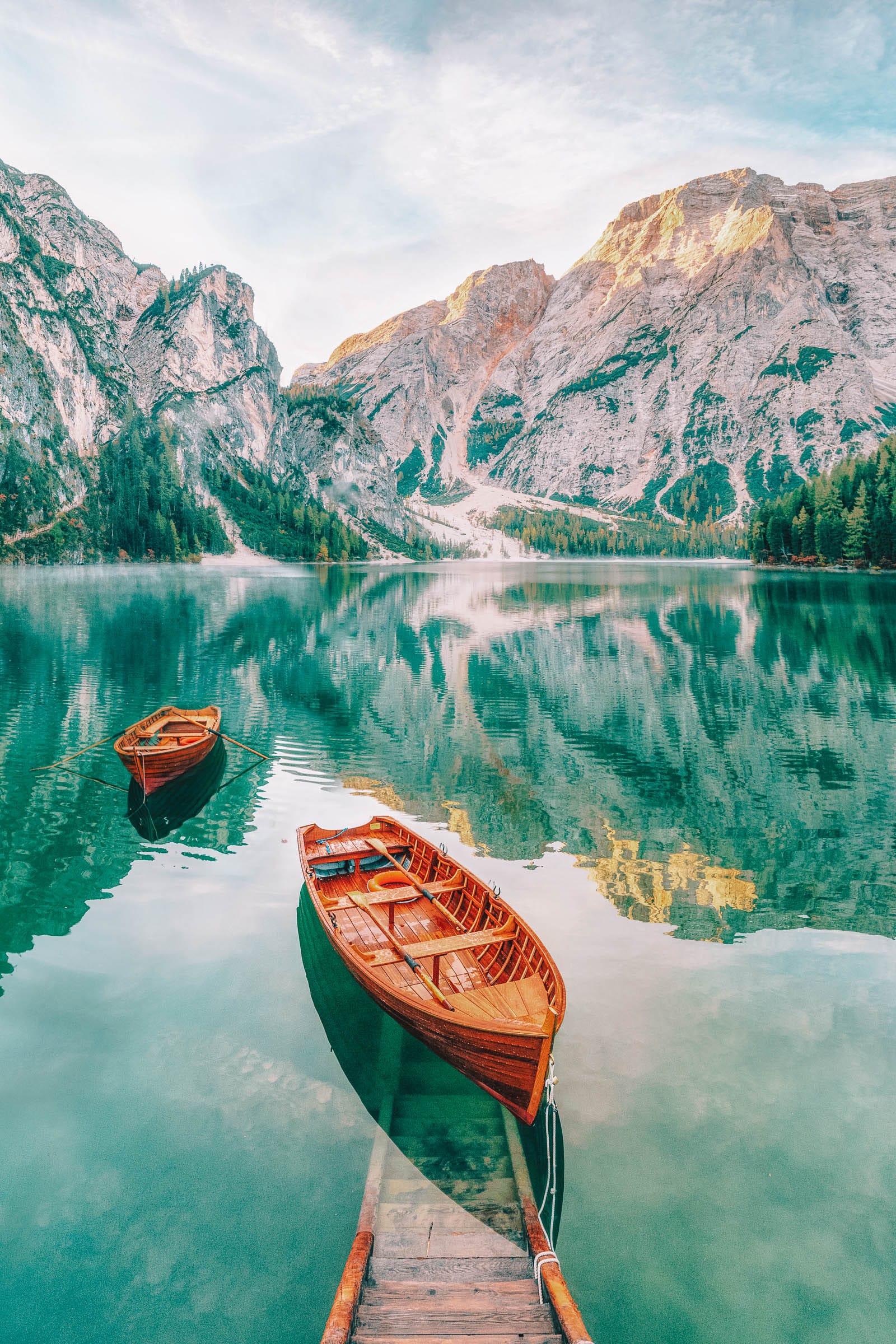
Northern Italy provides a staggering array of diverse natural beauty. The Dolomites, a UNESCO World Heritage site, offer breathtaking alpine scenery perfect for hiking, skiing, and photography (cable car rides can be €20-€35/$22-$38). Lake Como, Garda, and Maggiore are renowned for their picturesque towns, luxurious villas, and serene waters. Tuscany's iconic rolling hills, cypress trees, and vineyards are postcard-perfect, especially for cycling or scenic drives. Even the rugged coastal beauty of Cinque Terre, with its colorful cliffside villages, is globally famous. Southern Italy, while incredibly beautiful, often leans into coastal drama. The Amalfi Coast is stunning but crowded, and Mount Vesuvius offers a powerful, albeit stark, landscape. Sicily's Mount Etna provides an active volcano experience, and its beaches are beautiful. However, the sheer variety and scale of Northern Italy's natural wonders, from the high mountains to the serene lakes and the iconic Tuscan countryside, often leave a deeper impression for a broader range of travelers. "The Dolomites blew my mind. I've seen mountains, but nothing like those jagged peaks. Amalfi was pretty, but felt a bit like a theme park after a while." The sheer diversity and accessibility of Northern Italy's natural offerings give it the edge for a tabiji.ai curated experience.
Winner takeaway
- Winner: Northern Italy
- Why: Northern Italy offers a wider and more diverse range of iconic natural landscapes, from majestic mountains and serene lakes to rolling hills and dramatic coastlines.
- Who this matters for: Hikers, nature photographers, outdoor enthusiasts, and those seeking varied scenic beauty beyond just beaches.
🏖️ Beaches & Coastlines
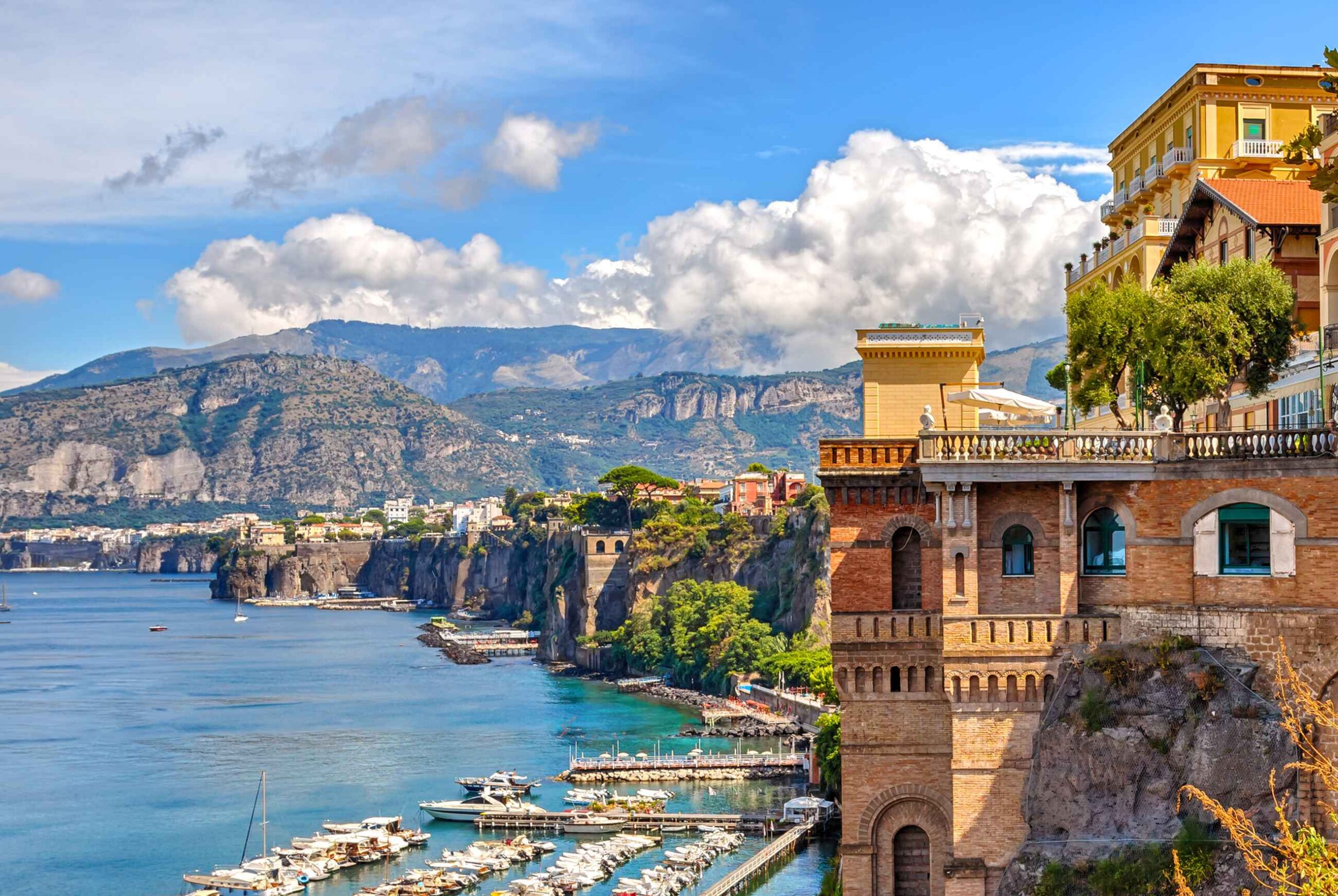
If your dream Italian vacation involves sun-kissed beaches and sparkling turquoise waters, Southern Italy is your undisputed champion. The Amalfi Coast, with its dramatic cliffs and hidden coves, is iconic, though often crowded (a boat tour from Positano might be €50-€100/$55-$110). Puglia boasts miles of pristine sandy beaches like Pescoluse (known as the 'Maldives of Salento') and the dramatic rocky coastline of Polignano a Mare. Sicily offers diverse coastal beauty, from the white sands of San Vito Lo Capo to the volcanic black beaches near Taormina, often with clearer, warmer waters than the North. Even Calabria and Sardinia (though geographically distinct from mainland 'Southern Italy' for this comparison, often grouped for beach appeal) offer incredible coastlines. Northern Italy has its charms, like the Italian Riviera (Cinque Terre has small, pebbly beaches) or the Lido di Venezia, but these are often crowded, less pristine, or simply not the main draw. The focus is more on charming towns than vast sandy stretches. "Forget the crowded spots on the Riviera. Head South, get yourself to Puglia or Sicily. The water is insane, and you can actually find quiet spots without breaking the bank for a sun lounger, which can be €20-€30 up North." For tabiji.ai users prioritizing a beach-centric trip, the South is the clear winner.
Winner takeaway
- Winner: Southern Italy
- Why: Southern Italy boasts more extensive, stunning, and diverse beaches with warmer, clearer waters, making it the superior choice for a beach holiday.
- Who this matters for: Beach lovers, sun worshippers, swimmers, snorkelers, and those dreaming of picturesque coastal towns.
🚆 Getting Around
Navigating Northern Italy is a breeze thanks to its highly efficient and extensive train system. High-speed trains like Frecciarossa connect cities like Milan, Venice, Florence, and Bologna in just a few hours, often with fares from €30-€70 ($33-$75) when booked in advance. Regional trains are also frequent and reliable for smaller towns. This makes planning multi-city itineraries straightforward and stress-free, without needing a car. Southern Italy's public transport, while present, is less robust and often slower. While major cities like Naples are connected by train, venturing into smaller towns in Puglia or along the Amalfi Coast often requires a mix of regional trains, local buses (which can be infrequent or unreliable), or, most commonly, a rental car. Driving in the South can be an adventure in itself, with narrow roads and aggressive drivers. "The trains up North are a lifesaver. You can zip between cities, read a book, and just relax. Down South, I felt like I was constantly checking bus schedules or trying to find parking, which was a nightmare in Salerno." For seamless travel and maximizing sightseeing time, Northern Italy is the clear winner. For tabiji.ai, this translates to easier itinerary building.
Winner takeaway
- Winner: Northern Italy
- Why: Northern Italy's advanced, efficient, and extensive train network makes inter-city travel incredibly easy and convenient for tourists.
- Who this matters for: Travelers without a car, those prioritizing convenience, first-time visitors, and anyone planning a multi-city itinerary.
🕺 Nightlife & Entertainment
For those seeking bustling nightlife and diverse entertainment, Northern Italy generally offers more options. Milan is a fashion capital and boasts a sophisticated club scene, especially around the Navigli district, with cover charges often €15-€30 ($16-$33) including a drink. Florence and Venice have a lively aperitivo culture, with chic bars and wine bars around the Arno or canals, and often host cultural events, concerts, and opera performances. Even smaller cities have a vibrant evening buzz. Southern Italy's nightlife is typically more relaxed and centered around local piazzas, trattorias, and seaside promenades. Naples has a lively student scene, and popular tourist towns like Sorrento or Positano offer plenty of bars with stunning views. However, the large-scale clubbing or diverse entertainment venues found in the North are less common. Expect more impromptu street gatherings, live folk music, or simply enjoying a glass of wine at a local bar. "If you're looking for big clubs and late-night parties, Milan is your spot. Down South, it's more about long dinners and chilling in the piazza with a limoncello, which is cool, but different." For tabiji.ai users looking for a variety of evening entertainment options beyond just dining, Northern Italy provides more choices.
Winner takeaway
- Winner: Northern Italy
- Why: Northern Italy's major cities offer a more diverse and vibrant nightlife, including extensive club scenes, sophisticated bars, and a rich cultural calendar.
- Who this matters for: Younger travelers, party-goers, urban explorers, and those seeking varied evening entertainment beyond just quiet dining.
🏨 Accommodation
Accommodation costs are a major differentiator. In Northern Italy, particularly in major tourist hubs like Venice, Florence, or Lake Como, even mid-range hotels can be expensive. A decent 3-star hotel in Florence might start at €150-€250 ($160-$270) per night, and a hostel bed can still be €40-€60 ($45-$65). Luxury options are plentiful but come with a hefty price tag. In contrast, Southern Italy offers exceptional value. You can find beautiful, well-located B&Bs or family-run guesthouses in cities like Lecce, Matera, or Palermo for €60-€100 ($65-$110) per night. Even on the popular Amalfi Coast, while still pricier than other parts of the South, you can find good deals if you book in advance or stay in towns slightly off the main tourist path, like Vietri sul Mare. Agriturismos (farm stays) in Puglia or Sicily offer immersive, affordable experiences. "I splurged on a fancy hotel in Milan, but down in Puglia, I got a gorgeous masseria stay for less than half the price and it felt way more authentic." This affordability in the South allows for longer stays or for travelers to upgrade their accommodation experience significantly for the same budget.
Winner takeaway
- Winner: Southern Italy
- Why: Southern Italy provides substantially more affordable accommodation options, allowing travelers to enjoy charming and authentic stays for less.
- Who this matters for: Budget-conscious travelers, those looking for longer stays, and anyone prioritizing value and local experiences over luxury brands.
👨👩👧👦 Family Travel
For families, Northern Italy generally offers a smoother, more comfortable experience. The efficient train system means less stress getting around with luggage and kids. Cities like Florence and Venice are relatively easy to navigate on foot, and many museums (like the Leonardo da Vinci Museum in Florence, tickets around €10-€15/$11-$16) cater to younger audiences. Lake Garda even has Gardaland, Italy's largest amusement park (day tickets around €45-€50/$49-$55). The infrastructure for families, from changing facilities to stroller accessibility, is typically better. Southern Italy, while offering incredible experiences, can be more challenging with very young children. Public transport is less reliable, roads are often narrower, and some historical sites (like Pompeii) require a lot of walking over uneven terrain. However, older children might love exploring ancient ruins, playing on the beautiful beaches, or hiking Mount Vesuvius. "Traveling with toddlers in Northern Italy was manageable. Smooth trains, plenty of parks. Down South, we loved the beaches, but getting around with a stroller was a real pain outside the bigger towns." While both regions can be family-friendly, Northern Italy's convenience and established attractions make it a slightly easier choice for many.
Winner takeaway
- Winner: Northern Italy
- Why: Northern Italy offers superior infrastructure, more easily accessible family-friendly attractions, and more convenient travel logistics for those with children.
- Who this matters for: Families with young children, those prioritizing convenience and safety, and travelers seeking established tourist amenities.
🐢 Pace of Travel
The rhythm of life undeniably shifts as you head south in Italy. Northern Italy, with its efficient transport and concentration of world-famous sights, often encourages a faster pace. Travelers frequently hop from Milan to Venice to Florence, ticking off bucket-list items. It’s easy to feel rushed trying to see it all, especially with entrance fees for major attractions like the Uffizi (€26-€30/$28-$33) or the Colosseum (technically central, but often paired with North; €18/$20) urging you to maximize your time. Southern Italy, conversely, invites you to slow down. The pace is more languid, life unfolds in the piazzas, and meals are meant to be savored over hours. There's less pressure to rush from one landmark to the next, and more emphasis on soaking in the atmosphere, interacting with locals, and simply 'being.' This is perfect for leisurely beach days in Puglia, extended lunches in Sicily, or exploring the narrow streets of Naples without a strict timetable. "I loved Northern Italy, but it felt like a race. Southern Italy, though? I just chilled, drank espresso, watched the world go by. It felt like a proper vacation." For those looking to truly unwind and immerse themselves in the Italian way of life, the slower pace of the South is a significant advantage.
Winner takeaway
- Winner: Southern Italy
- Why: Southern Italy's inherently slower, more relaxed pace of life encourages deeper immersion and more enjoyable, less rushed travel experiences.
- Who this matters for: Relaxed travelers, those seeking immersion in local culture, slow travel enthusiasts, and anyone looking to truly unwind on vacation.
❓ Frequently Asked Questions
Is Northern or Southern Italy better for a first-time visitor?
For a first-time visitor, Northern Italy often provides an easier introduction due to its superior infrastructure, concentration of world-famous art cities, and overall convenience. Florence, Venice, and Milan offer iconic experiences that align with many first-timer's expectations of Italy. However, if your ideal first trip is more about stunning beaches, ancient ruins, and a vibrant, authentic atmosphere on a budget, Southern Italy is fantastic.
What's the best time of year to visit each region?
Northern Italy is best in spring (April-May) and fall (September-October) for pleasant weather and fewer crowds. Summers can be hot, especially in cities, but are ideal for the Dolomites and lakes. Southern Italy truly shines in late spring (May-June) and early fall (September-October) when the weather is warm but not scorching, and the sea is perfect for swimming. Avoid deep summer (July-August) if you dislike extreme heat and crowds, especially on the coasts.
Can I do both Northern and Southern Italy in one trip?
Absolutely! With 2-3 weeks, you can combine both. Start in the North, perhaps flying into Milan or Venice, and explore for 7-10 days. Then, take a high-speed train from Florence to Naples (around 3-4 hours) or catch an internal flight to Sicily or Puglia to experience the South for another week or more. This allows for a fantastic contrast of experiences.
Is the food really that different?
Yes, incredibly so! Northern cuisine is often richer, using more butter, cream, and meat, with specialties like risotto, polenta, and cured meats. Southern cuisine is lighter, based on olive oil, fresh vegetables, seafood, and pasta. Pizza, mozzarella, and chili peppers are staples in the South. Both are delicious, but offer distinct regional flavors and dining experiences that reflect local traditions and produce.
How safe are Northern and Southern Italy for solo female travelers?
Both regions are generally safe for solo female travelers, but common sense precautions apply everywhere. Northern Italy's major cities are well-trodden and generally feel very safe. In Southern Italy, while crime rates are low, it can feel a bit more 'raw' and less polished. Be aware of pickpocketing in crowded tourist areas in both regions. Dressing respectfully, especially in smaller towns, and being mindful of your surroundings are always good practices.
What's the language barrier like?
In Northern Italy's major tourist areas, English is widely spoken, especially in hotels, restaurants, and attractions. You'll generally have an easier time communicating. In Southern Italy, particularly outside of main tourist hubs like the Amalfi Coast, English proficiency tends to be lower. Learning a few basic Italian phrases will go a long way and will be greatly appreciated by locals, enhancing your experience significantly.
Which region is better for hiking?
Northern Italy is superior for hiking enthusiasts, primarily due to the majestic Dolomites. This region offers world-class alpine trails, via ferratas, and stunning mountain scenery suitable for all skill levels, from gentle walks to challenging multi-day treks. While Southern Italy has some beautiful coastal walks (like the Path of the Gods on the Amalfi Coast) and volcanic hikes (Mount Etna), the sheer variety and scale of Northern Italy's hiking opportunities are unmatched.
What about island hopping?
Southern Italy is definitely better for island hopping. Sicily and Sardinia (though the latter is its own region, it's often grouped with the 'South' for this purpose) offer incredible island experiences. From Sicily, you can easily visit the Aeolian Islands (Stromboli, Lipari) for volcanic landscapes and charming towns. From Naples, you can explore Capri, Ischia, and Procida. Northern Italy has a few small islands in its lakes, but nothing comparable to the vast, diverse island-hopping opportunities of the South.
Ready to plan your Italian trip?
Get a free custom itinerary for Northern Italy, Southern Italy, or both — built from real traveler insights.
🎟️ Book Tours & Experiences
Hand-picked tours and activities for both destinations — book with free cancellation
Experiences via Viator — free cancellation on most tours