How we built this comparison
This page combines traveler discussion patterns, published price ranges, flight schedules, and seasonal data to help you decide between Norway and Finland.
- Reviewed 100+ Reddit threads from r/travel, r/solotravel, r/Norway, r/Finland, and r/Scandinavia
- Verified costs and logistics against current booking platforms (e.g., Google Flights, Booking.com, VR.fi, NSB.no)
- Cross-referenced seasonal patterns, weather data, and major festival dates from official tourism boards
⚡ The TL;DR Verdict
If your dream trip involves breathtaking, rugged landscapes and epic hiking, Norway is your unparalleled choice, though you'll pay a premium. For a more tranquil, culturally rich experience with a dash of unique winter magic and slightly softer budget, Finland shines. Plan on daily budgets from $150-$250+ in Finland and $200-$350+ in Norway.
- Choose Norway: You're a nature enthusiast seeking unparalleled fjords, mountains, and the thrill of epic outdoor adventures like Pulpit Rock or Trolltunga, and budget isn't your primary concern.
- Choose Finland: You crave serene nature (lakes, forests), unique cultural experiences (sauna, design, Sami culture), a higher chance of seeing the Northern Lights (especially Rovaniemi), and a slightly more manageable budget.
- Choose Both: If you have 2-3 weeks, combining a week in Norway's fjords with a week in Finnish Lapland or Helsinki offers a comprehensive Nordic experience, best done via a flight between Oslo/Bergen and Helsinki/Rovaniemi.
Quick Comparison
| Category | Norway | Finland | Winner |
|---|---|---|---|
| Nature & Scenery | Dramatic fjords, towering mountains, epic coastal drives, waterfalls, and glaciers. | Vast forests, thousands of lakes, serene archipelagos, Arctic wilderness, and the Northern Lights. | Norway |
| Costs & Budget | One of the most expensive countries globally; high prices for accommodation, food, and transport. | Expensive, but generally 10-20% less costly than Norway, especially for food and some activities. | Finland |
| Food & Drink | Focus on fresh seafood, lamb, traditional Norwegian fare like Fårikål, and berries. | Hearty comfort food, rye bread, wild berries, mushrooms, Karelian pasties, and unique Finnish drinks. | Tie |
| Getting There | Primary international hubs are Oslo (OSL) and Bergen (BGO). | Primary international hub is Helsinki (HEL), with good connections to Asia. | Tie |
| Getting Around | Excellent, but expensive, public transport (trains, buses, ferries). Car rentals for freedom, but roads can be challenging. | Reliable and extensive public transport (trains, buses). Driving is straightforward on well-maintained roads. | Finland |
| Accommodation | High-end hotels, charming guesthouses, cabins (hytter), and unique fjord-side stays. Generally expensive. | Modern hotels, stylish Airbnbs, traditional cottages (mökki), and glass igloos (Lapland). Slightly better value. | Finland |
| Culture & History | Viking heritage, Sami culture, strong maritime traditions, Edvard Munch, modern architecture. | Sauna culture, design (Alvar Aalto, Marimekko), Sami culture, strong national identity from periods of foreign rule. | Norway |
| Activities & Adventure | World-class hiking, kayaking in fjords, skiing, glacier walks, coastal cruises. | Winter sports (skiing, snowboarding), husky and reindeer safaris, ice swimming, sauna, lake activities (canoeing, fishing), Northern Lights hunting. | Tie |
| Nightlife | Vibrant bar scene in Oslo and Bergen, live music, generally expensive drinks. | Lively capital city scene in Helsinki, diverse bars, clubs, and pubs, often with a more relaxed atmosphere. | Finland |
| Weather & Seasons | Mild coastal climate, dramatic seasonal changes, long summer days, harsh but beautiful winters. | Continental climate, distinct seasons, cold snowy winters, warm sunny summers, excellent for Northern Lights. | Tie |
🏞️ Nature & Scenery
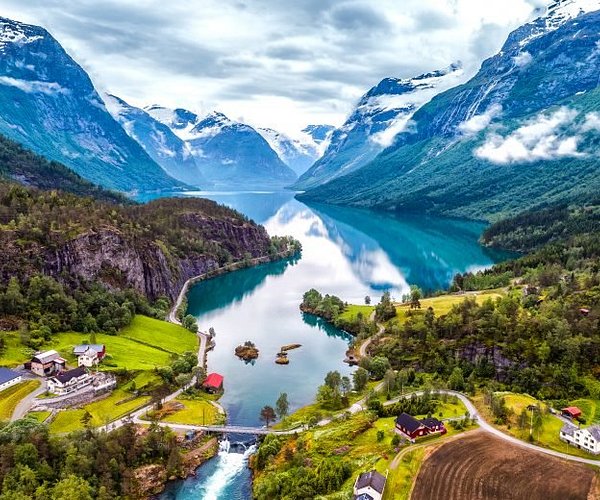
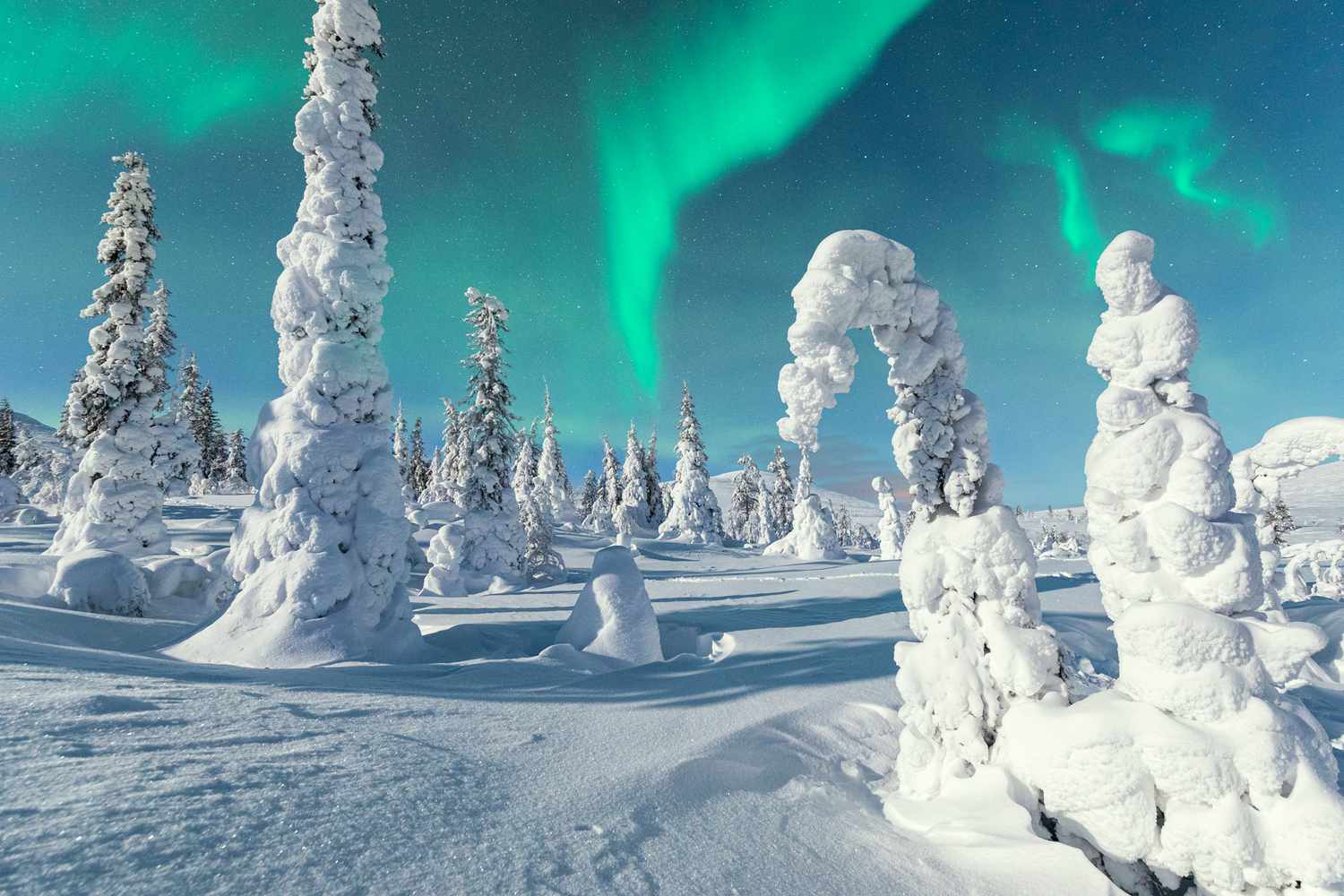
Norway's scenery is nothing short of spectacular, often described as 'epic' or 'dramatic.' The iconic fjords like Geirangerfjord and Nærøyfjord (both UNESCO World Heritage sites) cut deep into towering mountains, creating postcard-perfect vistas. Hiking opportunities are world-class, from the challenging Trolltunga to the more accessible Pulpit Rock (Preikestolen), with views that will genuinely make your jaw drop. The Lofoten Islands offer rugged beauty, fishing villages, and stunning beaches. Contrast this with Finland, which boasts a gentler, yet equally beautiful, landscape of endless forests (75% of the land area), over 188,000 pristine lakes (like Lake Saimaa), and a vast, wild Arctic north in Lapland. While less dramatic than Norway's fjords, Finland's nature offers a unique sense of tranquility and wide-open spaces, perfect for canoeing, mushroom picking, or just enjoying the silence. It's also a prime spot for the Northern Lights, especially in destinations like Rovaniemi or Inari. You can expect a guided fjord tour in Norway to cost around 1000-1500 NOK (~$90-140 USD), while a husky safari in Finnish Lapland might be 150-250 EUR (~$160-270 USD). "Norway's scenery is just on another level, like a movie set. Finland's beautiful, but it's a different vibe, more peaceful." The sheer scale and 'wow' factor of Norway's geological formations give it the edge for raw, breathtaking natural beauty.
Winner takeaway
- Winner: Norway
- Why: Norway's dramatic fjords, towering mountains, and unique coastal landscapes offer unparalleled, world-famous scenic grandeur.
- Who this matters for: Adventure seekers, photographers, and those who prioritize 'wow factor' landscapes above all else.
💰 Costs & Budget
Let's be blunt: both countries are expensive, but Finland generally offers a bit more breathing room for your wallet. In Norway, a modest restaurant meal can easily run 250-400 NOK (~$23-38 USD) per person, and a pint of beer often hits 100-130 NOK (~$9-12 USD). Accommodation, especially in cities like Oslo or Bergen, starts around 1200-1800 NOK (~$110-170 USD) for a basic hotel room. Groceries, while cheaper than eating out, are still high; expect to pay 40-60 NOK for a loaf of bread. Finland, while not cheap, offers slight relief. A comparable meal might be 20-30 EUR (~$22-33 USD), and a beer 7-9 EUR (~$8-10 USD). Helsinki hotels can be found for 100-150 EUR (~$110-165 USD), particularly outside peak summer. Public transport in Helsinki (e.g., a single ticket at 2.80 EUR) is comparable to Oslo (42 NOK for a single zone). Car rentals are similar in price, but fuel is expensive in both. "I saved a good chunk just by cooking my own meals in Finland vs. Norway. Groceries felt a little more reasonable." The cumulative effect of slightly lower prices for daily essentials, accommodation, and some activities makes Finland the more budget-friendly option for the cost-conscious traveler.
Winner takeaway
- Winner: Finland
- Why: Finland's overall daily expenses, particularly for dining and accommodation, are noticeably lower than Norway's notoriously high prices.
- Who this matters for: Budget-conscious travelers, backpackers, and families looking to stretch their travel funds further.
🍽️ Food & Drink
Both countries offer unique culinary experiences rooted in their natural surroundings. Norway, with its vast coastline, excels in seafood. Think fresh salmon, cod, king crab, and local delicacies like rakfisk (fermented trout). Lamb dishes, especially Fårikål (lamb and cabbage stew), are popular in autumn. Bakeries offer delicious skillingsboller (cinnamon buns). Dining out is expensive, but the quality can be excellent, especially in Bergen or Oslo, where restaurants like Maaemo (3 Michelin stars) showcase modern Nordic cuisine. Finland's food scene leans towards comfort and utilizes its abundant forests and lakes. Expect dishes like salmon soup (lohikeitto), reindeer stew (poronkäristys), Karelian pasties (karjalanpiirakka), and an array of rye breads. Wild berries (lingonberries, cloudberries, blueberries) and mushrooms are staples. Coffee culture is huge in Finland (they consume the most per capita), and unique drinks include Salmiakki Koskenkorva (salty liquorice vodka). "Norwegian seafood was amazing, but I actually loved the everyday Finnish pastries and coffee culture more." A decent seafood dinner in Oslo might cost 500 NOK (~$47 USD), while a hearty Finnish lunch buffet could be 15-25 EUR (~$16-27 USD). Both offer quality, but cater to different palates; Norway for fresh, bold flavors, Finland for comforting, rustic fare. Choosing a winner here is truly subjective, as both offer delicious and authentic experiences that reflect their landscapes and traditions.
Winner takeaway
- Winner: Tie
- Why: Both countries offer distinct, high-quality culinary experiences that cater to different tastes, making it impossible to declare one definitively superior.
- Who this matters for: Foodies with specific preferences (seafood vs. rustic comfort), or those seeking distinct cultural flavors.
✈️ Getting There
Accessibility for both Norway and Finland from major international airports in North America and Europe is quite good, with direct flights often available. From New York (JFK/EWR), direct flights to Oslo (OSL) can take around 7-8 hours, often with Norwegian Air Shuttle or SAS, costing anywhere from $500-900 USD round trip outside peak season. From major European hubs like London or Amsterdam, flights are 1.5-3 hours and cost 100-250 EUR. Finland's main gateway is Helsinki (HEL), which is a significant hub, especially for flights from Asia (often marketed as the fastest route from Europe to Asia). Direct flights from New York to Helsinki take around 8-9 hours, similar in price to Norway. European connections are also plentiful and similarly priced. "Honestly, getting to either wasn't a problem from Frankfurt, just depends on which airline has the best deal that day." Both countries benefit from being well-connected, with modern airports and efficient processes. The choice often comes down to which city or specific region you want to start your trip in and which airline offers the most competitive fare or convenient schedule for your origin. There isn't a significant advantage in terms of ease or cost to one over the other for general international travelers.
Winner takeaway
- Winner: Tie
- Why: Both countries are equally accessible from major international destinations, with similar flight times and pricing to their respective capital cities.
- Who this matters for: Travelers from North America, Europe, and Asia seeking efficient and straightforward air travel to the Nordic region.
🚗 Getting Around
Navigating Norway's dramatic terrain is an experience in itself, often requiring a mix of transport. The scenic Flåm Railway and Hurtigruten coastal ferry are iconic, but internal flights (e.g., Oslo to Bergen, ~1 hour, 800-1500 NOK / ~$75-140 USD) are often the most time-efficient for long distances. Buses and ferries connect many towns and fjords, but schedules can be limited, and tickets add up. Renting a car (from 600-1000 NOK / ~$55-95 USD per day) offers flexibility for fjord country, but mountain roads are narrow, winding, and tolls are common. Finland, being flatter and less fragmented by fjords, offers a much more straightforward experience. The national train network (VR) is excellent, connecting major cities like Helsinki, Tampere, and Turku, with comfortable and efficient services. Buses are extensive, reaching even remote areas. Driving is a breeze; roads are generally well-maintained, straight, and less challenging than Norway's mountain passes. "Driving in Finland was surprisingly chill. Norway's roads were beautiful but definitely more demanding on the nerves." A train ticket from Helsinki to Tampere costs around 20-35 EUR (~$22-38 USD), while a comparable bus journey in Norway (e.g., Oslo to Lillehammer) could be 300-500 NOK (~$28-47 USD). For overall ease, reliability, and less demanding driving conditions, Finland takes the win, especially for those preferring not to navigate challenging terrain.
Winner takeaway
- Winner: Finland
- Why: Finland's flatter terrain and excellent, straightforward train and bus networks make getting around significantly easier and less stressful than Norway's challenging roads and fragmented public transport.
- Who this matters for: Travelers preferring public transport, those intimidated by mountain driving, and families seeking smooth logistics.
🏨 Accommodation
Accommodation in both countries tends to be of high quality and cleanliness, but prices are a key differentiator. In Norway, a standard mid-range hotel in Oslo or Bergen can easily cost 1500-2500 NOK (~$140-235 USD) per night. Boutique hotels in scenic areas, like the historic Hotel Union Øye or a rustic Rorbu cabin in Lofoten, often start at 2500-4000 NOK (~$235-375 USD) or more. Hostels, while cheaper (400-600 NOK / ~$38-56 USD for a dorm bed), are still costly by international standards. Finland offers slightly more varied and often better-value options. A comparable mid-range hotel in Helsinki might be 120-200 EUR (~$130-220 USD). The real gems are the traditional 'mökki' (cottages), often by a lake, which can be rented for 100-250 EUR (~$110-275 USD) per night, offering incredible value for groups or families. Unique stays like glass igloos in Lapland (e.g., Kakslauttanen Arctic Resort) are still pricey (400-800 EUR / ~$440-880 USD+), but offer an experience not easily replicated. "We found some really cute Airbnbs in Helsinki for way less than what a basic hotel was charging in Norway." While both have high standards, Finland's wider range of accommodation types, especially outside the capital, and slightly lower average prices give it the edge for overall value and choice.
Winner takeaway
- Winner: Finland
- Why: Finland offers slightly better value for money and a wider range of unique accommodation options, particularly traditional cottages (mökki) and a more competitive hotel market outside peak season.
- Who this matters for: Budget-conscious travelers, families, and those seeking unique, local stay experiences like lakeside cottages.
🏛️ Culture & History
Norway boasts a rich and dramatic history, largely defined by its Viking past, maritime prowess, and struggles for independence. Key historical sites include the Viking Ship Museum in Oslo (now part of the Museum of Cultural History at the University of Oslo, with new facilities opening later) and the Hanseatic Wharf in Bergen. The country's strong connection to nature and a proud national identity are evident everywhere. Sámi culture is also a vital, living part of Norway's heritage, especially in the north. Finland's cultural identity is shaped by its unique language, the profound importance of the sauna (more than 3 million in the country!), and its world-renowned design tradition, exemplified by Alvar Aalto's architecture and Marimekko textiles. Its history involves periods under Swedish and Russian rule, leading to a resilient and self-reliant spirit. Helsinki's museums, like Ateneum Art Museum or the National Museum of Finland, showcase this heritage. "Norway just *feels* older, with all the Viking stuff and stave churches. Finland's cool with the design, but it's a different kind of history." A visit to the Norsk Folkemuseum in Oslo is around 180 NOK (~$17 USD), while entry to the Design Museum in Helsinki is about 15 EUR (~$16.5 USD). While Finland's design and sauna culture are deeply ingrained and fascinating, Norway's more ancient, visually distinct history, particularly its Viking legacy and preserved stave churches (like Borgund), provides a more compelling and accessible historical narrative for many travelers.
Winner takeaway
- Winner: Norway
- Why: Norway's prominent Viking heritage, well-preserved stave churches, and dramatic historical narratives offer a more visually impactful and distinct cultural journey.
- Who this matters for: History buffs, those interested in Viking lore, and travelers seeking ancient architectural marvels.
⛰️ Activities & Adventure
Both nations are playgrounds for outdoor enthusiasts, but they offer distinct types of adventure. Norway is synonymous with epic hiking: think multi-day treks, challenging climbs to iconic viewpoints like Pulpit Rock or Kjeragbolten, and stunning trails in national parks like Jotunheimen. Kayaking in the fjords, glacier walking on Jostedalsbreen, and exploring the Lofoten Islands on a bike are quintessential Norwegian experiences. Winter brings excellent skiing, especially in destinations like Hemsedal or Trysil. Finland, on the other hand, excels in a different kind of adventure, particularly in winter. Lapland offers unforgettable husky and reindeer safaris, snowmobiling, ice fishing, and the ultimate Northern Lights chases. The sauna, often followed by a dip in an ice hole, is a quintessential Finnish adventure in itself. In summer, its thousands of lakes are perfect for canoeing, paddleboarding, and fishing. "Norway's hikes were next level, but I'll never forget the husky safari in Lapland. Totally different but equally amazing thrills." A guided glacier hike in Norway might cost 1500-2500 NOK (~$140-235 USD), while a 2-hour husky safari in Finland is 150-250 EUR (~$165-275 USD). The 'winner' here truly depends on your preferred type of adventure: Norway for rugged, mountain-centric challenges, Finland for unique Arctic and serene lake-based experiences. Both offer high-quality, unforgettable activities.
Winner takeaway
- Winner: Tie
- Why: Both countries offer an incredibly diverse and high-quality array of outdoor activities and adventures, catering to different preferences (mountain vs. Arctic/lake).
- Who this matters for: All adventure travelers – those seeking rugged mountain challenges will love Norway, while those desiring unique Arctic experiences or serene lake activities will prefer Finland.
🍻 Nightlife
While neither country is famous for its wild party scene compared to Southern Europe, both Oslo and Helsinki offer vibrant nightlife, especially on weekends. In Norway, Oslo has a concentrated bar and club scene, particularly in areas like Grünerløkka or around Aker Brygge. Bergen also has a lively pub culture. You'll find craft beer bars, cocktail lounges, and venues with live music. However, the cost of drinks is notoriously high; expect to pay 100-130 NOK (~$9-12 USD) for a beer and upwards of 150 NOK (~$14 USD) for a simple cocktail. This can quickly deplete a budget. Finland's nightlife, particularly in Helsinki, often feels a bit more accessible and diverse, though still expensive. Kallio district is known for its trendy bars, while the city center offers everything from sophisticated cocktail bars to electronic music clubs. Tampere and Turku also have active student-driven scenes. "Helsinki felt way more vibrant than Oslo, and the drinks, while still pricey, didn't feel as much like a punch to the gut." A beer in a Helsinki bar might be 7-9 EUR (~$8-10 USD), and cocktails 12-16 EUR (~$13-18 USD). While both have good options, Finland's capital offers a slightly more varied, lively, and often a touch more affordable experience, giving it the edge for after-dark entertainment.
Winner takeaway
- Winner: Finland
- Why: Helsinki's nightlife scene feels more diverse, vibrant, and slightly more budget-friendly than Norway's, offering a broader range of options for different tastes.
- Who this matters for: Younger travelers, solo travelers, and those who enjoy exploring local bars and clubs after dark.
☀️ Weather & Seasons
Both Norway and Finland experience distinct and dramatic seasonal changes, making the 'best' time to visit highly dependent on your desired activities. Norway's coastal areas benefit from the Gulf Stream, leading to milder winters than one might expect at such latitudes, though inland and mountainous areas are significantly colder with heavy snow. Summers (June-August) offer long daylight hours (Midnight Sun in the north) and mild temperatures (15-25°C / 59-77°F), ideal for hiking. Autumn provides stunning fall foliage, while winter is magical for skiing and chasing the Northern Lights, though short daylight hours are a factor. Finland experiences a more continental climate, with colder, snowier winters and warmer summers. Winter (December-March) in Lapland is iconic, with deep snow, sub-zero temperatures (often -10 to -25°C / 14 to -13°F), and an excellent chance to see the Northern Lights. Summers (June-August) are warm and sunny (20-28°C / 68-82°F), perfect for lake activities and experiencing the Midnight Sun. "I loved the snowy silence in Lapland, but my friend swears by Norwegian summer hikes. Really depends on what you're into." The choice here truly comes down to what you're seeking: Norway for coastal mildness and dramatic summer light, Finland for classic snowy winters and reliable summer warmth, both offering opportunities for the Northern Lights. Neither is definitively 'better,' just different seasonal experiences.
Winner takeaway
- Winner: Tie
- Why: Both countries offer equally compelling and distinct seasonal experiences, from Norway's dramatic summer light and fjords to Finland's iconic snowy winters and Midnight Sun summers.
- Who this matters for: All travelers, as the ideal time to visit depends entirely on whether they prioritize summer outdoor activities, winter sports, or Northern Lights viewing.
❓ Frequently Asked Questions
Which country is better for seeing the Northern Lights?
While both offer chances, Finland, particularly Lapland (Rovaniemi, Inari), is generally considered superior due to its drier, more stable continental climate and extensive infrastructure built around aurora tourism. Norway's coastal areas can be cloudier, but inland spots like Tromsø or Alta also offer great views. For highest probability and dedicated experiences, Finland has a slight edge.
Is English widely spoken in Norway and Finland?
Yes, English is very widely spoken in both countries, especially by younger generations and in tourist-facing businesses. You'll have no trouble communicating in major cities and popular tourist areas. It's always appreciated to learn a few basic phrases in Norwegian or Finnish, but it's not strictly necessary for successful travel.
Which country is better for hiking?
Norway is undoubtedly better for hiking enthusiasts. Its dramatic fjords, towering mountains, and renowned trails like Pulpit Rock, Trolltunga, and Kjeragbolten offer world-class, challenging, and incredibly scenic treks. Finland has lovely forest and lake trails, but lacks the dramatic elevation changes and iconic, 'bucket-list' hikes of Norway.
Can I visit Santa Claus in both countries?
Santa Claus's official home is widely recognized as Rovaniemi, Finland. So, if visiting Santa is a priority, Finland is the clear winner, offering numerous Santa-themed attractions and experiences like Santa Claus Village. While Norway has Christmas markets and festive events, it doesn't have the same 'Santa capital' claim.
How safe are Norway and Finland for solo female travelers?
Both Norway and Finland are among the safest countries in the world, making them excellent choices for solo female travelers. Crime rates are very low, and people are generally respectful and helpful. Standard precautions apply as in any travel, but you can feel very secure exploring cities and nature independently.
What are the key cultural differences to be aware of?
Norway's culture is shaped by its Viking history, maritime traditions, and strong connection to nature, often characterized by a quiet pride and love for the outdoors. Finland's culture is heavily influenced by sauna traditions, minimalist design, and a resilient national identity forged through history. Finns are often seen as more reserved initially, valuing silence and direct communication.
Which is better for a family trip with young children?
Finland often proves slightly more family-friendly, especially with young children. Its less dramatic terrain means easier travel and more accessible activities like visiting Santa in Rovaniemi or exploring child-friendly museums in Helsinki. While Norway is stunning, some of its main attractions require more strenuous hiking or longer travel times that can be challenging for toddlers.
Are there good options for vegetarian/vegan travelers in both countries?
Yes, both Norway and Finland have increasingly good options for vegetarian and vegan travelers, especially in major cities like Oslo, Bergen, and Helsinki. You'll find dedicated restaurants, clearly marked menu items, and plenty of plant-based products in grocery stores. Helsinki, in particular, has a thriving vegan food scene.
Ready to plan your Nordic trip?
Get a free custom itinerary for Norway, Finland, or both — built from real traveler insights.
🎟️ Book Tours & Experiences
Hand-picked tours and activities for both destinations — book with free cancellation
Experiences via Viator — free cancellation on most tours