How we built this comparison
This page combines traveler discussion patterns, published price ranges, flight schedules, and seasonal data to help you decide between Norway and Iceland.
- Reviewed 50+ Reddit threads from r/travel, r/solotravel, r/Norway, r/Iceland, r/VisitingIceland for authentic traveler opinions and tips.
- Verified costs and logistics against current booking platforms (e.g., Booking.com, Skyscanner, local tour operators) and official tourism sites.
- Cross-referenced seasonal patterns, weather data, and major attraction opening/closing times to ensure realistic advice.
⚡ The TL;DR Verdict
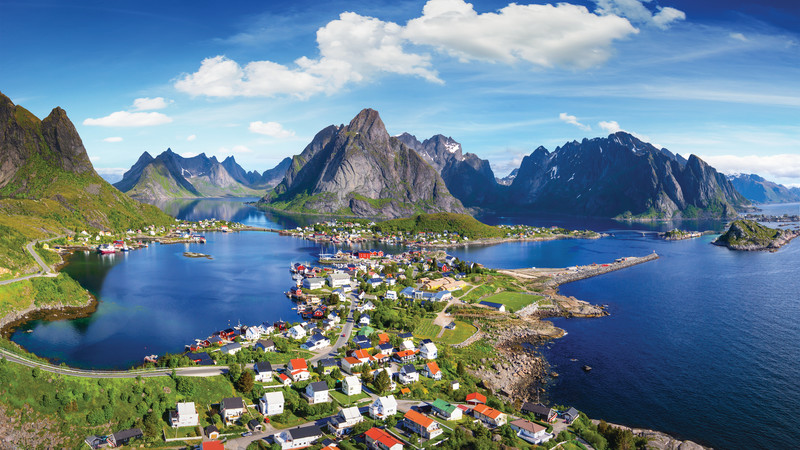
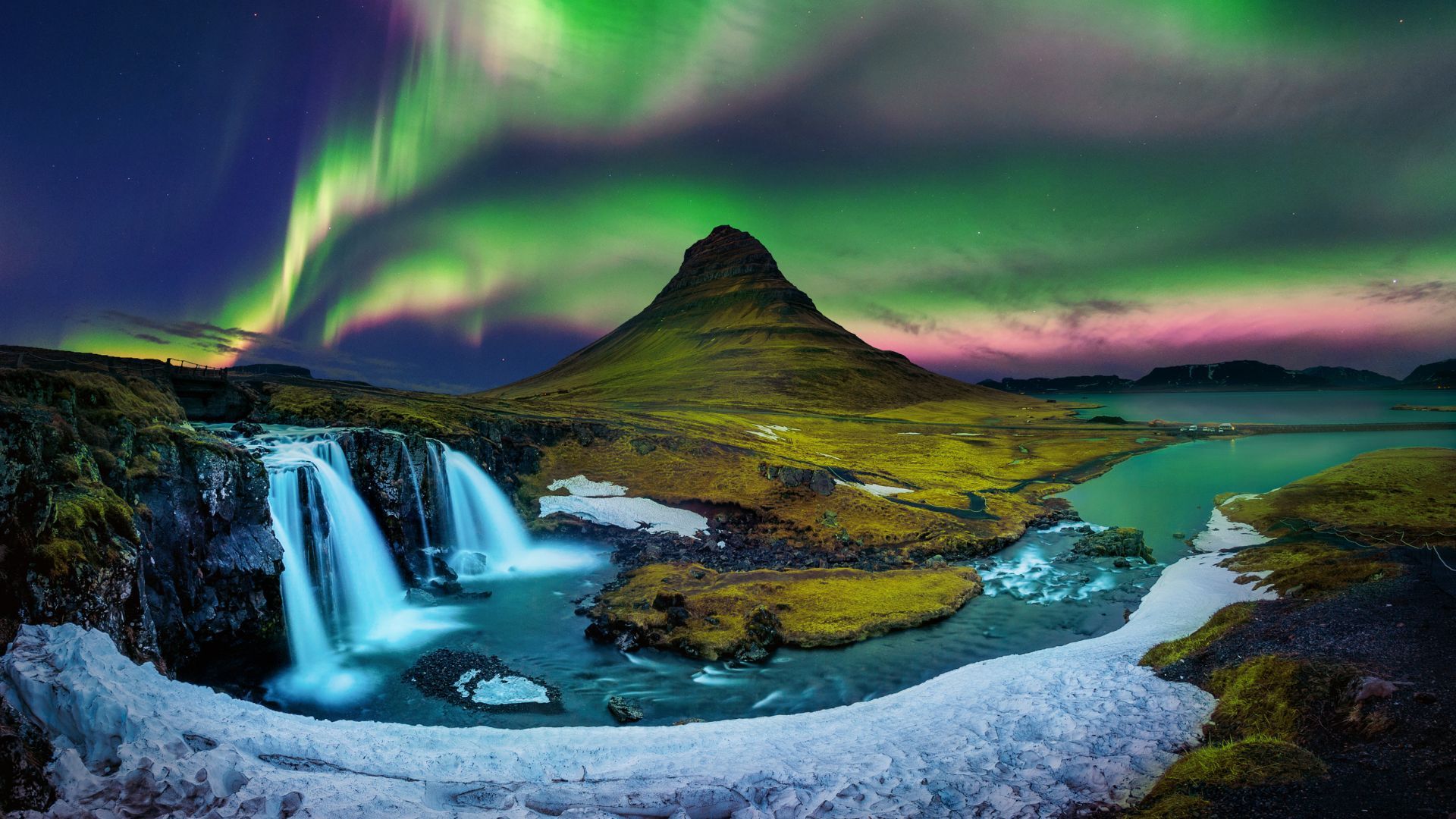
For classic, dramatic fjord scenery, vast hiking, and efficient public transport, pick Norway (budget $100-200/day excluding flights). If you crave otherworldly volcanic landscapes, geothermal wonders, and an epic road trip, Iceland is your winner (budget $120-250/day excluding flights).
- Choose Norway: You prioritize majestic fjords, lush green landscapes, extensive hiking trails, charming towns like Bergen, and don't mind a slightly slower pace of travel, perhaps with a scenic train or ferry journey.
- Choose Iceland: You're drawn to stark, volcanic beauty, glaciers, black sand beaches, accessible waterfalls, and the freedom of a ring road adventure, even if it means more driving and fewer cultural hubs.
- Choose Both: If you have 3+ weeks and a generous budget, a multi-country Nordic adventure combining both is incredible. Fly into Oslo, explore, then take a direct flight to Reykjavik. Or, save one for a future trip to fully appreciate each unique landscape.
Quick Comparison
| Category | Norway | Iceland | Winner |
|---|---|---|---|
| Nature & Scenery | Unrivaled fjords, lush mountains, deep forests, dramatic coastline, and charming villages nestled into the landscape. | Stark, volcanic, and otherworldly landscapes; glaciers, black sand beaches, geysers, and accessible waterfalls. | Tie |
| Costs & Budget | Known as one of the most expensive countries globally, particularly for dining, alcohol, and activities. | Also very expensive, especially for accommodation and car rentals, but sometimes perceived as offering more 'bang for your buck' in terms of accessible natural wonders. | Tie |
| Getting There & Flights | Good flight connections to Oslo (OSL) from major European and North American hubs, with domestic flights to Bergen, Tromsø, etc. | Excellent flight connections to Keflavík (KEF) from Europe and North America, often as a stopover option, making it very accessible. | Iceland |
| Getting Around | Excellent public transport (trains, buses, ferries), scenic roads, but often slow due to terrain. | Car rental is king for the Ring Road; limited public transport outside of Reykjavik, requiring self-drive for most sights. | Iceland |
| Accommodation | Range from charming guesthouses and hotels to unique cabins and 'rorbuer' (fishing huts) in Lofoten. | Dominance of guesthouses, small hotels, and farm stays, with a strong Airbnb presence; can be very pricey, especially outside Reykjavik. | Norway |
| Food & Drink | Focus on fresh seafood, traditional hearty fare, and international cuisine in cities; alcohol is expensive. | Known for lamb, fresh seafood, dairy, and innovative takes on traditional dishes; alcohol is also very expensive. | Norway |
| Culture & History | Rich Viking heritage, Sami culture, traditional wooden architecture, and vibrant arts scenes in cities. | Viking sagas, unique literary tradition, strong connection to nature, and modern art/music in Reykjavik. | Norway |
| Weather & Seasons | Mild summers, cold and snowy winters; best for hiking in summer (June-August), Northern Lights in winter (Sept-March). | Unpredictable year-round, mild summers, cold and windy winters; prime for Northern Lights in winter, midnight sun in summer. | Tie |
| Solo & Adventure Travel | Safe, excellent for solo hiking, well-connected public transport, but less overtly social outside hostels. | Extremely safe, ideal for solo road trips, easy to join tours, but can feel isolated in rural areas. | Norway |
| Family Travel | Kid-friendly museums, gentle hikes, scenic train/ferry rides, and charming smaller towns; high costs. | Accessible natural wonders, geothermal pools, puffins, and easily navigable by car; also high costs. | Iceland |
🏔️ Nature & Scenery
This is tough, as both offer utterly breathtaking, yet distinctly different, natural beauty. Norway is all about the grand, deep fjords like Geirangerfjord and Nærøyfjord, framed by towering, green-clad mountains and cascading waterfalls. Its scenery feels ancient, vast, and deeply rooted in the land, perfect for long hikes in Jotunheimen National Park or exploring the Lofoten Islands. Iceland, on the other hand, is a geological wonderland, a raw and active canvas of volcanoes, glaciers (Vatnajökull!), geothermal areas like Hverir, and black sand beaches (Reynisfjara). It feels more 'otherworldly,' like you've landed on another planet. Its natural wonders are often more accessible directly off the Ring Road, making for an easier sightseeing experience. "Norway's beauty is classic and majestic; Iceland's is wild and alien. You can't go wrong, just depends if you prefer a fjord or a lava field view out your window." Both offer incredible chances for Northern Lights in winter, though Iceland's more open terrain can sometimes offer slightly better viewing opportunities away from light pollution. If you're into intense, multi-day trekking with a focus on mountains and water, Norway wins. If you want to see unique geological formations, hot springs, and drive past glaciers, Iceland is your playground.
Winner takeaway
- Winner: Tie
- Why: Both offer unparalleled natural beauty, just of different types: Norway's majestic fjords vs. Iceland's raw, volcanic landscapes.
- Who this matters for: Anyone whose primary reason for visiting is natural beauty and outdoor exploration.
💰 Costs & Budget
Let's be blunt: neither is a budget destination. Both Norway and Iceland regularly rank among the world's most expensive countries. For Norway, expect a simple restaurant meal to be 200-350 NOK ($18-32 USD), a beer 100-130 NOK ($9-12 USD). Accommodation outside of Oslo can range from 1000-2000 NOK ($90-185 USD) for a mid-range hotel. Car rentals are pricey, but public transport (trains, ferries) are efficient but not cheap either. Iceland isn't far behind. A basic meal can be 2500-4000 ISK ($18-29 USD), and a beer 1200-1500 ISK ($9-11 USD). Where Iceland really hits hard is accommodation, with budget hotels easily running 25,000-40,000 ISK ($180-290 USD), especially outside of Reykjavik during peak season. Car rentals are almost essential for the Ring Road and can be 7,000-15,000 ISK ($50-110 USD) per day, plus fuel. "Honestly, both will drain your wallet. The only real 'budget' tip is to cook your own meals, buy alcohol at duty-free, and camp or stay in hostels." Activities like fjord cruises in Norway or glacier hikes in Iceland also add up quickly. It's less about which is cheaper and more about how you budget your travel style.
Winner takeaway
- Winner: Tie
- Why: Both are notoriously expensive, making it hard to definitively call one 'cheaper' than the other without a very specific itinerary.
- Who this matters for: Budget-conscious travelers or those looking to maximize their experience per dollar.
✈️ Getting There & Flights
Iceland generally has an edge here due to its strategic position and Icelandair's hub-and-spoke model. Flights into Keflavík (KEF) from major East Coast US cities like NYC (JFK/EWR) or Boston (BOS) can be as short as 5-6 hours. From London (LHR/LGW), it's around 3 hours. Many airlines, including budget carriers, offer competitive fares, often promoting Iceland as an easy stopover. Norway's main international gateway is Oslo Gardermoen (OSL), with direct flights from North America (e.g., Newark to Oslo is ~7 hours) and numerous connections from Europe (~2 hours from London). While equally well-connected, Norway's major attractions like Bergen or the Lofoten Islands often require an additional domestic flight or a long train/ferry journey. "Iceland is just so easy to get to, especially from the US or Europe. I've done it as a long weekend trip a few times because the flights are so quick and often cheap." For a quick European getaway with minimal travel time, Iceland's accessibility to its main sights directly from KEF gives it a slight edge.
Winner takeaway
- Winner: Iceland
- Why: Iceland's KEF airport serves as a major transatlantic hub, offering frequent and often competitive flights, making it incredibly accessible for a shorter trip.
- Who this matters for: Travelers with limited time, or those looking for an easy, direct flight experience.
🚗 Getting Around
For a comprehensive exploration of its natural wonders, Iceland hands down wins for ease of getting around, primarily because the Ring Road (Route 1) makes circumnavigating the island incredibly straightforward. Renting a car (a 4x4 often recommended for F-roads or winter) is the de facto way to experience Iceland, offering immense freedom to stop at countless waterfalls, black sand beaches, and hot springs. Fuel costs are high, but the convenience is unmatched. Public transport outside Reykjavik is almost non-existent for tourists. In Norway, while driving scenic routes like the Atlantic Road or Trollstigen is incredible, the vast fjord landscape means driving can be slow, with many ferries required. Public transport, however, is excellent and extensive, with scenic train journeys (like Oslo-Bergen or Flåm Railway), Hurtigruten coastal voyages, and a network of buses and ferries. "Iceland's Ring Road is a dream to drive. Just pick up your car at KEF and you're off. Norway's driving is beautiful but prepare for ferries and slow mountain roads." If your trip is a road trip focusing on natural landmarks, Iceland's simple 'loop' makes it incredibly efficient.
Winner takeaway
- Winner: Iceland
- Why: Iceland's Ring Road offers unparalleled ease and flexibility for exploring its major attractions via self-drive.
- Who this matters for: Independent travelers who prefer road trips and the freedom of a rental car.
🏠 Accommodation
While both are expensive, Norway offers a slightly more diverse and charming range of accommodation types, often with a better value-for-money perception for unique stays. You'll find standard hotels in cities like Oslo and Bergen, but also traditional 'rorbuer' (fisherman's cabins) in places like the Lofoten Islands for 1500-2500 NOK ($140-230 USD), quaint guesthouses in fjord villages, and stunning mountain lodges. Hostels are clean and plentiful for budget travelers, starting around 400-600 NOK ($37-55 USD) for a dorm bed. Iceland, on the other hand, sees very high demand, particularly along the Ring Road. Accommodation can be basic for the price, with guesthouses and farm stays being common, often starting at 20,000-35,000 ISK ($145-250 USD) for a double room in peak season. Reykjavik has more options, but prices remain steep. "We found some amazing little cabins in Norway for what we'd pay for a basic hotel room in Iceland. The 'rorbuer' were definitely a highlight." While both have excellent campgrounds and opportunities for wild camping (with rules), Norway's variety and picturesque traditional options give it a slight edge.
Winner takeaway
- Winner: Norway
- Why: Norway offers a wider range of charming and unique accommodation options, such as 'rorbuer,' which often feel more integrated with the local culture and landscape.
- Who this matters for: Travelers seeking unique, authentic stays beyond standard hotels, or those on a tighter budget looking for good hostel options.
🍽️ Food & Drink
Both countries will challenge your wallet when it comes to dining out and alcohol. However, Norway offers a slightly more established and diverse culinary scene, especially in its larger cities. Oslo boasts Michelin-starred restaurants alongside casual eateries, and Bergen is famous for its fresh seafood (visit the Fish Market). Traditional Norwegian fare includes 'fårikål' (lamb stew), 'lutefisk', and a variety of game meats, often prepared with a modern twist. Expect a good dinner in a mid-range restaurant to be 400-700 NOK ($37-65 USD), and alcohol taxes are famously high. Iceland's food scene has grown significantly, focusing on fresh lamb, seafood, and dairy products. Traditional dishes like 'hákarl' (fermented shark) are more for novelty, but places like Sægreifinn in Reykjavik serve excellent lobster soup. Dining out is generally pricier, with a main course often 3,000-6,000 ISK ($22-43 USD). "I found Norway had more variety in its food, especially in the cities. Iceland was good, but after a few days, it felt a bit repetitive outside of Reykjavik, and the prices were just as shocking." For a richer culinary exploration beyond basic sustenance, Norway's established gastronomic culture offers more.
Winner takeaway
- Winner: Norway
- Why: Norway offers a more diverse and refined culinary scene, especially with its emphasis on fresh seafood and a broader range of traditional and modern eateries.
- Who this matters for: Foodies and those who enjoy dining out and experiencing local cuisine as part of their travel.
🏛️ Culture & History
Norway boasts a deeper and more visibly integrated cultural and historical tapestry. From the well-preserved Viking ships at the Viking Ship Museum in Oslo to the Hanseatic wharf of Bryggen in Bergen, its history is palpable. The Sami culture in the north offers a unique indigenous experience, and the country's literary and artistic heritage (Ibsen, Munch) is significant. Stave churches dot the landscape, offering architectural marvels. Iceland, while having a fascinating history rooted in Viking sagas and a strong literary tradition, presents its culture differently. Its cultural hubs are almost entirely concentrated in Reykjavik, with museums like the National Museum of Iceland or the Saga Museum. Outside the capital, the focus shifts overwhelmingly to natural landscapes, with historical sites often being ruins or commemorative markers. "Norway felt like it had centuries of stories waiting to be discovered, from the stave churches to the Viking museums. Iceland's history is cool, but it's not as visually present outside of Reykjavik." While Iceland's connection to its sagas and its unique, modern artistic scene is compelling, Norway offers a more varied and widespread cultural experience beyond just the capital.
Winner takeaway
- Winner: Norway
- Why: Norway offers a richer and more widespread cultural and historical experience, from Viking heritage and Sami culture to unique architecture and vibrant city arts.
- Who this matters for: History buffs, art enthusiasts, and travelers interested in cultural immersion beyond natural sights.
☀️ Weather & Seasons
Both countries are subject to rapid weather changes and are best visited in summer (June-August) for hiking, longer daylight hours, and milder temperatures, or winter (September-March) for the magical Northern Lights. Norway's climate varies significantly from south to north. Oslo can be warm in summer (~20-25°C / 68-77°F), while the Lofoten Islands are cooler. Winters are cold and snowy, excellent for skiing and seeing the Northern Lights above the fjords in places like Tromsø. Iceland's weather is famously unpredictable and windy year-round, often experiencing all four seasons in a single day. Summer temperatures average around 10-13°C (50-55°F), rarely getting truly 'warm.' Winters are cold and dark, with strong winds and snow, but this is prime season for the Aurora Borealis. "We went to Iceland in July and still needed hats and gloves some days, whereas Norway in August was surprisingly pleasant for hiking." If you prefer more predictable, milder summer temperatures for extensive outdoor activities, Norway might edge out. However, Iceland's raw winter beauty with snow, ice caves, and the Northern Lights is incredibly dramatic. Neither is a beach holiday destination for sun worshippers. Be prepared for anything in both!
Winner takeaway
- Winner: Tie
- Why: Both destinations offer distinct seasonal advantages (summer for hiking, winter for Northern Lights) with unpredictable weather, making it a tie.
- Who this matters for: Anyone planning their trip around specific activities or seasonal phenomena like Northern Lights or midnight sun.
🚶 Solo & Adventure Travel
Both Norway and Iceland are incredibly safe, making them excellent choices for solo travelers. For pure adventure and self-reliance, Iceland's Ring Road offers an unparalleled solo road trip experience, with countless natural wonders easily accessible. It's also very easy to join group tours (glacier hikes, Golden Circle, Snæfellsnes Peninsula) which is great for meeting other travelers. However, outside of Reykjavik, the focus is heavily on nature, and social interaction can be limited if you're not staying in hostels. Norway, while equally safe, offers a more diverse solo experience. Its extensive and reliable public transport system means you don't necessarily need a car, allowing for scenic train journeys and ferry rides. There are endless opportunities for solo hiking (like to Trolltunga or Pulpit Rock), and its charming cities like Bergen and Oslo offer more opportunities for cultural immersion, cafes, and meeting locals or other travelers. "I did a solo hiking trip in Norway and felt completely safe and immersed in nature, but then could easily switch to city life and meet people in hostels. Iceland solo felt more isolating unless I actively booked group tours every day." While Iceland excels for the independent road-tripping adventurer, Norway offers a more balanced solo travel experience with broader options for both nature and social engagement.
Winner takeaway
- Winner: Norway
- Why: Norway offers a more balanced solo travel experience with excellent public transport, diverse hiking options, and more urban centers for social interaction.
- Who this matters for: Solo travelers looking for a mix of outdoor adventure and opportunities for cultural engagement and meeting people.
👨👩👧👦 Family Travel
Both destinations are fantastic for families, but Iceland often wins for its sheer accessibility of 'wow' moments. The natural wonders along the Ring Road are often just a short walk from the car park, making it easy for families with young children or varying mobility. Geothermal pools (like the Secret Lagoon or Fontana) are a huge hit, as are puffin viewing (seasonal) and easy waterfall visits. Driving the Ring Road with kids offers flexibility for naps and snack breaks. "Iceland was perfect for our kids (6 & 9). Every stop was an adventure, and they loved the hot springs. Not much hiking required to see amazing things." Norway, while also incredibly family-friendly with attractions like the Vigeland Sculpture Park in Oslo, Viking museums, and scenic (but longer) train rides, often requires more effort to reach its most dramatic natural sights (longer hikes, full-day fjord cruises). While Oslo and Bergen offer great kid-friendly museums (e.g., Kon-Tiki Museum), the overall travel pace for truly experiencing Norway's nature might be a bit more demanding for very young children. Cost is a factor for both, but Iceland's easily digestible natural beauty and road-trip friendly layout often cater better to varied family needs.
Winner takeaway
- Winner: Iceland
- Why: Iceland's easily accessible natural wonders and road-trip friendly layout make it exceptionally well-suited for families with children of all ages.
- Who this matters for: Families with young children or those seeking accessible natural attractions without extensive hiking.
❓ Frequently Asked Questions
Which country is better for the Northern Lights?
Both Norway and Iceland offer excellent opportunities to see the Aurora Borealis during the winter months (September to March). Iceland's more open, treeless landscape can sometimes provide clearer viewing fields, especially away from cities. Norway, particularly the region around Tromsø, is also a prime spot, offering unique views over fjords and mountains. Ultimately, it comes down to luck and clear skies.
Which country is better for hiking?
Norway is generally considered superior for hiking enthusiasts. It offers a vast network of well-marked trails, from challenging multi-day treks in Jotunheimen National Park to iconic day hikes like Pulpit Rock (Preikestolen) and Trolltunga, all set against a backdrop of dramatic fjords and mountains. Iceland has fantastic shorter hikes to waterfalls and unique geological formations, but fewer extensive, multi-day mountain trekking opportunities compared to Norway.
Can I do both Norway and Iceland on one trip?
Yes, but it requires significant time and budget. A realistic trip combining both would need at least 2.5-3 weeks to avoid feeling rushed, plus the cost of an inter-country flight (e.g., Oslo to Reykjavik). Many travelers choose to visit one thoroughly and save the other for a dedicated future trip.
Which country is more accessible for people with limited mobility?
Iceland might have a slight advantage here. Many of its most famous natural attractions along the Ring Road (waterfalls, geysers, black sand beaches) are very close to parking areas, requiring minimal walking. Norway's dramatic terrain, while stunning, often involves more extensive walking, stairs, or ferry travel to reach key viewpoints, although cities like Oslo and Bergen are quite accessible.
Is English widely spoken in both countries?
Yes, English is very widely spoken in both Norway and Iceland, especially among younger generations and in tourist-facing businesses. You'll have no trouble communicating in hotels, restaurants, shops, and tour operators in either country.
What's the best time of year to visit if I want to avoid crowds?
To avoid peak summer crowds (June-August) while still enjoying decent weather, consider visiting in the shoulder seasons: late May/early June or early September for both countries. You'll find fewer tourists, slightly lower prices, and still good conditions for outdoor activities, with the added bonus of potential Northern Lights in September.
Which country has better public transport?
Norway has a far more comprehensive and efficient public transport system, including scenic train lines (like the Bergen Railway), extensive bus networks, and crucial ferry services connecting its fjords and islands. In Iceland, public transport outside of Reykjavik is very limited, making a rental car almost essential for exploring the country's natural sights.
Are there any specific safety concerns for either country?
Both Norway and Iceland are among the safest countries in the world with very low crime rates. The primary safety concerns in both relate to nature: unpredictable weather, strong winds, rapidly changing driving conditions (especially in winter), and being mindful when hiking or near powerful waterfalls/geysers. Always check local weather forecasts and trail conditions.
Ready to plan your Nordic adventure?
Get a free custom itinerary for Norway, Iceland, or both — built from real traveler insights.
🎟️ Book Tours & Experiences
Hand-picked tours and activities for both destinations — book with free cancellation
Experiences via Viator — free cancellation on most tours