How we built this comparison
This page combines traveler discussion patterns, published price ranges, flight schedules, and seasonal data to help you decide between Norway and Switzerland.
- Reviewed 50+ Reddit threads from r/travel, r/solotravel, r/Norway, r/Switzerland, etc.
- Verified costs and logistics against current booking platforms like Booking.com, SBB.ch, and SAS.no
- Cross-referenced seasonal patterns and weather data from meteorological services
⚡ The TL;DR Verdict
For raw, expansive natural areas and a slightly more approachable budget, Norway is the pick. If you prioritize efficient travel, well-developed mountain access, and established tourism infrastructure, Switzerland wins. Most travelers will find Norway offers more solitude for a daily spend of $100-200, while Switzerland requires $150-250 minimum.
- Choose Norway: Travelers seeking dramatic fjords, Arctic experiences, and a sense of remote exploration will find Norway delivers. It appeals to those content with self-catering and spending time outdoors, managing costs through careful planning.
- Choose Switzerland: Visitors who prioritize efficient, comfortable travel through mountain landscapes, crave accessible cable cars to high peaks, and appreciate precise public transport should pick Switzerland. It suits those with a higher budget for convenience and established services.
- Choose Both: To experience both, allocate at least two weeks, focusing on southern Norway's fjords and Switzerland's central Alps. Consider a longer itinerary to avoid rushing, perhaps a month for a thorough look at each.
Choose Norway
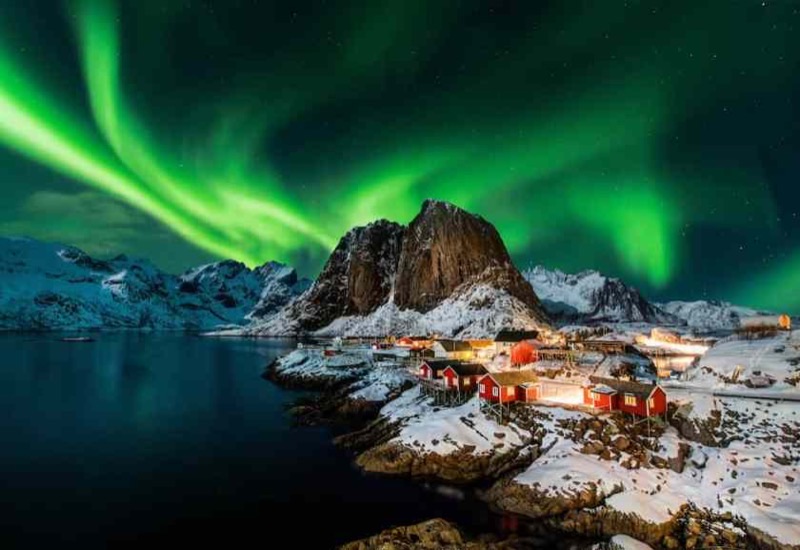
Choose Norway if you dream of dramatic fjords like Geirangerfjord, seeking solitude amidst expansive landscapes, and are keen on Arctic adventures such as chasing the Northern Lights in Lofoten. It's best for independent travelers who thrive on outdoor activities like hiking and kayaking, and are comfortable managing a daily budget of $100-200 through self-catering. This allows for unparalleled natural immersion.
Choose Switzerland
Opt for Switzerland if you crave seamless travel through iconic alpine scenery, with efficient public transport and cable cars whisking you to peaks like Jungfraujoch. It’s perfect for those who appreciate well-developed infrastructure, accessible mountain experiences from charming towns like Zermatt, and are willing to budget $150-250+ daily for comfort and convenience.
Quick Comparison
| Category | Norway | Switzerland | Winner |
|---|---|---|---|
| Costs & Budget | High, but slightly more manageable with self-catering; alcohol is very expensive. | Extremely high for everything; even groceries are pricy. | Norway |
| Nature & Scenery | Dramatic fjords, rugged coastlines, Arctic landscapes, Northern Lights. | Towering Alps, clear lakes, green valleys, accessible mountain peaks. | Norway |
| Getting Around | Requires rental cars for flexibility; public transport connects major cities and some fjords. | Exceptional, punctual train system covering almost the entire country; easy to use. | Switzerland |
| Accommodation | Hotels in cities, cabins (hytter) in rural areas, DNT huts for hikers. | Hotels, chalets, mountain huts, and efficient hostels. | Tie |
| Food & Drink | Focus on seafood, simple Nordic dishes; eating out is very expensive. | Cheese, chocolate, fondue, and Rosti; high quality but costly. | Switzerland |
| Culture & History | Viking heritage, modern Scandinavian design, strong connection to nature. | Alpine traditions, neutrality, banking, watchmaking, diverse linguistic regions. | Norway |
| Day Trips | Requires careful planning, often involves ferries or longer drives to reach natural sites. | Effortless, frequent train connections to mountains, lakes, and other cities. | Switzerland |
| Weather & Seasons | Mild summers, dark and cold winters; Arctic regions have midnight sun and polar night. | Distinct four seasons, reliable snow in winter, warm summers. | Switzerland |
| Safety & Security | Very safe overall; low crime rates. | Extremely safe; minimal crime. | Tie |
| Solo Travel | Great for solitude and nature connection; can be harder to meet others. | Easy to navigate and meet people in hostels/shared activities. | Switzerland |
💰 Costs & Budget
Norway presents significant expenses, but careful planning can temper them. A dorm bed in Oslo costs around 400-600 NOK ($38-57 USD) at places like Sentrum Hostel. Eating out is…
Norway
Switzerland
Norway presents significant expenses, but careful planning can temper them. A dorm bed in Oslo costs around 400-600 NOK ($38-57 USD) at places like Sentrum Hostel. Eating out is costly; a basic restaurant meal typically runs 200-300 NOK ($19-28 USD). Groceries from stores like Rema 1000 or Kiwi are essential for saving money, with a week's supply for one person around 700-1000 NOK ($66-95 USD). Transportation, like the Bergen Railway, costs about 1200 NOK ($113 USD) one way. Alcohol is heavily taxed, making a beer at a bar 100-120 NOK ($9-11 USD).
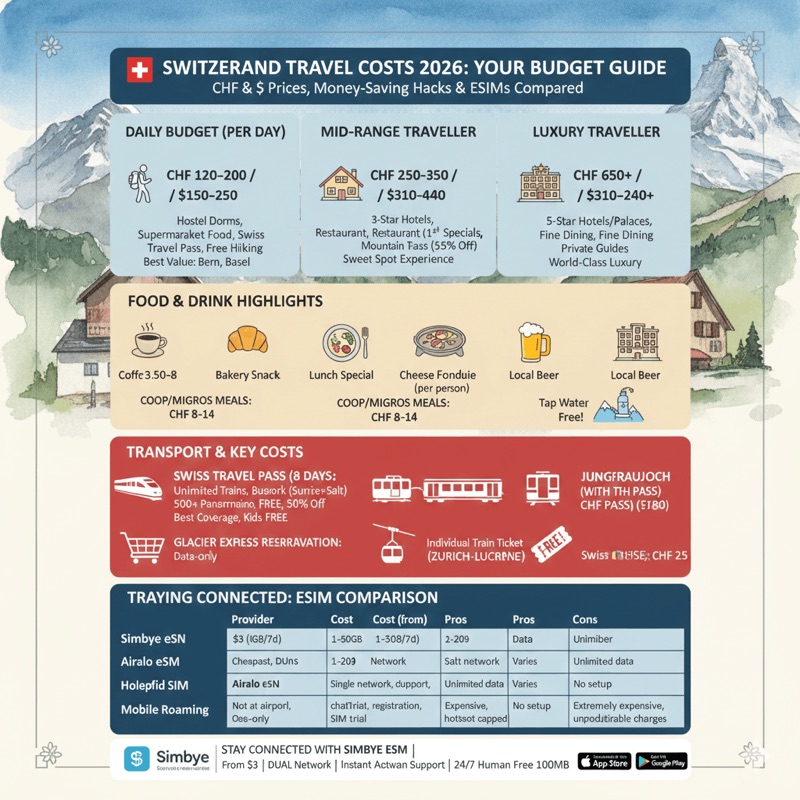
Switzerland is notoriously expensive. A dorm bed in Zurich or Geneva typically costs 50-80 CHF ($55-88 USD) at hostels like Old Town Hostel. A simple lunch at a casual eatery is often 25-40 CHF ($28-44 USD). Grocery shopping at Coop or Migros helps, but prices are still high; expect 80-120 CHF ($88-132 USD) for basic weekly provisions. Train travel, while efficient, adds up quickly; a return trip from Zurich to Zermatt is around 150-200 CHF ($165-220 USD) without a rail pass. A basic coffee can be 5-7 CHF ($5.50-7.70 USD). For most travelers, Norway offers more options for managing expenses.
- Winner: Norway
- Why: While both are expensive, Norway provides more avenues for cost reduction through self-catering and free outdoor activities.
- Who this matters for: Budget-conscious backpackers and those planning longer trips.
⛰️ Nature & Scenery
Norway offers a raw, expansive wilderness experience defined by its deep fjords like Geirangerfjord and Nærøyfjord. Coastal roads lead to areas like the Lofoten Islands, where…
Norway

Switzerland
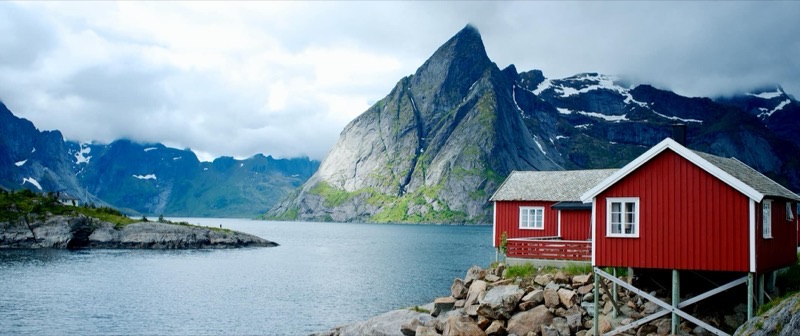
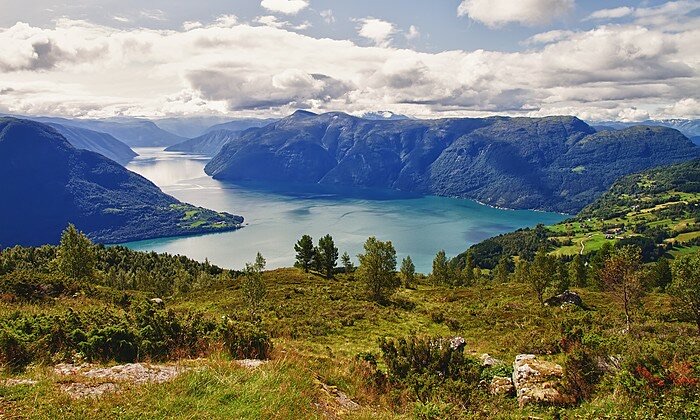
Norway offers a raw, expansive wilderness experience defined by its deep fjords like Geirangerfjord and Nærøyfjord. Coastal roads lead to areas like the Lofoten Islands, where steep peaks rise directly from the ocean. In the north, travelers can experience the Arctic Circle, with chances to see the Northern Lights from Tromsø or explore Svalbard. Landscapes are often less manicured and feel more remote, with fewer immediate facilities. Activities include hiking Pulpit Rock or Kjeragbolten, kayaking in the fjords, or exploring coastal villages. The sheer scale of its glacial geology is a primary draw.
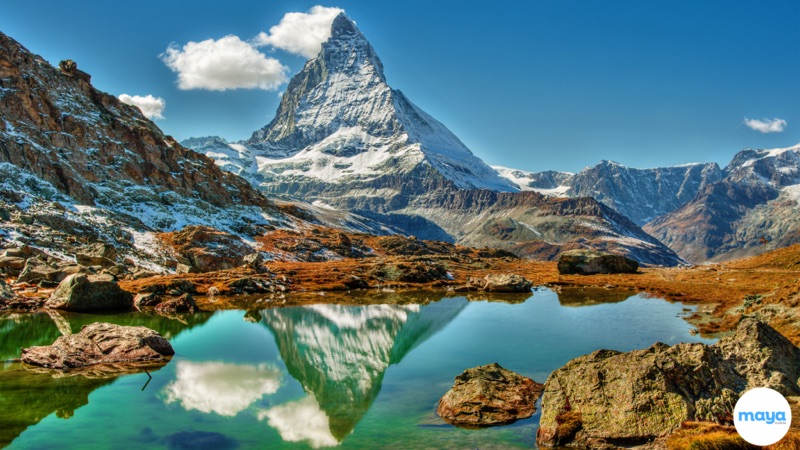
Switzerland features its iconic Alps, with peaks like the Matterhorn dominating the skyline above Zermatt. The country is known for its green valleys, azure lakes such as Lake Geneva and Lake Thun, and accessible mountain platforms like Jungfraujoch. Infrastructure makes reaching these high points straightforward, with numerous cable cars, cogwheel trains, and well-maintained hiking paths. The scenery is consistently impressive, with a polished, postcard-like quality. Travelers can ski in Verbier, hike near Grindelwald, or explore the Aletsch Glacier. While stunning, the landscapes often feel more developed and less wild than Norway's. Norway's distinct combination of coastal fjords and Arctic territories gives it an edge.
- Winner: Norway
- Why: Norway's unique combination of deep fjords, vast Arctic areas, and rugged, untamed coastlines provides a more distinct and diverse natural experience.
- Who this matters for: Travelers prioritizing remote exploration, unique geological formations, and untouched wilderness.
🚆 Getting Around
In Norway, navigating outside major cities like Oslo and Bergen often requires planning. The Bergen Railway connects Oslo to Bergen, offering impressive views. The Hurtigruten…
Norway

Switzerland
In Norway, navigating outside major cities like Oslo and Bergen often requires planning. The Bergen Railway connects Oslo to Bergen, offering impressive views. The Hurtigruten coastal ferry travels the entire length of the coast, serving as both transport and a cruise. However, for exploring specific fjords, remote villages, or the Lofoten Islands, a rental car is usually necessary. Roads can be narrow, winding, and involve frequent ferry crossings, which add time and cost. Public bus services exist but are less frequent in rural areas. Driving can be slow, but it allows access to many viewpoints and trailheads.
Switzerland boasts one of the most efficient and comprehensive public transport systems globally. The SBB (Swiss Federal Railways) connects nearly every town and village by train, bus, or boat. Services are frequent, punctual, and well-integrated. A Swiss Travel Pass can be economical for extensive travel, offering unlimited journeys and discounts on mountain excursions. Mountain railways and cable cars, like those ascending Mount Pilatus or Gornergrat, are readily available and make high-altitude access straightforward. Zurich, Geneva, and Lucerne are well-connected hubs. The ease and reliability of Swiss public transport make it superior for stress-free travel.
- Winner: Switzerland
- Why: Switzerland's integrated, punctual, and extensive public transportation system, particularly its trains, makes travel incredibly simple and efficient.
- Who this matters for: Travelers without a rental car, those valuing efficiency, and rail enthusiasts.
🏡 Accommodation
Norway offers a range of stays. City hotels in Oslo or Bergen can be 1500-2500 NOK ($140-235 USD) per night for a mid-range option, like the Thon Hotel Storo. In rural areas,…
Norway
Switzerland
Norway offers a range of stays. City hotels in Oslo or Bergen can be 1500-2500 NOK ($140-235 USD) per night for a mid-range option, like the Thon Hotel Storo. In rural areas, cabins (hytter) are popular, offering self-catering facilities and space, costing 800-1500 NOK ($75-140 USD). The Norwegian Trekking Association (DNT) maintains a network of basic, often unstaffed, mountain huts that are economical for hikers (300-500 NOK / $28-47 USD with a membership). Hostels are present in larger towns, generally 400-600 NOK ($38-57 USD) for a dorm bed. Availability outside peak summer can be limited in less visited areas.
Switzerland provides polished accommodation. Mid-range hotels in cities like Lucerne or Interlaken are typically 180-300 CHF ($198-330 USD). Chalets and apartment rentals are common in mountain towns, often higher priced. Mountain huts (SAC Huts) offer basic accommodation for hikers, comparable to DNT huts but sometimes more expensive at 40-70 CHF ($44-77 USD) with membership. Hostels are numerous and well-maintained, with dorm beds in major cities around 50-80 CHF ($55-88 USD). While prices are consistently higher, the quality and cleanliness are reliably good across both nations. Both offer specific benefits depending on travel style.
- Winner: Tie
- Why: Both countries provide suitable accommodation options for various travel styles, from budget hostels to mid-range hotels and specific outdoor lodging like huts and cabins.
- Who this matters for: Travelers with specific lodging preferences, from budget to luxury, or those seeking outdoor-focused stays.
🍽️ Food & Drink
Norwegian cuisine emphasizes local, often simple ingredients. Seafood is a staple, with options like salmon, cod, and various shellfish. Traditional dishes include Fårikål (lamb…
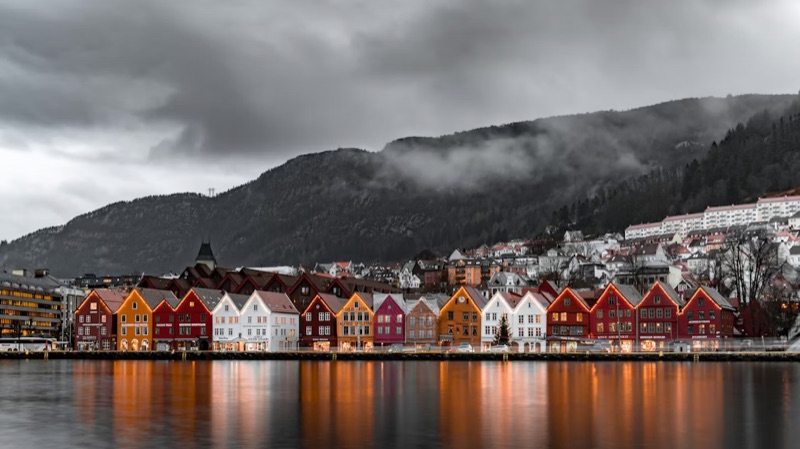
Norway
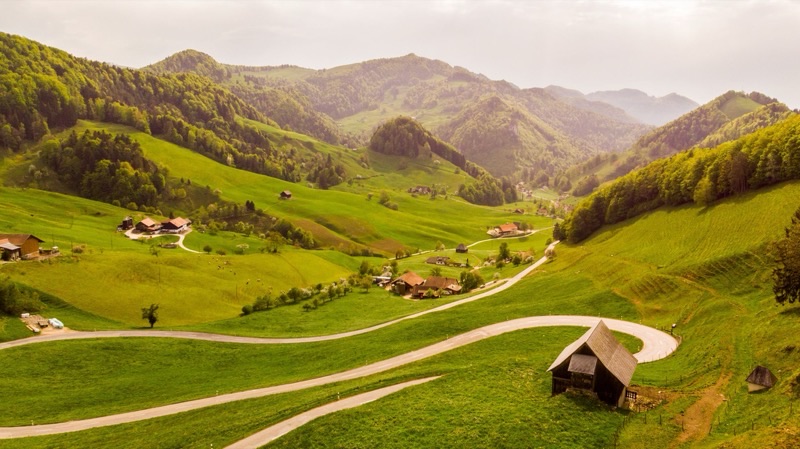
Switzerland
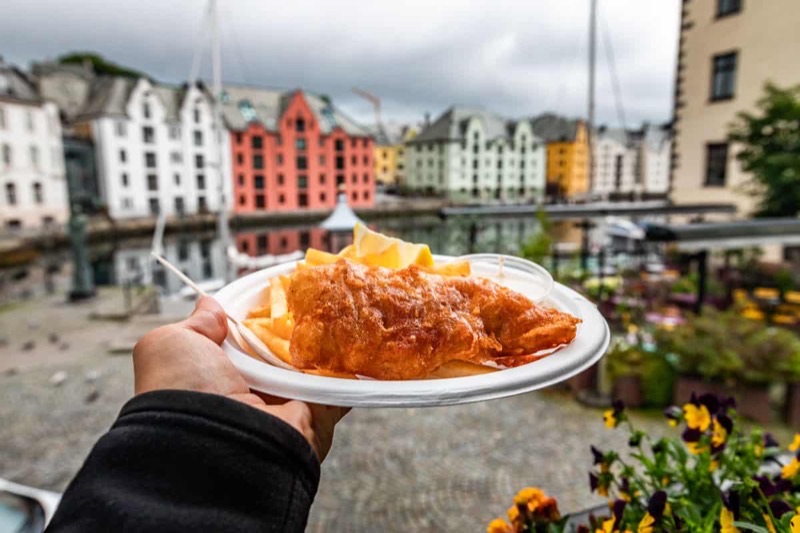
Norwegian cuisine emphasizes local, often simple ingredients. Seafood is a staple, with options like salmon, cod, and various shellfish. Traditional dishes include Fårikål (lamb and cabbage stew) and Lapskaus (vegetable and meat stew). Eating out is a major budget drain; a casual dinner at a restaurant can be 250-400 NOK ($23-37 USD). For cheaper meals, look for pølse (hot dogs) or self-cater using groceries from supermarkets like Kiwi. Alcohol is very expensive due to high taxes, making a pint of beer 100-120 NOK ($9-11 USD) at most bars. Dining is often a functional experience, not a primary attraction.
Switzerland is known for its culinary specialties, often centered around cheese and chocolate. Iconic dishes include fondue (melted cheese with bread), raclette (melted cheese served with potatoes), and Rösti (fried grated potatoes). High-quality chocolates from brands like Sprüngli or Cailler are widely available. While dining out is expensive, with a mid-range restaurant meal costing 40-70 CHF ($44-77 USD), the quality and experience are typically high. Local wines are also available. Supermarkets like Migros and Coop offer good quality ingredients for self-catering, though prices remain elevated. The distinct culinary traditions and higher quality dining experiences give Switzerland an edge.
- Winner: Switzerland
- Why: Switzerland offers more distinct and widely recognized culinary traditions, with high-quality cheese, chocolate, and mountain dishes that are a travel highlight.
- Who this matters for: Food enthusiasts and those who value a specific, established culinary experience as part of their trip.
🏛️ Culture & History
Norway's history is deeply rooted in its Viking past, evident at places like the Viking Ship Museum in Oslo (currently under renovation, but others exist). Its culture connects…
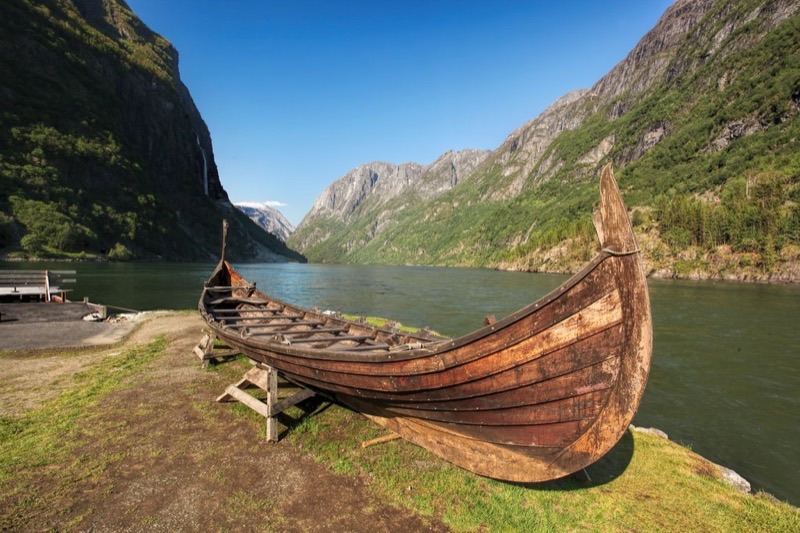
Norway's history is deeply rooted in its Viking past, evident at places like the Viking Ship Museum in Oslo (currently under renovation, but others exist). Its culture connects strongly to nature and outdoor pursuits, with a focus on simple living and functionality, reflected in its Scandinavian design aesthetic. Modern Norway also exhibits a strong sense of social equality and innovation. Indigenous Sami culture, particularly in the north, adds another layer of depth. Traditional stave churches, like Urnes Stave Church, showcase unique medieval wooden architecture. The cultural experience feels tied to the landscape and its historical interactions with the sea and wild spaces.
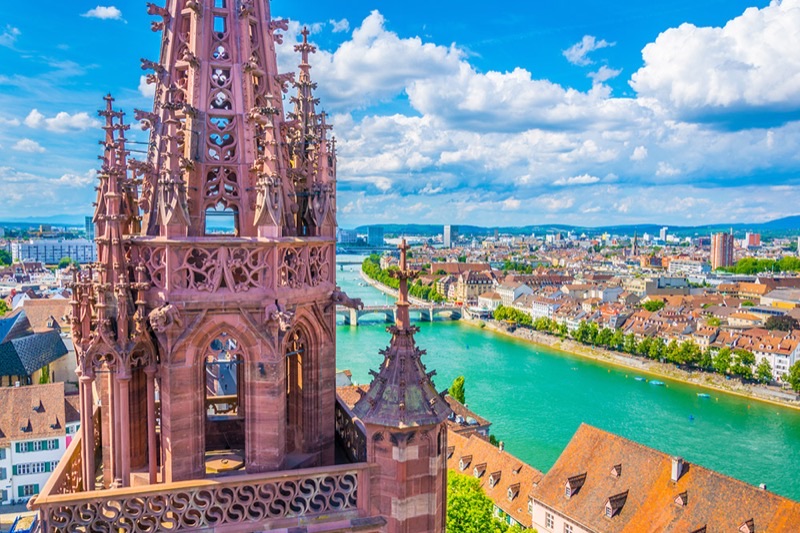
Switzerland's culture is a product of its diverse linguistic regions (German, French, Italian, Romansh) and its long-standing neutrality. This results in distinct regional traditions, from the efficient German-speaking north to the more relaxed French-speaking west. Its history includes significant periods of confederation and a focus on banking, precision engineering (watchmaking), and humanitarian efforts. Cities like Geneva offer international organizations and a cosmopolitan feel. Alpine traditions, such as yodeling and alphorns, are present but can feel somewhat tourism-focused in certain areas. While Switzerland has a rich tapestry of regional customs, Norway's distinct Viking heritage and its unique connection to its raw natural environment provide a more focused and compelling historical narrative.
- Winner: Norway
- Why: Norway's strong, recognizable Viking heritage and its unique cultural connection to its dramatic natural environment offer a more cohesive and deeply rooted historical narrative.
- Who this matters for: Travelers interested in ancient history, seafaring cultures, and societies deeply shaped by their natural surroundings.
🗺️ Day Trips
Day trips in Norway often involve significant travel time. From Bergen, a popular 'Norway in a Nutshell' tour combines train, bus, and ferry to explore the Nærøyfjord and Flåm…
Day trips in Norway often involve significant travel time. From Bergen, a popular 'Norway in a Nutshell' tour combines train, bus, and ferry to explore the Nærøyfjord and Flåm Railway, taking a full day. From Oslo, a day trip to the historic town of Drøbak is possible, or a visit to the Kon-Tiki Museum and Fram Museum on Bygdøy peninsula. Reaching iconic natural sites like Pulpit Rock from Stavanger requires a bus and ferry combination, taking several hours round trip. While rewarding, these excursions demand more logistical effort and time due to the country's geography and less dense transport network.
Switzerland excels at day trips due to its efficient railway system. From Zurich, travelers can easily reach Lucerne and Mount Pilatus, or visit the Rhine Falls, all within a few hours. From Interlaken, numerous mountain excursions like Jungfraujoch, Grindelwald First, or Lake Brienz are accessible via train and cable car within half a day. Geneva allows easy access to Montreux or Lausanne on Lake Geneva. The frequency and reliability of trains mean travelers can spontaneously decide on an outing without significant planning. The sheer number of accessible, distinct locations for day trips makes Switzerland a clear winner for convenience and variety.
- Winner: Switzerland
- Why: Switzerland's efficient, extensive public transport system makes day trips effortless and offers a vast array of accessible mountain, lake, and city destinations.
- Who this matters for: Travelers who prefer to stay in one base and take frequent, easy excursions without a car.
☀️ Weather & Seasons
Norway's weather is highly variable. Summers (June-August) are mild, with temperatures often 15-20°C (59-68°F) in the south, but can be rainy. Northern regions experience the…
Norway's weather is highly variable. Summers (June-August) are mild, with temperatures often 15-20°C (59-68°F) in the south, but can be rainy. Northern regions experience the Midnight Sun, with continuous daylight. Winters (November-March) are cold and dark, especially in the north, where the Polar Night offers few hours of daylight but increases chances for Northern Lights. Coastal areas are milder but wetter, while inland can be very cold and snowy. Spring and autumn are short transition periods, often with unpredictable conditions. The variability means packing layers is always essential.
Switzerland experiences four distinct seasons. Summers (June-August) are warm, with temperatures 20-28°C (68-82°F) in valleys, good for hiking and lake activities. Winters (December-March) bring reliable snow to the Alps, ideal for skiing and snowboarding, with temperatures often around 0°C (32°F) or below in the mountains. Spring (April-May) sees melting snow and greening valleys, while autumn (September-October) brings cool temperatures and colorful foliage. The weather is generally more predictable and suitable for specific activities within each season compared to Norway's more extreme variations. This predictability allows for better trip planning.
- Winner: Switzerland
- Why: Switzerland offers more predictable and distinct seasonal weather, making it easier to plan specific activities like summer hiking or winter skiing with reliable conditions.
- Who this matters for: Travelers with specific seasonal activity preferences (e.g., skiing, summer hiking) and those who prefer more stable weather patterns.
✅ Safety & Security
Norway consistently ranks among the safest countries in the world. Crime rates are very low, even in major cities like Oslo and Bergen. Travelers generally experience no issues…
Norway consistently ranks among the safest countries in the world. Crime rates are very low, even in major cities like Oslo and Bergen. Travelers generally experience no issues with personal safety. Public transport is safe at all hours, and walking alone at night is generally not a concern. The primary safety considerations relate to outdoor activities, such as hiking in remote areas or driving on mountain roads, where weather conditions can change rapidly. General precautions like securing valuables are always sensible, but serious crime is rare. Local emergency services are efficient and reliable.
Switzerland is also exceptionally safe, with very low crime rates across the entire country. Major cities like Zurich and Geneva are known for their order and security. Travelers can move freely and safely, including using public transport late at night. The main risks are minor petty theft in crowded tourist areas or challenges associated with mountain activities, similar to Norway. The societal structure emphasizes rules and order, contributing to a secure environment. Both nations offer a high degree of personal security, allowing travelers to focus on their experiences without significant safety concerns. Their safety levels are virtually indistinguishable for most visitors.
- Winner: Tie
- Why: Both Norway and Switzerland maintain very high standards of safety and security, with low crime rates that make them equally suitable for worry-free travel.
- Who this matters for: Solo travelers, families, and anyone prioritizing a secure and peaceful travel environment.
🚶♀️ Solo Travel
Solo travel in Norway is rewarding for those seeking solitude and a deep connection with nature. Its extensive network of hiking trails and DNT huts offers opportunities for…
Solo travel in Norway is rewarding for those seeking solitude and a deep connection with nature. Its extensive network of hiking trails and DNT huts offers opportunities for independent exploration and self-reflection. Hostels in cities like Oslo and Bergen are good for meeting other travelers, but outside these hubs, interactions might be less frequent. Public transport is safe but less extensive in rural areas, making a rental car more common for solo adventurers. Dining out alone is expensive, so self-catering becomes a practical choice. The country allows for quiet, introspective journeys.
Switzerland is highly conducive to solo travel due to its efficient public transport, which simplifies navigation and reduces reliance on group tours. Hostels are plentiful and often social, particularly in popular spots like Interlaken or Lucerne, making it easier to connect with other solo travelers. There are many organized activities, from hiking groups to cheese-making workshops, where individuals can join. Its compact size means less time wasted in transit, allowing more opportunities for exploration and interaction. While expensive, the ease of access and social opportunities make Switzerland a slightly better choice for many solo travelers aiming for a blend of independence and social interaction.
- Winner: Switzerland
- Why: Switzerland's efficient public transport and social hostel scene make it easier for solo travelers to navigate and connect with others, balancing independence with social opportunities.
- Who this matters for: Solo travelers who appreciate ease of navigation, opportunities for social interaction, and a well-established tourist infrastructure.
🎯 The Decision Framework
Choose Norway If…
- You prioritize dramatic, raw natural landscapes like fjords and the Arctic.
- You enjoy long, scenic drives and don't mind extensive self-catering to save money.
- Seeing the Northern Lights or experiencing the Midnight Sun is a travel goal.
- You are comfortable with less dense public transport and value remote exploration.
- Viking history and unique wooden stave churches intrigue you.
- You want to hike trails like Pulpit Rock or Kjeragbolten.
- You prefer a quiet, less crowded travel experience outside major cities.
- Your budget allows for high costs, but you're willing to cut back on dining out.
Choose Switzerland If…
- You prioritize efficient, punctual public transport and easy access to mountain peaks.
- You are willing to pay for convenience and high-quality services.
- Your trip focuses on iconic Alps, clear lakes, and chocolate/cheese culture.
- You prefer well-maintained hiking paths and extensive cable car networks.
- You want distinct four seasons, with reliable snow for winter sports.
- You appreciate a more polished, postcard-like aesthetic in natural settings.
- You enjoy a more social hostel scene and diverse linguistic regions.
- You want numerous, easy day trip options from a central base.
❓ Frequently Asked Questions
Which country is more budget-friendly for a week-long trip?
Norway offers more opportunities to manage costs, especially through self-catering from supermarkets like Rema 1000 and utilizing free hiking trails. A week in Norway might cost $700-1400 USD for a budget traveler (excluding flights), compared to Switzerland's $1050-1750 USD.
How long should I plan to visit each country?
For a good introduction to Norway's fjords, allocate at least 7-10 days. For a comprehensive look at Switzerland's Alps and major cities, 7-10 days is also a good starting point. To genuinely experience either, two weeks allows for deeper exploration.
What's the typical flight time from the US or UK?
From London, direct flights to Oslo (OSL) are about 2 hours, and to Zurich (ZRH) are about 1 hour 45 minutes. From New York (JFK), direct flights to Oslo are around 7 hours 30 minutes, and to Zurich are also about 7 hours 30 minutes.
Which country is better for hiking and outdoor activities?
Both are excellent. Norway offers more rugged, expansive, and less developed trails, like those to Pulpit Rock or in the Lofoten Islands. Switzerland provides a highly accessible, well-marked network of trails with numerous mountain transport options to reach high altitudes quickly. It depends if you prefer wildness or accessibility.
Is it easy to get by speaking only English in both countries?
Yes, English is widely spoken in both Norway and Switzerland, especially in tourist areas, hotels, and restaurants. Most younger generations and service staff will communicate fluently in English, making travel straightforward for English-only speakers.
Which has better opportunities for winter sports?
Switzerland generally offers more reliable snow conditions and a denser network of established ski resorts like Zermatt, Verbier, and St. Moritz. Norway has ski areas, but its winter weather can be more variable, and resorts might be smaller. Switzerland is the more consistent choice for winter sports enthusiasts.
Can I see the Northern Lights in either country?
You can see the Northern Lights in Norway, particularly in its northern regions above the Arctic Circle, such as Tromsø or Lofoten, between late September and March. Switzerland is too far south to reliably see the Northern Lights; sightings there are extremely rare and faint.
Which country has more unique local cuisine?
Switzerland has more widely recognized and distinct local cuisine focused on cheese dishes like fondue and raclette, alongside its famous chocolates. Norwegian cuisine, while good and fresh, is generally simpler, focusing heavily on seafood and traditional stews, and less emphasized as a travel highlight.
Ready to plan your European mountain trip?
Get a free custom itinerary for Norway, Switzerland, or both — built from real traveler insights.
🎟️ Book Tours & Experiences
Hand-picked tours and activities for both destinations — book with free cancellation
Experiences via Viator — free cancellation on most tours