How we built this comparison
This page combines traveler discussion patterns, published price ranges, flight schedules, and seasonal data to help you decide between Nosy Be and Zanzibar.
- Reviewed 50+ Reddit threads from r/travel, r/solotravel, r/Madagascar, r/Tanzania, r/AfricaTravel
- Verified costs and logistics against current booking platforms (e.g., Booking.com, Skyscanner, local tour operators)
- Cross-referenced seasonal patterns and weather data from NOAA and local meteorological services
⚡ The TL;DR Verdict
For the intrepid explorer seeking raw nature, lemurs, and a more budget-friendly, off-the-beaten-path experience, Nosy Be is your pick, expecting roughly $50-100 USD/day. If you crave vibrant history, diverse cuisine, well-developed tourism infrastructure, and iconic white-sand beaches with a bit more comfort, Zanzibar beckons, budgeting around $80-150 USD/day.
- Choose Nosy Be: Choose Nosy Be if you're an adventurous traveler on a tighter budget, prioritize unique wildlife (lemurs!), incredible diving, and don't mind a less polished tourist infrastructure. It's for those who want a more authentic, tranquil escape.
- Choose Zanzibar: Opt for Zanzibar if you're looking for a richer cultural experience, particularly in Stone Town, combined with stunning, accessible beaches. It's ideal for those who appreciate more varied dining, established resorts, and easier logistics, even if it comes at a higher price.
- Choose Both: If you have 3-4 weeks and a generous budget, doing both offers an unparalleled East Africa/Madagascar experience. Start with Zanzibar for its cultural depth and beach relaxation, then fly to Nosy Be for an adventurous, wilder contrast, appreciating the distinct ecosystems and island vibes of each.
Quick Comparison
| Category | Nosy Be | Zanzibar | Winner |
|---|---|---|---|
| Costs & Budget | Significantly more affordable across the board; accommodation, food, and activities are budget-friendly. | More expensive, especially for mid-range to luxury options; prices are comparable to Western standards in tourist hubs. | Nosy Be |
| Beaches & Scenery | More wild, secluded beaches with lush jungle backdrops; famed for unique volcanic landscapes and offshore islands. | Iconic, picture-perfect white sand beaches with turquoise waters; more developed with a wider range of resorts and water sports. | |
| Culture & History | Primarily focuses on Malagasy traditions, local life, and nature-centric culture; less historical architecture. | Rich Swahili, Omani Arab, and Indian history, epitomized by the UNESCO World Heritage Stone Town; vibrant spice trade legacy. | |
| Food & Drink | Fresh seafood, simple Malagasy dishes (rice, zebu), French influences; limited upscale dining. | Diverse Swahili cuisine with strong Indian, Arab, and Portuguese influences; famous for spices and abundant seafood. | |
| Nightlife & Entertainment | Relaxed bars, occasional live music, focus on quiet evenings or small beach gatherings. | More vibrant beach parties, a selection of bars and lounges, especially in Nungwi and Kendwa; cultural shows in Stone Town. | |
| Getting There & Away | Fewer direct international flights; often requires connections through Antananarivo or Reunion; internal flights to Nosy Be (Fascene Airport). | Excellent international connections, many direct flights from Europe and Africa; easily accessible via Dar es Salaam. | |
| Getting Around | Tuk-tuks, taxis, motorbikes; roads can be rough; reliance on boat transfers for island hopping. | Dala-dalas (local buses), taxis, scooter rentals; roads are generally better, especially main routes. | |
| Accommodation | Fewer large resorts; more boutique hotels, guesthouses, and eco-lodges; generally simpler and more rustic. | Wide range from budget hostels to luxury resorts, international chains; established and diverse options. | |
| Day Trips & Activities | Focus on nature: lemur reserves, diving, snorkeling, ylang-ylang plantations, island hopping to pristine islets. | Cultural tours (Spice Tour, Prison Island), diverse water sports (kitesurfing, diving), Jozani Forest (Red Colobus monkeys). | Tie |
| Safety & Solo Travel | Generally safe, but petty crime can occur; less developed infrastructure for solo female travelers; local guides highly recommended. | Relatively safe, more established tourist police; common petty crime (bag snatching); better support for solo travelers. |
💰 Costs & Budget
Nosy Be is generally the more wallet-friendly destination. A decent meal at a local 'hotely' can cost MGA 10,000-20,000 ($2.50-5 USD), while a good seafood dinner might run MGA 50,000-80,000 ($12-20 USD). Budget guesthouses are available for MGA 80,000-150,000 ($20-40 USD) per night. Excursions, like a day trip to Nosy Iranja, might be MGA 150,000-250,000 ($35-60 USD) including lunch. Zanzibar, by contrast, operates on a higher price tier. Local eateries in Stone Town can offer meals for TZS 10,000-25,000 ($4-10 USD), but tourist-oriented restaurants easily hit TZS 50,000-100,000+ ($20-40+ USD) per meal. Mid-range hotels in Nungwi or Paje start from TZS 150,000-300,000 ($60-120 USD), and popular activities like a Spice Tour or Prison Island trip are TZS 40,000-80,000 ($15-30 USD) excluding tips. Transportation like 'dala-dalas' is cheap (TZS 1,000-3,000 / $0.40-1.20 USD), but private taxis add up quickly. "Honestly, if you're on a backpacker budget, Nosy Be stretches your dollar way further. Zanzibar felt like I was back in Europe with the prices sometimes, especially for drinks."
Winner takeaway
- Winner: Nosy Be
- Why: Nosy Be offers a genuinely more affordable travel experience for accommodation, food, and activities.
- Who this matters for: Budget travelers, long-term explorers, and those who prefer local experiences over luxury.
🏖️ Beaches & Scenery
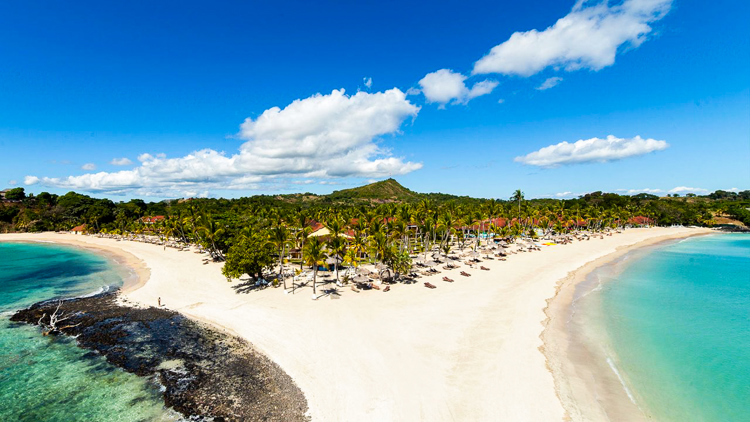
Zanzibar's beaches are postcard-perfect, famed for their fine white sands and incredibly clear turquoise waters, particularly at Nungwi, Kendwa, and Paje. Nungwi on the north tip is known for its vibrant atmosphere and stunning sunsets, while Kendwa offers calm waters perfect for swimming at all tides. Paje on the southeast is a kite-surfing mecca. While beautiful, they can get quite crowded, especially around resorts. Nosy Be's beaches, while still stunning, offer a different vibe – often more rugged, secluded, and framed by lush vegetation and volcanic hills. Places like Andilana Beach are pristine, but the true gems are found on the surrounding islands like Nosy Iranja, with its famous sandbar, or Nosy Komba, known for lemurs. The appeal of Nosy Be is often the journey to these lesser-known spots, providing a sense of discovery. The water quality for snorkeling and diving is exceptional in both, but Zanzibar’s Mnemba Atoll is world-renowned. "Zanzibar's beaches are what you see on Instagram, no filter needed. Nosy Be's are beautiful, but they feel more... authentic, less 'resort-y'. You kinda have to work for the best views there, but it's worth it."
Winner takeaway
- Winner: Zanzibar
- Why: Zanzibar's beaches are more consistently stunning, accessible, and offer a wider variety of activities directly on the sand.
- Who this matters for: Beach lovers, honeymooners, families, and those seeking classic tropical paradise aesthetics.
📜 Culture & History
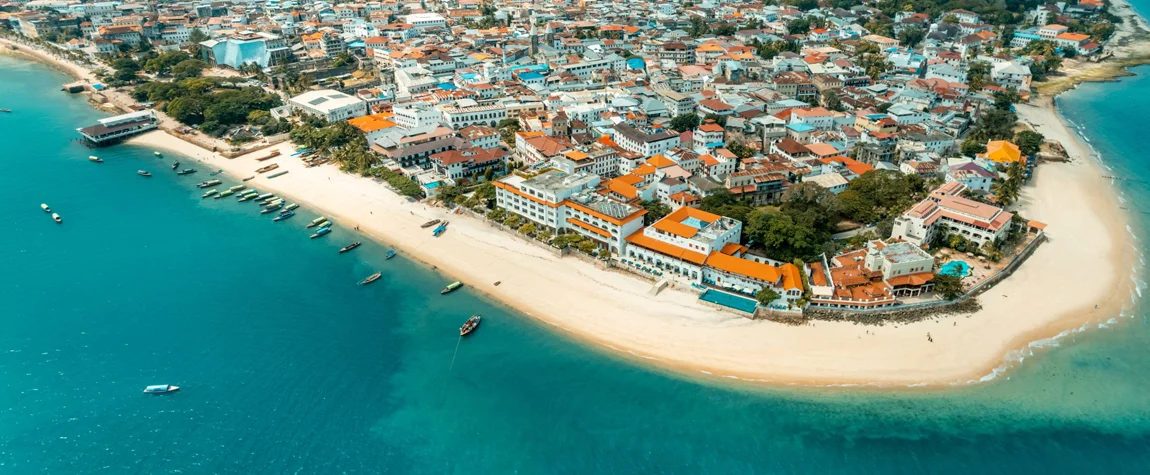
Zanzibar boasts a deep, palpable history that sets it apart. Stone Town, a UNESCO World Heritage site, is a labyrinth of narrow alleys, bustling bazaars, ornate Zanzibari doors, and historical buildings like the House of Wonders and the Old Fort. Its history as a major trading hub, particularly for spices and unfortunately, slaves, is evident at every turn, offering a profoundly educational and immersive cultural experience. Guided tours through the Old Slave Market and the Anglican Cathedral are poignant. Nosy Be's culture is rooted more in Malagasy traditions, focused on community life, nature, and the production of ylang-ylang. While there's a charming local market in Hell-Ville (Andoany) and opportunities to see traditional fishing villages, it lacks the grand, historical architecture and the layered, multicultural past of Stone Town. The cultural immersion in Nosy Be is more about observing daily life, participating in local festivals if timed right, and appreciating the island's natural bounty. "Stone Town alone is worth the trip to Zanzibar. The history just hits you, walking those narrow streets, smelling the spices. Nosy Be is cool for lemurs, but the history isn't really there like that."
Winner takeaway
- Winner: Zanzibar
- Why: Zanzibar's Stone Town offers a uniquely rich and tangible historical and cultural experience that is a major draw.
- Who this matters for: History buffs, cultural explorers, photographers, and those interested in diverse heritage.
🍽️ Food & Drink
Zanzibar is a culinary delight, living up to its 'Spice Island' moniker. The food scene is incredibly diverse, from delicious street food at Forodhani Gardens (try the Zanzibari pizza, mishkaki skewers for TZS 5,000-10,000 / $2-4 USD) to high-end restaurants in Stone Town like The Rock Restaurant (though that's more about location) or Lukmaan Restaurant for authentic local fare. Fresh seafood, infused with local spices like cloves, cinnamon, and nutmeg, is a staple. Dishes like 'pilau' (spiced rice), 'ugali' (cornmeal porridge), and coconut curries are ubiquitous. Nosy Be also offers fantastic fresh seafood, often grilled simply, reflecting its island life. You'll find influences from French cuisine due to Madagascar's colonial past, and staple Malagasy dishes like 'romazava' (beef stew with greens) and 'ravitoto' (pork with shredded cassava leaves), typically served with rice. However, the variety of international cuisine and the sheer depth of local culinary exploration is not as extensive as in Zanzibar. Upscale dining options are also fewer and further between. "Zanzibar's food scene is next level. Every meal was an adventure, especially at Forodhani Gardens, just incredible flavors. Nosy Be had great seafood, but it was pretty standard compared to the spice explosion in Zanzibar."
Winner takeaway
- Winner: Zanzibar
- Why: Zanzibar offers a more diverse, flavorful, and sophisticated culinary scene, heavily influenced by its spice trade history.
- Who this matters for: Foodies, gourmands, and those who enjoy trying a wide variety of local and international dishes.
🥳 Nightlife & Entertainment
Zanzibar definitely has a more active and varied nightlife, particularly in the northern beach areas like Nungwi and Kendwa. Here, you'll find beach bars hosting regular full moon parties, reggae nights, and lively gatherings that can go on until the early hours. Places like Kendwa Rocks Hotel are famous for their Saturday night beach parties (entry around TZS 20,000 / $8 USD). Stone Town offers a more relaxed evening, with rooftop bars like Emerson Spice offering cocktails and stunning sunset views, sometimes with live Taarab music. Nosy Be's nightlife is significantly more subdued. You'll find a few local bars ('cabarets') in Hell-Ville and some hotels might have entertainment, but it's generally focused on quiet drinks, enjoying the sunset, or perhaps a small, impromptu beach bonfire. There are no large-scale parties or dedicated nightclubs. The pace is much slower, designed for relaxation rather than revelry. "If you want to party, Nungwi is where it's at. Full moon parties, chill beach bars, fire dancers – Zanzibar has actual nightlife. Nosy Be is more 'have a beer by the ocean and call it a night', which is fine, but totally different."
Winner takeaway
- Winner: Zanzibar
- Why: Zanzibar provides a more dynamic and diverse nightlife experience, especially for those seeking beach parties and lively social scenes.
- Who this matters for: Young travelers, party-goers, and those who enjoy lively evenings out.
✈️ Getting There & Away
Zanzibar (ZNZ Abeid Amani Karume International Airport) is significantly easier and often cheaper to reach internationally. It boasts numerous direct flights from major European cities (e.g., KLM from Amsterdam, Qatar Airways from Doha) and excellent connections via East African hubs like Nairobi (Jomo Kenyatta International Airport, NBO) and Dar es Salaam (Julius Nyerere International Airport, DAR). From Dar es Salaam, it's a short 15-20 minute flight (around $50-80 USD) or a scenic 2-hour ferry ride (approximately TZS 35,000-50,000 / $15-20 USD). Nosy Be (Fascene Airport, NOS) has fewer direct international routes. Most travelers fly into Antananarivo (TNR) first, then take a separate domestic flight to Nosy Be, which can be expensive (MGA 600,000-1,000,000 / $150-250 USD return) and less frequent, especially outside peak season. Some seasonal charters exist from Europe or Reunion, but they are not as consistently available. The overall journey time and potential for complex connections make Nosy Be less accessible. "Getting to Zanzibar was a breeze, direct flight from Doha. Getting to Nosy Be felt like an expedition, two layovers and a long wait for the domestic flight. Definitely something to factor in if you're on a tight schedule."
Winner takeaway
- Winner: Zanzibar
- Why: Zanzibar offers superior international flight connectivity and more straightforward, often cheaper, travel logistics.
- Who this matters for: Travelers with limited time, those seeking convenience, and those looking to minimize flight costs and complexity.
🚗 Getting Around
Getting around Zanzibar is relatively easy and offers more variety. For budget travelers, 'dala-dalas' (local public minibuses) are incredibly cheap (TZS 1,000-3,000 / $0.40-1.20 USD per ride) and cover most major routes. Taxis are widely available but can be pricey (TZS 30,000-50,000 / $12-20 USD for shorter trips, TZS 80,000-120,000 / $30-50 USD for longer beach transfers). Scooter rentals are popular for independent exploration (TZS 20,000-30,000 / $8-12 USD per day), though caution is advised. Roads, especially along the main tourist routes, are generally paved and in good condition. Nosy Be relies more on 'tuk-tuks' (MGA 5,000-15,000 / $1.20-4 USD for short distances) and taxis (negotiate prices carefully), which can be more expensive and less regulated than in Zanzibar. Motorbike rentals are also available. The roads, particularly off the main Hell-Ville to Andilana Beach route, can be unpaved and very bumpy, making travel slower and less comfortable. For island hopping, both rely on boat trips, but Nosy Be's outer islands are a more central part of its appeal, making boat transfers a daily necessity for many activities. "Zanzibar's dala-dalas were a trip! Cheap and got me everywhere. Renting a scooter was also super easy. In Nosy Be, I felt a bit more stuck without a private driver, and the roads were pretty rough outside the main town."
Winner takeaway
- Winner: Zanzibar
- Why: Zanzibar offers more diverse, affordable, and reliable transportation options with better road infrastructure.
- Who this matters for: Independent travelers, budget explorers, and those who prefer self-driving or public transport.
🏨 Accommodation
Zanzibar offers a far more extensive and diverse range of accommodation options to suit every budget and style. In Stone Town, you can find charming boutique hotels like Emerson Spice or budget-friendly hostels. Along the coast, areas like Nungwi, Kendwa, and Paje boast everything from simple beach bungalows (e.g., Mustapha's Place, around TZS 50,000-100,000 / $20-40 USD) to mid-range resorts (e.g., Z Hotel, TZS 250,000-500,000 / $100-200 USD) and sprawling luxury establishments (e.g., Baraza Resort and Spa, TZS 1,500,000+ / $600+ USD). Nosy Be, while having its share of lovely places, has a more limited selection. You'll find a good number of guesthouses and smaller, locally-run hotels (e.g., Hôtel Arc-en-Ciel, MGA 120,000-200,000 / $30-50 USD), and a few eco-lodges or more upscale options like Vanila Hotel & Spa (MGA 500,000-800,000 / $120-200 USD), but the sheer volume and variety, especially in the mid-to-luxury segment, don't compare to Zanzibar. The infrastructure is generally less developed, leading to a more rustic feel overall. "Zanzibar had so many cool places to stay, from cheap hostels in Stone Town to those fancy resorts in Matemwe. Nosy Be felt like it had fewer choices, and the 'luxury' wasn't quite the same standard. But the eco-lodges were charming!"
Winner takeaway
- Winner: Zanzibar
- Why: Zanzibar provides a significantly wider range of accommodation choices, from budget to luxury, with more developed infrastructure and established resort options.
- Who this matters for: Travelers seeking variety, luxury options, established resorts, and those with specific comfort requirements.
⛵ Day Trips & Activities
Both islands excel in offering fantastic day trips, though their focus differs. Nosy Be's activities are heavily centered around its incredible natural environment. Must-do trips include visiting Lokobe Reserve for black lemurs (guided tours around MGA 80,000-120,000 / $20-30 USD), island hopping to Nosy Komba (more lemurs and craft markets), Nosy Tanikely (marine reserve, excellent snorkeling), and the stunning Nosy Iranja with its pristine sandbar (full-day trip MGA 150,000-250,000 / $35-60 USD). Diving and snorkeling are world-class, with dive centers offering trips to sites like Les Quatre Frères. You can also visit a local rum distillery or ylang-ylang plantation. Zanzibar's activities are equally compelling and diverse. Iconic excursions include the Spice Tour (TZS 20,000-30,000 / $8-12 USD), Prison Island (giant tortoises, TZS 30,000-50,000 / $12-20 USD), and a visit to Jozani Forest to see the endangered Red Colobus monkeys (entry TZS 25,000 / $10 USD). Water sports are abundant, especially kitesurfing in Paje, and diving around Mnemba Atoll is legendary (two-tank dive around TZS 250,000-350,000 / $100-140 USD). "For nature and pure unique wildlife, Nosy Be blows Zanzibar out of the water with the lemurs and untouched islands. But Zanzibar's spice tours and Stone Town history just give you a different kind of rich experience. Hard to pick a favorite!"
Winner takeaway
- Winner: Tie
- Why: Both destinations offer uniquely compelling and distinct ranges of day trips and activities, catering to different interests.
- Who this matters for: Nature lovers, wildlife enthusiasts, divers for Nosy Be; history buffs, cultural explorers, water sports enthusiasts for Zanzibar.
🛡️ Safety & Solo Travel
Both Nosy Be and Zanzibar are generally safe destinations for tourists, but like any travel, common sense precautions are essential. Zanzibar benefits from a more developed tourism infrastructure, including a visible tourist police presence in areas like Stone Town and the main beaches. Petty crime like bag snatching and opportunistic theft can occur, especially in crowded areas or at night. Solo female travelers often report feeling relatively safe, particularly in resort areas, though modesty in dress is appreciated outside of resorts. Nosy Be is also generally safe, but its less developed infrastructure means fewer official resources if issues arise. Petty crime, while not rampant, can occur, especially in Hell-Ville. Solo travelers, particularly women, might find it slightly more challenging due to fewer organized tours catering to individuals and less widespread English spoken outside of tourist hotspots. Hiring local, trusted guides is highly recommended for excursions in Nosy Be. Both require vigilance, especially at night or in isolated areas. "I felt pretty safe as a solo woman in Zanzibar, especially in Nungwi. Just dressed respectfully in Stone Town. Nosy Be was fine too, but I definitely felt more 'on my own' and stuck with group tours more often. Less official presence."
Winner takeaway
- Winner: Zanzibar
- Why: Zanzibar offers a slightly more established and reassuring environment for solo travelers, with better infrastructure and visible tourist support.
- Who this matters for: Solo travelers, particularly solo female travelers, and those who prioritize well-established safety nets and ease of navigation.
❓ Frequently Asked Questions
Which island is better for diving and snorkeling?
Both offer excellent diving and snorkeling. Nosy Be excels with vibrant coral reefs, whale sharks (seasonal, Oct-Dec), and unique marine life like frogfish. Zanzibar's Mnemba Atoll is world-renowned for its pristine conditions and abundant fish, while the south offers diverse dive sites. For sheer untouched diversity and bigger pelagics, Nosy Be might have a slight edge, but Mnemba is unparalleled for visibility and reef health.
What's the best time of year to visit each island?
For Nosy Be, the dry season (May to October) is ideal, offering sunny skies and pleasant temperatures. Whale shark season is typically October to December. Zanzibar's best time is also the dry seasons (June to October and December to February), avoiding the long rains (March-May) and short rains (November). Both are year-round destinations, but these months offer the most reliable weather.
Are visas required for U.S. citizens?
Yes, U.S. citizens require visas for both Madagascar and Tanzania (which includes Zanzibar). Visas for Madagascar can often be obtained on arrival at Fascene Airport (Nosy Be) for stays up to 30 days. For Tanzania, an e-visa is recommended in advance, though visas on arrival are generally available at major entry points like Zanzibar's airport, but pre-approval saves time.
Which island is more family-friendly?
Zanzibar generally offers more family-friendly infrastructure, with a wider selection of resorts offering kids' clubs, pools, and activities. The beaches are often calmer, and getting around is easier. Nosy Be is family-friendly for adventurous families who appreciate nature and don't mind a slightly more rustic experience, with lemur encounters being a huge draw for children.
What currency should I use in each place?
In Nosy Be, the local currency is the Malagasy Ariary (MGA). While some tourist establishments might accept Euros, it's best to use MGA for daily transactions. In Zanzibar, the Tanzanian Shilling (TZS) is the official currency. US Dollars are widely accepted for larger purchases (tours, hotels) but you'll often get a better rate using TZS for smaller items and local services.
Is English widely spoken in both destinations?
In Zanzibar, especially in tourist areas and Stone Town, English is widely spoken due to the high volume of international tourists and its history. Many locals involved in tourism are proficient. In Nosy Be, French is more prevalent due to Madagascar's colonial past. While some English is spoken in major tourist establishments, you'll find it less widespread, and a few French phrases can be very helpful.
Which island is better for a honeymoon?
Zanzibar is often considered more ideal for honeymoons due to its abundance of luxurious, romantic resorts, world-class dining, and picturesque, easily accessible beaches perfect for couples. Nosy Be offers a more unique, adventurous honeymoon for couples seeking seclusion, nature, and a truly off-the-beaten-path experience away from resort crowds.
How do the 'local experiences' compare?
Zanzibar offers a vibrant 'local experience' through Stone Town's markets, spice farms, and Dala-dala rides. The cultural fusion is very apparent. Nosy Be's local experience is more about observing traditional Malagasy life, visiting fishing villages, seeing ylang-ylang plantations, and connecting with nature. It's less about grand historical sites and more about quiet, authentic island living.
Ready to plan your Indian Ocean adventure?
Get a free custom itinerary for Nosy Be, Zanzibar, or both — built from real traveler insights and tailored to your preferences.
🎟️ Book Tours & Experiences
Hand-picked tours and activities for both destinations — book with free cancellation
Experiences via Viator — free cancellation on most tours